

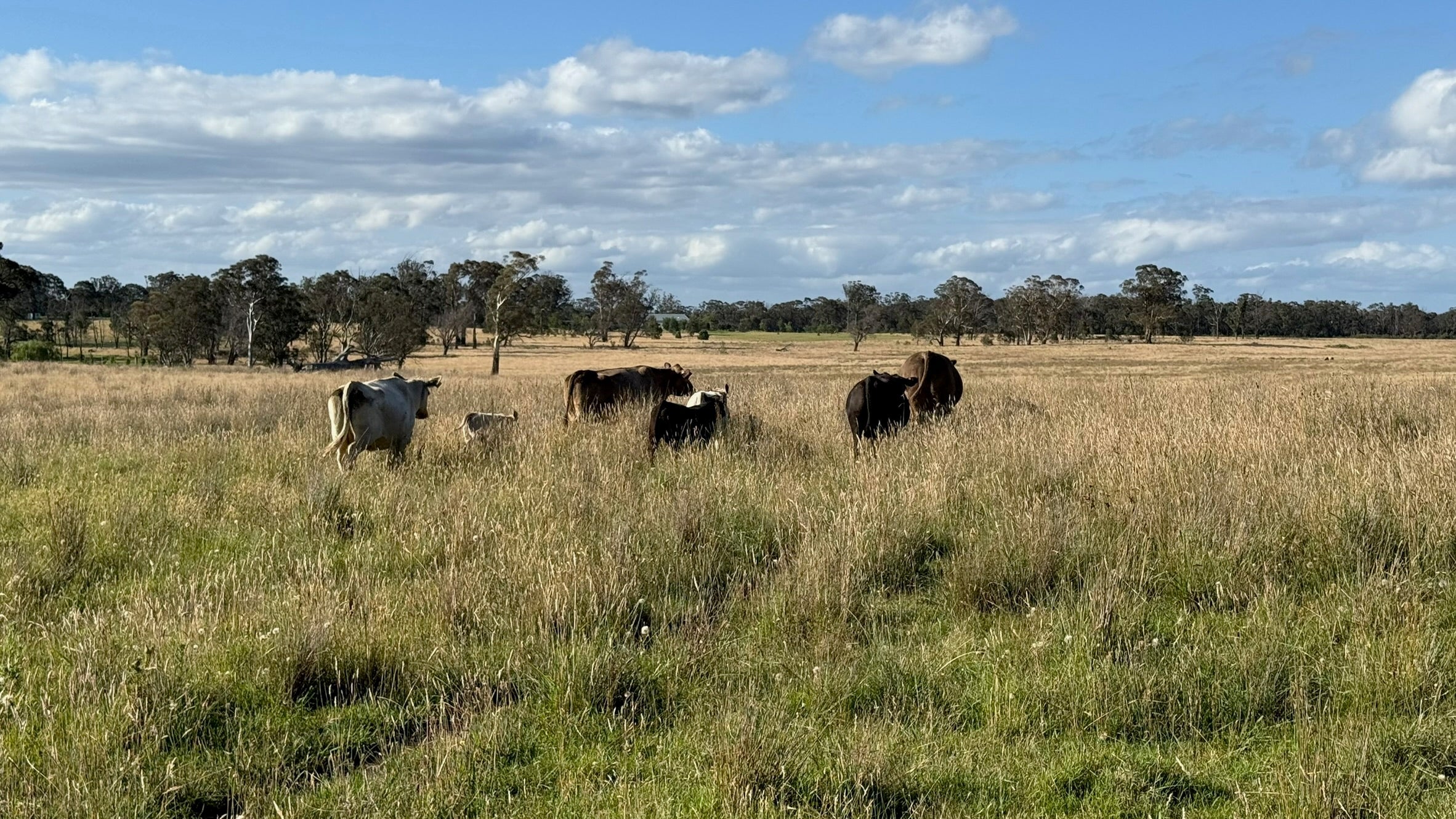
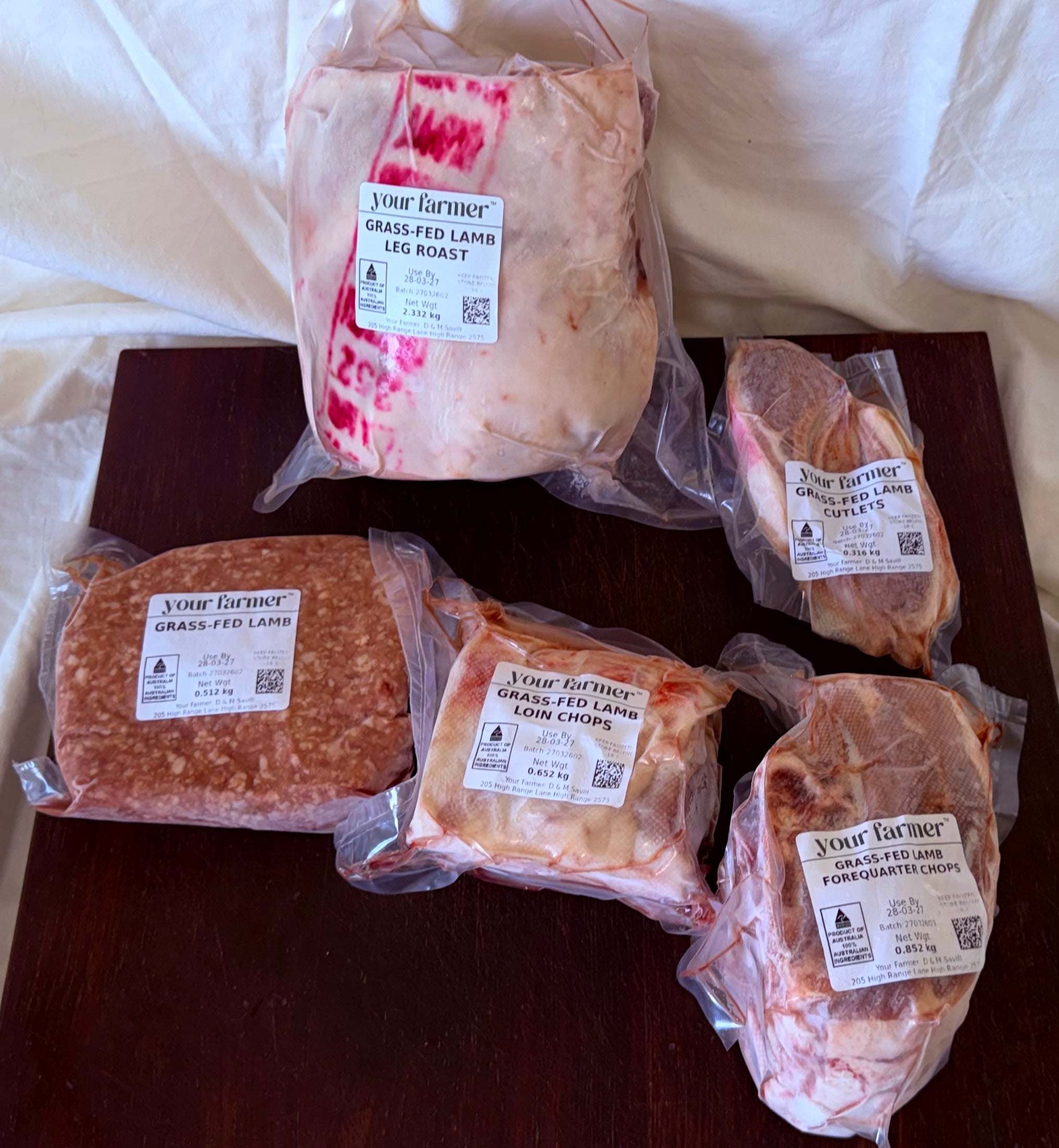
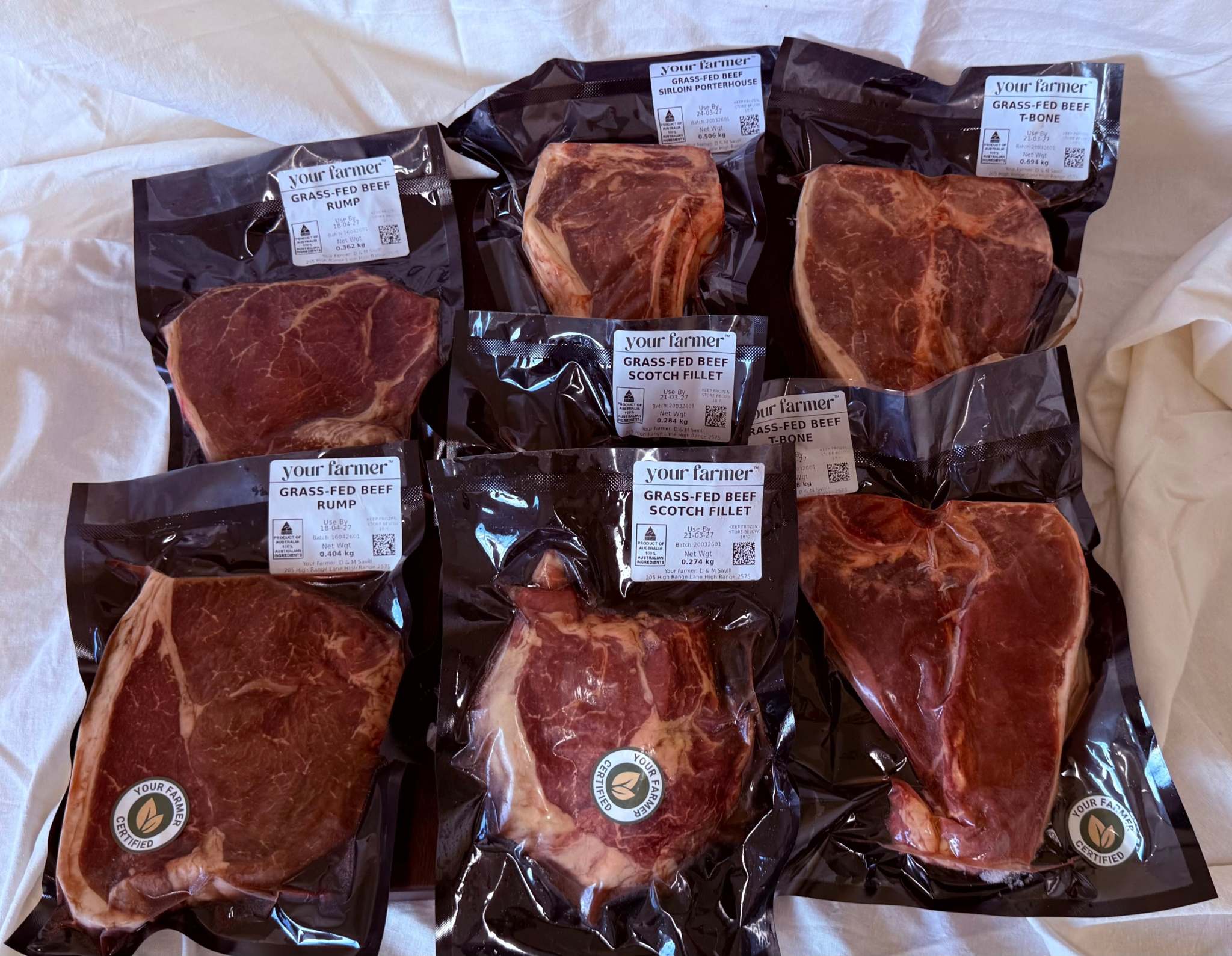
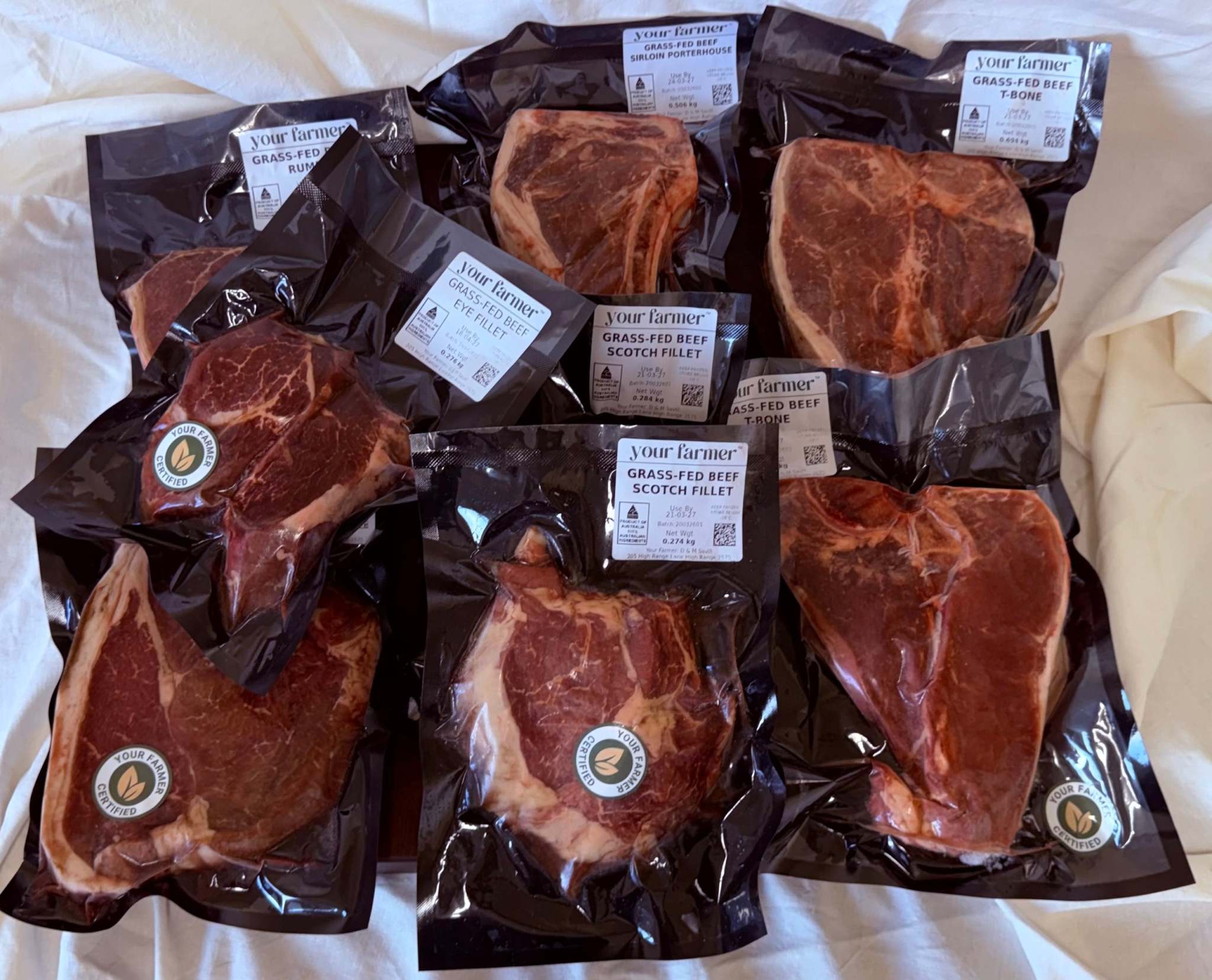
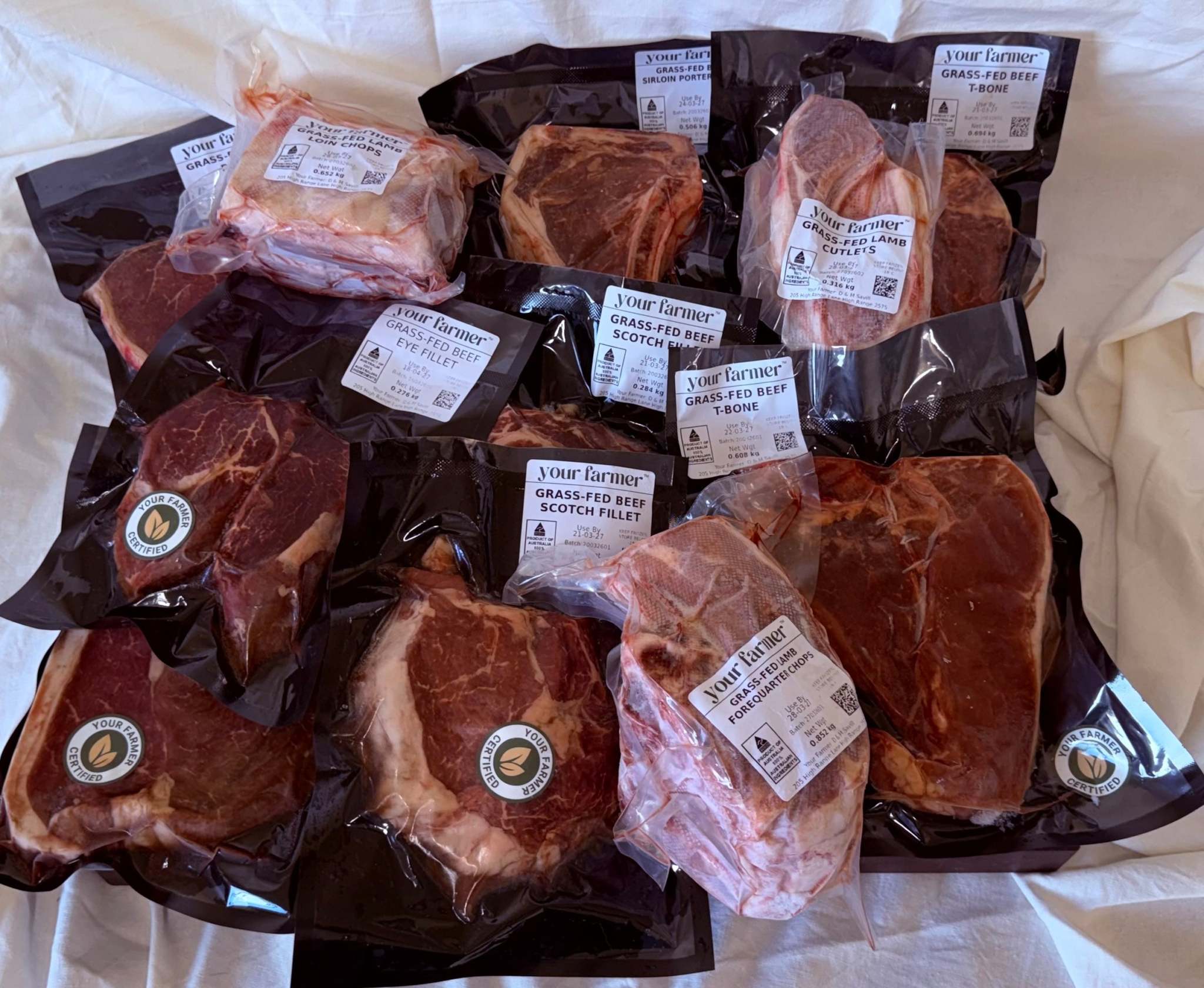
Dural and Hills District families can order farm fresh meat from the Southern Highlands through a CSA subscription model, with ecologically grown beef and lamb delivered to your door in reusable eskies.
Why Dural and Hills District Families Are Choosing Southern Highlands Meat
Dural has an enduring heritage in fruit orchards and agriculture, and that connection to the land resonates with families who want to know where their food comes from. Across the Hills District — from Kellyville to Dural — more households are looking beyond the supermarket aisle for meat raised on open pasture rather than finished in confinement systems.
The Southern Highlands, located about 90 minutes south-west of Sydney, offers the cool climate, rich soils and clean water that support ecological grazing. For Hills District families, ordering directly from a Southern Highlands farm removes the chain of distributors between paddock and plate, meaning the meat on your table was raised with practices you can ask about and verify. Under Australian Consumer Law, food marketing claims such as grass-fed or free range must not be false or misleading, giving families an additional layer of confidence when choosing farm-direct suppliers.
How the CSA Subscription Model Works
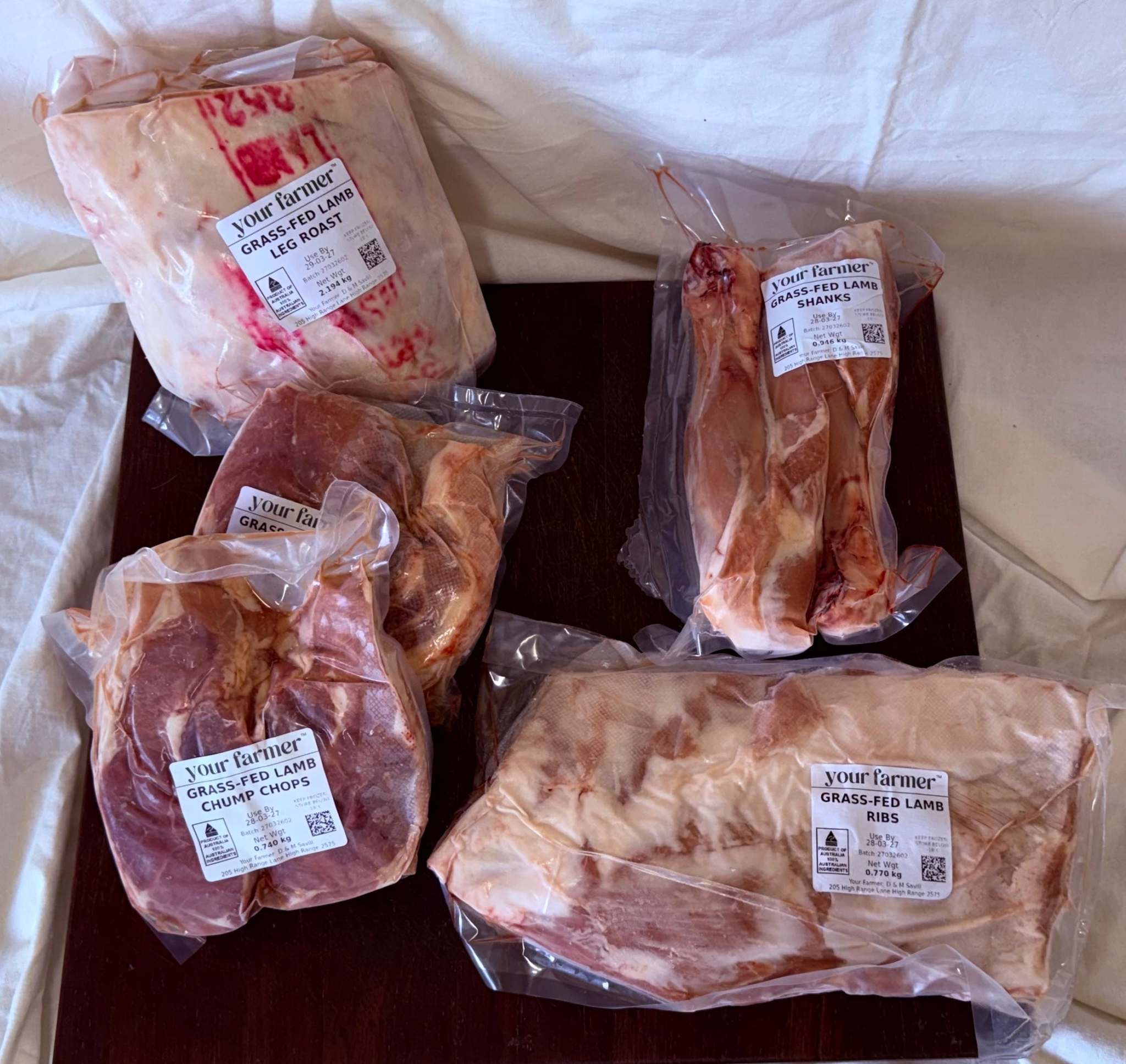
CSA stands for Community Supported Agriculture. Rather than buying individual cuts each week, you receive a regular share of what the farm produces. Your Farmer operates a CSA subscription model delivering Southern Highlands meat to Dural, Kellyville and Dee Why in reusable eskies. Here is how the process typically works:
-
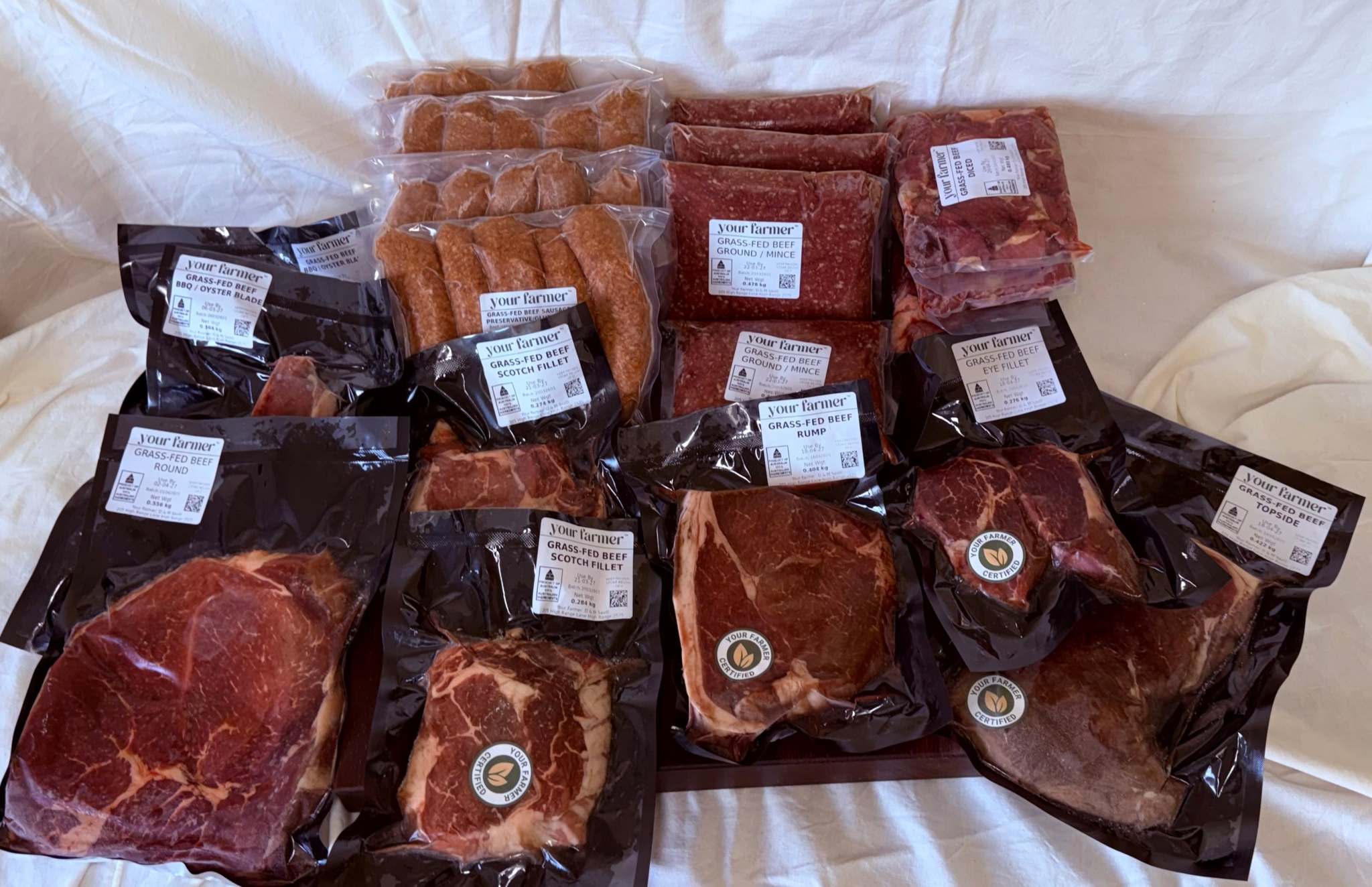
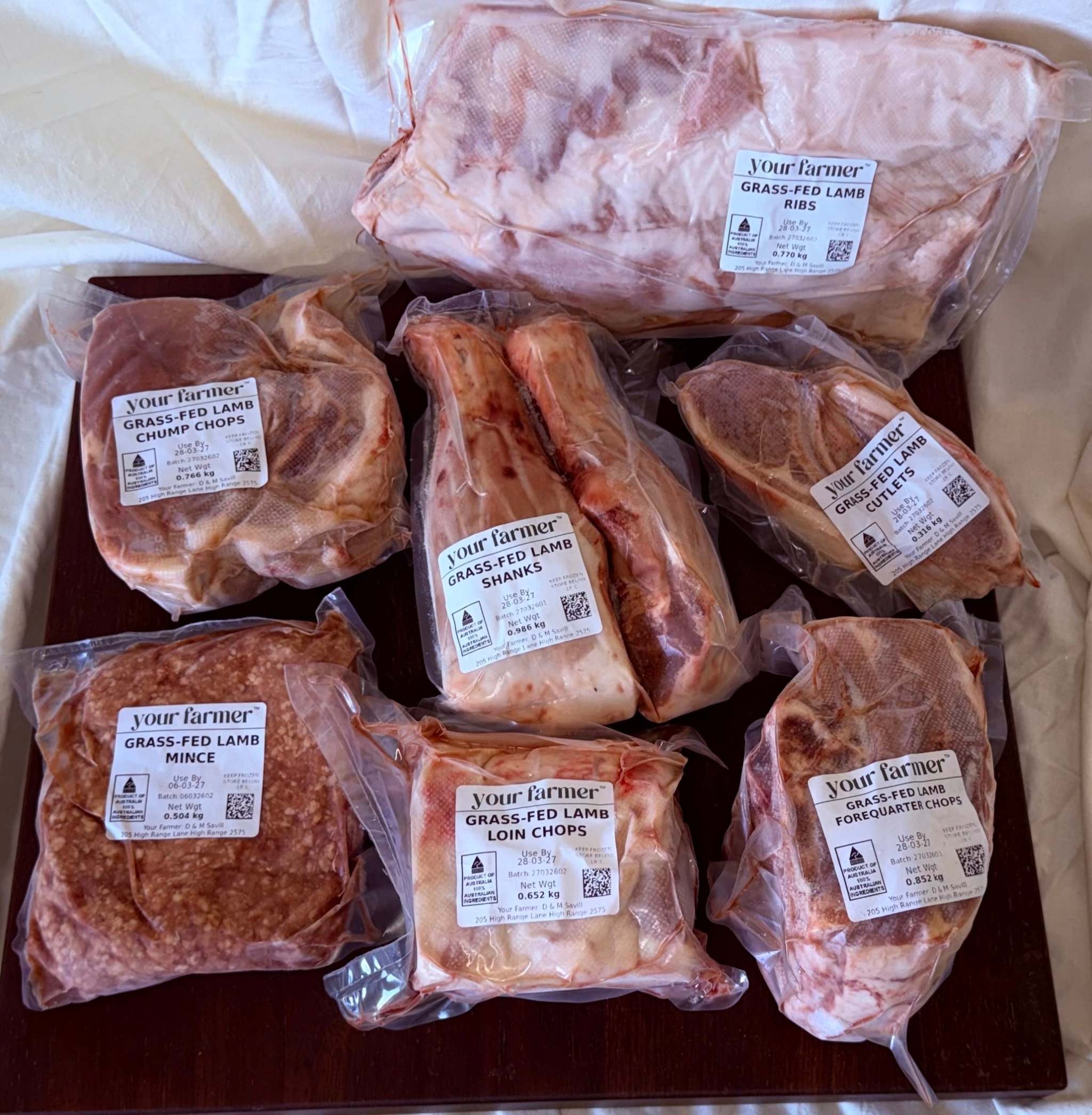
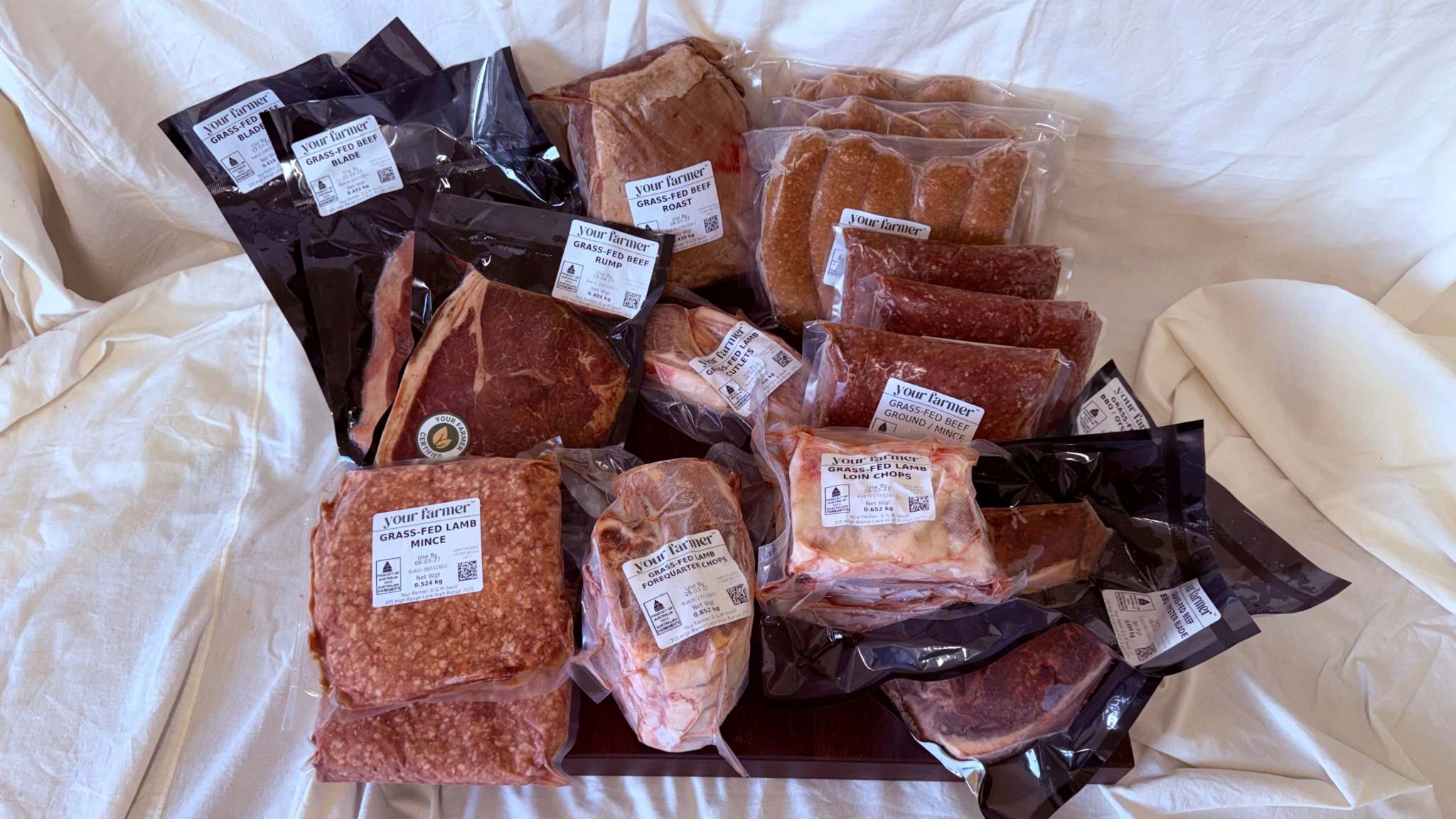
You sign up for a regular share — your household receives a curated selection of seasonal cuts
-
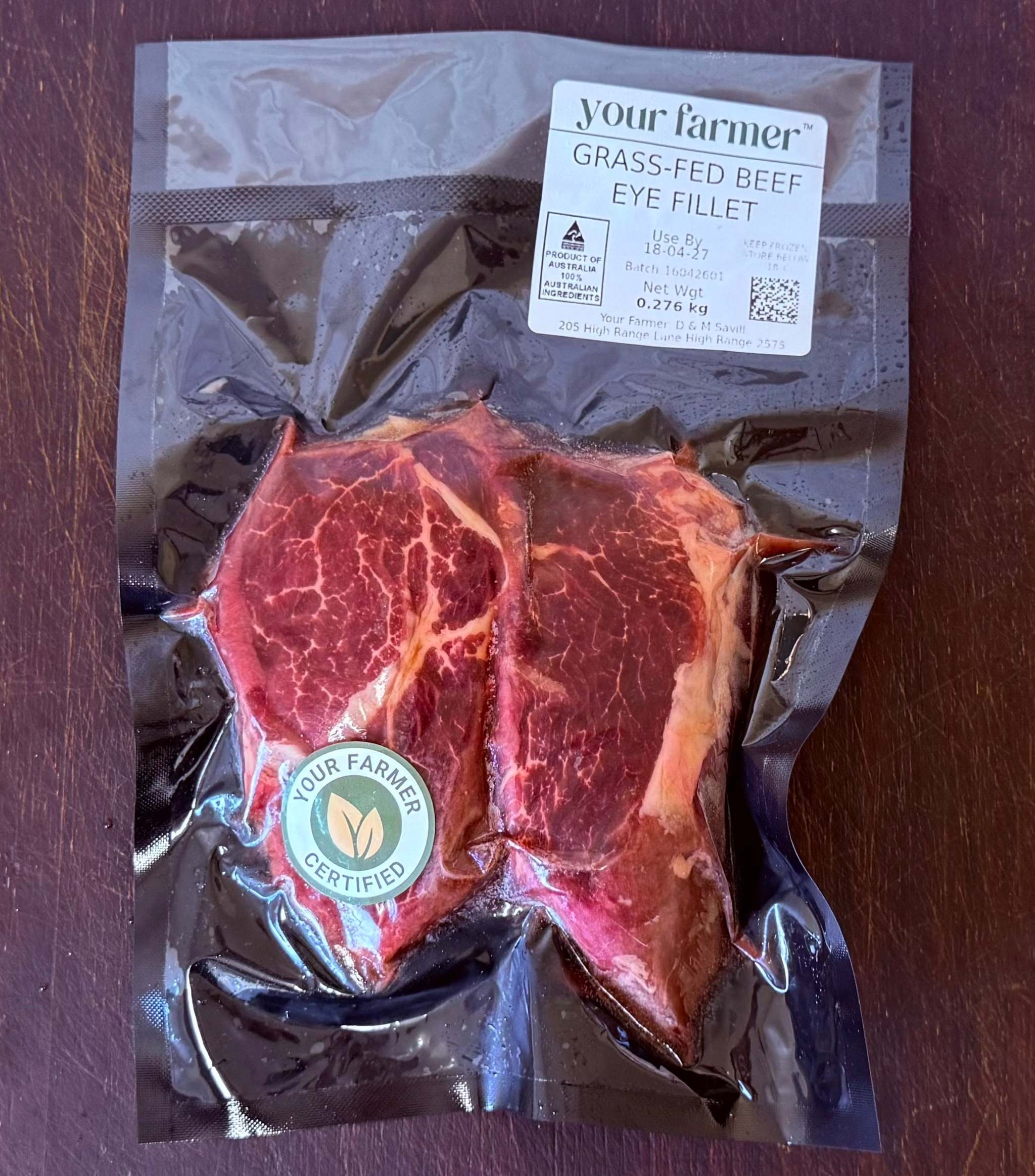
Meat is processed and prepared using the ProCryo™ flash-freezing method, which is designed to prevent ice crystals and cell damage
-
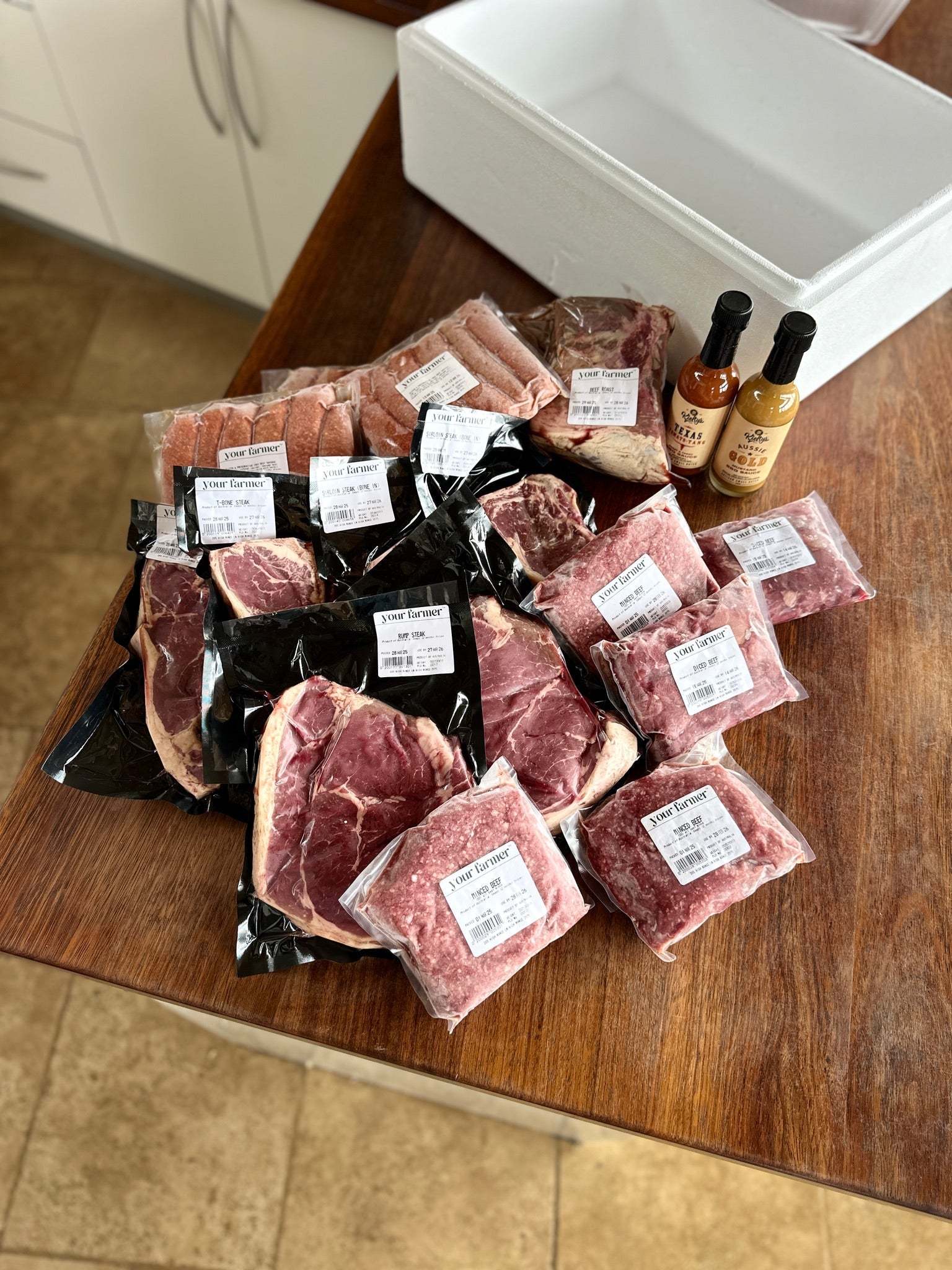
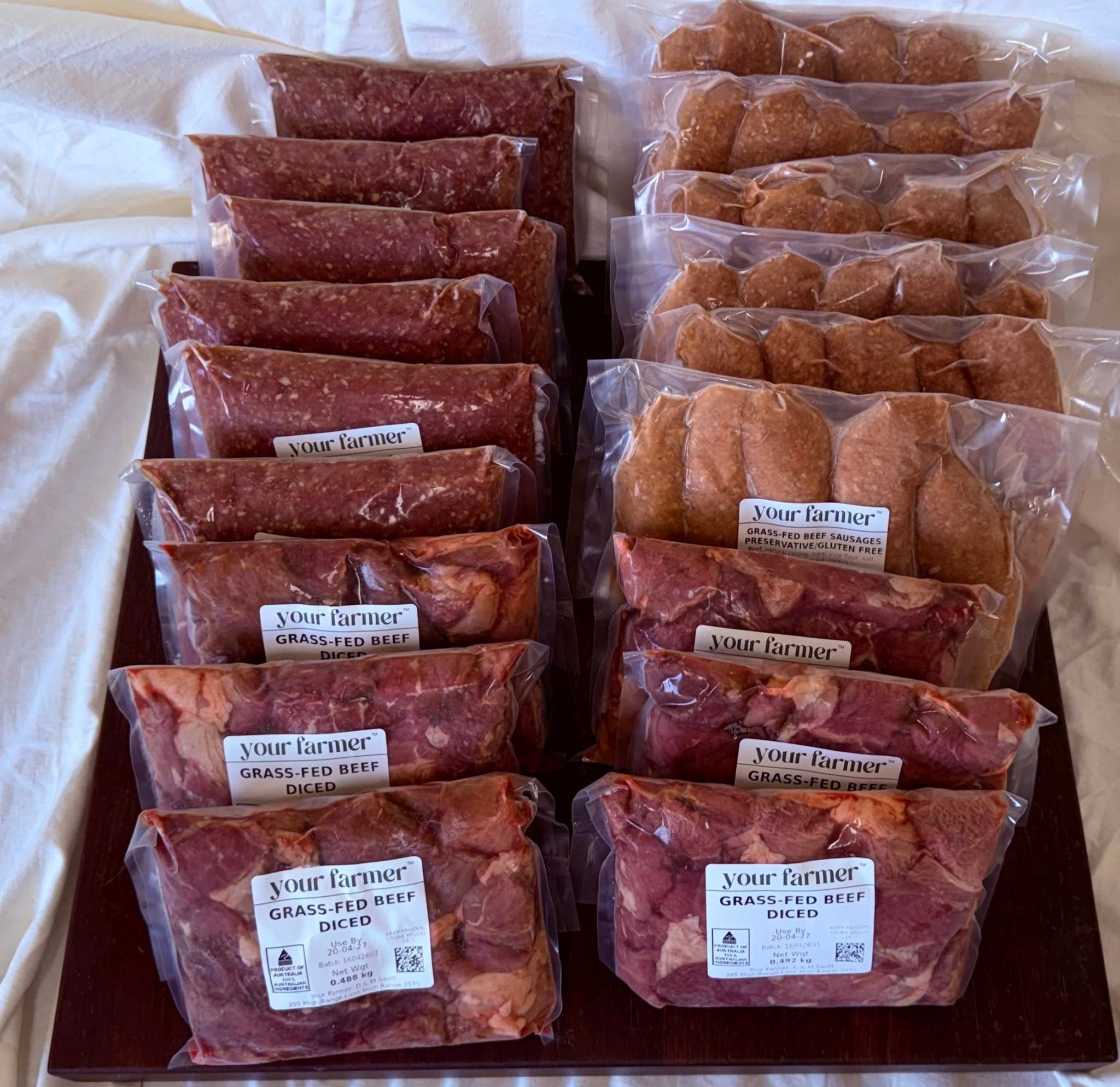
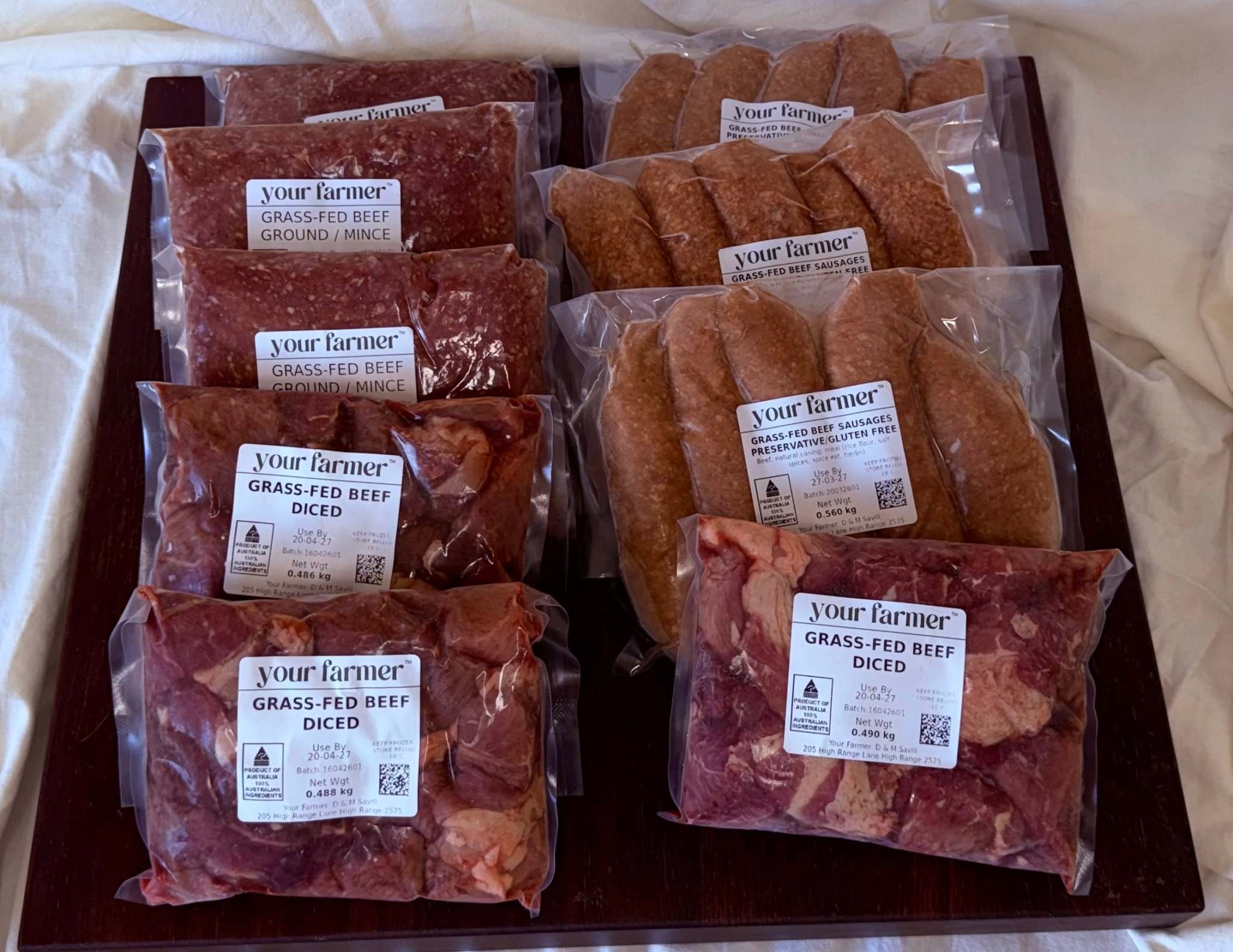
Your share is packed into a reusable esky and delivered directly to your door
-
You return the esky at the next delivery for reuse
This model helps families plan meals around what is available from the farm each season, reducing the decision fatigue of weekly shopping while supporting a single farming operation directly.
Nutritional Differences in Grass-Fed Southern Highlands Meat
One of the most common questions from families considering farm fresh meat from the Southern Highlands is whether grass-fed beef and lamb offer genuine nutritional advantages. Australian research has examined this question directly. A peer-reviewed study of Australian beef found that grass-fed cattle produced significantly higher levels of omega-3 and long-chain omega-3 fatty acids compared to grain-fed animals, with grass-fed being the only production system to meet the FSANZ target of more than 30mg of long-chain omega-3 per 100g of muscle.
A comprehensive review of fatty acid profiles found that grass-fed beef contains 2–3 times more conjugated linoleic acid (CLA) than grain-fed beef, along with a substantially improved omega-6 to omega-3 ratio and higher concentrations of antioxidants, including beta-carotene and vitamin E.
|
Nutrient marker |
Grass-fed beef |
Grain-fed beef |
Source |
|
Long-chain omega-3 |
Meets FSANZ target (>30mg/100g muscle) |
Below the FSANZ target |
|
|
Conjugated linoleic acid (CLA) |
2–3x higher |
Baseline |
|
|
Omega-6:omega-3 ratio |
1.53 |
7.65 |
|
|
Beta-carotene |
~7x higher (0.45 μg/g) |
Baseline (0.06 μg/g) |
|
|
Vitamin E |
~3x higher |
Baseline |
It is worth noting that under Australia's Food Standards, all health claims on food must be supported by scientific evidence, and nutrition content claims must meet specific criteria. This means any nutritional statements made by food producers are subject to regulatory oversight.
The Australian Dietary Guidelines recommend lean red meat as part of a balanced diet, with a standard serve being 65g cooked (about 90–100g raw). The guidelines note that to ensure adequate iron and zinc, about half of the serves from the meat and alternatives group should come from lean red meat.
What Ecological Farming Means for Your Family
The term "ecologically grown" can feel unfamiliar if you have not encountered it before. In practice, ecological farming focuses on working with natural systems rather than overriding them. For families in Dural and the Hills District, choosing ecologically raised meat connects your household to farming practices that aim to support environmental health alongside food production.
Key elements of ecological farming include:
-
Soil carbon building — CSIRO research explains that soil carbon sequestration involves farming practices that increase carbon stored in soils, which can improve productivity, resilience and sustainability of farming systems
-
Carbon credit eligibility — the Clean Energy Regulator's ACCU Scheme recognises that grazing land managed to increase soil carbon may be eligible for Australian Carbon Credit Units
-
Animal welfare standards — the Australian Government develops nationally consistent standards for farm animal welfare, which are designed to be implemented in state and territory legislation
-
Pasture-based welfare — RSPCA Australia identifies feedlot confinement as a welfare concern, noting that movement restriction and exposure to temperature extremes are risks in intensive systems that pasture-raised animals avoid
For Hills District families, this means the meat in your esky comes from animals that have grazed on Southern Highlands pasture, raised within a system designed to support soil health and long-term land productivity.
For Dural and Hills District families, ecological farming is not just an abstract farming idea. It is a way to bring more thought into the food you choose, from the health of the soil to the welfare of the animals and the quality of the meat on your table. With Your Farmer, that connection becomes practical: farm-raised meat from Southern Highlands pastures, delivered in a way that helps your household eat with more confidence.
How Your Meat Stays Fresh from Paddock to Plate
Cold Chain During Transport
A common concern for families new to home delivery of meat is whether food safety standards are maintained during transport. In NSW, the Food Authority requires that meat must be kept under 5°C at all times during transport, and frozen food must remain frozen throughout transportation. Food businesses are responsible for food safety right up until the point of customer receipt.
Your Farmer uses the ProCryo™ flash-freezing process, which is designed to prevent ice crystals and cell damage, keeping meat tender and at peak quality. Deliveries arrive in reusable eskies that maintain temperature throughout the journey from the Southern Highlands to your Hills District home.
Storing and Handling Your Meat at Home
Once your delivery arrives, proper storage ensures your meat stays safe and retains its quality. FSANZ recommends keeping perishable food refrigerated at 5°C or colder, and following safe thawing and cooking practices.
|
Storage and handling step |
Guideline |
|
Refrigerator temperature |
5°C or colder |
|
Freezer storage |
Keep frozen until ready to use |
|
Thawing method |
Thaw in the fridge or microwave — not at room temperature |
|
Cooking temperature (mince, rolled meat) |
Cook to 75°C internal temperature |
|
Steaks and whole cuts |
Cook to preference (searing the outer surface addresses surface bacteria) |
Practical Tips for Your First Order
If you are considering your first farm-direct meat delivery, a few simple preparations will help you get the most from it:
-
Clear freezer space before delivery day — a CSA share typically includes multiple cuts that benefit from being stored frozen until needed
-
Thaw meat in the fridge overnight rather than at room temperature, as FSANZ food safety guidelines recommend
-
Label and date each package as you transfer it to the freezer, so you can rotate stock easily
-
Plan two to three meals in advance around the cuts in your share — this reduces waste and helps your family adjust to seasonal variety
For families in Dural and across the Hills District, transitioning from supermarket shopping to a CSA share is less about changing how you cook and more about adjusting when and how you plan meals.
Frequently Asked Questions
Is grass-fed beef more nutritious than grain-fed?
Research on Australian beef found that grass-fed cattle produced significantly higher omega-3 and long-chain omega-3 fatty acids than grain-fed animals. Grass-fed beef was also the only production system to meet the FSANZ threshold of more than 30mg long-chain omega-3 per 100g of muscle. These nutritional differences are linked to the pasture-based diet rather than breed or region.
How does meat stay fresh during delivery to the Hills District?
In NSW, food safety regulations require meat to be kept under 5°C during transport and frozen food to remain frozen throughout. Your Farmer's ProCryo™ process flash-freezes meat to preserve quality, and deliveries arrive in insulated reusable eskies designed to maintain safe temperatures from the Southern Highlands to Dural and surrounding suburbs.
What does "ecologically grown" mean in practice?
Ecological farming works with natural systems to produce food while building environmental health. CSIRO explains that soil carbon sequestration involves farming practices that increase carbon stored in soils, improving productivity and resilience. In practice, this means animals graze on pasture in ways designed to support soil health, biodiversity and long-term land sustainability rather than depleting resources for short-term output.

Share:
How a Paddock to Plate Meat Subscription Can Help Shellharbour Families Spend Less on Groceries"
How Southern Highlands Climate Shapes the Flavour of Grass-Fed Beef