


Soil health influences the nutritional quality of grass-fed beef. Research published in NPJ Science of Food shows that microbes in healthy soil enrich pasture grasses with minerals and phytochemicals that cattle absorb, meaning the biology beneath the paddock shapes what ends up on your plate.
What Lives Beneath the Pasture? The Soil Food Web Explained
When people think about grass-fed beef delivery, the focus is often on the cut, the flavour, or the convenience of having meat arrive at the door. But the story starts much earlier — beneath the pasture, where living soil helps support the grasses cattle graze on every day.
A single teaspoon of healthy soil can contain over a billion living organisms. These are not random inhabitants — they form part of a soil food web that helps keep farming systems productive. NSW Government explains that this soil food web drives nutrient cycling and builds soil health, identifying bacteria, fungi, nematodes and other soil organisms as contributors to soil structure, nutrient cycling and plant growth.
Together, these organisms form what scientists call the soil food web — an interconnected network in which each organism plays a specific role in breaking down organic matter, cycling nutrients, and supporting plant growth. Research published in the Proceedings of the National Academy of Sciences (PNAS) found that soil food web properties strongly and consistently predicted carbon and nitrogen cycling processes across European land-use systems, and were a better predictor of those processes than land-use category.
The table below outlines the key players in this underground ecosystem and what each contributes to healthy pasture.
|
Organism |
Role in Pasture Health |
|
Mycorrhizal fungi |
Extend beyond root zones to access and transport phosphorus, nitrogen, and zinc to grasses |
|
Bacteria |
Release organic acids and siderophores that mobilise locked-up soil minerals for plant uptake |
|
Earthworms |
Process organic matter and improve soil structure, allowing water and air to reach roots |
|
Nematodes |
Regulate microbial populations and release plant-available nitrogen through grazing on bacteria and fungi |
|
Decomposer fungi |
Break down dead plant material and build stable soil carbon that supports long-term fertility |
Critically, permanent grassland was found to support particularly productive soil communities — with the highest soil carbon content and CO₂ production among the land use types studied, according to the same PNAS research. That distinction matters for pasture-raised beef, because the cattle graze on exactly this type of land — land where the soil food web is actively building and cycling nutrients.
How Soil Microbes Feed the Grass That Feeds the Cattle
The relationship between soil microorganisms and pasture grasses is remarkably specific. As CSIRO research explains, plants host a diverse and interconnected community of microbes that provide essential services — from sourcing and mobilising nutrients to enhancing growth and bolstering a plant's tolerance to environmental stresses.
A peer-reviewed review in Stress Biology outlines three key mechanisms through which soil microbes enhance what pasture grasses can absorb:
-
Extended root reach: Mycorrhizal fungi form networks that stretch well beyond a grass plant's own root system, accessing phosphorus, nitrogen, and zinc from soil the roots could not reach alone.
-
Mineral mobilisation: Soil bacteria release organic acids and specialised compounds called siderophores that dissolve minerals locked in the soil, converting them into forms the plant can take up.
-
Selective recruitment: Plants actively recruit specific beneficial microbes depending on which nutrients are scarce — a form of underground supply-chain management that adjusts to local soil conditions.
The practical implication is that soil teeming with the right microbial communities can produce pasture grasses with a richer mineral and phytochemical profile. Managing these microbial communities can also reduce reliance on chemical inputs, according to CSIRO — a principle central to ecological farming approaches that prioritise soil biology over synthetic intervention.
From Pasture to Plate — What Researchers Have Found
If healthier soil produces more nutrient-rich pasture, does that difference carry through to the beef itself? A 2025 study published in NPJ Science of Food provides some of the most direct evidence yet. Researchers compared paired pasturelands and croplands and found that the pasture soils had 1.4 times higher organic matter and 1.7 to 3.0 times higher mineral levels.
The same study found that grass-fed beef contained 3.1 times higher phytochemical antioxidants than grain-fed beef. Most notably, a compound called ergothioneine — which is produced by fungi and mycobacteria living in the soil — was 2.8 times higher in grass-fed beef. Because ergothioneine originates in soil organisms rather than in the animal itself, its elevated presence in grass-fed beef provides a direct, measurable link running from soil biology through pasture and into the meat on your plate.
These findings build on a widely cited review in the Nutrition Journal, which established that grass-based diets enhance the overall fatty acid composition of beef. The table below summarises the key nutritional differences the research has identified between grass-fed and grain-fed beef.
|
Nutritional Marker |
Grass-Fed Beef |
Grain-Fed Beef |
|
Omega-3 fatty acids |
Higher |
Lower |
|
Conjugated linoleic acid (CLA) |
Higher |
Lower |
|
Trans vaccenic acid (TVA) |
Higher |
Lower |
|
Vitamin A and E precursors |
Higher |
Lower |
|
Phytochemical antioxidants |
3.1× higher |
Baseline |
|
Ergothioneine (soil-derived) |
2.8× higher |
Baseline |
What Grass Fed Beef Means for Your Nutrition
Australia's National Health and Medical Research Council recommend lean red meat as an important source of protein, iron, zinc, and B vitamins. The guidelines suggest that about half of daily serves from the meat food group should come from lean red meat to help ensure adequate iron and zinc intake — nutrients that are difficult to obtain in sufficient quantities from other foods alone.
When that red meat comes from cattle raised on biologically active pasture, the research suggests the nutritional profile may be enhanced further. The review published in the Nutrition Journal found that grass-based diets improve the fatty acid composition of beef, with grass-fed cattle producing meat that contains higher levels of:
-
Omega-3 fatty acids, which play a role in heart and brain health
-
Conjugated linoleic acid (CLA), a fatty acid studied for its potential health properties
-
Trans vaccenic acid (TVA), a precursor that the body can convert to CLA
-
Precursors for vitamins A and E, both of which function as antioxidants
-
Antioxidants, including glutathione and superoxide dismutase
These differences emerge because cattle grazing on diverse, nutrient-rich pastures absorb a broader range of compounds than cattle finished on grain-based diets. The quality of the pasture — and by extension, the quality of the soil — can influence the range of nutrients that plants make available to grazing animals.
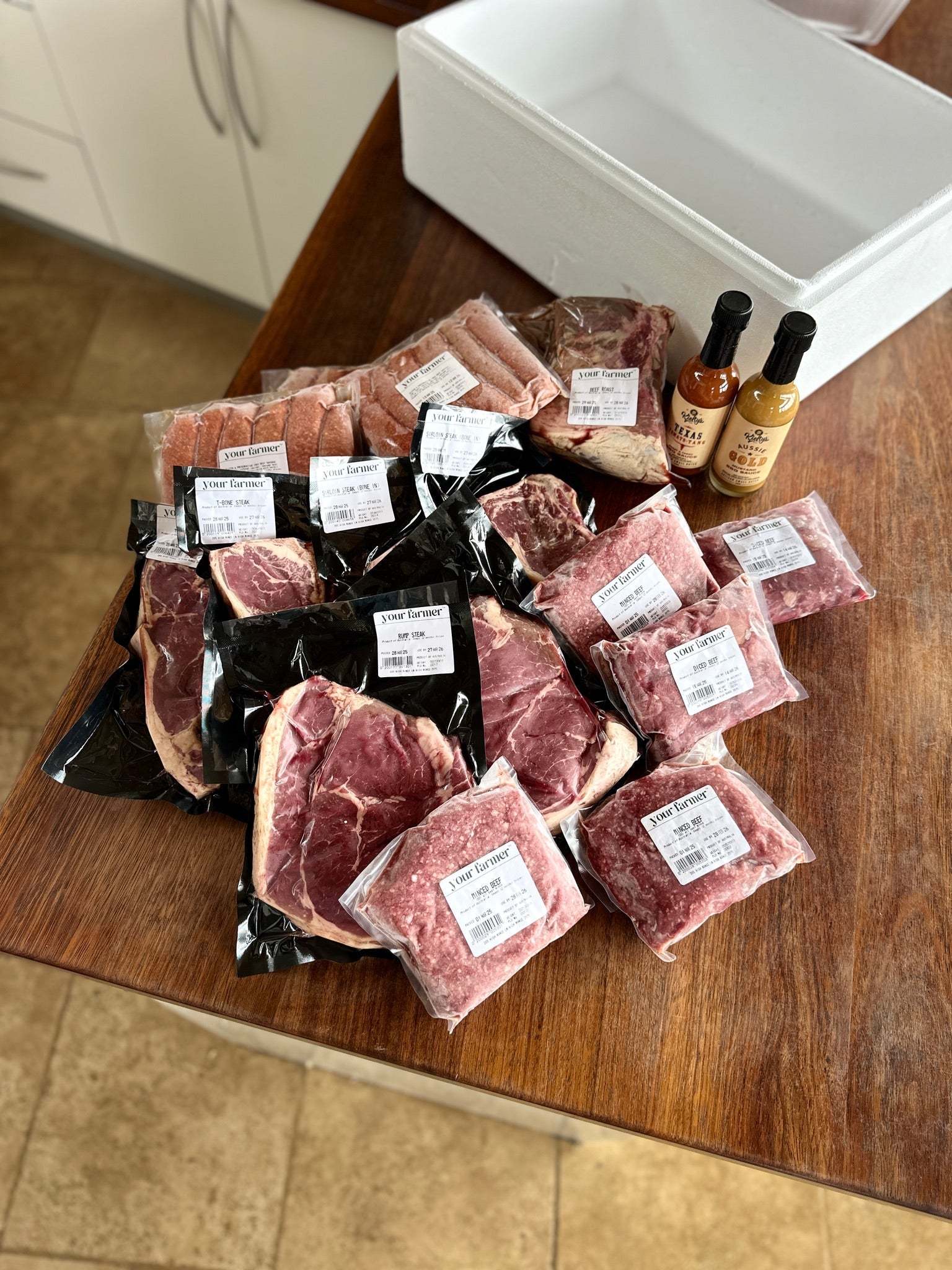
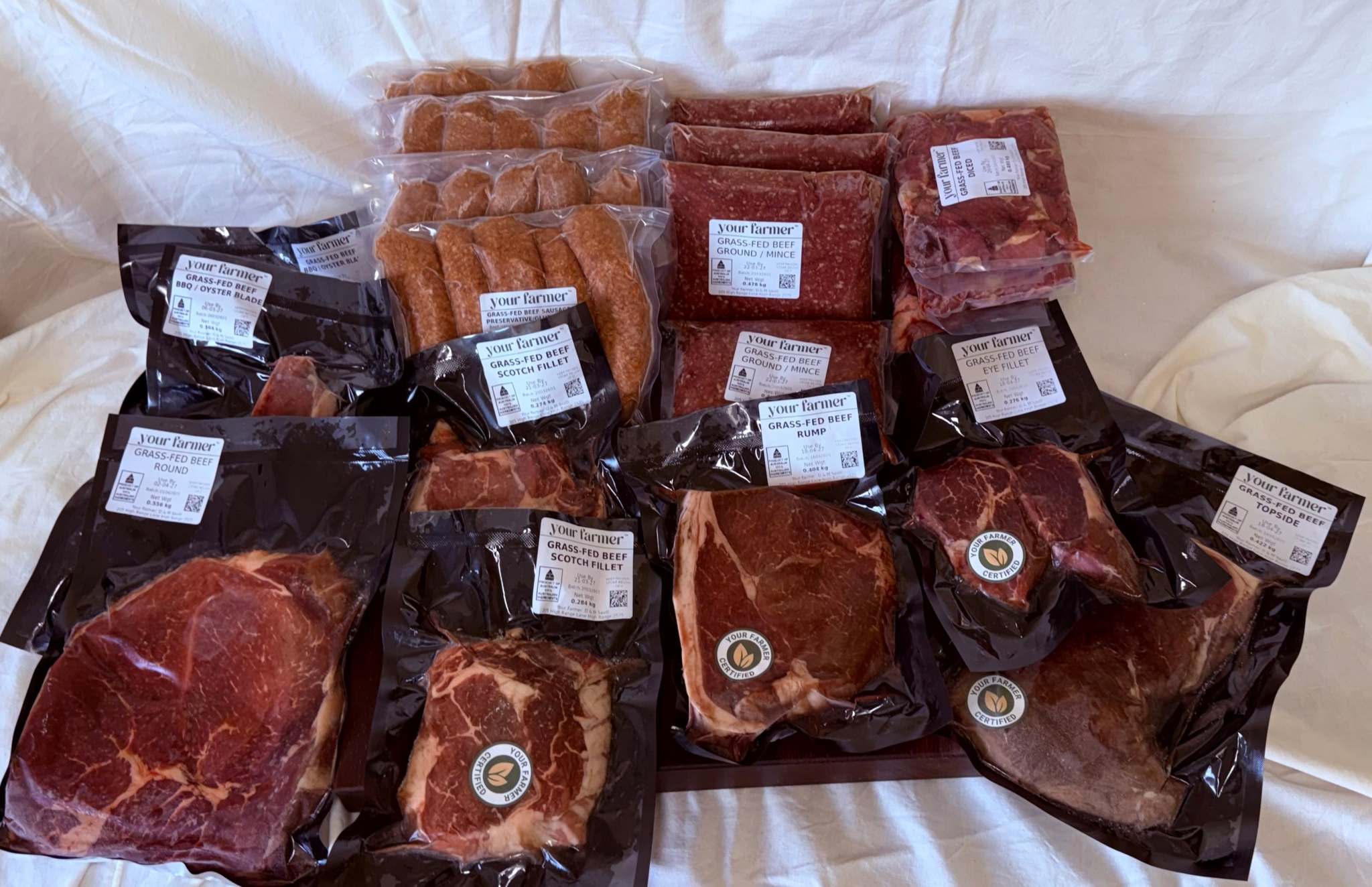
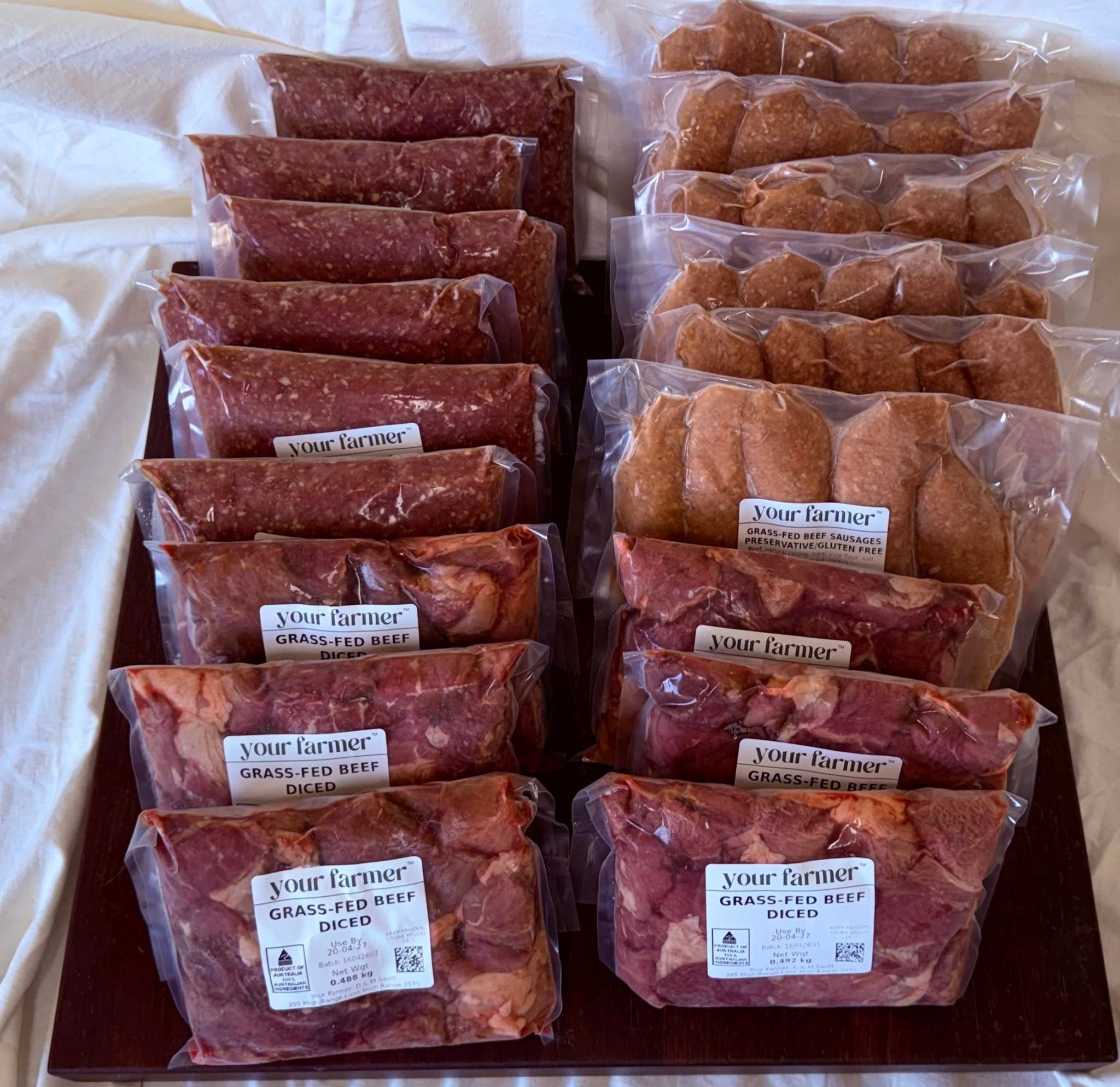
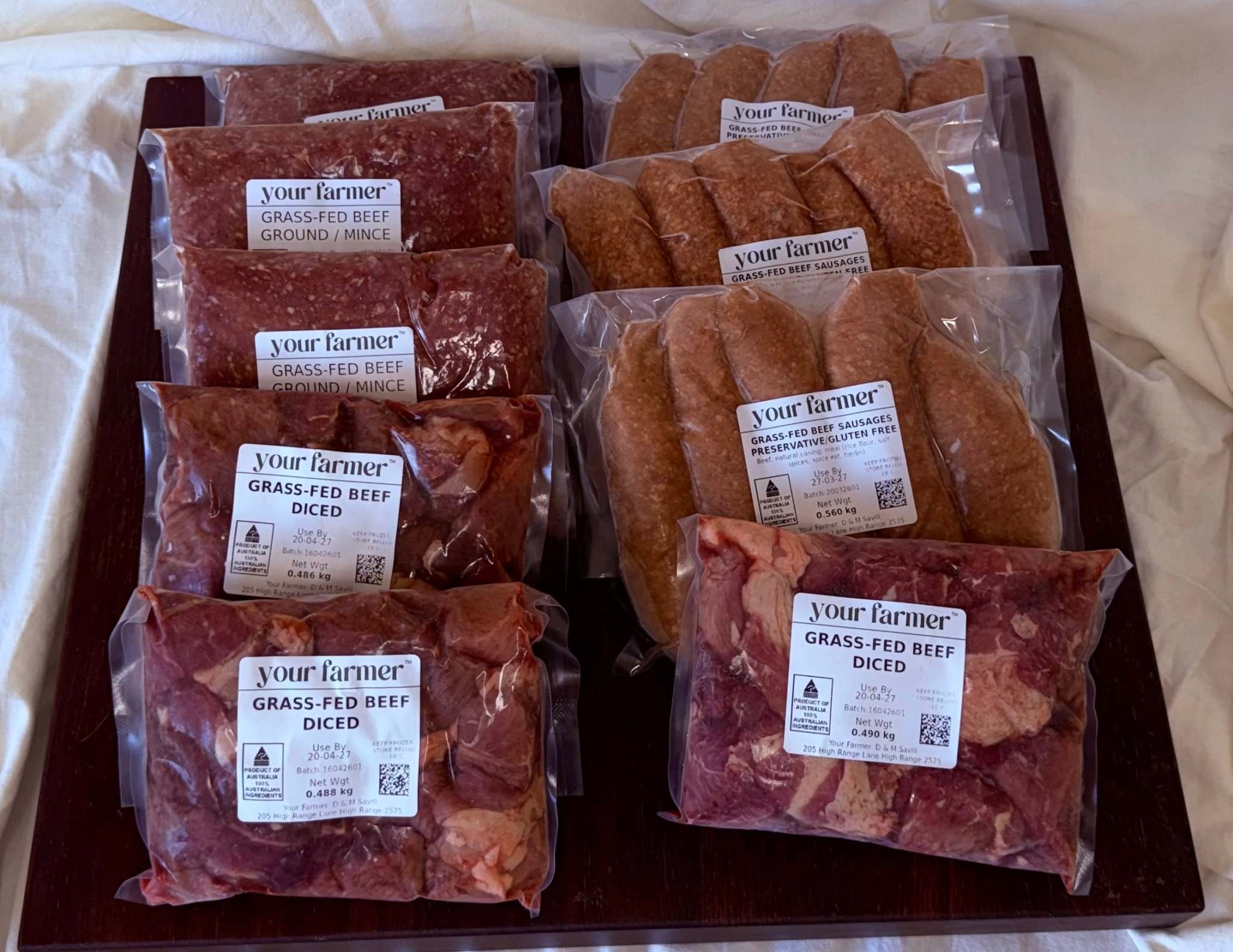
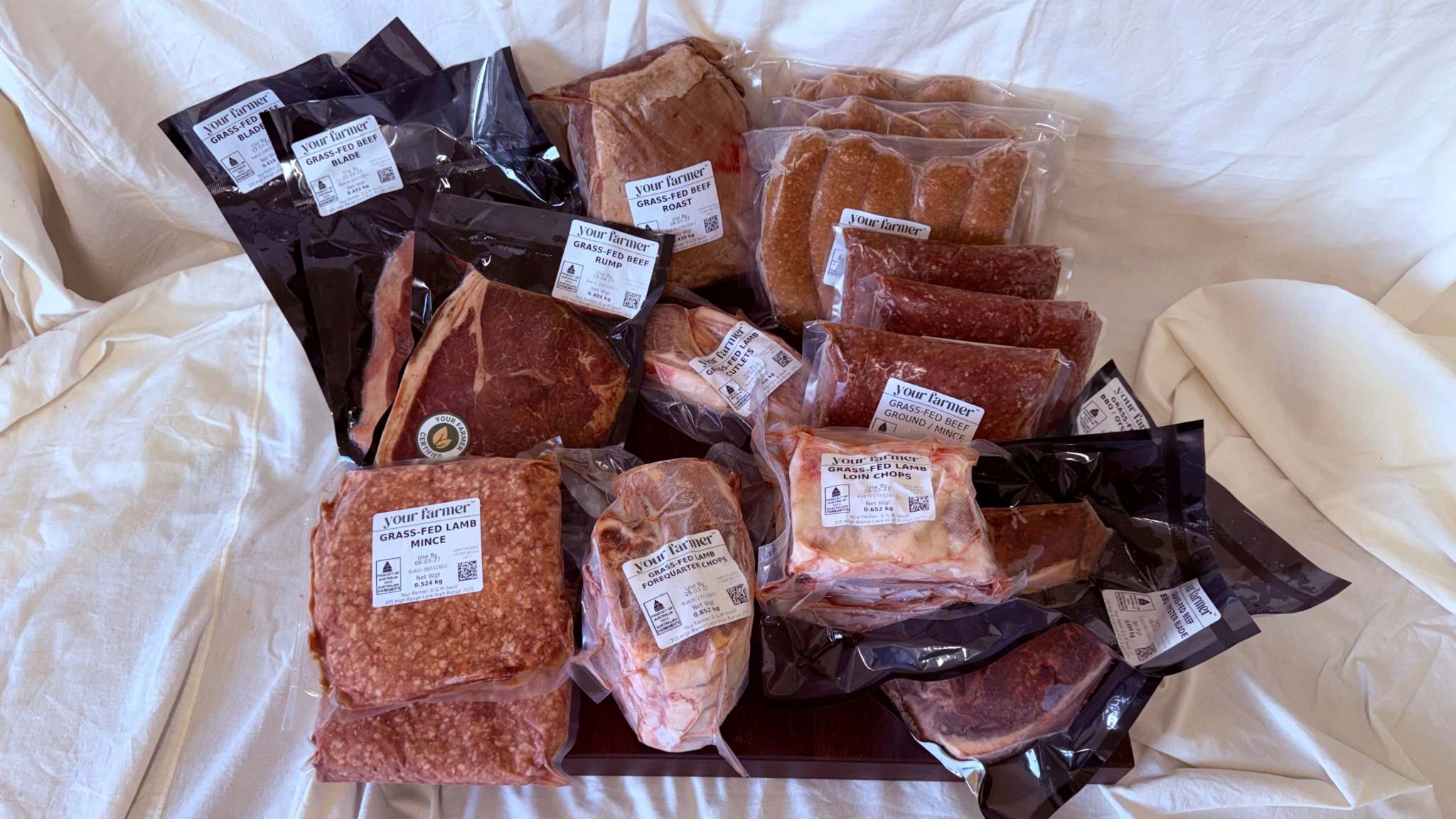
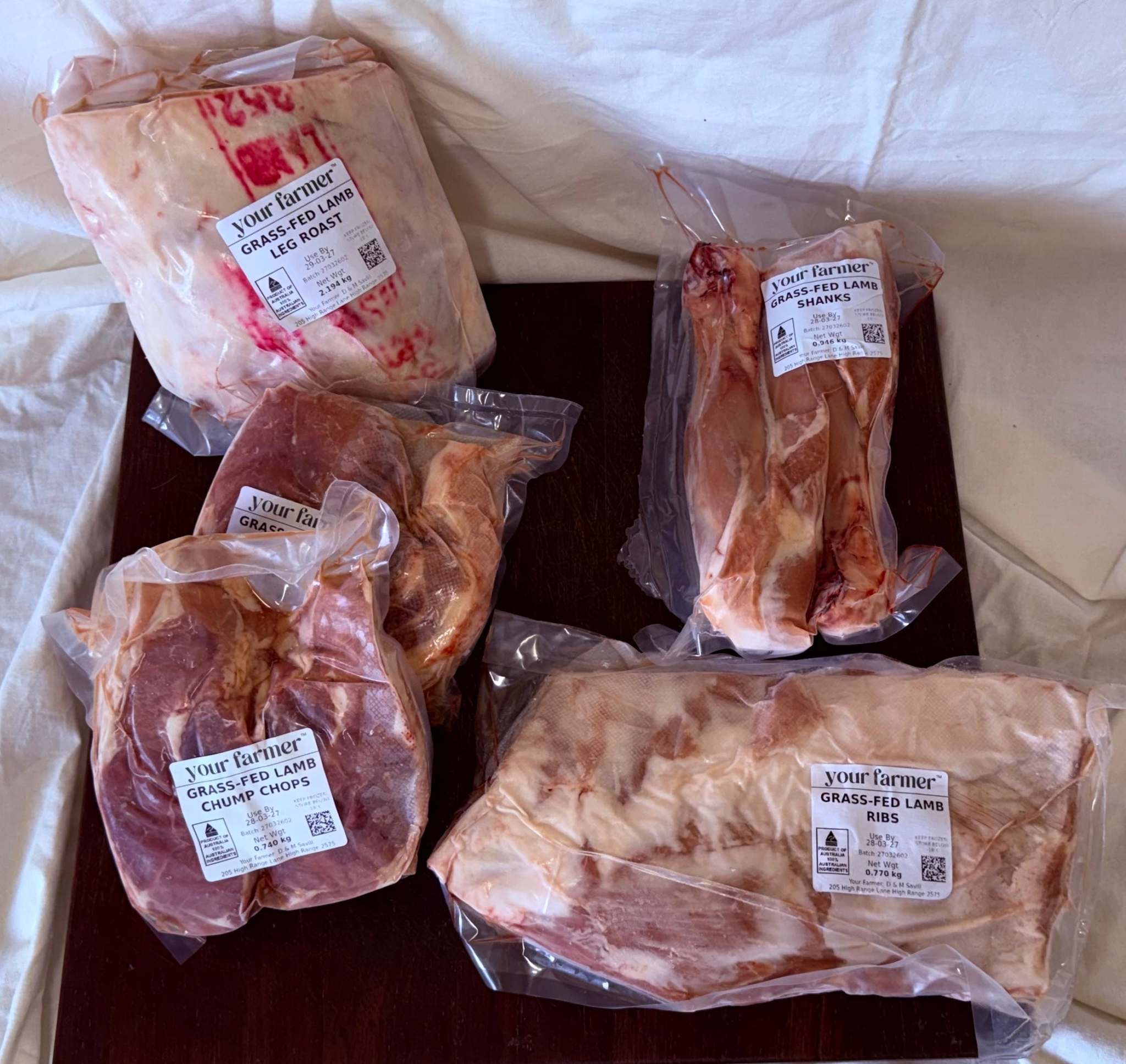
For families choosing grass fed beef delivery, nutrition is not only about the cut of meat. It begins with the way cattle are raised, the pasture they graze, and the soil that supports that pasture. Your Farmer brings these elements together through ecologically grown, grass-fed beef delivered directly from farms that place soil health, animal care, and food quality at the centre of the process.
Why Australia Is Taking Soil Health Seriously
The connection between soil health and food quality is not just a matter of academic interest — it has become a national policy priority. The Australian Government's National Soil Strategy, released in 2021, is Australia's first national policy on soil. It sets out how the country will value, manage, and improve its soil over the next 20 years, recognising soil as the foundation of the nation's food production system.
Alongside this strategy, the government has committed significant funding to understanding and improving soil conditions across the country:
-
A $21.6 million National Soil Monitoring Program to assess soil condition and trends across Australian farmland
-
A $40 million investment in soil carbon measurement innovation through the Department of Climate Change, Energy, the Environment and Water
-
Formal recognition that farmers who manage for soil carbon stand to benefit from more productive, sustainable, and resilient farming systems
CSIRO's research underpins the science behind these investments, confirming that soil organic carbon plays an important role in agricultural and landscape productivity. For regions like NSW's Northern Beaches and Hills District through to the Wollongong–Nowra corridor — areas with a long history of pasture-based farming — this growing investment in soil science has direct relevance to local food quality and the viability of ecological farming.
What This Means When You Choose Grass Fed Beef
Understanding the soil-to-plate chain changes what it means to choose pasture-raised beef. It is not just about what the animal ate — it is about the biological health of the soil the pasture grows in, and the microbial communities that determine which nutrients those grasses can absorb and pass on to grazing cattle.
Your Farmer applies this science directly. Founded by David Savill — who holds a BSc in Ecological Agriculture and is a certified Soil Food Web Lab Technician — Your Farmer uses direct microscopy to analyse soil microbial communities on partner farms and works to replenish beneficial organisms. This ecological approach focuses on the living ecosystem beneath the pasture — the same soil food web that research links to nutrient density in beef.
For families across Sydney's Northern Beaches and Hills District, and through to the Wollongong–Nowra corridor, this ecological approach connects the science above to the beef that arrives at your door. If you are looking for beef raised on biologically active pasture with a focus on soil health, explore Your Farmer's grass-fed beef delivery options.
Frequently Asked Questions
Does the type of soil really affect the nutritional value of beef?
Emerging research suggests it can. Soil microorganisms help pasture grasses absorb a wider range of minerals and phytochemicals, and these compounds can transfer through to the cattle that graze on them. A peer-reviewed review in Stress Biology confirms that soil microbes enhance plant nutrition by increasing nutrient availability in the soil and improving plant uptake — a mechanism that applies to pasture grasses just as it does to crops. The 2025 NPJ Science of Food study found a direct, measurable link via ergothioneine, a compound produced by soil fungi.
What is the nutritional difference between grass-fed and grain-fed beef?
A widely cited review in the Nutrition Journal found that grass-fed beef tends to have higher levels of omega-3 fatty acids, conjugated linoleic acid (CLA), trans vaccenic acid, and precursors for vitamins A and E when compared to grain-fed beef. More recent research has also identified higher levels of phytochemical antioxidants in grass-fed beef, linked to the diversity of compounds available in pasture grasses versus grain-based feed rations.
How does soil biology relate to sustainable farming in Australia?
The Australian Government recognised the link between soil health and sustainable agriculture in its National Soil Strategy, released in 2021 — the country's first national policy on soil. The strategy sets out a 20-year framework for valuing, managing, and improving soil. Other investments include a $21.6 million monitoring program and $40 million for soil carbon measurement innovation, reflecting the growing scientific understanding that healthy soil biology underpins productive and resilient farming systems.

Share:
How Southern Highlands Climate Shapes the Flavour of Grass-Fed Beef
Dirty Dozen Australia: What the 2026 Supermarket Residue Tests Found