


Paddock to plate meat is a transparent, traceable approach to meat production that connects your family directly with the farm source, ensuring superior nutrition, ethical animal welfare, and environmentally responsible practices that benefit both your health and the planet.
Understanding the Paddock to Plate Movement
The paddock to plate concept represents a fundamental shift in how Australians think about their food. Rather than accepting mystery meat from supermarket shelves, this approach emphasizes transparency, traceability, sustainability, animal welfare, and high-quality products by connecting consumers directly with the farms where their food originates.
At its core, paddock to plate describes the entire journey of meat from the farm to your family's dinner table, ensuring that every step meets rigorous standards for quality, ethics, and environmental responsibility. In Australia, the National Livestock Identification System (NLIS) tracks cattle, sheep, and goats throughout their entire lifecycle, providing unprecedented traceability that protects both food safety and consumer confidence.
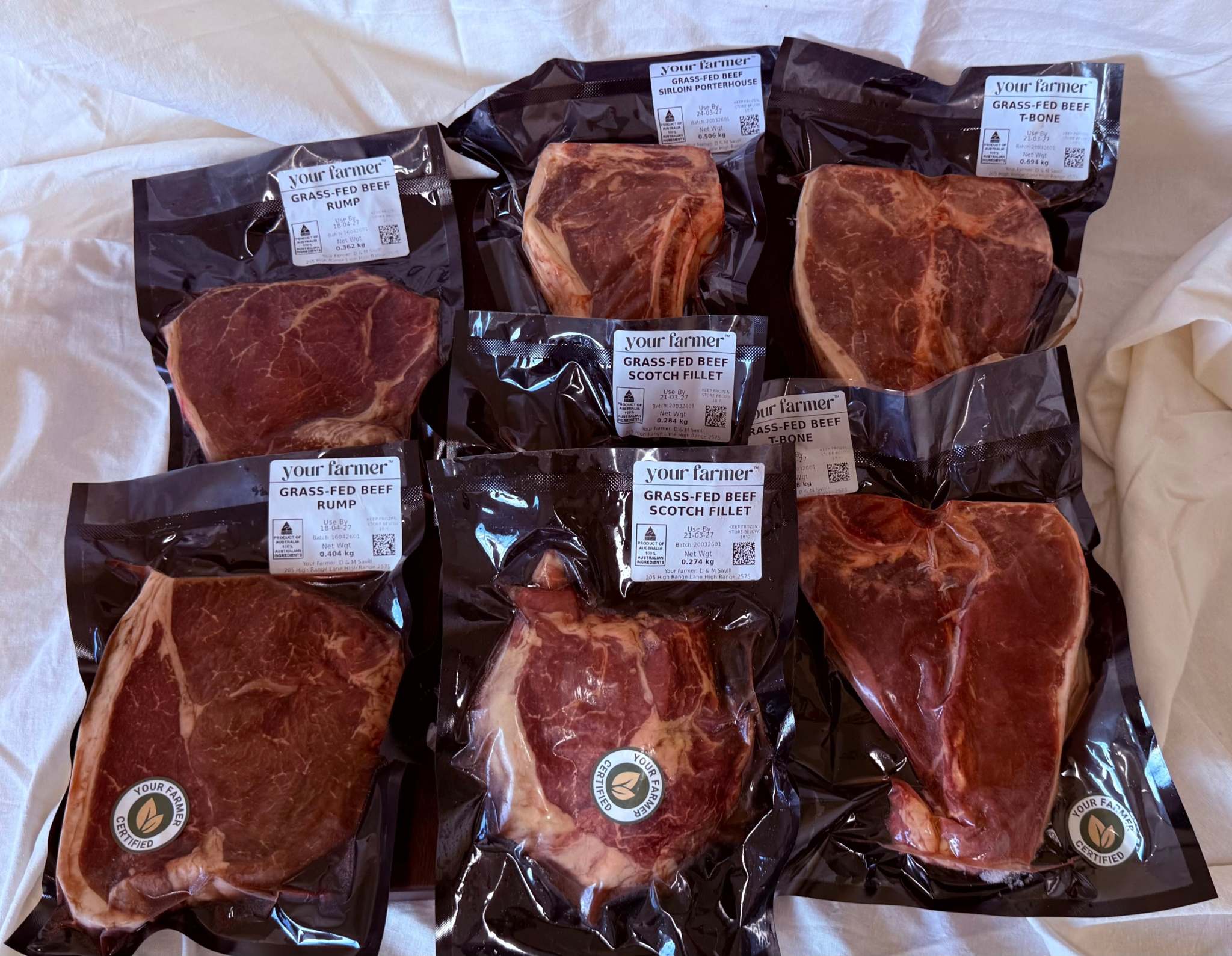
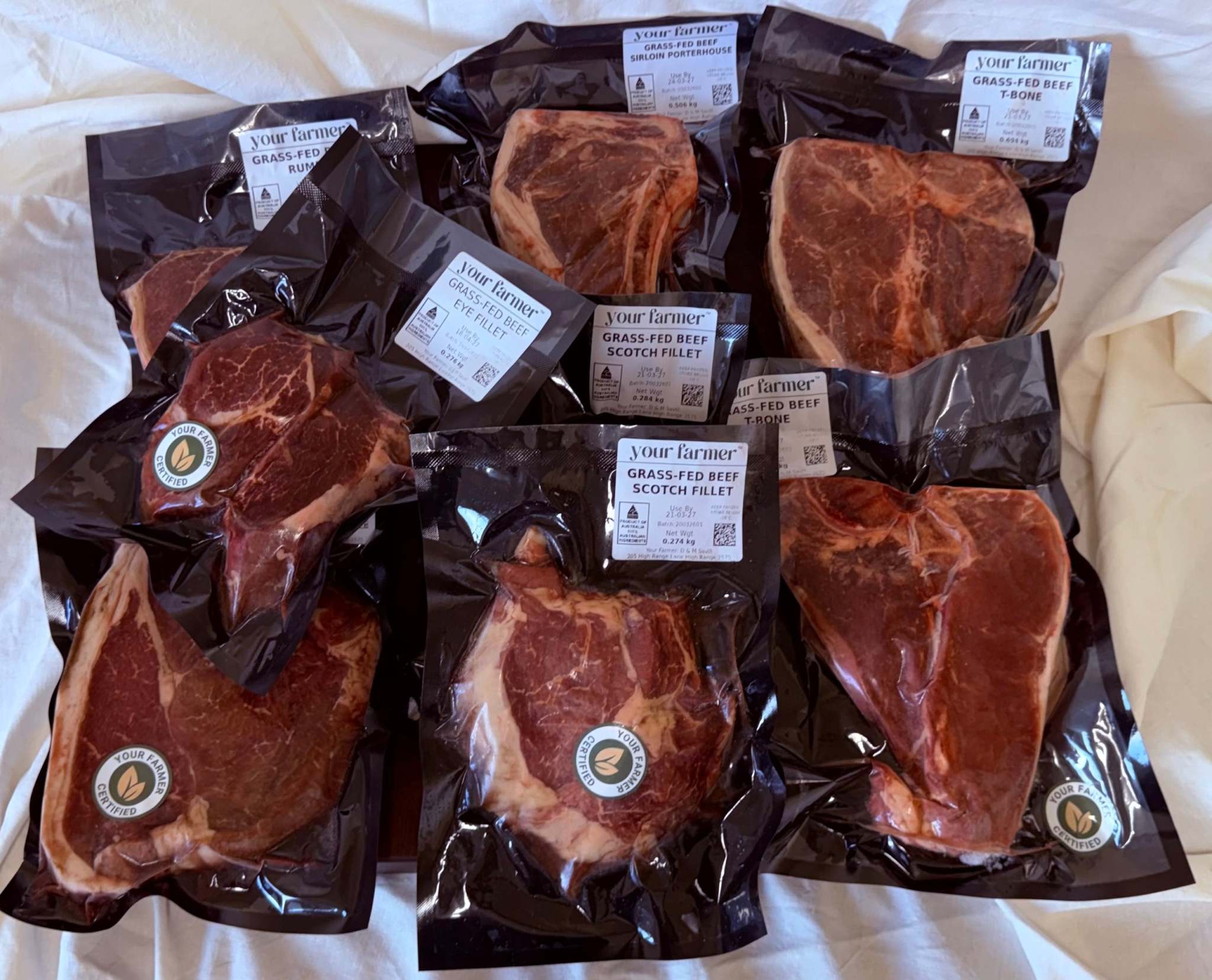
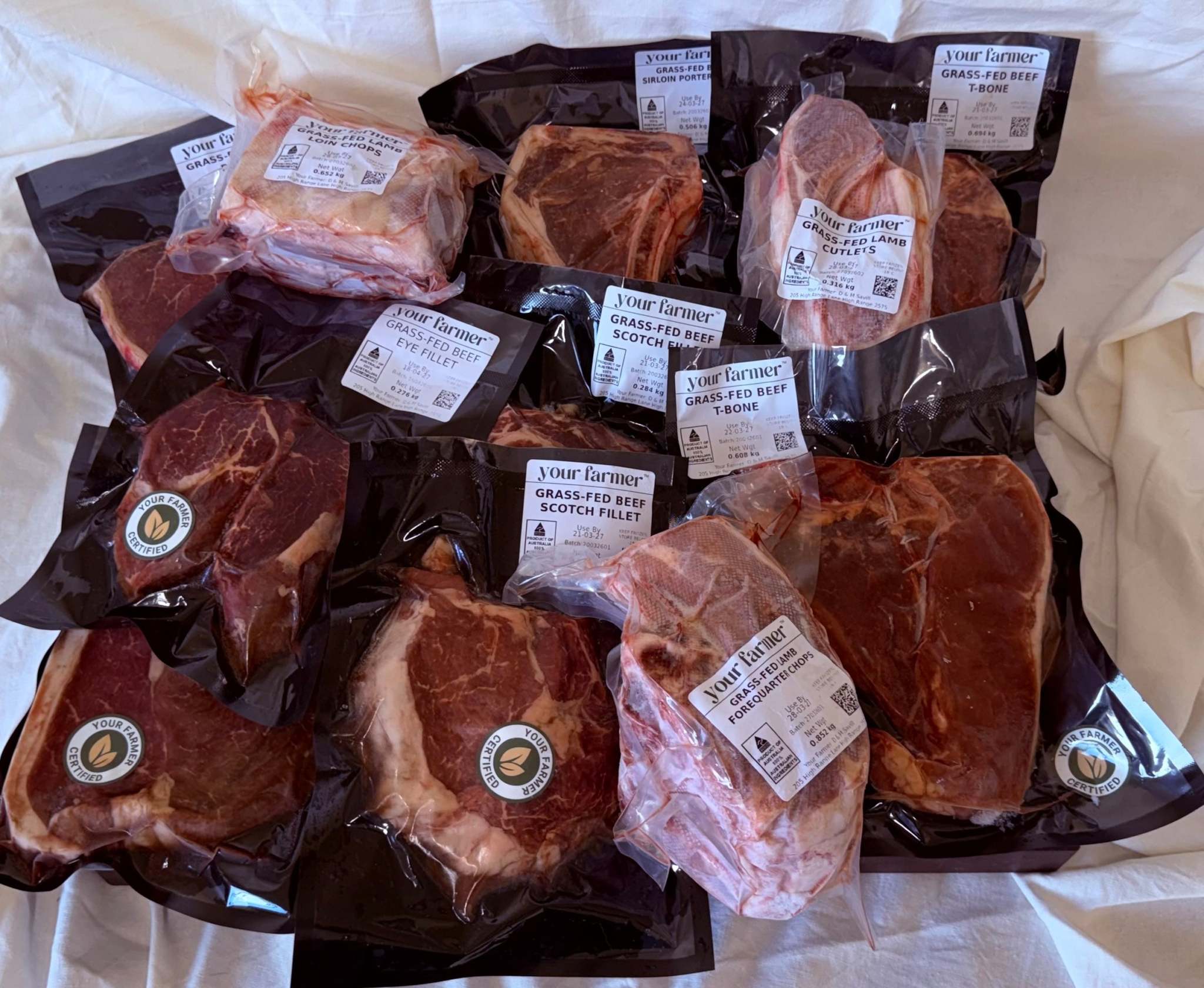
Platforms like Your Farmer bring the paddock to plate movement to life by making these connections simple and accessible for everyday Australians. By allowing consumers to buy directly from trusted local farmers and producers, Your Farmer removes unnecessary intermediaries while preserving full traceability, ethical standards, and product integrity. The result is food that not only tastes better but also supports regional farming communities and gives buyers confidence in exactly where—and how—their food was produced.
Why Grass-Fed Beef NSW Families Are Choosing Paddock to Plate
For families across the Hills District, Northern Beaches, and greater Sydney areas, including Dee Why, Kellyville, and Dural, the shift toward paddock to plate meat—particularly grass fed beef—is driven by superior nutrition, environmental responsibility, and genuine transparency about farming practices.
The Nutritional Advantage of Grass-Fed Beef
When it comes to nourishing your family, not all beef is created equal. The nutritional differences between grass-fed and conventional grain-fed beef are significant and scientifically documented.
Omega-3 Fatty Acids: Grass-fed beef contains significantly higher levels of omega-3 fatty acids than grain-fed beef, with studies showing approximately 50% more omega-3 fats in grass-fed sirloin compared to grain-fed alternatives. These essential fats play crucial roles in brain development, cardiovascular health, and reducing inflammation—benefits that are particularly important for growing children and health-conscious adults.
Conjugated Linoleic Acid (CLA): Research shows that grass-fed beef contains 2-4 times the amount of CLA compared to grain-fed alternatives. This naturally occurring fatty acid has been associated with anti-cancer and anti-obesity properties, making it a valuable addition to your family's diet.
Optimal Fat Ratios: Grass-fed beef maintains an omega-6 to omega-3 ratio typically below 3:1, which nutritionists consider optimal for reducing heart disease risk. In contrast, grain-fed beef often exceeds a 9:1 ratio, contributing to an inflammatory imbalance common in modern diets.
Vitamins and Antioxidants: Grass-fed beef is significantly higher in vitamin E (alpha-tocopherol), vitamin A precursors like beta-carotene, and other antioxidants, with studies finding approximately three times more vitamin E than grain-fed alternatives—a critical nutrient for immune function and cellular protection.
Environmental Benefits That Extend Beyond Your Family
Choosing paddock to plate meat isn't just about personal health—it's an investment in the environmental future your children will inherit. When done responsibly, grass-fed beef production offers significant environmental advantages.
Soil Health and Carbon Sequestration
Well-managed grass-fed systems can offset some emissions through carbon sequestration in the soil. Rotational grazing practices improve soil health, prevent desertification, and increase biodiversity. When cattle graze properly managed pastures, their movement stimulates plant growth and helps build organic matter in the soil—creating a carbon sink that can partially offset emissions.
Natural Fertilization and Water Efficiency
In grass-fed systems, manure from grazing animals naturally fertilizes the land, reducing the need for synthetic fertilizers. This creates a closed-loop system where nutrients cycle naturally through the ecosystem.
Water scarcity is critical in Australian agriculture. Grass-fed systems primarily rely on natural rainfall, making them significantly more water-efficient than grain-fed systems, which require substantial water for irrigating feed crops. This is particularly relevant in NSW, where the state holds 30% of Australia's accredited feedlots.
Rotational Grazing: A Regenerative Practice
Rotational grazing involves moving cattle between different pastures to allow for regrowth, preventing overgrazing and improving pasture quality. This mimics natural movement patterns of wild herbivores and creates healthier ecosystems that support diverse wildlife, improve water retention, and build resilient agricultural landscapes.
Traceability and Food Safety in NSW
One of the most compelling aspects of paddock to plate is complete traceability. The National Livestock Identification System (NLIS) is mandatory in Australia, ensuring every animal can be tracked from birth through the entire supply chain. This system protects food safety by enabling rapid response to any health concerns and provides consumers with unprecedented transparency.
For paddock to plate providers like Your Farmer, this traceability extends beyond regulatory compliance to become a core value proposition. Families in the Northern Beaches and Hills District can know exactly which farms their beef comes from, how animals were raised, and what practices were used throughout production.
Animal Welfare: An Ethical Foundation
The paddock to plate philosophy places animal welfare at its center, emphasizing the connection between ethical farming practices and quality outcomes. Rather than spending their lives confined to feedlots, grass-fed cattle live as nature intended—grazing on open pastures with freedom of movement and access to natural foraging behaviors that promote their well-being.
Understanding Grass-Fed Certification in Australia
With growing consumer interest in grass-fed beef, understanding certifications is important. In Australia, for beef to be certified as "pasture-fed" under the Pasturefed Cattle Assurance System (PCAS), cattle must have grazed on pasture for their entire lives and never been fed separated grain or grain by-products.
This certification matters because, despite Australia's reputation for grass-fed beef, about 50% of Australian beef is actually finished in feedlots. Without proper certification and direct farmer relationships, consumers may not be getting the grass-fed product they believe they're purchasing. While formal programs such as the Pasturefed Cattle Assurance System (PCAS) define specific feed-related requirements, the Your Farmer Certified program is designed to operate as an internal quality and sourcing standard within Your Farmer's paddock-to-plate supply chain. The program focuses on working with farmers whose livestock are raised on pasture-based systems aligned with ecological and regenerative farming principles, including soil health management, animal welfare considerations, and traceability. Rather than functioning as a third-party accreditation, Your Farmer Certified reflects the company's direct farmer relationships, ongoing selection criteria, and transparent supply model, providing customers with additional context about how products are produced and sourced beyond feed inputs alone.
The Growing Demand for Paddock to Plate in NSW
Rising consumer demand in NSW and Australia for ethically sourced, grass-fed beef is driven by health and environmental concerns, with health-conscious families leading this transformation. The market is responding: the Australian grass-fed beef market is projected to make up 25% of the total beef market by 2026.
This trend is particularly evident in affluent suburban areas around Sydney, where families in Dee Why, Kellyville, and Dural prioritize nutrition and food quality. These communities understand that while grass-fed beef may cost more per kilogram, the investment in superior nutrition, environmental stewardship, and ethical farming offers value that extends far beyond the dinner plate.
How Your Farmer Brings Paddock to Plate to NSW Families
For families in the Hills District, Northern Beaches, and surrounding Sydney areas, accessing genuine paddock to plate meat has become convenient through community-supported agriculture models. Your Farmer has embraced this approach in Australia, creating direct connections between ecological farms and health-conscious families.
Ecological Farming Beyond Organic
Your Farmer's approach goes beyond conventional organic certification, focusing on ecological farming practices that regenerate soil biology. The company works exclusively with certified ecological farms across NSW, ensuring every cut of grass fed beef meets rigorous standards for animal welfare, environmental impact, and nutritional quality. This direct farmer partnership model means families in Dee Why, Kellyville, Dural, and throughout the Northern Beaches can trace their meat back to specific farms.
ProCryo™ Preservation: Locking in Nutrition, Flavour, and Quality
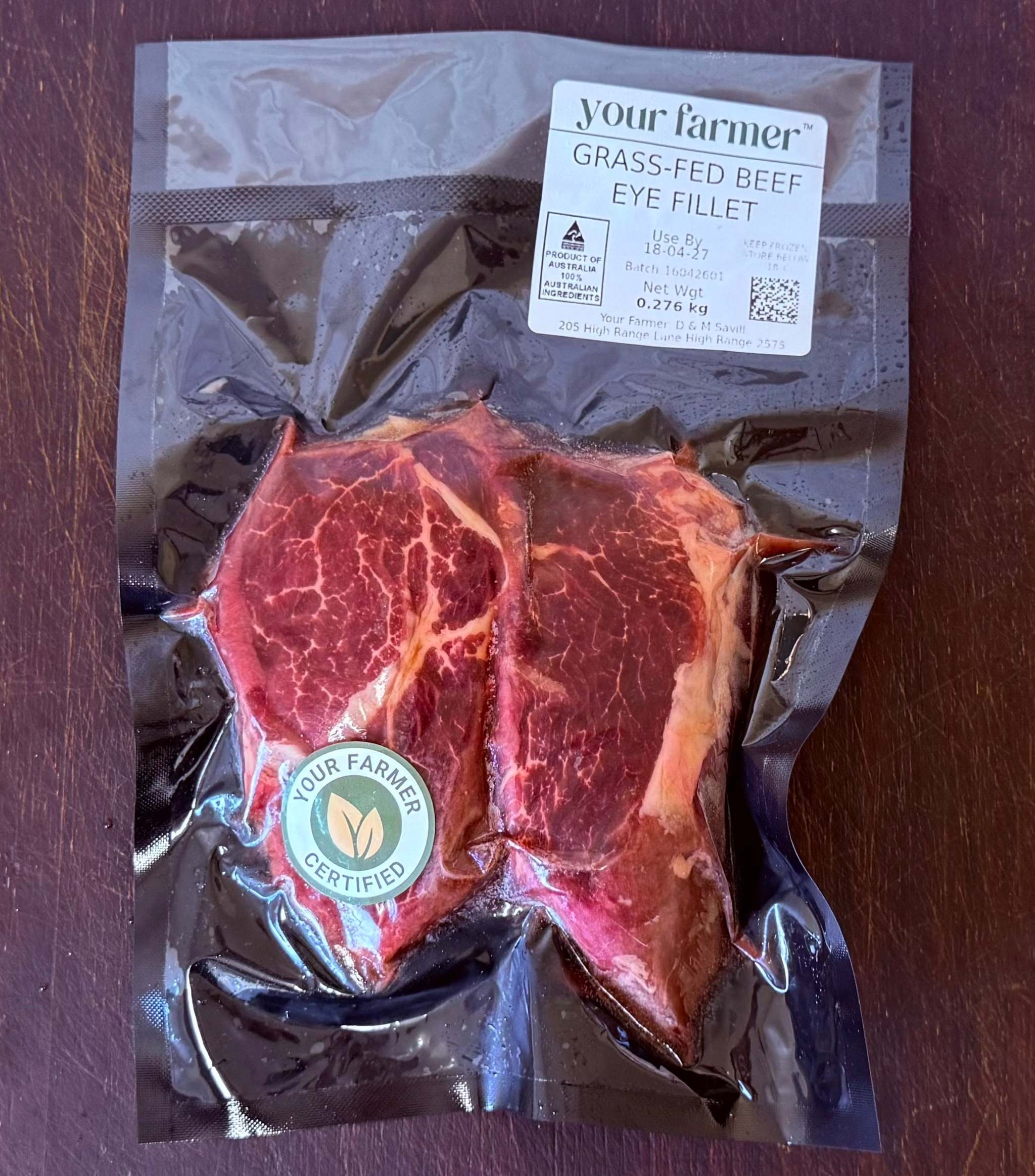
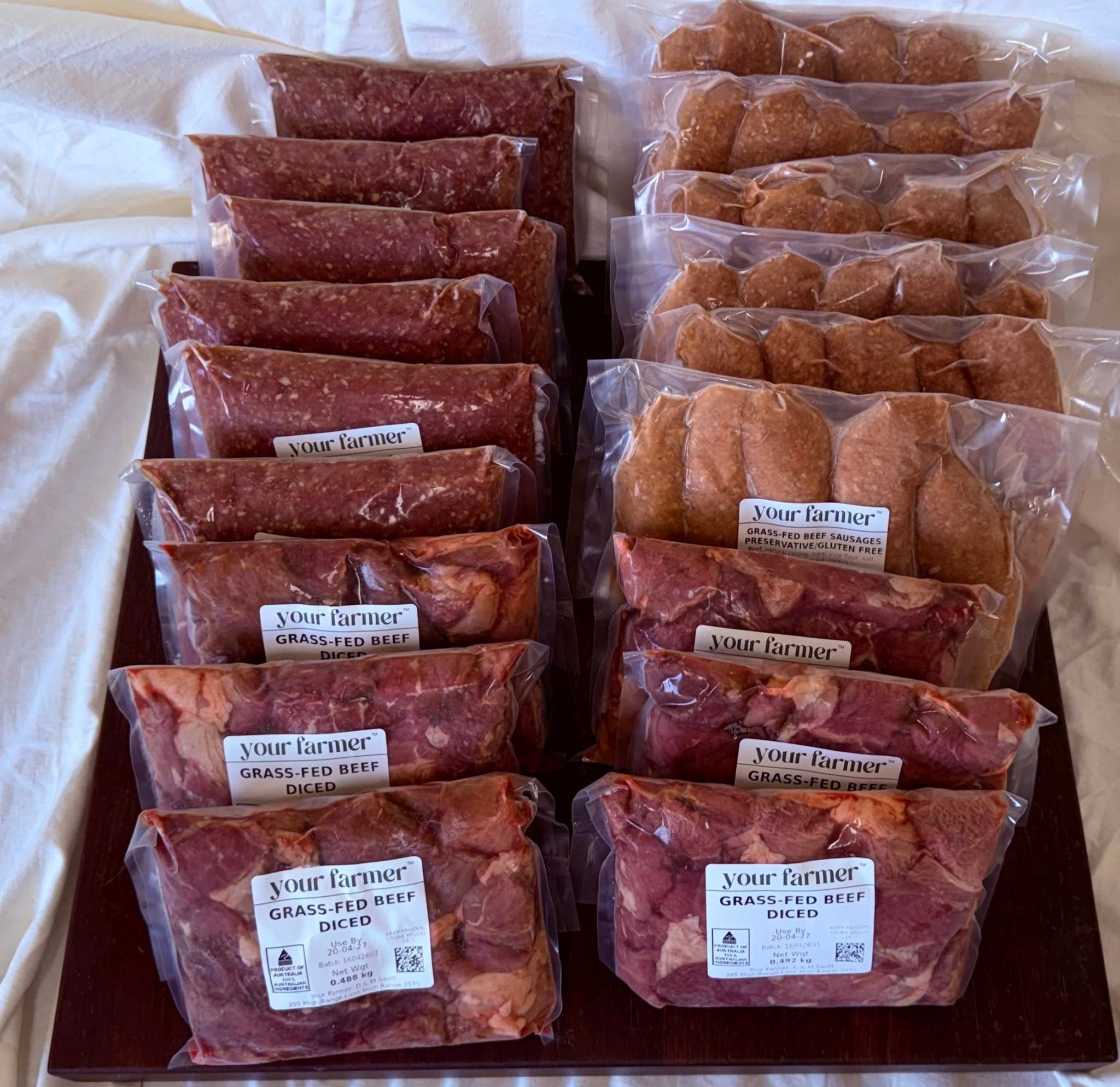
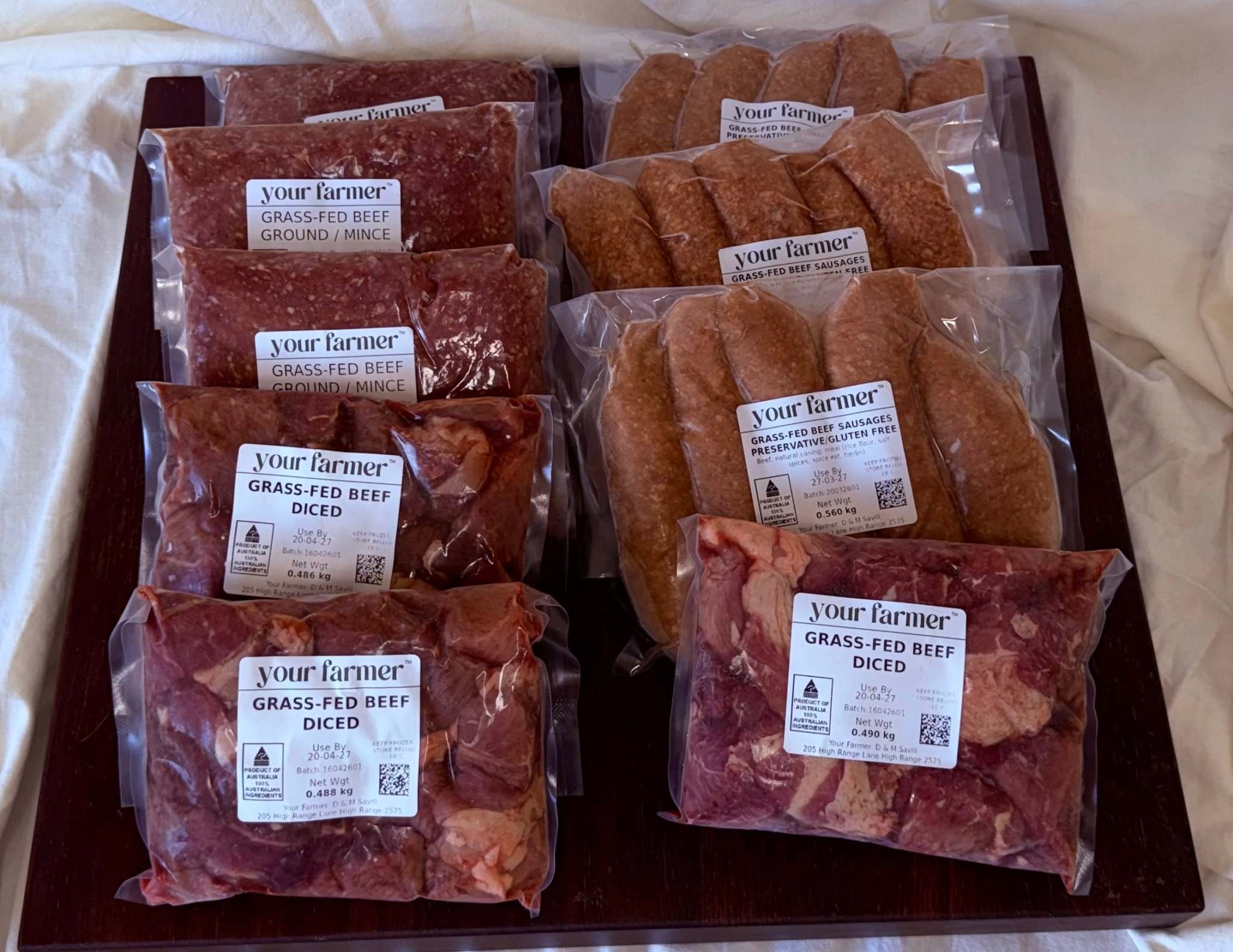
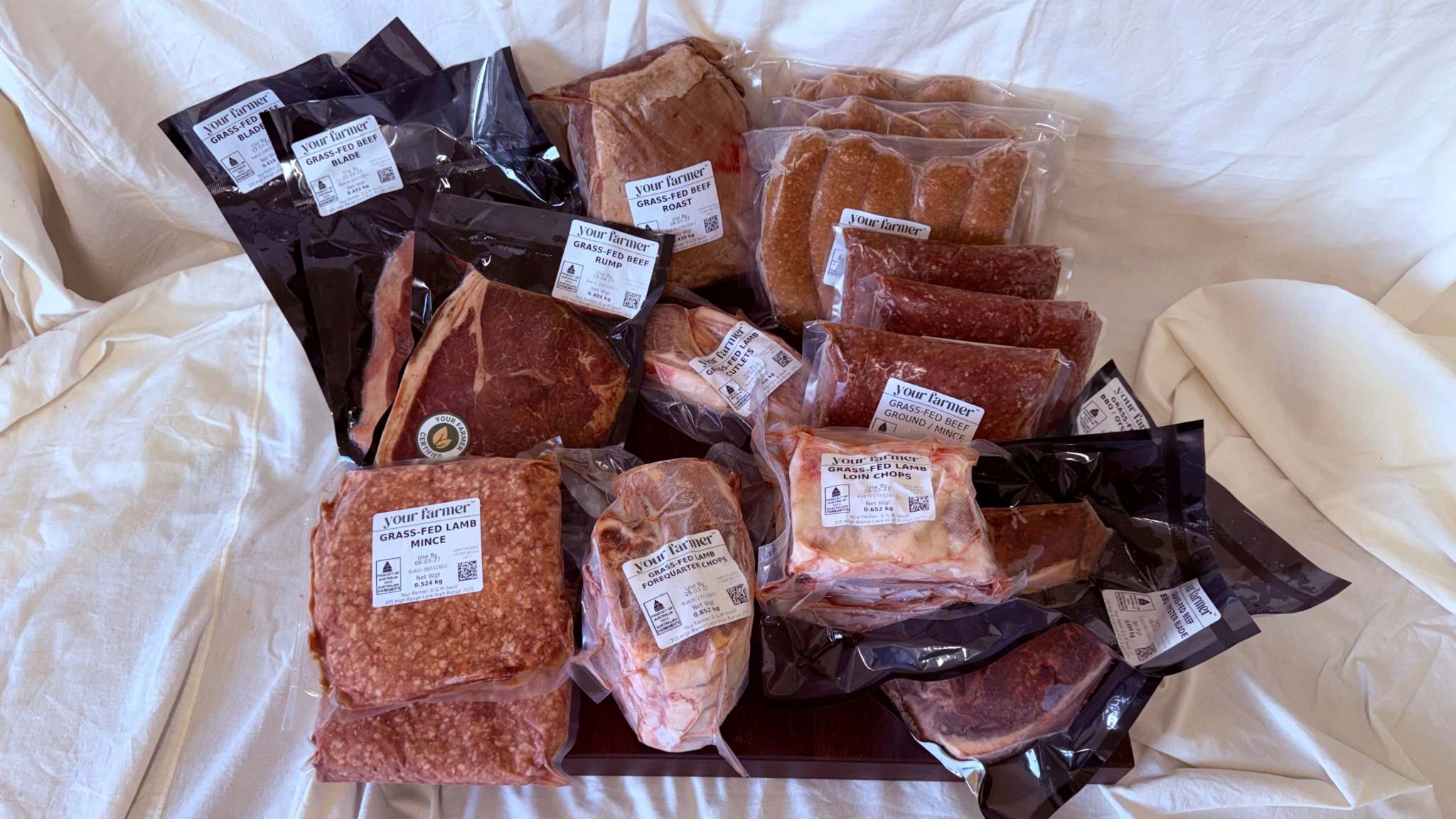
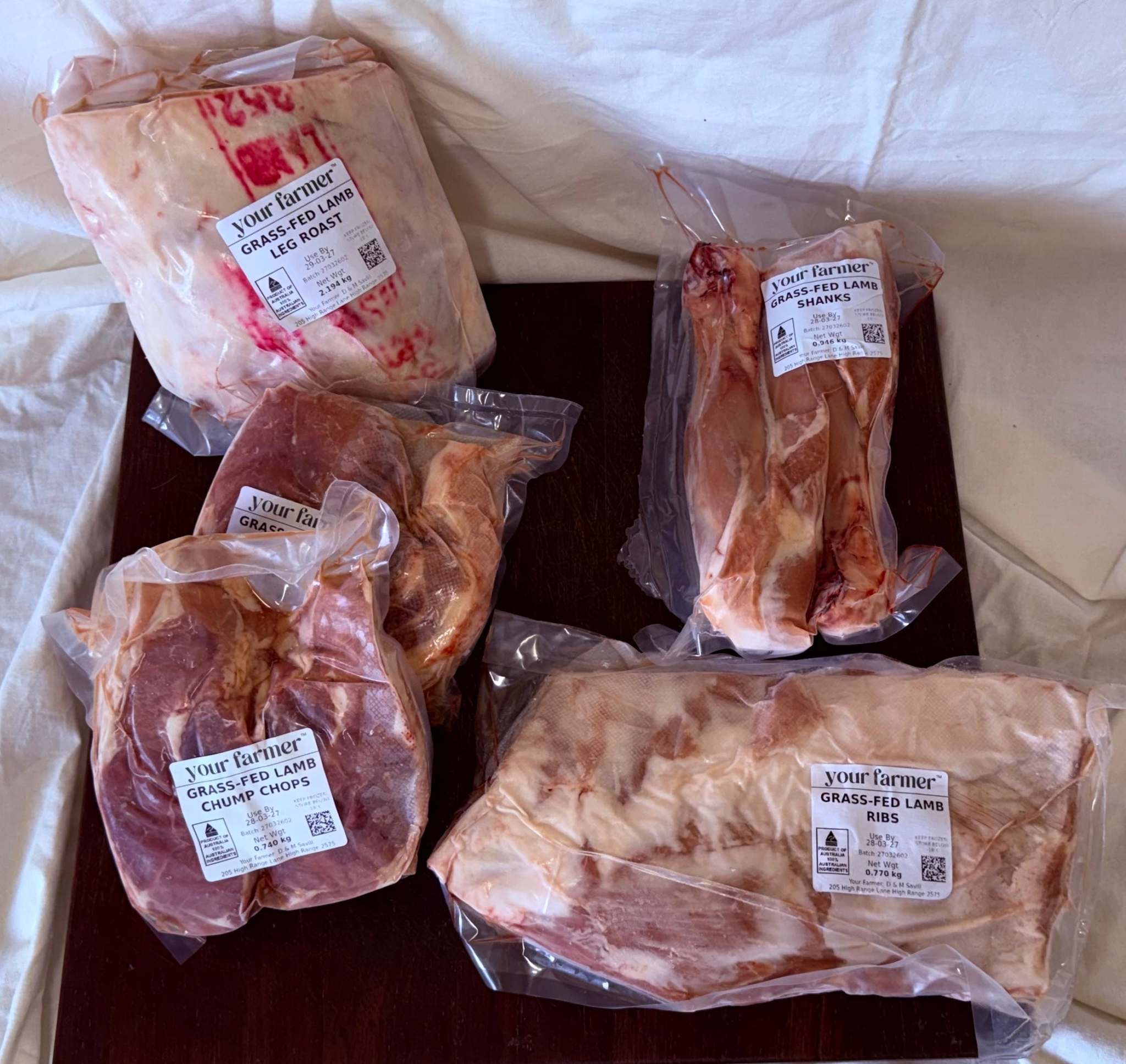
Your Farmer uses ProCryo™, an advanced preservation process that combines full vacuum sealing with rapid freezing shortly after processing. This method is designed to protect the natural structure of the meat, helping retain flavour, tenderness, and nutritional integrity during storage. By freezing quickly rather than gradually, ProCryo™ helps minimise moisture loss and oxidation—common issues with conventional freezing. The result is grass-fed beef that reaches your freezer in peak condition, with naturally occurring omega-3s, CLAs, and essential vitamins well preserved until it's time to cook.
Convenient Subscription Model
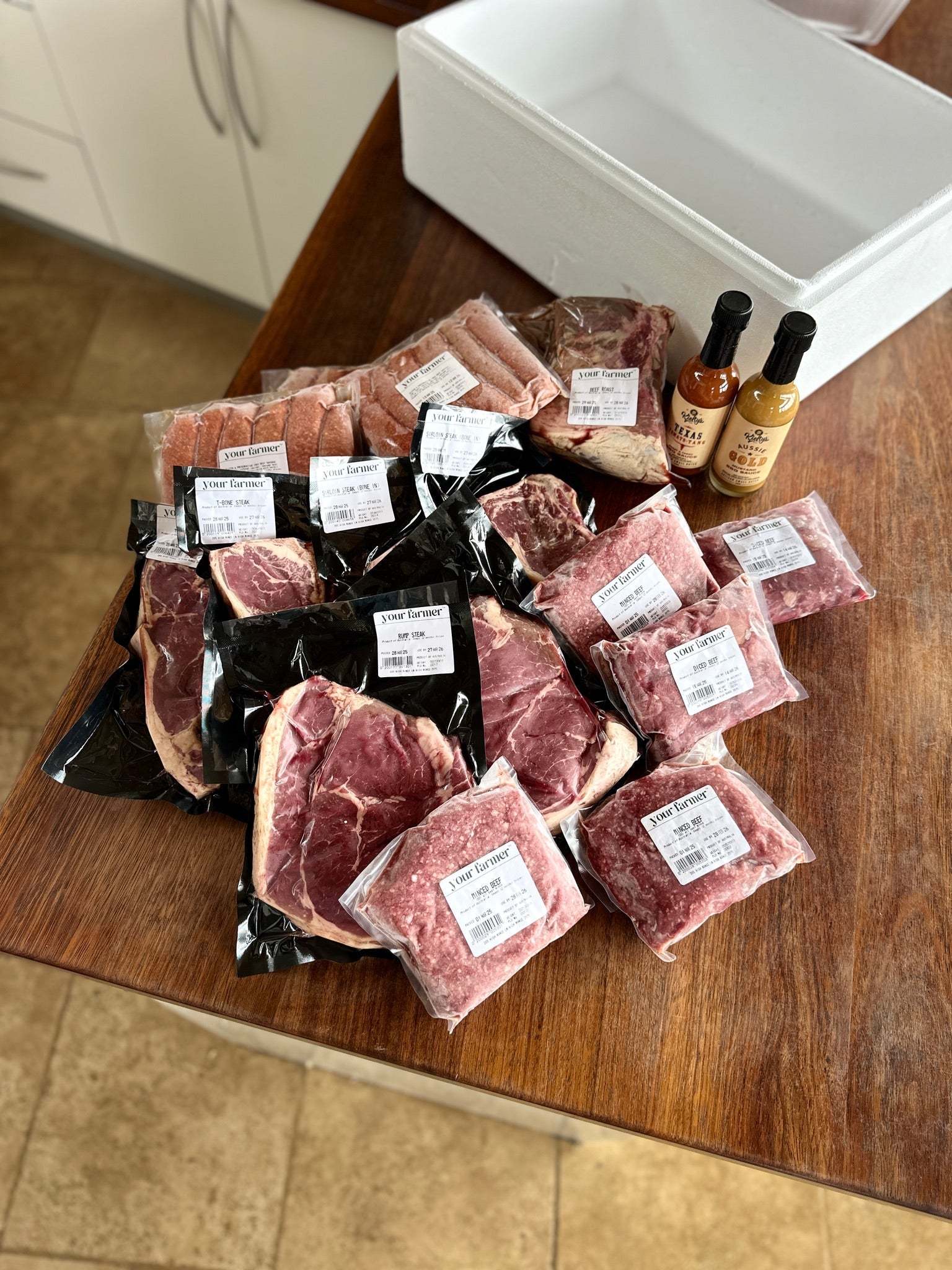
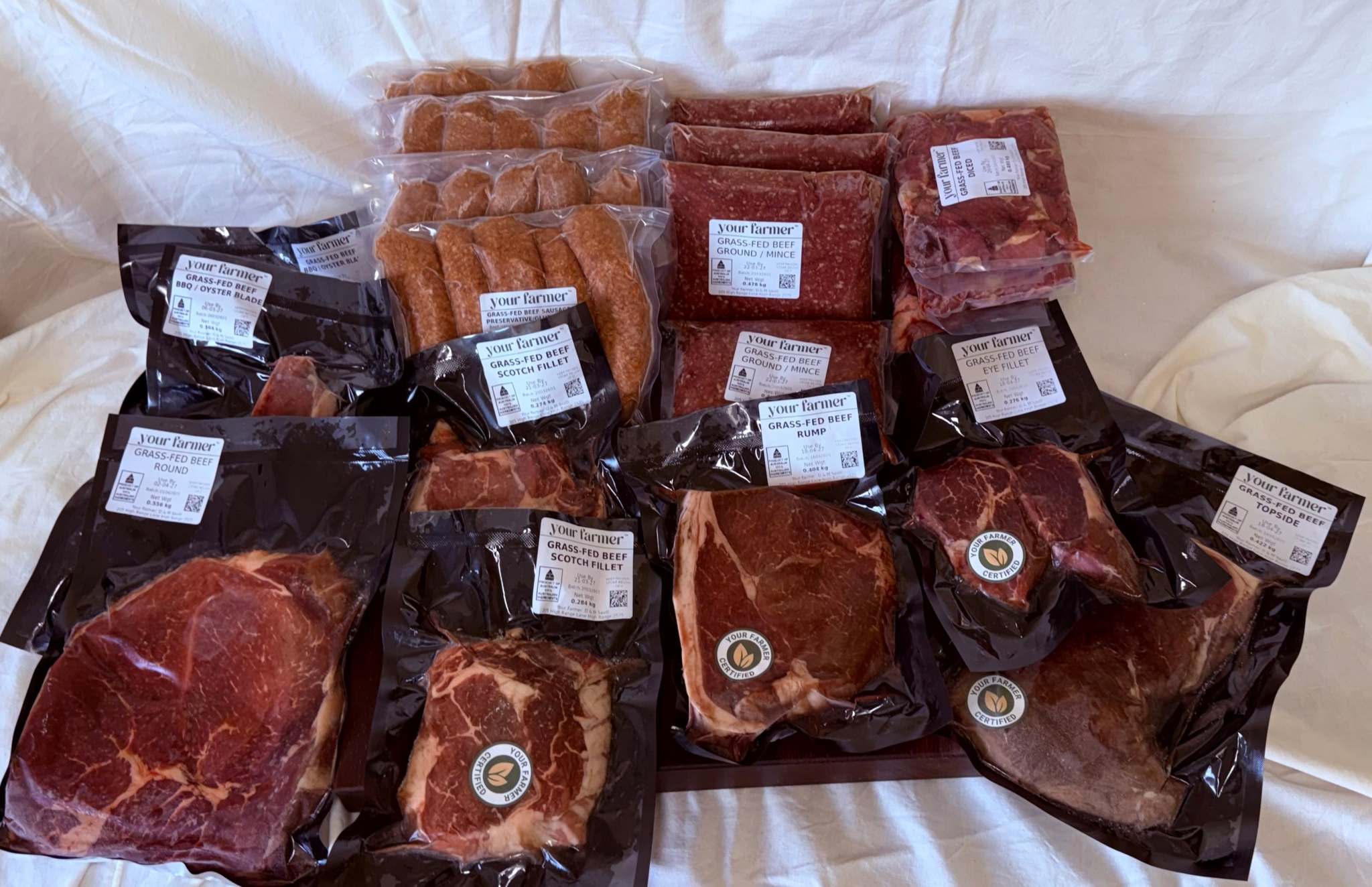
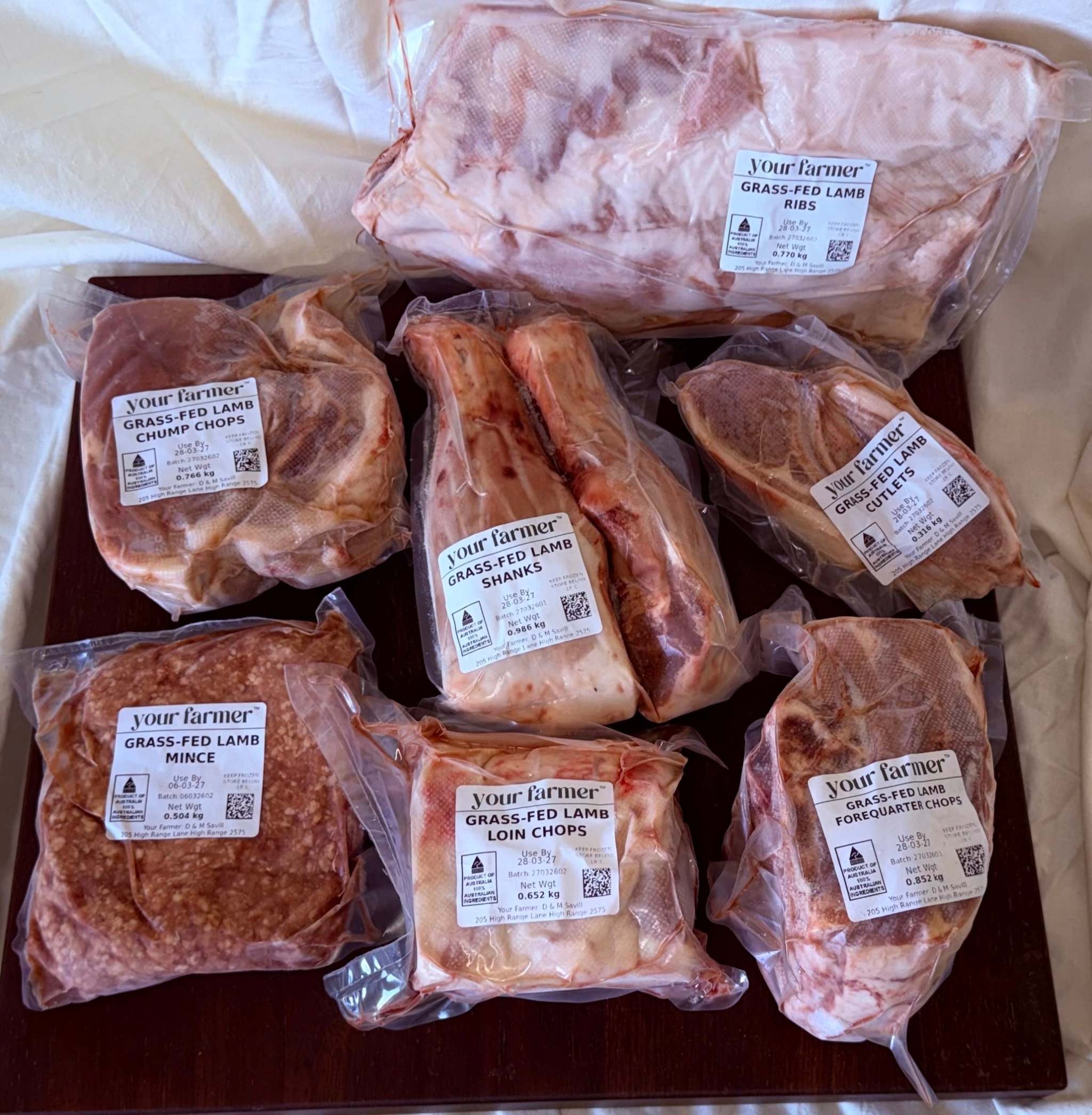
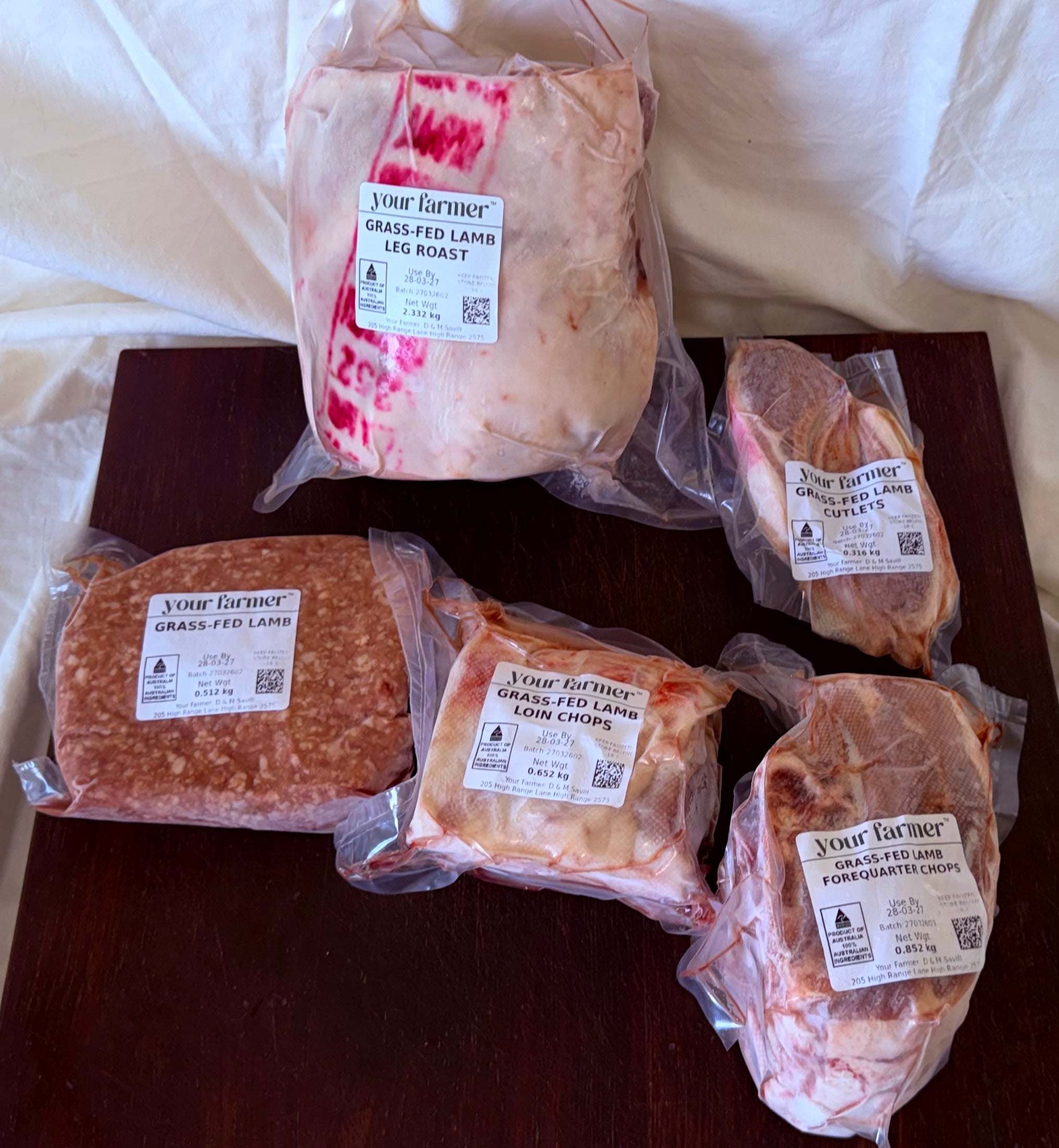
The subscription approach makes paddock to plate eating practical for busy NSW families. Rather than shopping multiple butchers or farmers' markets, families receive curated boxes of premium grass-fed beef delivered directly to homes in the Hills District, Northern Beaches, and surrounding areas.
Making the Switch: What NSW Families Should Consider
If you're considering transitioning to paddock to plate meat, here are key factors to evaluate:
-
Certification and Traceability: Look for providers who can demonstrate genuine grass-fed certification and offer complete traceability through systems like the NLIS. Ask where the farms are located and what specific practices they use.
-
Farming Practices: Beyond "grass-fed," inquire about rotational grazing, soil health practices, and ecological farming methods. These factors directly impact both nutritional quality and environmental outcomes.
-
Direct Relationships: The best paddock to plate providers offer direct connections to farmers, not just products from wholesalers. This transparency ensures accountability and quality.
-
Convenience and Storage: Consider delivery logistics and freezer space. Modern blast-freeze technology means properly frozen grass-fed beef maintains quality for months, making bulk purchasing practical.
-
Price Perspective: While grass fed beef NSW typically costs more per kilogram than supermarket alternatives, consider the value proposition: superior nutrition, environmental benefits, animal welfare, and supporting local sustainable farming.
The Bigger Picture: Food Choices and Family Health
The decision to choose paddock to plate meat represents more than a dietary change—it's an investment in your family's long-term health and the agricultural future of NSW. Beef is a significant component of the Australian diet, and with consumption levels remaining substantial, the quality of that beef has cumulative effects on health outcomes.
For families with young children, the enhanced omega-3 content, superior vitamin profile, and optimal fat ratios of grass-fed beef can contribute to healthy brain development, strong immune systems, and reduced inflammation. For adults managing cardiovascular health or weight, the lower total fat and favorable CLA content offer distinct advantages.
Australia's beef industry operates on a massive scale. Grazing land for cattle and sheep covers over 324 million hectares, representing a vast portion of Australia's landscape. This extensive pastoral landscape means Australia has unique opportunities to produce grass-fed beef sustainably. By choosing paddock to plate providers committed to genuine grass-fed, regenerative practices, NSW families can use their purchasing power to support the agricultural model they want to see prevail.

Share:
From the Ground Up: How Happy Cows Make Healthy Food
How Does a Meat Box Subscription Save Sydney Families Time and Money?