

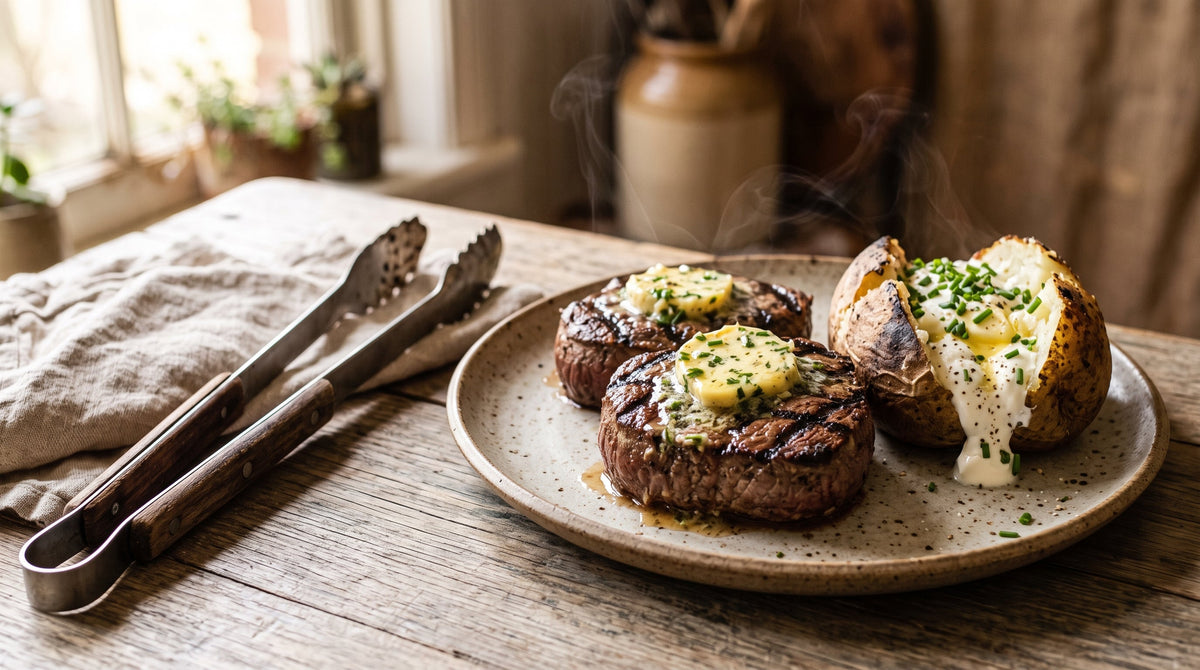
The easiest steak you'll ever put on the barbecue
Fillet is so lean there's next to nothing to drip onto the flames — which means no flare-ups, no scorched patches, no juggling steaks around the grill. While the potatoes bake away under the hood in their foil jackets, the medallions want just a few quiet minutes over direct heat and a rest under a melting knob of garlic butter. It's barbecue cooking at its most relaxed, and the reward is the tenderest steak you'll eat all year.
Heat a hooded barbecue to around 200°C. Rub the potatoes with a little of the oil and plenty of salt, wrap each in foil and set them over indirect heat with the hood down for 50–60 minutes, until a skewer slides in easily.
2 baking potatoes1 tbsp olive oilWhile they bake, mash the butter with the garlic and half the chives, and set aside at room temperature.
40g butter1 clove garlic1 tbsp chivesTen minutes before the potatoes are done, pat the medallions dry, rub with the remaining oil and season generously.
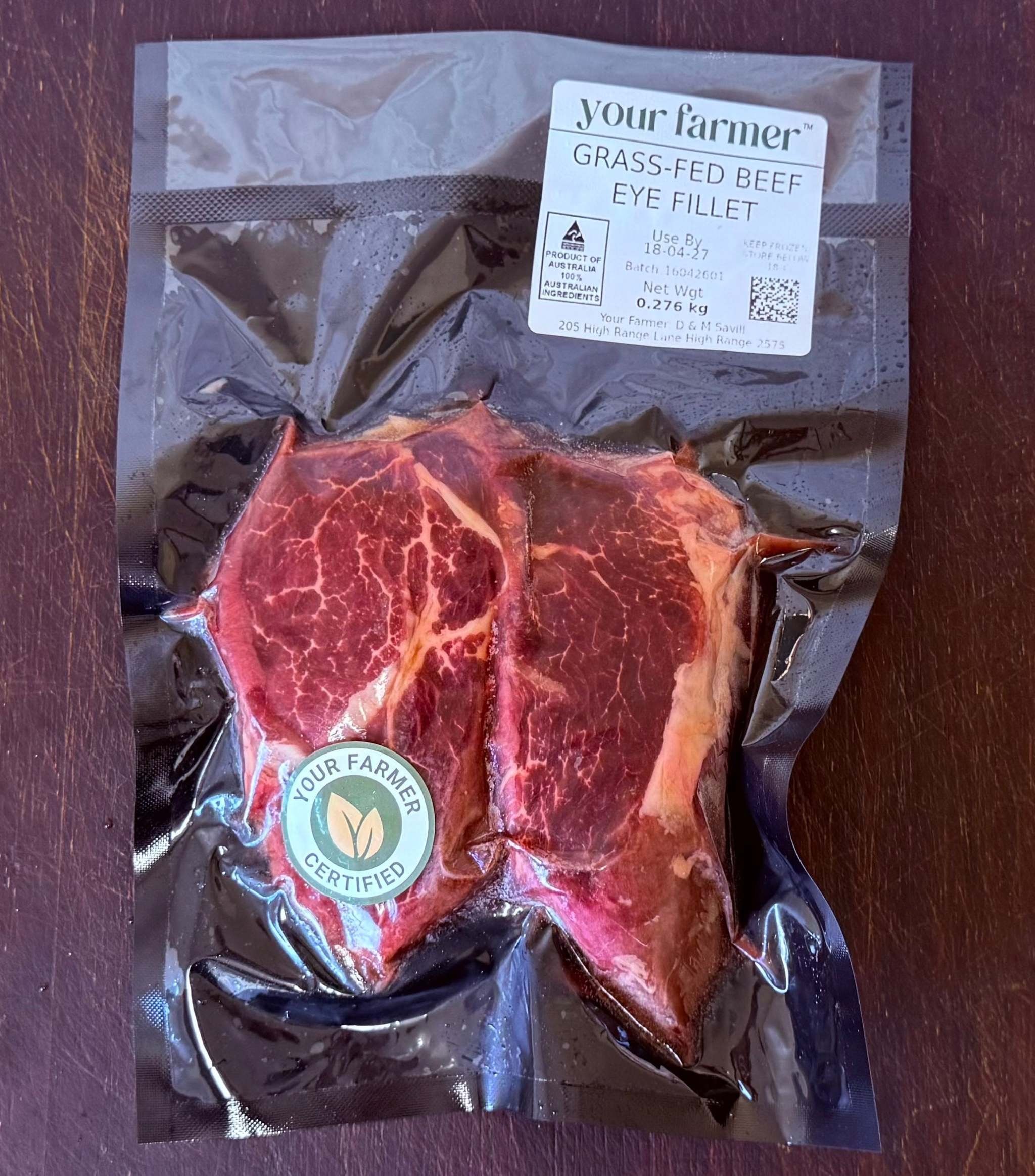
2 eye fillet medallions1 tbsp olive oilsalt and pepperGrill over direct high heat for 3–4 minutes each side for medium-rare — fillet is too lean to take past medium, so set a timer.
Rest the steaks for 5 minutes with the garlic butter melting over the top.
Split the potatoes, add the sour cream and remaining chives, and serve alongside the medallions with every bit of the melted garlic butter.
2 tbsp sour cream1 tbsp chives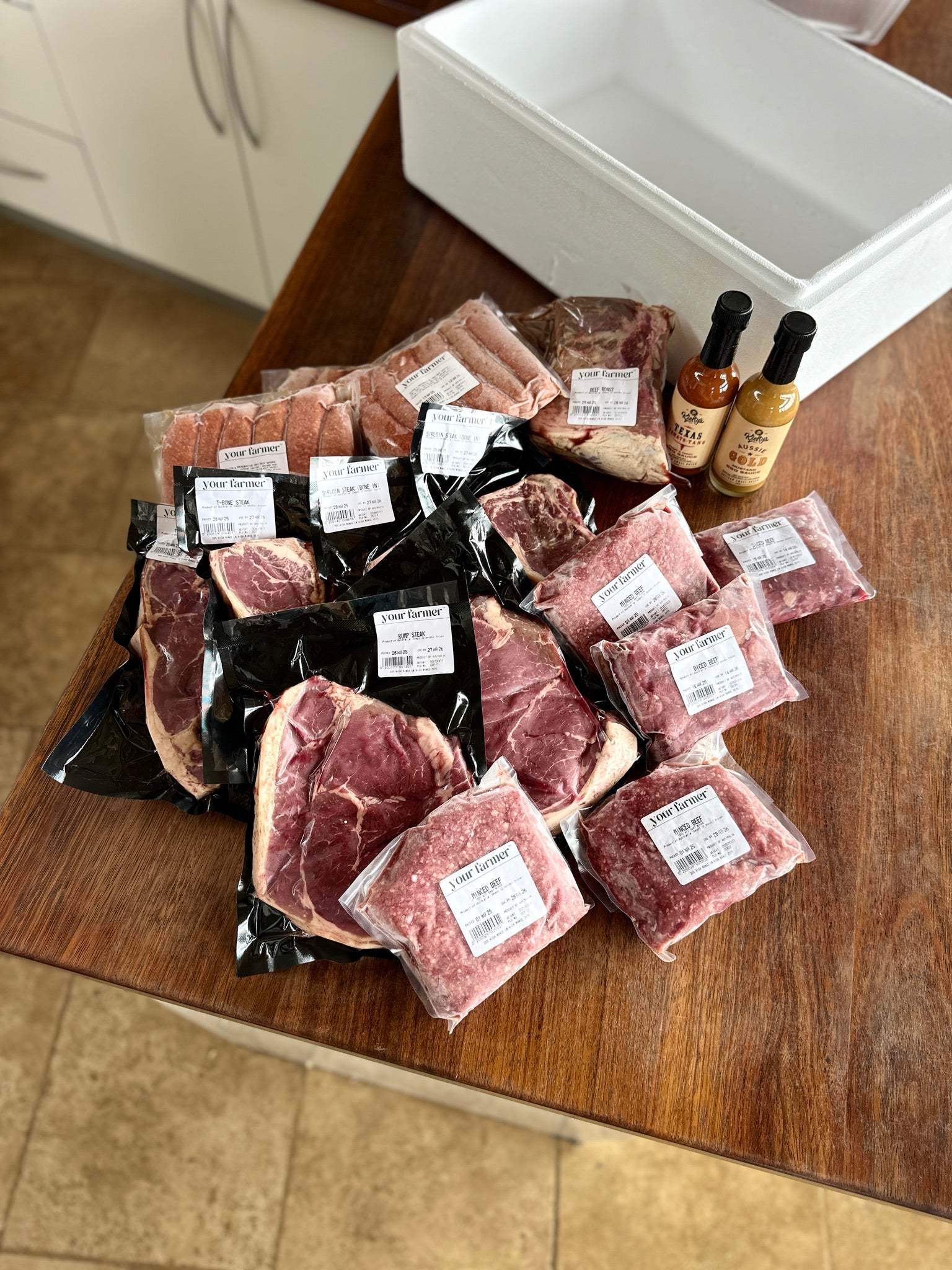
Flare-ups happen when fat drips onto flame. The eye fillet is the leanest cut in the whole share, so there's next to nothing to drip — no fireballs, no chasing steaks around the grill, no scorched outsides. That makes it the most relaxed steak you'll ever barbecue. The same leanness sets the one rule, though: with no marbling in reserve, fillet has nothing to spare past medium, so it's a short, hot cook and a proper rest, every time. And the garlic butter at the end isn't a garnish — it's doing the job the missing fat would have done. Your Farmer® medallions come two to the pack at about 140g each and roughly 3cm thick, which is why 3–4 minutes a side over direct heat lands them right on medium-rare. For the full ritual, our guide to BBQ steak night done right is worth a read while the potatoes bake.
Every steak in the share takes this treatment — scotch fillet brings more richness (watch for flare-ups from its marbling), and lamb loin chops follow the same routine with a minute less each side. Sweet potatoes in foil bake faster than spuds, about 40 minutes, and corn in its husk is perfectly happy under the hood alongside. The butter is a template too: swap the garlic for chilli and lime, or mash in a little horseradish for something with more bark.
Baked potatoes keep three days in the fridge and reheat well — back in their foil on the barbecue, or split and crisped cut-side down in a pan for the best breakfast hash going. Leftover fillet is a cold cut, not a reheat: slice it thin the next day for a steak sandwich with mustard. The twin pack lands in Pack A of the grass-fed beef CSA share, and when there's surplus you'll find the fillet twin pack on its own too.
Know Your Farmer®, Know Your Food. Meet the farmers behind every box →
Three Simple Steps
Your Farmers grow grass-fed beef and lamb, pastured eggs and the best eco-grown veggies and produce — every item grown to the same ecological standard, every farmer one you can know by name. One subscription, your whole real-food shop.
Subscribe to a share of the harvest, or start with a one-off fixed pack.
Pick your delivery rhythm and what's in the box. Skip or cancel anytime — no lock-in.
We deliver in a reusable esky we collect next time. No couriers, no waste.
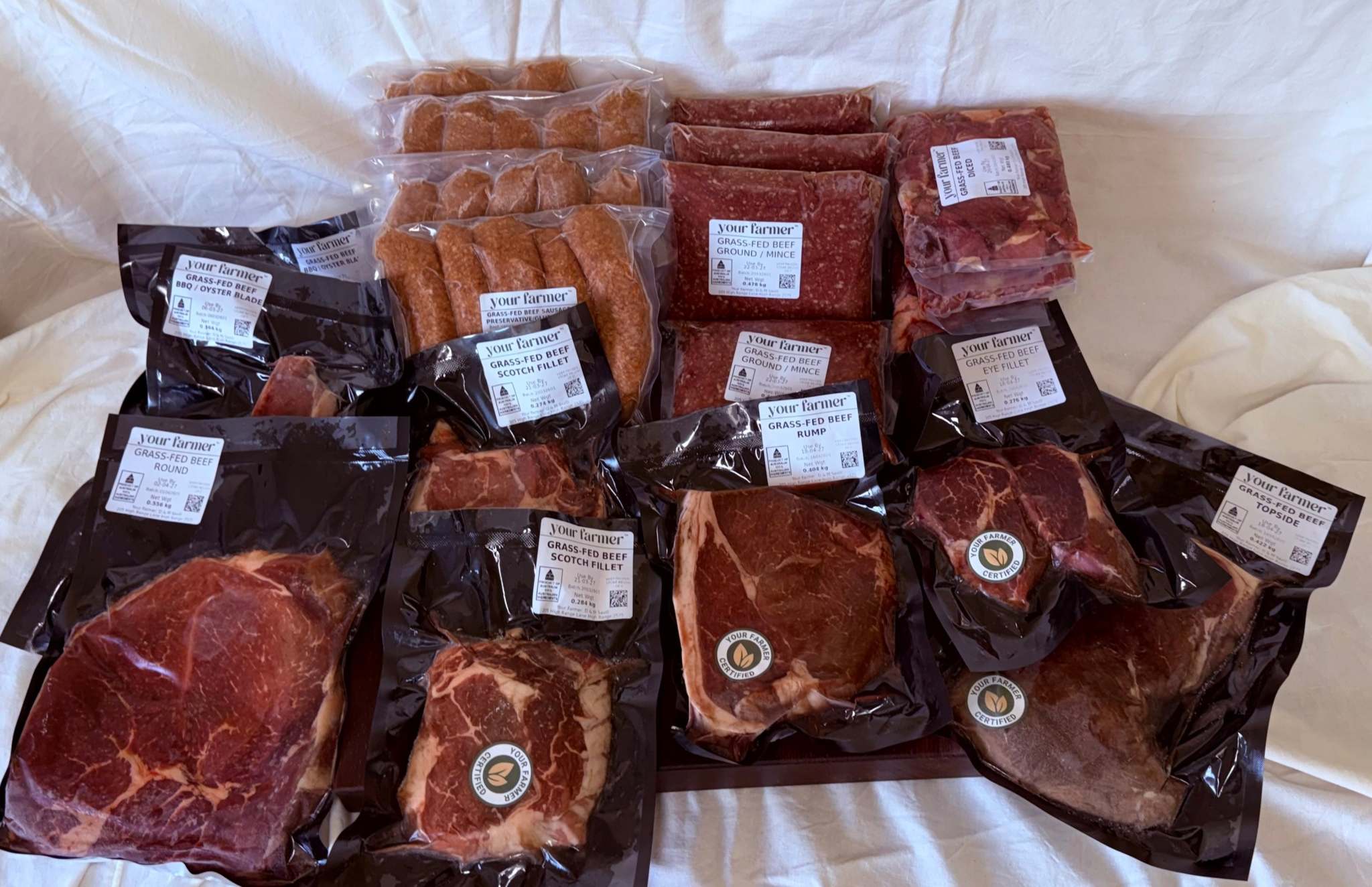
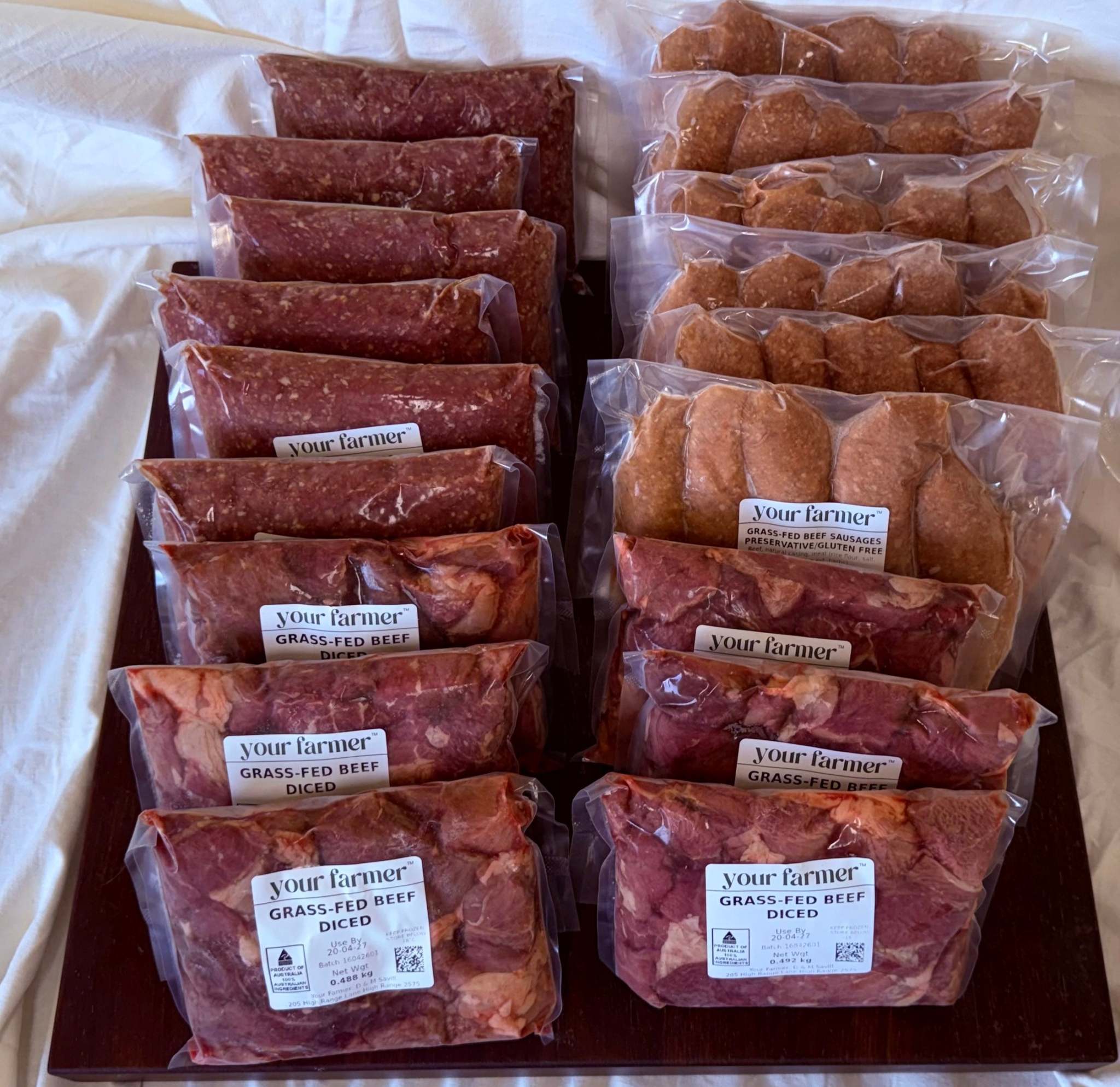
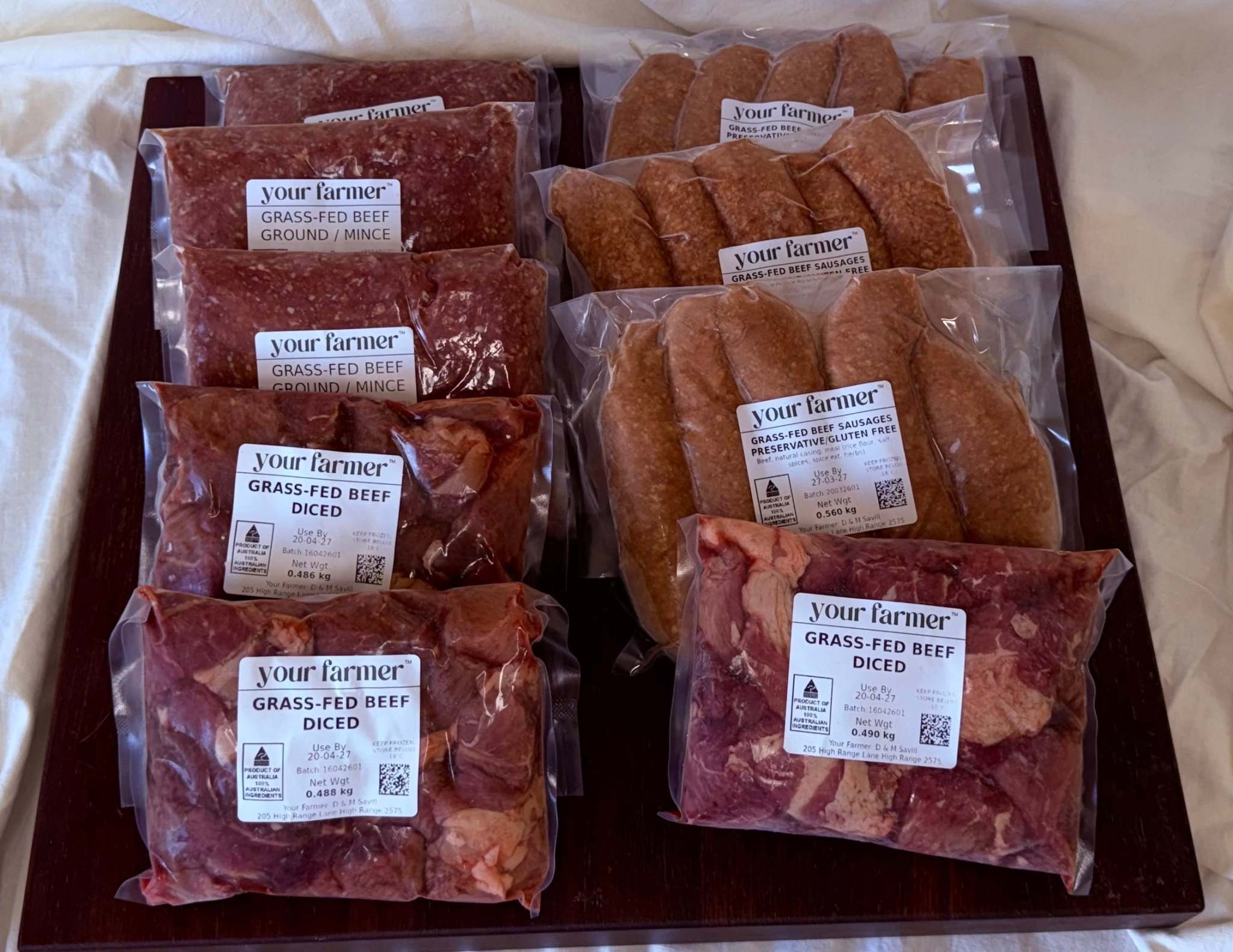
Grass-Fed Mince, Sausage and Diced Beef Pack
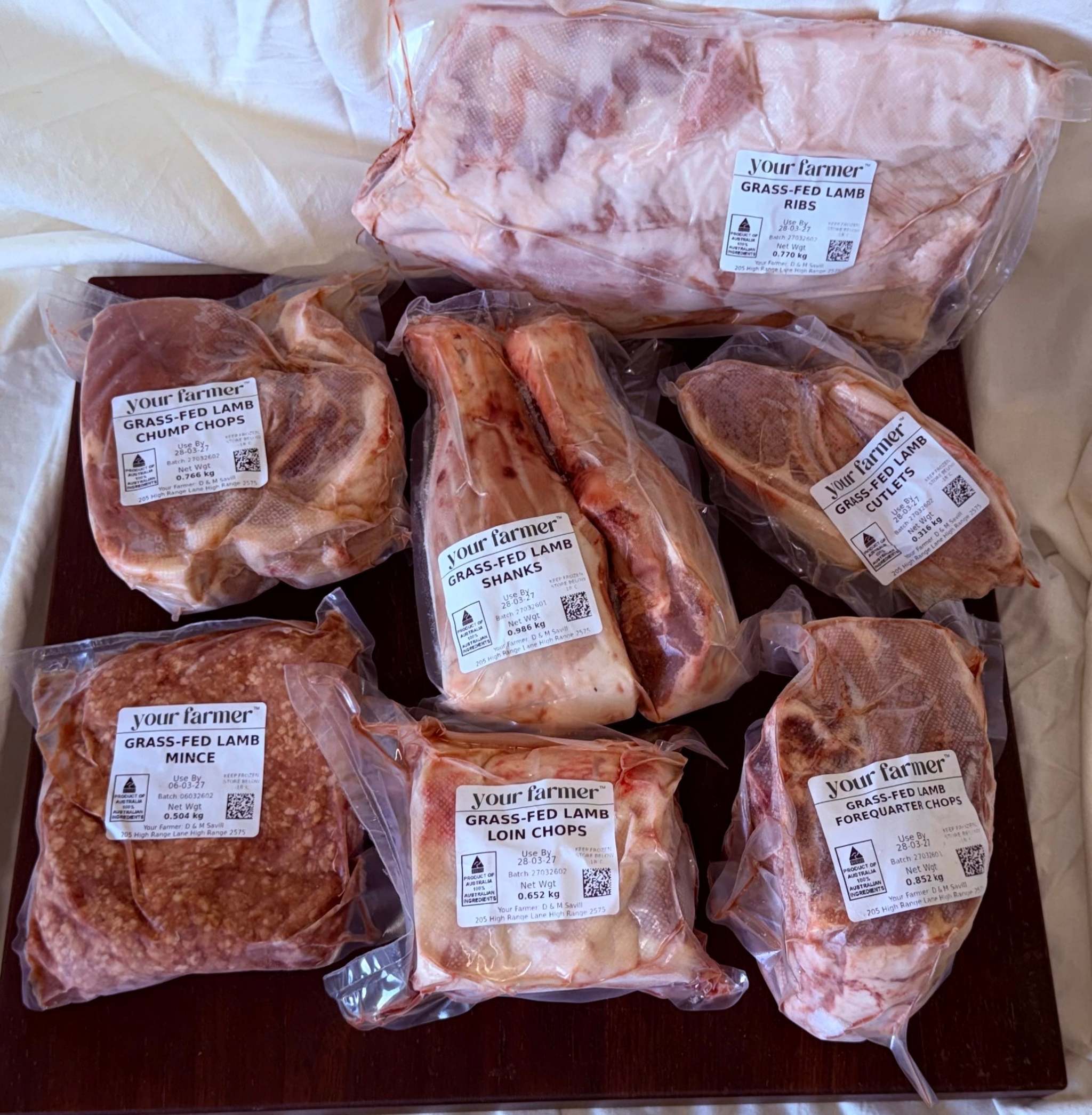
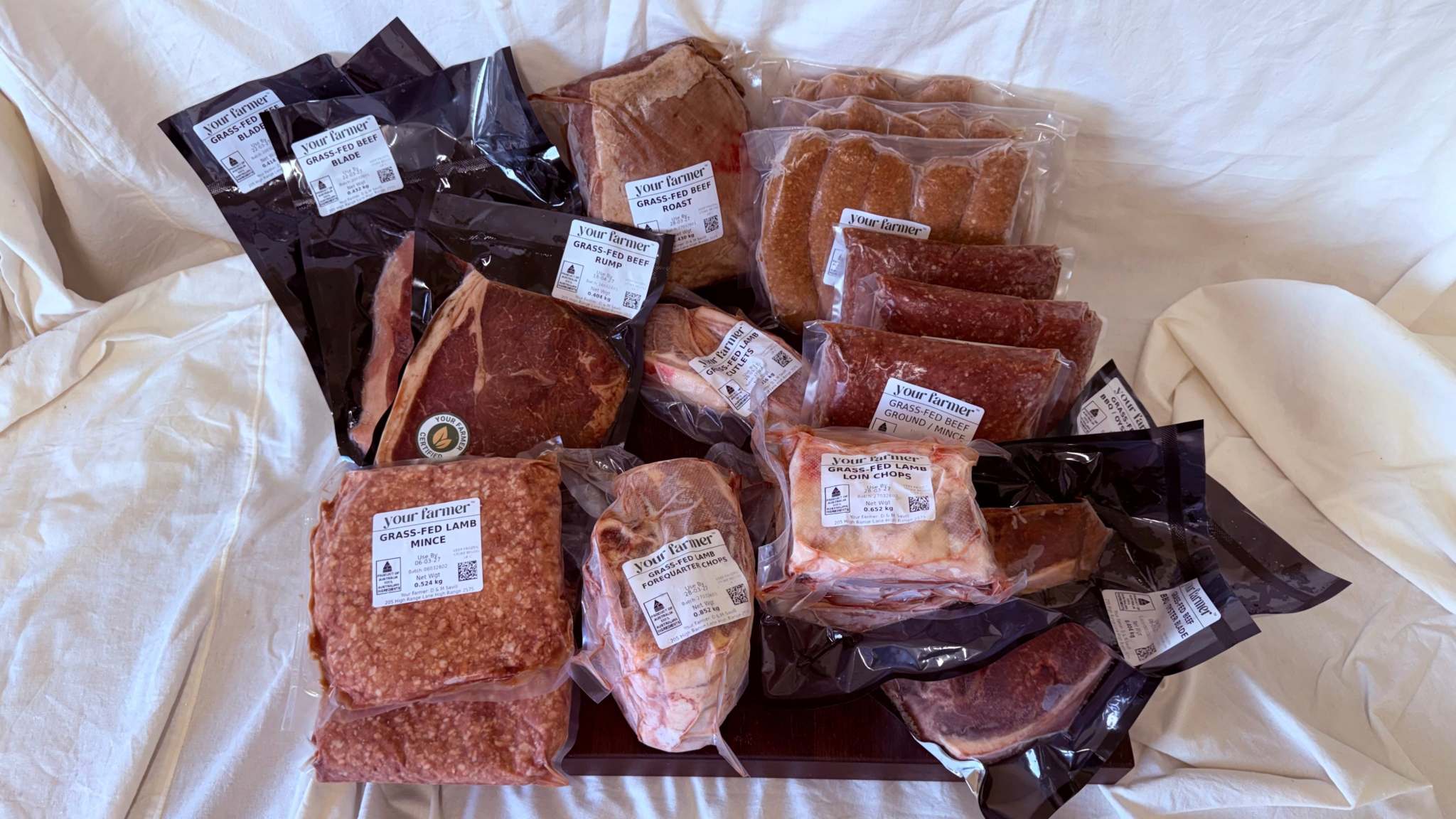
Grass-Fed Beef and Lamb BBQ Box
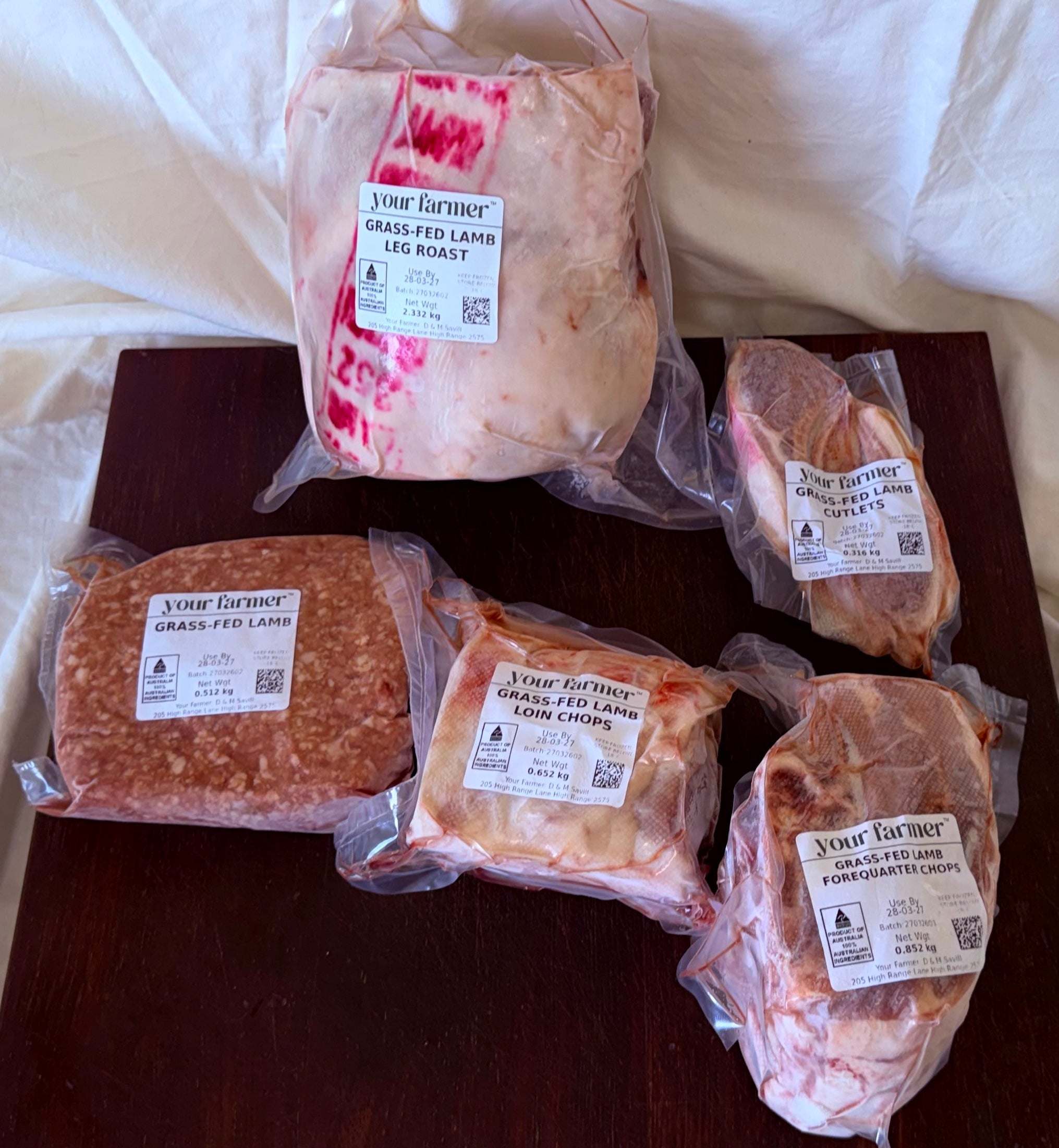
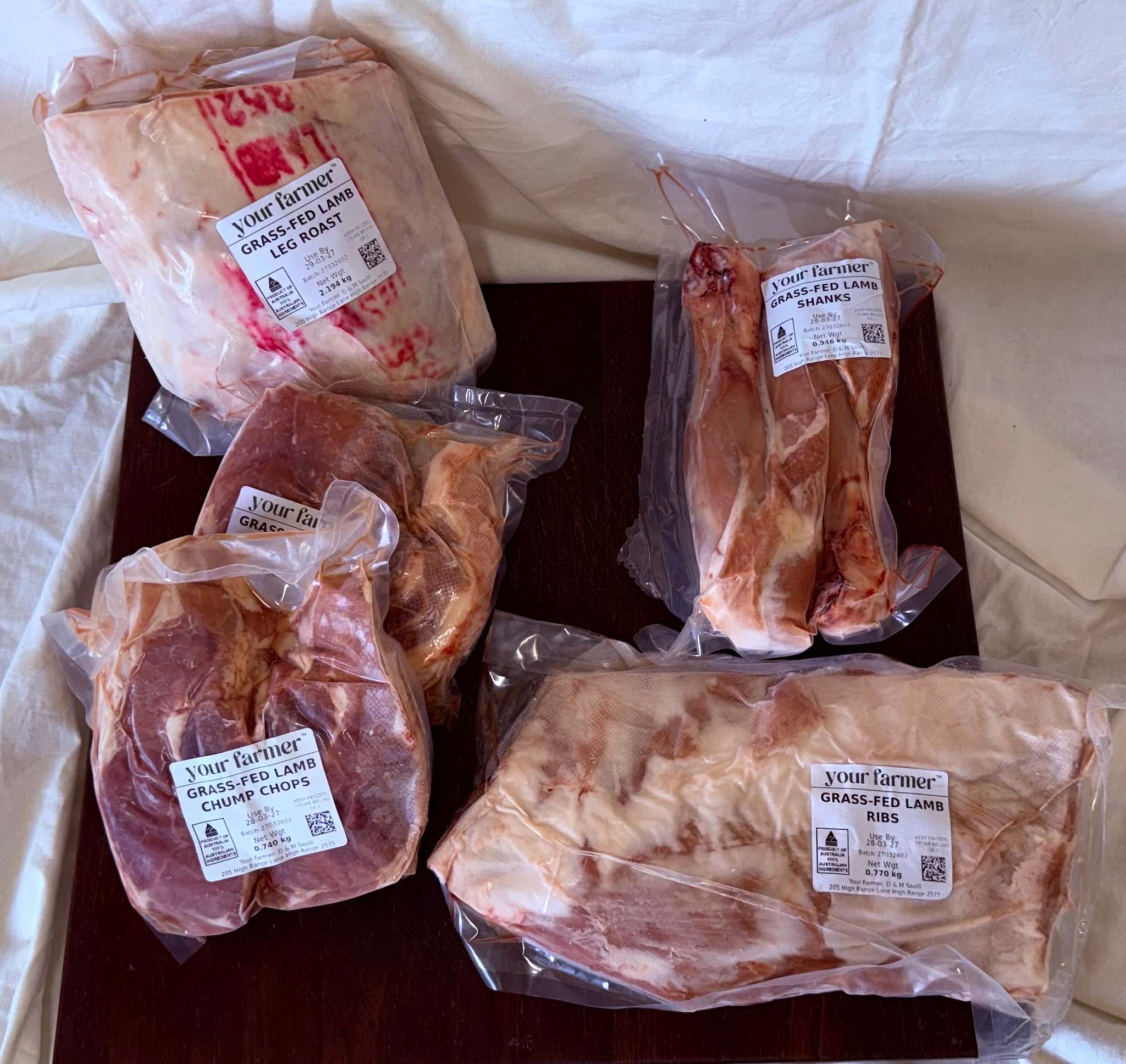
Pastured Lamb Roast and Slow-Cook Box
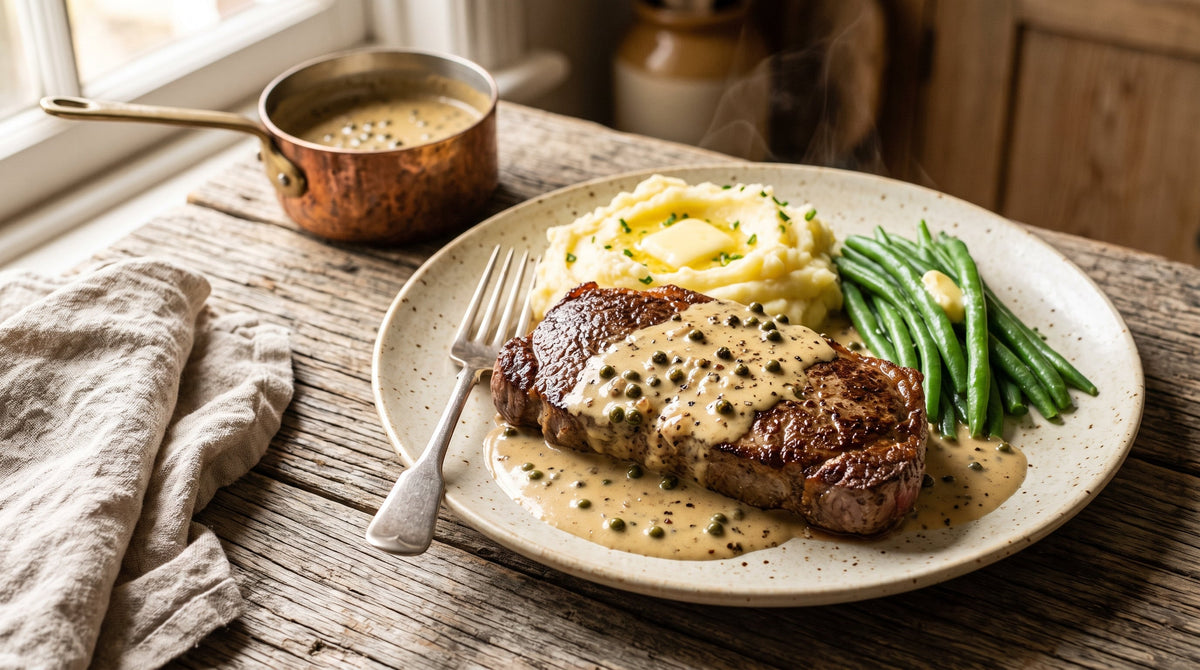
Sirloin with Green Peppercorn Sauce
The steak-restaurant order you can make in one pan
There's a reason the green peppercorn sauce has never left the steak-restaurant menu: it's magnificent, and it takes about ten minutes. The little peppercorns come in a jar of brine, sitting near the capers at the supermarket, and they bring a gentle heat that cream rounds off beautifully. You'll sear the sirloin in a heavy pan, rest it, and build the whole sauce on the browned bits left behind. Two steaks, one pan, and a dinner that feels like a night out.
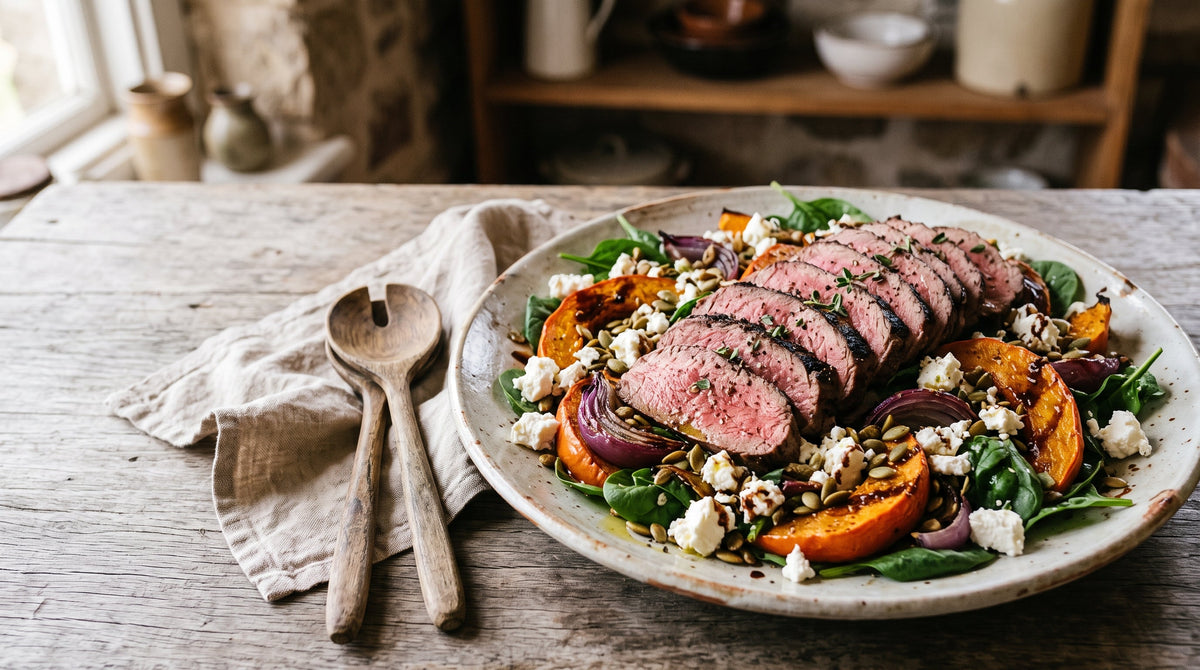
Warm Eye Fillet and Roast Pumpkin Salad
Two small steaks, three full plates
Here's a quiet bit of kitchen maths. Two 140g medallions doesn't sound like dinner for three — until you roast a tray of pumpkin, sear the fillet medium-rare, rest it properly and slice it thin across the grain. Suddenly every plate gets sweet golden pumpkin, creamy feta, toasted pepitas and a generous fan of the tenderest beef there is. It's the kind of dinner that feels abundant without being heavy, and it makes the smallest pack in the share go further than you'd believe.
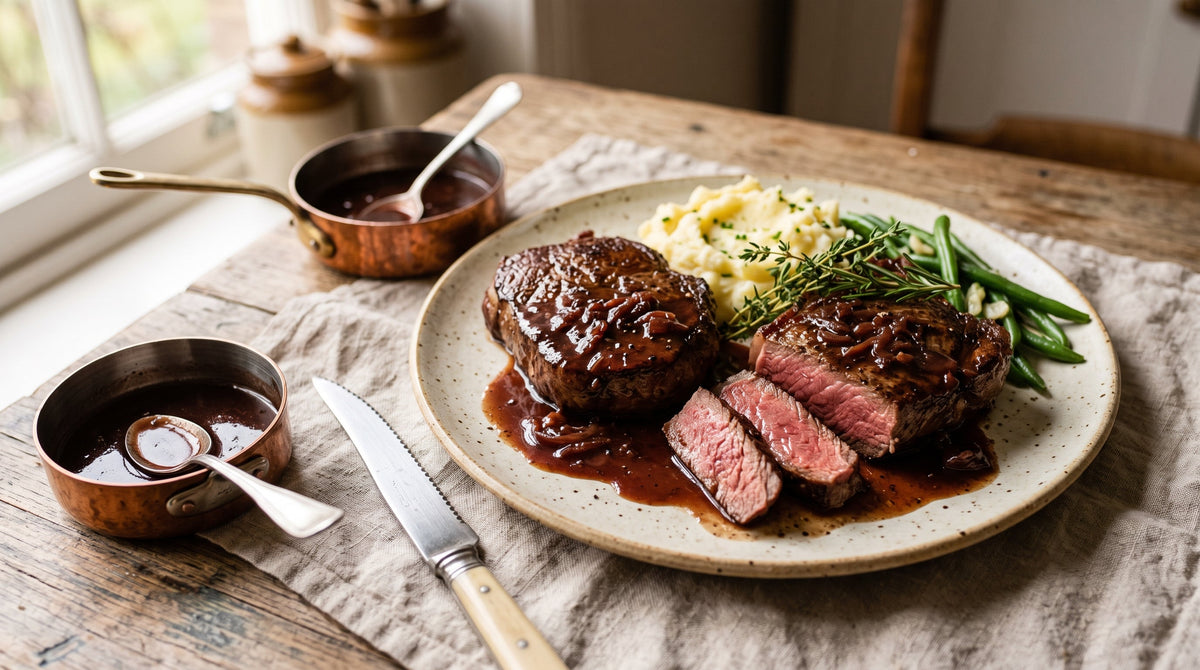
Sirloin with Bordelaise-Style Red Wine and Shallot Sauce
Occasion cooking from a bottle of red and a bit of patience
This is occasion cooking, but be clear about what that means: the sauce is red wine, eschalots and stock reduced patiently in a small saucepan, finished with cold butter until it turns glossy. Half an hour, most of it unattended. Meanwhile the sirloin gets a proper sear and a proper rest, and the two meet on a warm plate over mash. It's the kind of dinner restaurants charge dearly for, made from one steak and the open half of a bottle you were drinking anyway.
Read moreabout Sirloin with Bordelaise-Style Red Wine and Shallot Sauce
We'll check we deliver to your area.

Share:
Barbecued Sirloin with Garlic Mushrooms
The Classic Aussie T-Bone with Chips and Salad