Mustard, pickle and bacon, rolled up and braised until the gravy makes itself

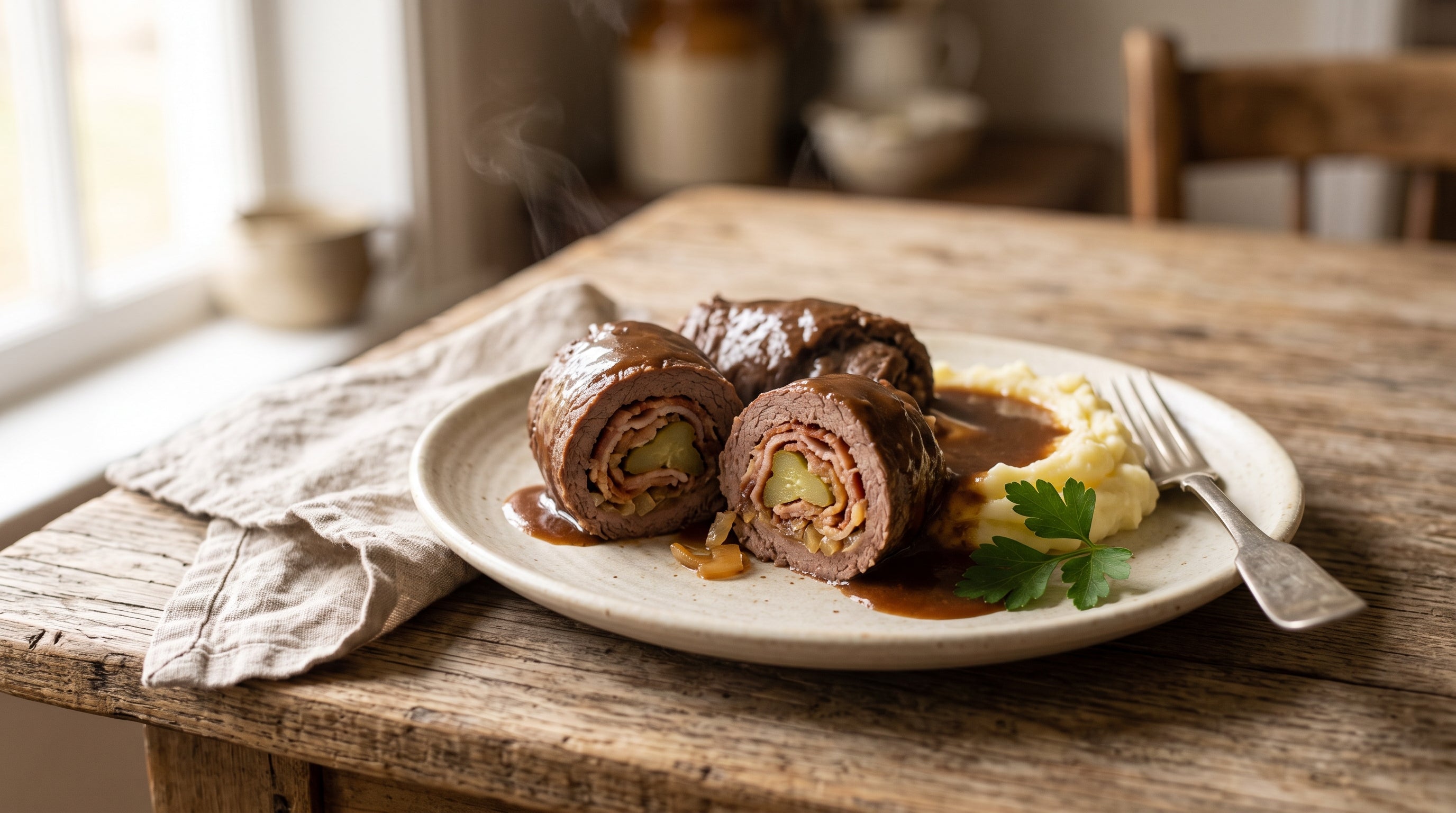
Rouladen exists because German home cooks looked at thin, lean steaks and saw an opportunity instead of a problem. Spread each one with mustard, lay on bacon, onion and a strip of dill pickle, roll it up snug and braise the lot until the beef is fork-tender and the pot has quietly turned its own juices into gravy. It's a Sunday sort of dish — half an hour of pleasant rolling and browning, then the oven does the heavy lifting while you set the table and open something red.

2 hrs 20 mins 4 servings Prep 30 minsCook 1 hr 50 minsMain CourseGerman

Ingredients

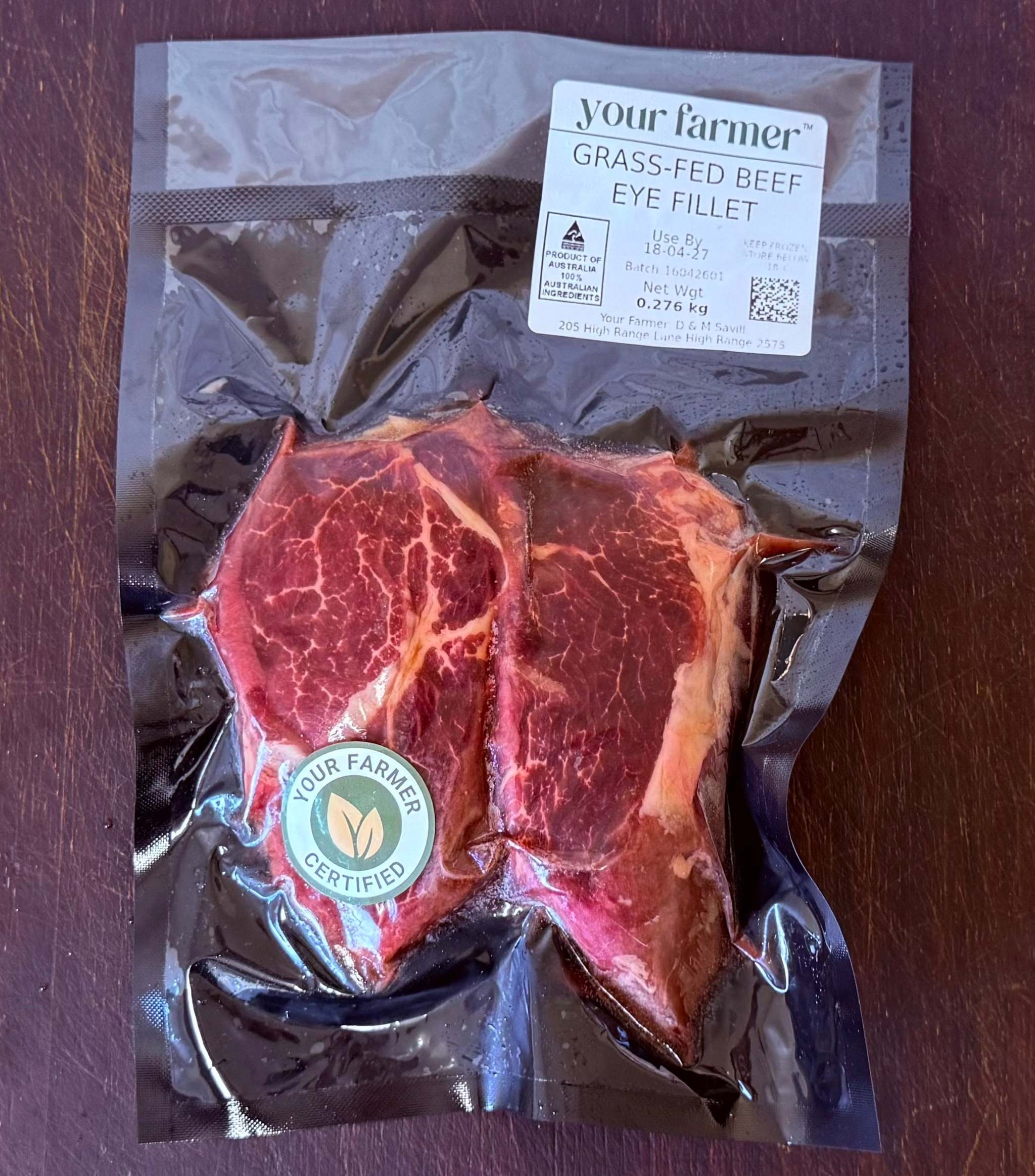
  • 460g Your Farmer grass-fed beef round steaks (thin-cut, about 4 steaks)
  • 2 tbsp Dijon or German mustard
  • 4 rashers streaky bacon
  • 2 dill pickles (gherkins), quartered lengthways
  • 1 brown onion — half thinly sliced, half finely diced
  • Salt and pepper to season
  • 2 tbsp olive oil
  • 1 carrot, finely diced
  • 1 stick celery, finely diced
  • 1 tbsp tomato paste
  • 500ml beef stock
  • 1 bay leaf
  • 1 tbsp cornflour mixed with 2 tbsp cold water

Instructions

Roll the rouladen

Lay the steaks flat on a board. If any are uneven, give them a gentle flatten between two sheets of baking paper with a rolling pin. Season both sides, then spread a thin layer of mustard over each.

460g round steaks2 tbsp mustard

Lay a rasher of bacon along each steak, scatter over the sliced onion, and set a pickle quarter across the short end.

4 rashers bacon2 dill pickles1/2 onion, sliced

Roll each steak up firmly from the pickle end, tucking the sides in as you go, and secure with toothpicks or a loop of kitchen string.

Braise

Heat the oil in a casserole or heavy pot over medium-high heat and brown the rolls well on all sides, about 6–8 minutes. Remove to a plate.

2 tbsp olive oil

Drop the heat to medium and soften the diced onion, carrot and celery for 5 minutes. Stir in the tomato paste and cook for 1 minute more.

1/2 onion, diced1 carrot1 stick celery1 tbsp tomato paste

Pour in the stock, add the bay leaf and scrape up everything stuck to the bottom — that's flavour, not mess. Return the rolls, seam-side down. Cover and simmer very gently on the stove (or in a 160°C oven) for 1.5 hours, turning the rolls once, until a fork slides in without argument.

500ml beef stock1 bay leaf

Lift the rouladen out and keep them warm. Bring the sauce to a simmer, stir in the cornflour mixture and cook for 2 minutes until it's a glossy gravy. Season to taste.

1 tbsp cornflour

Pull out the toothpicks and serve the rouladen whole or thickly sliced, gravy ladled generously over, with mashed potato or buttered noodles to catch it all.

Appears in

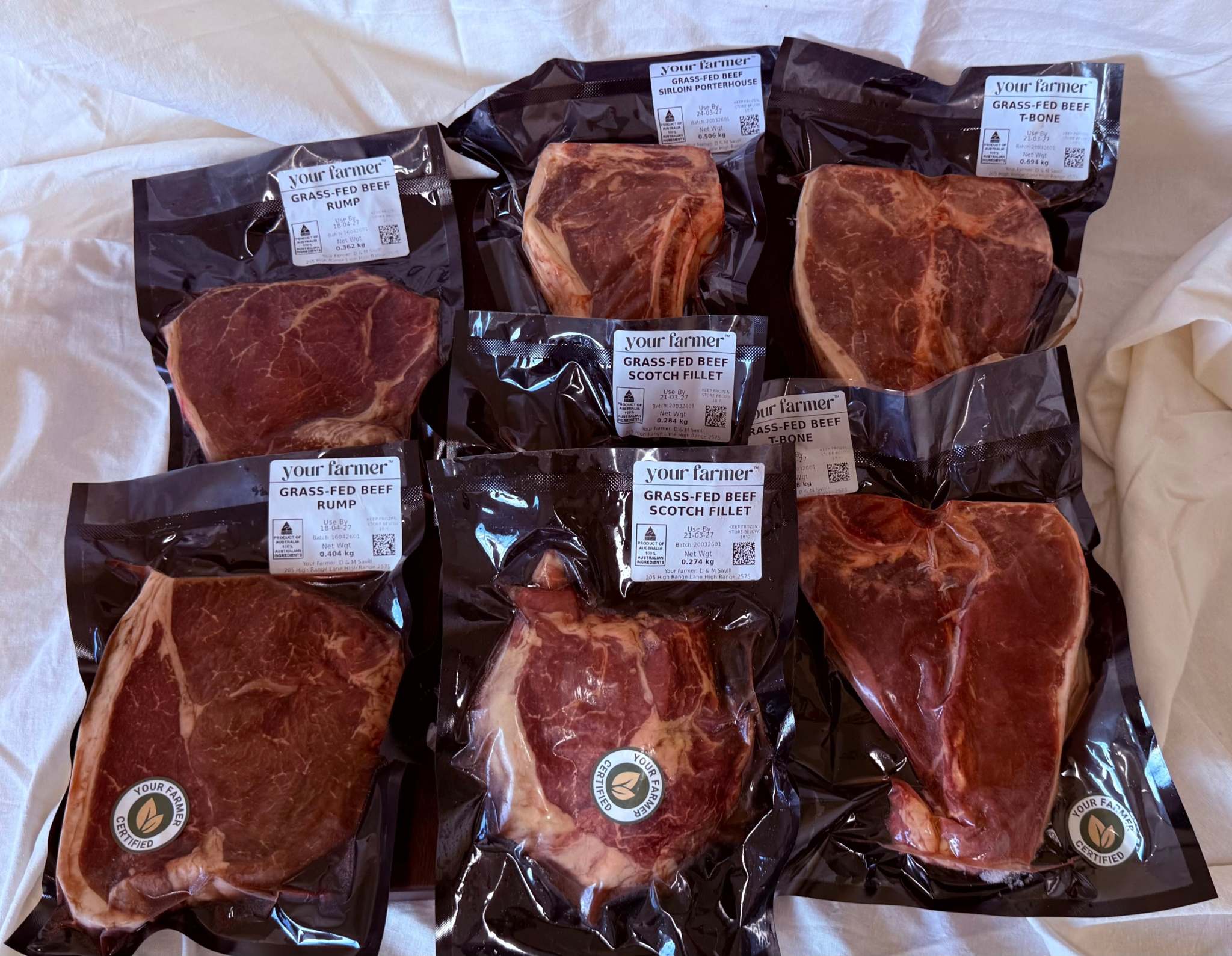
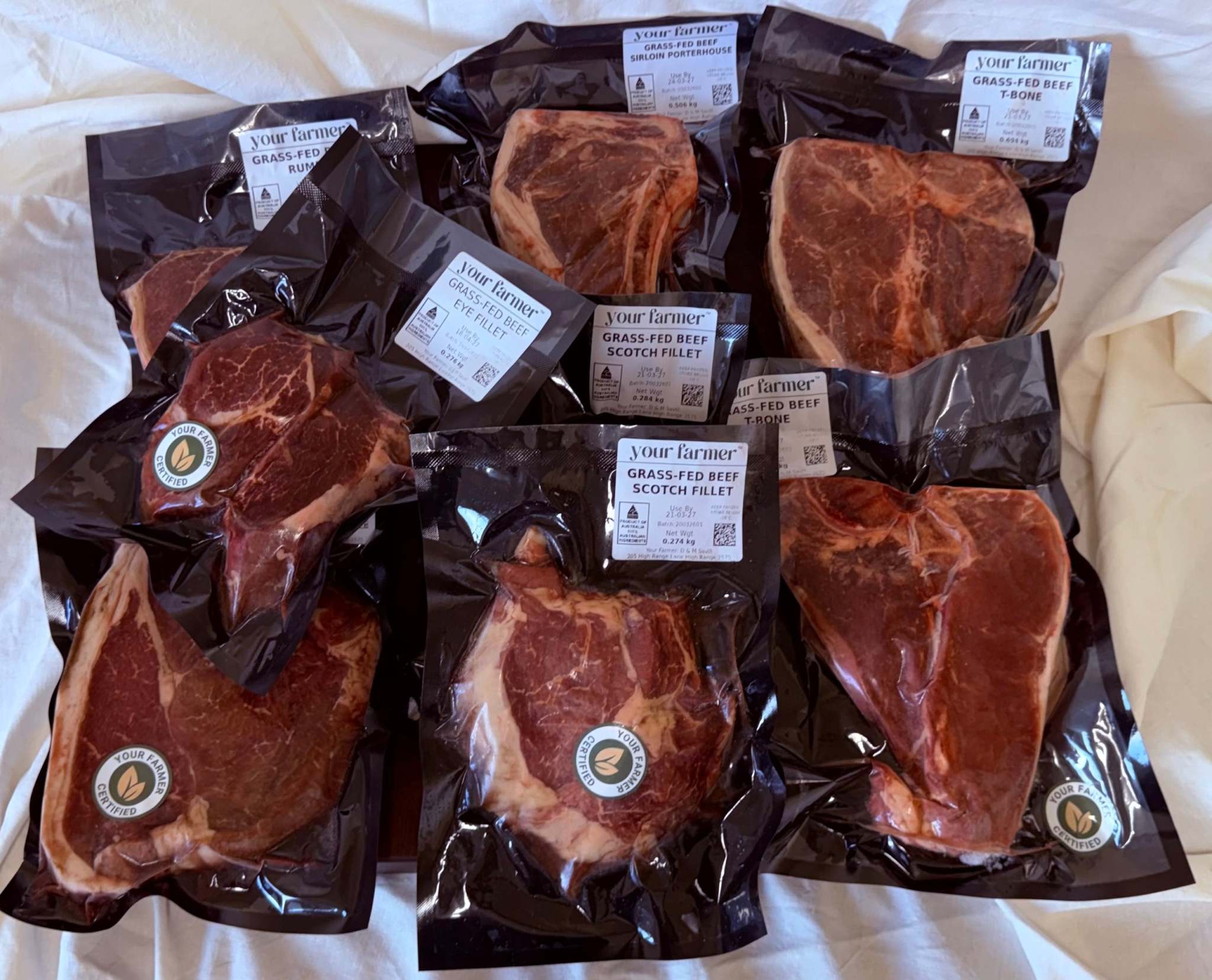
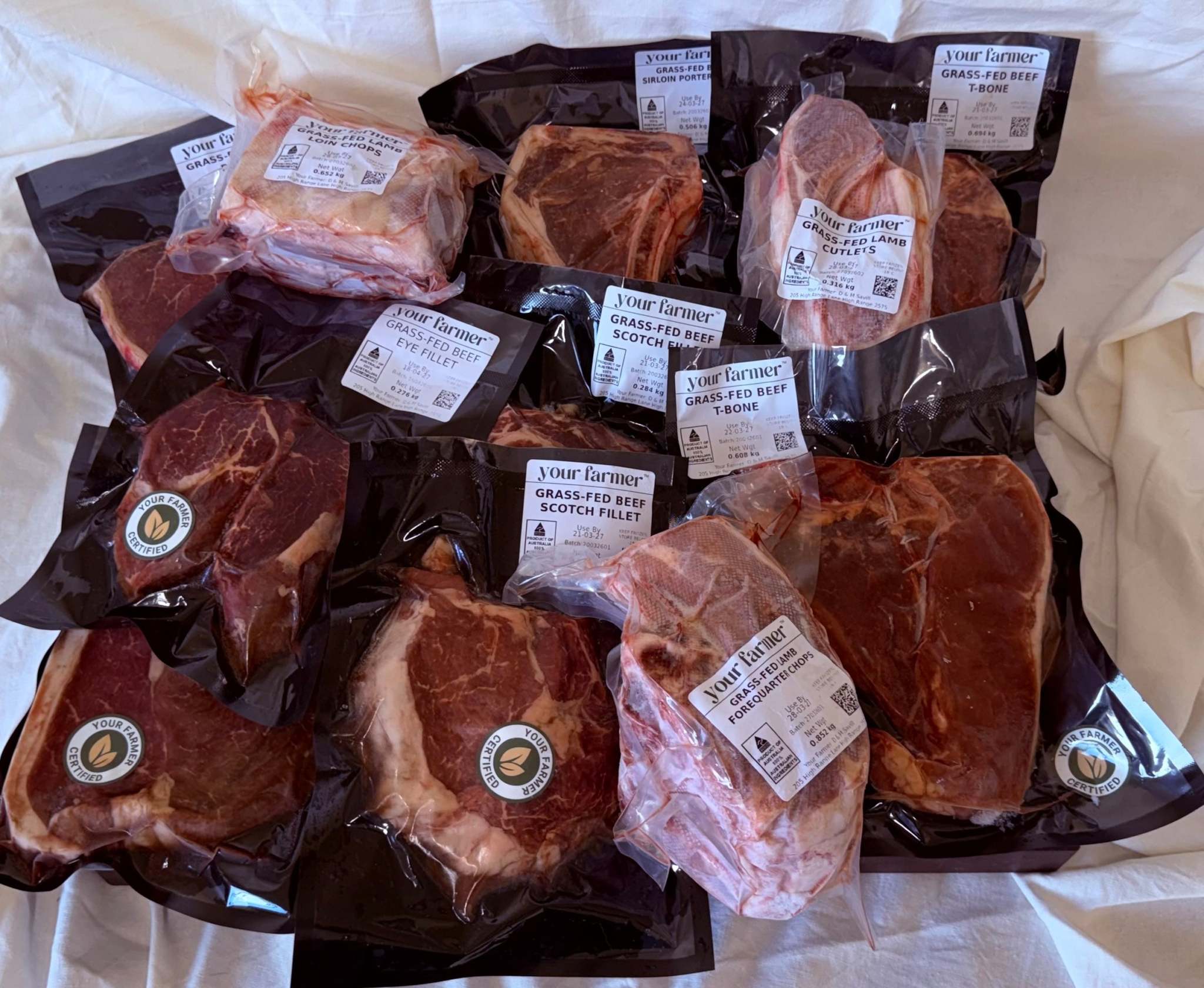
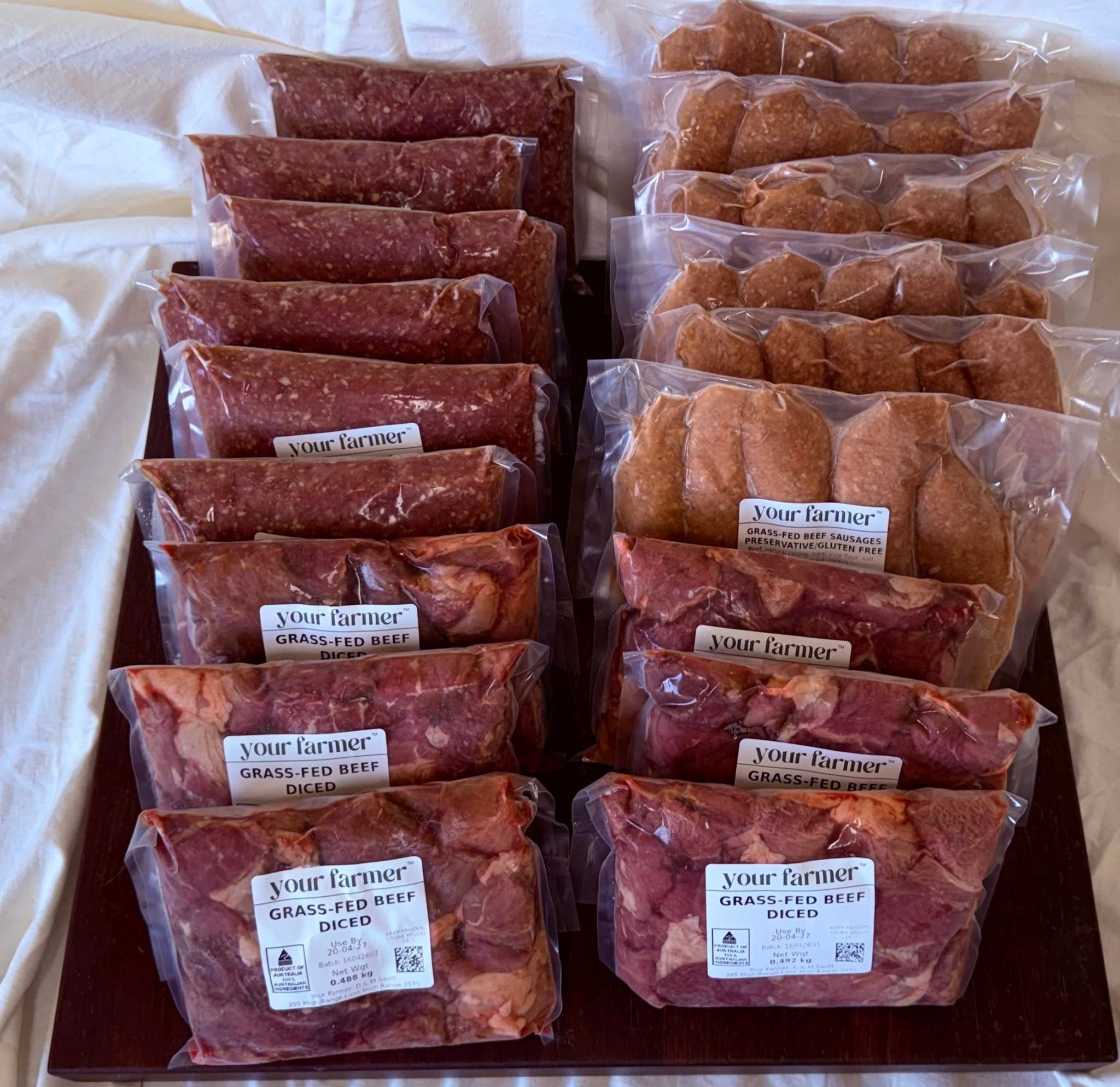
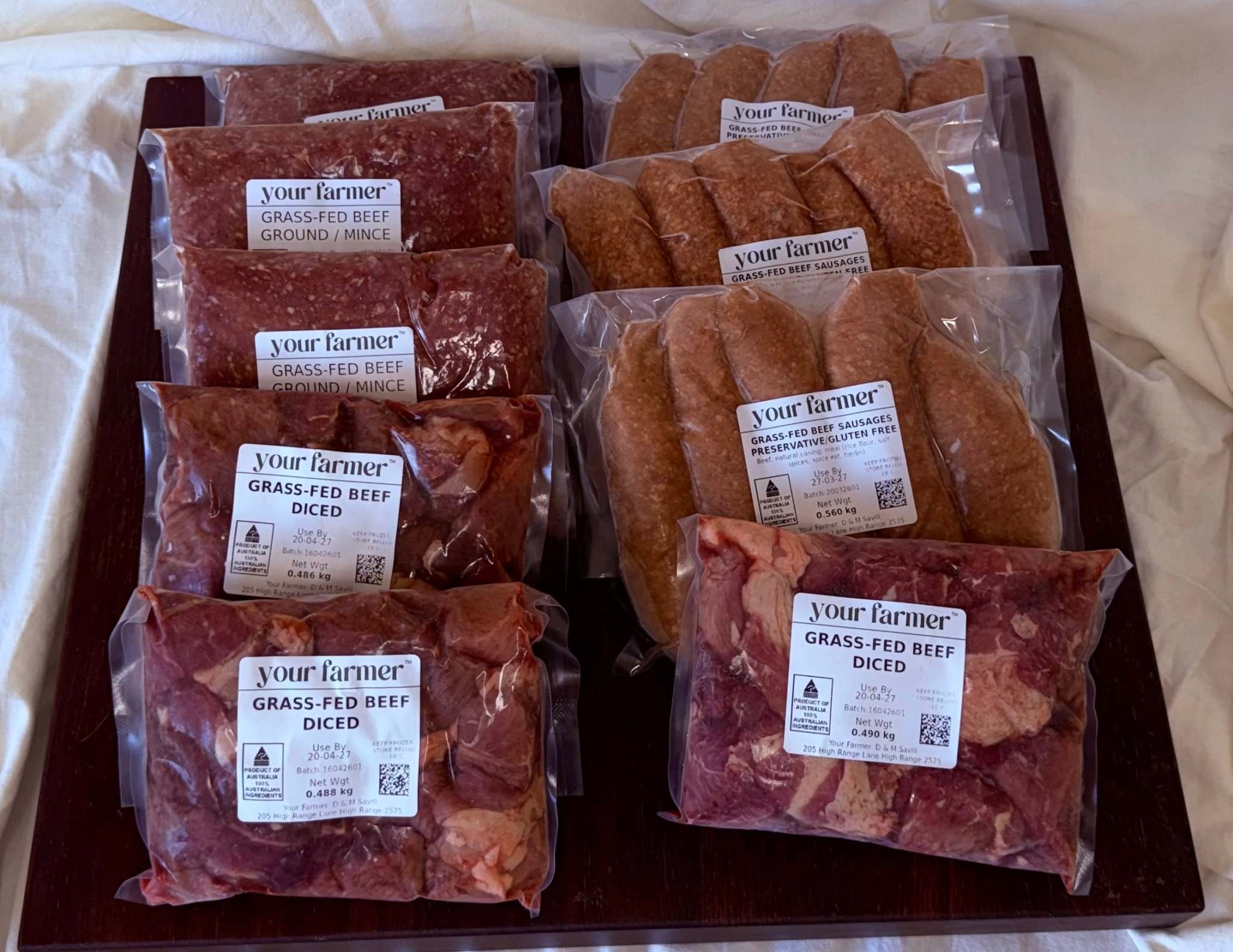
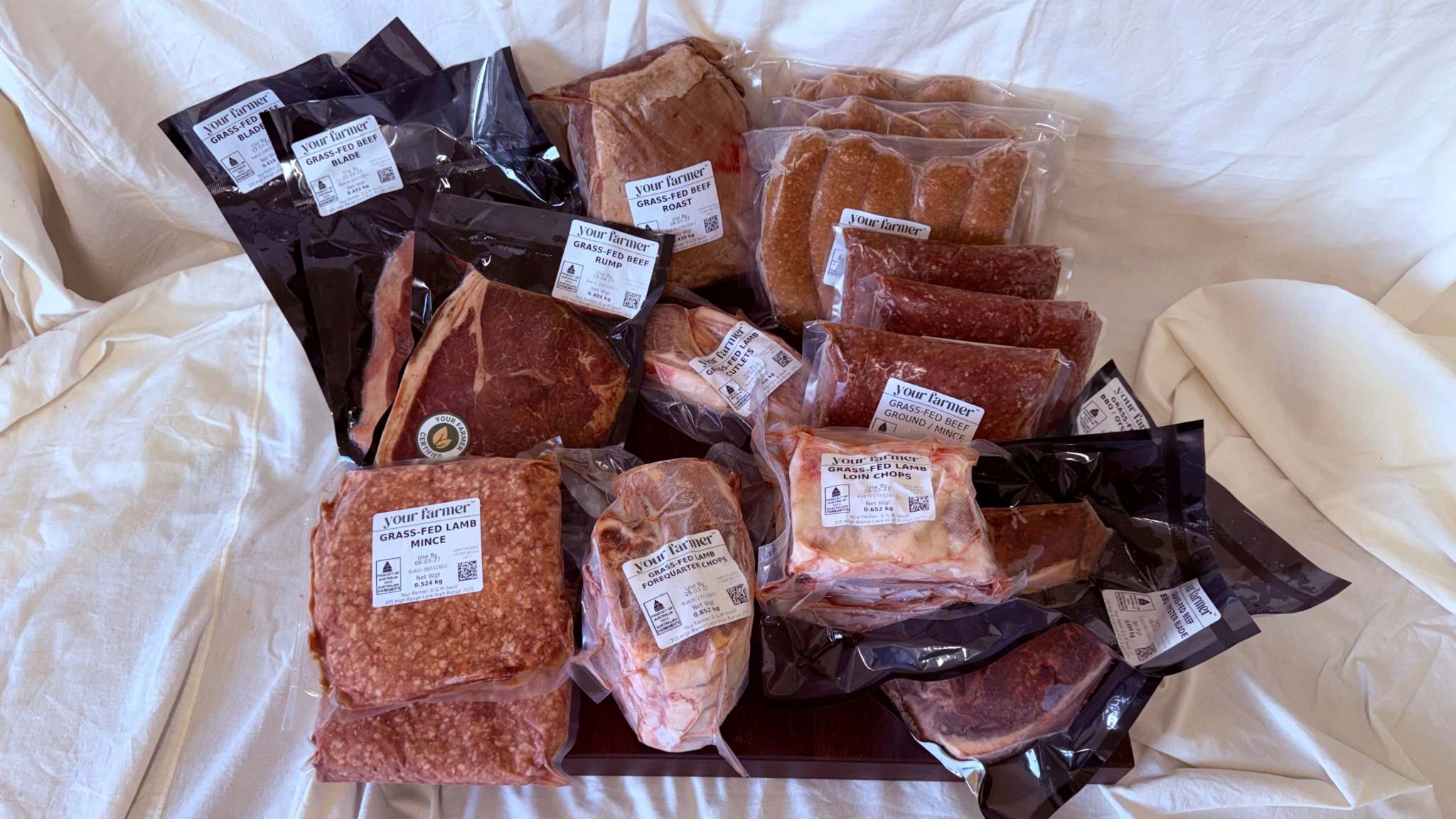
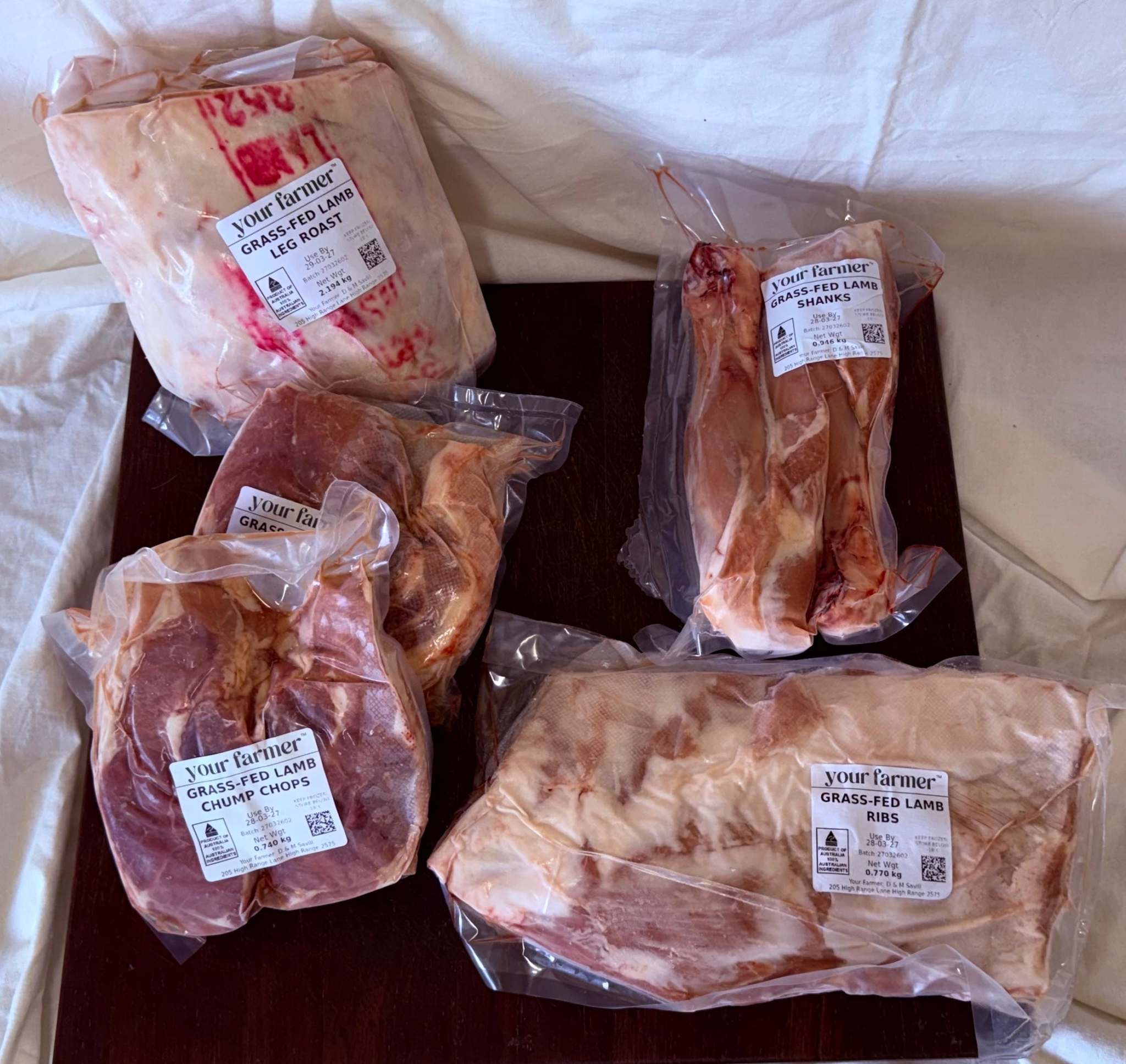
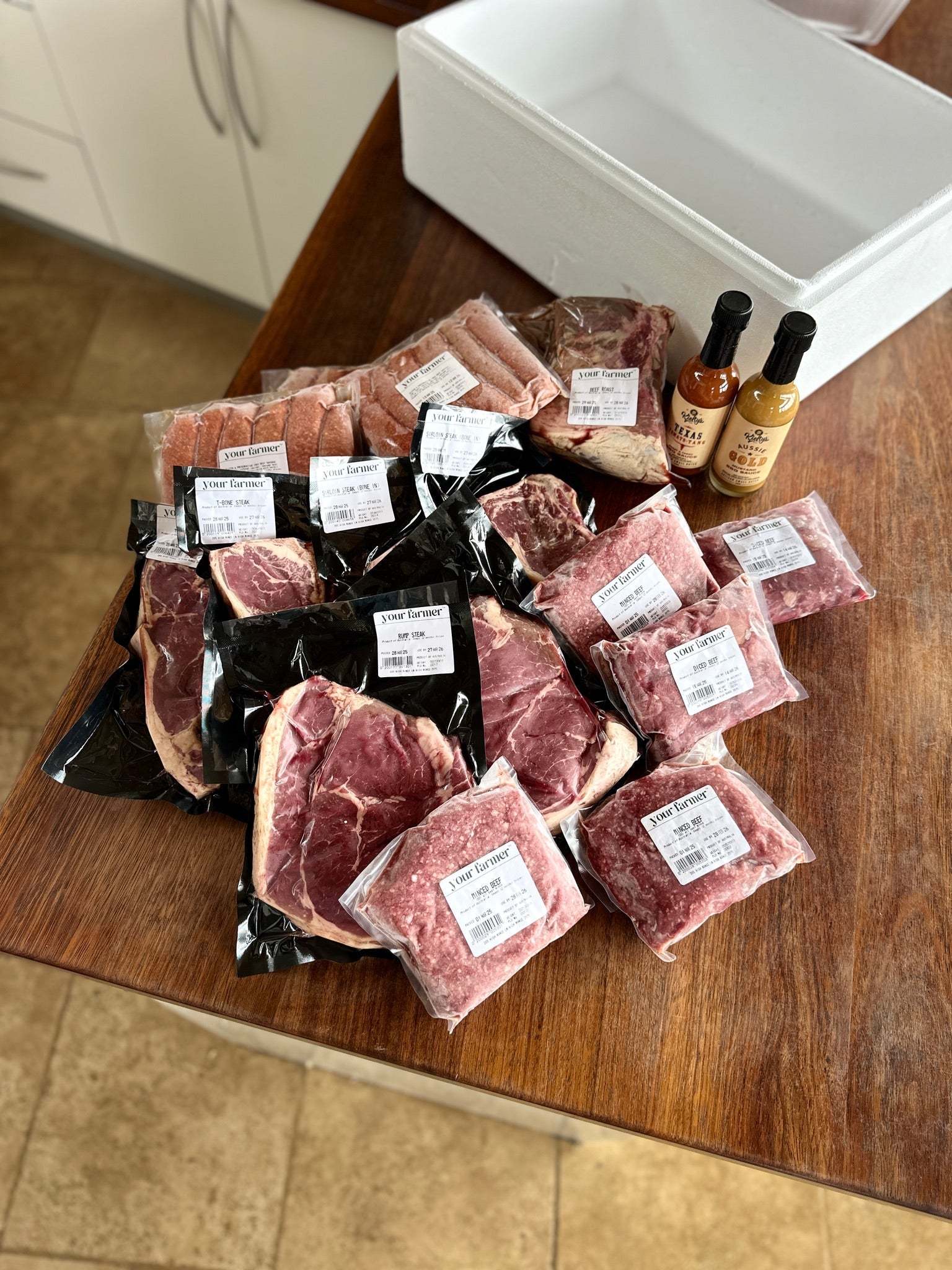
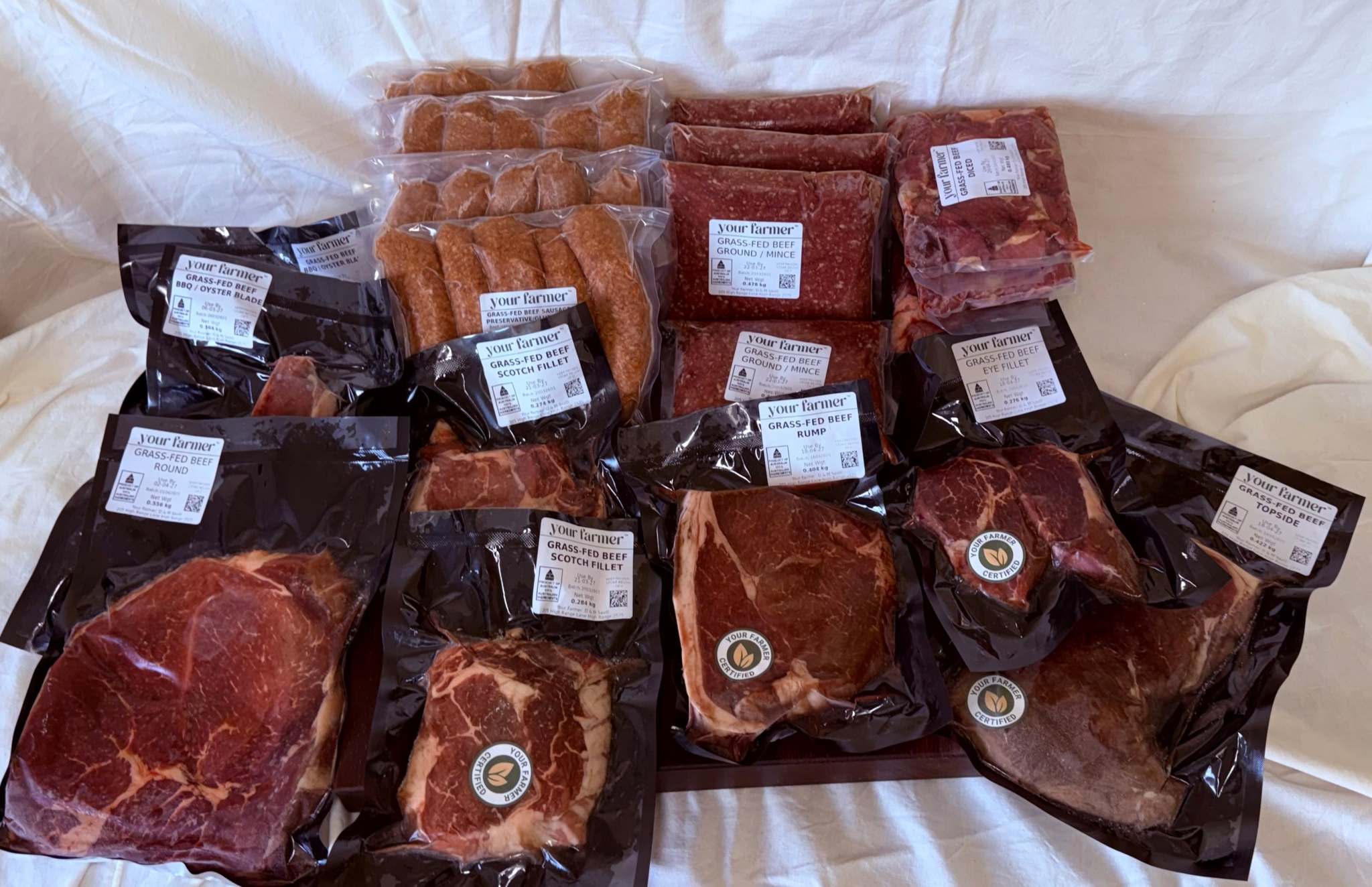
Your Farmer CSA grass-fed beef share — vacuum-sealed steaks, roasts, mince and sausages, paddock-to-plate NSW & ACT delivery
Sale price From $152.00Regular price $169.99

The Cut Rouladen Was Built For

Rouladen isn't a recipe that tolerates thin round steaks — it's a recipe that requires them. German butchers cut round exactly this way for exactly this dish. The logic is lovely: round is lean, so you roll richness inside it — bacon fat, sharp pickle, sweet onion, mustard — and then braise low and slow so the lean muscle relaxes into fork-tenderness while the filling seasons the beef from within. The pot does the gravy for you. Because the round steaks in our grass-fed beef subscription arrive thin-cut, the traditional hard part — bashing out a roast into even sheets — is already done. Your Farmer® beef is genuinely lean, which is exactly what you want here: fatty beef makes greasy rouladen; lean beef makes clean, deep gravy. One rule while it cooks: keep the braise at a bare murmur. A rolling boil squeezes lean beef dry no matter how long you give it.

Swaps and Variations

Topside steaks from the same share roll just as well. Swap half the stock for red wine if there's a bottle open, or slip some sautéed mushrooms in with the onion filling. The pickle is non-negotiable in a German kitchen, but if your table objects, roasted capsicum strips give a similar sweet-sharp lift. For a Mediterranean spin on the same rolling trick, our stuffed and rolled round with spinach and feta is the cousin recipe. And when you want the braise without the rolling, the slow-cooker round pot roast scratches the same itch on a busy week.

Storage and Leftovers

Like most braises, rouladen is arguably better the next day, once the gravy has had a night to settle into the beef. Keep them in the fridge, submerged in their gravy, for up to 3 days, or freeze for up to 3 months in a sealed container. The gravy will set to a wobble in the fridge — that's the collagen from the braise, it's a good sign, and it melts straight back to silk on reheating. Reheat gently, covered, on the stove or in a low oven — never a hard boil, which tightens the beef back up. Leftover rouladen sliced into rounds and laid over buttered rye with extra mustard is a lunch worth planning for.
Frequently asked questions

What do I use to hold the rolls together?

Toothpicks are easiest — two per roll, angled through the seam. Kitchen string tied in a simple loop works too. Just count what goes in so you can count what comes out before serving.

Can I make rouladen ahead of time?

Yes, and you should — it improves overnight. Braise fully, cool in the gravy, refrigerate, then reheat gently the next day. You can also roll and secure them a day ahead and brown just before braising.

My steak tore while rolling — is it ruined?

Not at all. Patch the tear by overlapping the meat slightly as you roll, and let the toothpick hold it together. Once braised and sauced, nobody will ever know.

What kind of pickles should I use?

Dill pickles or gherkins in brine, not sweet bread-and-butter pickles. You want that sharp, salty edge cutting through the rich gravy — it's the signature of the dish.

Three Simple Steps

A whole table of real food.

Your Farmers grow grass-fed beef and lamb, pastured eggs and the best eco-grown veggies and produce — every item grown to the same ecological standard, every farmer one you can know by name. One subscription, your whole real-food shop.

01

Reserve your share — or try a pack

Subscribe to a share of the harvest, or start with a one-off fixed pack.

02

Make it your own

Pick your delivery rhythm and what's in the box. Skip or cancel anytime — no lock-in.

03

Cook, savour, know your farmer

We deliver in a reusable esky we collect next time. No couriers, no waste.

More Recipes

View all

A traditional Irish stew of lamb forequarter chops, potatoes, carrots and onions in a light broth with parsley.

Irish Stew with Lamb Forequarter Chops

Lamb, potato, onion and patience — the stew that proves restraint is a skill

The original Irish stew had three ingredients and a fierce loyalty to all of them: bone-in forequarter or neck chops, potatoes, and onions, layered in a pot and left entirely alone. No browning, no wine, no clever additions — the courage of this dish is in what it leaves out. The bones make the broth, the bottom layer of potatoes melts into it as a thickener, and the top layer steams whole. Two hours later you ladle out something so much greater than its parts that you'll understand why the Irish never let anyone improve it.

Read moreabout Irish Stew with Lamb Forequarter Chops

Herb and Dijon-crusted grass-fed lamb cutlets with a golden crumb over white bean puree and broccolini.

Herb and Dijon-Crusted Lamb Cutlets

Bistro looks from the standard four-pack

You know that rack of lamb with the green herb crust — the one restaurants charge like a wounded bull for? A cutlet is that rack, already cut into portions. So we borrow the whole trick: a quick sear, a brush of Dijon, a press of herby golden crumbs, then a short blast in a hot oven. The mustard glues the crust on and sharpens the lamb underneath, and the crumbs shatter when your knife goes through. It takes thirty-five minutes and looks like you trained for it. Four cutlets, two plates, one very good midweek dinner.

Read moreabout Herb and Dijon-Crusted Lamb Cutlets

Slow-cooked beef rendang made with grass-fed diced beef in a thick coconut spice sauce, served with steamed jasmine rice.

Slow-Cooked Beef Rendang

The curry that cooks until the sauce becomes part of the beef

Rendang isn't a curry you serve swimming in sauce — it's a curry you cook until the sauce all but disappears into the beef. Coconut milk simmers down over hours with a fragrant paste of lemongrass, ginger and chilli, getting darker and richer until it clings to every piece. The diced beef pack was built for this: enough connective tissue to stay lush through a three-hour simmer where a lean cut would give up. A genuine weekend project — one pot, occasional stirring, and a finish no takeaway container has ever matched.

Read moreabout Slow-Cooked Beef Rendang