

Why Low and Slow Cannot Miss
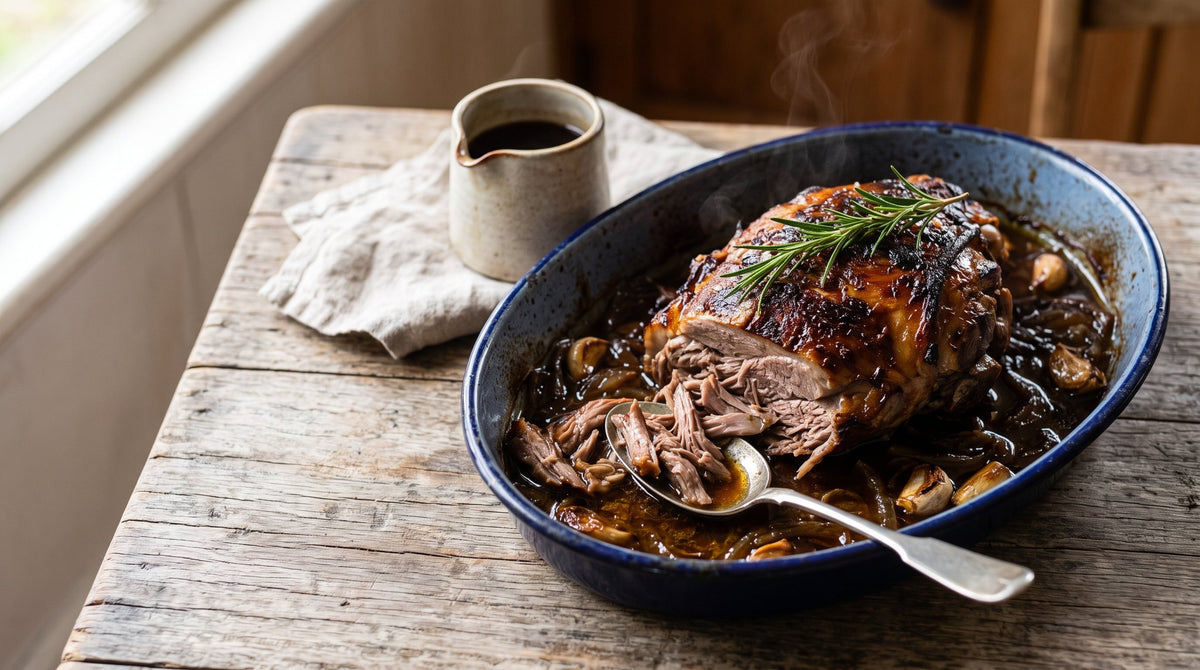
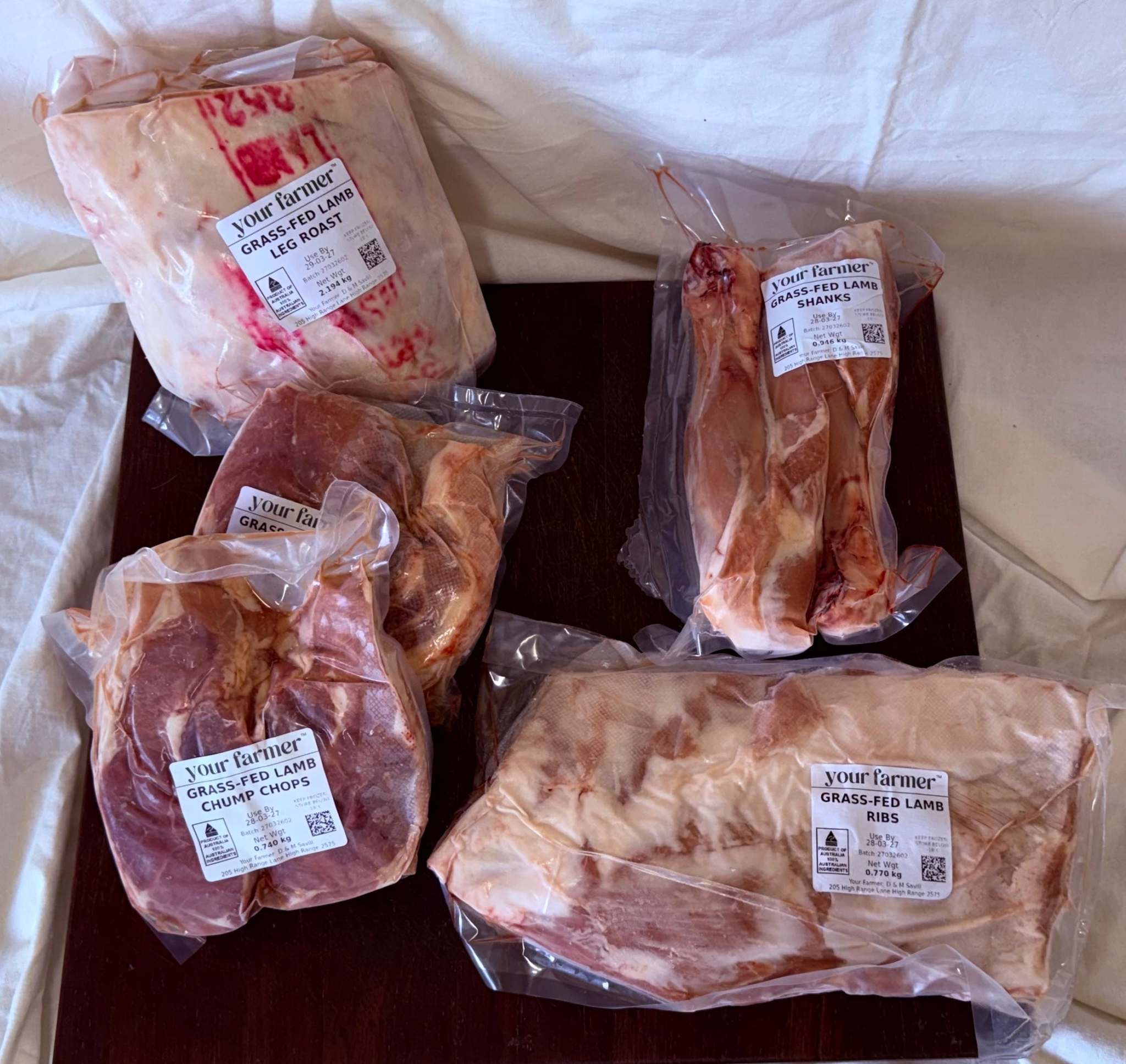
A quick roast and a slow roast are two different bets on the same cut. The quick version chases a five-degree window around medium; this one drives straight past that window and keeps going, until the connective tissue that would make overcooked lamb tough has melted into gelatine instead. That's why it's nearly impossible to get wrong — once the collagen has surrendered, an extra half hour just makes it more tender. Shoulder is the natural fit, marbled and built for the long haul, but the covered dish and the stock mean a leg from a Your Farmer® share lands just as soft. It's the difference between fighting a cut's nature and working with it — the same thinking behind how we farm, honestly.
Swaps and Variations
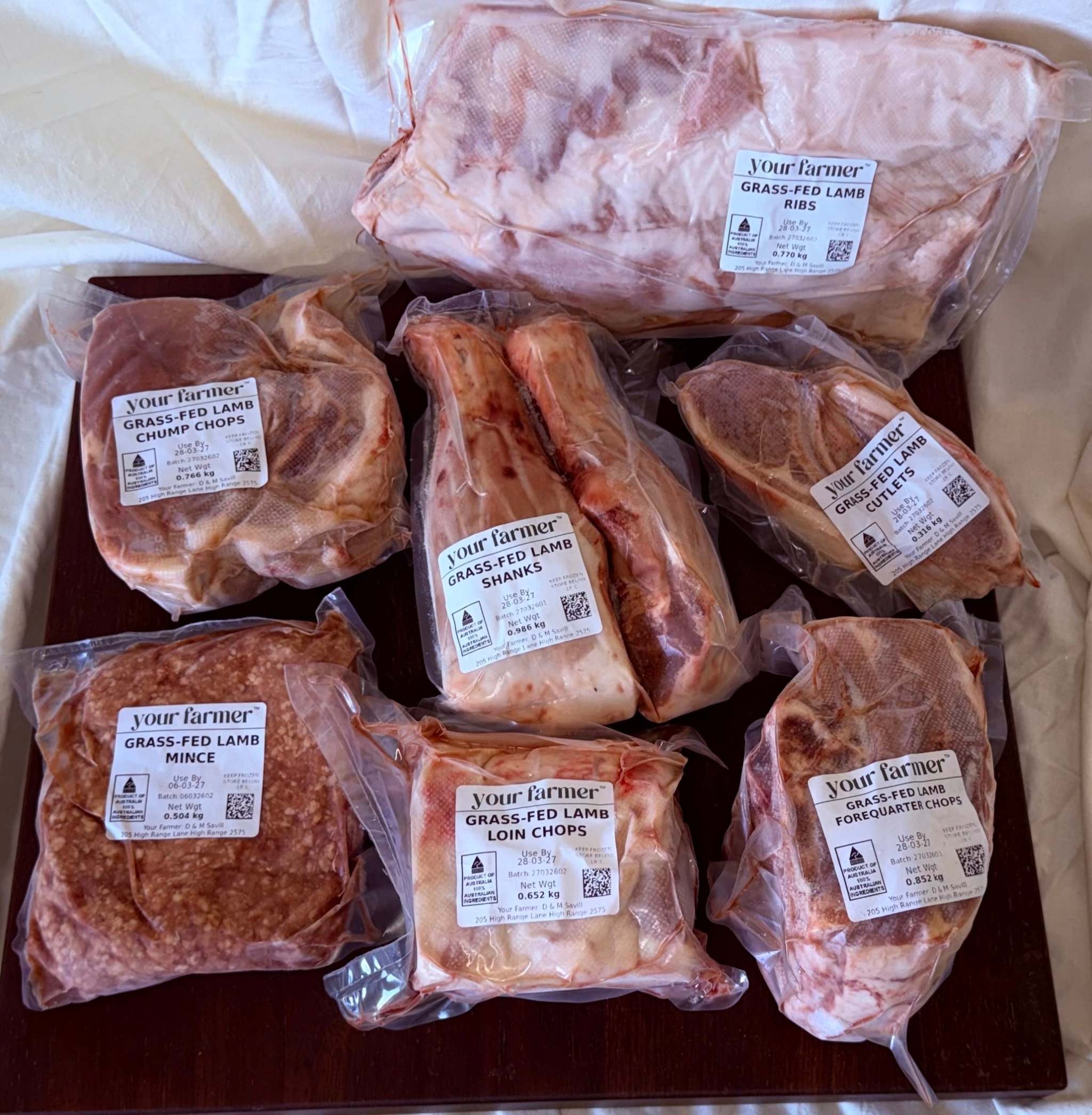
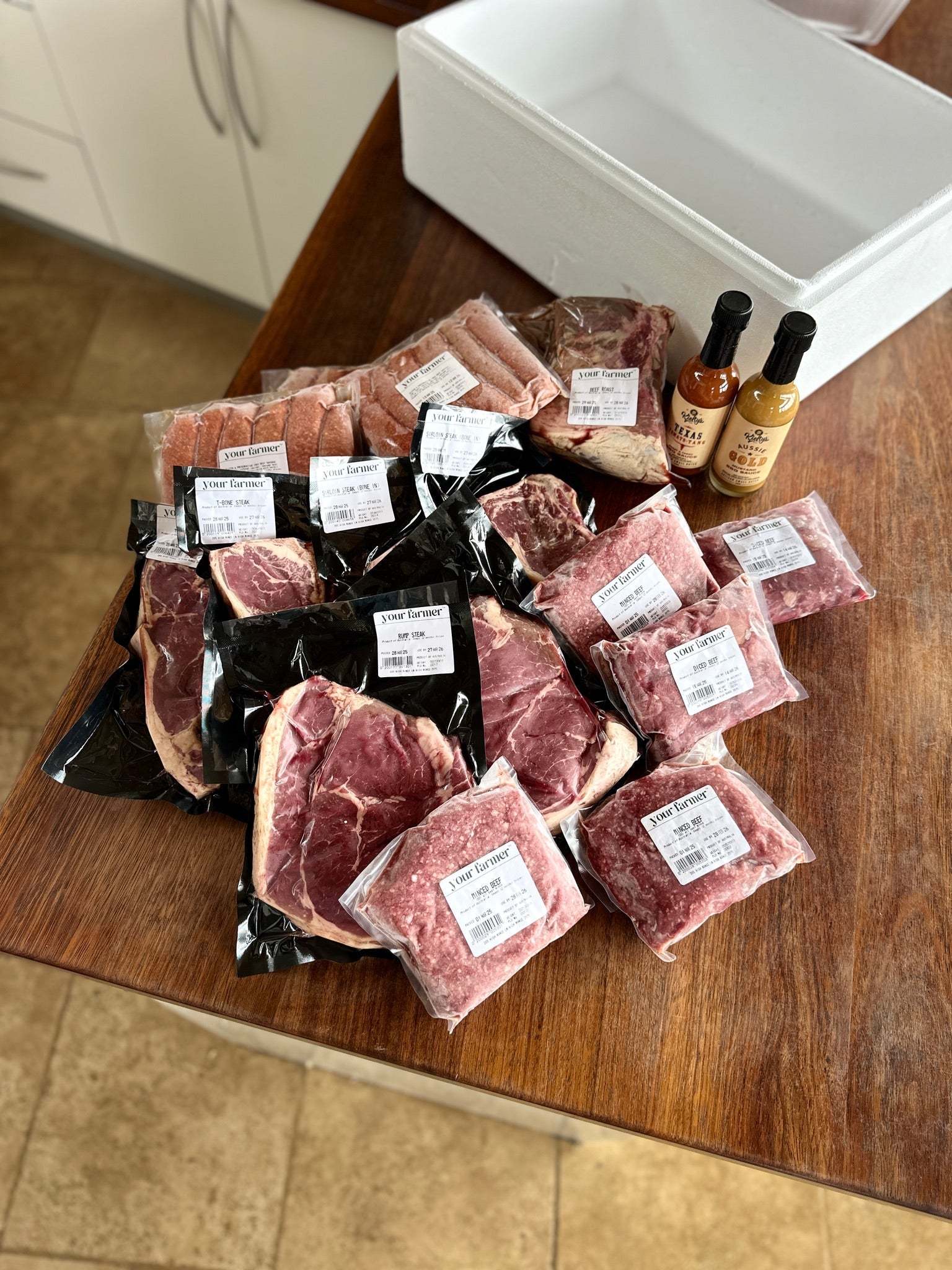
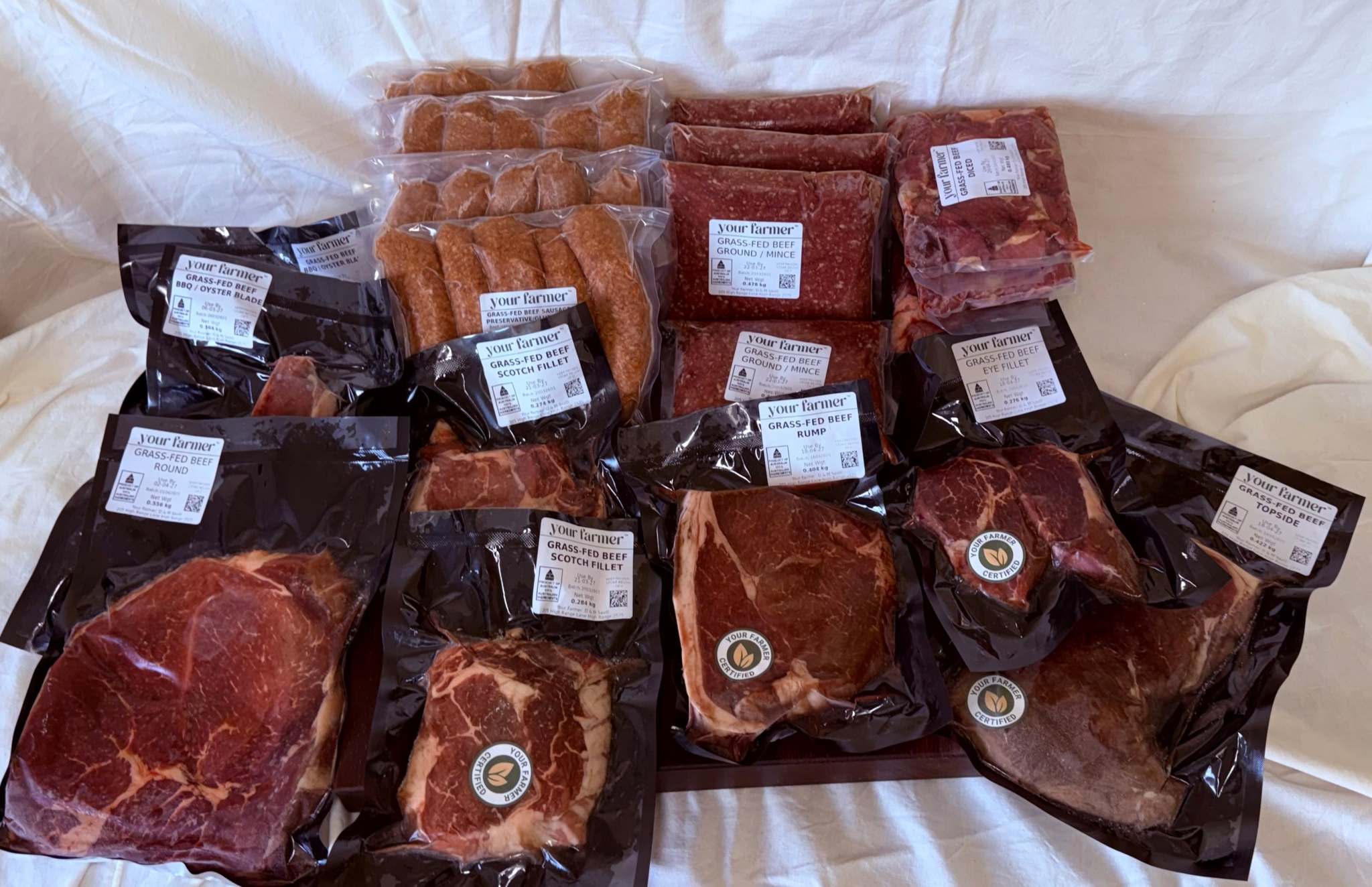
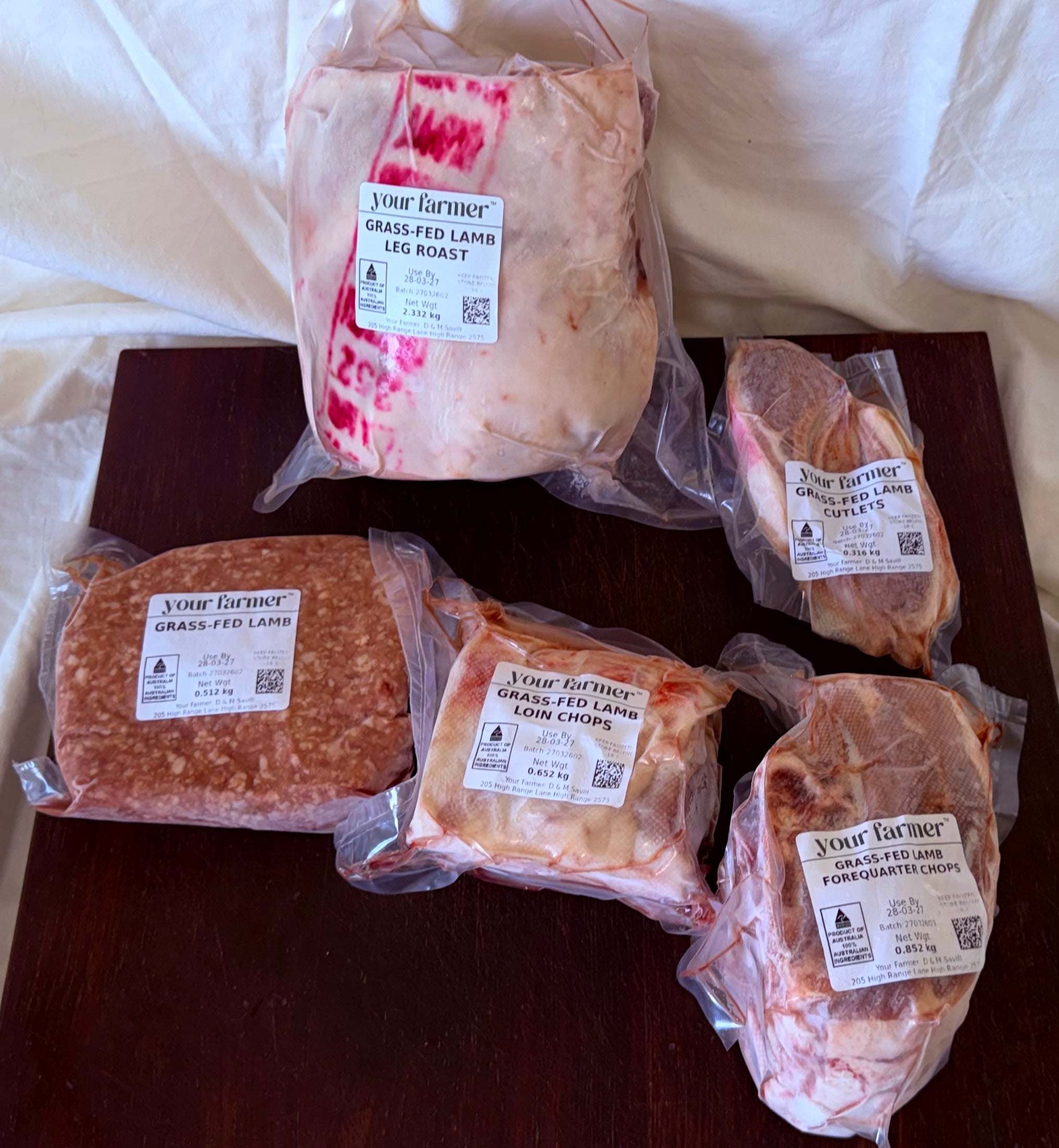
Swap the stock for dry white wine and the juices turn French. Go lemon juice, dried oregano and extra garlic and you're most of the way to a Greek island. A tablespoon of harissa or a dry spice rub worked on before the first blast takes it somewhere warmer again. Serve it over mash, soft polenta, or stuffed into flatbreads with yoghurt. Beef responds to the same patience — topside in a low oven is that story on the other animal. The roast itself arrives in Share A of the pastured lamb share, from lambs that only ever ate grass.
Storage and Leftovers
This is the best make-ahead roast there is. Cook it entirely, store the pulled meat in its juices, and it keeps 3–4 days in the fridge or 3 months in the freezer — then reheats, covered, at 160°C without any loss of dignity. Day-two lamb, shredded and warmed through those juices with a tin of tomatoes, becomes a ragu for pappardelle that tastes like it took the weekend. It sort of did.

Share:
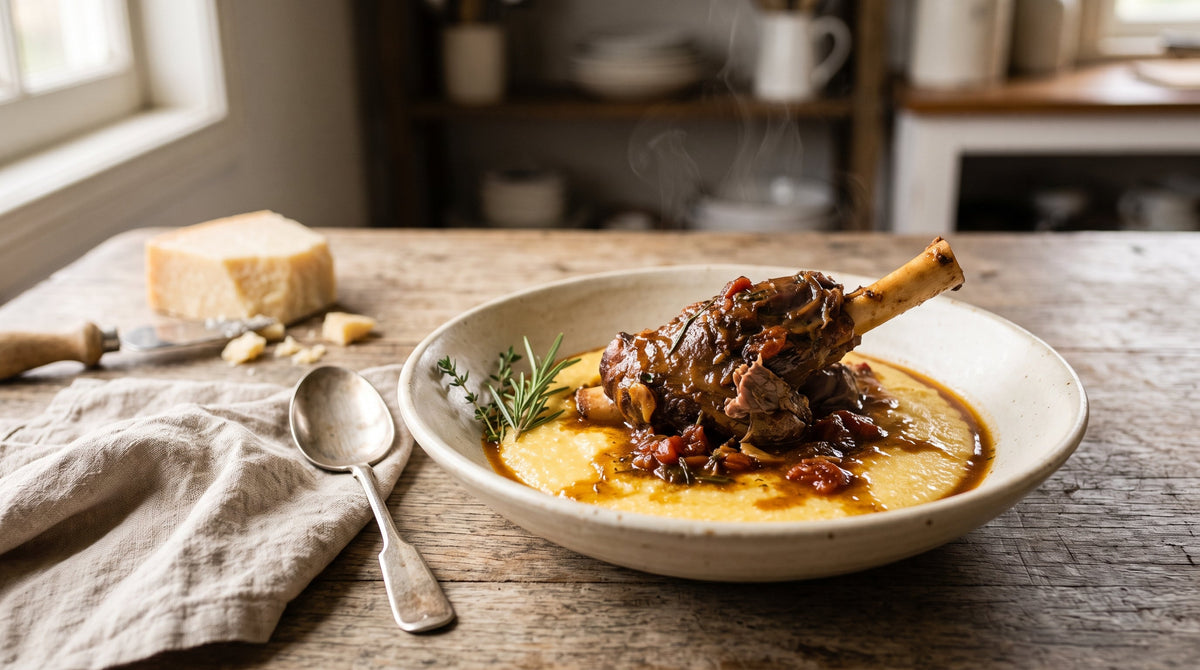
Tomato and Rosemary Braised Lamb Shanks with Soft Polenta
Twice-Cooked Lamb Ribs: Braise, Then Char