Lamb, tomato and olives — the Mediterranean had this figured out centuries ago

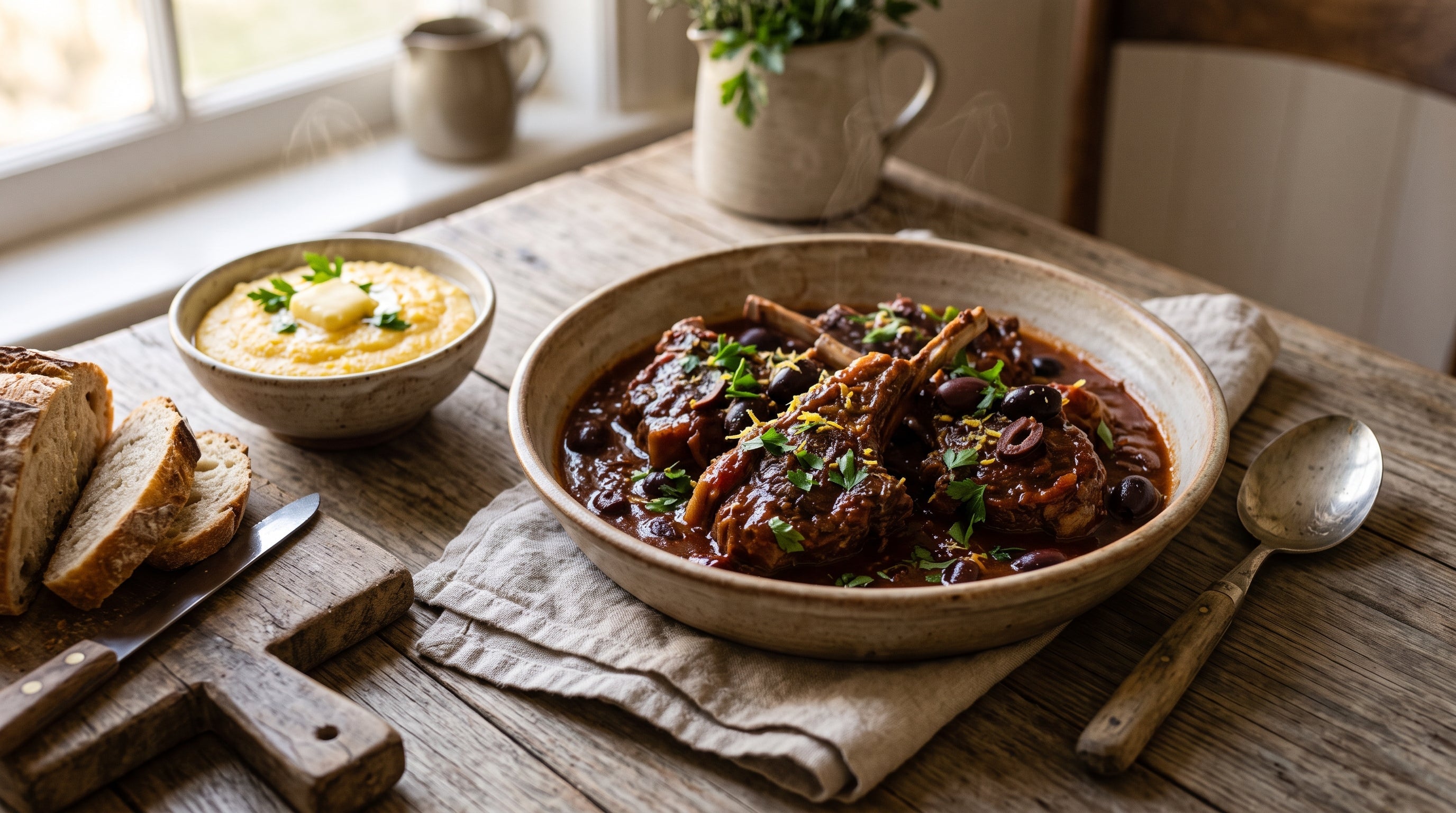
All around the Mediterranean, the cheap bone-in cuts of lamb end up in pots like this one, and there's a reason the tradition never died. As the forequarter chops braise, their fat melts into the tomato and turns an ordinary tin into a sauce with real depth — rich, glossy, and salted through with Kalamata olives. It's an unhurried sort of cooking: fifteen minutes of honest work at the stove, then the pot minds itself while you don't. Serve it over soft polenta or just hand around bread and let everyone mop.

2 hrs 15 mins 4 servings Prep 15 minsCook 2 hrsMain CourseMediterranean

Ingredients

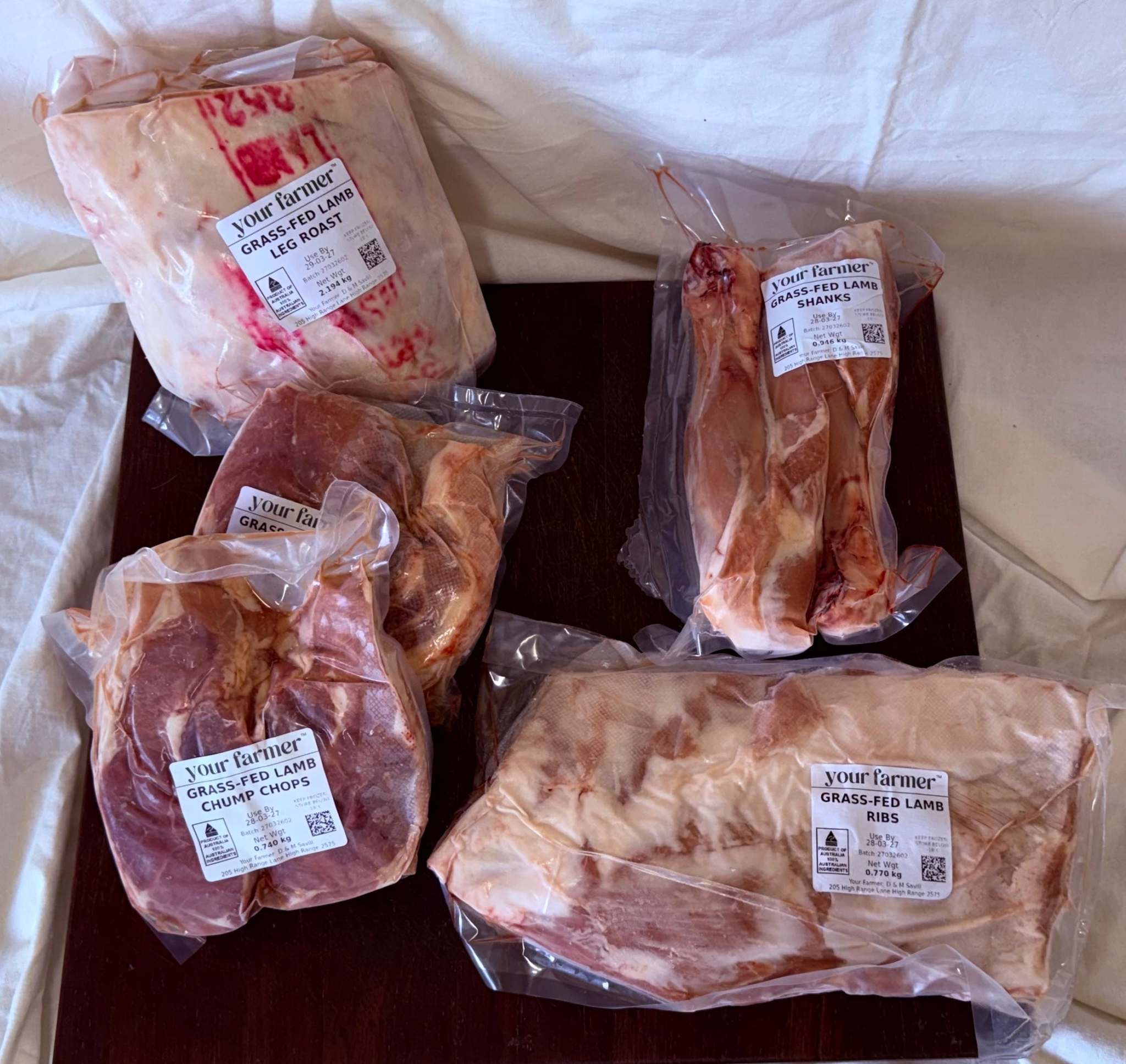
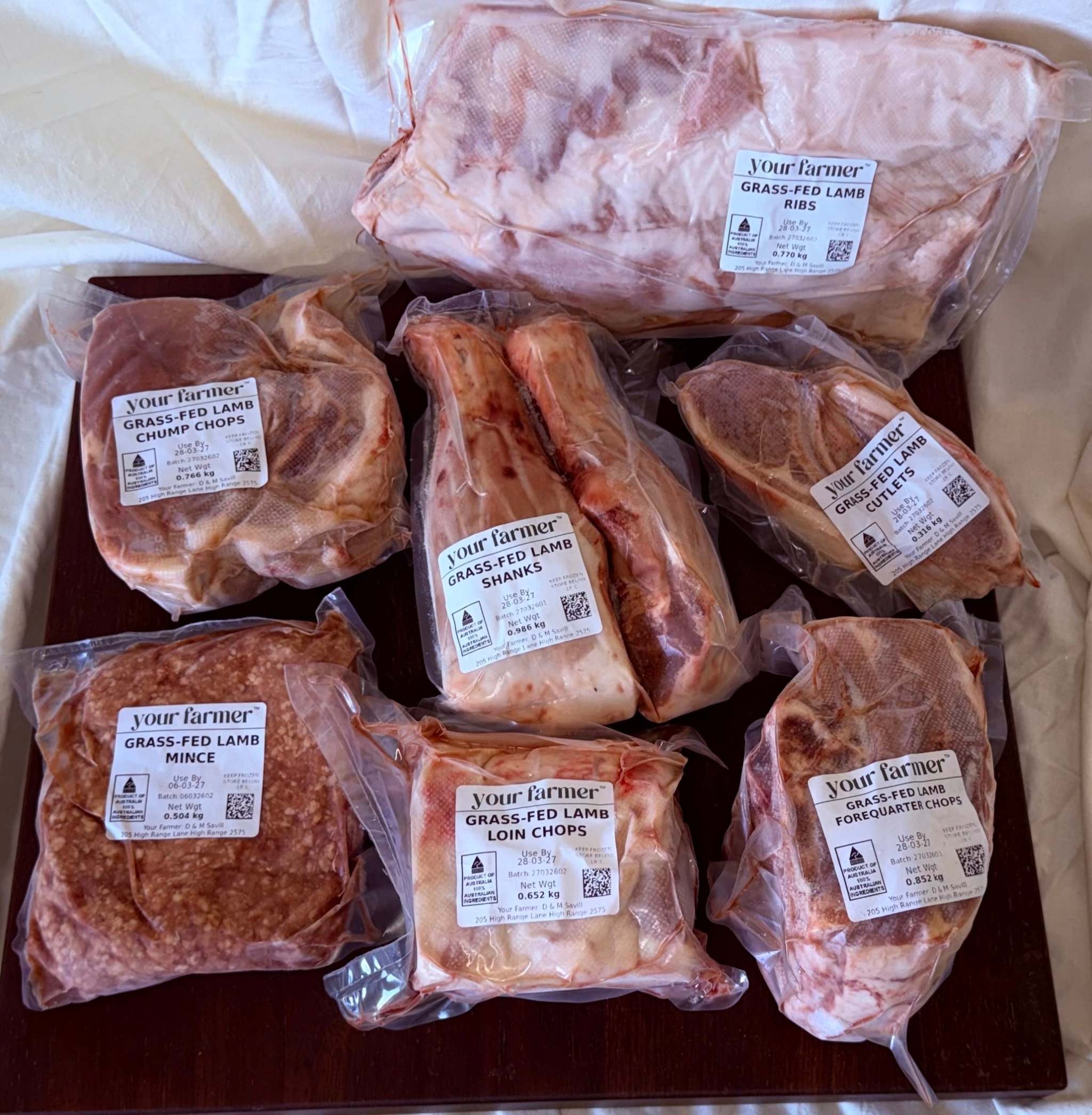
  • 4 Your Farmer grass-fed lamb forequarter chops
  • Salt and pepper to season
  • 2 tbsp olive oil
  • 1 brown onion, finely diced
  • 3 cloves garlic, sliced
  • 1 tsp dried oregano
  • Pinch of chilli flakes (optional)
  • 125ml dry white wine
  • 400g tin crushed tomatoes
  • 250ml chicken stock
  • 90g pitted Kalamata olives
  • Zest of half a lemon and chopped parsley, to finish
  • Soft polenta or crusty bread, to serve

Instructions

Season the chops well. Heat the oil in a deep frying pan or casserole over medium-high heat and brown them for about 3 minutes each side; set aside.

4 forequarter chops2 tbsp olive oil

Lower the heat to medium and cook the onion for 5 minutes until soft, then add the garlic, oregano and chilli flakes for 1 minute more.

1 onion3 cloves garlic1 tsp dried oregano

Pour in the wine and let it bubble for a minute or two while you scrape the browned bits off the bottom.

125ml white wine

Add the tomatoes and stock, return the chops and their juices, and settle them into the sauce. Cover and simmer on the lowest heat for 1 hour 15 minutes, turning the chops once.

400g tin tomatoes250ml chicken stock

Add the olives and simmer uncovered for 20 to 25 minutes more, until the meat is nearly falling off the bone and the sauce has thickened to a rich, spoonable gloss.

90g Kalamata olives

Scatter over the lemon zest and parsley and serve the chops over soft polenta, or with crusty bread and no shame about mopping.

lemon zestchopped parsley

Appears in

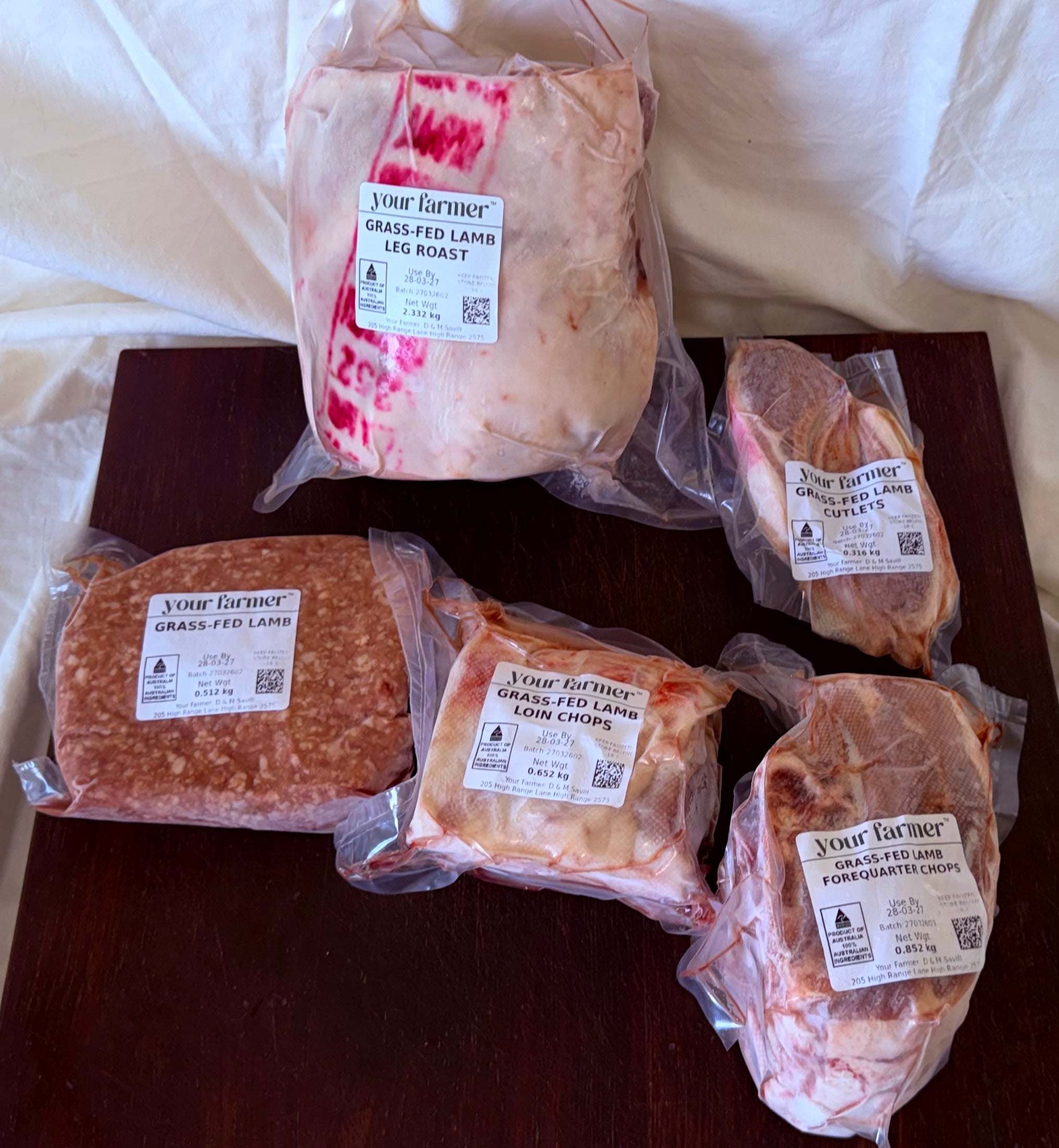
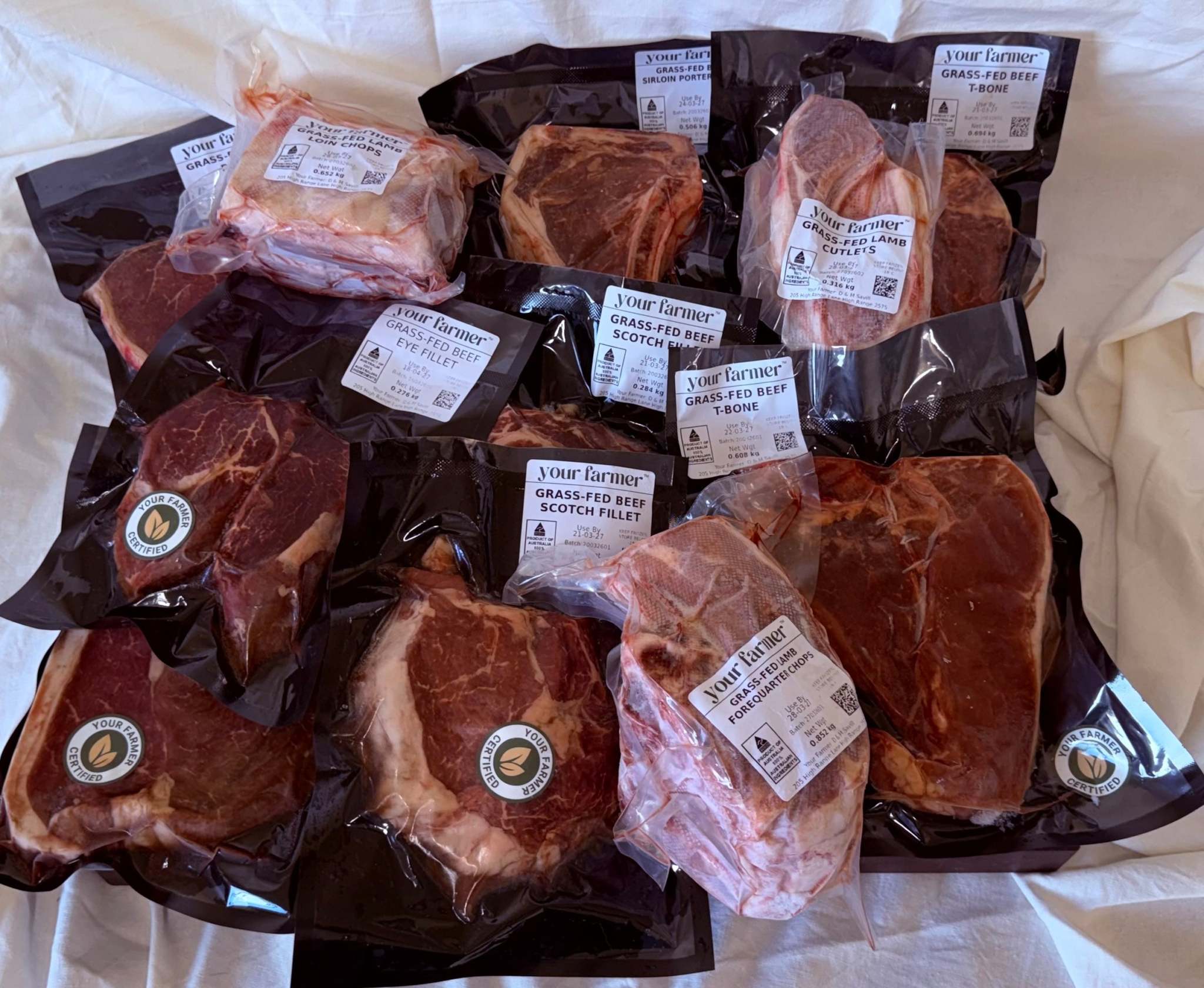
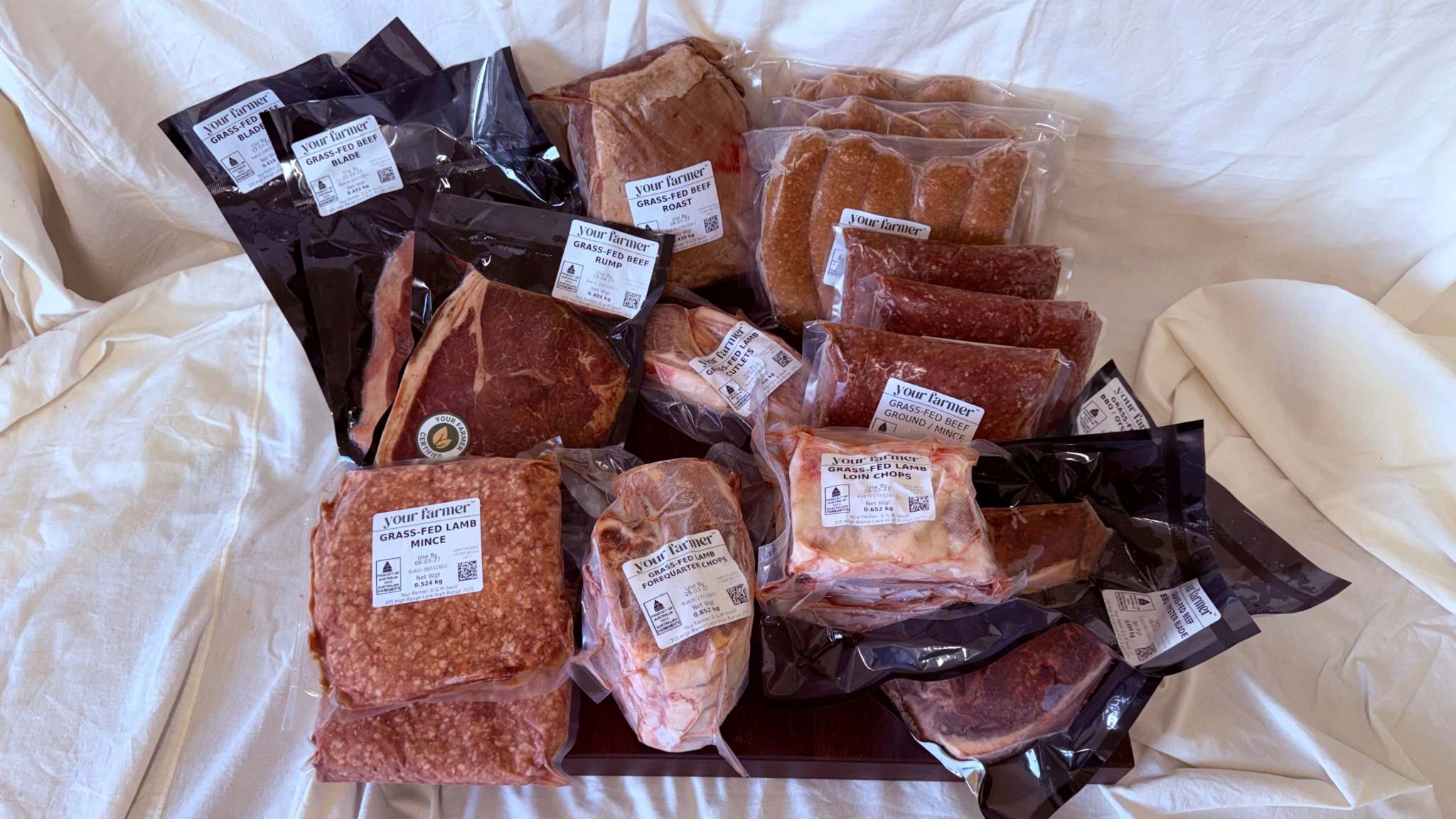
In every lamb share — Forequarter Chops (4 pack)

A Braise That Feeds on the Chop's Fat

Braising is a trade agreement: the pot gives the meat moisture and time, and the meat pays the sauce back in fat and gelatine. The forequarter chop is the richest payer in the lamb share — cut from the shoulder, it carries the fat and connective tissue that leaner chops lack, and over ninety-odd minutes all of it melts into the tomato. That's why the sauce from this pot tastes nothing like a tin of tomatoes simmered on its own. Don't skip the hard sear at the start, either; those browned edges are flavour you can't add later. Your Farmer® chops are grass-fed and pasture-raised, which shows up here as a cleaner, sweeter fat — the kind you want dissolving into your dinner. You can read about how we farm to see where that difference starts.

Swaps and Variations

A couple of anchovy fillets melted in with the garlic add a savoury floor that nobody will pick but everybody will notice. A drained tin of white beans in the last 20 minutes makes it a full one-pot meal. Rosemary can stand in for oregano; green Sicilian olives for the Kalamatas. A strip of orange zest dropped in with the stock is an old Provencal touch that suits lamb particularly well. And when you want the grander, longer version of this same idea, lamb shanks take the identical sauce with an extra hour of simmering and a bit more ceremony.

Storage and Leftovers

This braise is better the next day, once the olives have had a night to season the sauce. It keeps in the fridge for 3 to 4 days and freezes for up to 3 months; reheat gently on the stove. The leftover move: pull the meat from the bones, shred it back through the sauce, and you have a ready-made ragu for rigatoni or pappardelle — arguably better than the original dinner, though we'll deny saying so.

Forequarter chops come standard in our grass-fed beef and lamb meat boxes — this is the pot that turns the humblest pack in the box into the dinner people ask about.
Frequently asked questions

Can I skip the wine?

Yes — replace it with extra stock and add a squeeze of lemon at the end for the brightness the wine would have brought. The braise won't suffer.

Do the olives have to be pitted?

Pitted is safer for unsuspecting eaters, but olives with their pits in hold more flavour. If you use them, just warn the table.

Can I do this in the oven instead of on the stove?

Yes — use a covered casserole at 160C for the same times, uncovering for the final 25 minutes so the sauce can reduce.

How do I know when the chops are properly braised?

The meat should yield to a fork with barely any pressure and start pulling away from the bone. If it still feels springy, give it another 20 minutes — underdone braise is chewy braise.

What should I serve it with besides polenta?

Crusty bread, mashed potato, couscous or plain rice all work. You mainly need something to carry the sauce, because nobody leaves it on the plate.

Three Simple Steps

A whole table of real food.

Your Farmers grow grass-fed beef and lamb, pastured eggs and the best eco-grown veggies and produce — every item grown to the same ecological standard, every farmer one you can know by name. One subscription, your whole real-food shop.

01

Reserve your share — or try a pack

Subscribe to a share of the harvest, or start with a one-off fixed pack.

02

Make it your own

Pick your delivery rhythm and what's in the box. Skip or cancel anytime — no lock-in.

03

Cook, savour, know your farmer

We deliver in a reusable esky we collect next time. No couriers, no waste.

More Recipes

View all

Osso buco-style braised grass-fed lamb chump chops in tomato sauce over soft polenta, topped with gremolata.

Osso Buco-Style Braised Chump Chops with Gremolata

The Milanese treatment — chops braised low in white wine and tomato, lifted at the end by lemony gremolata

Osso buco is Milan's great braise, and the finishing touch is what makes it: gremolata, a raw scatter of lemon zest, garlic and parsley chopped fine, stirred in right at the end. Against an hour and a half of slow, rich braising, that fresh, sharp hit is a revelation — it stops the whole thing feeling heavy and makes you reach for another spoonful. Lamb chump chops stand in beautifully for the traditional veal shin here, their fat and connective tissue melting into a glossy sauce over soft polenta. It takes time, but almost none of it is yours. This is a dish to be proud of.

Read moreabout Osso Buco-Style Braised Chump Chops with Gremolata

A thick bowl of split pea and lamb bone soup topped with shredded lamb and mint.

Split Pea and Lamb Bone Soup

Pea-and-ham thinking, straight from the lamb paddock

Every Australian family has a pea-and-ham soup story, and every one of those soups leans on the same trick: a bone in the pot doing the heavy lifting. This is that trick with lamb bones instead of a hock. The split peas collapse into a thick, velvety base, the bones give the broth real depth and body, and a pinch of smoked paprika stands in for the smokehouse if you want that familiar edge. It's the thriftiest pot in this whole collection — pantry peas, add-on bones, one lazy afternoon — and it eats like a hug.

Read moreabout Split Pea and Lamb Bone Soup

Grass-fed T-bone steak sliced and served with homemade tarragon bearnaise and chips, bistro style.

T-Bone with Bearnaise from Scratch

The sauce that turns a steak into an occasion

Béarnaise has a reputation as chef's territory — it isn't. It's three egg yolks, a sharp tarragon reduction and a stream of warm butter, whisked over gentle heat until it turns thick, glossy and faintly wobbly. Twenty minutes of honest attention, most of it while the steak rests. And there's no better steak to learn it on than a grass-fed T-bone: the fillet side was born for béarnaise, and the sirloin side isn't far behind. This is occasion cooking you can pull off on an ordinary Saturday.

Read moreabout T-Bone with Bearnaise from Scratch