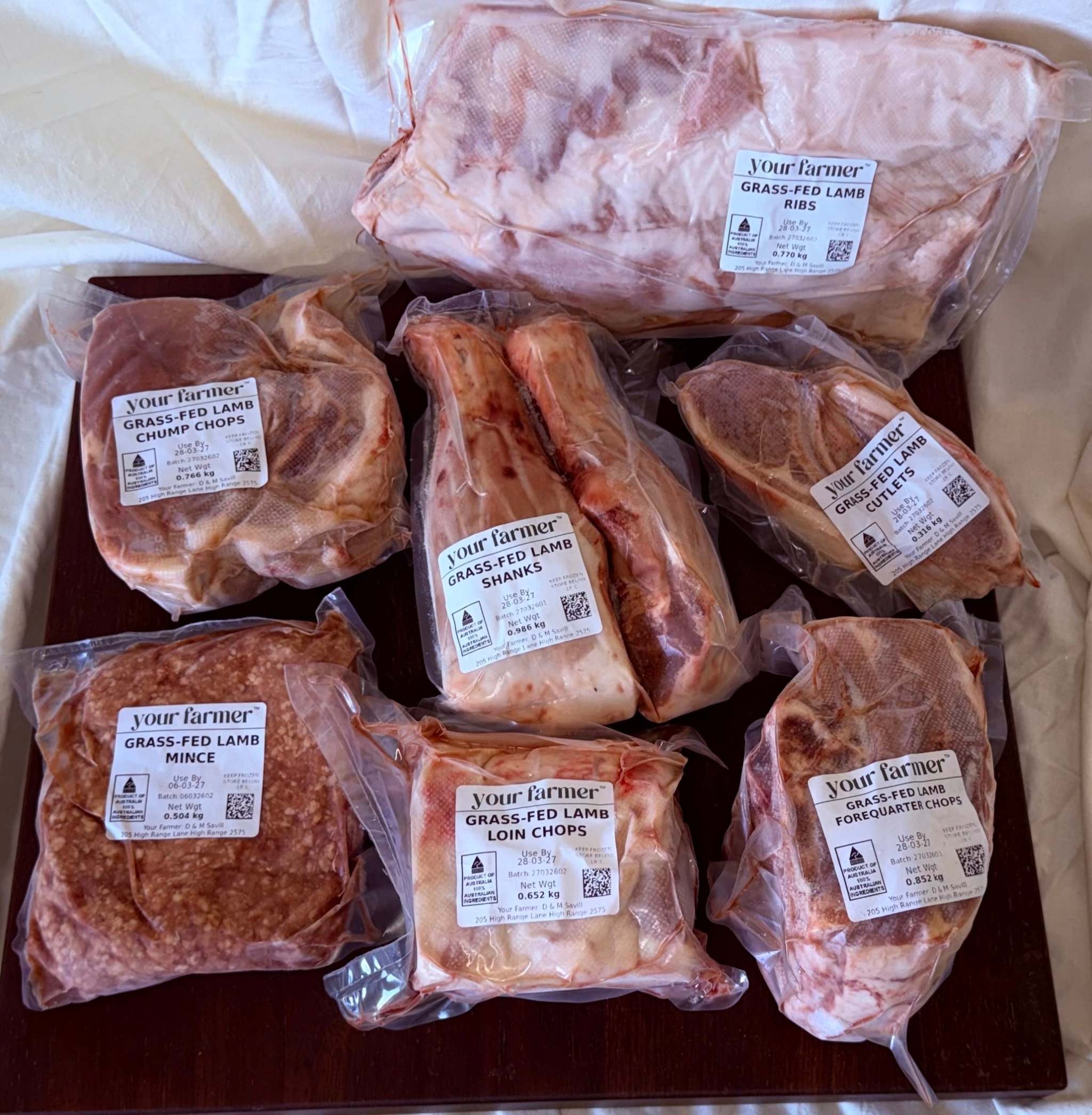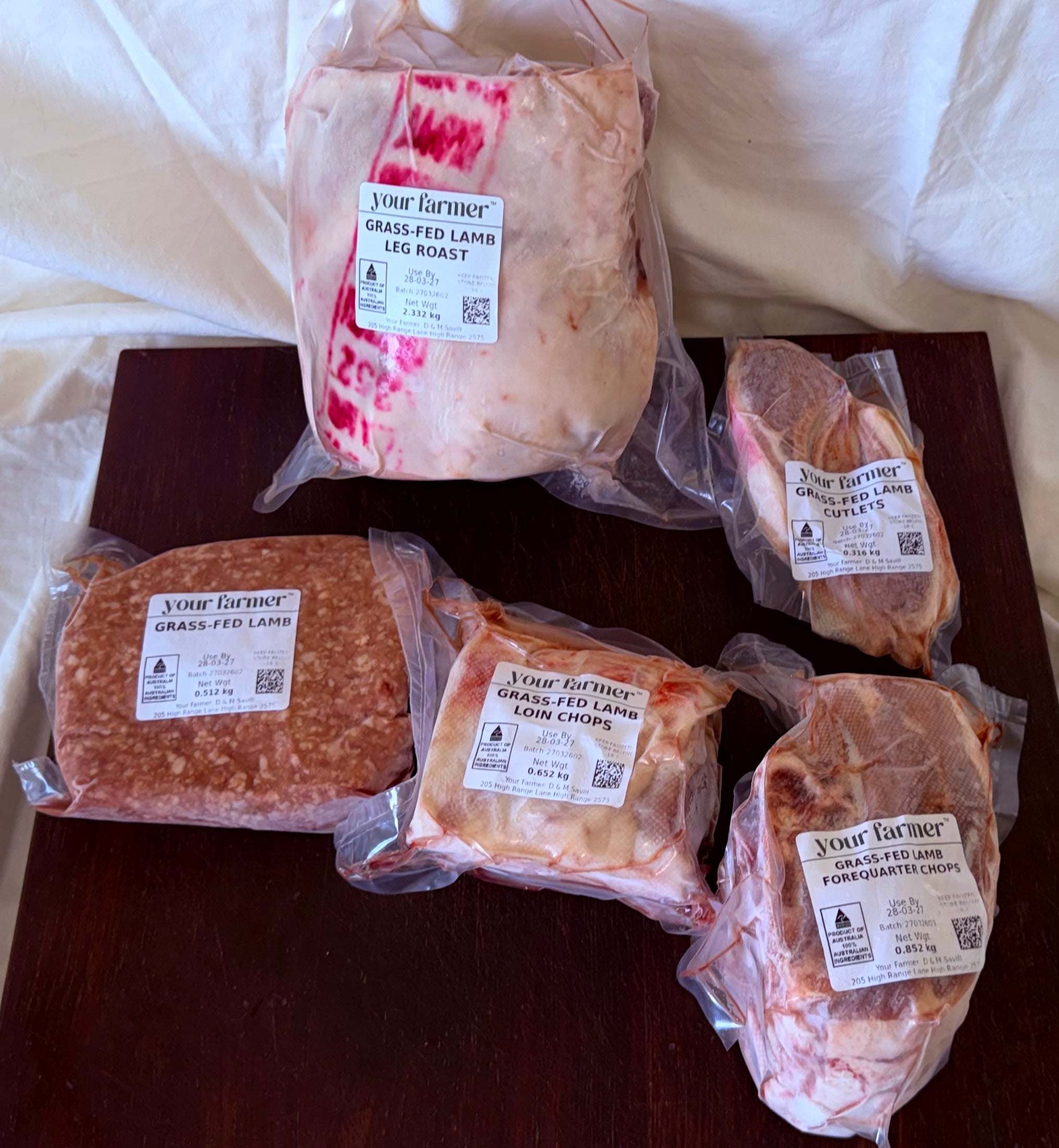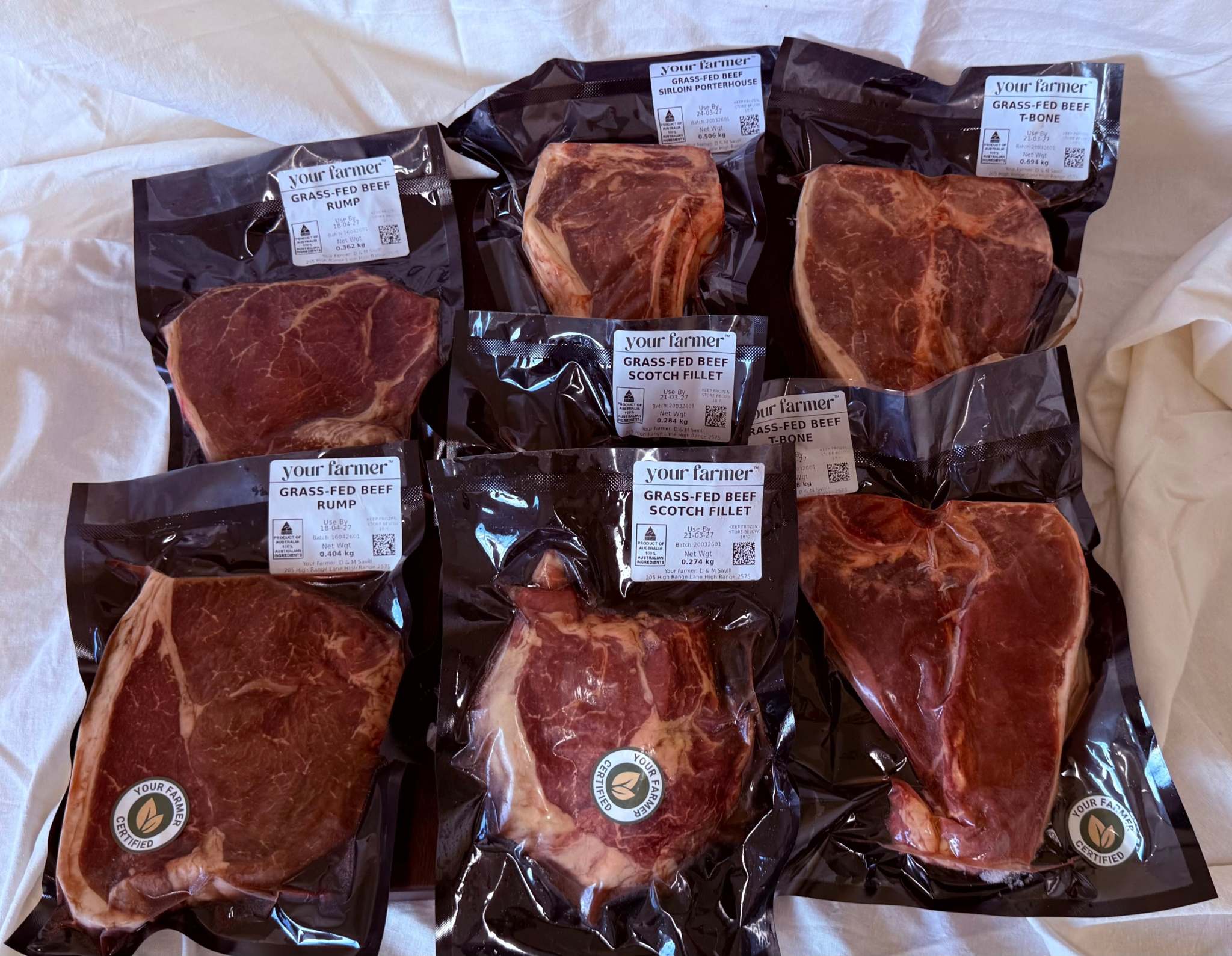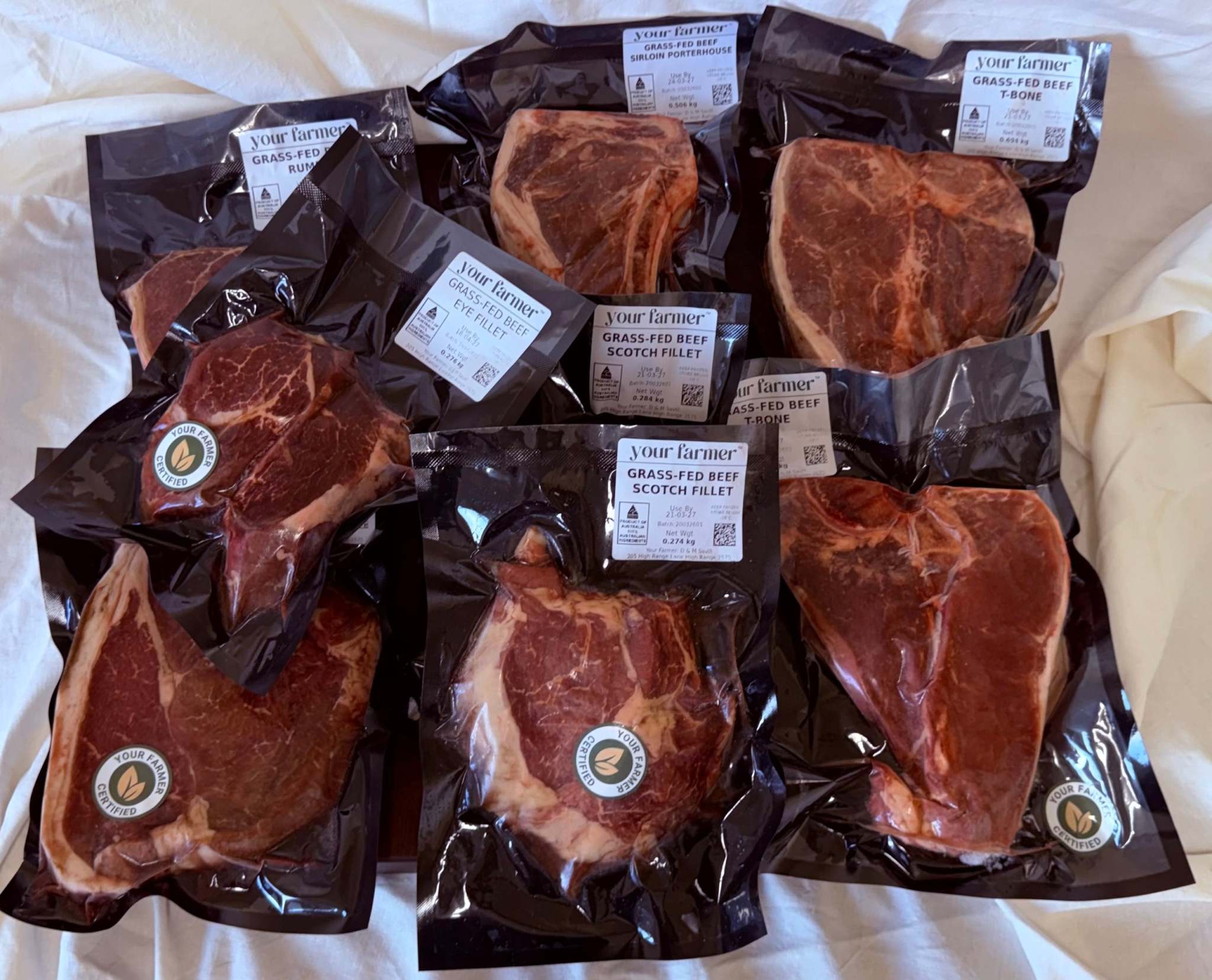
The whole Sunday dinner from one heavy pot — and one thing to wash

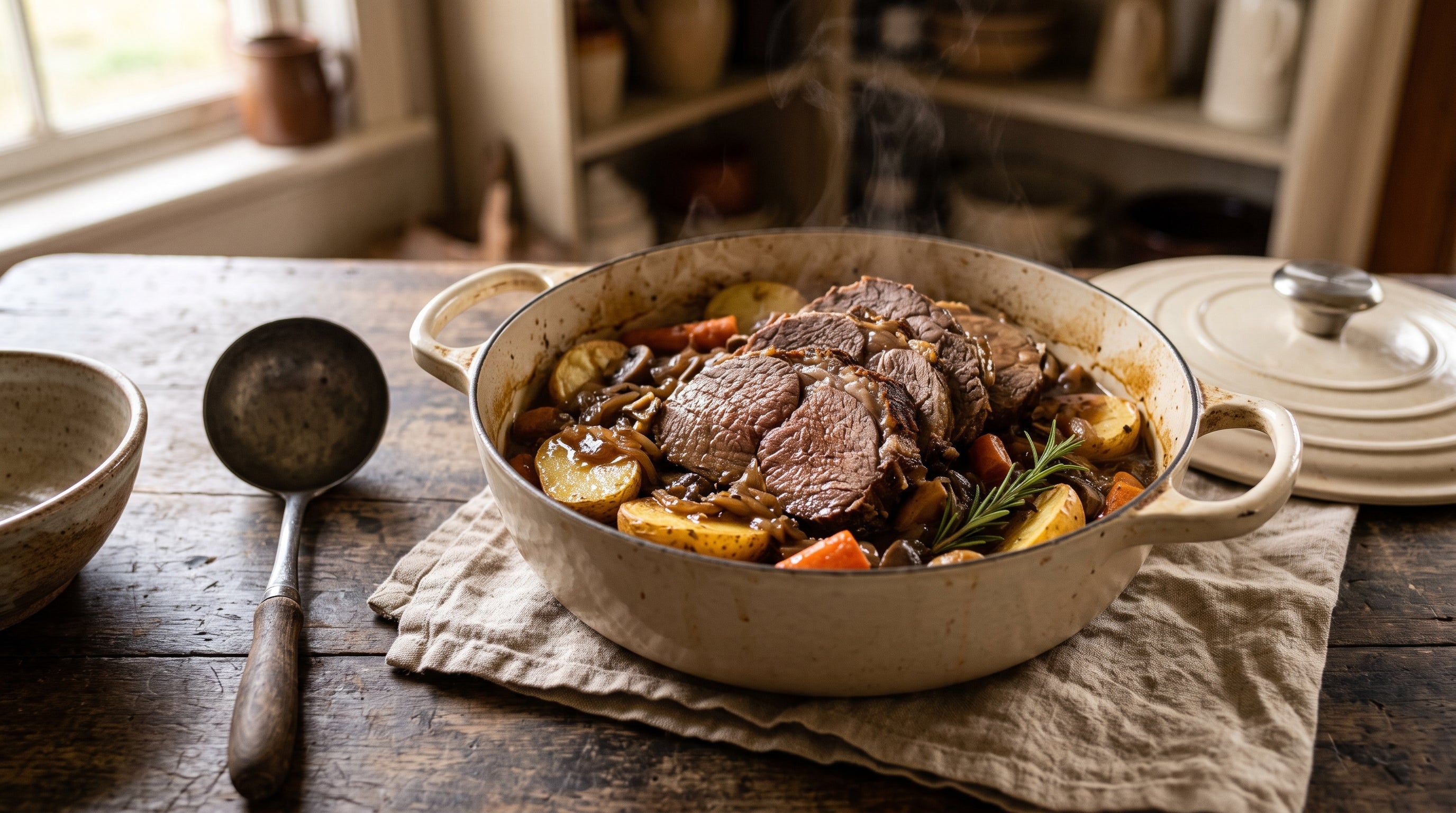
Melissa worked this one out years ago: the fight after a roast dinner is never about the cooking, it's about the washing up. So here's the Sunday roast rebuilt inside a single Dutch oven — the beef browned in the pot, onions cooked in its juices, then potatoes and carrots tucked around it while the whole lot braises to tenderness in what becomes its own onion gravy. It goes from oven to table in the pot it cooked in, and the sink stays almost embarrassingly empty.

3 hrs 10 mins 6 servings Prep 20 minsCook 2 hrs 50 minsMain CourseAustralian

Ingredients

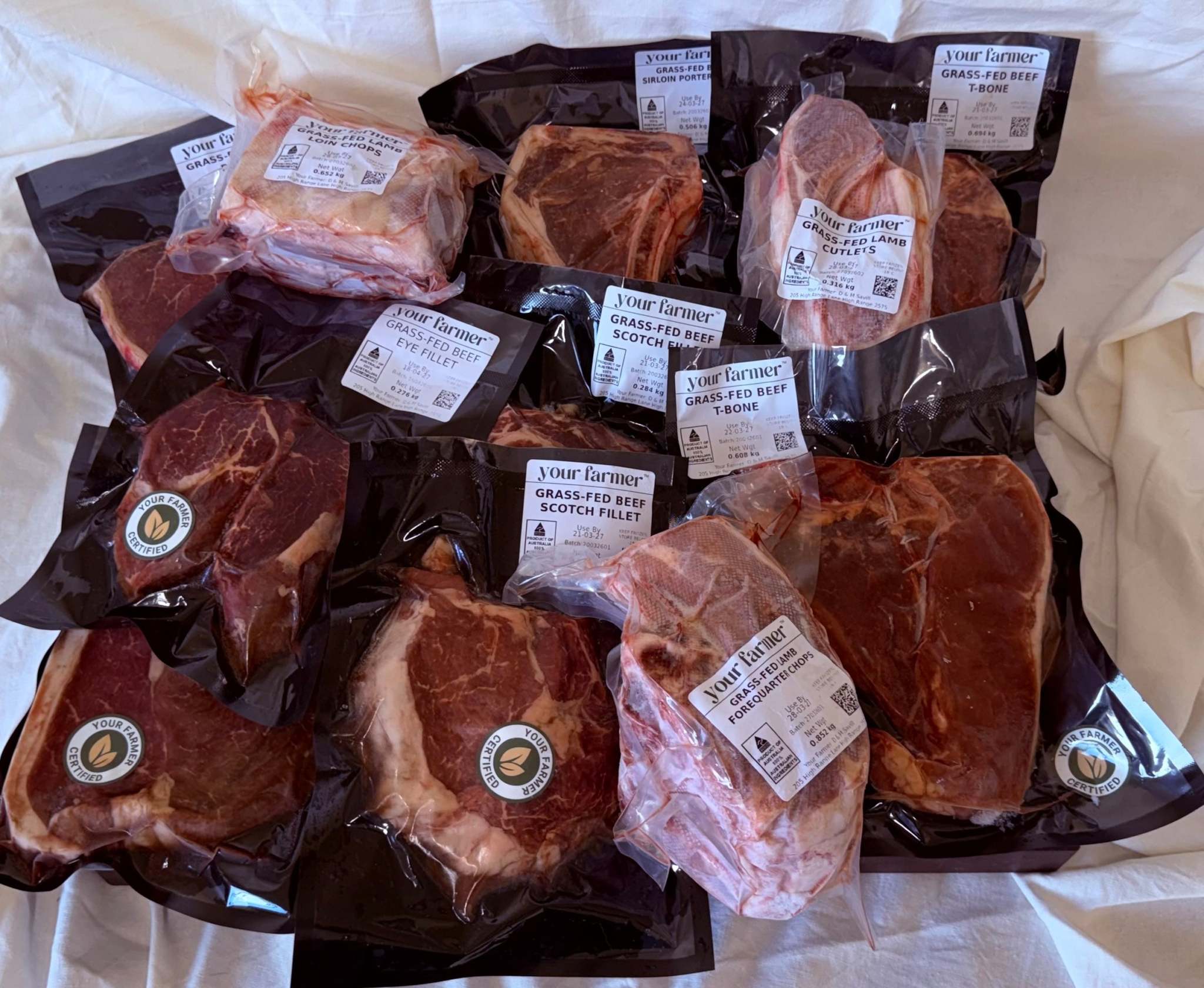
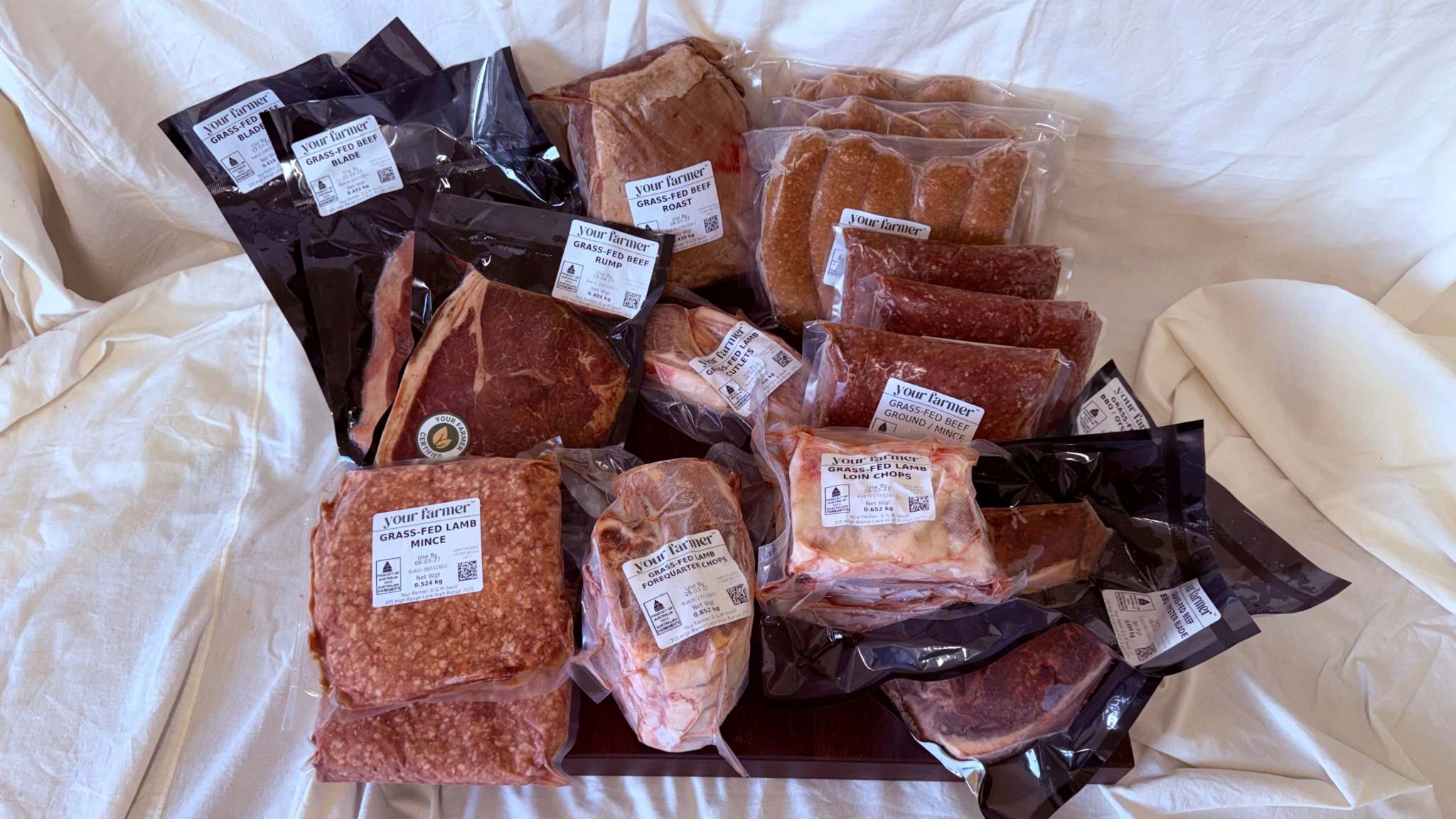
  • 1.4kg Your Farmer grass-fed beef roast
  • Salt and pepper to season
  • 2 tbsp olive oil
  • 2 brown onions, thickly sliced
  • 3 cloves garlic, crushed
  • 2 tbsp plain flour
  • 600ml beef stock
  • 1 tbsp Worcestershire sauce
  • 2 sprigs rosemary
  • 600g potatoes, halved
  • 3 carrots, cut into chunky lengths

Instructions

Heat the oven to 160°C. Season the roast well all over. Heat the oil in a large Dutch oven over high heat and brown the beef deeply on every side, about 10 minutes, then set it aside.

1.4kg beef roast2 tbsp olive oil

Drop the heat to medium and cook the onions in the beefy oil for 8 minutes, until soft and starting to colour.

2 onions

Stir in the garlic and flour and cook for a minute — this is what thickens the gravy later.

3 cloves garlic2 tbsp plain flour

Gradually stir in the stock, add the Worcestershire and rosemary, and scrape the bottom well. Return the beef and its juices, bring to a simmer, lid on and into the oven for 1 hour 45 minutes.

600ml beef stock1 tbsp Worcestershire sauce2 sprigs rosemary

Nestle the potatoes and carrots into the liquid around the beef, lid back on, and return it to the oven for another hour, until the beef is fork-tender and the vegetables are soft.

600g potatoes3 carrots

Lift the beef onto a board and rest it under foil for 15 minutes — the lid keeps the vegetables warm in the pot. Season the gravy to taste.

Carve the beef thickly, slide it back into the pot on top of the vegetables, and take the whole thing to the table with a ladle.

Appears in

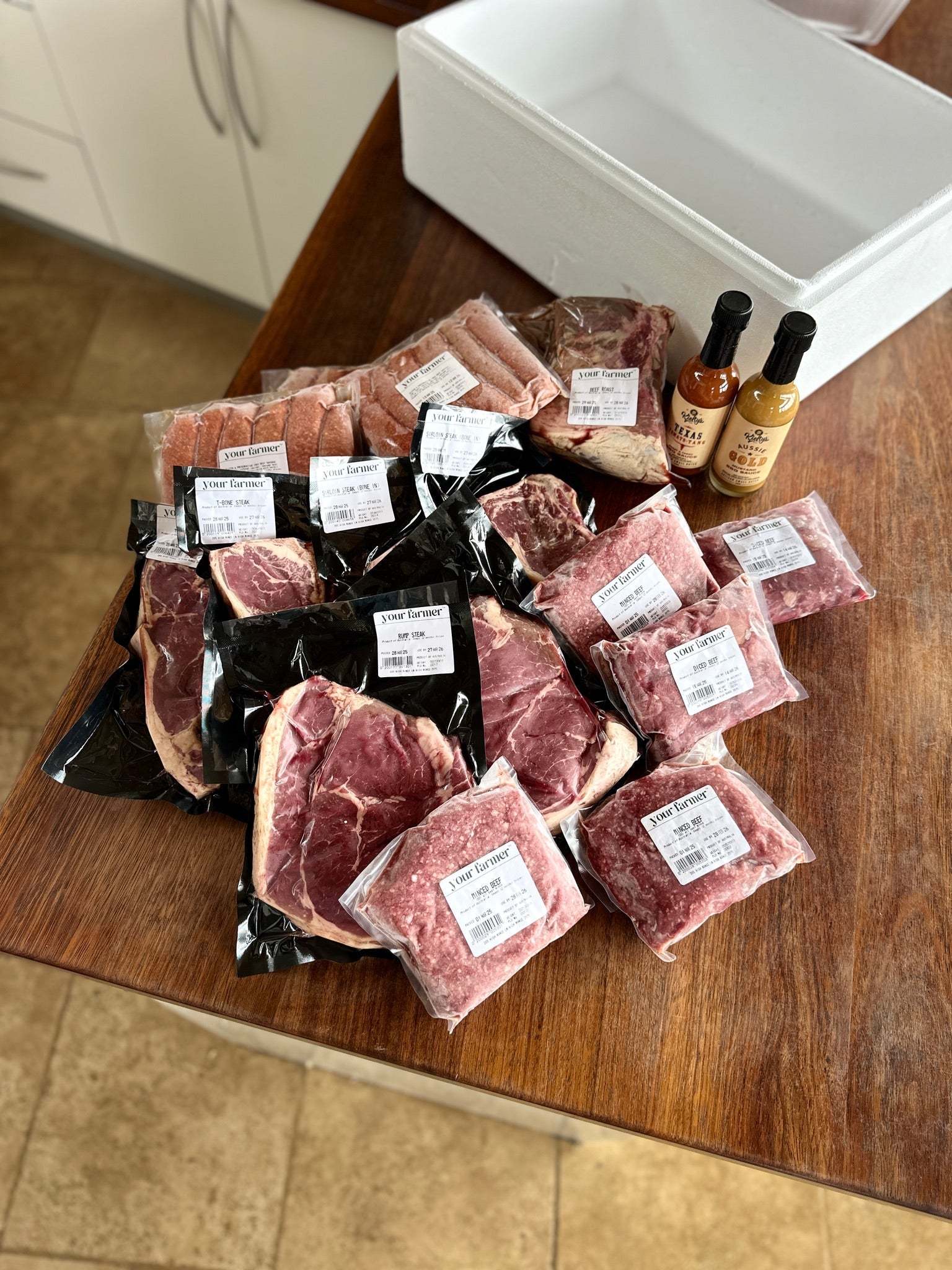
Pack A & Pack C shares — Roast (~1.4kg)

What a Heavy Pot Does for a Lean Roast

The roast in a Your Farmer® beef share is a lean, whole-muscle cut, and lean cuts braise beautifully when three things line up: a hard brown crust at the start, a low steady oven, and a lid that keeps every drop of moisture in the pot. That's precisely the job a Dutch oven — or any heavy casserole with a proper lid — was built for. The cast iron holds 160°C without spikes, the beef cooks in a bath of its own gravy, and the vegetables going in for the final hour means they emerge tender and stock-soaked rather than dissolved. Don't rush the browning; those dark bits on the pot floor are the gravy's whole personality. If your lid sits loose, lay a sheet of baking paper across the pot before the lid goes on — an old kitchen trick that seals the steam in where it belongs. And there's no shame in checking once at the vegetable stage that the liquid is still just murmuring, not boiling.

Swaps and Variations

Swap 200ml of the stock for red wine and it leans French. Parsnips, swede or wedges of pumpkin can stand in for — or join — the carrots through winter. A teaspoon of Dijon whisked into the gravy at the end sharpens everything up. The same pot-and-lid treatment suits a pastured lamb roast with garlic and rosemary doubled. And for the wider family of long, slow pots from the same share, the original slow-food beef stew is the diced-beef version of this exact idea.

Storage and Leftovers

Everything keeps together — beef, vegetables and gravy in one container, 3 to 4 days in the fridge, or 3 months in the freezer. Reheat it gently, covered, on the stove with a splash of water. The leftover move: chop what's left, warm it in the gravy and top it with mashed potato or a sheet of puff pastry for a next-day pie that might quietly beat the original dinner.

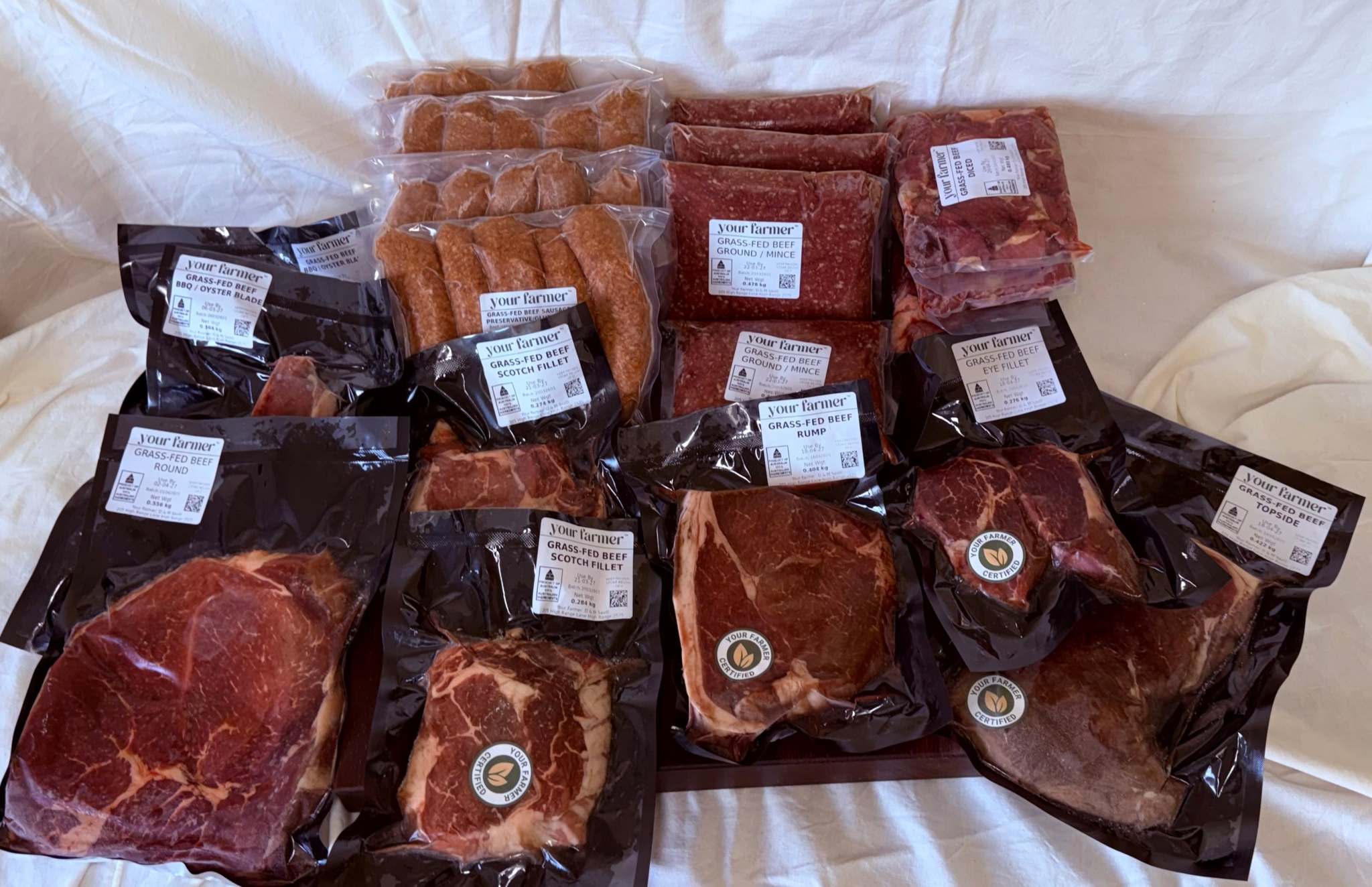
The roast arrives in Pack A and Pack C of our grass-fed beef CSA share — one pot, one delivery, Sunday solved.
Frequently asked questions

What size Dutch oven do I need?

A 5 to 6 litre pot fits the 1.4kg roast with room for the vegetables. If yours is smaller, cook the potatoes and carrots in a separate covered dish with a ladle of the braising liquid.

I don't own a Dutch oven. What else works?

Any heavy oven-safe pot with a tight lid, or a deep roasting pan covered snugly with a double layer of foil. The seal matters more than the brand of pot.

Can I do it on the stovetop instead of the oven?

Yes — keep it at the barest simmer over the lowest heat, lid on, same timings. The oven is just easier because it heats the pot evenly and can't scorch the bottom.

Why did my vegetables turn to mush?

They likely went in at the start rather than for the final hour, or were cut too small. Big, chunky pieces added late hold their shape and still soak up the gravy.

How do I get a thicker gravy?

Lift the beef and vegetables out at the end and simmer the liquid hard on the stove for 5 to 10 minutes. The flour from the start plus a fast reduction gives a proper spoon-coating gravy.

Three Simple Steps

A whole table of real food.

Your Farmers grow grass-fed beef and lamb, pastured eggs and the best eco-grown veggies and produce — every item grown to the same ecological standard, every farmer one you can know by name. One subscription, your whole real-food shop.

01

Reserve your share — or try a pack

Subscribe to a share of the harvest, or start with a one-off fixed pack.

02

Make it your own

Pick your delivery rhythm and what's in the box. Skip or cancel anytime — no lock-in.

03

Cook, savour, know your farmer

We deliver in a reusable esky we collect next time. No couriers, no waste.

More Recipes

View all

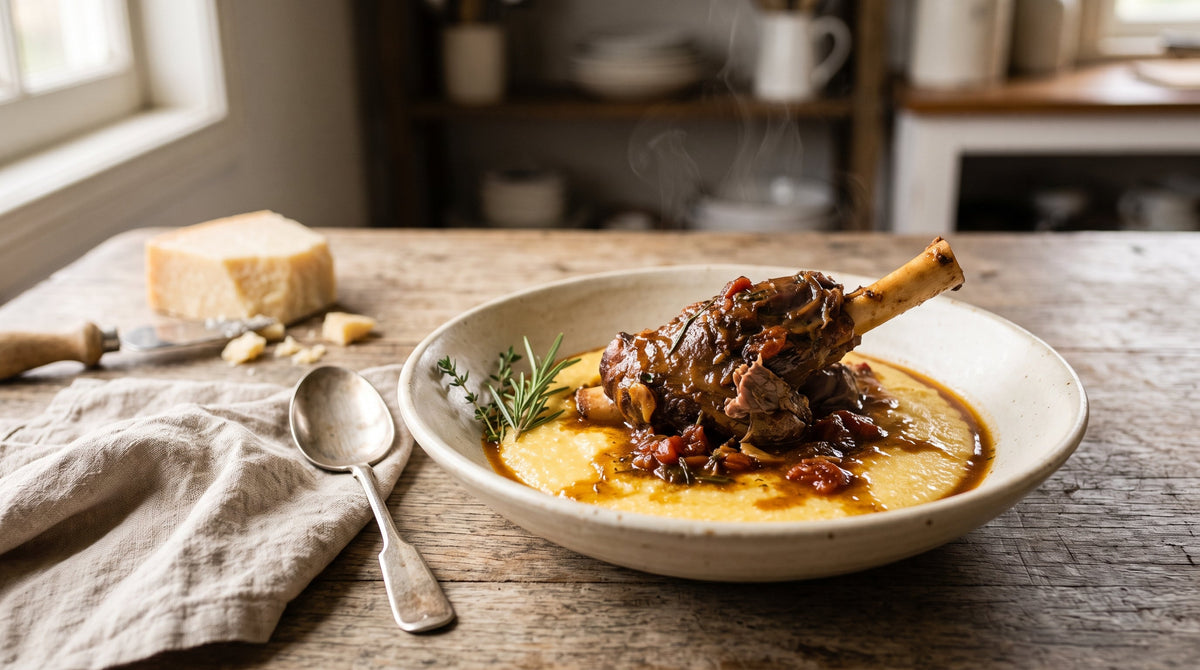
Tomato and rosemary braised grass-fed lamb shank served over soft parmesan polenta.

Tomato and Rosemary Braised Lamb Shanks with Soft Polenta

Osso buco's lamb cousin, with soft polenta doing the catching

The Milanese figured out long ago that a shin braised on the bone in tomato makes a sauce nothing else can — the marrow sees to that. This is the same idea run through the lamb paddock: shanks browned hard, then braised low with tomato, white wine and rosemary until the meat leans off the bone, all of it served over a pool of soft, buttery parmesan polenta whose entire purpose in life is catching sauce. It's a Sunday sort of pot that happily cooks on a Tuesday, and the polenta takes less minding than most people fear.

Read moreabout Tomato and Rosemary Braised Lamb Shanks with Soft Polenta

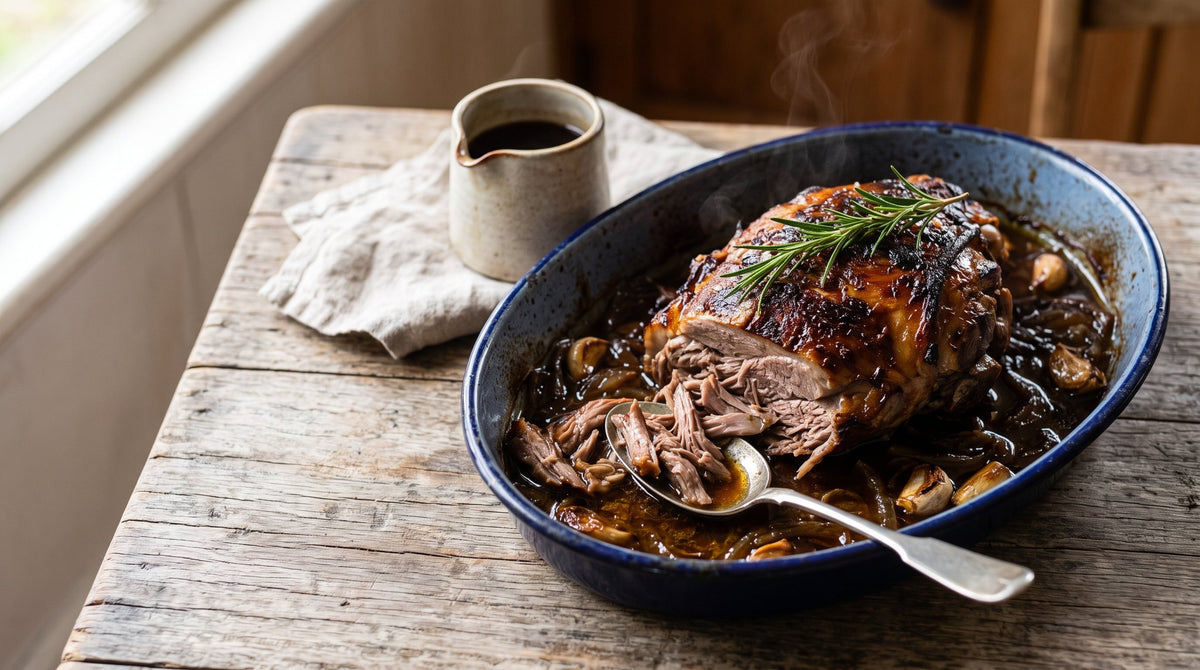
Slow-roasted grass-fed lamb pulled into tender shreds in its pan juices in an enamel roasting dish.

Slow-Roasted Lamb with Pan Juices, the Low and Slow Way

The roast that cannot be overcooked — give it half a day and it gives up entirely

Most roast anxiety comes from a five-minute window: pull it too early, it's raw; too late, it's leather. This method deletes the window. You give the lamb a hard blast of colour, then drop the oven right down and walk away for the better part of an afternoon. Somewhere in hour three the meat stops resisting altogether — a spoon will do the carving. There's no thermometer stress, no window to miss, and the pan underneath quietly builds the best juices you'll pour all winter. Patience, rewarded.

Read moreabout Slow-Roasted Lamb with Pan Juices, the Low and Slow Way

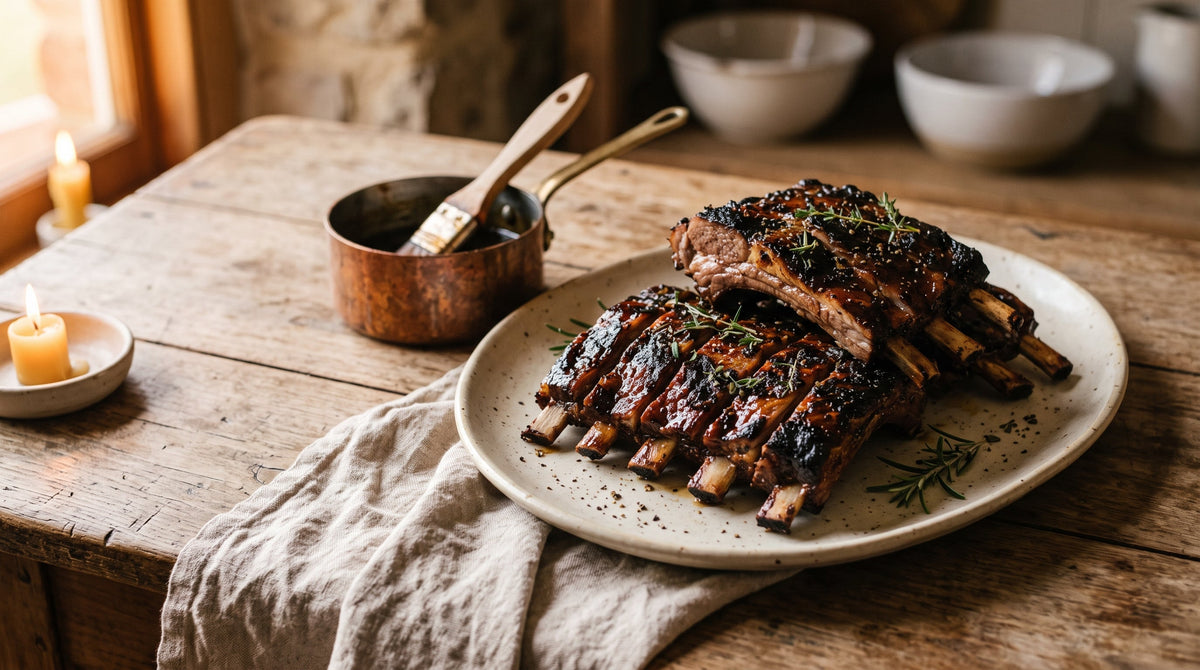
Twice-cooked grass-fed lamb ribs, braised until tender then charred and glazed, stacked on a stoneware platter.

Twice-Cooked Lamb Ribs: Braise, Then Char

The restaurant trick: do the hard part yesterday, take the applause tonight

Ever wondered how a restaurant sends out perfect sticky ribs eight minutes after you order them? They cooked the ribs yesterday. The racks get braised in stock and aromatics until tender, then cooled in their own liquid — where they firm up, drink back flavour, and wait as long as you need. Come dinner time, all that's left is a hot grill pan, a honey glaze made from the braising liquid, and about ten minutes of theatre. It's the most reliable rib method there is, and the only one where the night-of cooking fits between guests arriving and the first drink being finished.

Read moreabout Twice-Cooked Lamb Ribs: Braise, Then Char