Pea-and-ham thinking, straight from the lamb paddock

Every Australian family has a pea-and-ham soup story, and every one of those soups leans on the same trick: a bone in the pot doing the heavy lifting. This is that trick with lamb bones instead of a hock. The split peas collapse into a thick, velvety base, the bones give the broth real depth and body, and a pinch of smoked paprika stands in for the smokehouse if you want that familiar edge. It's the thriftiest pot in this whole collection — pantry peas, add-on bones, one lazy afternoon — and it eats like a hug.

2 hrs 5 mins 6 servings Prep 15 minsCook 1 hr 50 minsSoupAustralian

Ingredients

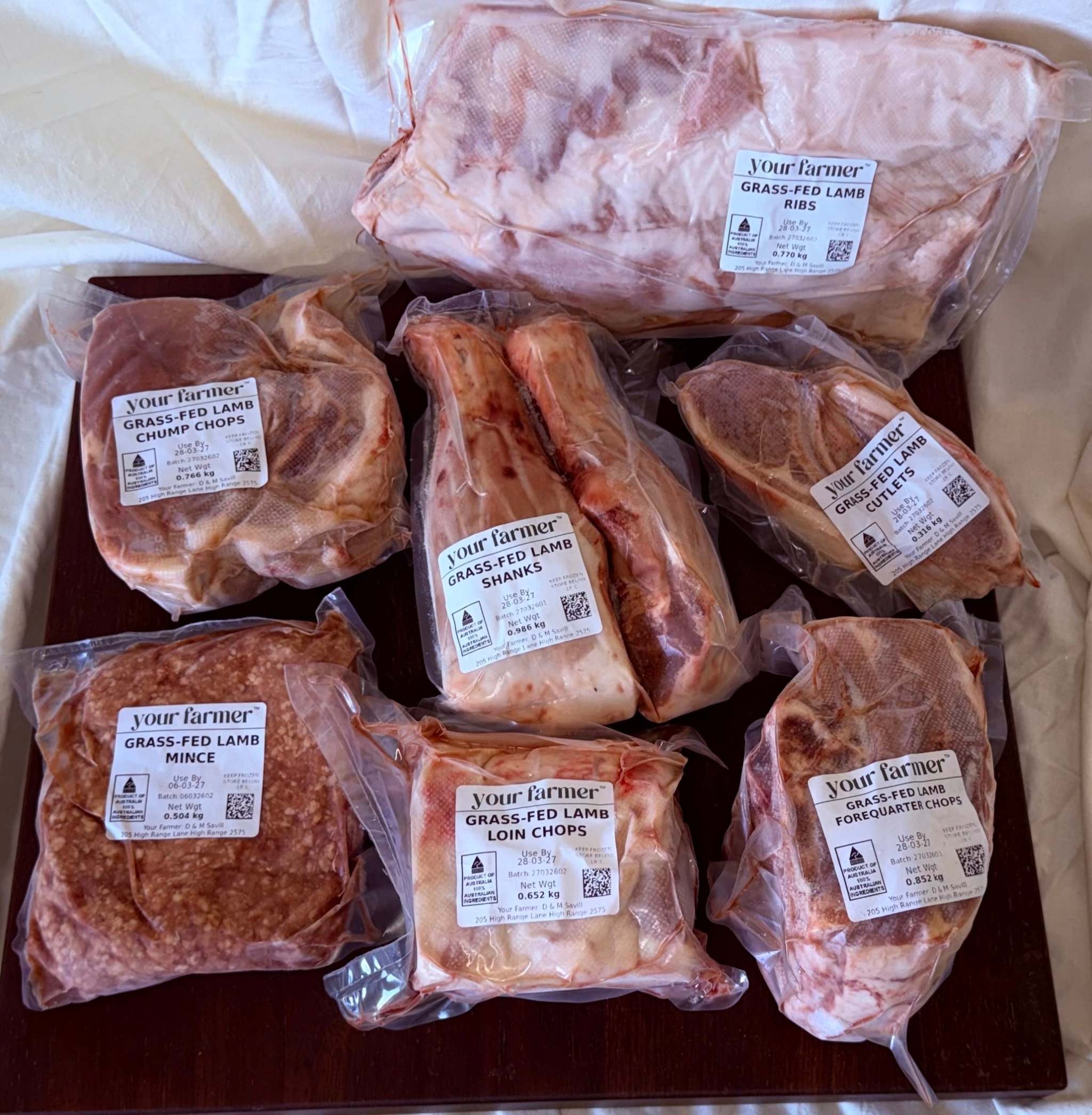
  • 1kg Your Farmer lamb bones
  • 1 tbsp olive oil
  • 1 large brown onion, diced
  • 2 carrots, diced
  • 2 sticks celery, diced
  • 2 cloves garlic, crushed
  • 1 tsp smoked paprika (optional, for the ham-hock note)
  • 500g green split peas, rinsed
  • 2 bay leaves
  • 2.5 litres cold water
  • Salt and pepper to season

Instructions

Heat the oil in your biggest heavy pot over medium heat and cook the onion, carrot and celery for 6 to 7 minutes until softened. Add the garlic and smoked paprika for the last minute.

1 tbsp olive oil1 onion2 carrots2 sticks celery

Add the bones, split peas, bay leaves and water. Bring to a gentle simmer and skim off any foam that rises in the first 10 minutes.

1kg lamb bones500g split peas2.5L cold water

Partly cover and simmer gently for 1.5 hours, stirring every 20 minutes or so — split peas like to settle and catch on the bottom as they thicken.

Lift out the bones with tongs. Pick off any meat, shred it, and set it aside; discard the bare bones.

Beat the soup hard with a wooden spoon so the collapsed peas turn it thick and velvety — no blender needed — then stir the meat back in.

Season generously and serve thick, with hot buttered toast for dunking. Loosen with a splash of water if it's gone past spoon-standing.

Appears in

The Hock Swap That Was Always Allowed

Pea soup never actually required a ham hock — it required a bone with something to give. For centuries the pot took whatever the kitchen had, and lamb bones were on that roster long before supermarkets narrowed our thinking. As they simmer, the bones release gelatine that gives the soup a rich, rounded body, while the split peas break down into the thick, velvety base the dish is famous for. What you lose without the hock is the smoke, which is why the optional paprika is there — it's the honest version of that flavour, not a pretend one. Your Farmer® lamb bones are the add-on that makes this an almost-free dinner: peas from the pantry, bones from the freezer, and change from a tenner.

Swaps and Variations

Yellow split peas work identically and make a slightly sweeter, more golden pot. A handful of shredded mint stirred in at the end is a very good idea — lamb and peas have been companions forever, and it freshens the whole bowl. Beef bones make a deeper, beefier version on the same timings. And if you've got a leftover bone from a lamb roast, it can go straight in alongside the bag — the old cooks never wasted a roast bone, and neither should we.

Storage and Leftovers

Split pea soup is the most famous overnight-thickener in the repertoire — expect it to set almost solid in the fridge. That's not a fault; it's the dish. Loosen it back with water as it reheats gently, stirring so it doesn't catch. It keeps 4 days in the fridge and freezes beautifully for 3 months. Leftover idea: reheat it very thick and serve it as a sauce over grilled sausages — an old Dutch trick that works absurdly well.

Tick the bones add-on with our lamb subscription and this soup joins the winter rotation for the cost of a bag of split peas.
Frequently asked questions

Do split peas need soaking overnight?

No — unlike whole dried peas or beans, split peas cook through in about 90 minutes straight from the packet. A quick rinse is all they need.

Why did my soup catch on the bottom of the pot?

As the peas collapse they thicken the soup, and thick soup scorches easily. Keep the simmer gentle, stir every 20 minutes, and use your heaviest-based pot.

Green or yellow split peas — does it matter?

Not much. Green peas taste slightly earthier, yellow slightly sweeter and milder. Both cook on the same timing, so use whichever the pantry has.

How do I get the smoky ham-hock flavour without the ham?

The teaspoon of smoked paprika does most of that work. Add it with the garlic so it blooms in the oil — that's where the familiar smoky backbone comes from.

Can I freeze split pea soup?

Yes, it's one of the best freezers going — up to 3 months in portioned containers. It thaws thick, so plan on a splash of water when you reheat.

Three Simple Steps

A whole table of real food.

Your Farmers grow grass-fed beef and lamb, pastured eggs and the best eco-grown veggies and produce — every item grown to the same ecological standard, every farmer one you can know by name. One subscription, your whole real-food shop.

01

Reserve your share — or try a pack

Subscribe to a share of the harvest, or start with a one-off fixed pack.

02

Make it your own

Pick your delivery rhythm and what's in the box. Skip or cancel anytime — no lock-in.

03

Cook, savour, know your farmer

We deliver in a reusable esky we collect next time. No couriers, no waste.

More Recipes

View all

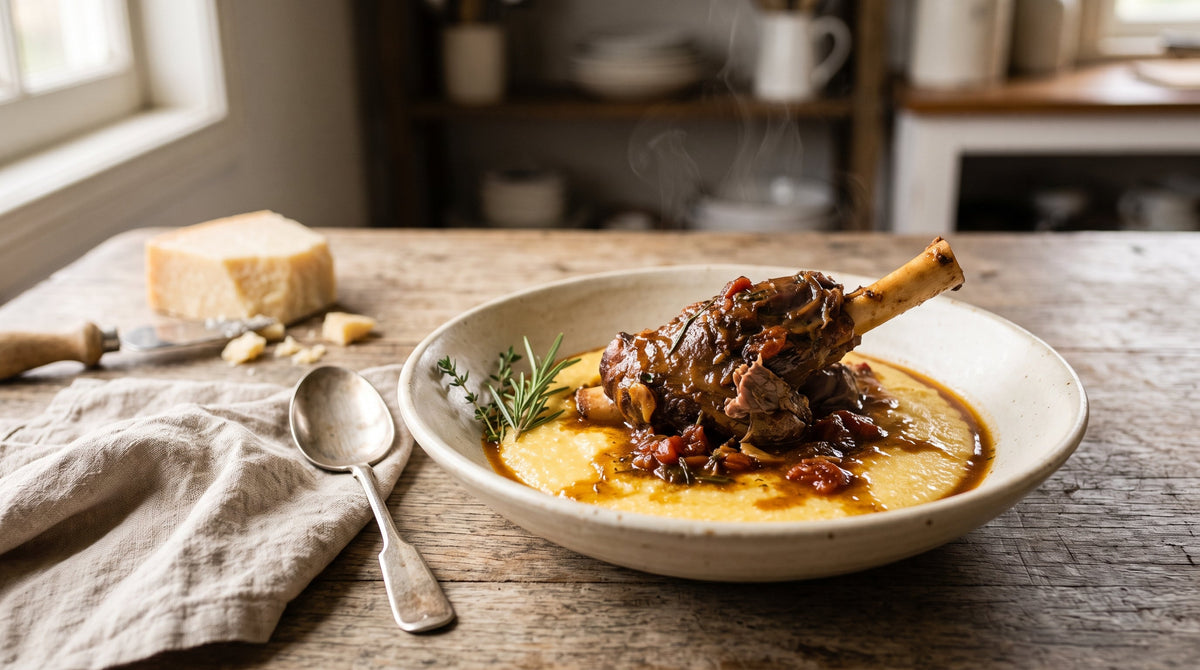
Tomato and rosemary braised grass-fed lamb shank served over soft parmesan polenta.

Tomato and Rosemary Braised Lamb Shanks with Soft Polenta

Osso buco's lamb cousin, with soft polenta doing the catching

The Milanese figured out long ago that a shin braised on the bone in tomato makes a sauce nothing else can — the marrow sees to that. This is the same idea run through the lamb paddock: shanks browned hard, then braised low with tomato, white wine and rosemary until the meat leans off the bone, all of it served over a pool of soft, buttery parmesan polenta whose entire purpose in life is catching sauce. It's a Sunday sort of pot that happily cooks on a Tuesday, and the polenta takes less minding than most people fear.

Read moreabout Tomato and Rosemary Braised Lamb Shanks with Soft Polenta

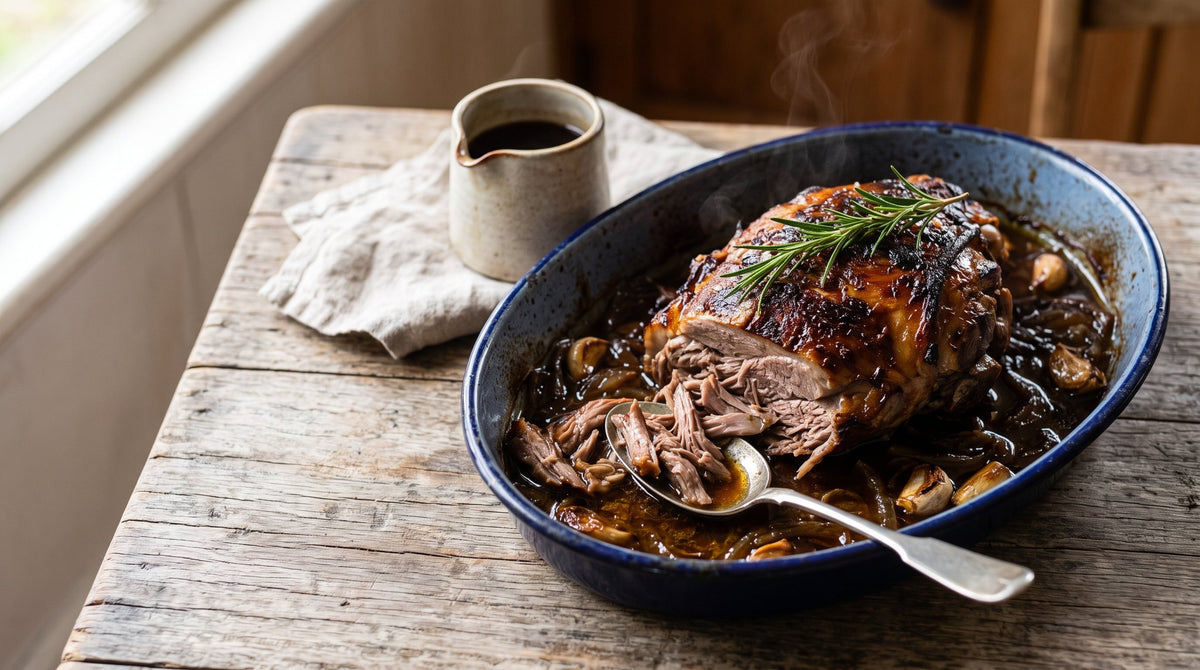
Slow-roasted grass-fed lamb pulled into tender shreds in its pan juices in an enamel roasting dish.

Slow-Roasted Lamb with Pan Juices, the Low and Slow Way

The roast that cannot be overcooked — give it half a day and it gives up entirely

Most roast anxiety comes from a five-minute window: pull it too early, it's raw; too late, it's leather. This method deletes the window. You give the lamb a hard blast of colour, then drop the oven right down and walk away for the better part of an afternoon. Somewhere in hour three the meat stops resisting altogether — a spoon will do the carving. There's no thermometer stress, no window to miss, and the pan underneath quietly builds the best juices you'll pour all winter. Patience, rewarded.

Read moreabout Slow-Roasted Lamb with Pan Juices, the Low and Slow Way

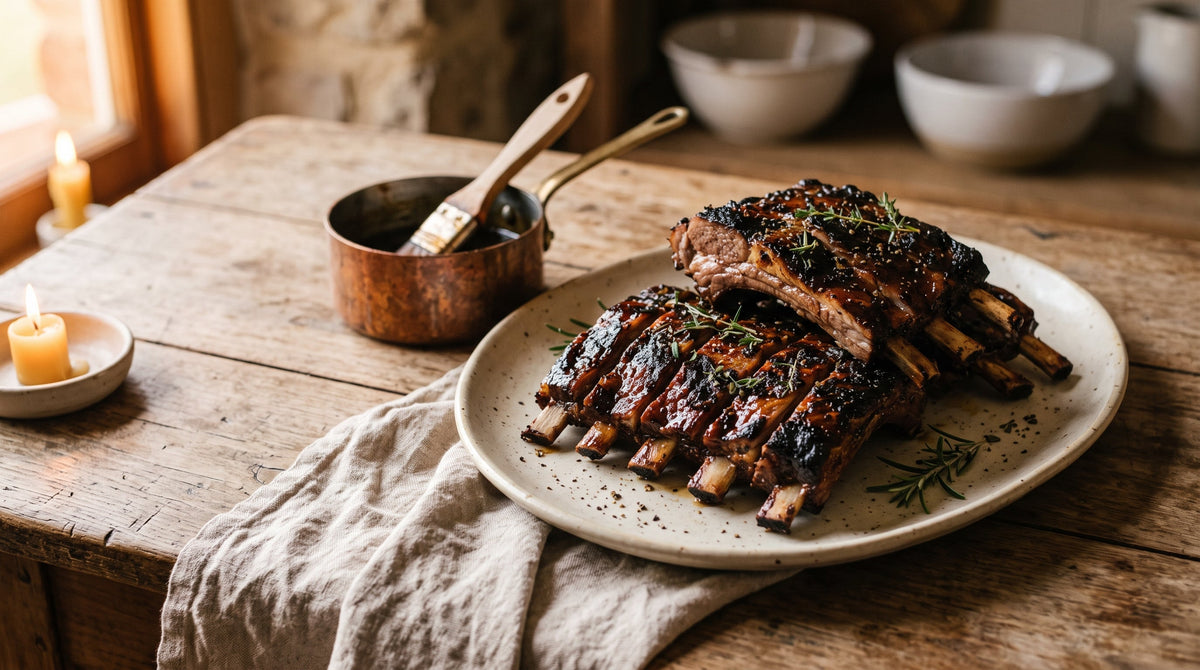
Twice-cooked grass-fed lamb ribs, braised until tender then charred and glazed, stacked on a stoneware platter.

Twice-Cooked Lamb Ribs: Braise, Then Char

The restaurant trick: do the hard part yesterday, take the applause tonight

Ever wondered how a restaurant sends out perfect sticky ribs eight minutes after you order them? They cooked the ribs yesterday. The racks get braised in stock and aromatics until tender, then cooled in their own liquid — where they firm up, drink back flavour, and wait as long as you need. Come dinner time, all that's left is a hot grill pan, a honey glaze made from the braising liquid, and about ten minutes of theatre. It's the most reliable rib method there is, and the only one where the night-of cooking fits between guests arriving and the first drink being finished.

Read moreabout Twice-Cooked Lamb Ribs: Braise, Then Char