


Quick Answer: Discover how your meat box subscription directly supports regenerative farming practices that restore soil health, sequester carbon, enhance biodiversity, and provide financial stability to Australian farmers committed to ecological agriculture.
The Connection Betwee
n Your Food Choices and Farm Ecosystems
Every time you choose where your food comes from, you cast a vote for the kind of agriculture you want to support. Meat box subscriptions in Australia have emerged as a powerful way for consumers to directly support regenerative farming practices while enjoying premium-quality, nutrient-dense meat delivered to their homes. Whether you live in Dee Why, Kellyville, Dural, or anywhere across the Hills District, understanding the paddock to plate meat journey reveals how your subscription can transform Australian agriculture.
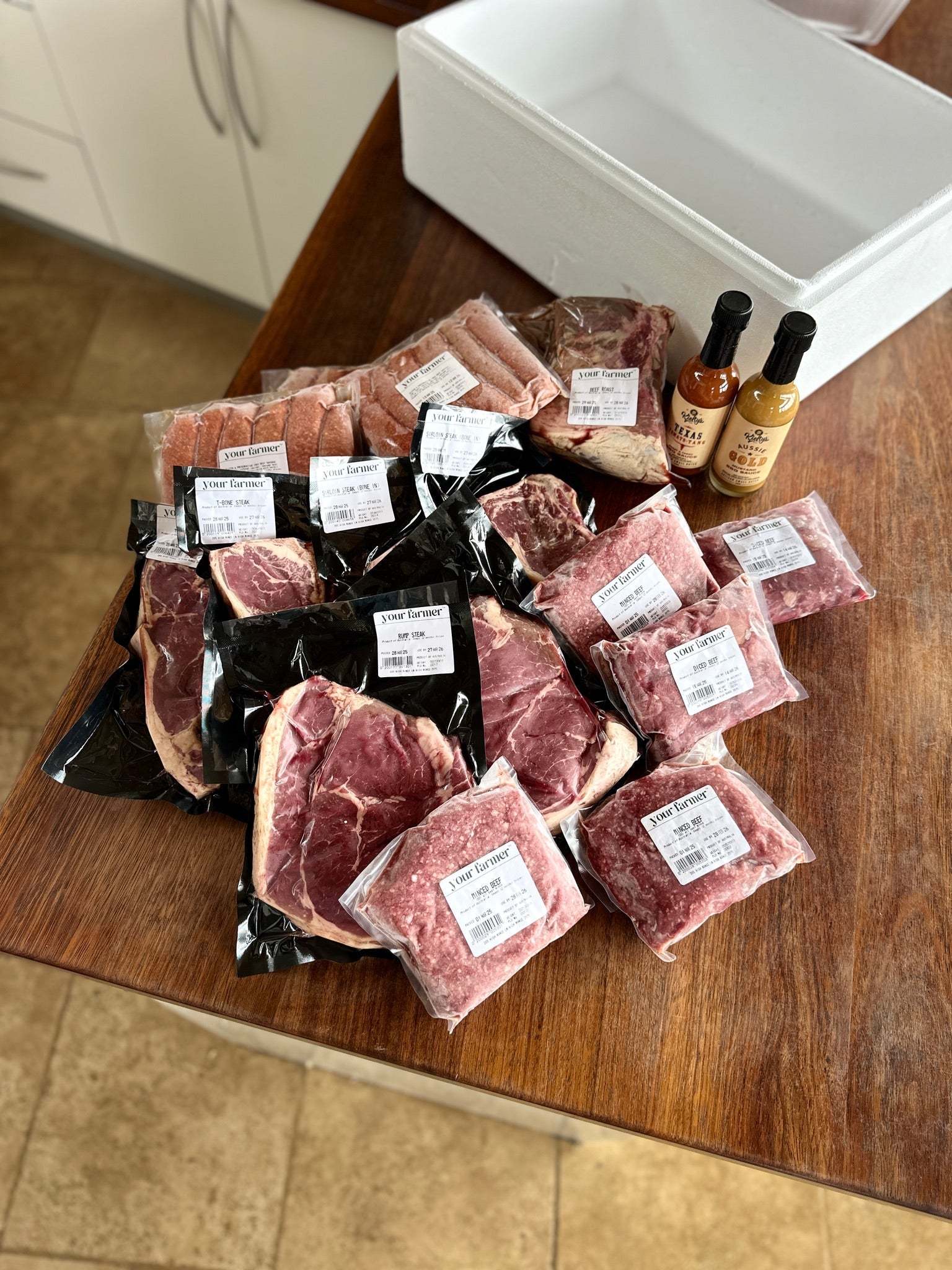
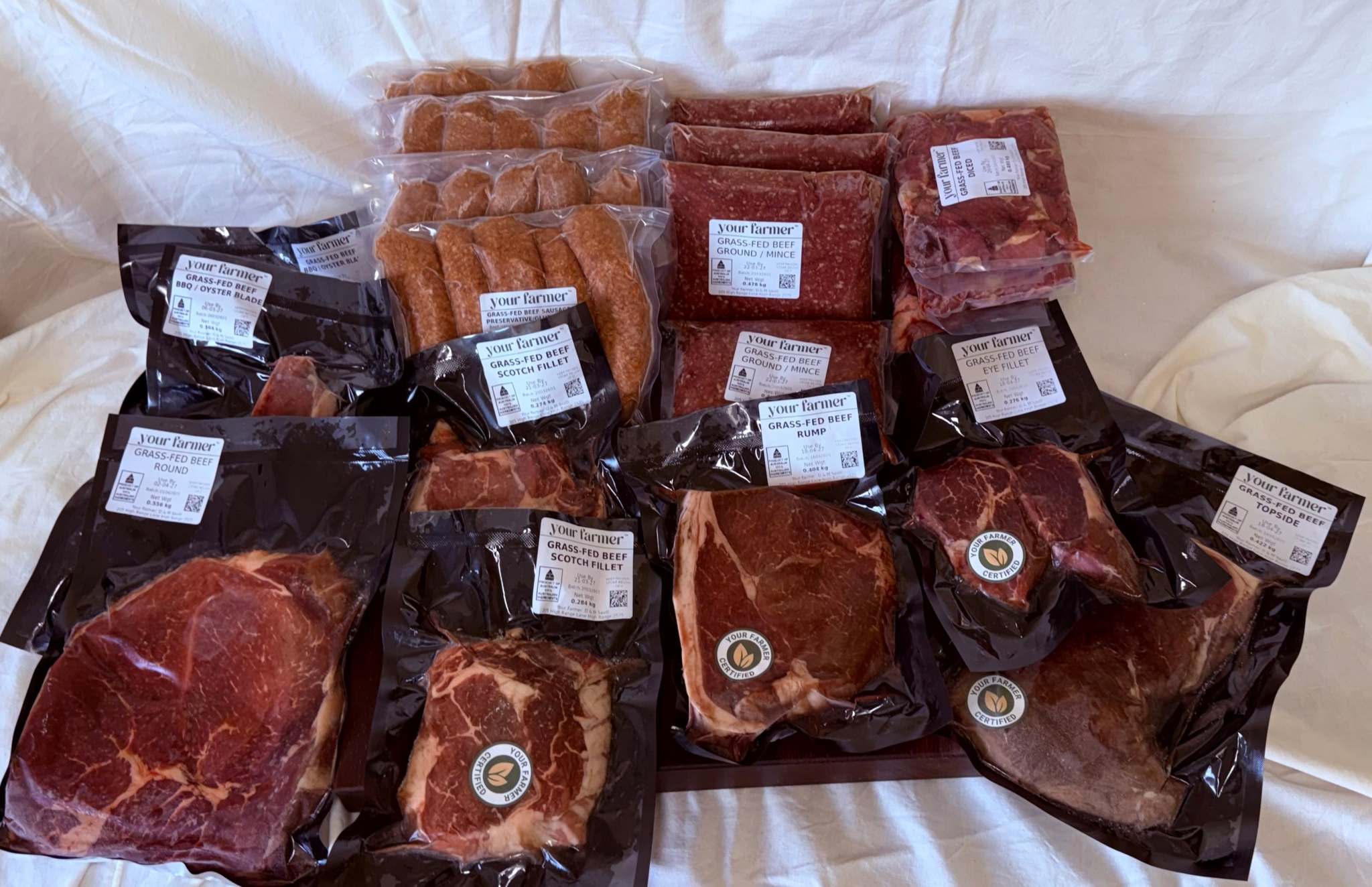
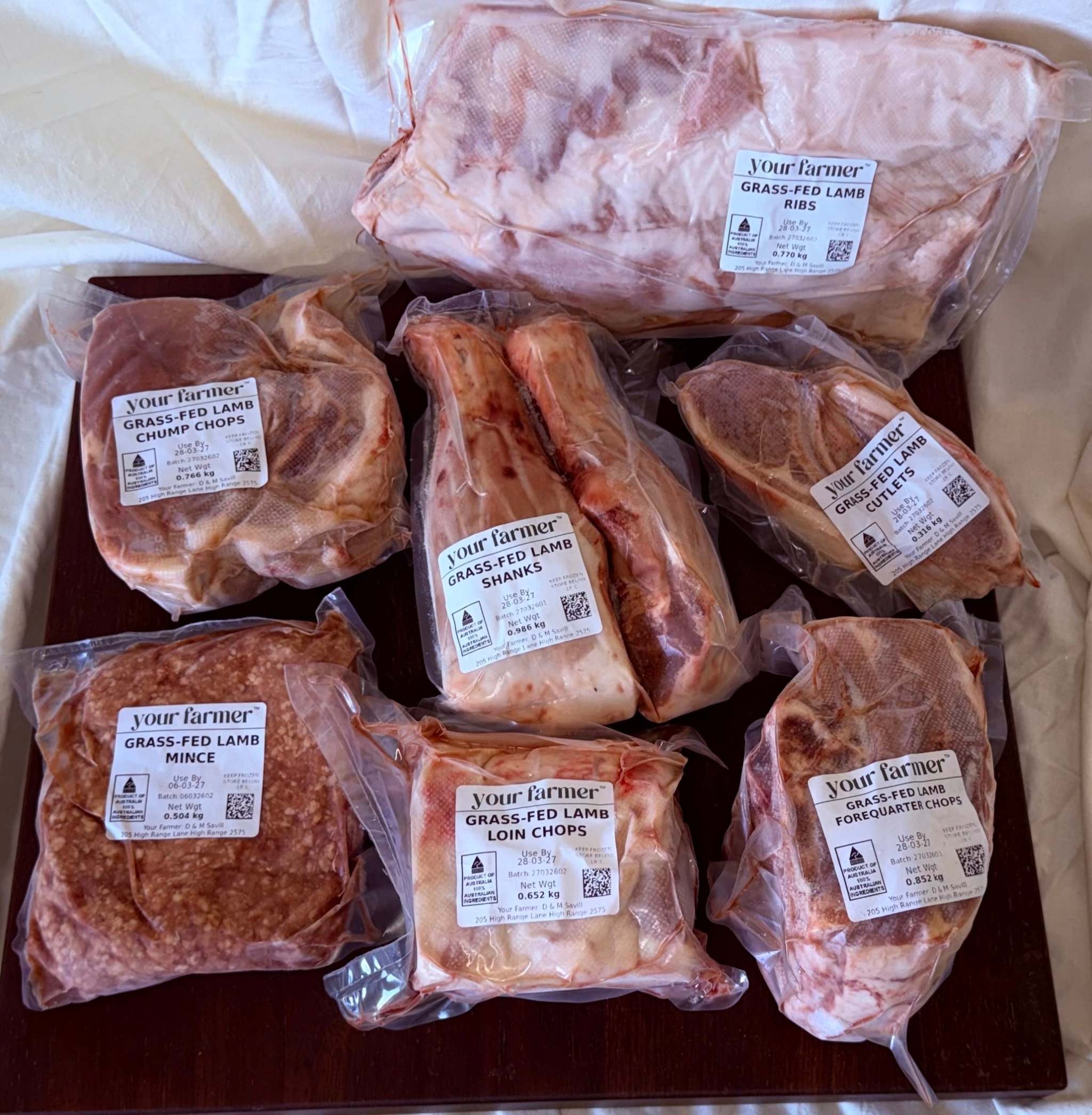
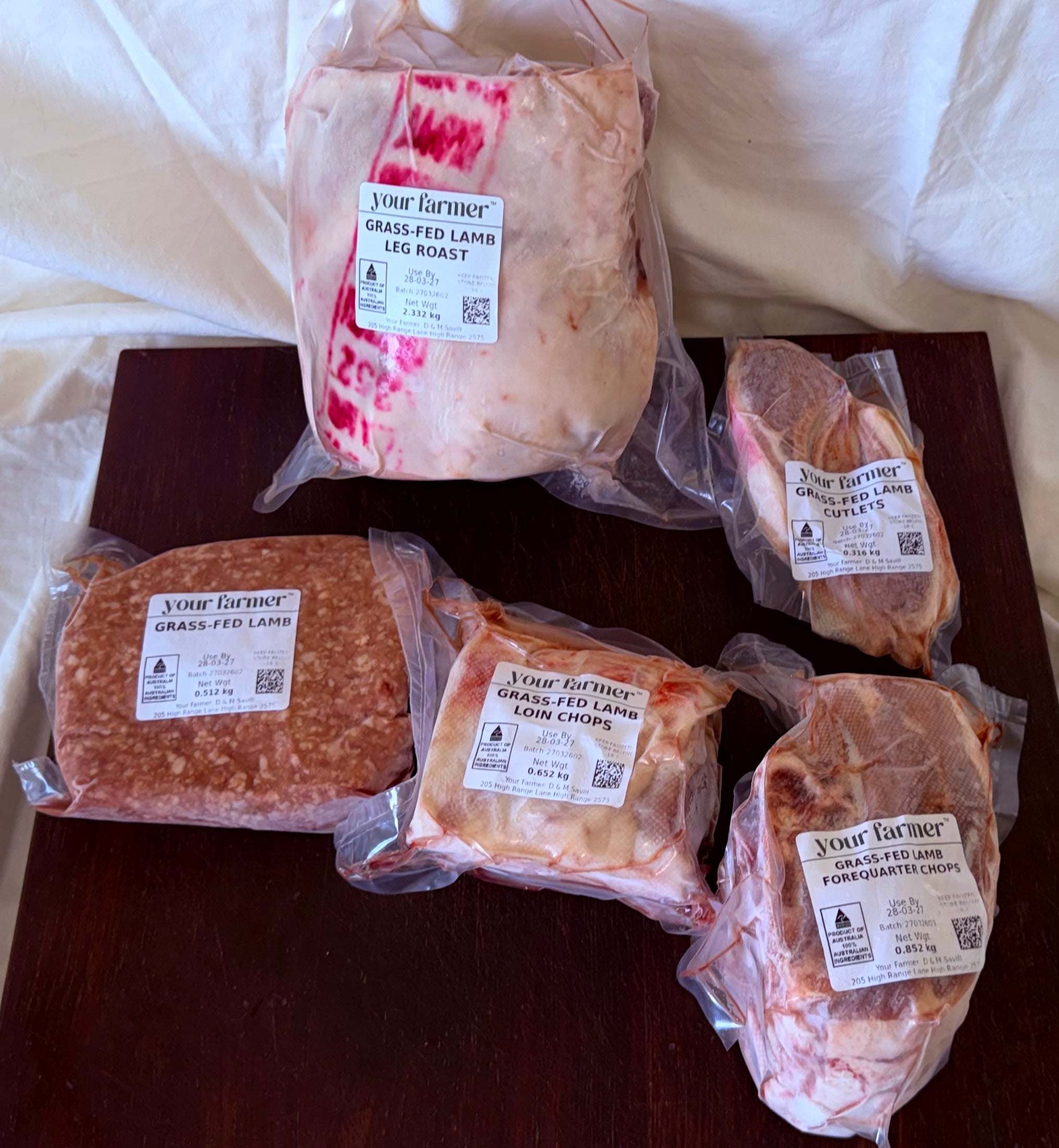
Unlike conventional supermarket purchases, a CSA meat box subscription, like Your Farmer's, creates a direct relationship between consumers and farmers who are actively regenerating the land. This connection is more than transactional—it's a partnership in restoring ecosystems, building soil health, and creating a more sustainable food system for future generations.
What is Regenerative Farming?
Regenerative agriculture goes beyond sustainability. While sustainable farming aims to "sustain" current conditions, regenerative agriculture actively improves and restores natural systems. In Australia, this approach focuses on several core principles:
-
Minimal soil disturbance: Reducing or eliminating tillage preserves soil structure, maintains vital biology, and protects nutrient pathways
-
Year-round living plant roots: Continuous ground cover through diverse pastures stabilises soil and promotes nutrient cycling
-
Crop and pasture diversity: Multiple plant species enhance resilience and support complex soil ecosystems
-
Integration of livestock: Planned rotational grazing mimics natural ecosystems, distributing manure and stimulating plant growth
-
Elimination of synthetic inputs: Phasing out chemical fertilizers and pesticides allows natural systems to function effectively
According to Regenerative Australian Farmers, since European settlement, Australian agricultural soils have experienced significant organic carbon losses, with the wheat belt losing over 60% of soil carbon from the top 10 cm. Current levels in rainfed farming systems typically range from 0.7% to 4%, and when soil organic carbon falls below 1%, soil health becomes compromised. Regenerative practices aim to reverse this degradation by rebuilding soil organic matter and biological activity.
The Financial Lifeline: How CSA Models Support Farmers
One of the most significant ways a meat box subscription supports regenerative farming is through the Community Supported Agriculture (CSA) model. This approach provides farmers with crucial financial stability that makes long-term ecological investments possible.
Financial Benefits for Farmers
|
Financial Benefit |
Impact on Regenerative Farming |
|
Upfront payments before growing season |
Covers early-season expenses like seeds, equipment, and infrastructure improvements |
|
Stable, predictable revenue |
Enables long-term planning for soil restoration projects and biodiversity initiatives |
|
Shared agricultural risks |
Reduces financial burden during challenging seasons, allowing focus on ecological practices |
|
Elimination of middlemen |
Farmers receive fair prices, retaining more revenue to invest in regenerative practices |
Research on CSA models shows that farmers participating in these programs can better invest in sustainable practices because they're not subject to fluctuating market prices or the pressure to maximise short-term yields at the expense of soil health.
Paddock to Plate: Transparency and Traceability
The concept of paddock to plate meat, such as Your Farmer's, represents complete transparency in the supply chain. Paddock-to-plate transparency means consumers can trace their meat back to the specific farm, understand the farming practices used, and verify sustainability claims.
Benefits of Supply Chain Transparency
-
Increased consumer trust: Knowing exactly where food comes from builds confidence in product quality and farming practices
-
Enhanced food safety: Rapid identification and response to any food safety concerns
-
Verified sustainability claims: Transparent systems reduce "greenwashing" by providing verifiable data about farming practices
-
Market access: Demonstrating that products are "safe, clean, and sustainable from paddock to plate" can support access to premium markets
For families in areas like the Hills District seeking quality meat for their tables, this transparency means understanding not just what you're eating, but how it was raised and the positive environmental impact of your purchase.
Environmental Benefits: Soil, Carbon, and Biodiversity
Soil Restoration and Carbon Sequestration
Regenerative grazing practices employed by farmers in meat box subscription programs have demonstrated significant soil carbon sequestration potential. Research in similar temperate regions shows conversion to rotational grazing can potentially increase soil carbon stocks by over 5% within ten years under favorable conditions.
The mechanisms behind this include:
-
Increased soil organic carbon (SOC): Rotational grazing enhances SOC accumulation, with well-managed systems in optimal conditions demonstrating the potential to sequester up to 3.6 tons of carbon per hectare annually, though actual rates vary significantly based on climate, precipitation, soil type, and management practices
-
Improved water retention: Enhanced soil structure leads to better water absorption, reducing runoff and improving drought resilience
-
Enhanced microbial activity: Organic inputs and minimal disturbance foster thriving soil microbiomes crucial for nutrient cycling
-
Climate change mitigation: Healthy soils act as carbon sinks, capturing atmospheric CO2 and storing it long-term
Biodiversity Improvements
Integration of livestock through managed grazing significantly enhances biodiversity both above and below ground. Farmers practicing regenerative agriculture report:
-
Return of native grasses and diverse plant species
-
Increased populations of beneficial insects, pollinators, and birds
-
Healthier soil ecosystems with diverse microbial communities
-
Enhanced wildlife habitat and ecological corridors
This biodiversity creates resilient farm ecosystems that naturally manage pests, support pollination, and maintain productive pastures without synthetic inputs.
Sustainable Meat Delivery: Reducing Carbon Footprint
The Australian red meat industry has made significant progress in reducing emissions and advancing sustainability. Since 2005, the industry has reduced net emissions by 70.2% through improved productivity and vegetation management.
Sustainable meat delivery practices include:
-
Optimised delivery routes: Subscription services consolidate deliveries, reducing transportation emissions compared to individual shopping trips
-
Eco-friendly packaging: Sustainable packaging solutions like bioplastics, recycled materials, and compostable options minimise environmental impact
-
Advanced preservation technology: Vacuum blast-freeze processes extend product life, reducing food waste and delivery frequency
-
Carbon offset programs: Many providers invest in renewable energy and carbon offset projects to reduce carbon emissions.
For residents of Dee Why and surrounding coastal areas, choosing a sustainable meat delivery service means supporting climate action while receiving premium-quality meat at your door.
Health Benefits: Nutrient-Dense Grass-Fed Meat
Regenerative farming practices produce meat with superior nutritional profiles. Research on grass-fed beef shows significant health advantages:
|
Nutritional Component |
Grass-Fed vs. Grain-Fed Comparison |
|
Omega-3 fatty acids |
2-5 times higher in grass-fed beef |
|
Omega-6 to Omega-3 ratio |
Below 3:1 (grass-fed) vs. 8-20:1 typical grain-fed (35-55:1 in extreme cases with certain grain by-products) |
|
Conjugated Linoleic Acid (CLA) |
2-4 times higher in grass-fed beef |
|
Vitamin E precursors |
3 times higher in grass-fed beef |
|
Antioxidants (glutathione, SOD) |
Significantly elevated in grass-fed beef |
Grass-fed beef from regenerative farms also contains higher concentrations of phytochemicals like polyphenols and carotenoids, which contribute to anti-inflammatory effects and support beneficial gut bacteria.
Your Farmer's Regenerative Approach
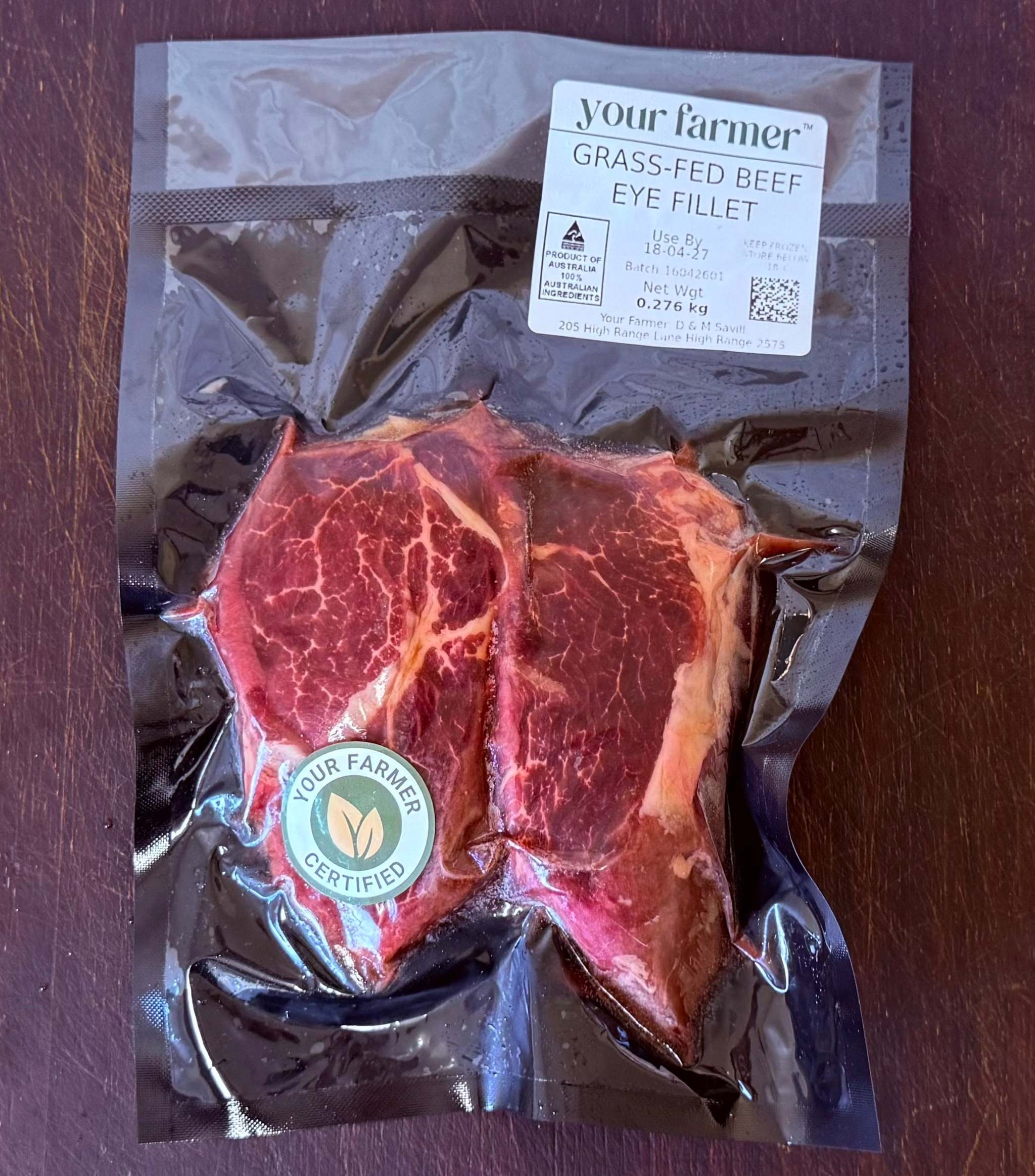
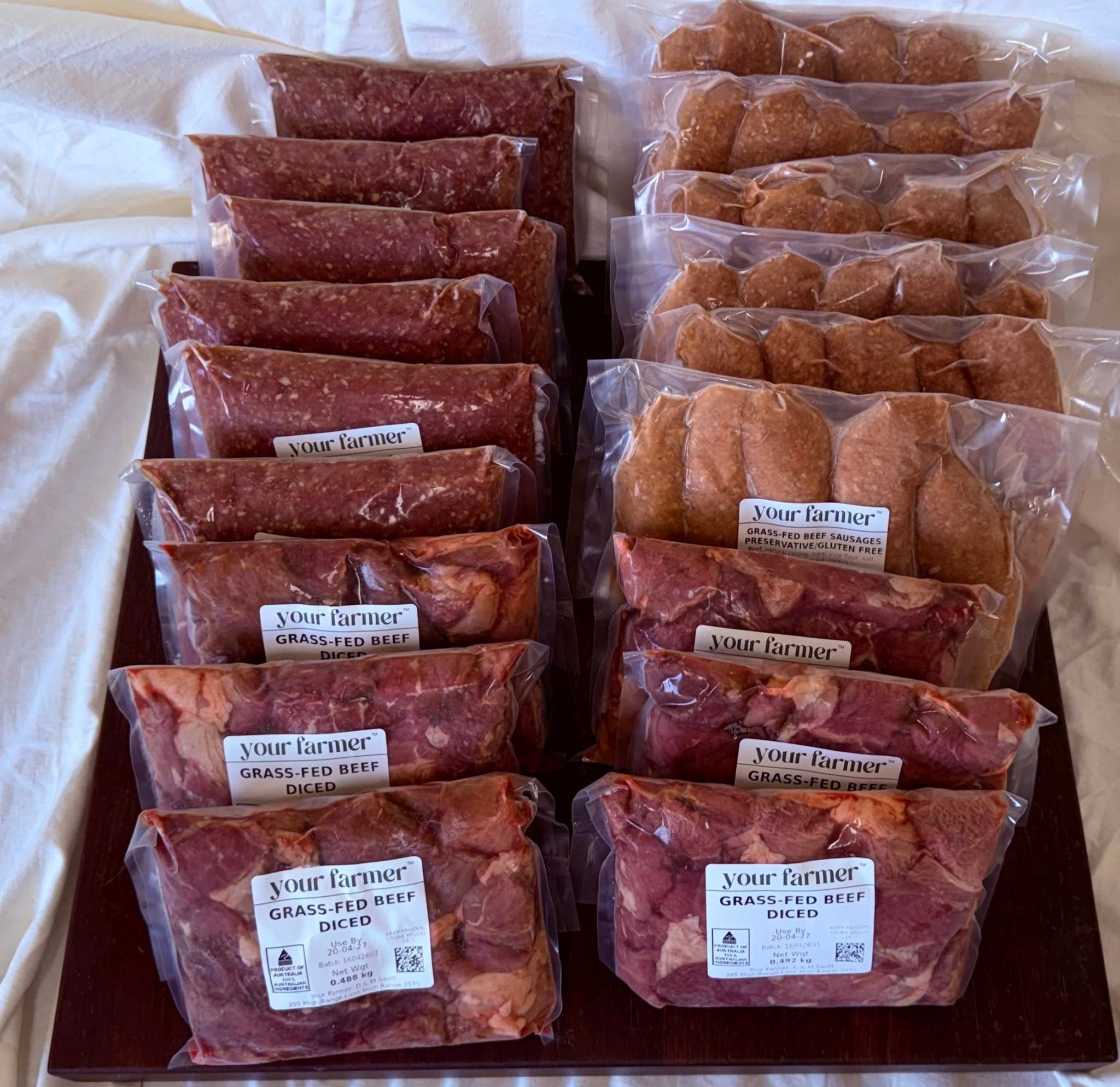
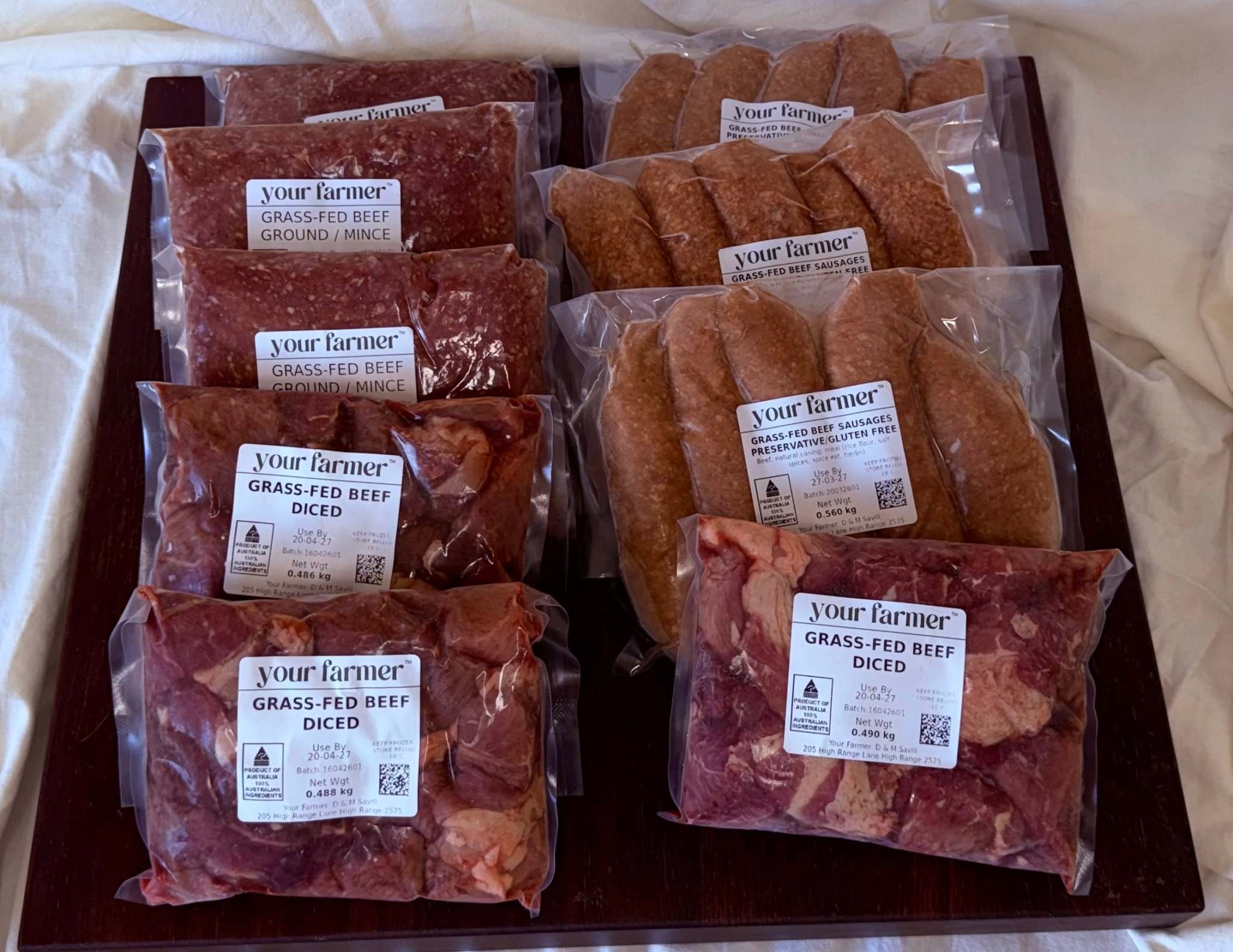
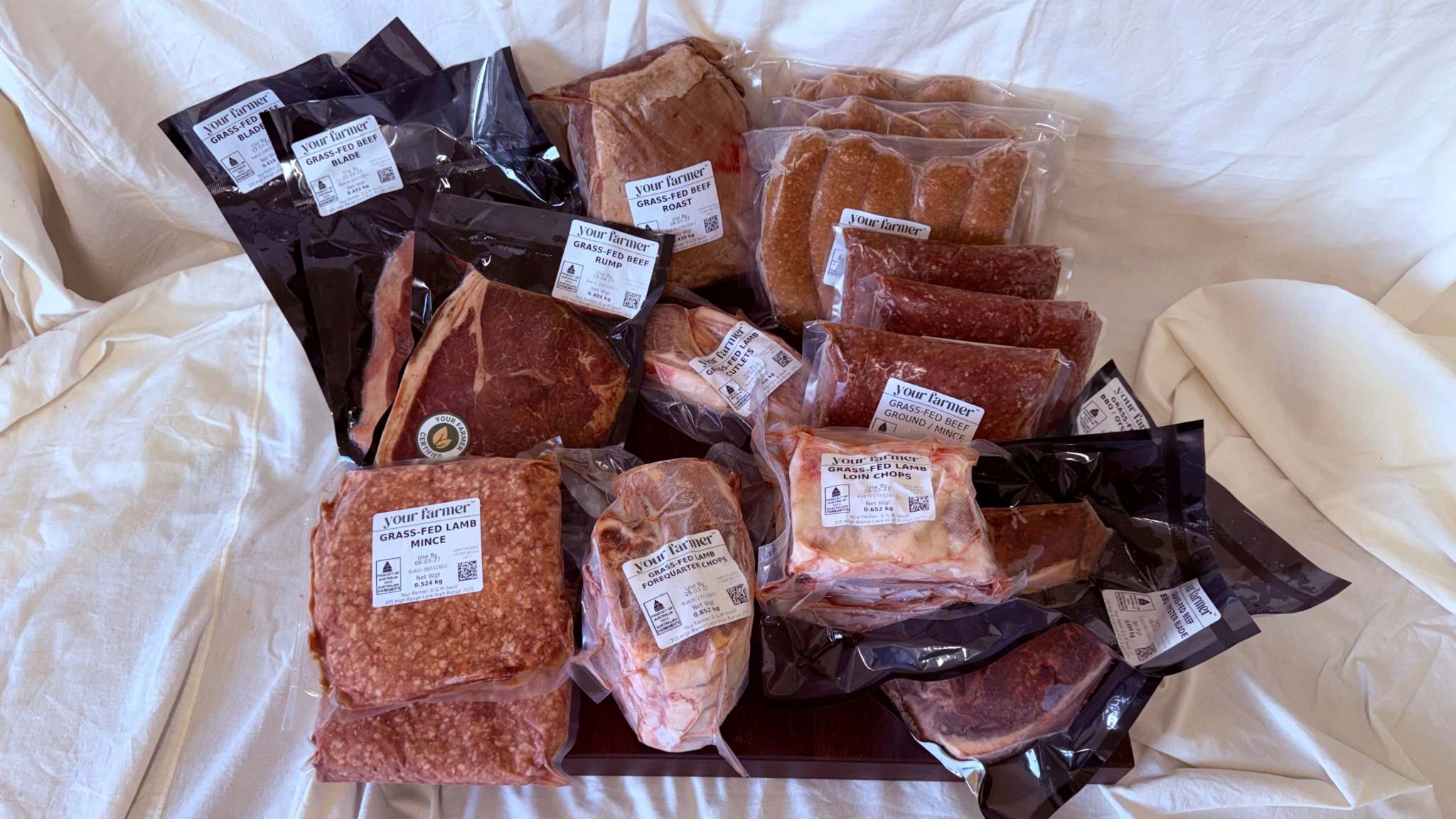
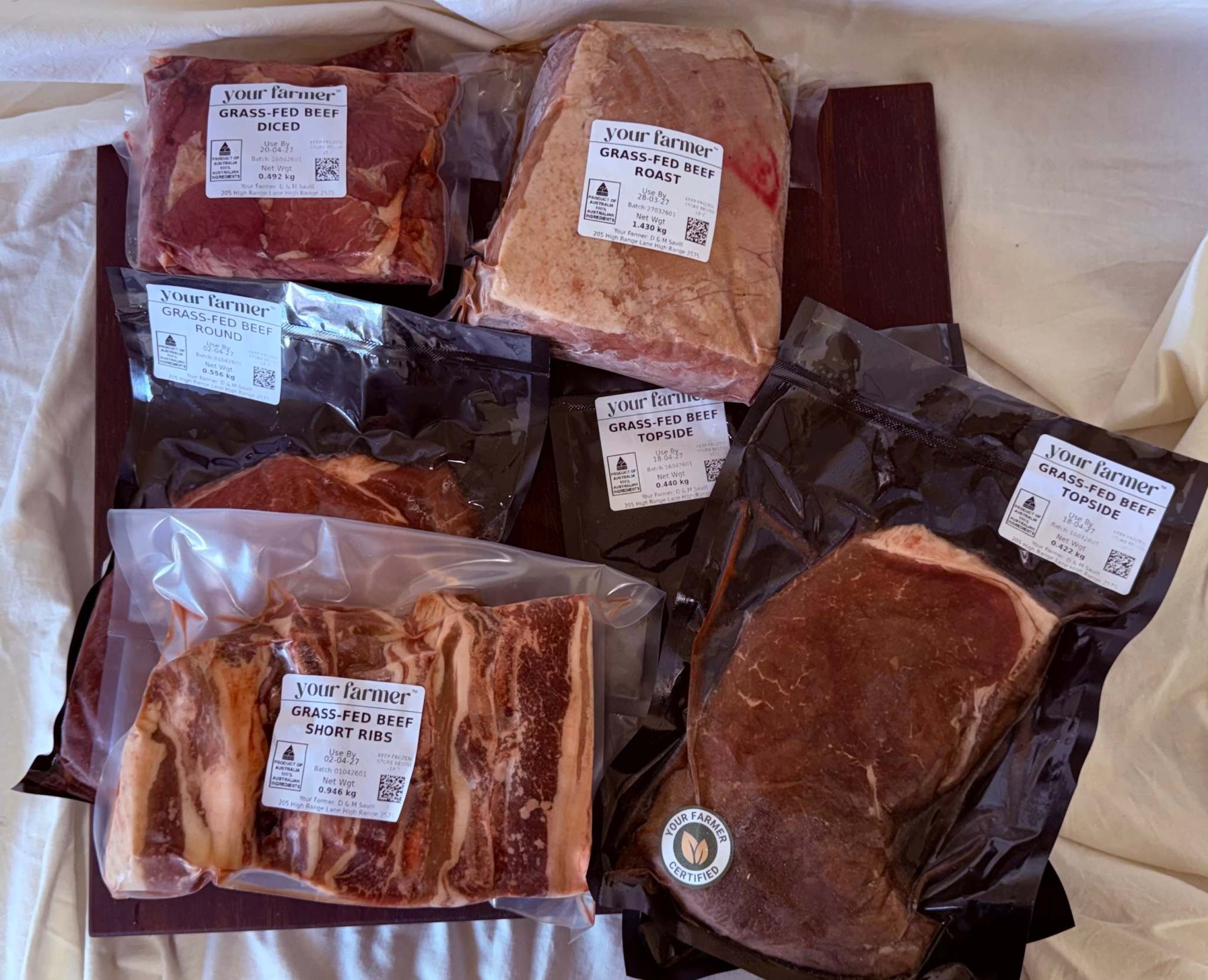
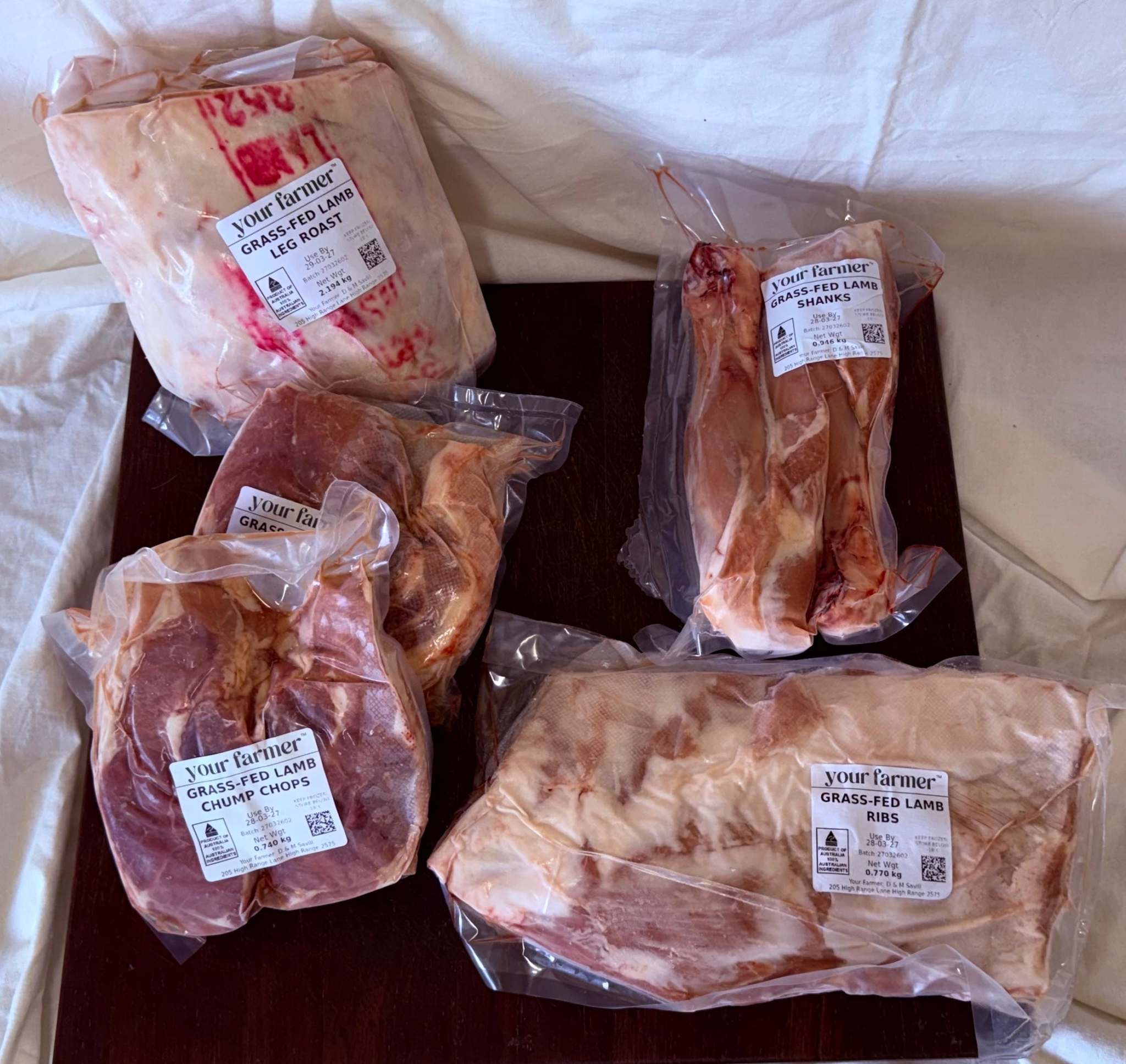
Pioneering "Paddock-to-Plate" in Australia have demonstrated how meat box subscriptions can successfully support regenerative agriculture. These programs connect families in Sydney's northern suburbs—from Kellyville to Dural—with certified ecological farmers committed to soil health and biodiversity.
Key elements of Your Farmer's regenerative meat farming approach:
-
Certified ecological farming: Standards that go beyond organic to focus on soil biology and ecosystem health
-
100% grass-fed and finished: Cattle raised on diverse pastures without feedlot finishing
-
Rotational grazing: Mimicking natural grazing patterns to stimulate plant growth and soil regeneration
-
No synthetic inputs: Hormone-free, antibiotic-free meat from animals raised naturally
-
Direct farmer relationships: Transparency about farming practices and direct communication with producers
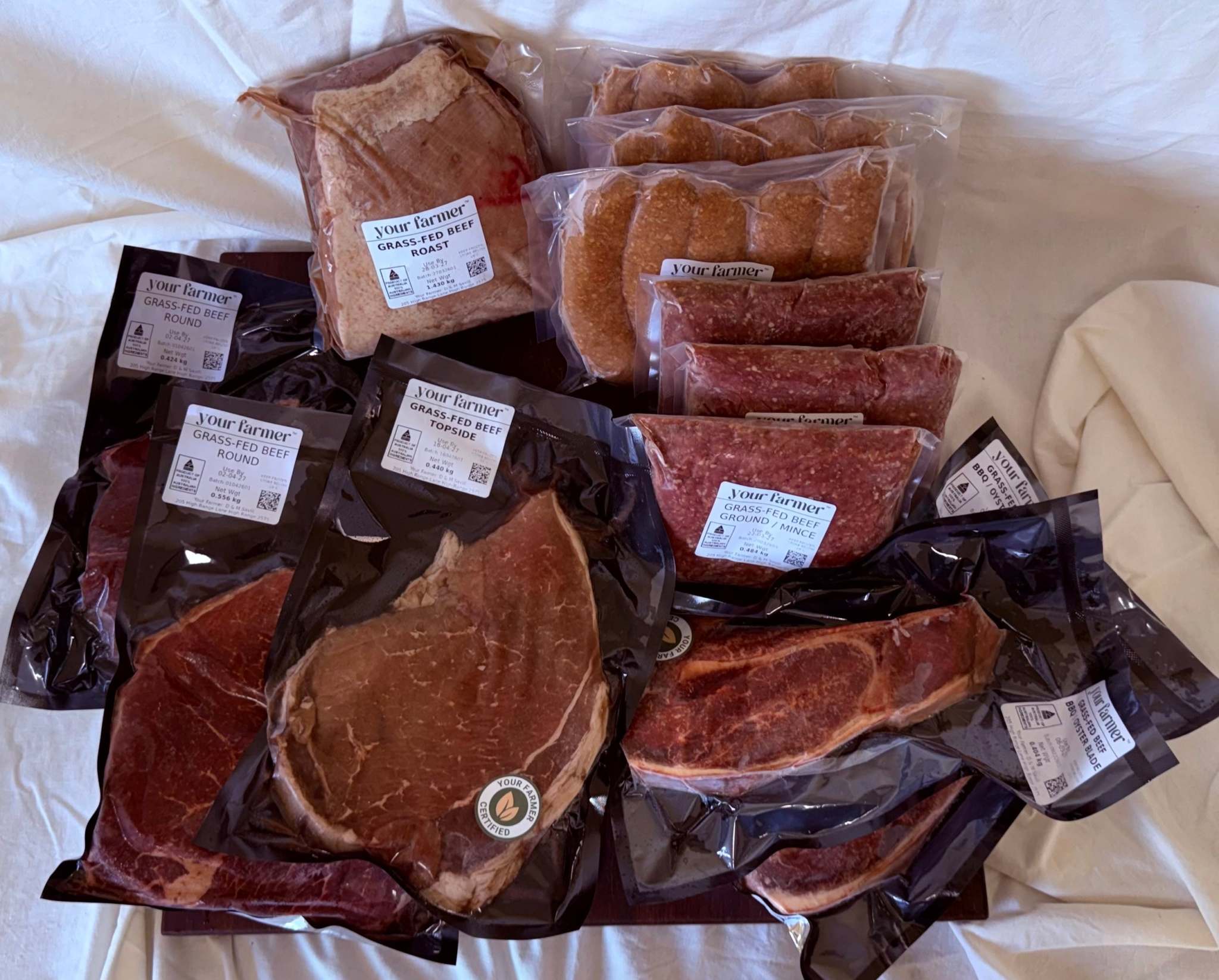
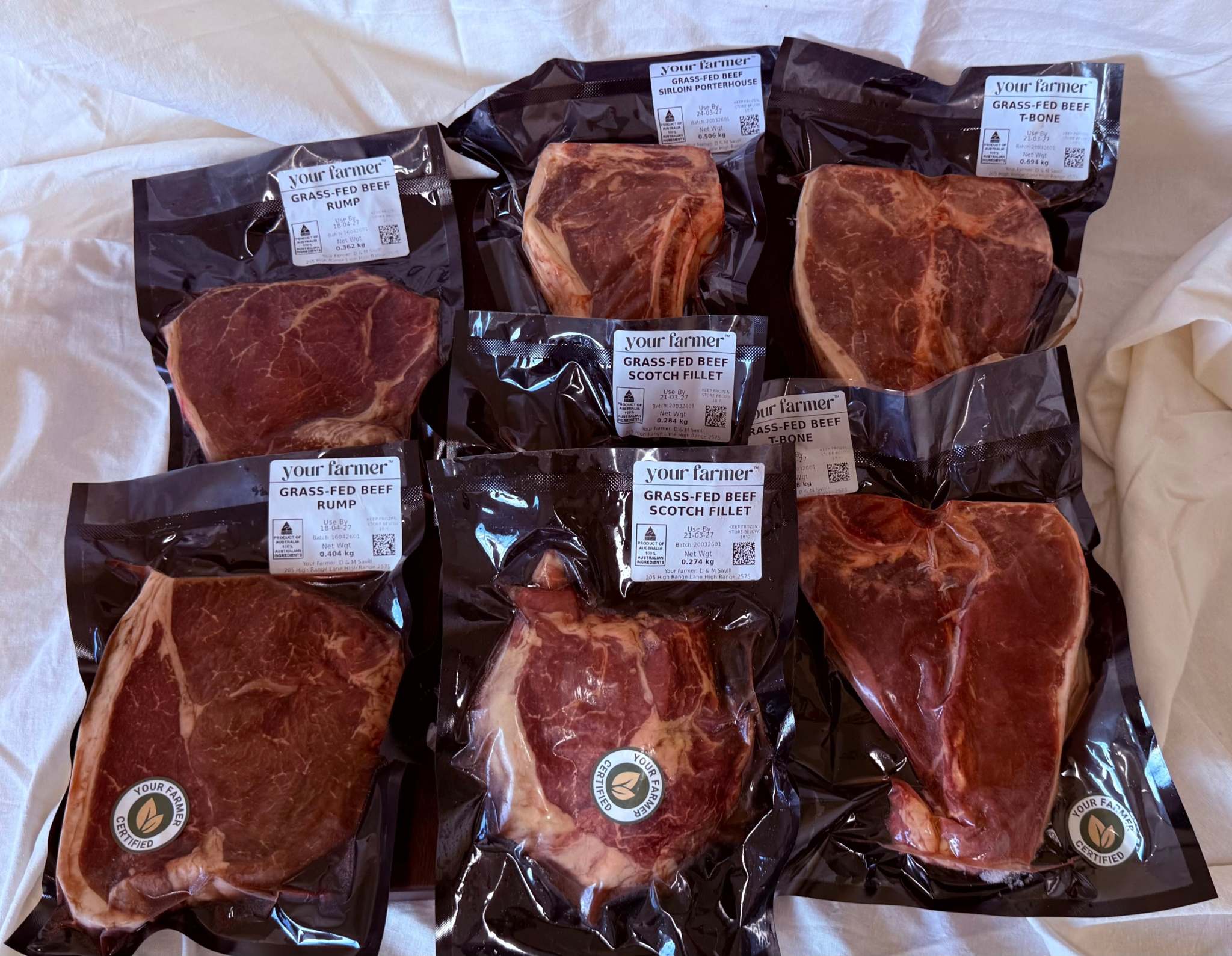
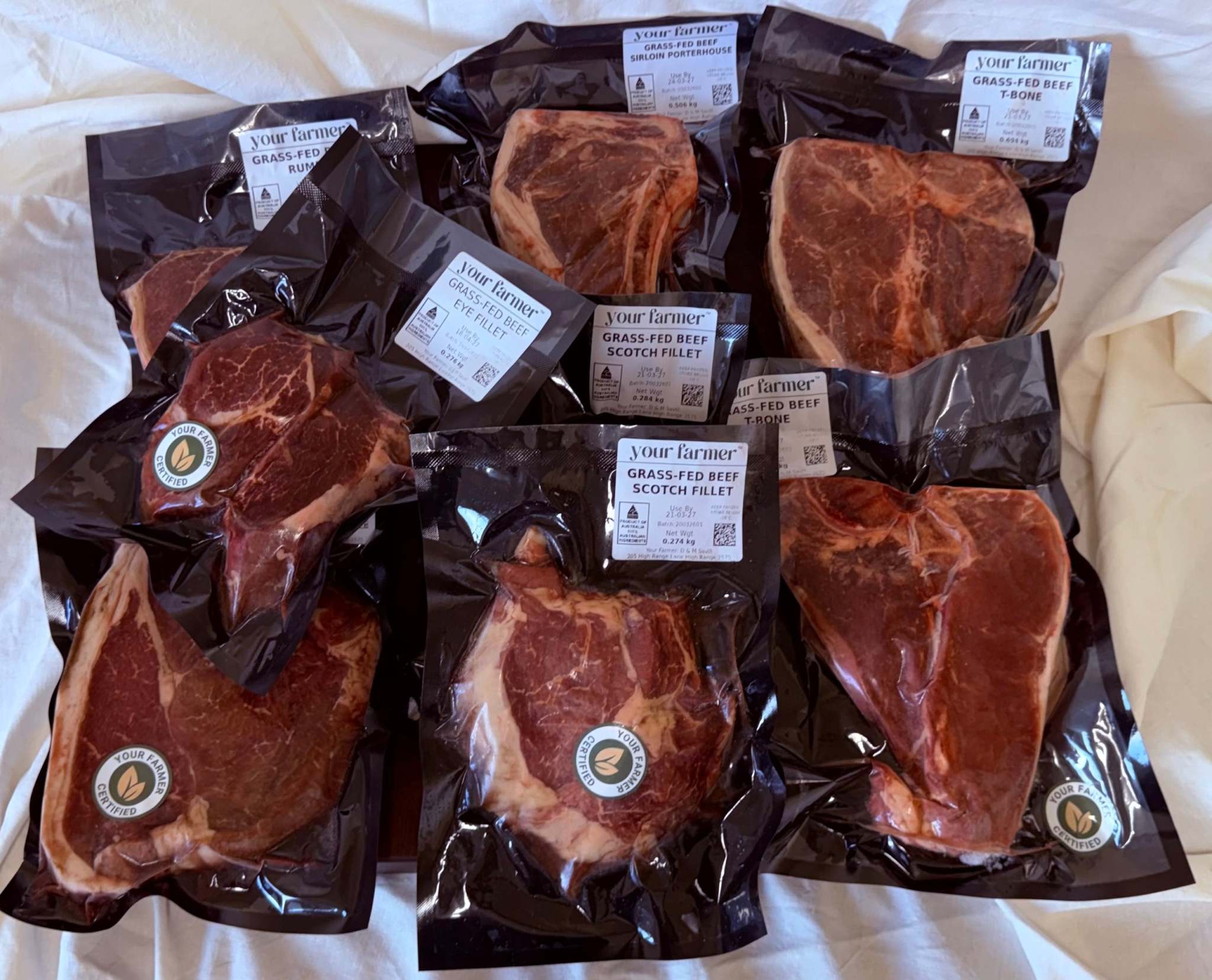
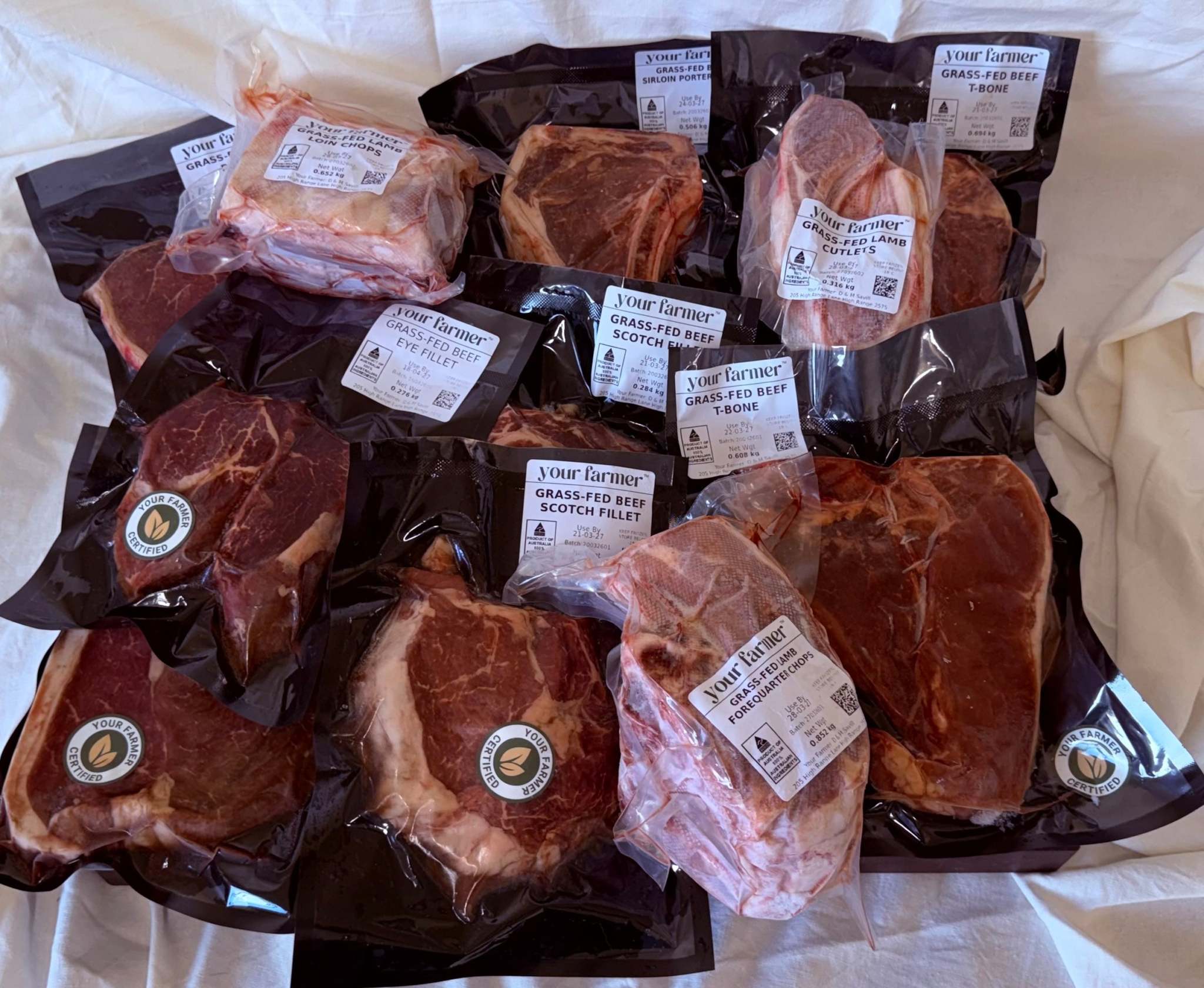
These programs offer various subscription sizes—from 5kg monthly boxes ideal for couples to 20kg boxes perfect for large families—ensuring accessibility for different household sizes and budgets.
Making the Connection: Your Role in Regenerative Agriculture
When you subscribe to a meat box from regenerative farmers, you become part of a movement transforming Australian agriculture. Your subscription:
-
Provides farmers with the financial security to invest in soil restoration and ecological practices
-
Supports biodiversity by enabling habitat creation and species protection
-
Contributes to climate change mitigation through carbon sequestration
-
Reduces your carbon footprint through optimised sustainable meat delivery
-
Ensures your family receives nutrient-dense, chemical-free meat
-
Builds transparent supply chains that hold producers accountable
The paddock to plate meat model represents more than a purchasing decision—it's an investment in the future of Australian farming, environmental health, and food security.

Share:
How Are NSW Grass-Fed Cattle Really Raised? A Transparent Look at Paddock to Plate Meat Production
What Makes a Lamb Box Delivery Different from Buying Bulk at Local Butchers?