


Quick Answer: Lamb box delivery through Community Supported Agriculture offers direct farmer relationships, consistent ecological practices, advanced preservation technology, and home convenience—advantages that differentiate it from traditional bulk butcher purchases which prioritise custom cuts and immediate selection.
Australian consumers are experiencing a fundamental shift in how they source their meat. While traditional visits to local butchers have long been the standard for quality-conscious households, a new model is gaining momentum: lamb box delivery through Community Supported Agriculture (CSA). This transformation is driven by growing demands for transparency, with research showing that only 20% of Australians trust supermarket meat labeling and just 14% know exactly where their meat comes from. For families in areas like Dee Why, Kellyville, Dural, and the Hills District, this represents a fundamental choice: continue with conventional purchasing methods or embrace a direct-from-farm partnership model.
The question isn't simply about convenience versus tradition—it's about understanding two fundamentally different approaches to meat procurement, each with distinct advantages for modern consumers seeking quality grass fed lamb delivery.
The CSA model creates a direct and mutually beneficial relationship between food producers and consumers. Originating from Japanese "Teikei" principles of mutual assistance and partnership, this approach is increasingly applied to meat delivery in Australia, offering an ethical and transparent alternative to conventional supply chains.
In a meat CSA, consumers typically subscribe to a farm for a set period and receive a regular "share" of the farm's output, typically in monthly or bi-monthly boxes containing a variety of meat cuts. For example, Your Farmer offers shares measured in kilograms per month or every 2 months, which can include a mix of beef and lamb.
Your Farmer, pioneering this model since 2011, structures their grass fed beef and lamb box delivery service around three tiers designed for different household sizes:
|
Share Size |
Weight |
Per kilo |
Ideal For |
Subscriber saving |
|
Half Share |
4.5 to 5 kg monthly |
Same at every size |
1-2 people |
10% off every box |
|
Full Share |
9 to 10 kg monthly |
Same at every size |
3-4 people |
10% off every box |
|
Double Share |
18 to 20 kg monthly |
Same at every size |
5+ people |
10% off every box |
Current prices are on the share pages. Every size works out the same per kilo, and subscribers save 10% on every box.
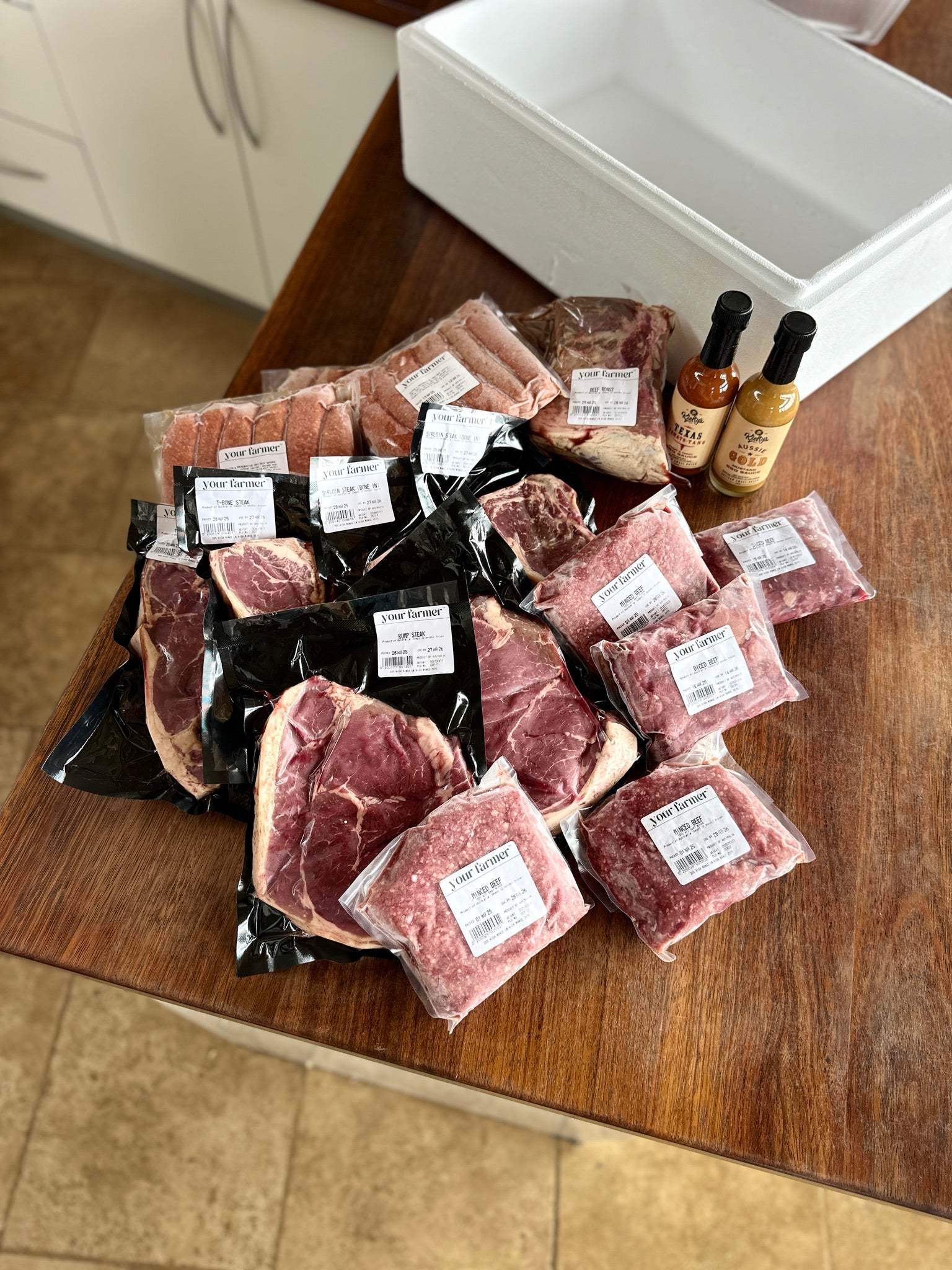
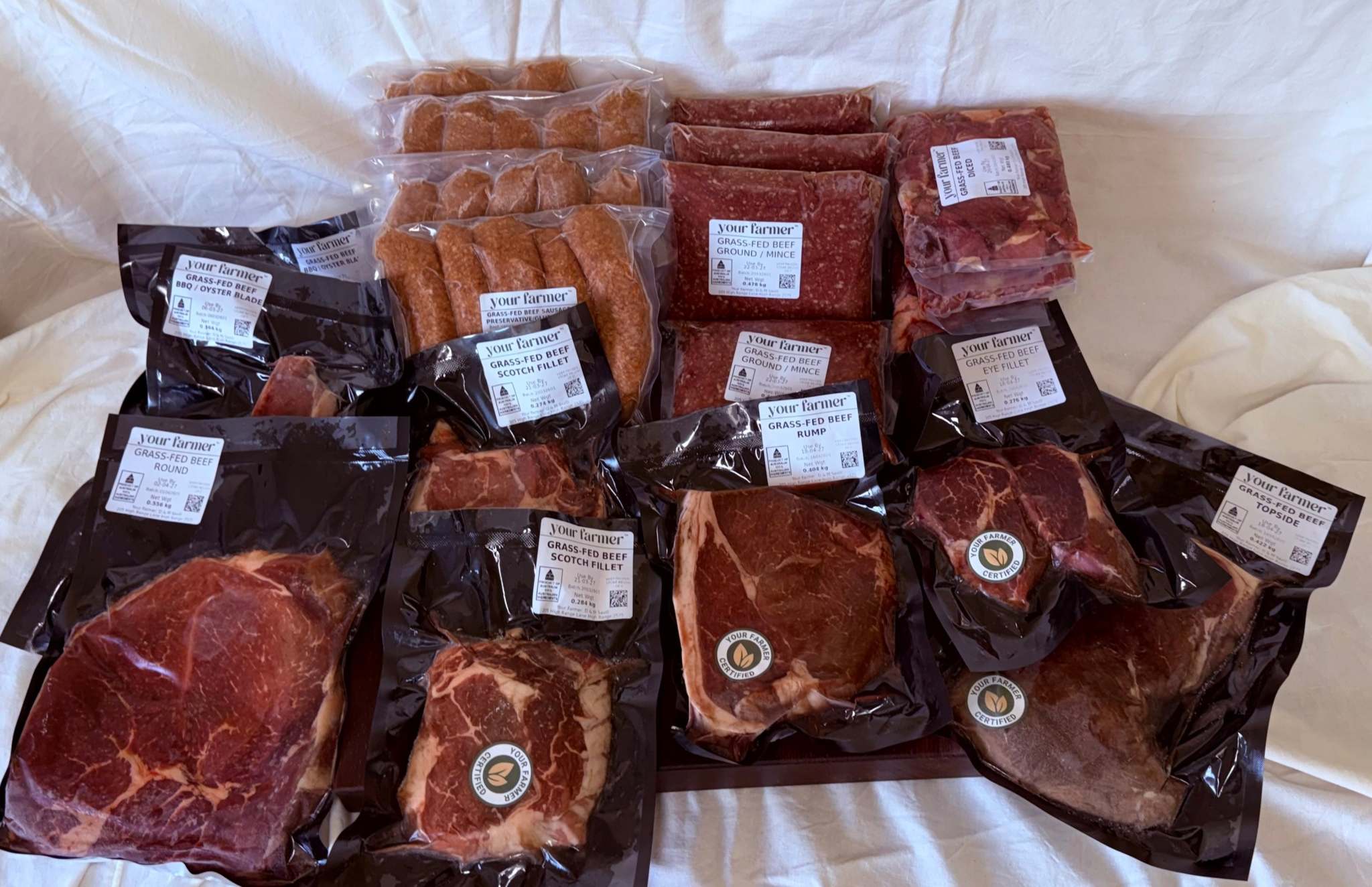
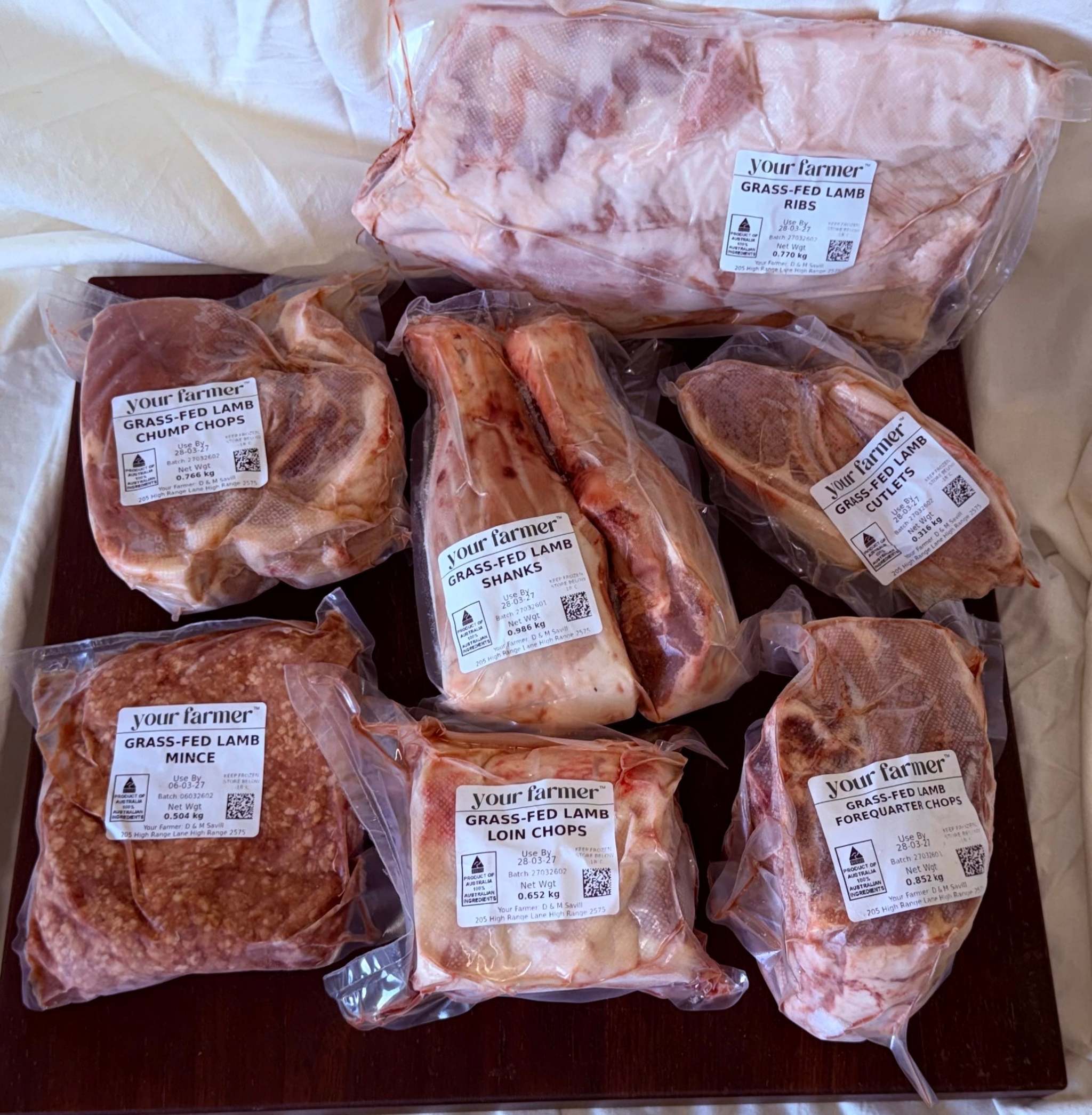
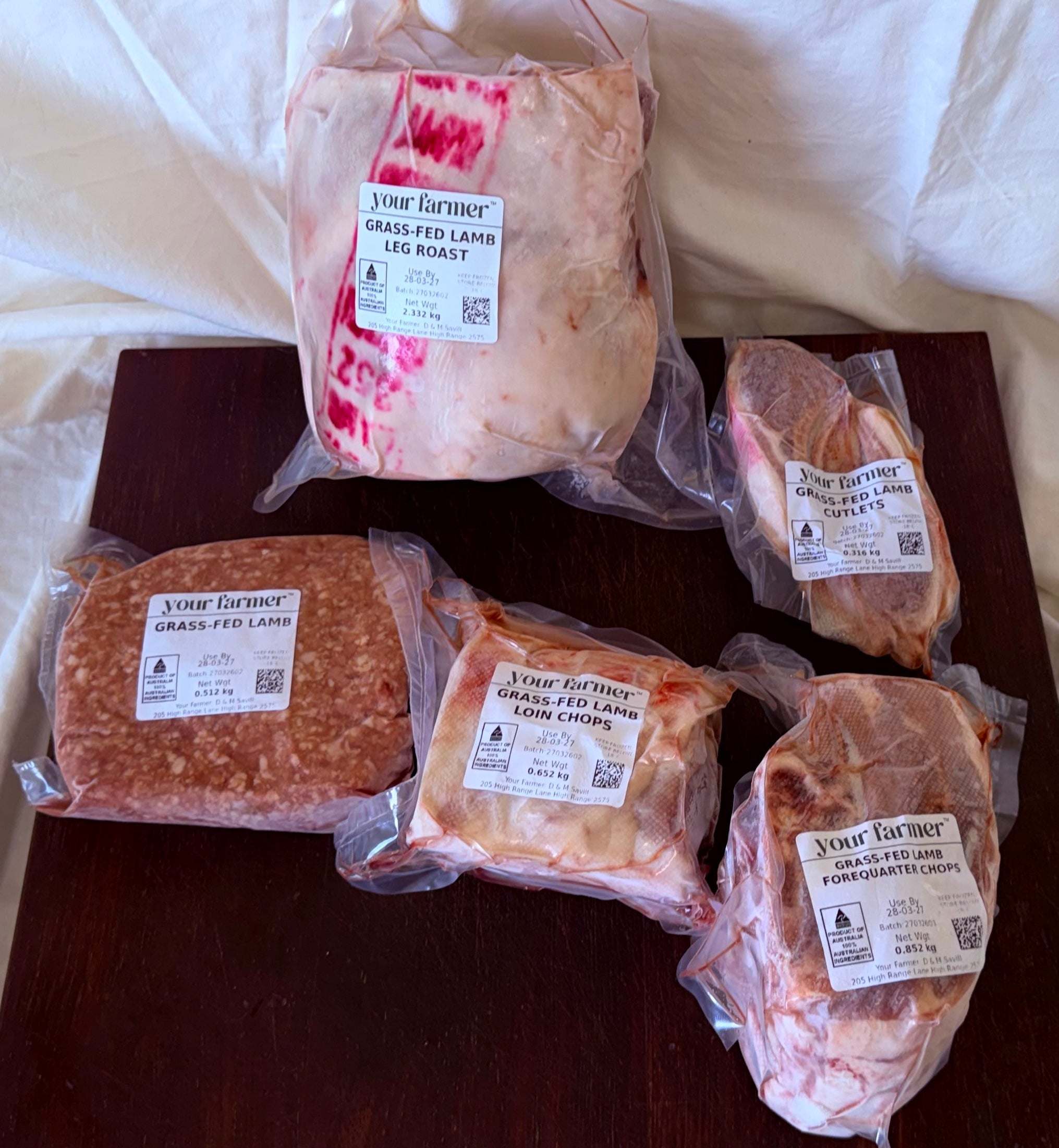
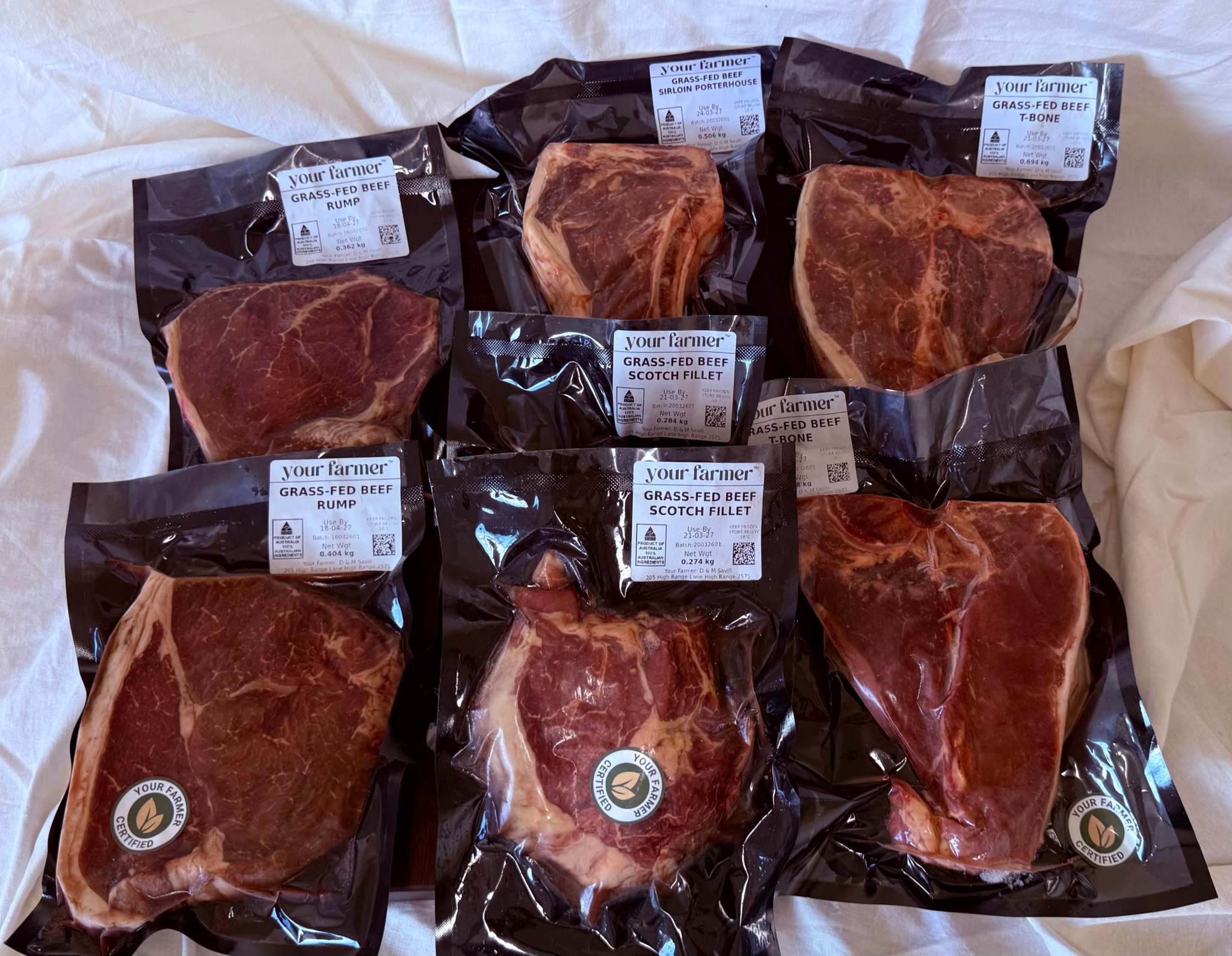
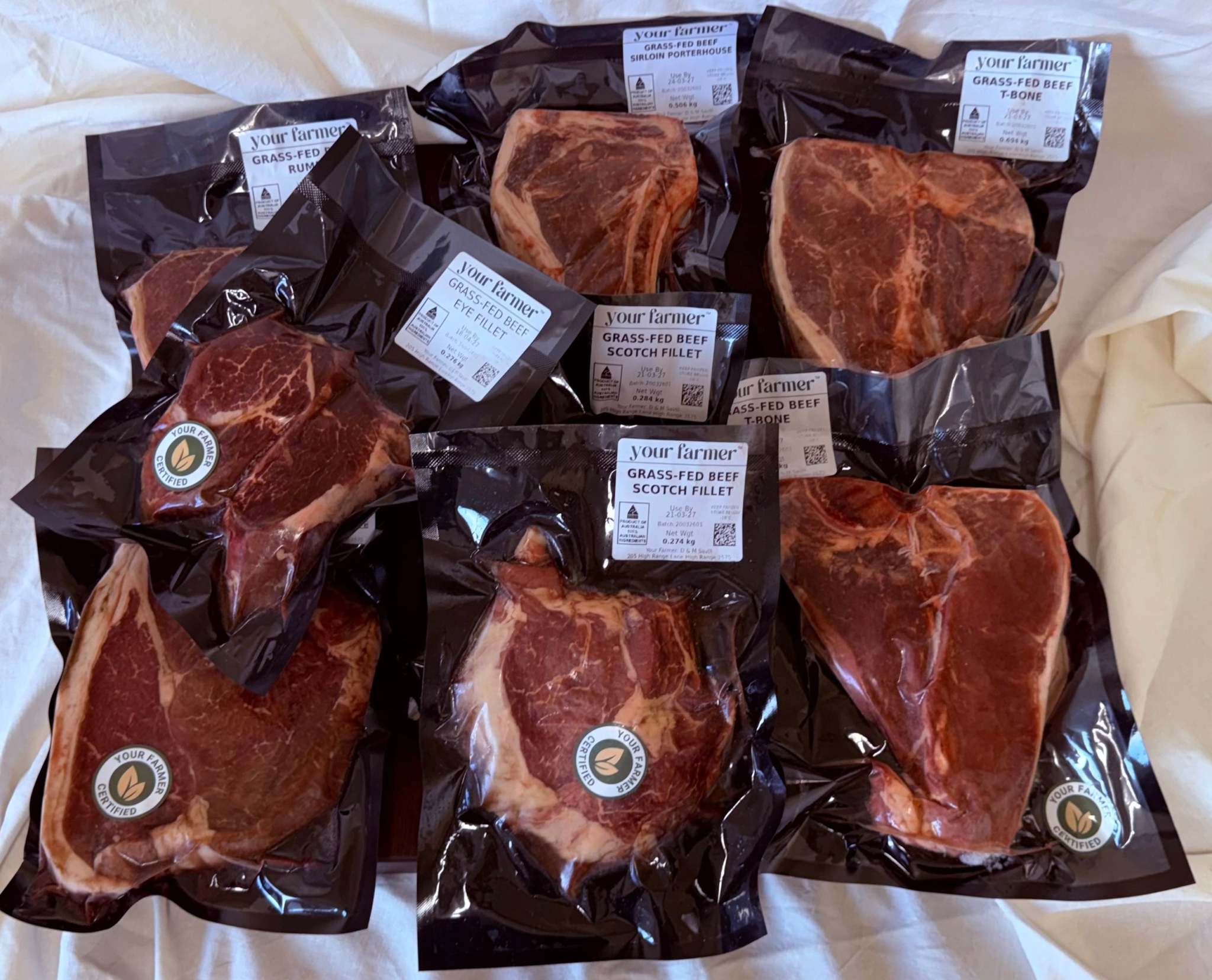
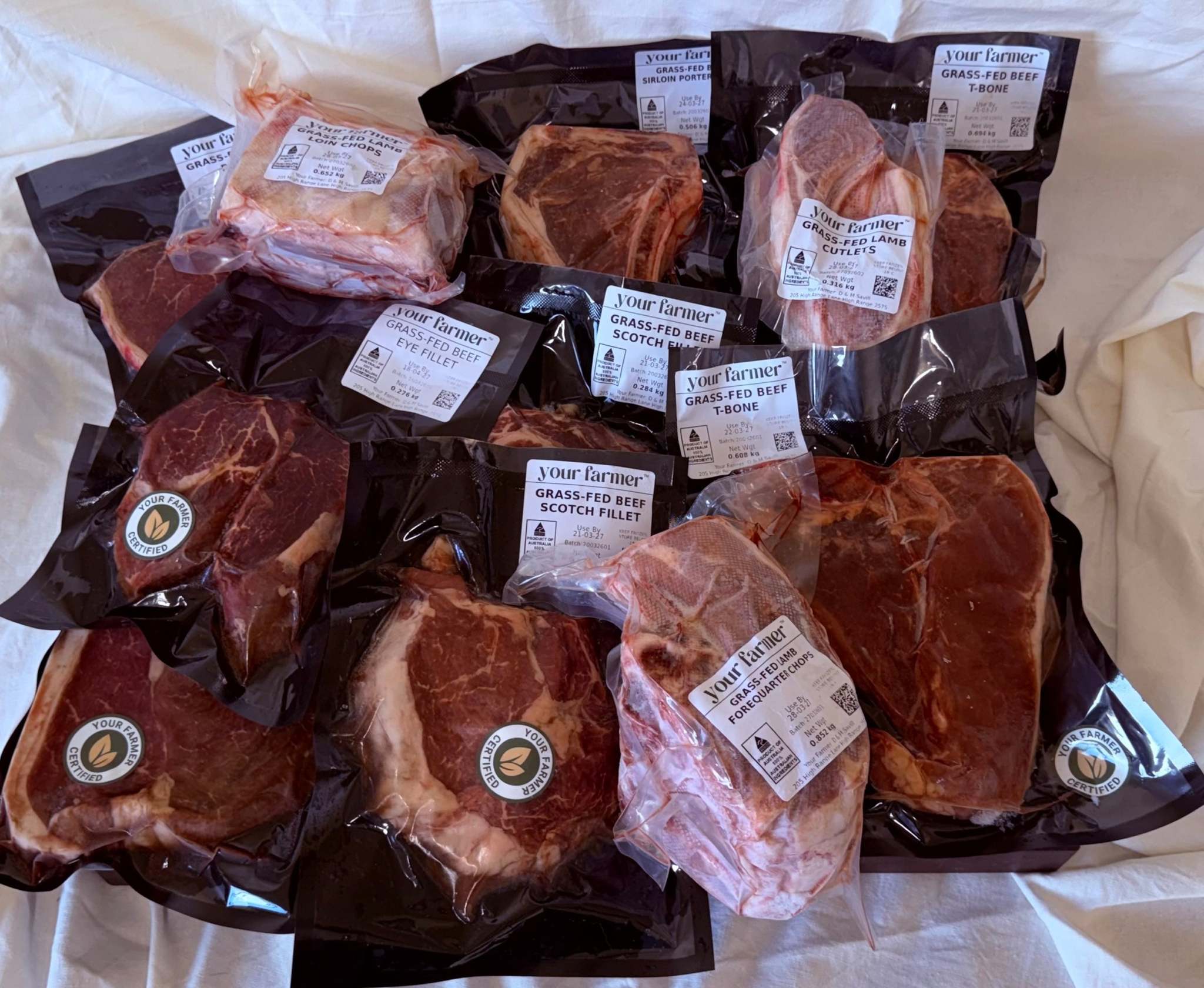
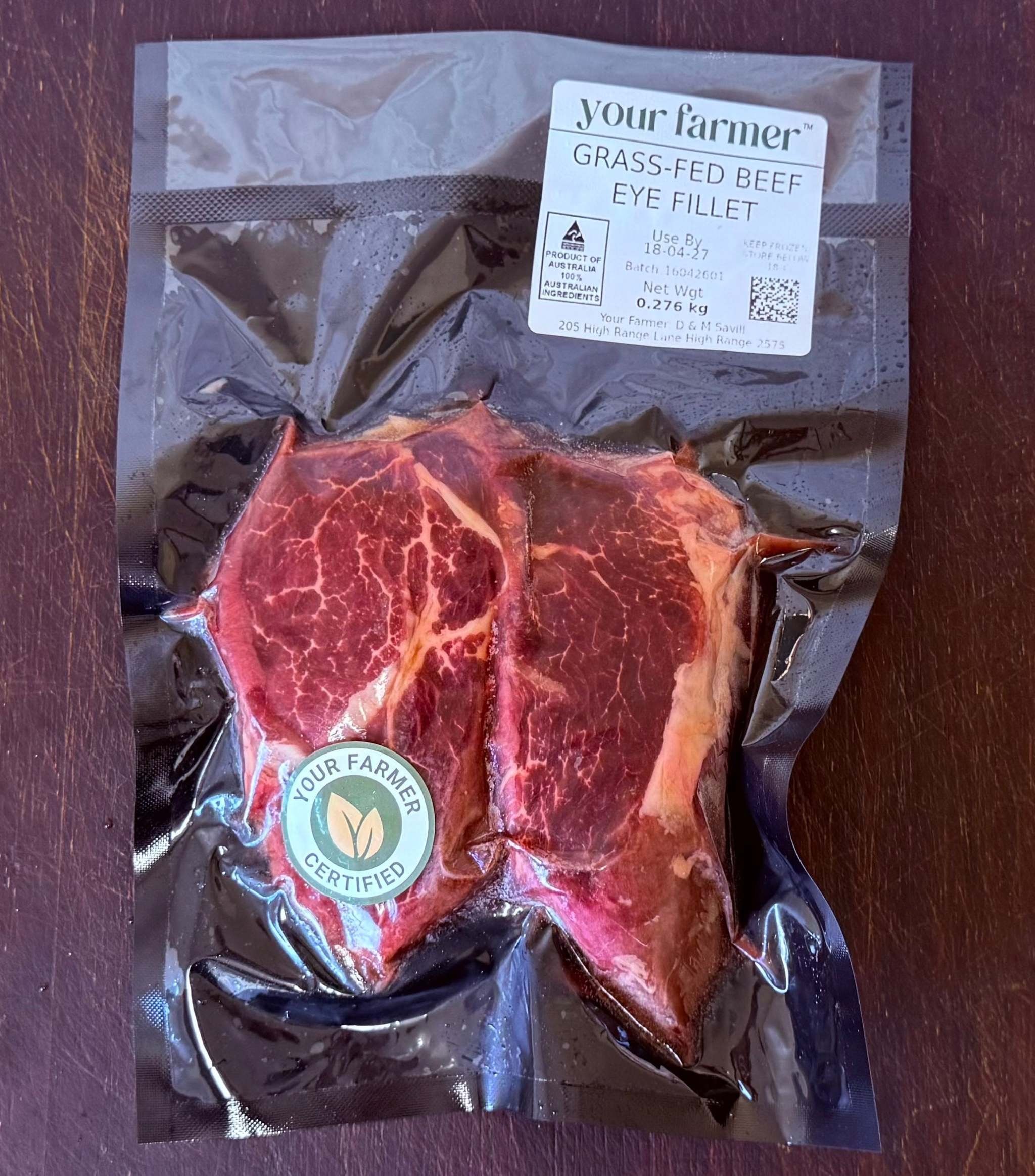
Each box includes a curated selection of premium lamb cuts—chops, roasts, slow cooker cuts, mince, and grass-fed sausages—alongside beef products, with free delivery on orders over $250 to areas including Dee Why, Kellyville, Dural, and throughout the Hills District.
The CSA model delivers distinct advantages that differentiate it from traditional purchasing:
Direct Connection: Consumers gain a clear understanding of where their food comes from, how animals are raised, and can often communicate directly with or visit the farmers.
Access to Ethical Products: CSA farms prioritise organic, pasture-fed, and regenerative farming practices, providing meat free from added hormones and antibiotics.
Quality and Variety: Members receive diverse cuts encouraging whole-animal utilization, including premium steaks, roasts, mince, and sausages.
Convenience: Scheduled deliveries to home simplify sourcing high-quality meat.
For farmers, the model provides crucial benefits: upfront subscription payments provide predictable income and working capital, mitigating inherent agricultural risks like weather events. This financial stability allows farmers to focus on quality over quantity.
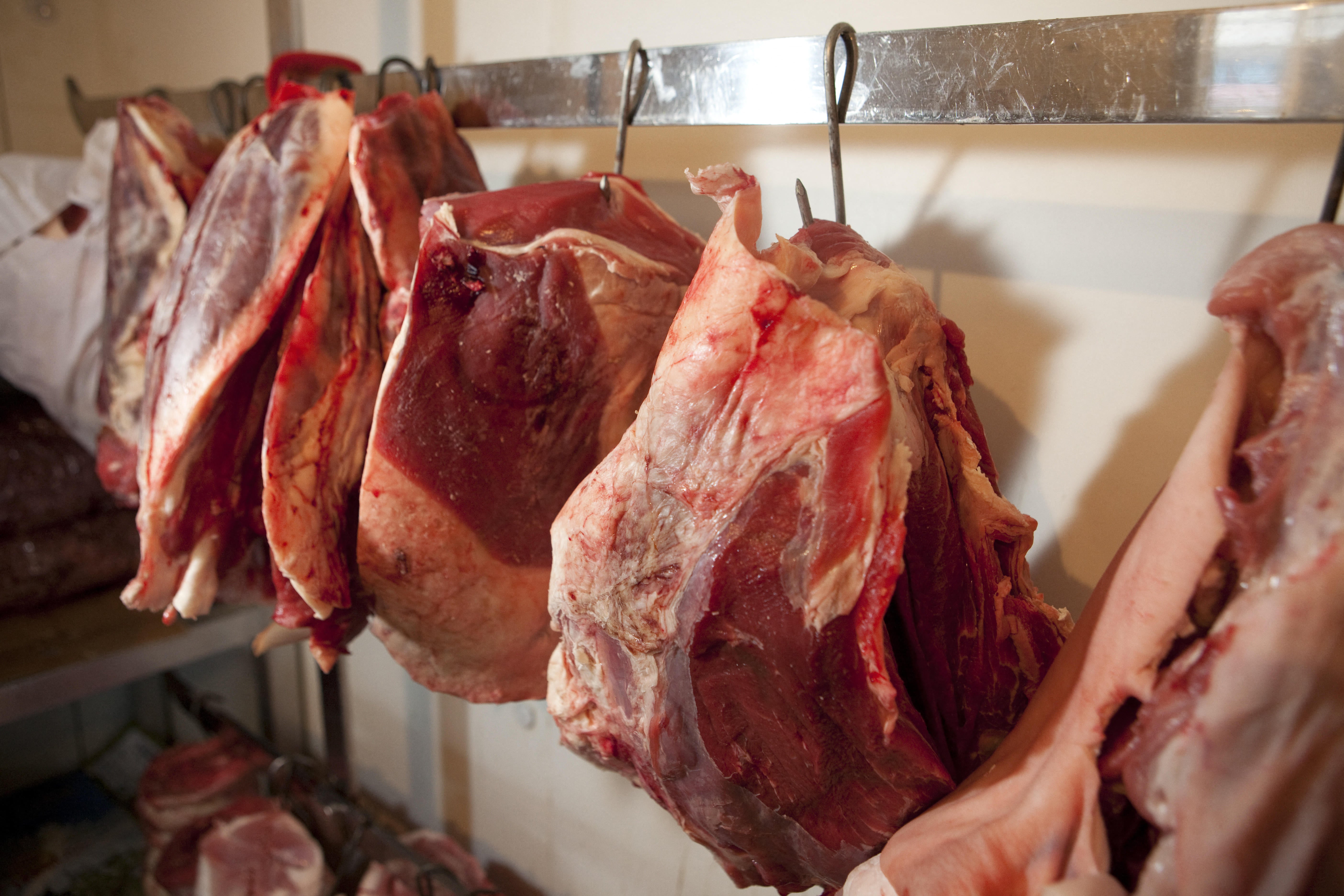
Purchasing bulk lamb directly from a local butcher represents the conventional approach to sourcing quality meat. This method offers its own set of distinct advantages that appeal to specific consumer needs.
Personalised Service and Advice: A skilled local butcher acts as a curator, building relationships with trusted farmers and selecting high-quality meat. Their business reputation depends on consistently delivering quality products.
Custom Cuts and Specifications: Butchers provide custom butchering services, advice on selecting the right cut for specific recipes, and preparation tips unavailable in pre-packaged models.
In-Person Selection: Customers can physically inspect meat before buying, which is important for those who value assessing quality firsthand.
Immediate Availability: No waiting for delivery—meat can be purchased and taken home the same day.
While butchers offer in-person advice and customisation, this model has inherent constraints:
Variable Sourcing Transparency: Unless specifically asked, the origin and farming practices of the lamb may not be transparent. However, quality butchers who prioritise traceability can provide excellent sourcing information through Australia's National Livestock Identification System (NLIS) and direct farmer relationships.
Time Investment: Purchasing requires travel, shopping time, and coordination.
Inconsistent Availability: Specific cuts may not always be in stock.
Upfront Costs: Bulk purchases require large upfront payments and substantial freezer capacity.
Whether sourced through CSA or butchers, the farming practices behind the lamb fundamentally determine its quality. Understanding the difference between grass-fed and grain-fed lamb is essential for informed purchasing decisions.
The diet of a lamb significantly influences its nutritional profile. Grass-finished lamb—raised exclusively on pasture its entire life—offers distinct advantages over grain-fed counterparts:
Omega-3 Fatty Acids: Grass-fed lamb contains two to four times more omega-3 fatty acids, crucial for heart and brain health.
Conjugated Linoleic Acid (CLA): It is one of the richest natural sources of CLA, linked to anti-cancer and anti-diabetes properties, with levels 300-500% higher than in grain-fed animals.
Leaner Composition: Studies show approximately 14% less total fat and 8% more protein than grain-fed lamb, resulting in lower calories per serving.
Vitamins and Antioxidants: Meat from grass-fed meat is richer in vitamin E, and beta-carotene (a precursor to Vitamin A) and selenium. The yellowish tint often seen in grass-fed meat fat is an indicator of high beta-carotene content.
Cancer-Fighting Compounds: Higher levels of antioxidants like glutathione (GT) and superoxide dismutase (SOD).
Your Farmer's commitment to 100% grass-fed, hormone-free, and antibiotic-free lamb ensures customers in Dee Why, Kellyville, Dural, and the Hills District receive these nutritional advantages in every delivery.
The consistency of meat quality varies significantly depending on the source, with direct-from-farm and specialised butcher options providing more reliable and traceable products than mass-market alternatives.
Purchasing a lamb box directly from a farm offers unparalleled traceability, with meat often coming from a single animal or small, consistently managed flock. This ensures uniformity in how animals were raised, fed, and handled. Your Farmer's ecological certification process guarantees that every lamb is raised on biologically active soil with diverse microbial life, resulting in consistent nutrient density.
The company employs an advanced preservation technology described as ProCryo™, a vacuum blast-freeze process that seals meat within hours of packing to lock in natural juices, flavour, and nutrients. By freezing rapidly and minimising ice crystal formation, ProCryo™ helps preserve the meat's original texture and freshness without the need for artificial preservatives.
A skilled local butcher acts as a curator, building relationships with trusted farmers and selecting high-quality meat. Their business reputation depends on consistently delivering superior products. Butchers offer the advantage of custom cuts and in-person advice on cooking.
Australian supermarket meat operates within strict food-safety regulations, but it is produced and distributed at a large industrial scale designed for convenience, volume and price consistency. Meat is typically processed centrally, packaged, and transported through long supply chains before reaching store shelves.
While this model ensures broad availability, it often provides limited visibility into the specific farm, animal history or on-farm practices behind each cut. For consumers who prioritise detailed provenance, ethical production methods and closer connection to how their food is raised, direct-from-farm and local butcher options are commonly seen as the higher-quality alternative.
A growing number of Australian lamb producers are adopting ecological and sustainable farming methods, moving beyond simple free-range systems to embrace regenerative agriculture. This holistic approach aims not just to sustain but to actively improve the farm ecosystem.
Rotational and Holistic Grazing: Sheep are moved frequently through smaller paddocks rather than grazing continuously in one area, preventing overgrazing, allowing pastures to recover, improving soil structure, and distributing manure evenly as natural fertilizer.
Increasing Biodiversity: Pastures are often seeded with diverse mixes of grasses, legumes, and herbs, providing more resilient forage for animals and supporting a wider range of beneficial insects and wildlife.
Animal Welfare:Lambs are raised in low-stress environments where they can express natural behaviours, combined with excellent nutrition from diverse pastures often leads to healthier animals.
Paddock to plate meat delivered to customers supports ecosystem restoration, not just sustainable maintenance.
Understanding the financial implications of each purchasing method helps consumers make informed decisions.
Beef and Lamb box subscriptions are typically priced as a fixed monthly fee for a set weight of meat. Your Farmer's pricing structure demonstrates the subscription approach:
Half Share: 4.5 to 5 kg a box
Full Share: 9 to 10 kg a box
Double Share: 18 to 20 kg a box
Note: Every size works out the same per kilo, and subscribers save 10% on every box. Current prices are on the share pages.
These prices include the convenience of curated variety, advanced preservation technology, and ecological certification—costs that would be separate or unavailable with butcher purchases. Delivery to Dee Why, Kellyville, Dural, and the Hills District is free on orders over $250.
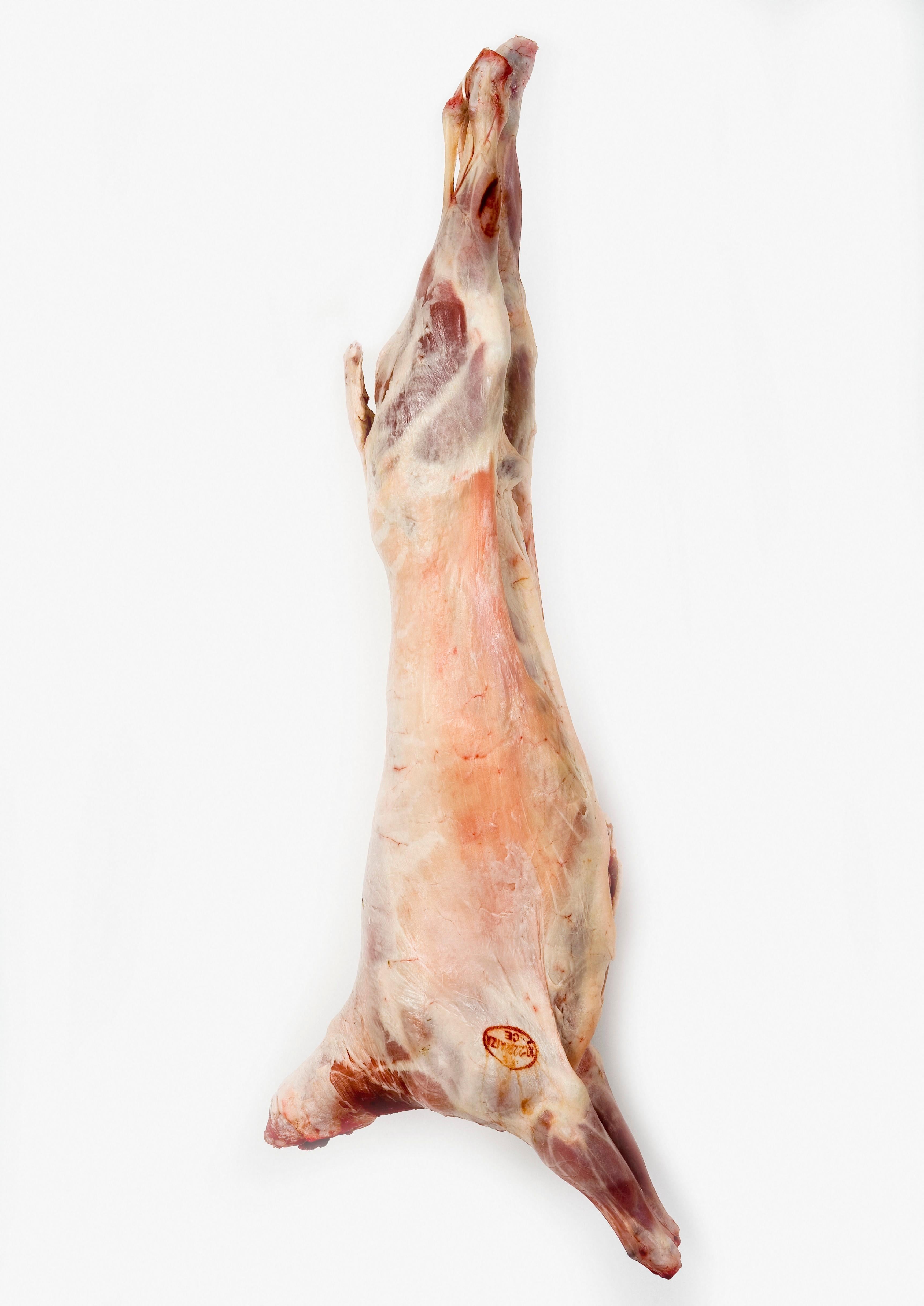
Purchasing a whole or half lamb is generally the most cost-effective option on a per-kilogram basis, giving consumers greater control over specific cuts they receive. However, it requires larger upfront investment and significant freezer space.
The "cheaper" option depends on consumer priorities. Bulk buying offers the lowest unit cost for those with the means and space, while CSA boxes provide convenience, variety, and a steady supply of high-quality meat for a predictable recurring fee.
The convenience factor has become increasingly important for modern Australian consumers.
Time Savings: The most significant advantage is elimination of travel and shopping time, with meat delivered directly to the consumer's door on a recurring schedule.
Access to Quality: Delivery services, especially those direct from farms, often provide access to high-quality, ethically raised,grass-fed lamb that may not be available at local supermarkets, along with wide ranges of cuts in single orders.
Subscription Convenience: "Set and forget" subscription models ensure consistent supply without weekly planning, with many services allowing customisation and flexibility in delivery frequency.
For busy professionals and families in Dee Why, Kellyville, Dural, and the Hills District, the time saved from not shopping can translate to hours per month—a significant lifestyle benefit.
Personalised Service: A butcher provides advice on selecting the right cut for specific recipes, offers preparation tips, and can provide custom butchering.
In-Person Selection: Customers can physically inspect meat before buying.
Immediate Availability: No delivery wait times.
While home delivery offers unparalleled convenience and access, visiting a trusted local butcher provides hands-on, personalised experience.
Both lamb box delivery and bulk butcher purchases offer distinct advantages. The optimal choice depends on individual priorities:
Direct farmer relationships and complete transparency as a standard feature
Consistent ecological farming practices and soil health focus
Convenience of home delivery
Curated variety encouraging whole-animal utilization
Advanced preservation/freezing technology
Supporting regenerative agriculture and ecosystem restoration
Predictable monthly budgeting
Time savings from eliminated shopping trips
Consistent nutrient density from biologically active soil
Lowest per-kilogram cost (with upfront investment and freezer space)
Custom cut specifications and personalised service
In-person inspection and selection
Fresh (not frozen) meat
Immediate availability without delivery wait
Butchering advice and cooking recommendations
Flexibility to purchase only when needed
The question isn't which choice is objectively better—it's which choice better serves your family's needs, values, and lifestyle. For many Australian households, especially in Dee Why, Kellyville, Dural, and the Hills District, the answer is increasingly clear: the convenience, consistency, and ecological commitment of direct-from-farm lamb box delivery represents the future of conscious meat consumption.
Three Simple Steps
Your Farmers grow grass-fed beef and lamb, pastured eggs and the best eco-grown veggies and produce — every item grown to the same ecological standard, every farmer one you can know by name. One subscription, your whole real-food shop.
Subscribe to a share of the harvest, or start with a one-off fixed pack.
Pick your delivery rhythm and what's in the box. Skip or cancel anytime — no lock-in.
We deliver in a reusable esky we collect next time. No couriers, no waste.
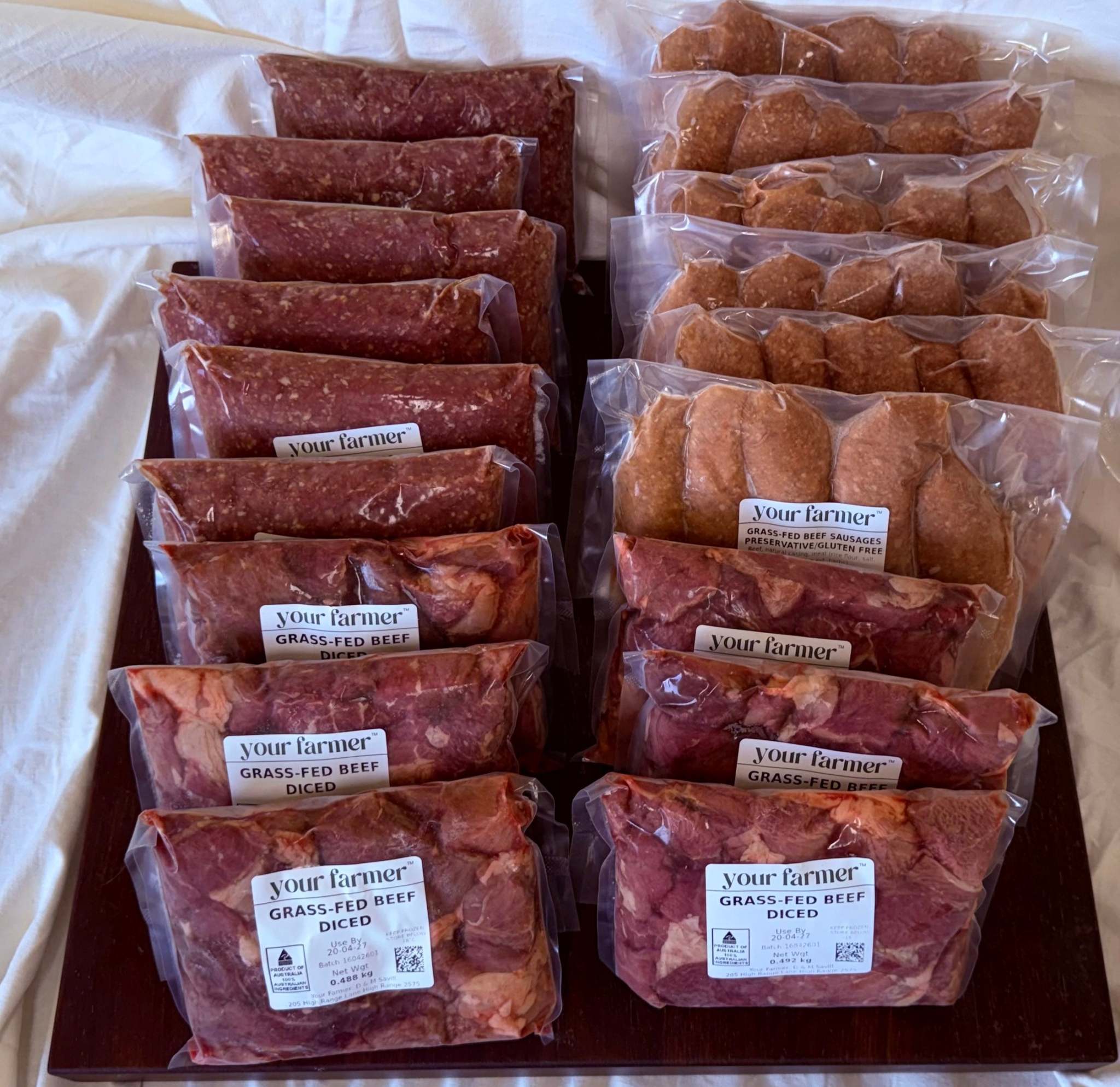
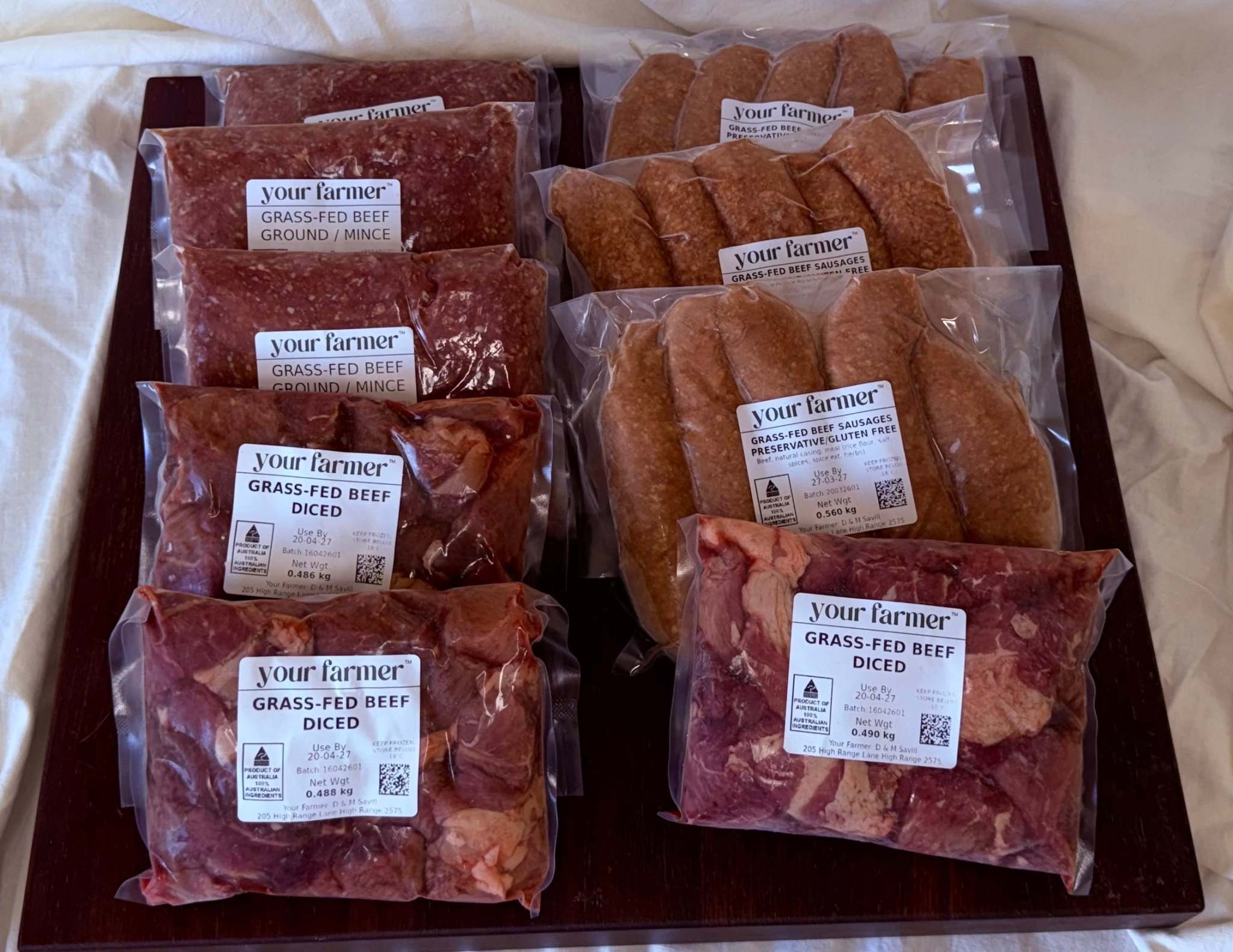
Grass-Fed Mince, Sausage and Diced Beef Pack
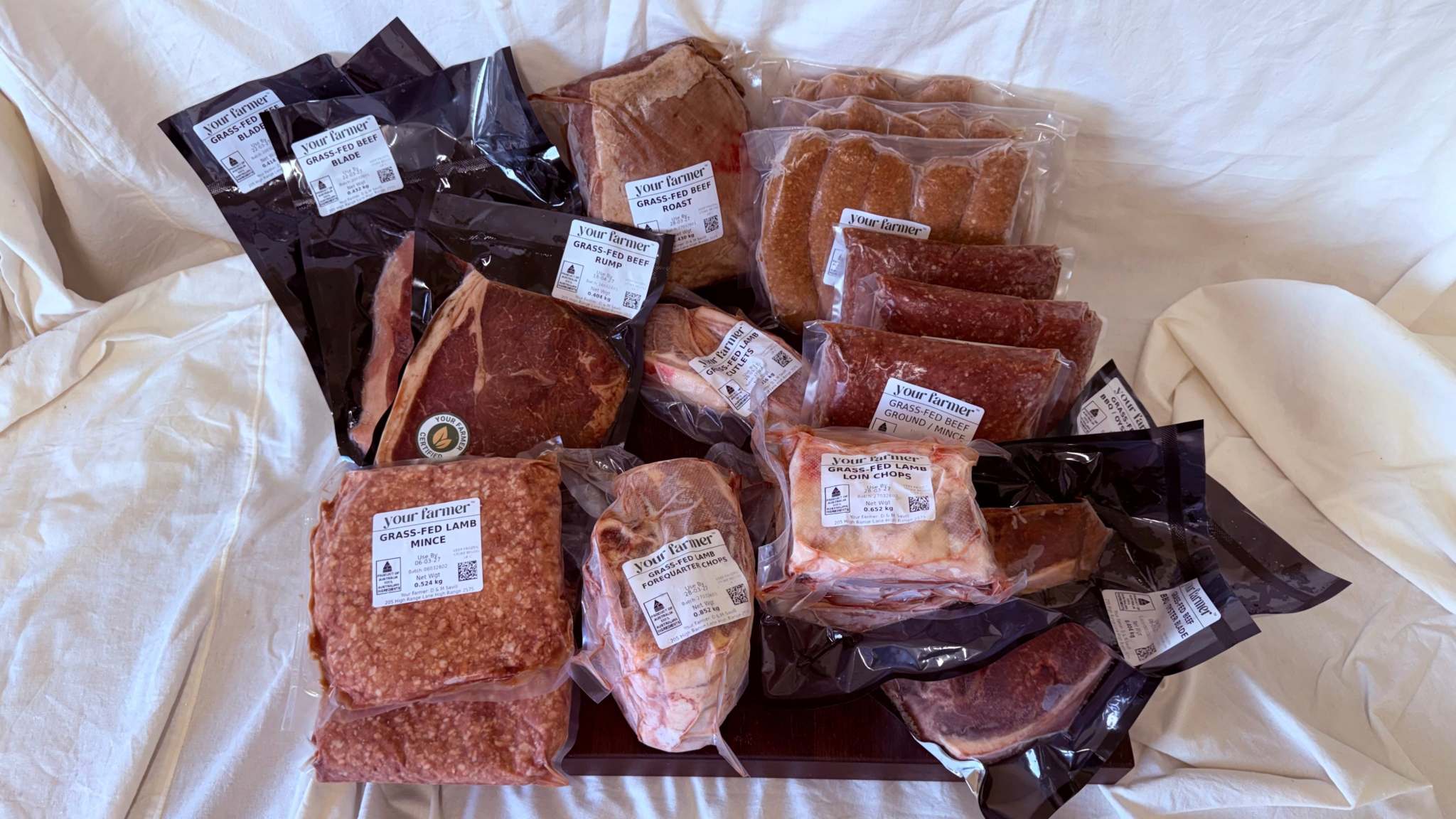
Grass-Fed Beef and Lamb BBQ Box
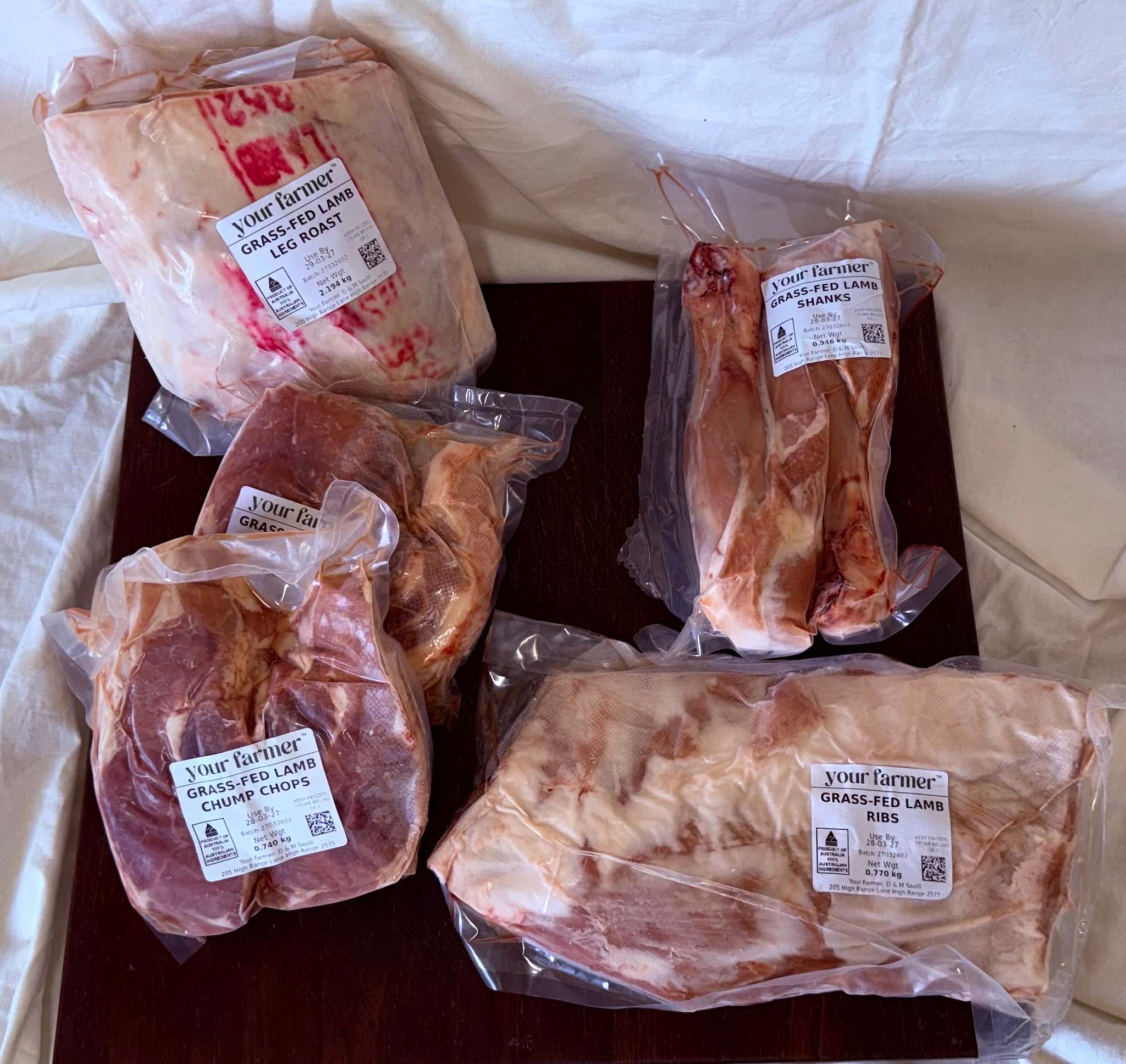
Pastured Lamb Roast and Slow-Cook Box
We'll check we deliver to your area.

Share:
How a Meat Box Subscription Supports Regenerative Farming from Paddock to Plate
What Cuts Should You Expect in a Quality Farm Meat Box?