

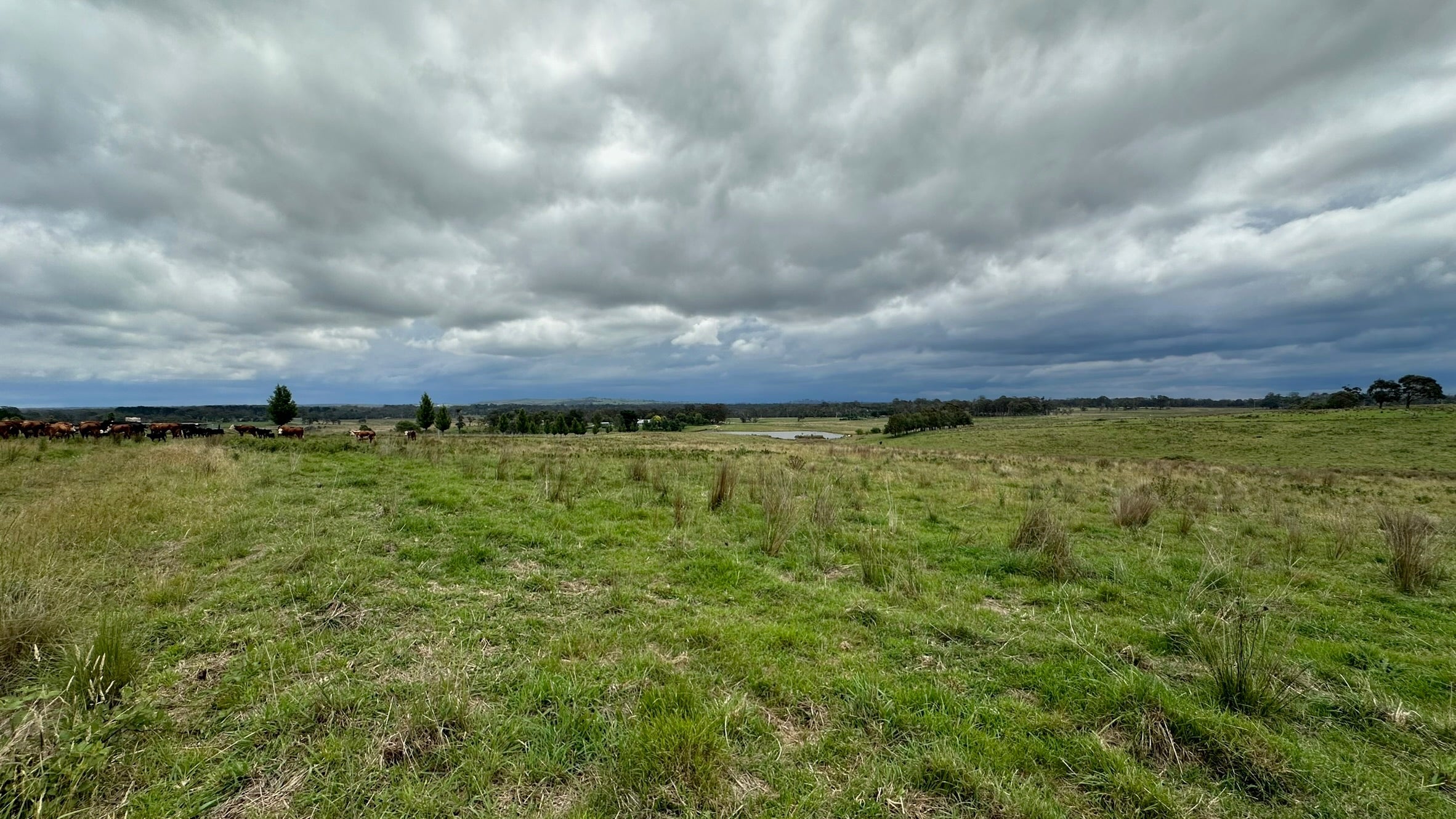
How Soil Health Shapes the Flavour and Nutrition of Grass-Fed Lamb
Healthy soil creates nutrient-rich pasture, which helps produce lamb with more omega-3 fatty acids, vitamins A and E, and antioxidants than grain-finished meat. The link between farm soil and meat quality is not marketing language — it is a pathway supported by agricultural science.
The Chain From Soil to Plate
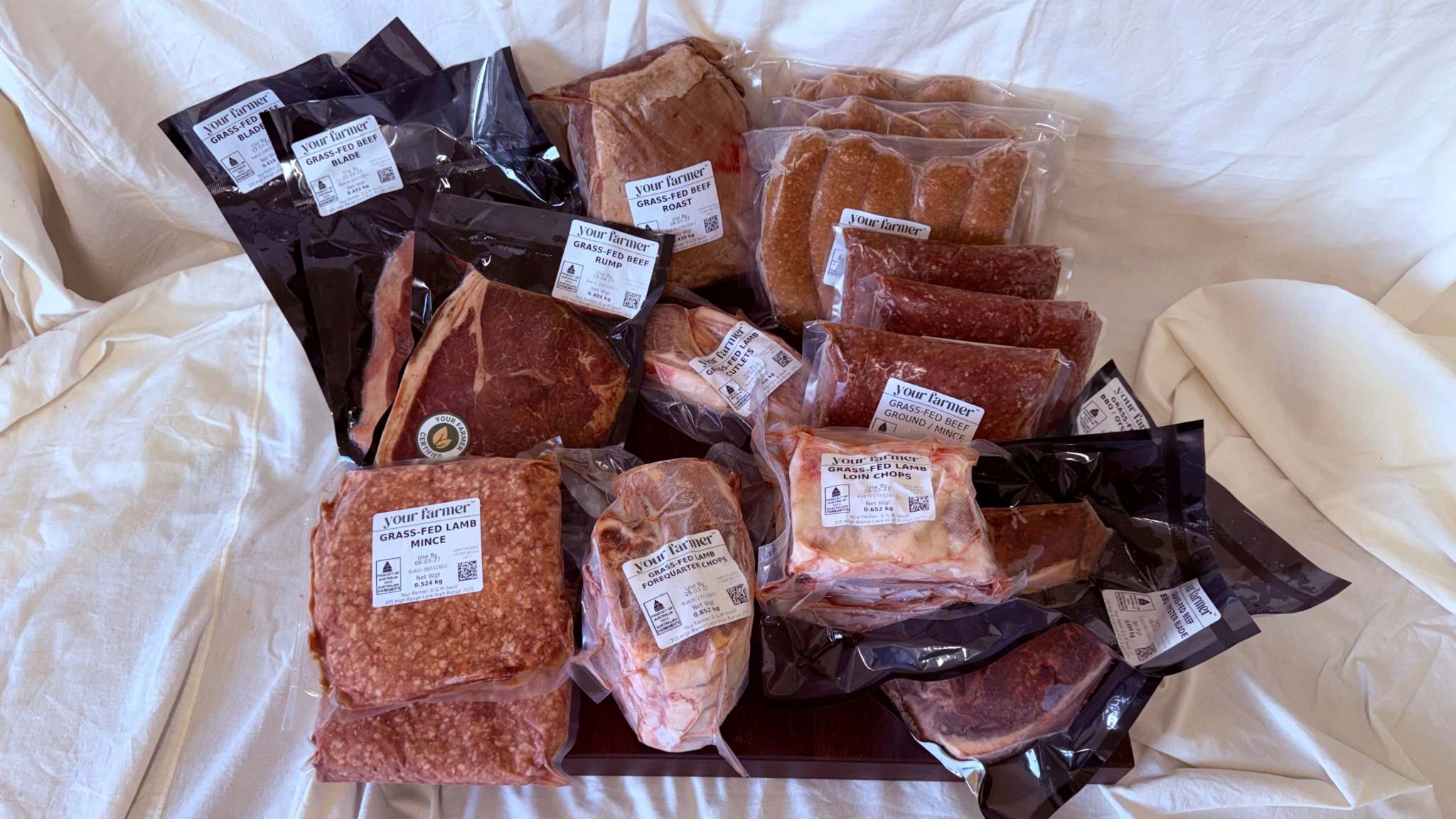
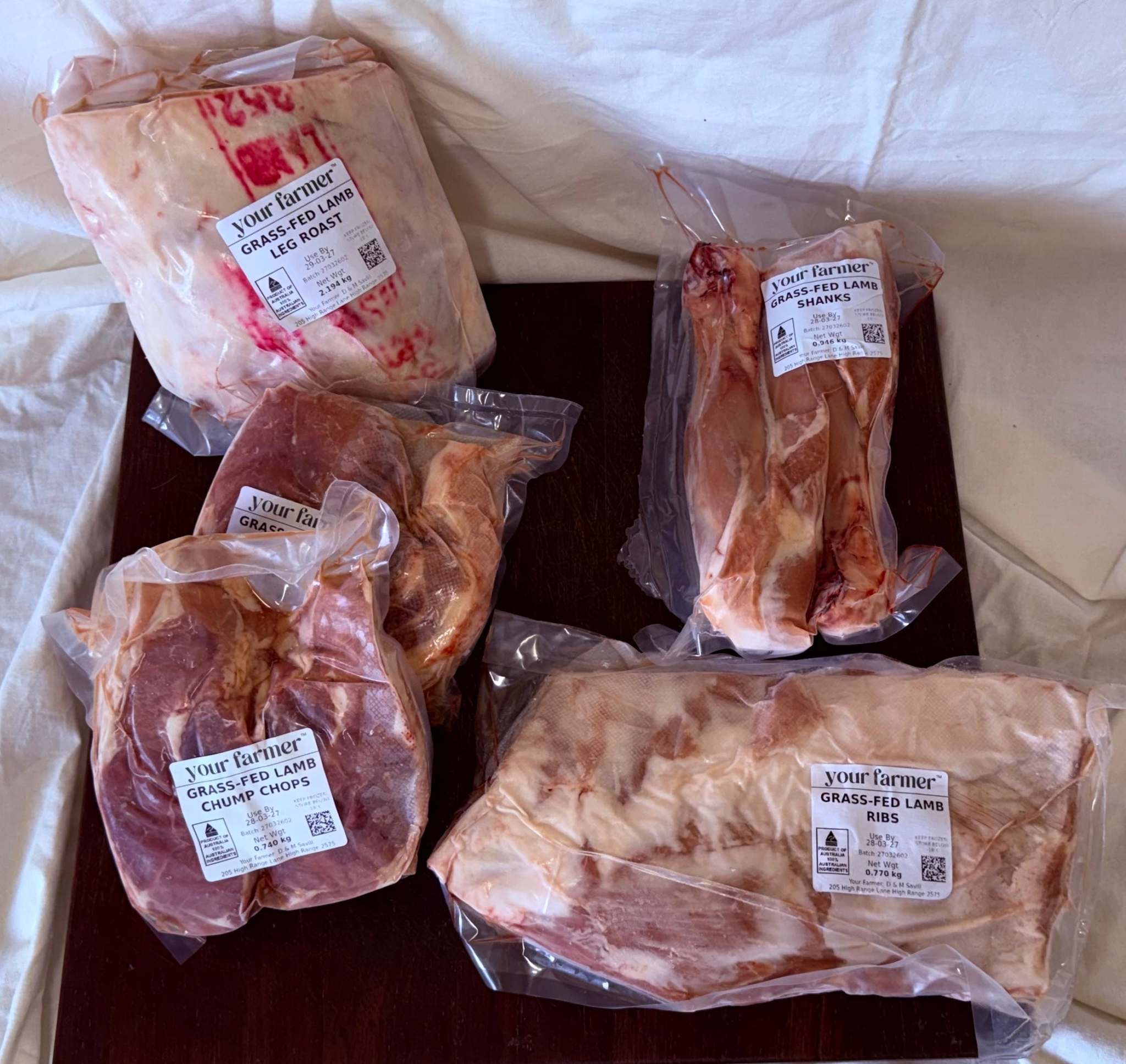
For families seeking truly transparent grass fed lamb delivery, the nutritional story begins long before harvest — in the living soil that feeds every blade of pasture. At Your Farmer, we believe the quality of lamb on your plate is inseparable from the health of the land it comes from.
Most discussions about meat quality begin at the paddock. But the real story starts deeper — in the biology of the soil itself. CSIRO's soil research program notes that soil health is vital to food and fibre production and maintaining a healthy environment, and that increasing the amount of carbon stored in agricultural soils can improve the productivity and resilience of agricultural systems.
Biologically active soil — rich in organic matter, microbial life, and diverse nutrients — supports more nutritious pasture. That pasture determines what a grazing lamb eats every day of its life. DAFF's National Soil Monitoring Program, backed by $21.6 million in federal investment, reflects national recognition that soil health underpins the quality of everything grown from it.
|
Stage |
What happens |
What it produces |
|
Soil |
Microbial activity breaks down organic matter and releases minerals, including zinc, calcium, and potassium, into root zones |
Mineral-rich, biologically active soil |
|
Pasture |
Plants draw minerals and produce phytochemicals, omega-3 precursors (alpha-linolenic acid), and fat-soluble vitamins |
Nutritionally dense forage |
|
Grazing animal |
Lamb converts pasture nutrients into muscle; omega-3 fatty acids accumulate in intramuscular fat; vitamins A and E are stored in tissue |
Nutrient-dense muscle tissue with a more favourable fatty acid profile |
|
Plate |
Cooking method and cut affect final nutrient delivery; minimal processing preserves nutrient integrity |
Lamb with measurably different nutritional composition from grain-finished meat |
A 2025 peer-reviewed metabolomics study published in NPJ Science of Food (Ahsin et al.) found that soils from pasturelands exhibited significantly higher soil organic matter, zinc, calcium, and potassium compared to soils from grain croplands — and that this difference flowed measurably into the nutritional profile of the animals raised on them. While this study examined grass-finished beef in the United States, its findings on the soil–plant–animal continuum are consistent with Australian research on pasture-finishing systems for lamb.
What Healthy Soil Actually Does
Understanding why soil condition matters requires looking past the surface. Ecologically managed soils are not just a growing medium — they are a living system. Australia's DCCEEW soil carbon framework recognises that farmers can increase carbon stored in soil by changing land management practices that increase the living and decomposing organic matter in soil — including practices like pasture restoration and rotational grazing.
-
Nutrient cycling: Soil microbes break down organic matter and release plant-available minerals — including the zinc, calcium, and potassium that flow up through pasture into grazing animals.
-
Water retention: Higher organic matter improves a soil's capacity to hold water, supporting pasture growth through dry periods and maintaining more consistent forage quality.
-
Carbon storage: Carbon-rich soils support more diverse microbial communities, which in turn support more nutrient-rich plant growth.
-
Pasture diversity: Biologically active soil supports a wider range of plant species, each contributing different fatty acid precursors and phytochemicals that accumulate in the grazing animal's tissue.
-
Resilience: As CSIRO research shows, increasing soil carbon improves the productivity and resilience of agricultural systems — meaning more consistent pasture quality across seasons.
For Your Farmer, soil health is not a background detail but the foundation of true paddock-to-plate quality, shaping the pasture our animals graze and ultimately the flavour, nutrition, and integrity of every cut delivered to your home.
What the Science Says: Grass-Fed vs Grain-Finished Lamb
The nutritional differences between grass-fed and grain-finished lamb are measurable. Research consistently shows that the finishing system — what an animal eats in the final weeks and months before slaughter — has a documented effect on the fatty acid composition, vitamin content, and antioxidant levels of the meat.
MLA Research Report CMHN.016 found that grass-fed animals had high levels of omega-3 PUFA across multiple cuts, with combined EPA and DHA reaching levels that would meet the Australian Food Standards classification as a "source of omega-3." A CSIRO Animal Production Science study comparing pasture finishing with intensive feedlot finishing found that pasture-finished lambs accumulated higher concentrations of omega-3 fatty acids in their muscle tissue.
|
Nutrient |
Grass-fed relative to grain-fed |
Source |
|
Omega-3 EPA (eicosapentaenoic acid) |
Up to 3.4× higher |
Ahsin et al., 2025 (beef; US study) |
|
Omega-3 DHA (docosahexaenoic acid) |
Up to 1.8× higher |
Ahsin et al., 2025 (beef; US study) |
|
Alpha-linolenic acid (omega-3 precursor) |
Up to 5.4× higher |
Ahsin et al., 2025 (beef; US study) |
|
Vitamin A |
Up to 2.9× higher |
Ahsin et al., 2025 (beef; US study) |
|
Vitamin E |
Up to 4.2× higher |
Ahsin et al., 2025 (beef; US study) |
|
Phytochemical antioxidants |
Up to 3.1× higher |
Ahsin et al., 2025 (beef; US study) |
These figures are drawn from a 2025 metabolomics study on grass-finished beef in the United States. For lamb specifically in Australia, a CSIRO peer-reviewed study on Australian lamb (Animal Production Science, 2010) found that the iron level in Australian lamb reached 103% of that required to claim lamb as a "good source" of iron, and that nutrient levels varied significantly based on rearing site and whether animals were pasture-raised or supplemented with grain-based feeds.
Grass-Fed Lamb and the Nutrients Your Body Needs
The NHMRC Australian Dietary Guidelines identify lean red meats — including lamb — as a particularly good source of iron, zinc, and B12, and note that the iron and zinc in animal foods are more readily absorbed by the body than the equivalent nutrients from plant sources. A recommended serve is 65g cooked (approximately 90–100g raw).
-
Iron (haem): Significantly more bioavailable than non-haem iron from plant foods — important for active adults and women of reproductive age.
-
Zinc: Supports immune function; more readily absorbed from lamb than from legumes or grains.
-
Vitamin B12: Found almost exclusively in animal products; supports neurological function and red blood cell production.
-
Omega-3 EPA and DHA: Long-chain fatty acids associated with cardiovascular and cognitive health. MLA research found red meat contains notably high levels of DPA (docosapentaenoic acid), an omega-3 present in significant concentrations in grass-fed cuts.
-
Vitamins A and E: Fat-soluble vitamins that accumulate in the tissue of pasture-raised animals. The 2025 metabolomics study found these were respectively 2.9× and 4.2× higher in grass-fed animals compared to grain-finished.
The FSANZ Australian Food Composition Database is the authoritative reference for nutrient data across 1,588 Australian foods — including lamb — covering up to 268 nutrients per food. It is the benchmark against which food and nutrition claims are measured in Australia.
How Flavour Follows From Soil and Pasture
The flavour of grass-fed lamb is shaped by the same pathway as its nutrition. Pasture-raised animals accumulate fat-soluble compounds — including phytochemicals and fatty acid precursors derived from diverse plant species — that contribute to the lamb's characteristic flavour. The Ahsin et al. 2025 study found phytochemical content in pasture forage was over 118× higher than in grain systems, and that this translated into measurable differences in the animal's muscle tissue, including compounds that influence flavour.
Lamb raised on diverse, biologically active pasture may have a more complex flavour than grain-finished alternatives — an expression of the landscape it grazed. This connection is not incidental; it is the product of a functioning soil ecosystem from the ground up.
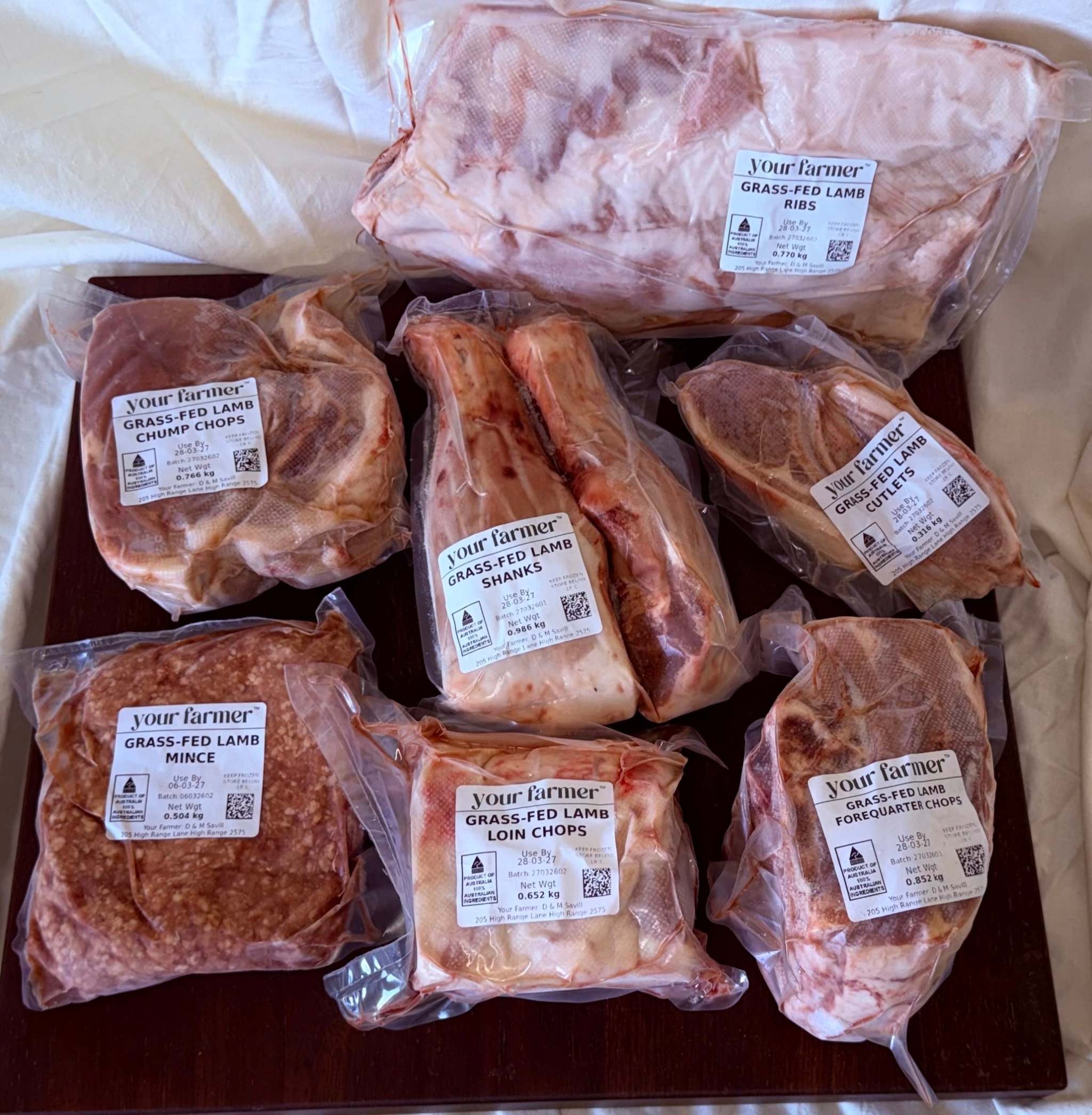
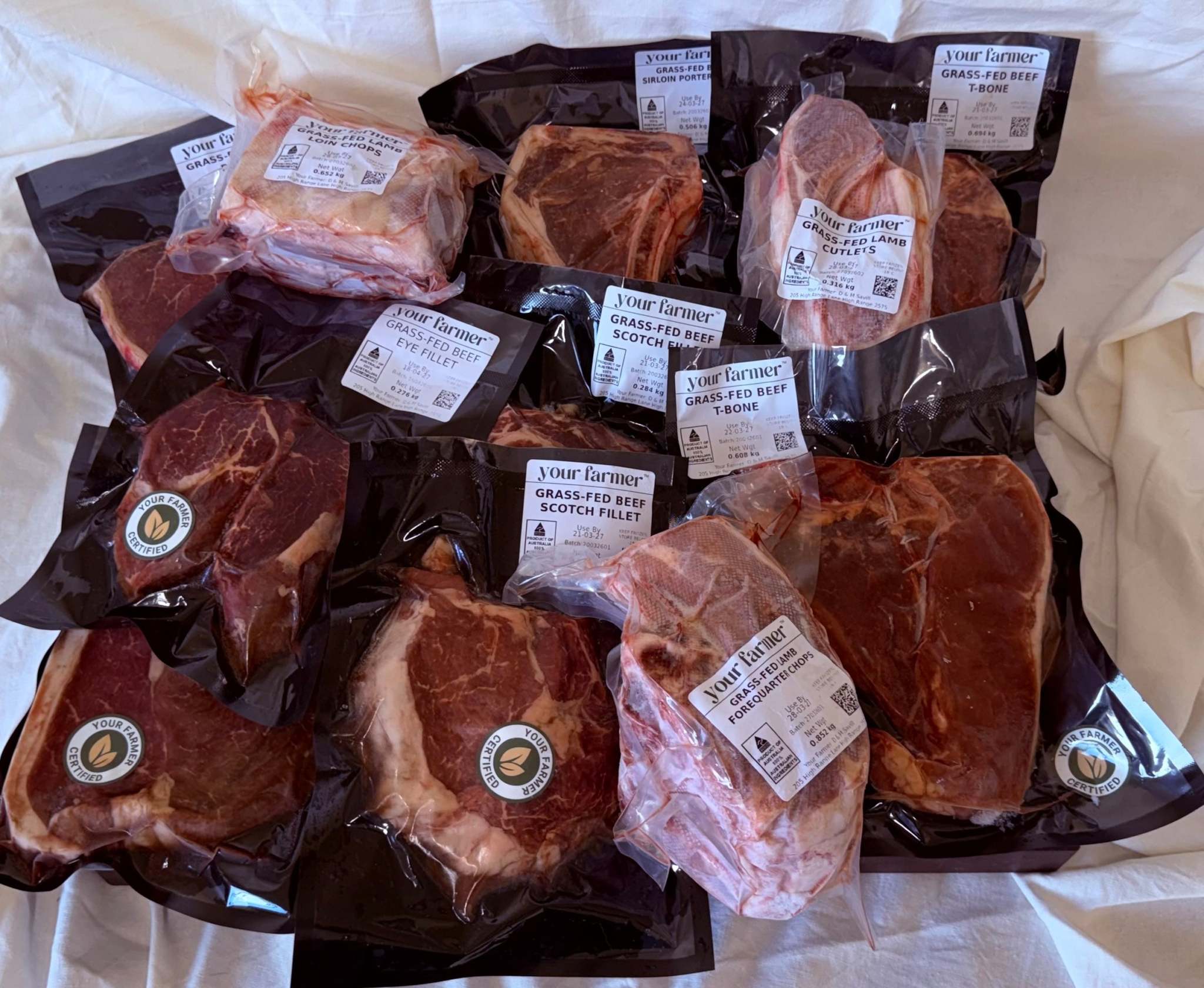
For home cooks across Sydney's North Shore and Hills District, or the Illawarra and Shoalhaven, sourcing grass-fed lamb delivery from farms (such as Your Farmer) operating with ecologically managed soils means the difference on the plate is traceable — not to marketing, but to measurable differences in how the animal was raised and what it ate.
What to Look For When Sourcing Grass-Fed Lamb
It is worth understanding that "grass-fed" is not a prescriptively defined term under Australia's food standards. FSANZ Standard 1.2.7 requires all nutrition and health claims to be substantiated by scientific evidence, but the descriptor "grass-fed" itself is governed by ACCC fair trading law rather than a specific food standard — meaning it must be accurate and not misleading, without a single mandated industry-wide definition.
Genuine grass-fed lamb comes from animals that grazed on pasture for the duration of their lives — not animals grain-finished in a feedlot after a pasture period. The soil and pasture management practices of the farm matter: a degraded paddock with low organic matter produces different pasture and different lamb to a farm actively building soil biology. DAFF's National Soil Strategy frames healthy, well-managed soil as a national agricultural asset worth monitoring and protecting.
When evaluating a supplier, the questions worth asking are: How long have the animals been on pasture? What is the farm's approach to soil health? Is there any form of third-party certification or transparency about farming practices? These questions are the logical extension of caring about what "grass-fed lamb" actually means in practice.

Share:
What Is Bovaer and Why Are Sydney Families Choosing Bovaer-Free Beef?
Why the Illawarra and Shoalhaven Is a Natural Match for Sustainable Meat Delivery