

What Is Bovaer and Why Are Sydney Families Choosing Bovaer-Free Beef?
Bovaer is a feed additive given to cattle to reduce methane emissions. It does not pass into beef or milk, but a growing number of Sydney families are choosing Bovaer-free beef anyway, preferring meat from cattle raised without feed additives as a matter of transparency and personal choice.
What Is Bovaer and How Does It Work?
As more Australians look for sustainable meat delivery options, many are asking not just how their beef is raised, but also what goes into the feed cattle consume along the way. One additive drawing growing attention is Bovaer — a methane-reducing supplement designed to lower emissions during digestion, now increasingly discussed in conversations about climate-conscious livestock production.
Bovaer — the brand name for the compound 3-nitrooxypropanol (3-NOP) — is a feed supplement added to cattle rations to reduce the amount of methane produced during digestion. According to Meat & Livestock Australia's Bovaer research summary, just a quarter of a teaspoon in a cow's daily feed of 15–20 kg takes effect in as little as 30 minutes, suppressing the enzyme in the rumen responsible for methane production.
Australian feedlot trials published by MLA's environmental sustainability research programme found methane reductions of 60–90% in grain-fed cattle. The additive has been used commercially in Australia, including in a well-publicised trial with a major supermarket chain, and has received regulatory attention in dozens of countries.
|
Factor |
Beef from cattle given Bovaer |
Bovaer-free beef |
|
Feed additive used |
3-NOP (Bovaer) added to daily ration |
No 3-NOP in feed |
|
Residue in meat |
None detected — 3-NOP is metabolised in the rumen |
Not applicable |
|
Regulatory oversight of feed input |
Falls under FSANZ's food additive safety framework |
No additive to assess |
|
Consumer safety finding (EFSA 2021) |
Panel found "no concern for consumer safety" under proposed conditions |
Not applicable |
|
Primary driver for use |
Reducing on-farm methane emissions |
Preference for additive-free production |
Is Bovaer Safe? What the Science Currently Says
The most comprehensive peer-reviewed assessment to date was conducted by the European Food Safety Authority (EFSA) in 2021. The EFSA scientific panel concluded that "the use of Bovaer® 10 in animal nutrition under the conditions of use proposed was of no concern for consumer safety and for the environment." The panel also found that 3-NOP does not accumulate in animal products — it is broken down as part of normal rumen digestion.
This finding is consistent with pharmacological analysis from the University of Adelaide, whose researchers confirmed that "3-NOP does not get into milk or meat: it is completely metabolised in the cow's gut." It is worth noting that the EFSA assessment flagged that some aspects of 3-NOP's genotoxicity profile were not fully clarified, meaning research on this compound is ongoing.
In Australia, Food Standards Australia New Zealand (FSANZ) oversees the approval of food additives and sets the framework for assessing any compounds that may enter the human food chain. FSANZ's standard is clear: "Food additives are approved only if it can be shown no harmful effects are likely to result from their use." Australia's national meat safety approach also explicitly includes control of feed and chemical inputs as part of its farm-to-consumer safety chain — contributing to what FSANZ describes as "one of the safest meat supplies in the world."
Why Are Sydney Families Asking About Bovaer?
Consumer interest in Bovaer increased significantly in late 2024 after its use in Australian supermarket beef supply chains received widespread media coverage. For health-conscious parents in suburbs across Sydney's north and the Hills District, that coverage prompted a straightforward question: what exactly is in the feed my family's beef comes from?
-
Transparency: Parents increasingly want to know how their food is produced, not just whether it has passed regulatory safety checks. Knowing a product is Bovaer-free is one data point in a broader picture of provenance.
-
Preference for minimal-additive diets: Many families already seek out hormone-free and antibiotic-free beef. Bovaer-free is a natural extension of that same preference — choosing meat from cattle fed a diet as close to the paddock as possible.
-
Opaque supply chains: Large-scale supermarket supply chains make it difficult to know which farms supplied any given cut of beef, let alone what those cattle were fed. That opacity drives families towards direct-from-farmer alternatives.
None of this requires an assumption that Bovaer is harmful. The preference for Bovaer-free beef is about choice and visibility — understanding what went into the animal before it became food.
What Australian Law Says About Feed Additives and Food Marketing Claims
If a beef producer or retailer makes claims like "Bovaer-free", "hormone-free", or "chemical-free" in their marketing, Australian consumer law has clear expectations. Under the Australian Consumer Law enforced by the ACCC, "a business must be able to prove any claim they advertise." That applies as directly to additive-free production claims as it does to price or quality claims.
The ACCC has also made clear that purity-type descriptors — including organic, natural, and similar terms — must be substantiated. "Businesses that make any organic claims must be able to prove those claims," the ACCC states. The same logic applies to claims about specific additives being absent from a product. Consumers can reasonably ask for evidence, and reputable producers should be able to provide it.
On the regulatory side, Standard 1.2.7 of the Food Standards Code requires that all health claims on food be supported by scientific evidence. This means a statement like "we don't use Bovaer" is a factual production claim — defensible, verifiable, and meaningful. A claim that "our beef is healthier because we don't use Bovaer" would require a different level of substantiation.
|
Regulatory body |
Role in beef feed and marketing claims |
Key standard or power |
|
Approves food additives; sets food safety standards for beef production inputs |
Australia New Zealand Food Standards Code |
|
|
Oversees Australia's national meat safety framework, including control of feed inputs |
National Approach to Managing Meat Safety |
|
|
Enforces Australian Consumer Law; investigates misleading food claims, including additive-free, organic, and natural descriptors |
Australian Consumer Law (Competition and Consumer Act 2010) |
|
|
Governs what health or nutrition claims can legally be made on food products |
Standard 1.2.7 — Nutrition, Health and Related Claims |
What to Look for When Buying Bovaer-Free Beef in Sydney
If you want to know whether the beef your family eats is Bovaer-free, the most reliable path is a direct relationship with the producer. This is harder to achieve through a supermarket — large processors source from many farms and cannot always confirm the feed protocols of every supplier.
-
Look for provenance transparency: Producers who can name the farm, the farmer, and the specific farming practices used are best placed to confirm what went into the feed. Ask directly: Was Bovaer or any methane-reducing feed additive used?
-
Subscription and CSA models: Community Supported Agriculture (CSA) services connect families directly to a small number of certified farms. Because the supply chain is short, it is far easier for producers to confirm specific feed protocols. Families in Sydney's north — including Dee Why, Kellyville, and Dural — and along the Wollongong–Nowra corridor can access ethical meat delivery in Sydney through paddock-to-plate subscription services.
-
Check the claim: Under Australian Consumer Law, producers making additive-free claims must be able to substantiate them. Ask for the farming protocols that support any "Bovaer-free" or "chemical-free" statement.
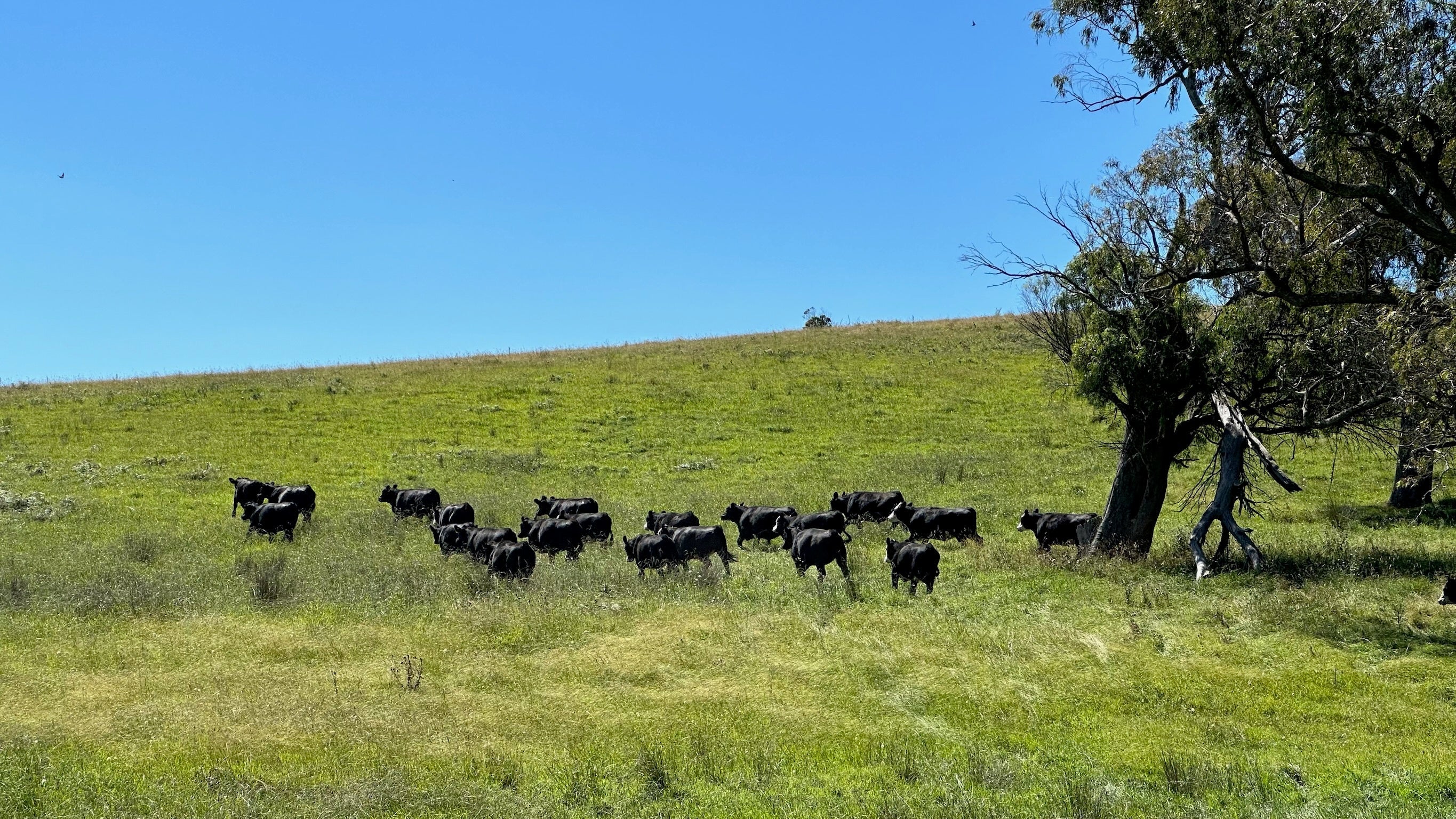
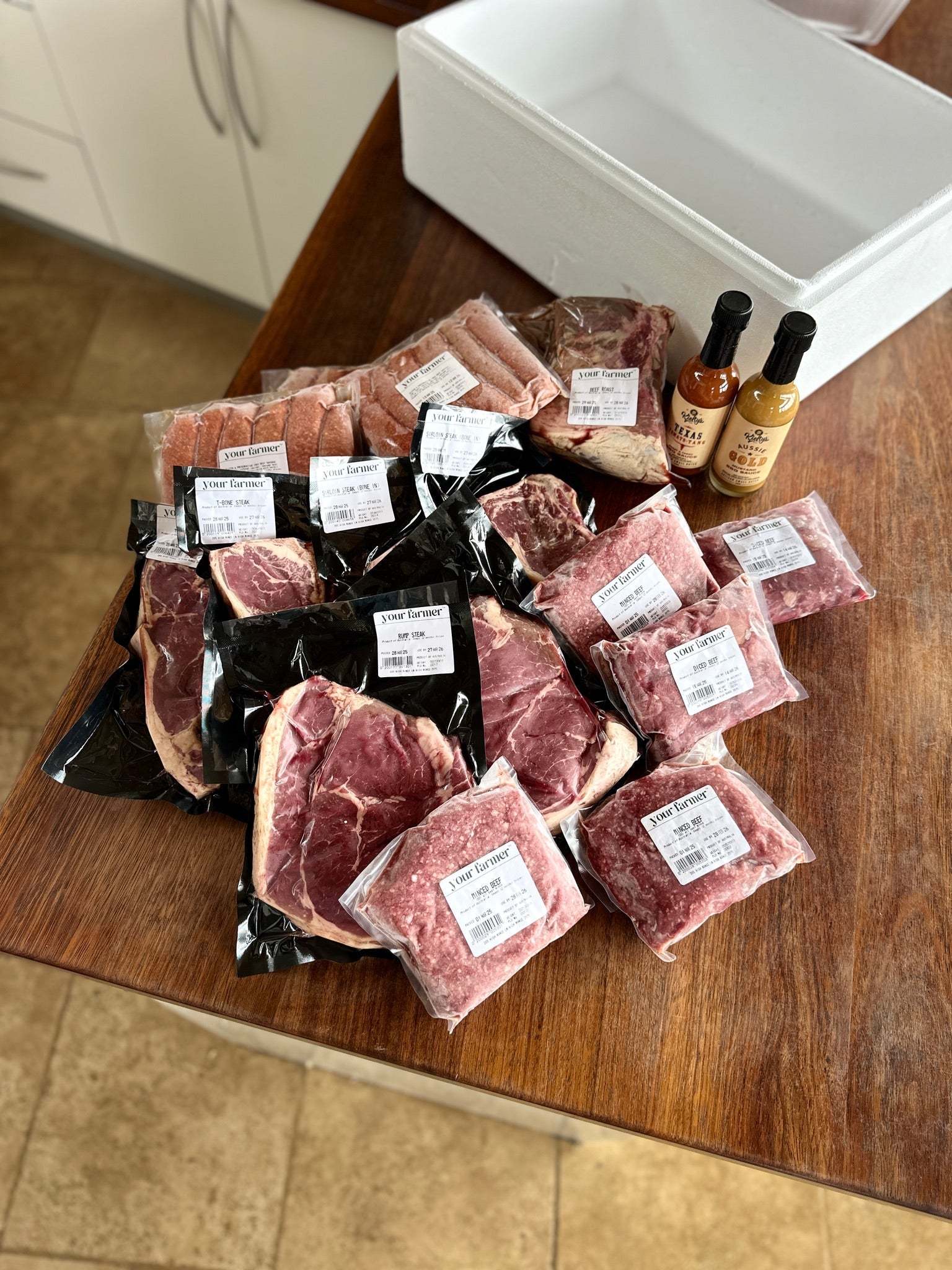
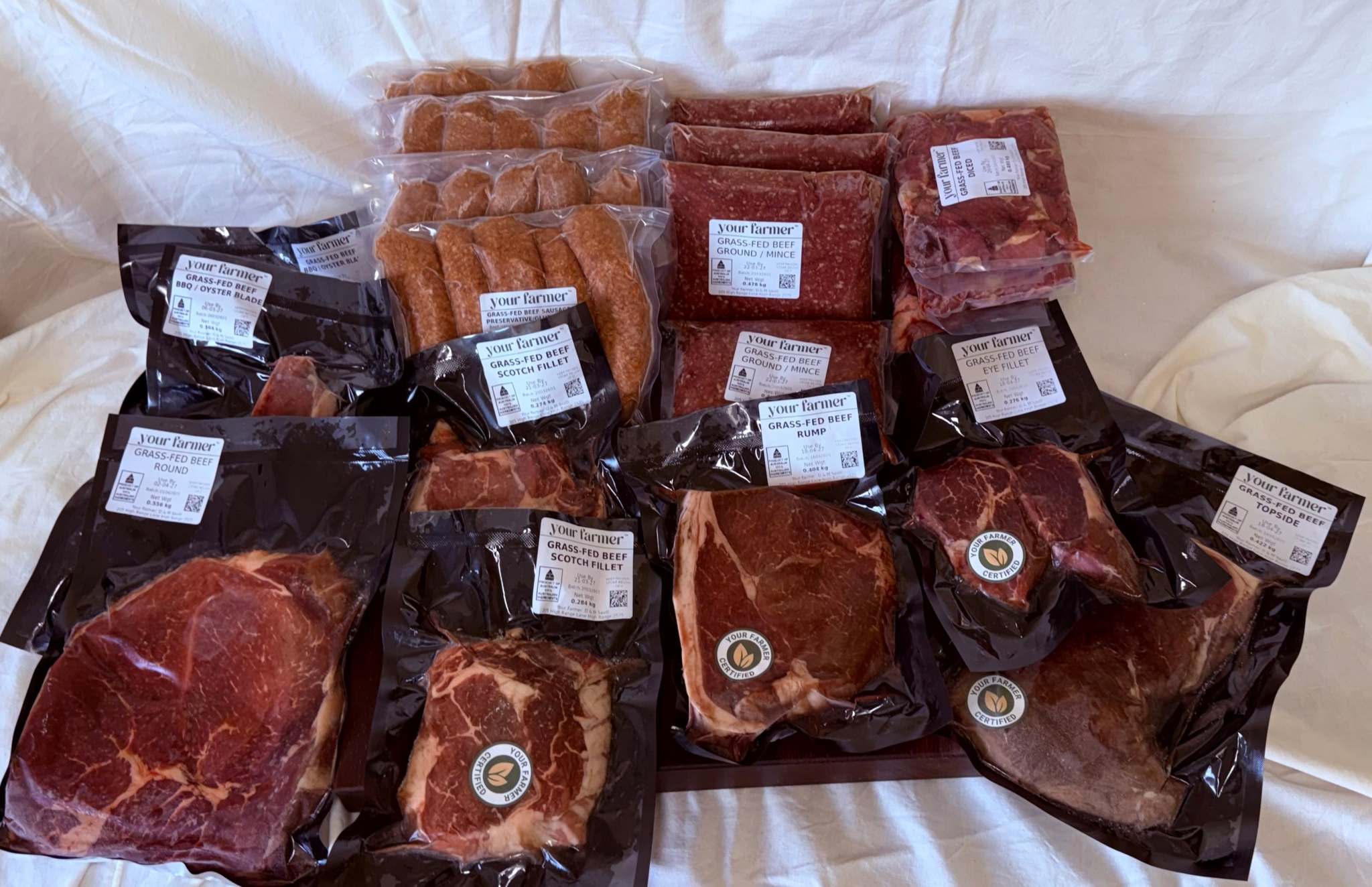
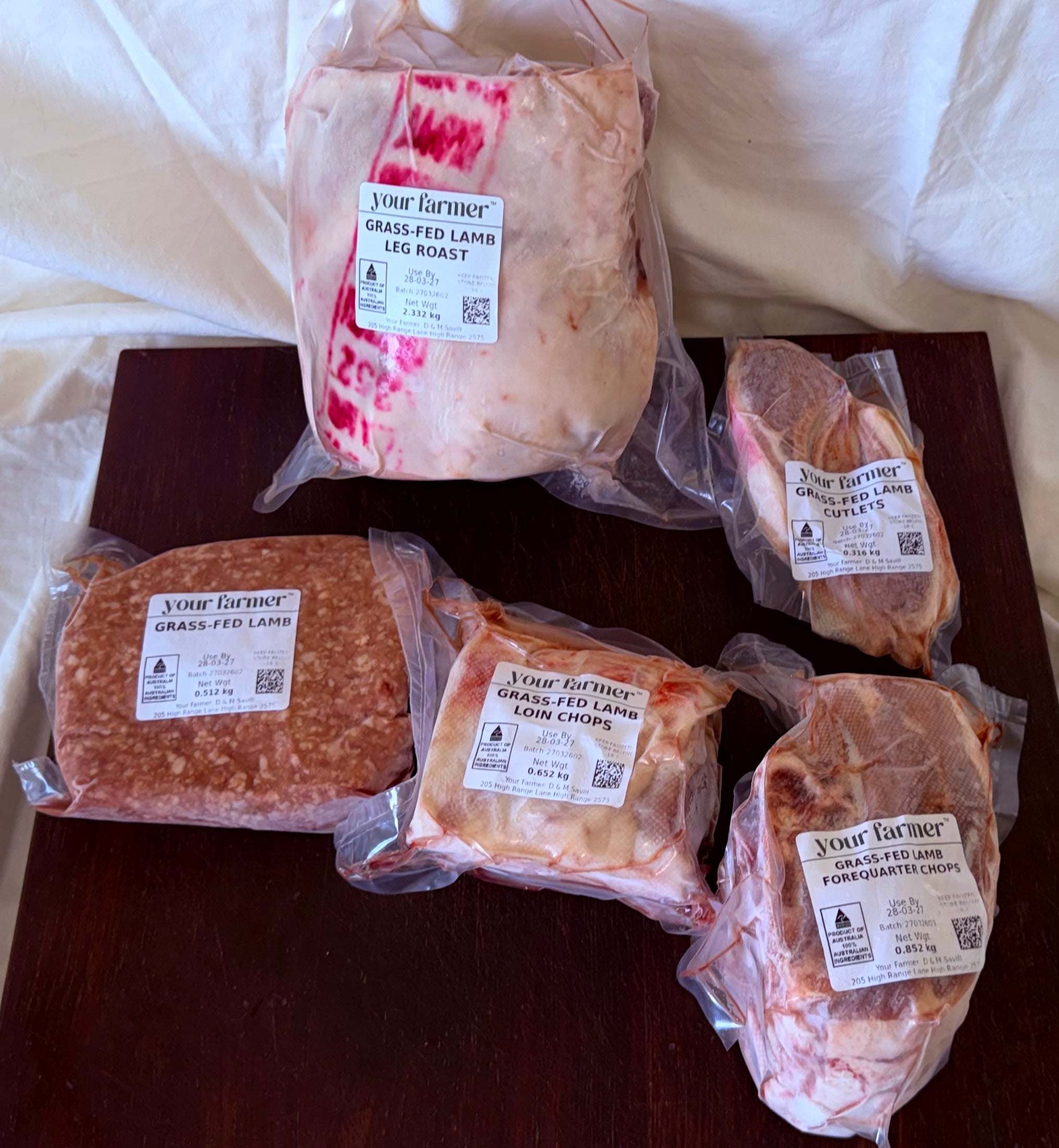
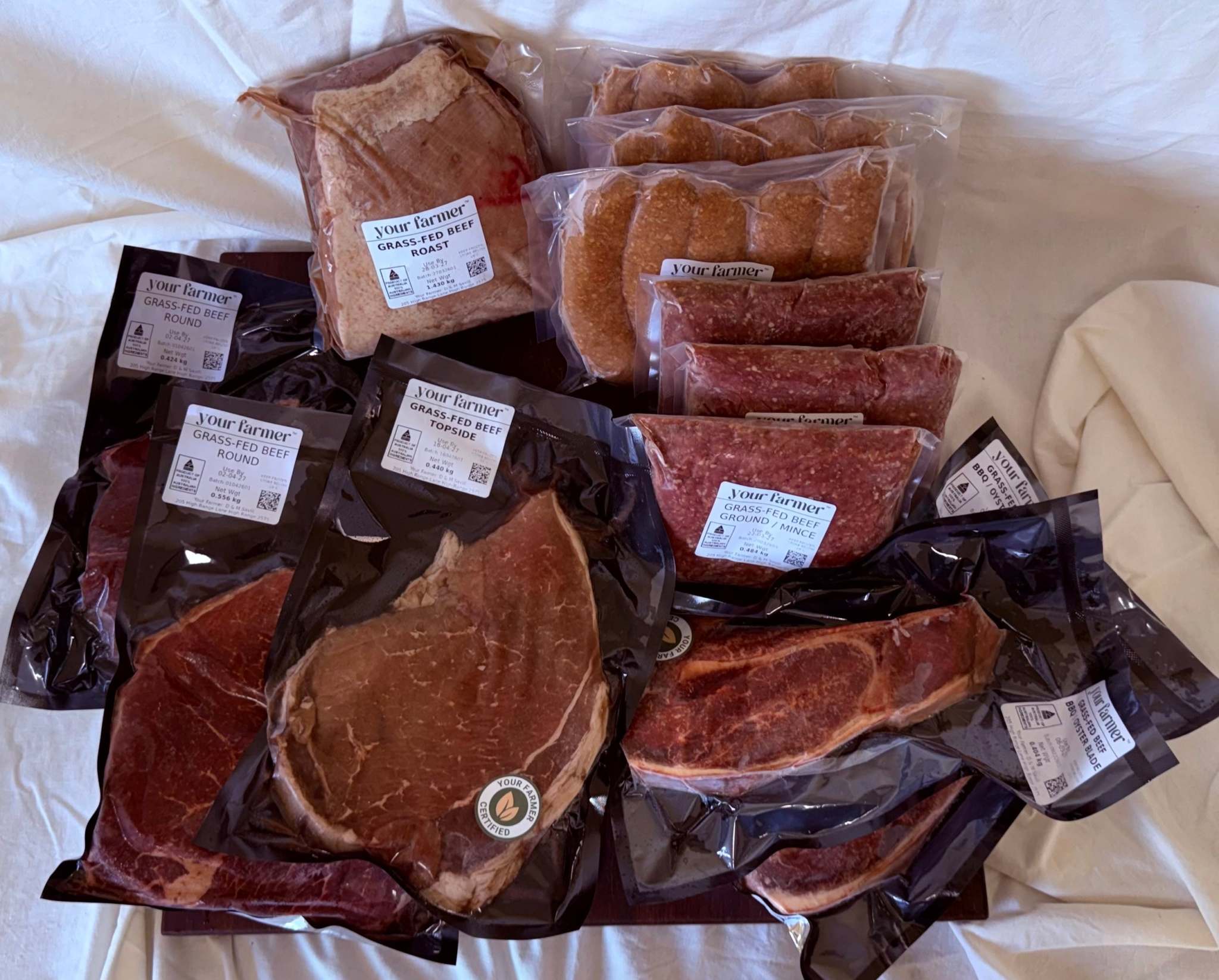
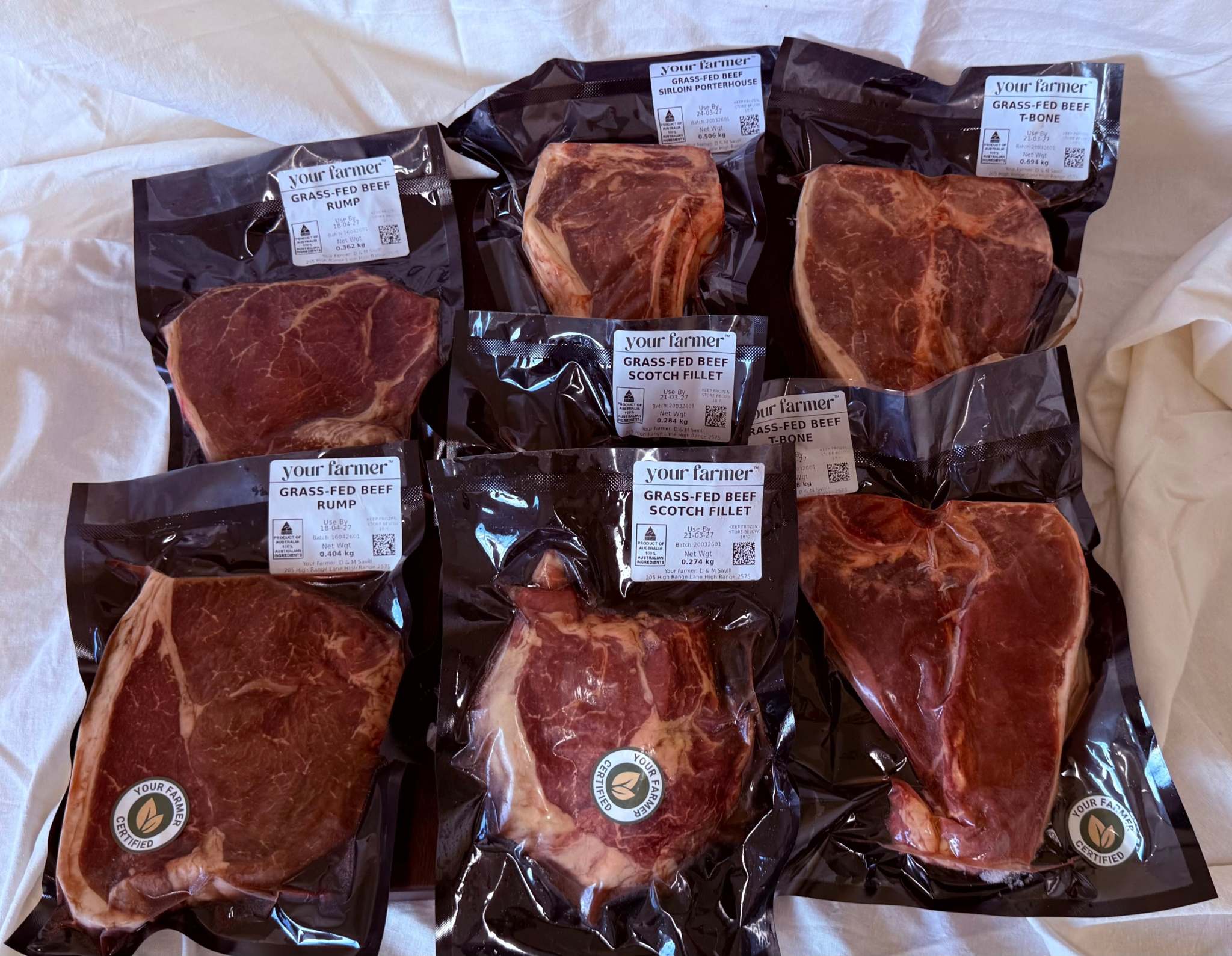
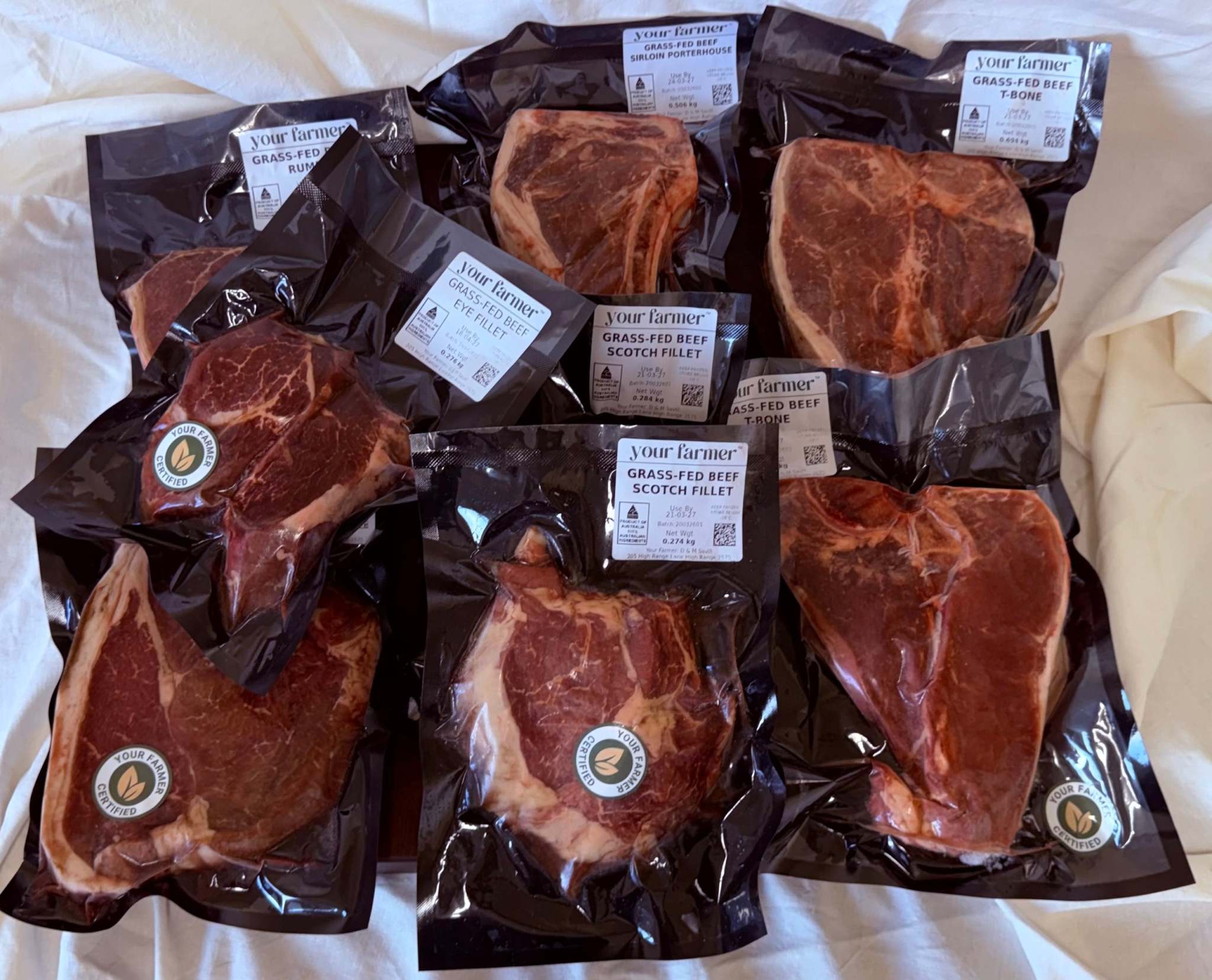
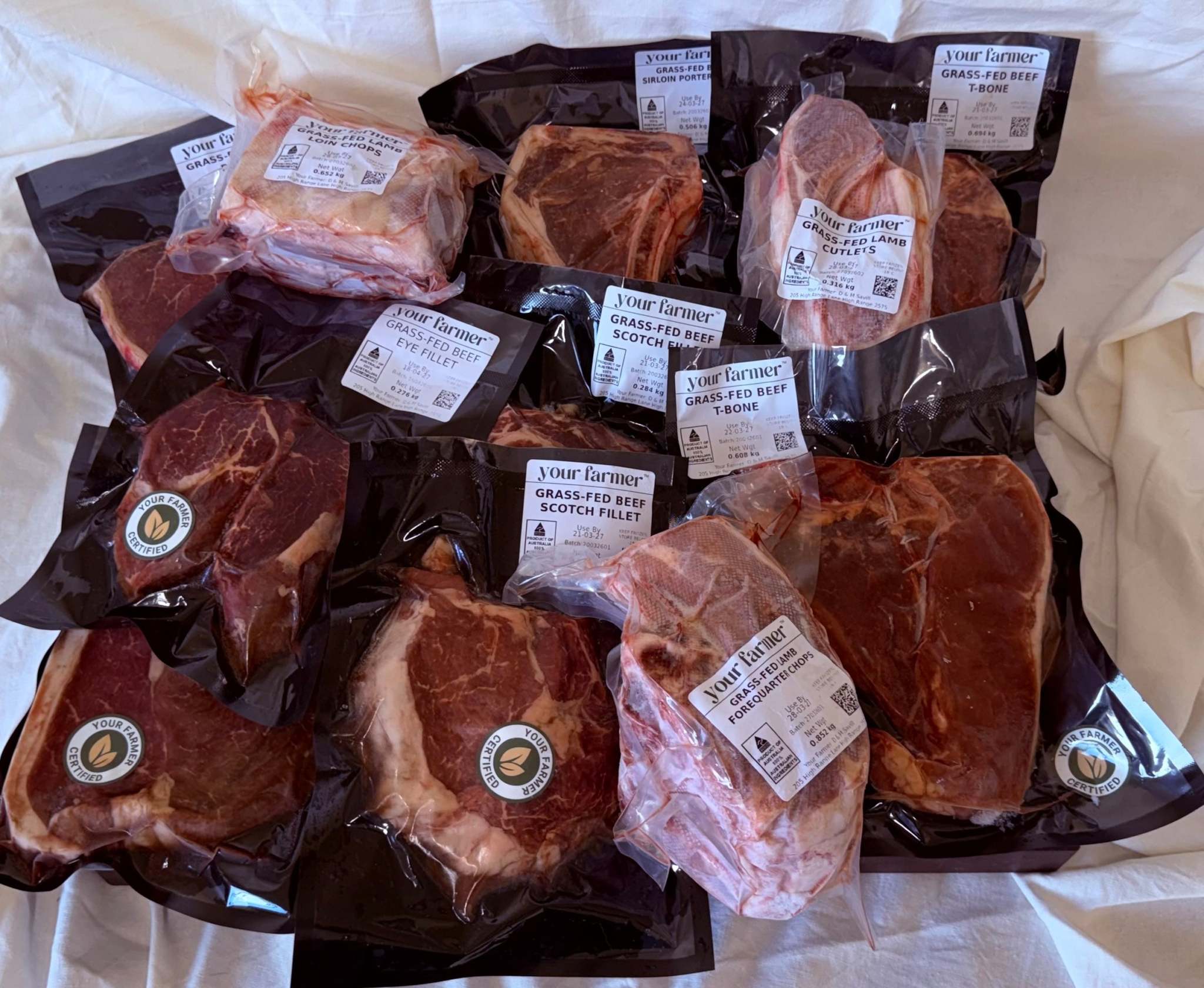
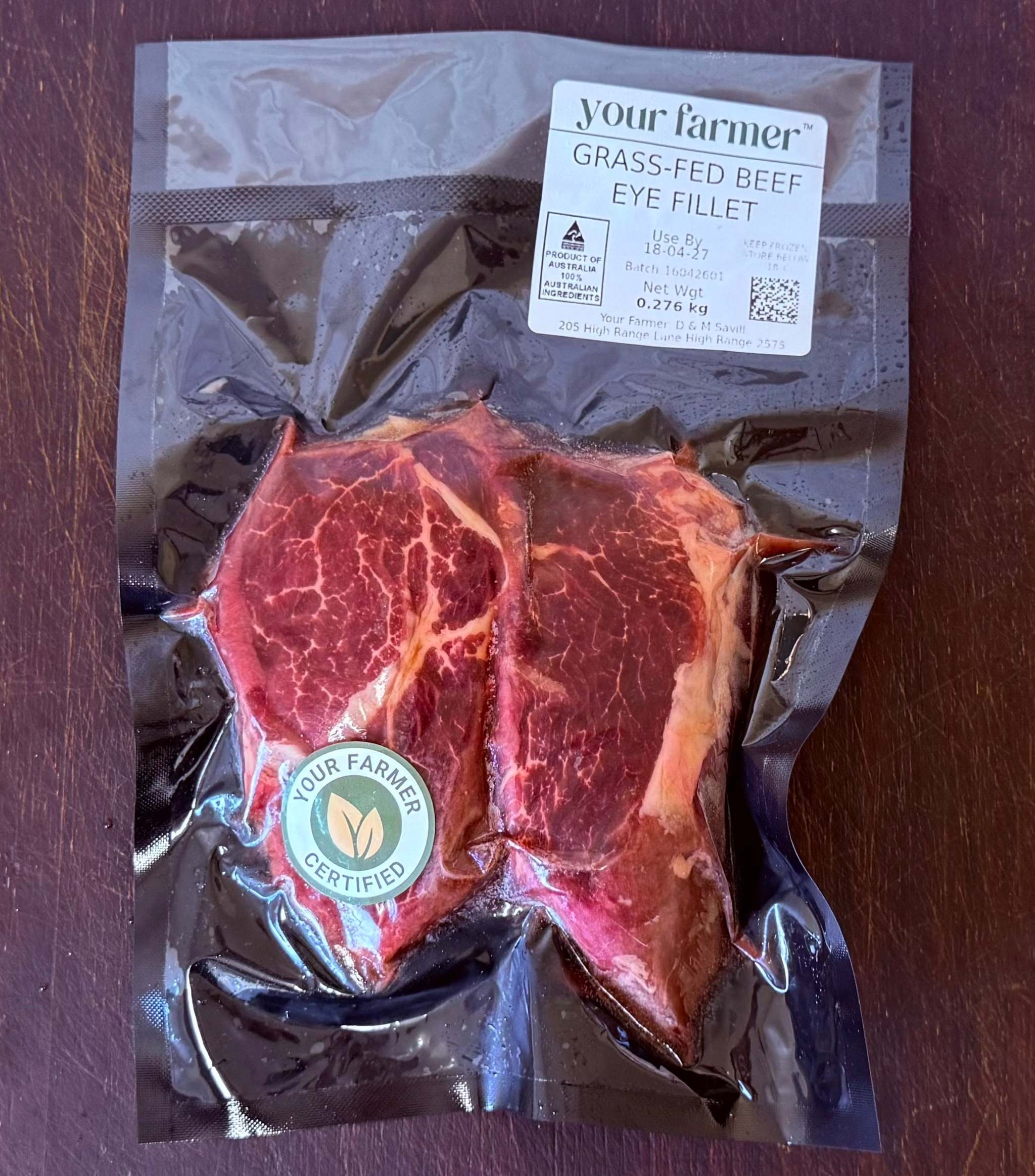
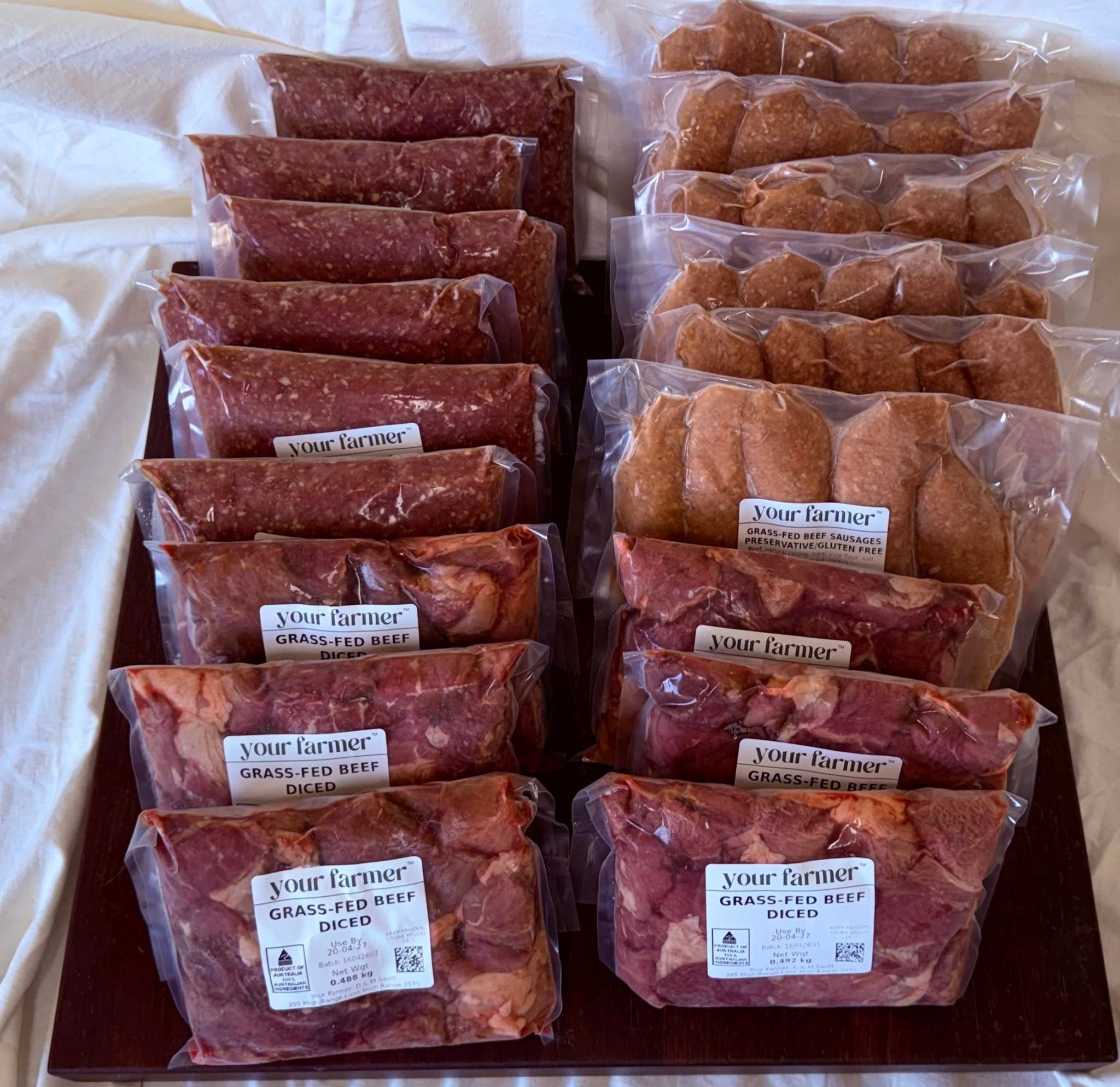
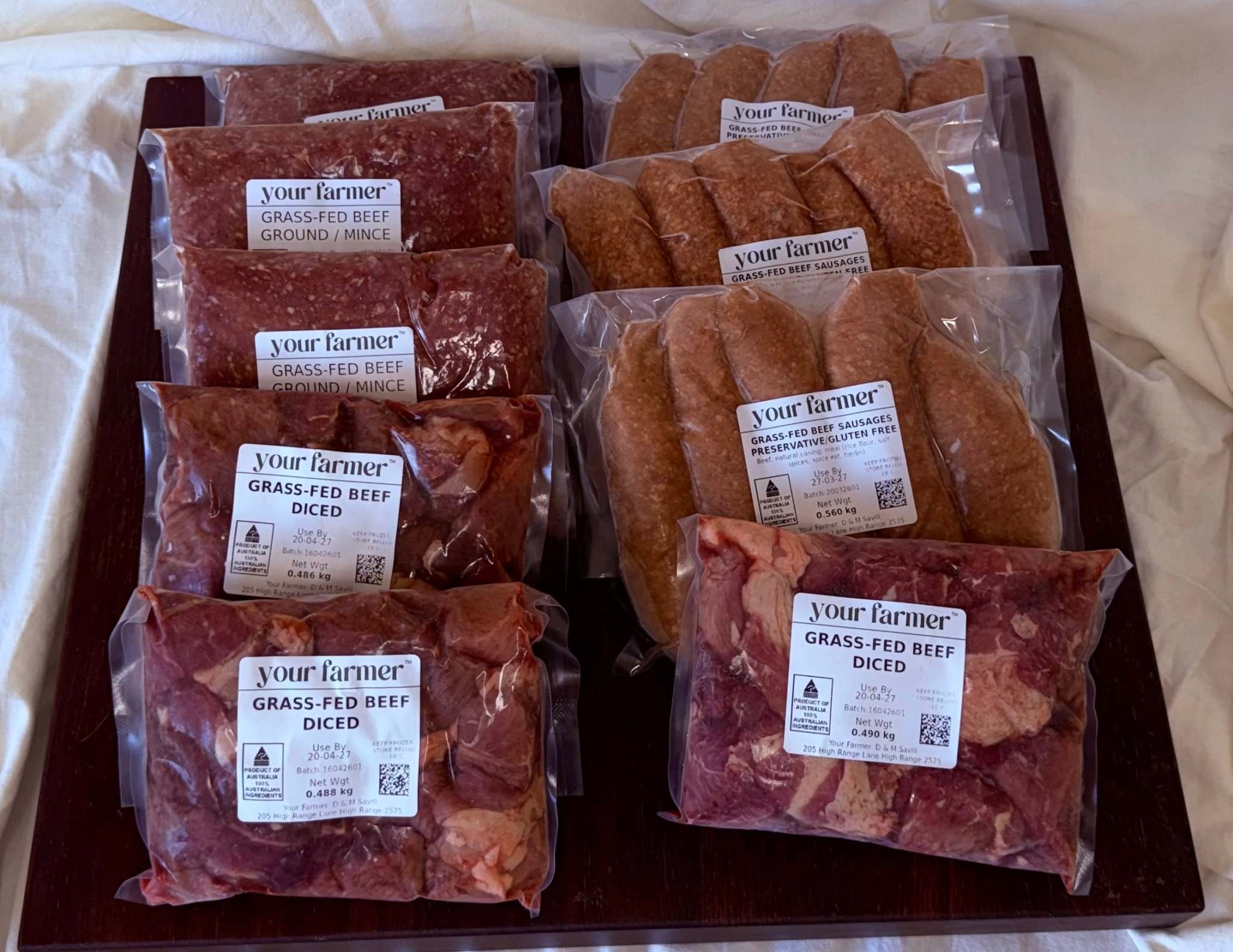
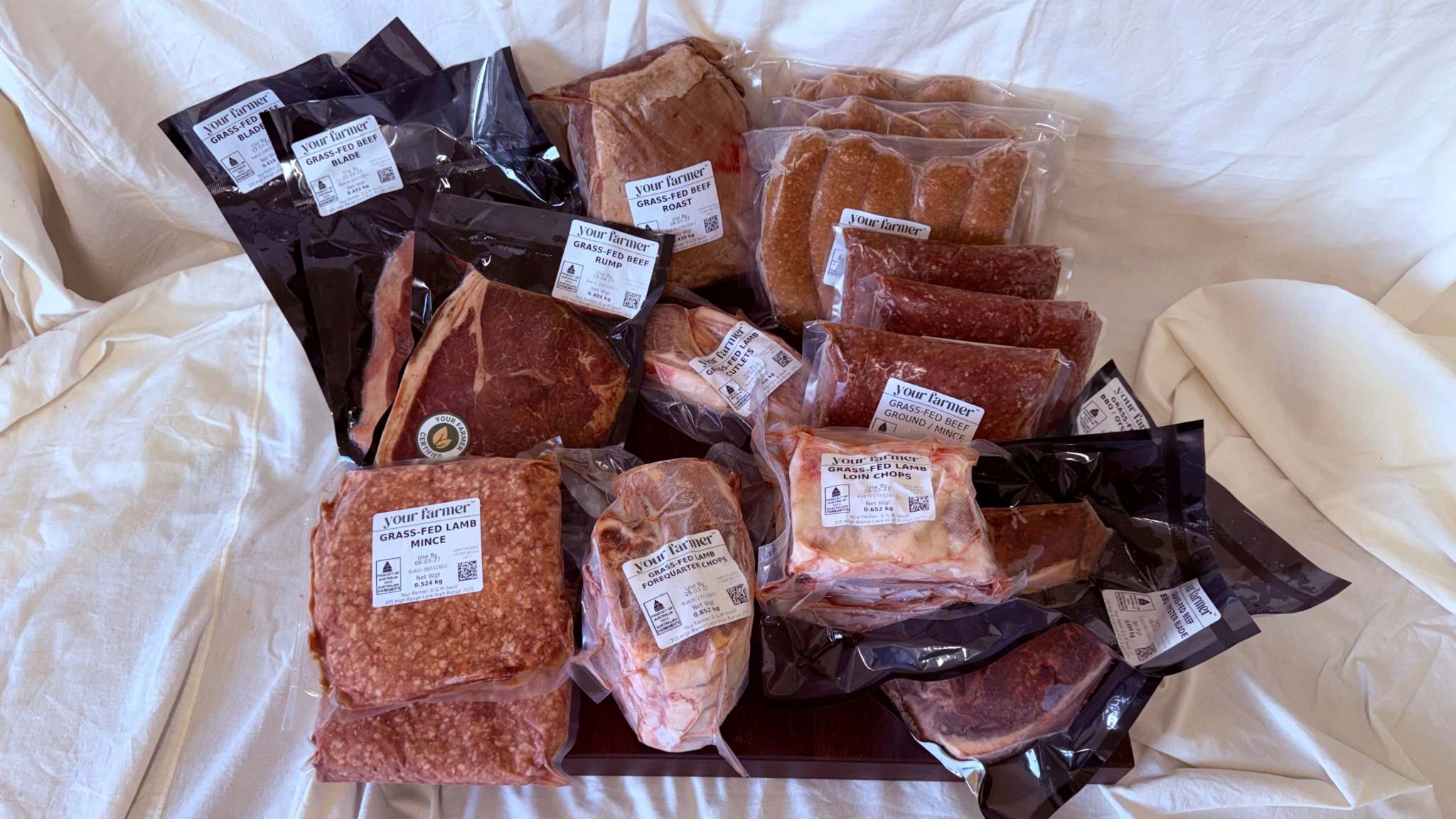
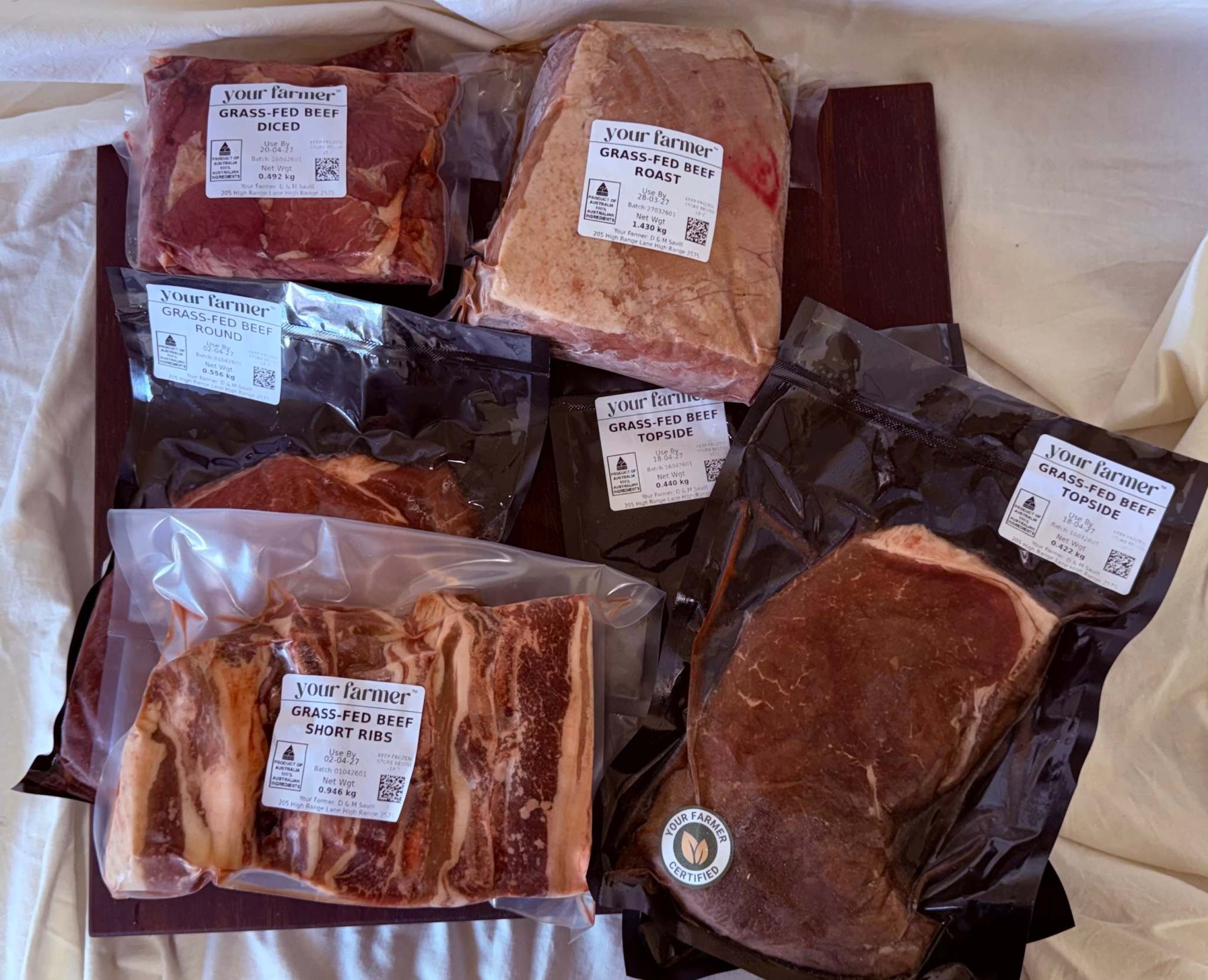
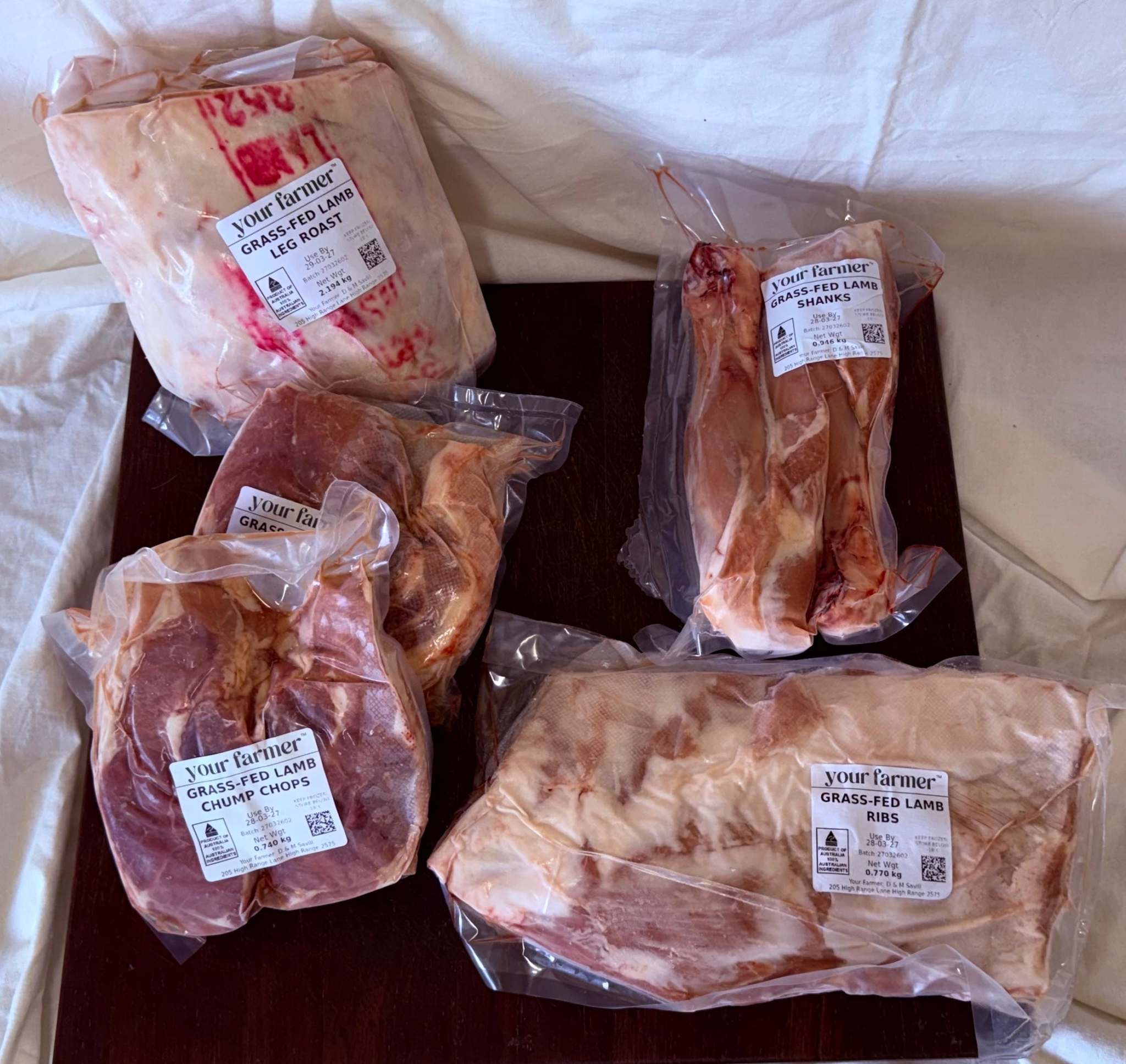
Your Farmer's beef is Bovaer-free. The cattle supplying Your Farmer's boxes are grass-fed and ecologically raised under the Your Farmer Certified programme — a production standard that excludes synthetic feed additives, including Bovaer, hormone growth promotants, and antibiotics. For Sydney families who want that level of transparency delivered monthly to Dee Why, Kellyville, Dural, Wollongong, and surrounding areas, sustainable meat delivery through a direct-from-farm CSA is one practical way to know exactly what you are eating.

Share:
What Does "Hormone-Free" Beef Actually Mean in Australia — and Is It Legally Protected?
How Soil Health Shapes the Flavour and Nutrition of Grass-Fed Lamb