

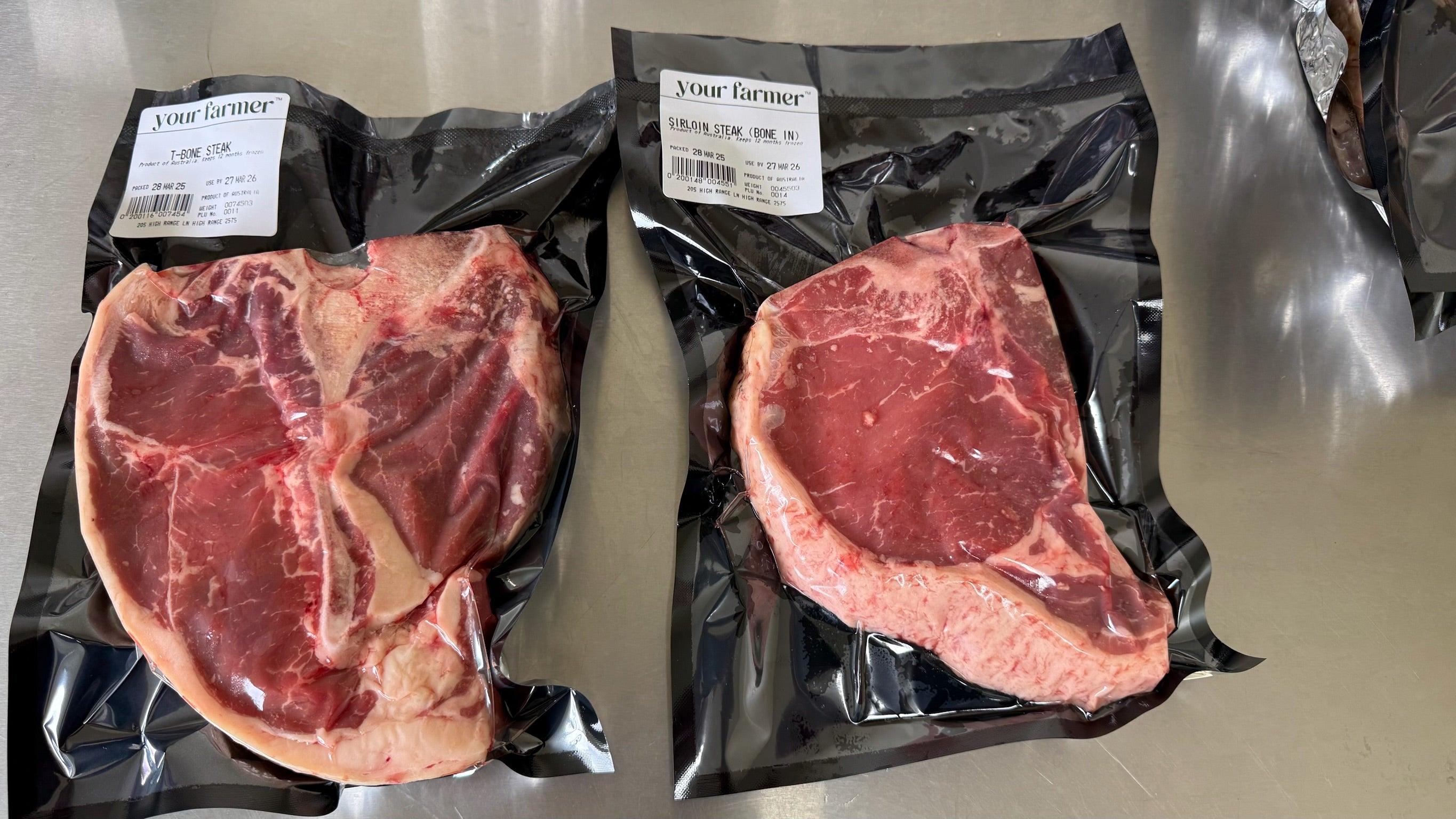
Why the Illawarra and Shoalhaven are a Natural Match for Sustainable Meat Delivery
The Illawarra and Shoalhaven sit close to working farms where cattle and sheep have grazed for generations. For Wollongong, Shellharbour, and Nowra locals, that proximity matters: sustainable meat delivery isn't imported — it reflects a landscape already producing it.
The Illawarra and Shoalhaven Farming Landscape
The farms immediately south of Sydney are closer than most residents realise. According to NSW Department of Primary Industries regional agricultural data (2015/16), the Illawarra and Shoalhaven are home to 169 cattle farms carrying nearly 43,000 head of cattle, with beef production contributing $21.9 million to the region's gross value of agricultural output — roughly 23% of the total.
-
169 cattle farms operating across the Illawarra/Shoalhaven corridor (NSW DPI, 2015/16)
-
Approximately 42,955 head of cattle in the region
-
Beef production valued at $21.9 million, representing 23% of the region's agricultural gross value
-
Shoalhaven LGA is the single largest agricultural contributor in the region at $16.4 million GVP
-
Residential encroachment has been gradually reducing available farmland, making direct farm partnerships more important for the farms that remain.
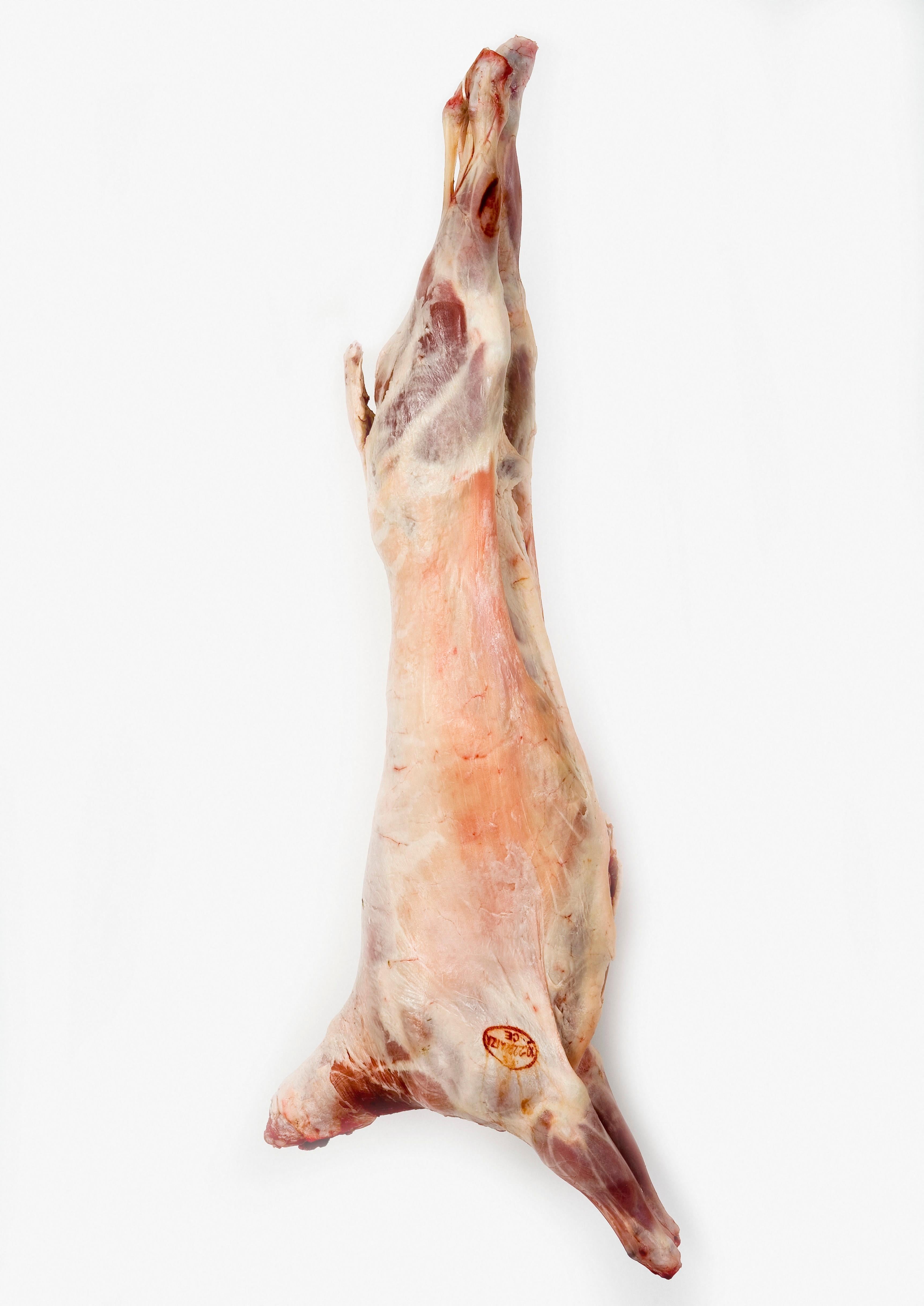
These aren't distant paddocks. Many of these farms operate within an hour or two of Wollongong and Nowra. That proximity is one of the foundations of what makes grass fed lamb delivery from nearby farms genuinely viable for households across the corridor.
What Regenerative Farming Means in This Region
The term "regenerative" is used broadly, but it has a practical meaning for farming in NSW. The NSW Department of Primary Industries defines regenerative agriculture as a diverse range of approaches that aim to sustain financially viable farming enterprises, restore and enhance ecosystem function on farms and landscapes, and help farmers achieve their social and lifestyle objectives. It goes further than simply avoiding chemicals — it focuses on rebuilding the living systems beneath the soil.
That distinction matters on the South Coast, where decades of conventional land management have affected soil biology across the region. CSIRO research on soil carbon in Australian agricultural systems has found that the historical conversion of land with native vegetation to agriculture has typically reduced soil carbon stocks by between 20 and 60 per cent. Restoring those stocks requires deliberate management — and farms that commit to regenerative practices are working toward exactly that outcome.
|
Approach |
Conventional farming |
Regenerative/ecological farming |
|
Soil management |
Tillage, synthetic inputs, depleted carbon stocks |
Minimal tillage, rotational grazing, and soil biology are actively managed |
|
Carbon outcome |
Soil carbon stocks reduced 20–60% vs. pre-clearing levels |
Rotational grazing and replanting can restore soil organic carbon |
|
Animal welfare |
Feedlot finishing is possible; movement may be restricted |
Pasture-raised; animals graze on managed, living pasture |
|
Supply chain |
Wholesale distribution, multiple intermediaries |
Direct paddock-to-door; shorter distance, fewer handling steps |
According to CSIRO's soil carbon research, farmers who adopt management practices that sequester soil carbon stand to gain a more productive, sustainable, and resilient farming system — which means regenerative farming is not just an ethical preference but a practical investment in the land's long-term capacity to produce food.
The Supply Chain Argument for Buying Local
Distance matters more than many shoppers realise. Peer-reviewed research from the University of Sydney, published in the journal Nature Food, found that food transport accounts for roughly 19 per cent of global food system greenhouse gas emissions — a figure estimated to be up to seven times higher than previous estimates. The same research identified Australia as the second largest exporter of food transport emissions, given the scale and breadth of its primary production industry.
When meat travels from a farm in the Shoalhaven to a household in Wollongong via a direct subscription delivery, the supply chain is shorter than one routed through a national distribution hub and back again—fewer kilometres, fewer handling facilities, fewer cold-chain steps.
This connects to a broader picture of agricultural emissions. The Australian Department of Climate Change, Energy, the Environment and Water (DCCEEW) notes that methane from livestock makes up around 13 per cent of Australia's national emissions — a figure that makes how livestock are raised, and how far their meat travels, relevant to household food choices.
What Makes Sustainable Meat Delivery Different
For residents of Wollongong, Shellharbour, or Nowra new to direct-farm purchasing, the differences between supermarket meat and meat delivered directly from an ecological farm can be hard to visualise. The key distinctions come down to farming method, animal welfare, and supply chain structure.
-
Pasture-raised, grass-fed livestock: Animals spend their lives on managed pasture rather than in feedlots. Australia's national farm animal welfare standards — developed with government, scientific, veterinary, and industry representatives — cover cattle and sheep and are legally enforceable once adopted in state and territory legislation.
-
No grain finishing: Ecological and regenerative farms avoid grain finishing, keeping animals on pasture through their full growing cycle. This is directly connected to soil management — well-managed pasture supports both the animal and the land beneath it.
-
Soil-health farming: Farms working to ecological or regenerative standards actively manage soil biology, using rotational grazing and other techniques that link to improved farm productivity and resilience over time.
-
Direct delivery: Subscription delivery from a farm partner removes the intermediaries — the wholesaler, the distribution centre, the supermarket — that extend both the physical distance and the time between paddock and plate.
-
Accountability: Direct-farm purchasing means the customer has a named farmer and a traceable source for their meat, rather than a generic category label on a supermarket shelf.
How to Choose Regeneratively Farmed Meat Near Wollongong
If you're exploring direct-farm purchasing for the first time, it helps to know what to look for. The following steps can help residents of the Illawarra and Shoalhaven make an informed choice.
-
Look for explicit farm sourcing: Does the supplier name the farm or farms where the meat is produced? A traceable source is a basic marker of transparency.
-
Check for grass-fed and pasture-raised claims — then verify them: "Grass-fed" and "pasture-raised" are not standardised labels in Australia without independent certification or farm-level transparency. Ask how they're substantiated.
-
Understand the farming method: Is the farm working to a regenerative or ecological standard — actively managing soil health, using rotational grazing, avoiding synthetic inputs?
-
Consider the supply chain: How many steps exist between the farm and your door? Subscription delivery direct from a farm partner typically means fewer intermediaries than a supermarket or butcher chain can offer.
-
Ask about animal welfare practices: Australia's national animal welfare standards set a legal baseline for cattle and sheep. Farms committed to ethical practices will typically operate above that baseline — it's worth asking how.
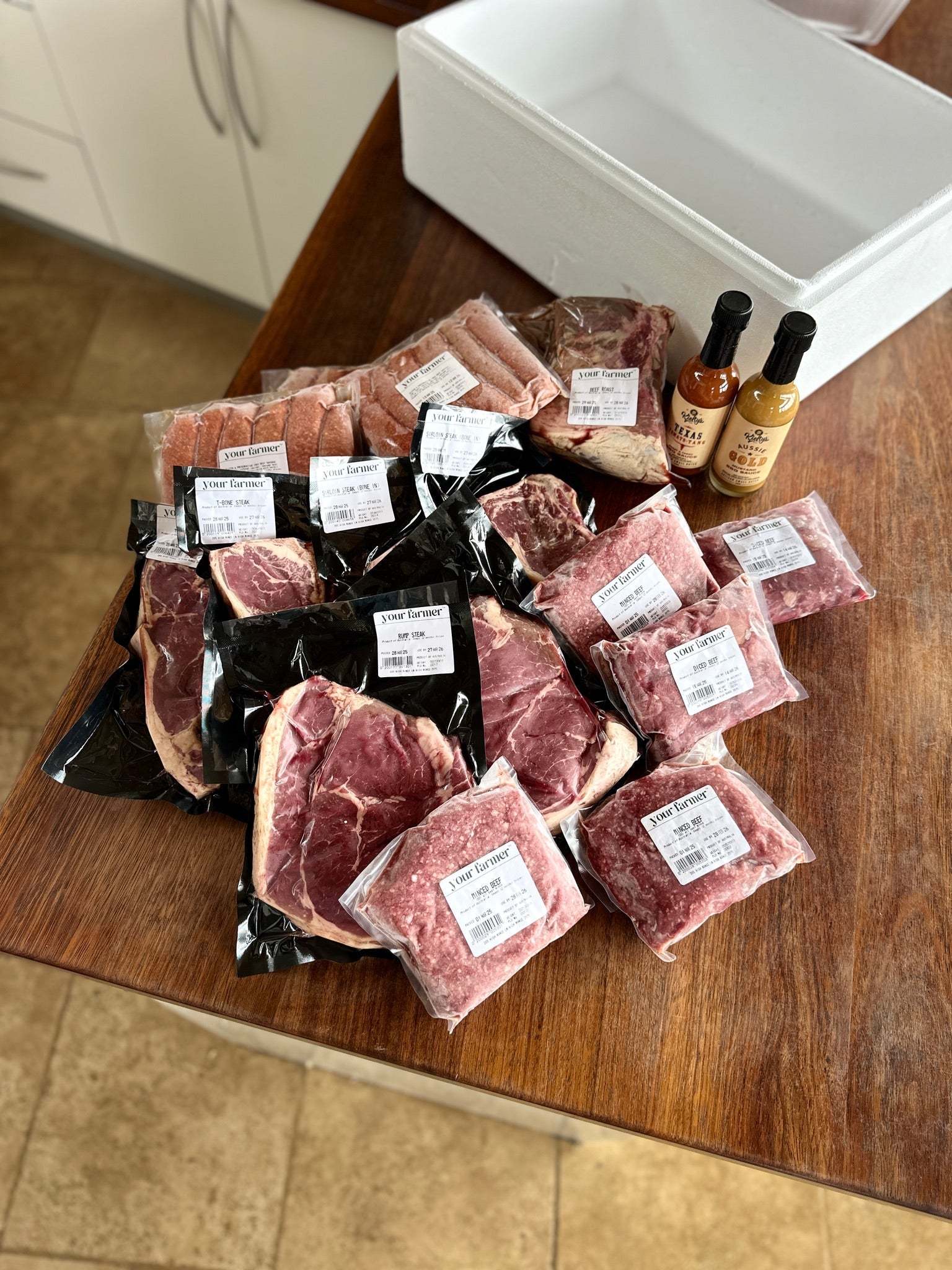
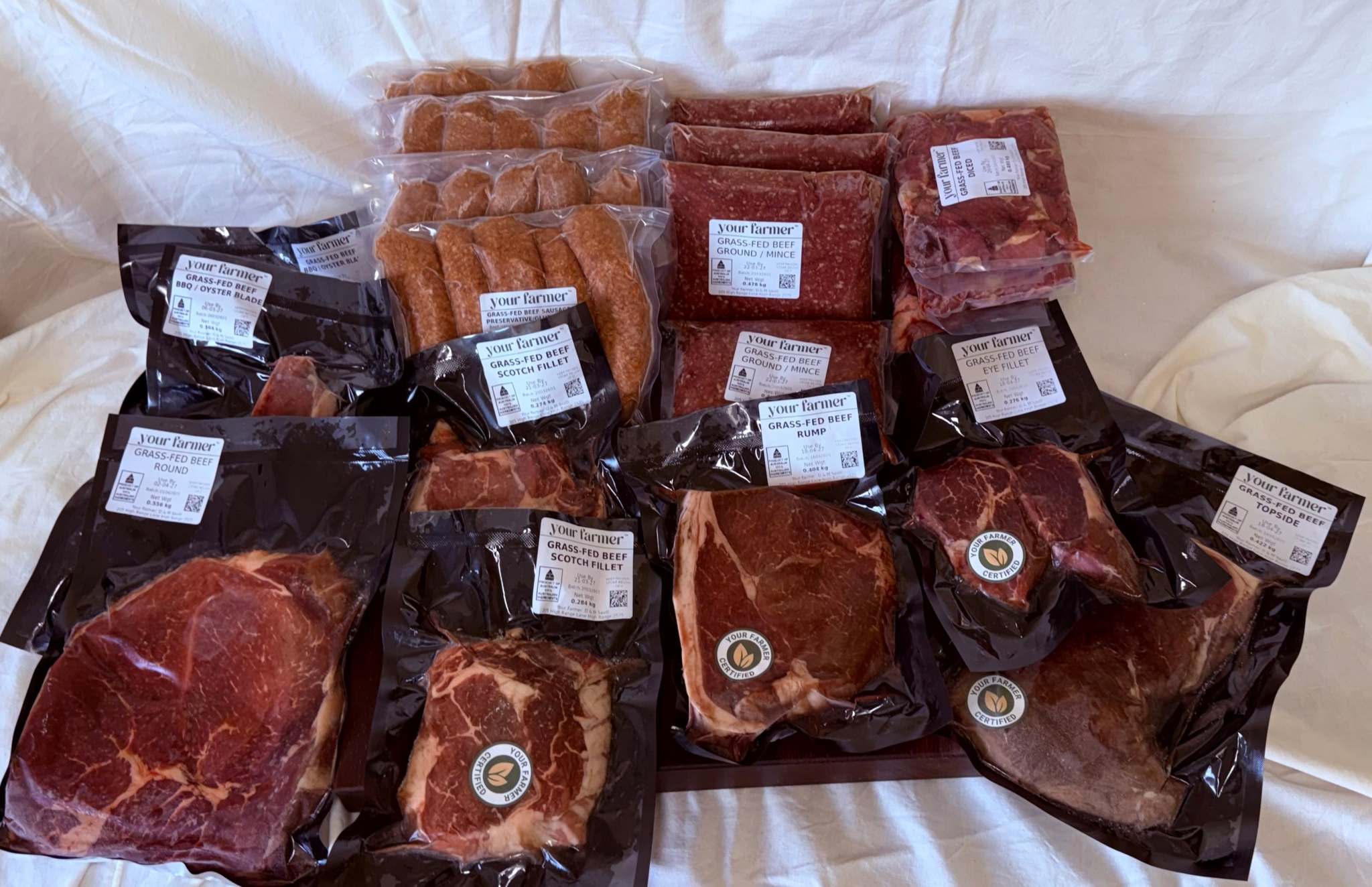
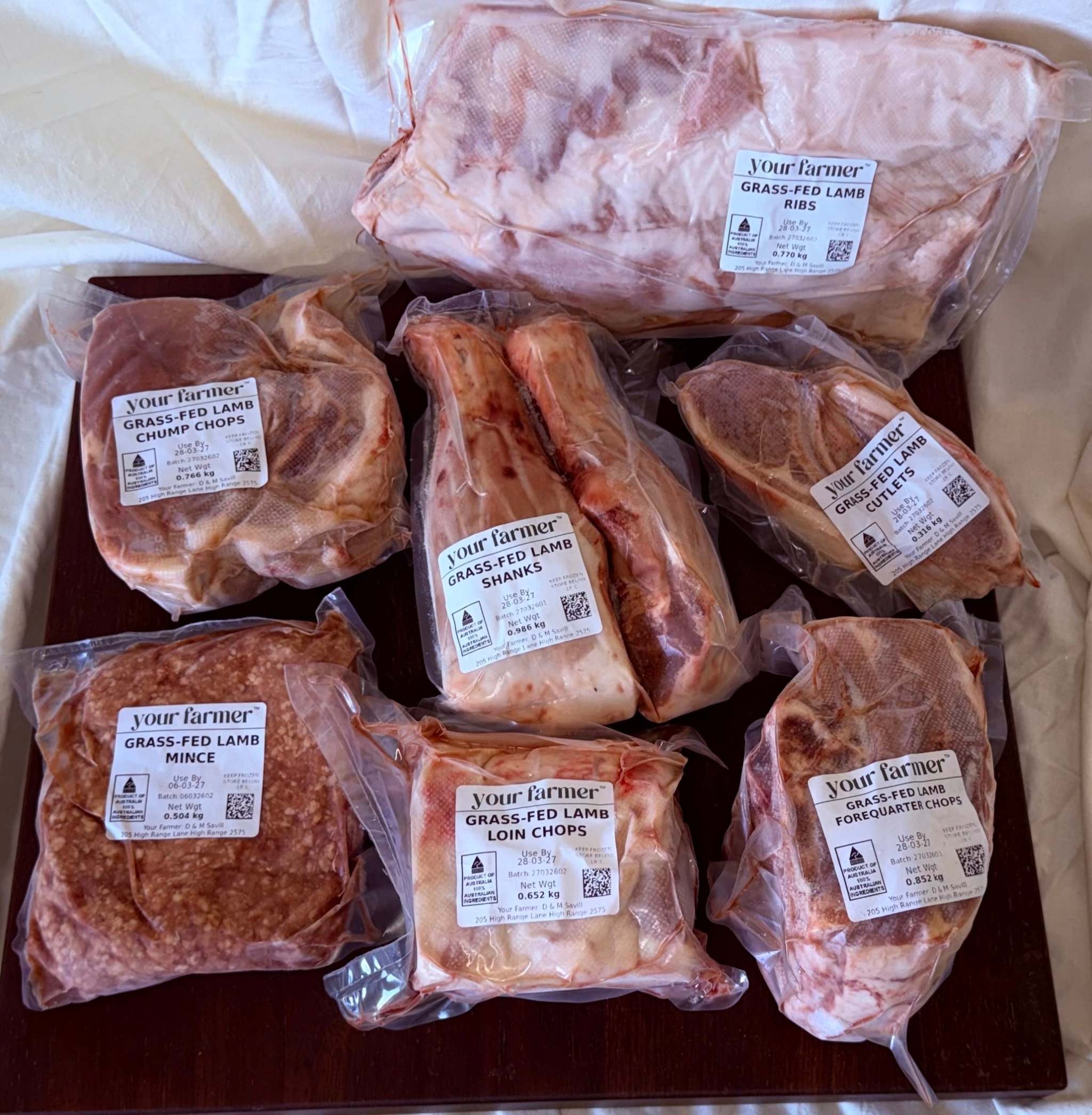
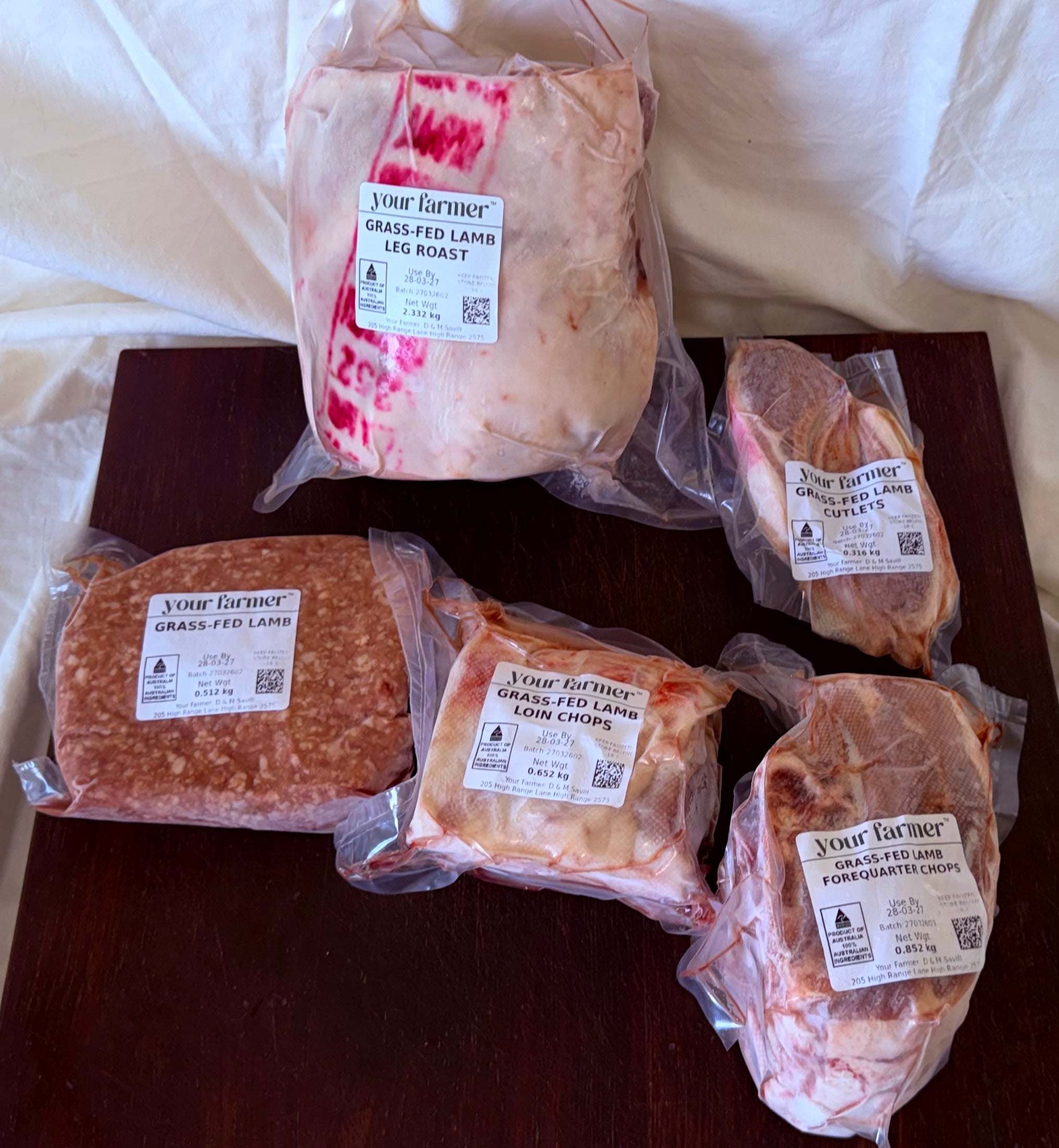
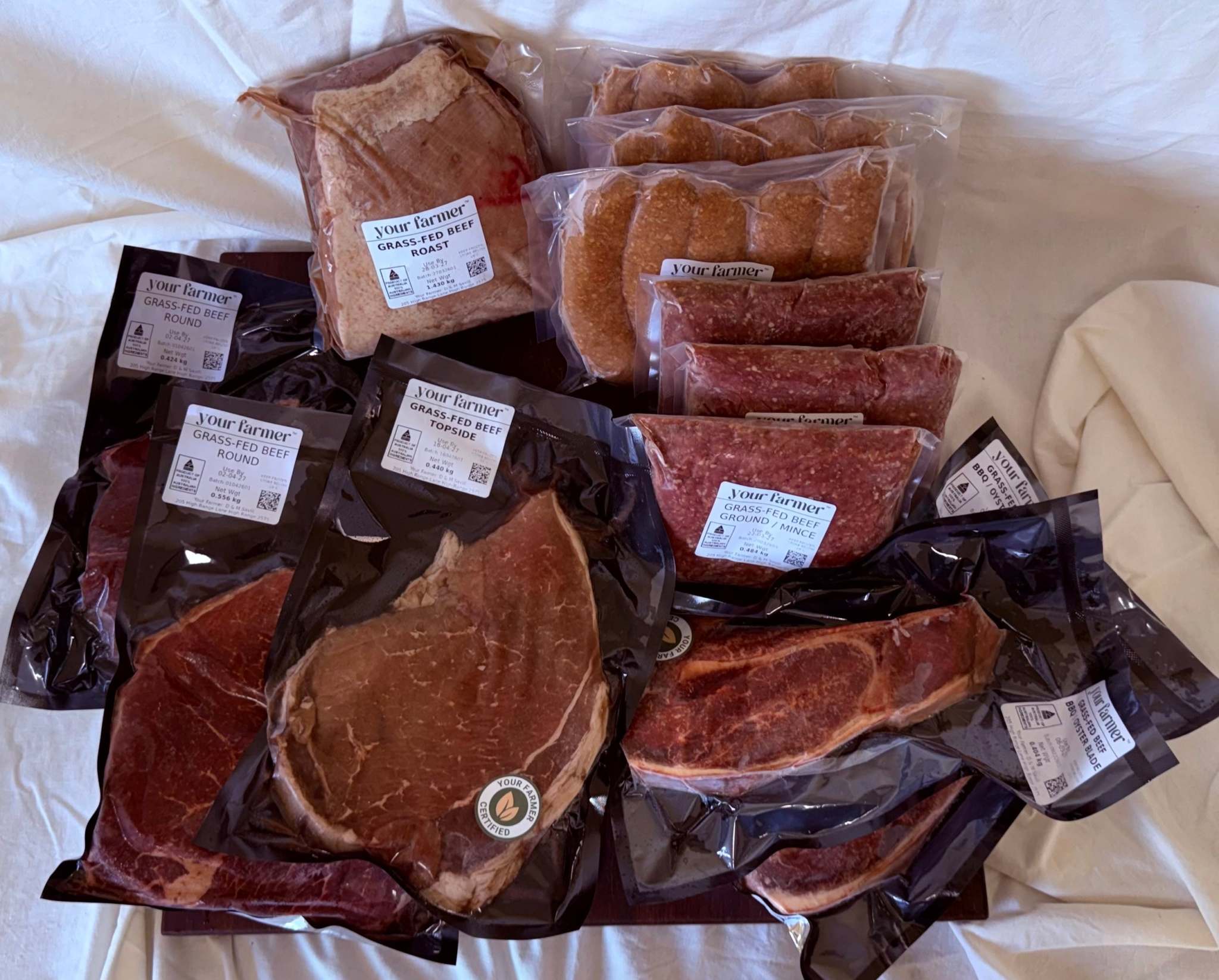
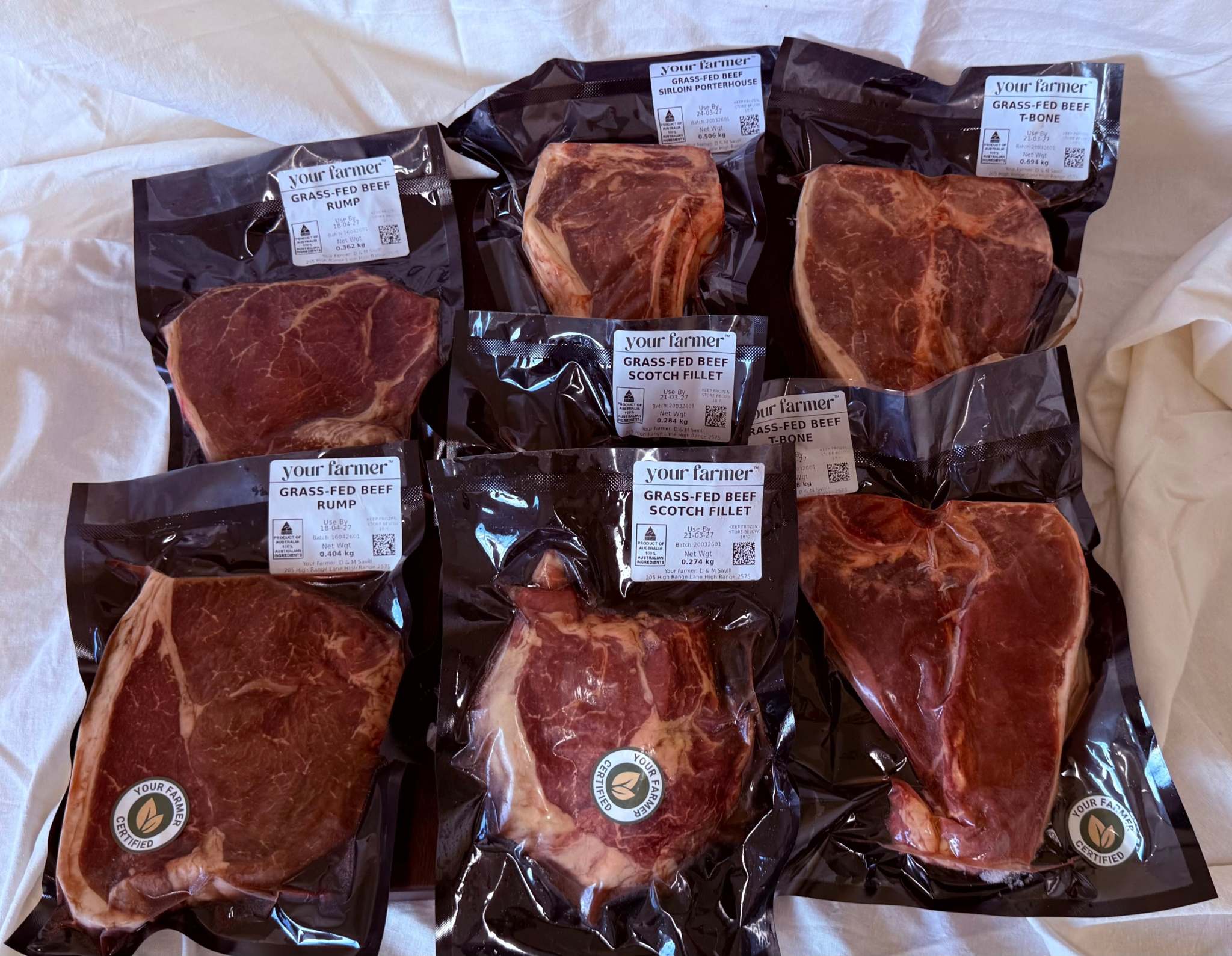
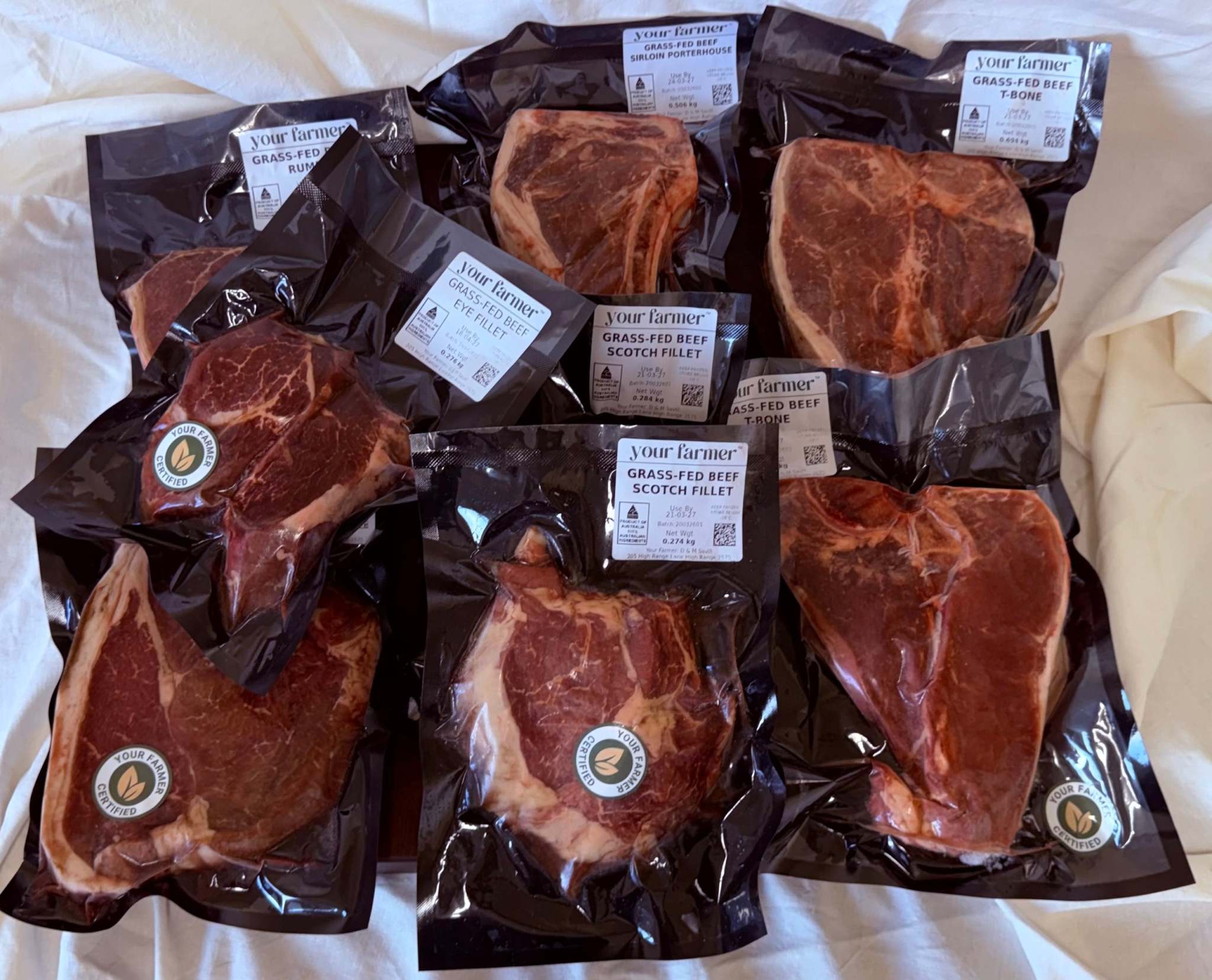
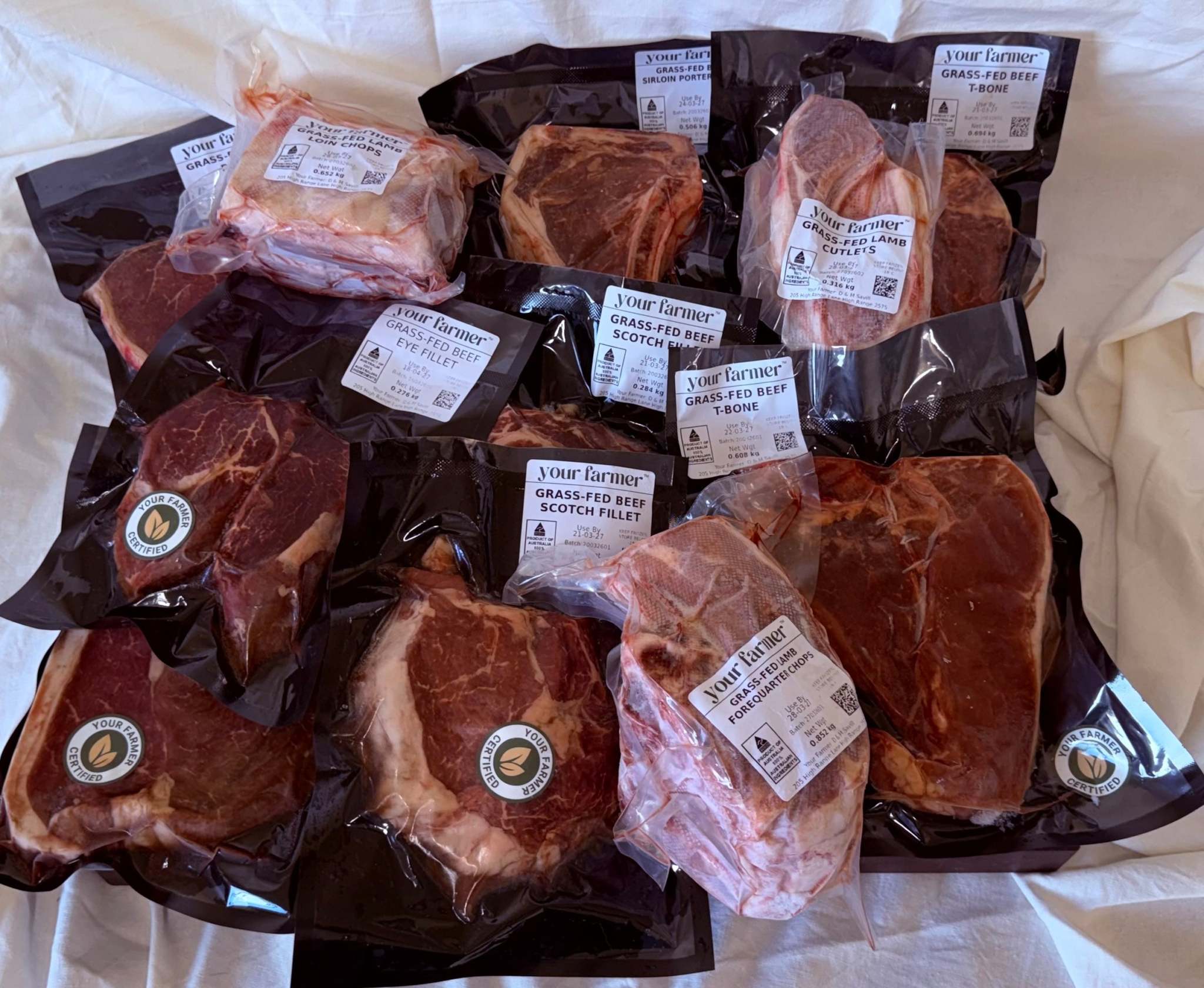
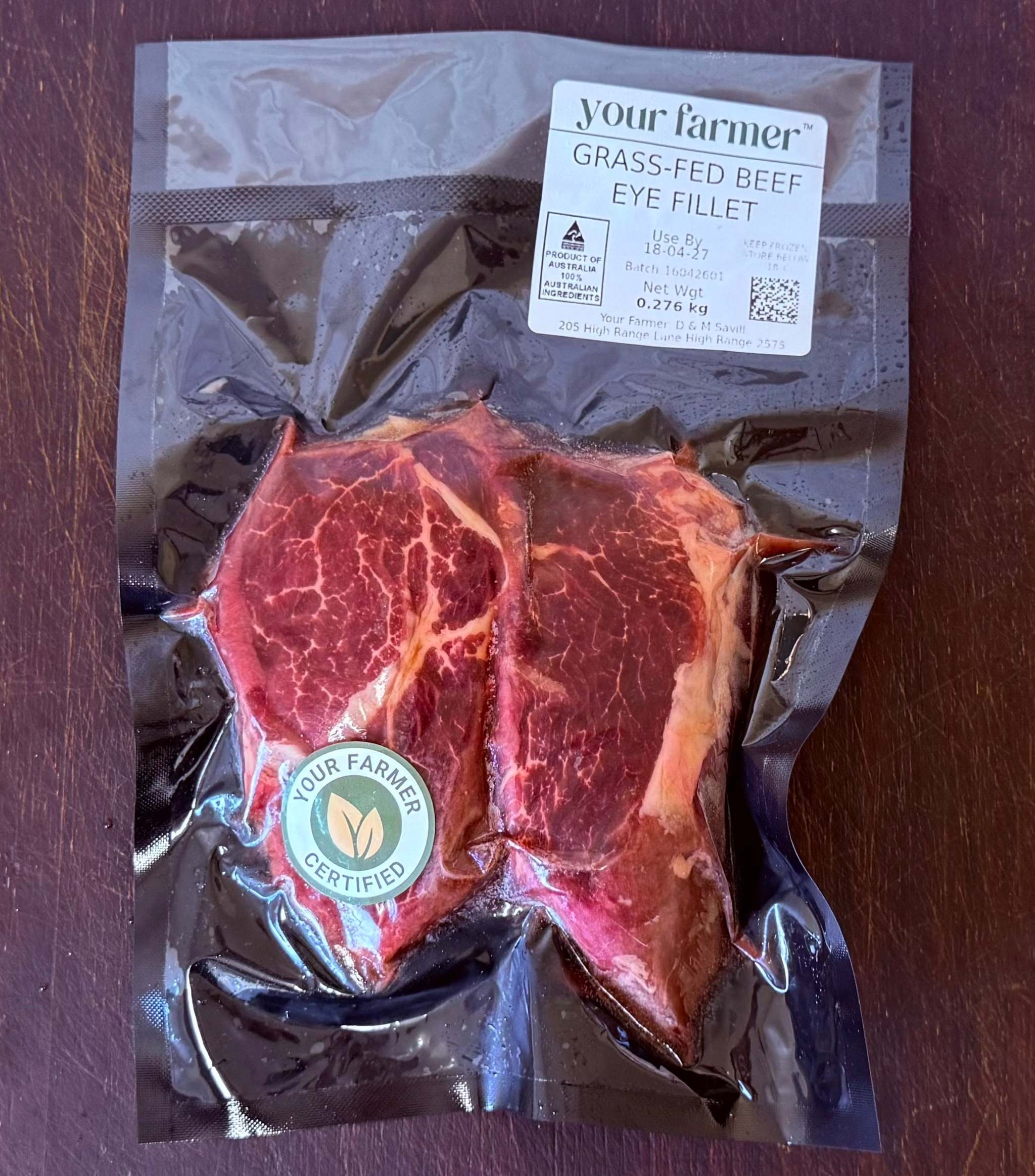
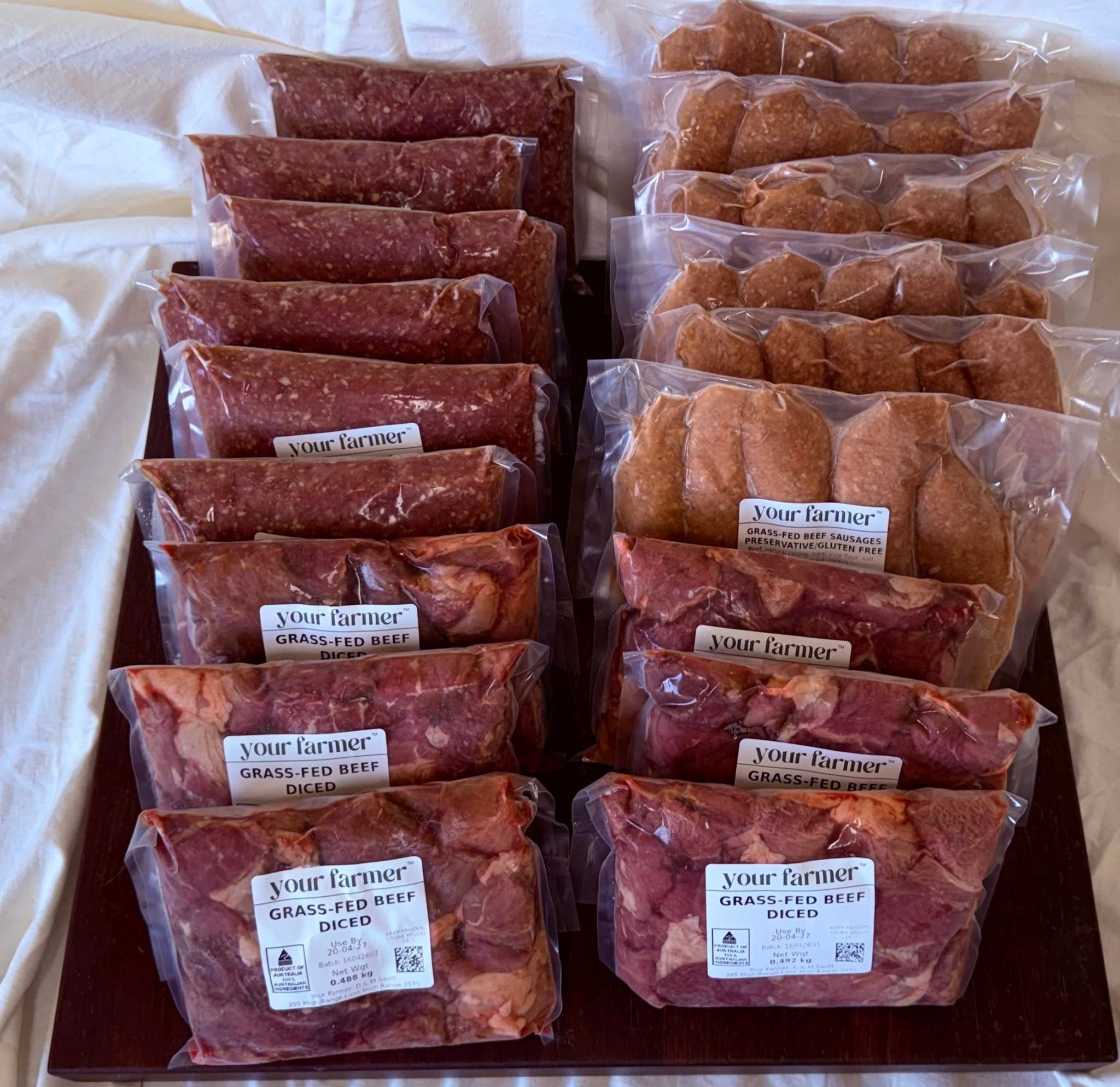
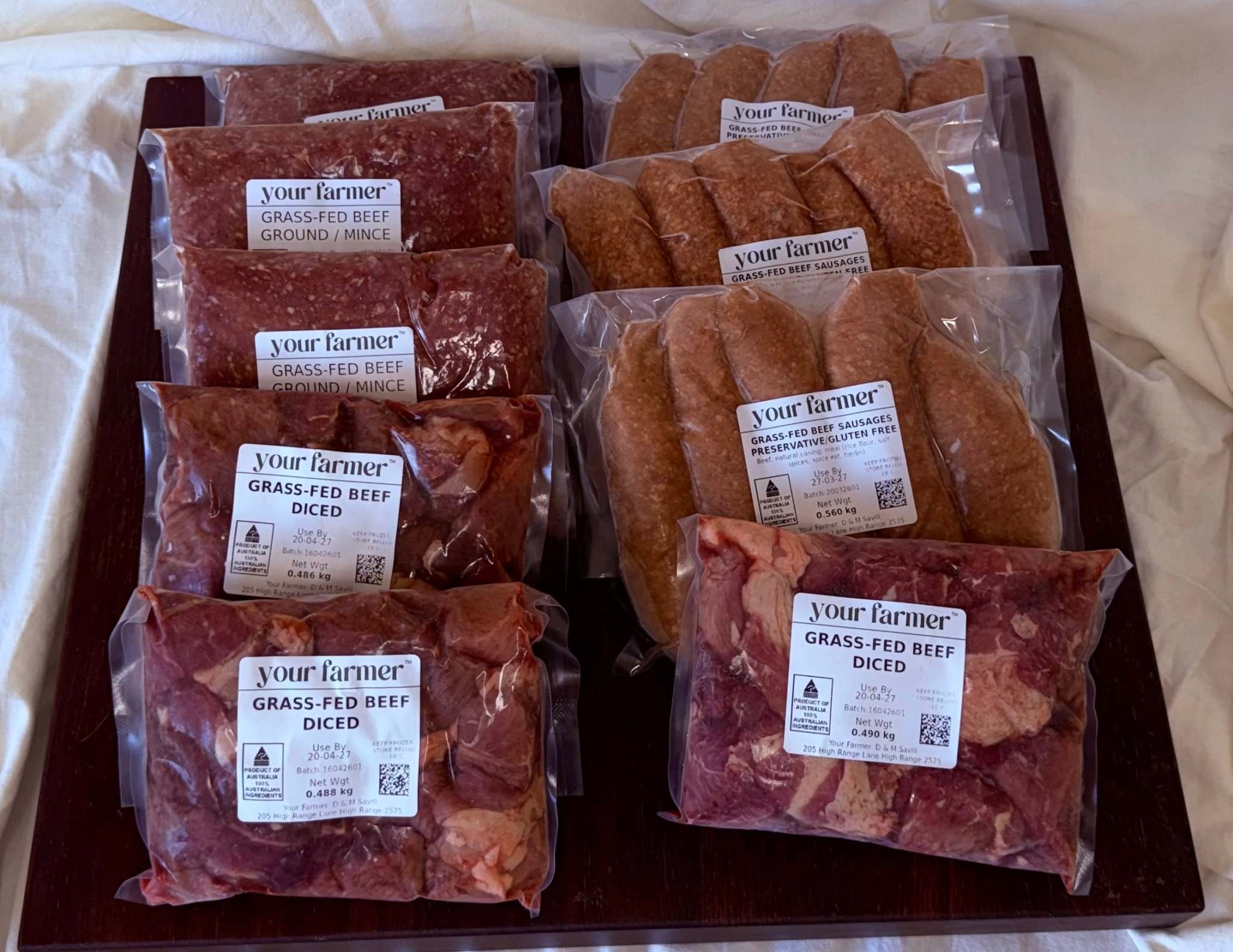
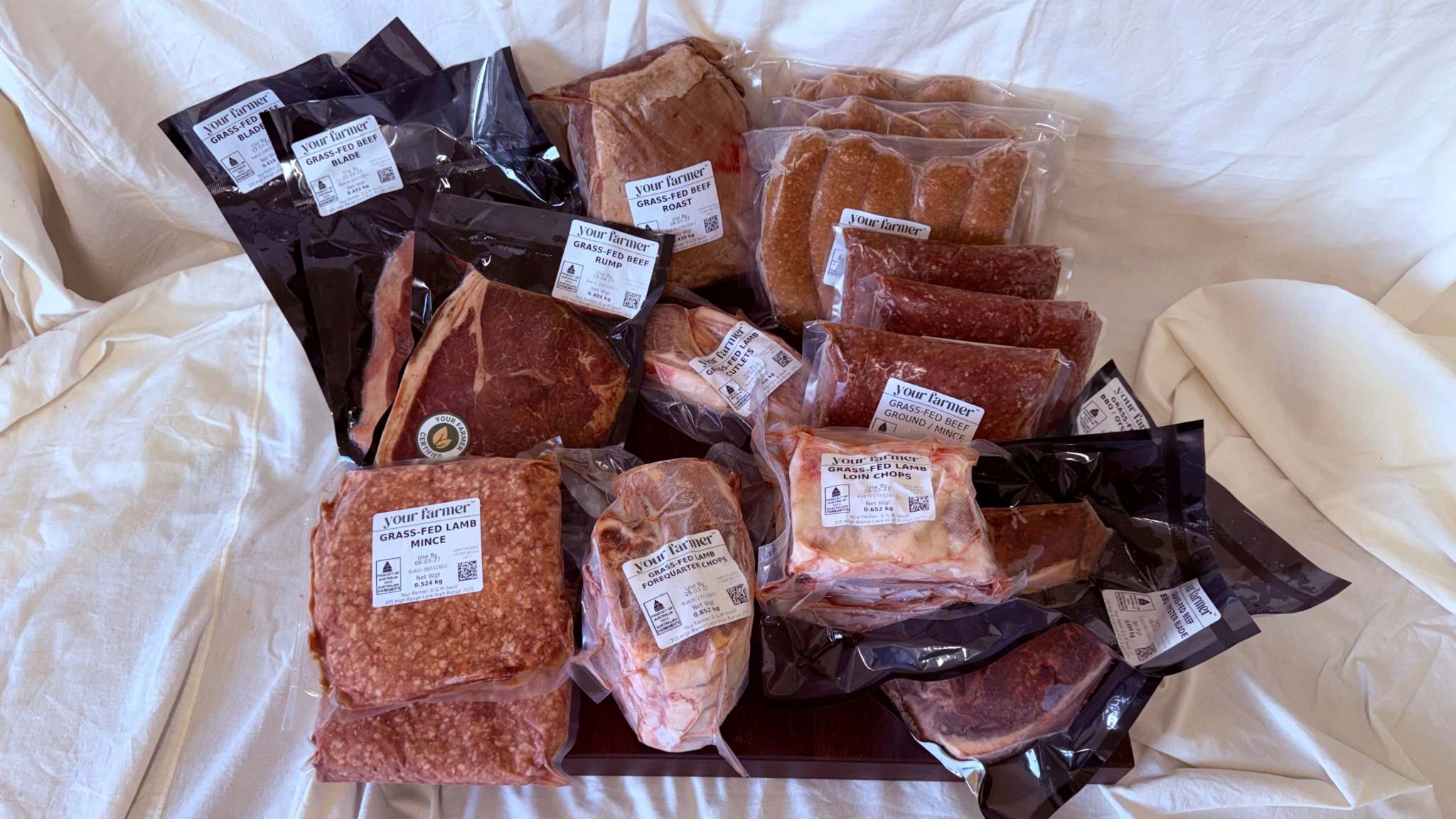
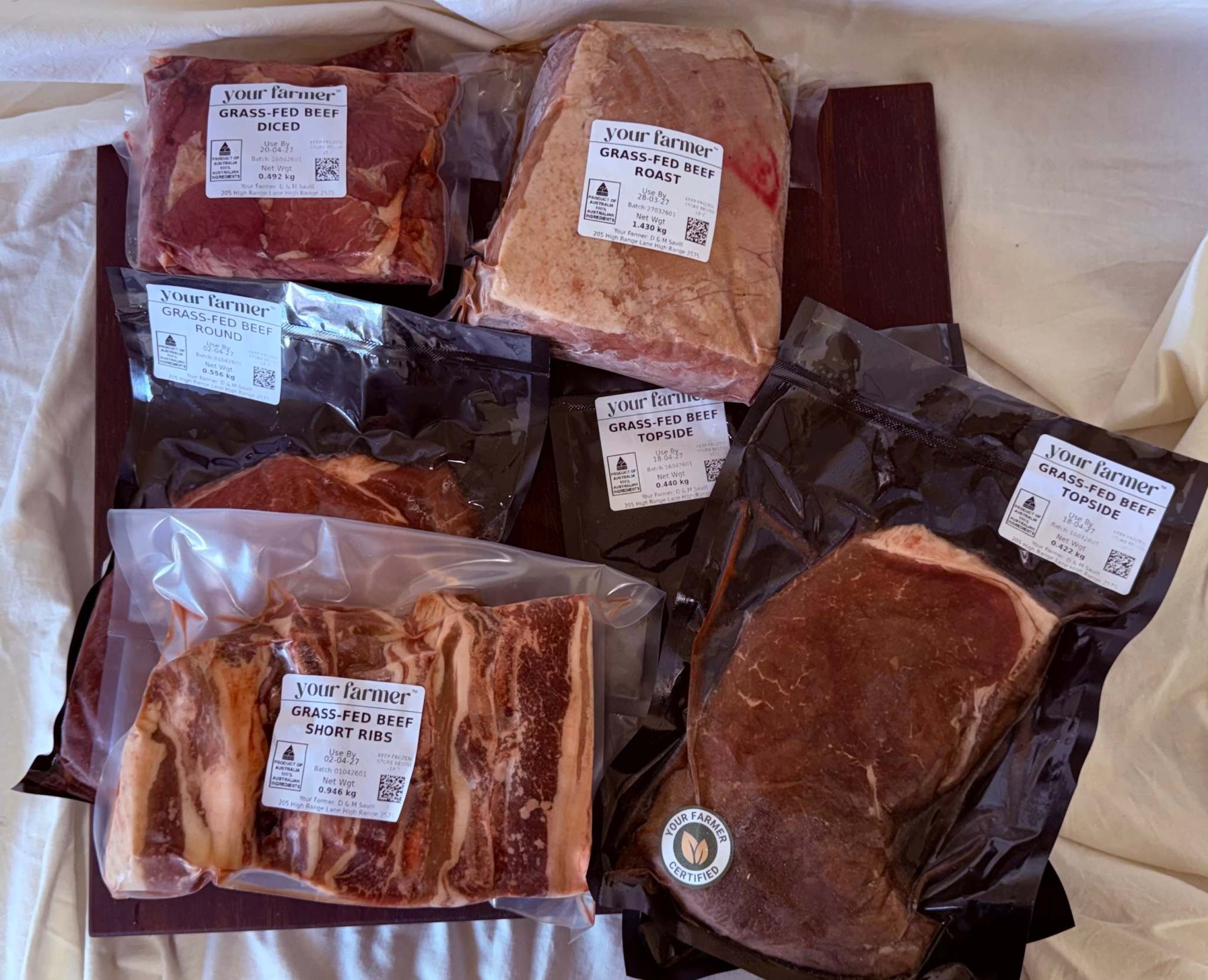
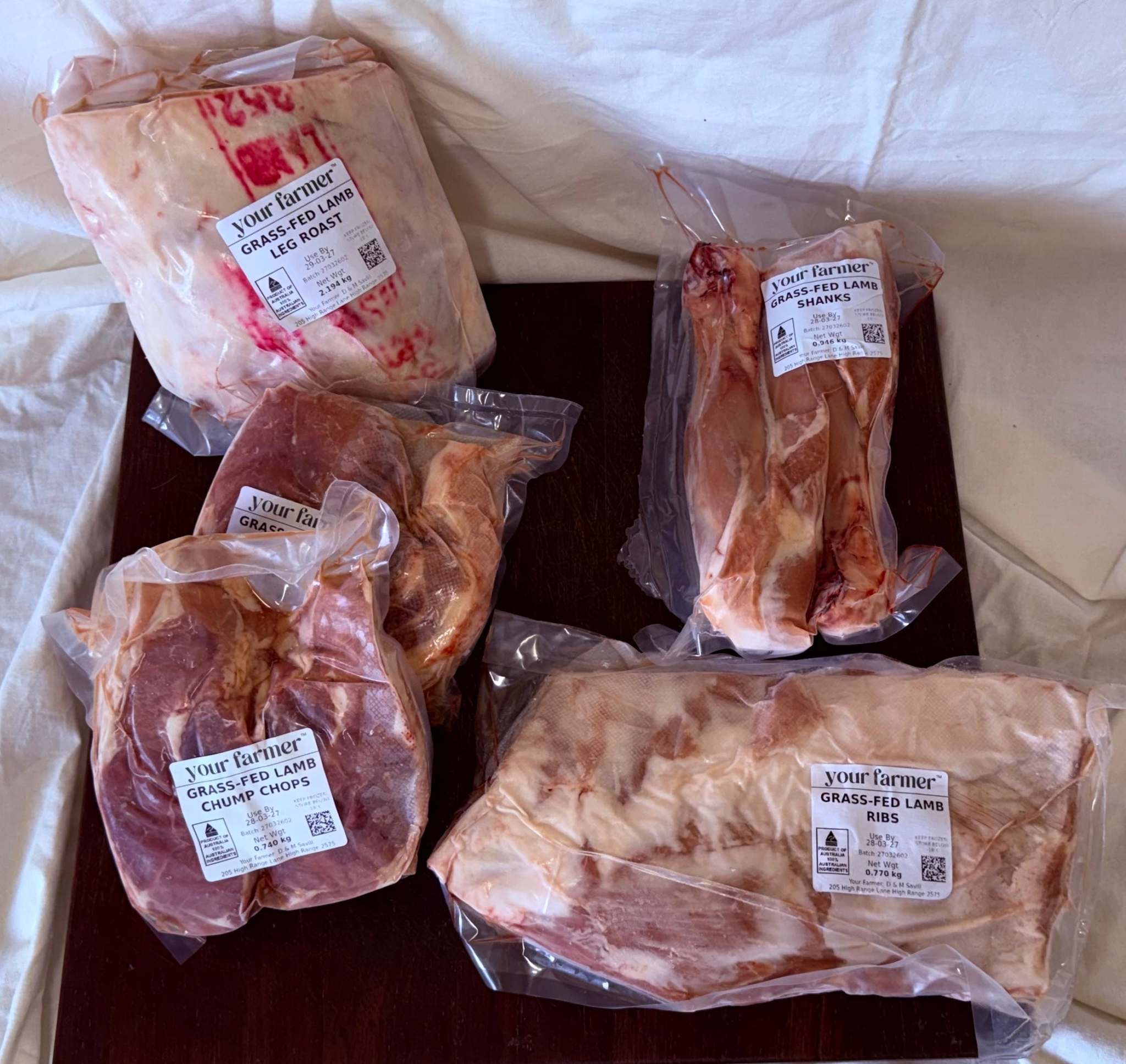
Your Farmer delivers from certified ecological farms to households across the Wollongong, Shellharbour, and Nowra corridor. Their grass fed lamb delivery draws from farms working to ecological standards — a model built around the kind of short, traceable supply chain the Illawarra and Shoalhaven landscape makes naturally possible.
The Regional Match: A Summary
Three factors align in this corridor in a way that makes it a particularly natural fit for direct-farm meat delivery.
|
Factor |
What it means for sustainable meat delivery |
Source |
|
Working farms already here |
169 cattle farms and approximately 43,000 head of cattle operating in the region; Shoalhaven LGA alone contributes $16.4m in agricultural GVP (2015/16 data) |
|
|
Regenerative practices gaining ground |
NSW DPI supports regenerative agriculture to restore ecosystem function; CSIRO confirms rotational grazing can help rebuild depleted soil carbon stocks |
|
|
Short supply chain already viable |
Farm-to-door delivery within the corridor avoids long-haul distribution; food transport is responsible for approximately 19% of global food system emissions |
For residents of Wollongong, Shellharbour, and Nowra, sustainable meat delivery is not a concept borrowed from somewhere else. The farms are nearby, the farming practices are developing on the ground, and the supply chain is shorter than almost anywhere else in NSW.

Share:
How Soil Health Shapes the Flavour and Nutrition of Grass-Fed Lamb
Grass-Fed Southern Highlands Beef vs Grain-Finished Supermarket Beef: What's Actually Different?