


Quick Answer: 100% grass-fed beef and lamb offer superior nutritional benefits including 2-10 times more omega-3 fatty acids, 2-4 times more CLA, triple the vitamin E, enhanced B vitamins, better mineral absorption, and powerful antioxidants that support heart health, reduce inflammation, and boost immunity compared to grain-fed alternatives.
Why Your Family's Protein Choices Matter More Than You Think
As health-conscious families in the Illawarra Region and beyond increasingly question what's on their dinner plates, the conversation around meat quality has moved far beyond simple preferences. Whether you're shopping in Wollongong, Shellharbour, Nowra, or Appin, understanding the nutritional differences between grass-fed and grain-fed meat can profoundly impact your family's health trajectory.
The truth is, not all beef and lamb are created equal. The diet of the animals you consume directly influences the nutritional composition of their meat—and consequently, the nourishment your body receives. Let's explore what science reveals about the remarkable health benefits of choosing 100% grass-fed beef and lamb.
The Fundamental Difference: How Diet Transforms Nutrition
The distinction between grass-fed and grain-fed meat goes far deeper than farming methods—it fundamentally alters the nutritional architecture of the meat itself. Research published in Nutrition Journal demonstrates that cattle and sheep consuming primarily grass and forage produce meat with a dramatically different fatty acid composition, vitamin concentration, and antioxidant content compared to animals finished on grain-based diets.
When ruminant animals graze on diverse pastures, they consume chlorophyll-rich plants, various grasses, legumes, and forbs. These plants contain an abundance of beneficial compounds—omega-3 fatty acids, carotenoids, tocopherols, and phytochemicals—that accumulate in the animal's tissues. Conversely, grain-fed animals consuming primarily corn and soy develop a nutritional profile that mirrors their monotonous, starch-heavy diet.
Omega-3 Fatty Acids: The Heart-Healthy Advantage
Perhaps the most significant nutritional advantage of grass-fed meat lies in its omega-3 fatty acid content. These essential fats play crucial roles in cardiovascular health, brain function, and inflammation reduction.
The Numbers Tell a Powerful Story
Studies from Understanding Agriculture reveal that grass-fed beef contains EPA (eicosapentaenoic acid) levels almost 10 times higher and DHA (docosahexaenoic acid) levels three times higher than grain-fed beef. In practical terms, grass-fed ground beef provides approximately 200mg of total omega-3 per 100g serving compared to just 36mg in conventional beef, with long-chain omega-3s comprising 64mg versus 0mg.
For grass-fed lamb, the benefits are equally impressive. Research shows grass-fed lamb contains two to four times more omega-3 fatty acids than grain-fed alternatives, with studies demonstrating that consuming grass-finished lamb improves blood plasma omega-3 fatty acid response in healthy individuals.
The Omega-6 to Omega-3 Ratio: A Critical Balance
Beyond absolute omega-3 content, the ratio of omega-6 to omega-3 fatty acids matters tremendously for health. The modern Western diet typically contains a ratio of 20:1 or higher, contributing to chronic inflammation. Research indicates that grass-fed beef typically maintains a more favourable omega-6 to omega-3 ratio, often around 2:1 to 3:1, whereas grain-fed beef generally shows higher ratios, commonly in the range of about 5:1 to 10:1, depending on breed, cut, and feeding regime. Diets incorporating high levels of corn-based distillers' grains can further increase this ratio.
Many health experts and scientific bodies recommend a ratio of 4:1 or less for optimal health outcomes. Grass-fed meat naturally achieves this target, helping to reduce systemic inflammation associated with heart disease, arthritis, and metabolic syndrome.
Conjugated Linoleic Acid (CLA): A Powerful Natural Compound
Conjugated Linoleic Acid, or CLA, represents another remarkable nutritional advantage of grass-fed meat. This naturally occurring fatty acid, produced in the digestive tracts of ruminant animals, accumulates in meat and dairy products—especially from grass-fed animals.
Cancer-Fighting Properties
The research on CLA's anti-cancer potential is particularly compelling. Laboratory studies have shown that even small amounts of CLA can block all three stages of cancer: initiation, promotion, and metastasis, slowing the growth of skin, breast, prostate, and colon tumors.
Human studies support these findings. A Finnish study found that women with the highest dietary CLA levels had a 60% lower risk of breast cancer compared to those with the lowest levels. Similarly, French research showed women with the most CLA in their breast tissues had a 74% lower risk of breast cancer.
Body Composition and Metabolic Health
CLA is recognised for its ability to help burn fat and build lean muscle, with research suggesting that doses of 3-4 grams daily can promote body fat loss and increase muscle mass. The mechanism involves inhibiting genes responsible for fat storage while boosting metabolic function, leading to faster fat burning and increased satiety.
Cardiovascular and Anti-Inflammatory Benefits
Research indicates that CLA may improve cholesterol profiles by lowering LDL cholesterol and supporting healthier HDL levels, potentially reducing cardiovascular disease risk. Studies also show that in countries where cows primarily graze on grass, people with higher CLA levels in their bodies tend to have a lower risk of heart disease.
How Much More CLA Does Grass-Fed Contain?
When ruminants are raised on fresh pasture alone, their products contain three to five times more CLA than products from animals fed conventional grain-based diets. Grass-fed lamb has one of the highest levels of CLA among all meat sources.
Vitamins: Enhanced Micronutrient Density
The vitamin profile of grass-fed meat significantly surpasses that of grain-fed alternatives, offering families in the Illawarra Region and throughout NSW a more nutrient-dense protein option.
Vitamin E: Triple the Antioxidant Protection
Grass-fed beef contains three times more vitamin E (alpha-tocopherol) than grain-fed beef. This fat-soluble antioxidant protects cells from oxidative damage, supports immune function, and maintains muscle and nerve tissue. Tocopherols are linked to protection against cardiovascular disease, certain cancers, brain function decline, and reduced eyesight.
Vitamin A and Beta-Carotene
The yellowish appearance of grass-fed beef fat isn't just aesthetic—it signals significantly higher levels of carotenoids, the plant pigments that serve as precursors to vitamin A. These compounds are crucial for vision, immune function, reproductive health, and organ health. Grass-fed lamb similarly boasts elevated levels of beta-carotene and vitamin A.
B Vitamin Complex: Supporting Nervous System Health
The B vitamin profile of grass-fed meat is particularly impressive for families concerned about energy metabolism and nervous system health:
-
Vitamin B3 (Niacin): Can be up to nine times higher in grass-fed beef, promoting healthy nervous system function, digestion, and skin health
-
Vitamin B12: Just three ounces of lamb provides nearly half of an individual's daily B12 requirements, essential for nerve cell health, DNA formation, and red blood cell production
-
Vitamin B6: Typically 2-3 times higher in grass-fed beef, supporting brain function, mood regulation, and immune response
-
Riboflavin and Thiamine: Studies show nearly 2-fold higher riboflavin and 3-fold higher thiamine concentrations in grass-finished beef
Essential Minerals: Highly Bioavailable Nutrition
Both grass-fed beef and lamb serve as exceptional sources of essential minerals, with the added advantage that animal-based minerals are typically more bioavailable than plant sources.
Iron: Combating Deficiency Naturally
Grass-fed red meat provides heme iron, which is significantly more readily absorbed by the body than non-heme iron from plants. This makes grass-fed beef and lamb particularly valuable for preventing iron-deficiency anemia, especially in children, pregnant women, and menstruating individuals.
Zinc: Immune System Support
Lamb is particularly loaded with immune-boosting zinc, essential for optimal immune health, wound healing, DNA and protein synthesis, and growth and development. Three ounces of lamb can provide 30% of the daily value for zinc—a considerable contribution to family nutrition.
Selenium: Antioxidant Protection
Grass-fed lamb is an excellent source of selenium, which, along with zinc, acts as a protective factor against oxidative stress through its role in antioxidant enzyme systems. This mineral supports thyroid function, DNA synthesis, and protection from infection.
Additional Minerals
Grass-fed meat also provides meaningful amounts of phosphorus (for bone health and hormone regulation), copper (for energy production), magnesium (for muscle and nerve function), and other trace minerals essential for optimal health.
Antioxidants and Phytochemicals: Plant Power in Meat
One of the most fascinating aspects of grass-fed meat is how it concentrates beneficial plant compounds—phytochemicals—from the diverse pastures animals graze.
Cancer-Fighting Glutathione and Superoxide Dismutase
Research shows that grass-based diets elevate precursors for glutathione (GT) and superoxide dismutase (SOD), powerful antioxidants that protect cell membranes from free radical damage. These compounds have demonstrated cancer-fighting properties in scientific studies.
Diverse Phytochemical Profile
Groundbreaking research published in Frontiers in Sustainable Food Systems identifies numerous health-promoting phytochemicals in significantly higher concentrations in grass-fed meat:
-
Hippurate: A strong indicator of dietary phenolic intake, associated with improved gut microbial diversity and lower risk of metabolic syndrome
-
Stachydrine: Offers anti-inflammatory and cardioprotective effects
-
P-cresol sulfate and 4-ethylphenolsulfate: Plant phenolic compounds with antioxidant properties
-
Cinnamoylglycine (cinnamic acid): Provides anti-inflammatory and potential anti-tumor properties
-
Polyphenols, tocopherols, and carotenoids: Comprehensive antioxidant protection
These plant-derived compounds offer anti-inflammatory and antioxidant effects, scavenge toxic chemicals, enhance nutrient absorption, and play significant roles in preventing chronic diseases.
Nutritional Comparison: Grass-Fed vs. Grain-Fed
|
Nutritional Component |
Grass-Fed Beef/Lamb |
Grain-Fed Beef/Lamb |
Health Significance |
|
Omega-3 Fatty Acids |
200mg per 100g (beef) 2-4x higher (lamb) |
36mg per 100g (beef) Baseline |
Heart health, brain function, inflammation reduction |
|
Omega-6:Omega-3 Ratio |
~2:1 |
9:1 to 55:1 |
Lower ratios reduce systemic inflammation |
|
CLA Content |
3-5x higher |
Baseline |
Anti-cancer, fat loss, muscle gain, heart health |
|
Vitamin E |
3x higher |
Baseline |
Antioxidant protection, immune support |
|
Beta-Carotene/Vitamin A |
Significantly higher |
Lower |
Vision, immune function, cell health |
|
Vitamin B3 (Niacin) |
Up to 9x higher |
Baseline |
Nervous system, digestion, skin health |
|
Vitamin B6 |
2-3x higher |
Baseline |
Brain function, mood, immune response |
|
Antioxidants (overall) |
Higher concentrations |
Lower |
Protection against oxidative stress and disease |
|
Phytochemicals |
Rich, diverse profile |
Minimal |
Anti-inflammatory, anti-cancer, cardioprotective |
|
Total Fat |
14% less (lamb) Generally lower (beef) |
Higher |
Lower calorie density, leaner protein |
|
Protein Content |
8% higher (lamb) Higher (beef) |
Baseline |
Muscle maintenance, satiety, metabolic health |
Sources: Nutrition Journal, Food Science of Animal Resources, Understanding Agriculture, Shepherd Song Farm
What This Means for Your Family's Health
For health-conscious families in Wollongong, Shellharbour, Nowra, Appin, and throughout the Illawarra Region, choosing 100% grass-fed beef and lamb represents a strategic investment in long-term health outcomes.
Supporting Growing Children
The enhanced vitamin B12, iron, and zinc content in grass-fed meat directly supports children's cognitive development, energy levels, and immune function. The higher protein content—8% more in grass-fed lamb—provides building blocks for growing bodies.
Reducing Inflammation for All Ages
Chronic inflammation underlies numerous modern health challenges, from cardiovascular disease to arthritis to metabolic syndrome. The favorable omega-6 to omega-3 ratio, combined with higher CLA and antioxidant levels, positions grass-fed meat as an anti-inflammatory food choice rather than a pro-inflammatory one.
Heart Health Protection
The combination of omega-3 fatty acids, CLA, favorable saturated fat profiles, and cardioprotective phytochemicals makes grass-fed meat a heart-healthy protein option when consumed as part of a balanced diet rich in vegetables, fruits, and whole grains.
Natural, Unprocessed Nutrition
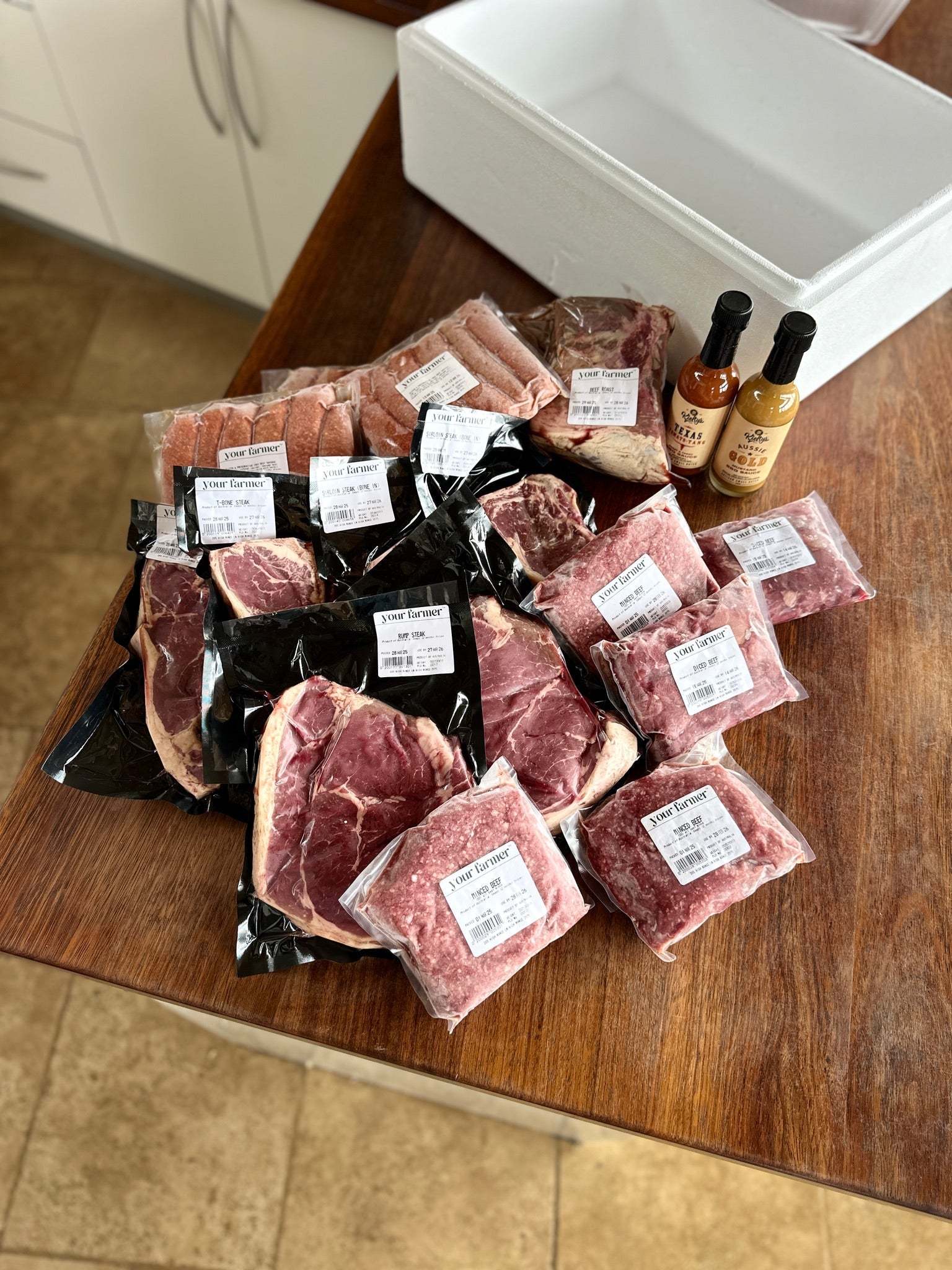
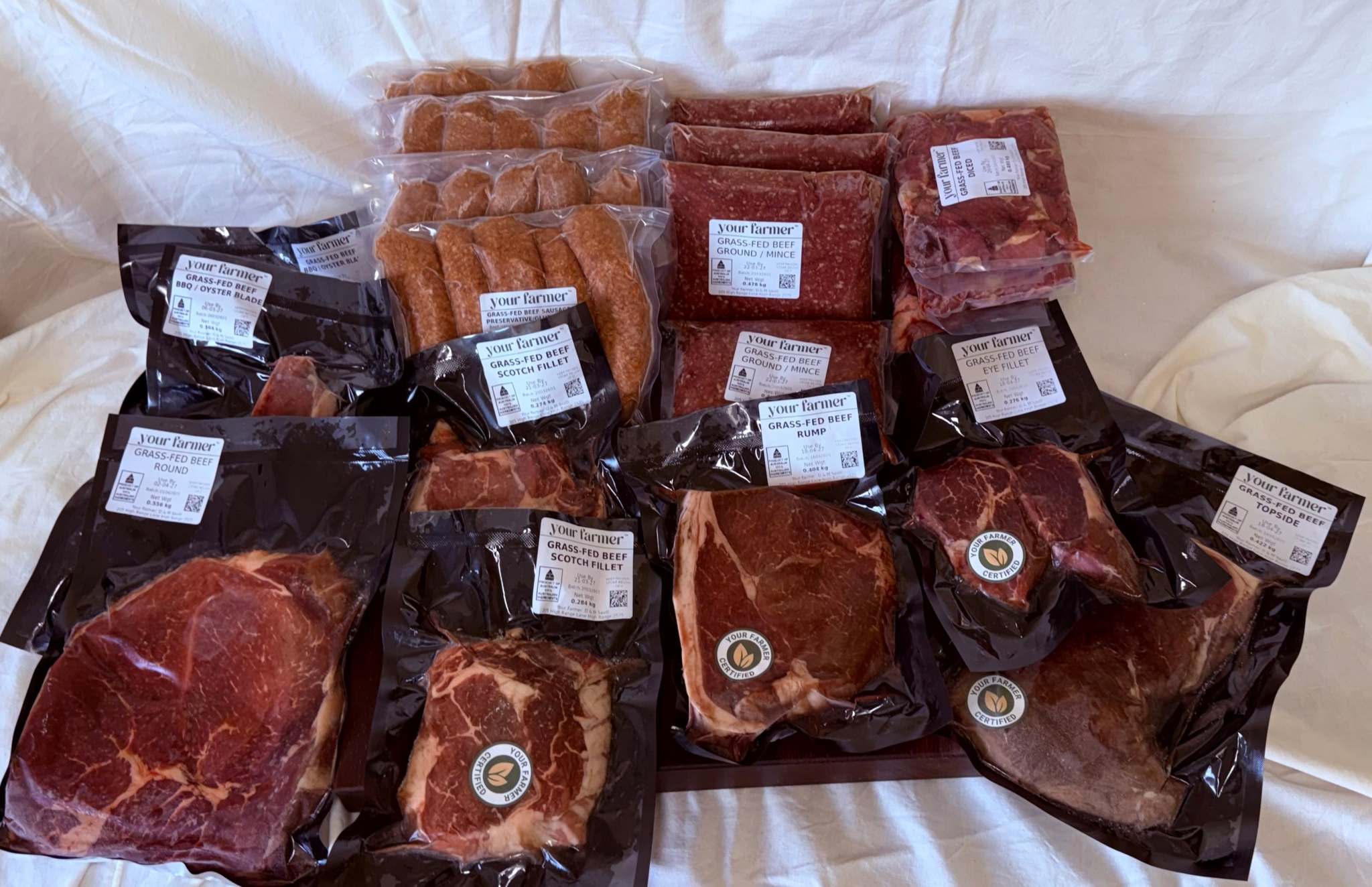
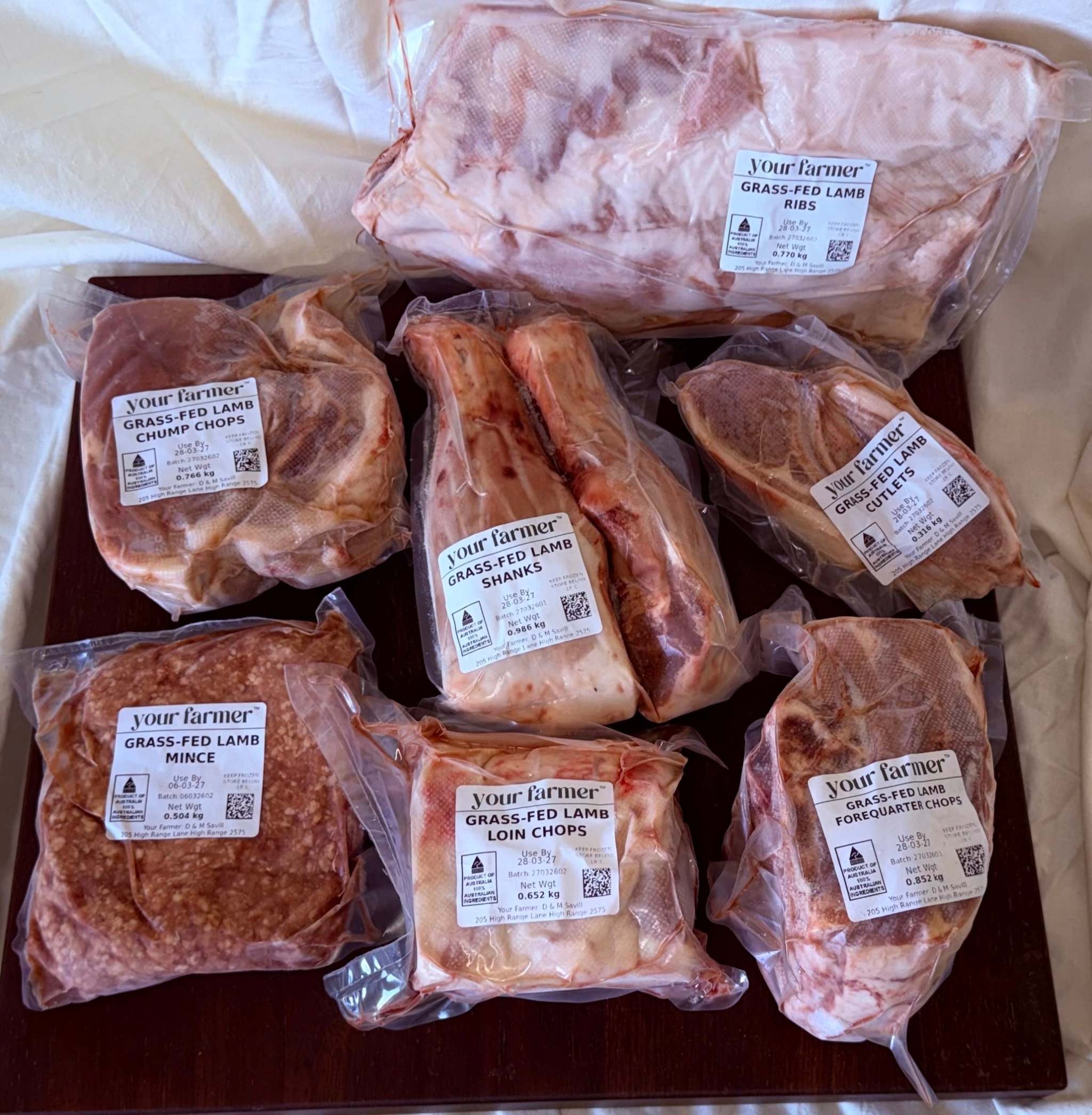
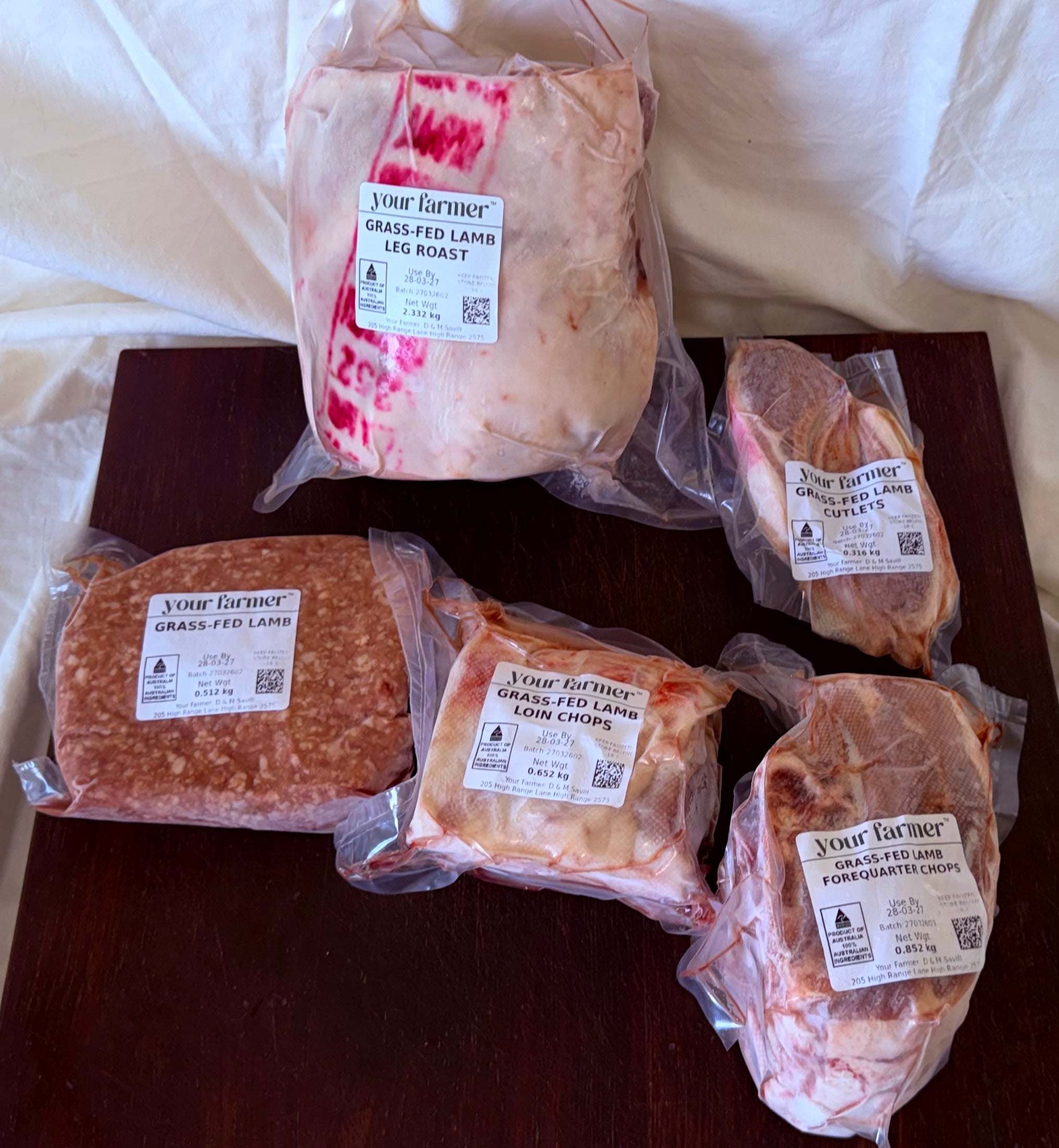
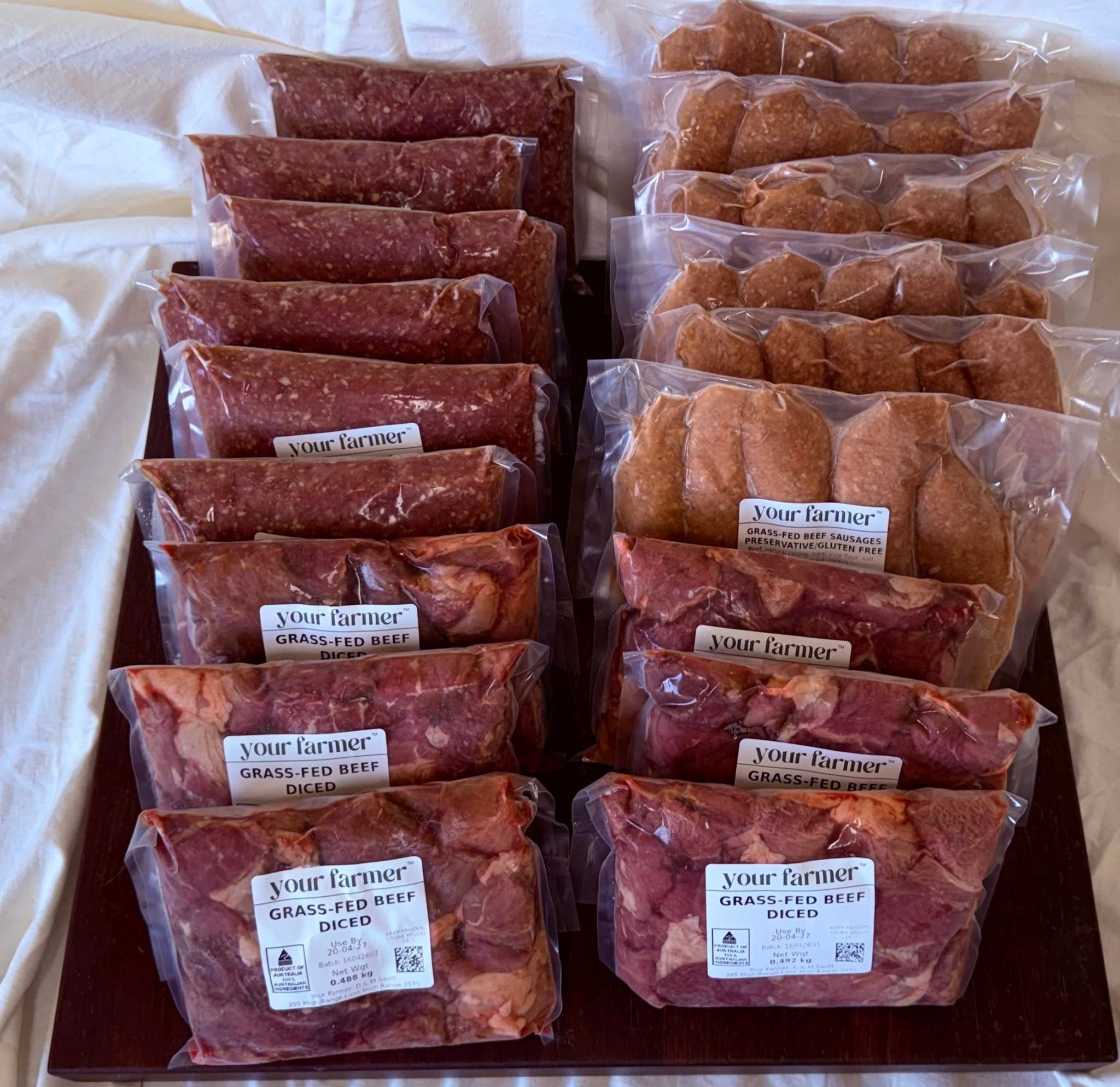
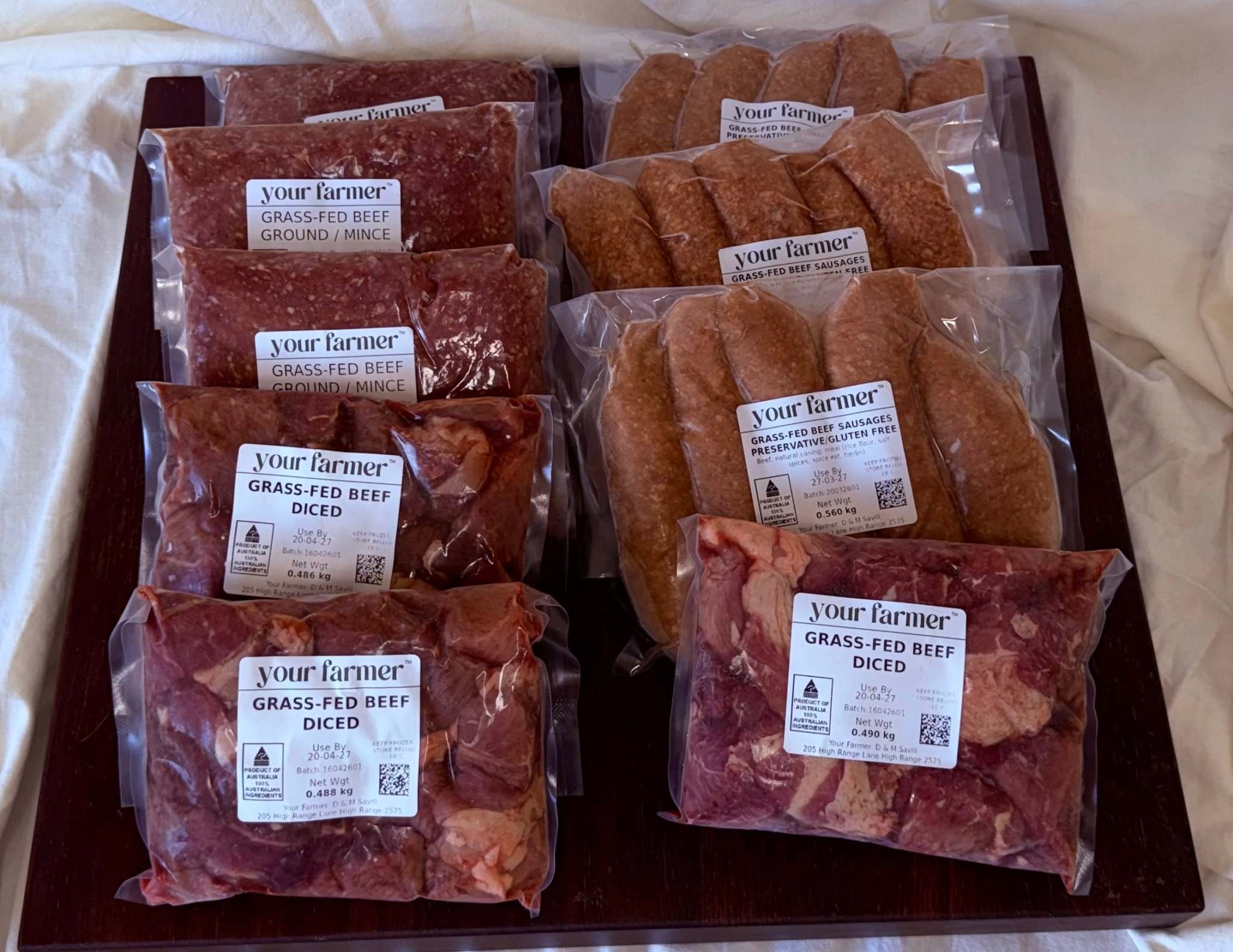
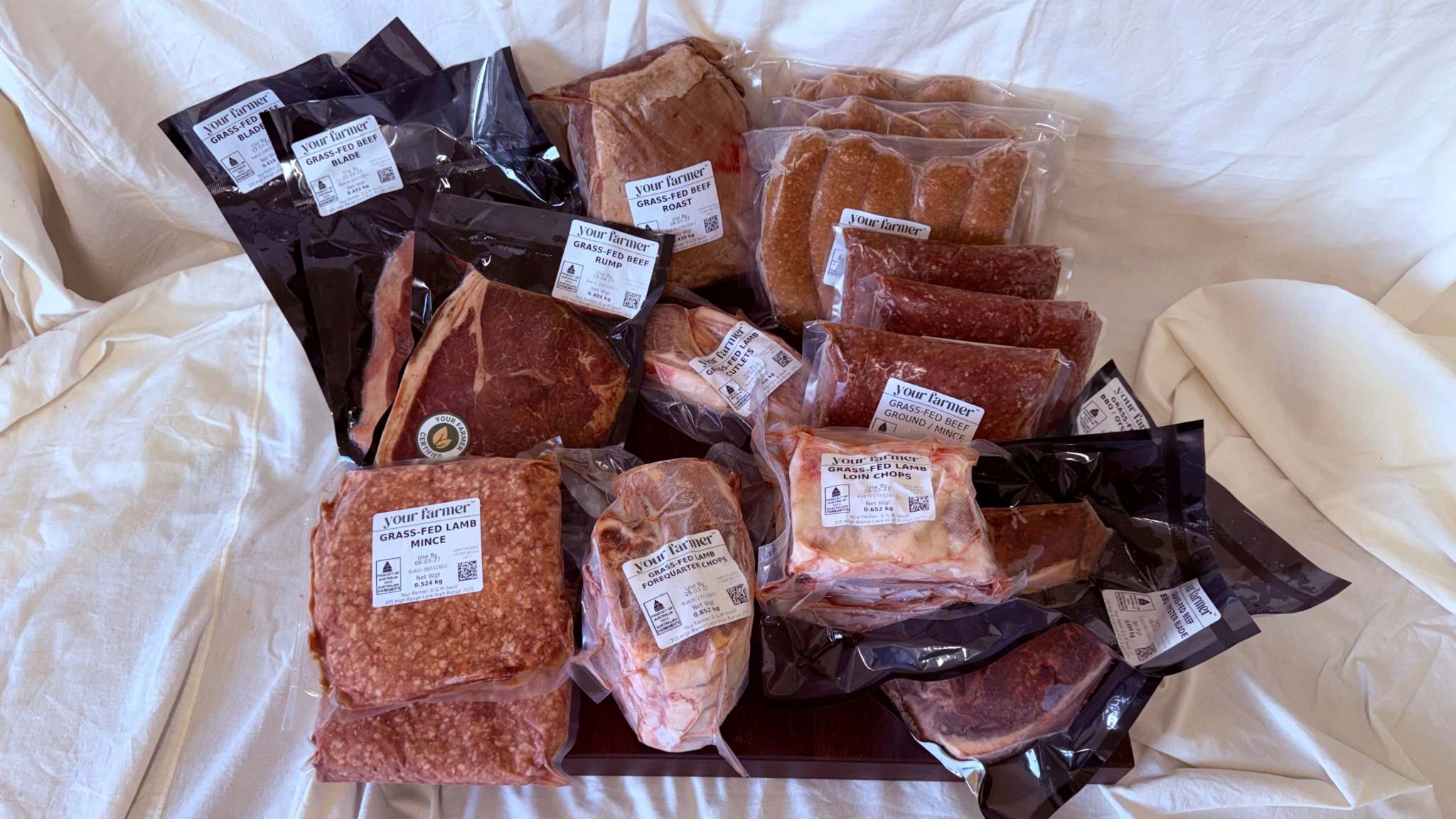
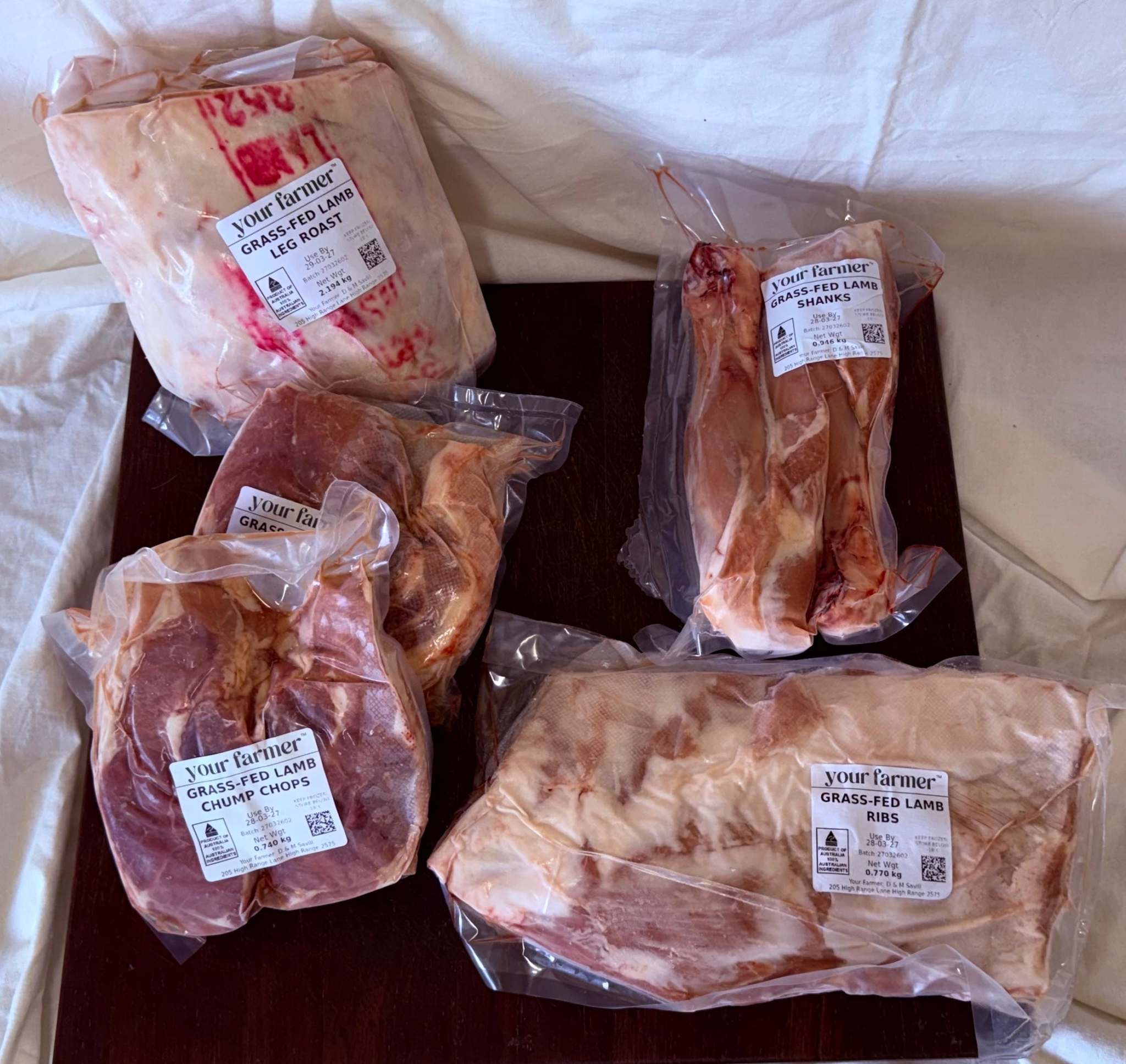
Families choosing grass-fed meat from reputable sources like Your-Farmer—a paddock-to-plate subscription service pioneering Community Supported Agriculture in NSW since 2011—gain the additional peace of mind that comes from knowing exactly where their food comes from, how animals were raised, and what they were fed. This transparency addresses the widespread concern about hidden chemicals and additives in conventional food systems.
The Ecological Connection: Soil Health = Human Health
An often-overlooked aspect of grass-fed meat's nutritional superiority lies in soil health. Research indicates that cattle grazing diverse pastures with biologically active soil produce meat resembling the metabolic health of a trained athlete, while grain-fed animals may exhibit early signs of metabolic dysfunction.
When farmers in the Illawarra Region and beyond practice ecological farming—focusing on soil biology, microbial diversity, and regenerative practices—the nutritional quality of the meat produced reflects the health of the ecosystem. This creates a direct link between environmental stewardship and human nutrition.
Making Informed Choices: What to Look For
As you consider incorporating grass-fed beef and lamb into your family's diet, keep these factors in mind:
-
100% Grass-Fed vs. Grass-Finished: "Grass-finished" means animals were on grass for the last 90 days before slaughter but may have been grain-fed previously. Look for "100% grass-fed" or "grass-fed/grass-finished" labels for maximum nutritional benefits.
-
Local and Traceable: Sourcing from local farms in the Illawarra Region ensures fresher meat, supports regional agriculture, and allows you to verify farming practices.
-
Certification Matters: Look for farms with legitimate certification programs that verify ecological farming standards beyond basic "organic" labels.
-
Consistency Over Perfection: Even occasional incorporation of grass-fed meat into your diet offers nutritional advantages over exclusive reliance on conventional meat.
Taking the Next Step for Your Family's Health
The scientific evidence is clear: 100% grass-fed beef and lamb offer substantial nutritional advantages that can support your family's health goals. From dramatically higher omega-3 and CLA content to enhanced vitamins, minerals, and antioxidants, these nutrient-dense proteins provide genuine functional benefits that conventional meat simply cannot match.
For families in Wollongong, Shellharbour, Nowra, Appin, and throughout the Illawarra Region, accessing high-quality grass-fed meat has never been more convenient. Your-Farmer's paddock-to-plate subscription service has pioneered the Community Supported Agriculture model for meat since 2011, delivering 100% grass-fed beef and lamb from ecologically certified farms directly to your door—with no hidden chemicals, hormones, or antibiotics.
Whether you're concerned about your children's nutrition, managing inflammation, supporting heart health, or simply seeking the most nutrient-dense food possible, choosing grass-fed meat represents a science-backed strategy for nourishing your family while supporting regenerative farming practices that heal our land.
The question isn't whether grass-fed makes a difference—the research confirms it does. The question is whether you're ready to make that difference part of your family's health journey.
Ready to experience the grass-fed difference? Explore Your-Farmer's subscription options and discover how convenient it can be to nourish your family with Australia's finest 100% grass-fed beef and lamb, delivered fresh from ecological farms in NSW directly to your Illawarra Region home.

Share:
What Is Regenerative Farming and Why Does It Matter for South Coast NSW Meat?
What Questions Should I Ask Before Signing Up for a Farm Meat Box Subscription in NSW?