


Quick Answer: Before signing up for a paddock-to-plate meat box subscription in NSW, ask about farming practices, meat quality standards, subscription flexibility, food safety protocols, and the transparency of their certifications. This ensures the service meets your family's health, ethical, and budget needs.
1. Questions About Sourcing and Farming Practices
The foundation of any great farm meat box is the farm itself. Understanding where your food comes from and how it was raised is the first step toward making a confident choice. With many labels at the supermarket causing confusion, direct-from-farmer transparency has become more valuable than ever.
Where does the meat come from?
This is one of the most important questions to ask. A transparent service should be able to tell you exactly where their animals are raised. Are they from a single farm or a network of producers? If it's a network, what standards are those partner farms required to meet? A key benefit of a direct-to-consumer model is the short, clear supply chain. You should be able to "meet" the farmer, even if it's just through the company's website.
For consumers in NSW, particularly in regions like the Illawarra, Shoalhaven and Southern Highlands, finding a service that partners with local or regional farmers reduces food miles and supports the local agricultural economy. Some services operate on a Community Supported Agriculture (CSA) model, creating a direct link between you and the farmers who grow your food. This “Know Your Farmer” philosophy reflects the core principles of the CSA model, a framework that is widely discussed within the broader CSA movement in Australia and New Zealand.
What are the farm's raising practices?
The way an animal is raised directly impacts the quality and nutritional profile of the meat. Don't be afraid to dig into the details of the farming philosophy.
-
Diet: For beef and lamb, is it 100% grass-fed and grass-finished? Some producers use the "grass-fed" label but finish the animals on grain, which changes the nutritional makeup of the meat. True grass-fed animals live their entire lives on pasture.
-
Environment: Are the animals pasture-raised, meaning they live outdoors and can express their natural behaviours? This is a key indicator of high animal welfare standards.
-
Farming System: Does the farm practice regenerative or ecological agriculture? These methods go beyond simply avoiding chemicals; they focus on actively improving soil health, increasing biodiversity, and sequestering carbon. Practices like rotational grazing and minimising soil disturbance are hallmarks of a farm that is healing the land.
Some producers, like Your Farmer, have developed their own farming systems focused on regenerating soil biology, aiming to produce nutrient-dense food from a thriving landscape.
Are antibiotics, hormones, or other chemicals used?
Industrial agriculture often relies on growth hormones and routine antibiotic use. A reputable farm meat box service will be explicit about its policies on these inputs. Look for clear statements like "No added hormones" and "Raised without antibiotics." While responsible farmers may use therapeutic treatments if an animal is genuinely sick, they should be transparent about this and ensure any treated animal is managed appropriately. Furthermore, ask about the use of synthetic fertilisers, pesticides, and herbicides on the pastures where the animals graze. A truly ecological system avoids these chemicals to protect the soil, the animals, and ultimately, your family.
Many services, including Your Farmer, guarantee their meat is free from added hormones and antibiotics, aligning with the core concerns of health-conscious families.
2. Questions About Meat Quality and Standards
Quality isn't just about taste; it's about nutritional value, texture, and the care taken from the paddock to your plate. Understanding how a service defines and ensures quality is crucial.
How is the meat's quality graded and ensured?
In Australia, meat quality is assessed using robust systems. The Meat Standards Australia (MSA) grading system predicts the tenderness, juiciness, and flavour of specific cuts based on factors beyond just marbling. It provides a reliable guide to eating quality for both grass-fed and grain-fed meat.
Unlike systems that heavily prioritise marbling (intramuscular fat), MSA grading is well-suited to leaner grass-fed beef, as it considers multiple factors that contribute to a great eating experience. Ask if the provider's meat is MSA-graded. This provides an independent measure of quality you can trust. The yellow-tinged fat of 100% grass-fed beef is also a visual indicator of a nutrient-rich diet high in beta-carotene.
How is the meat processed, packaged, and preserved?
The journey from the farm to your freezer is critical for maintaining quality. The preservation method is especially important for a subscription service.
-
Processing: Is the meat processed at a licensed facility? How is it aged? Dry-aging can enhance flavour and tenderness, while wet-aging is also common.
-
Freezing Method: Most subscription services deliver frozen meat. However, the way it's frozen matters immensely. Slow freezing at home creates large ice crystals that can pierce cell walls, causing the meat to lose moisture and texture when thawed.
This is where Your Farmer's ProCryo™ technology makes a real difference. ProCryo™ is a controlled cold-stabilisation process designed to rapidly and evenly lower the temperature of meat, helping preserve its natural flavour, moisture, and nutritional integrity. By minimising ice crystal formation during freezing, ProCryo™ reduces cellular damage, so the meat retains more of what matters—resulting in better taste, texture, and nutrient retention when it's thawed and cooked at home.
3. Questions About Subscription Flexibility and Pricing
A farm meat box subscription should simplify your life, not complicate it. Understanding the terms of the service ensures it fits your household's budget and lifestyle, whether you're in Wollongong, Appin, or Nowra.
What are the costs and what's included?
Price is always a factor, but it's essential to look at the overall value. It's useful to compare the price per kilogram rather than just the box price. Ask about hidden fees, such as shipping costs. Many services, like Your Farmer, offer free delivery for orders over a certain amount, which adds significant value.
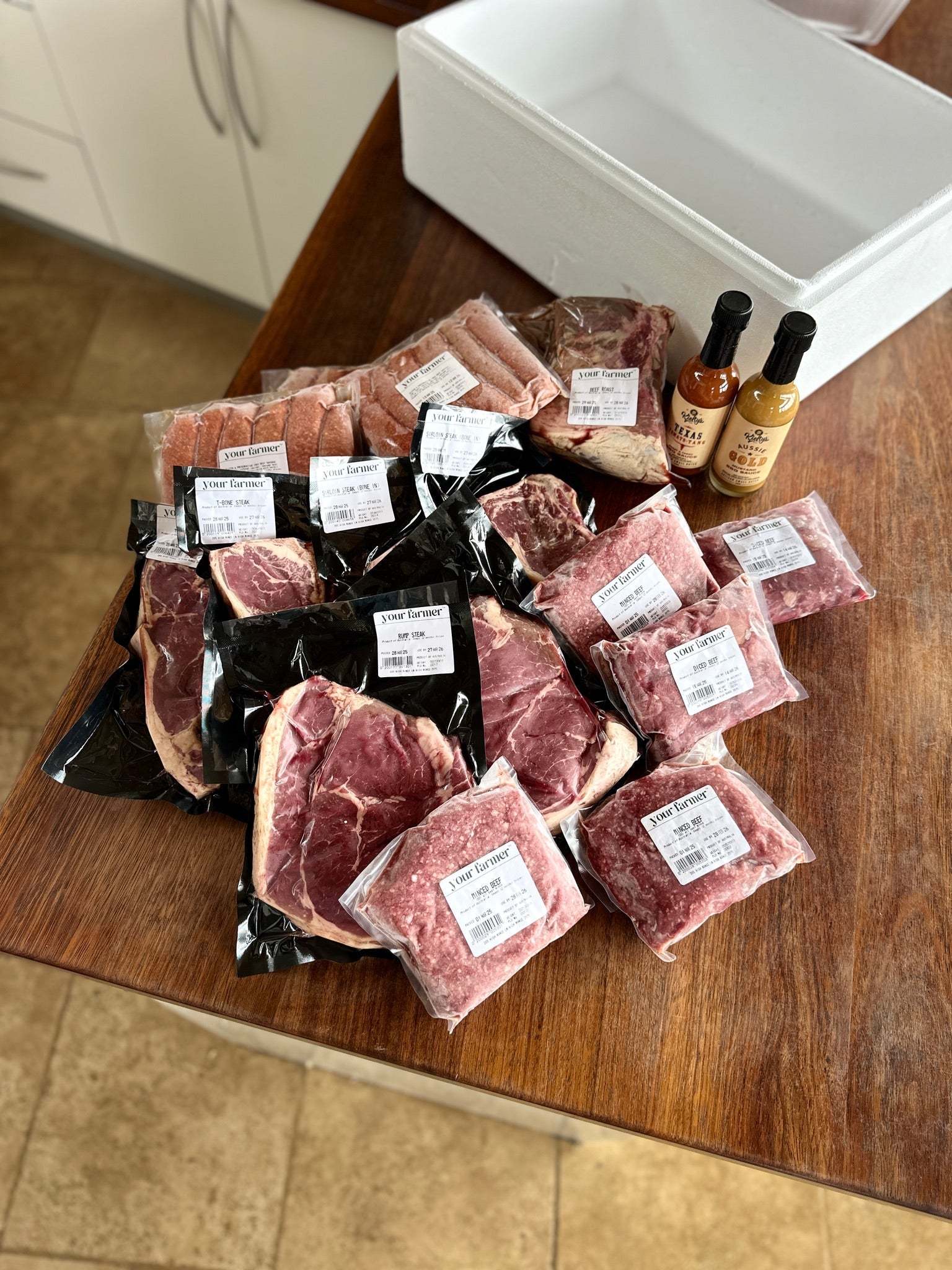
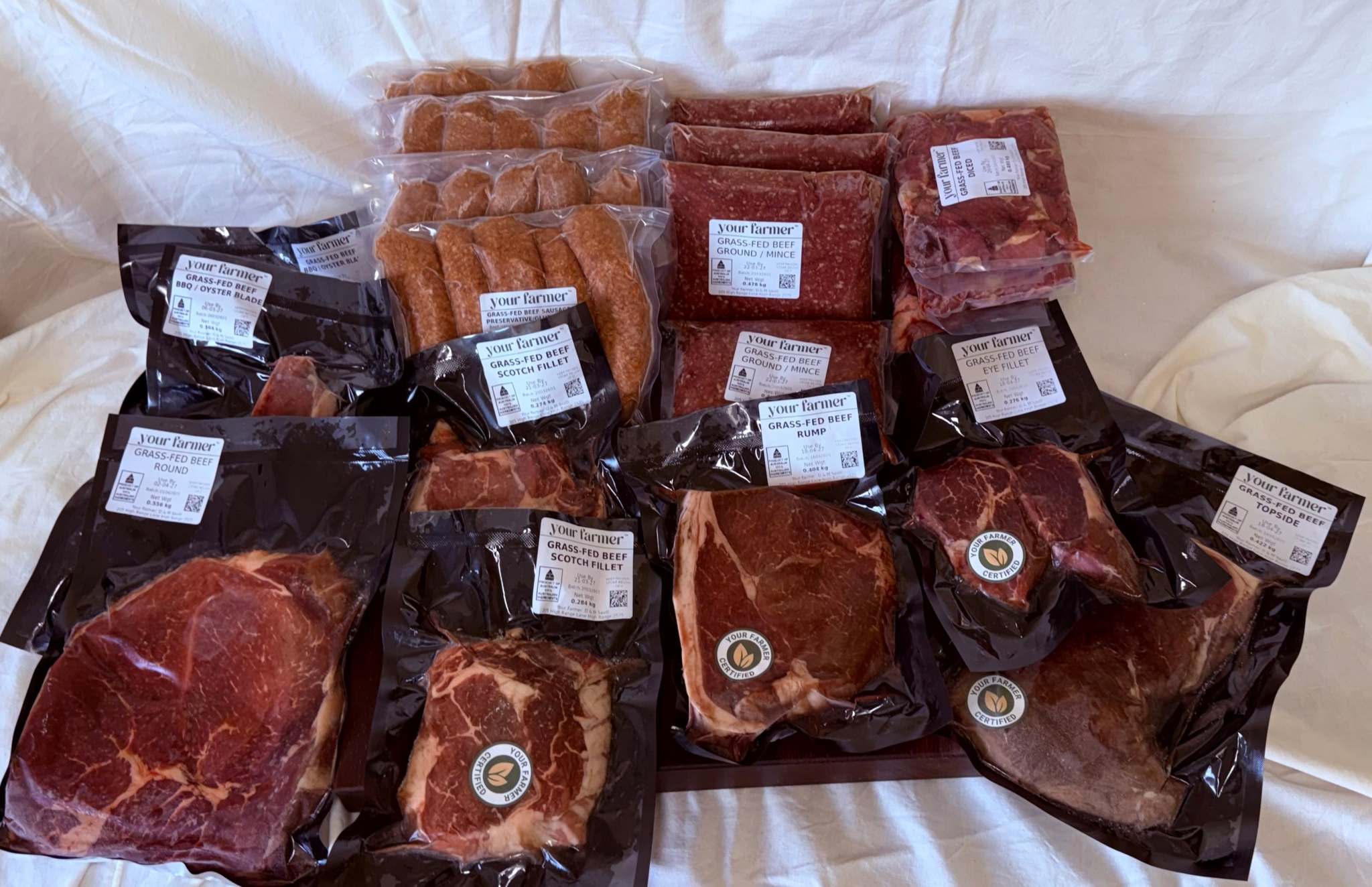
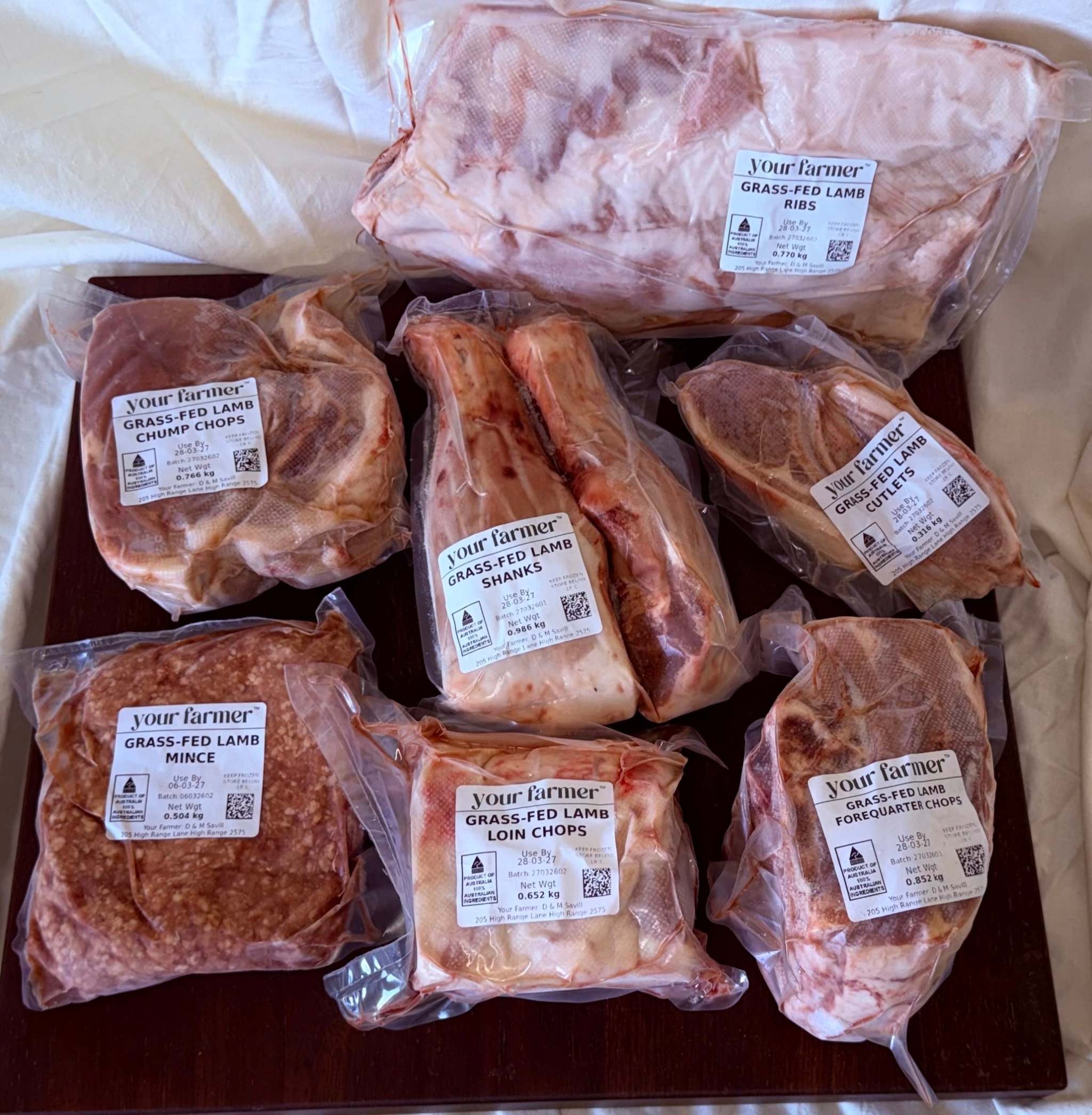
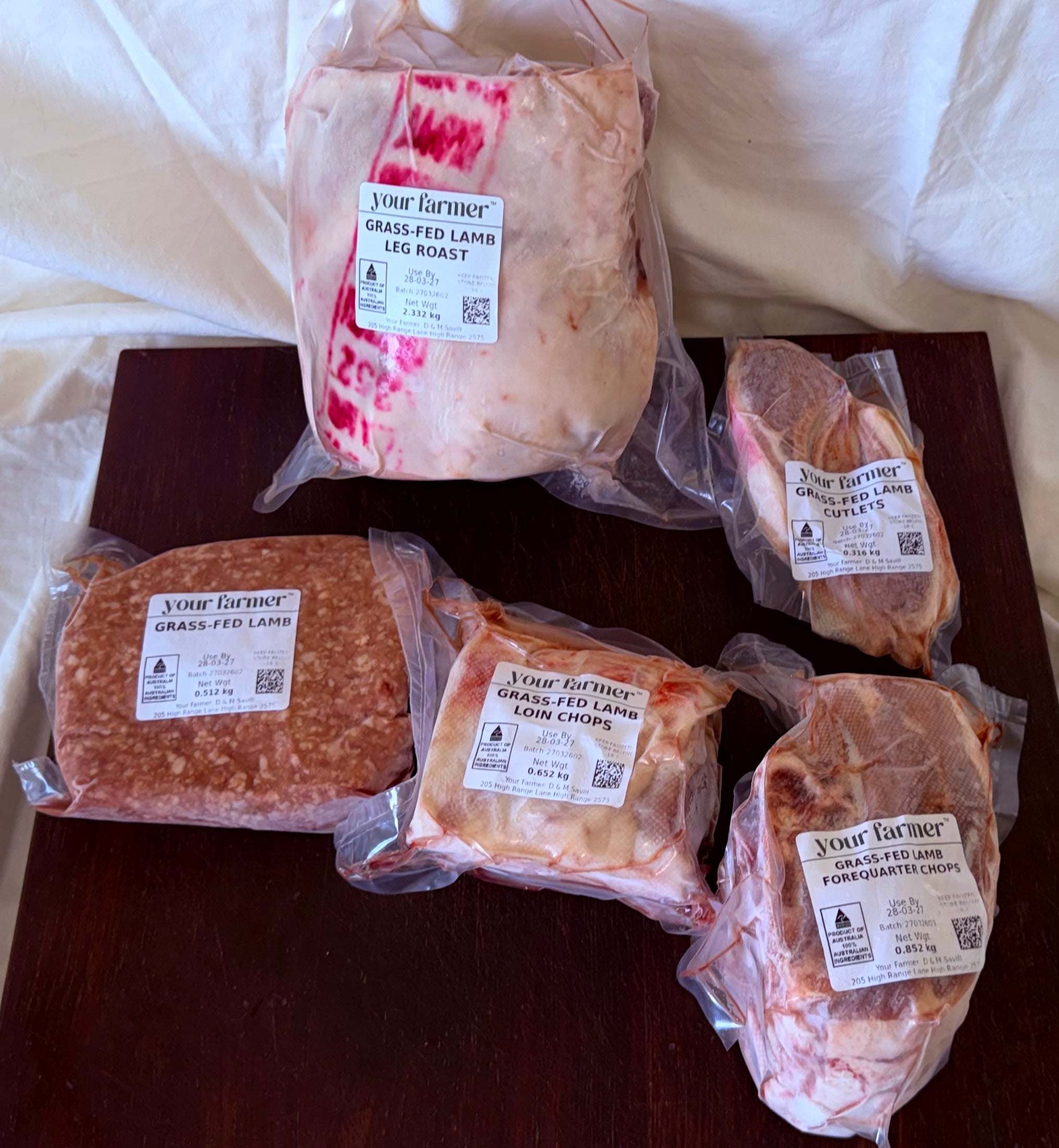
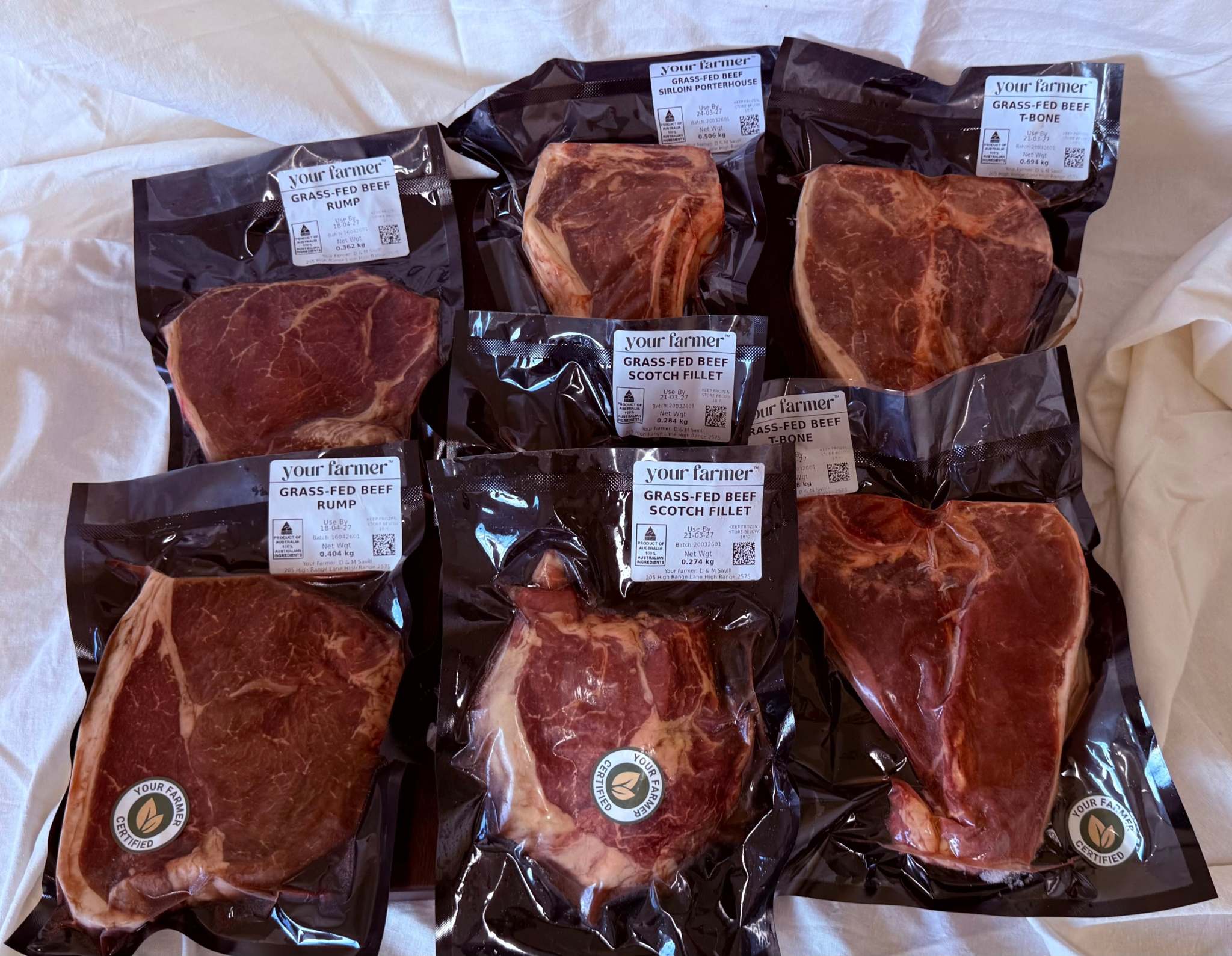
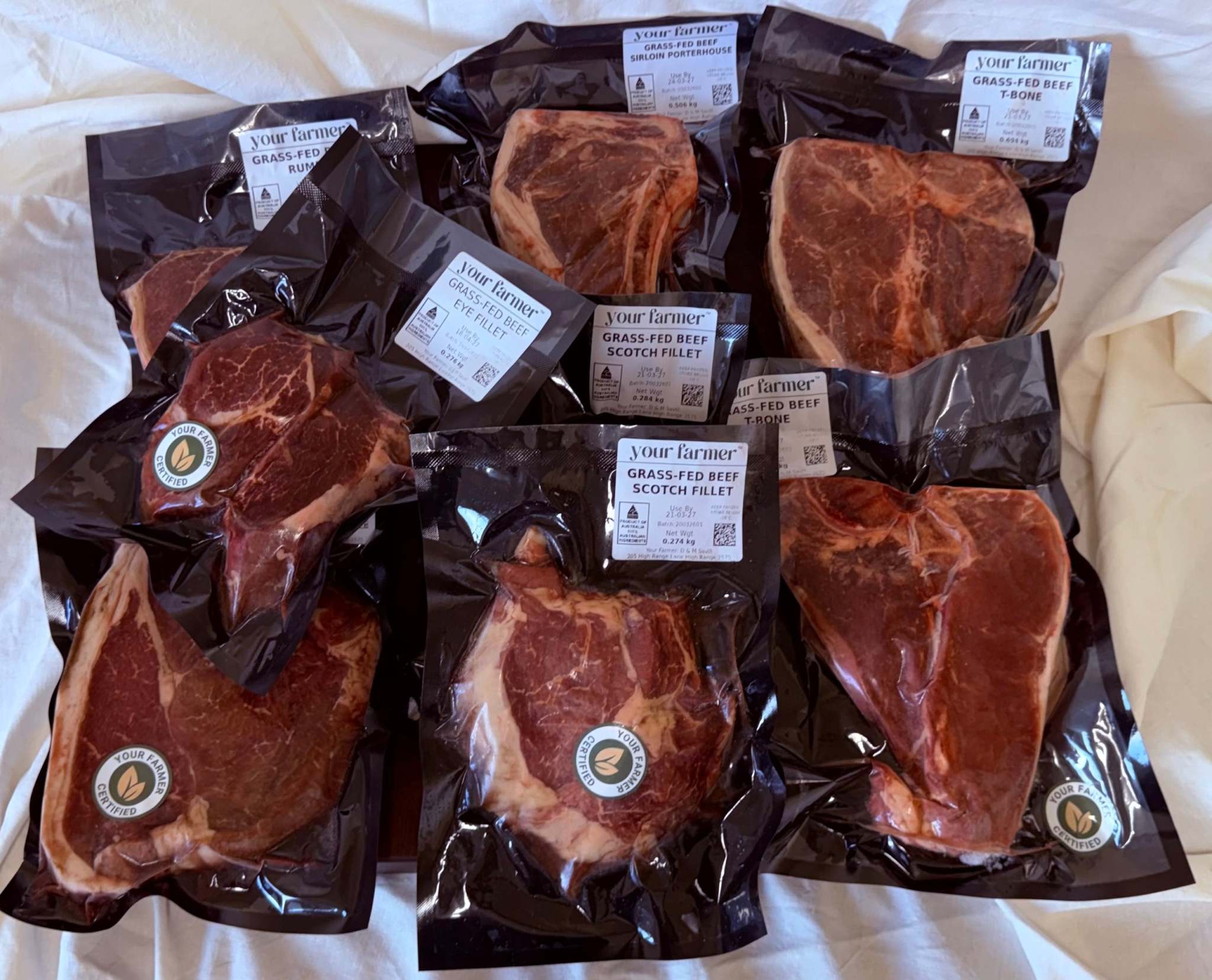
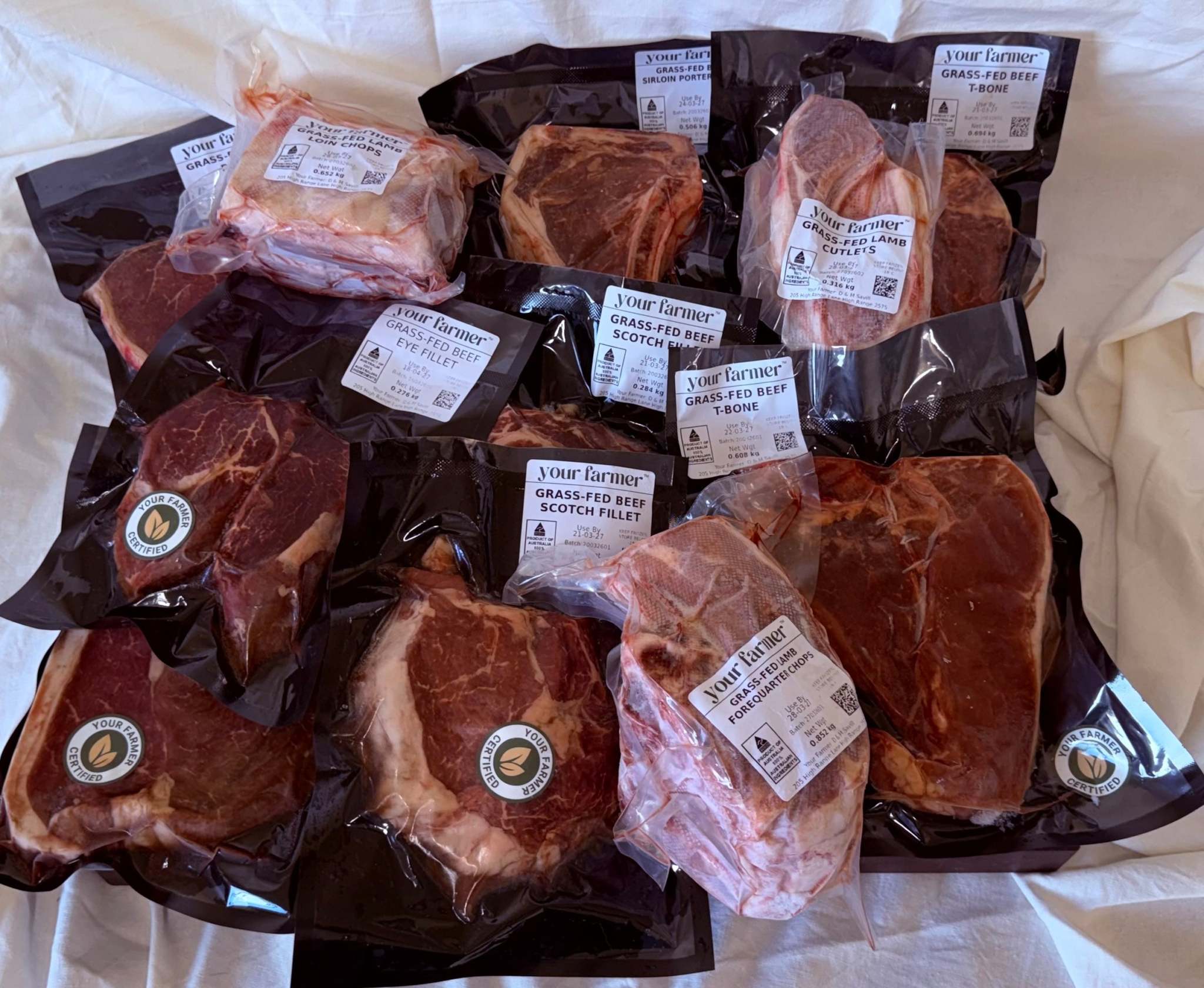
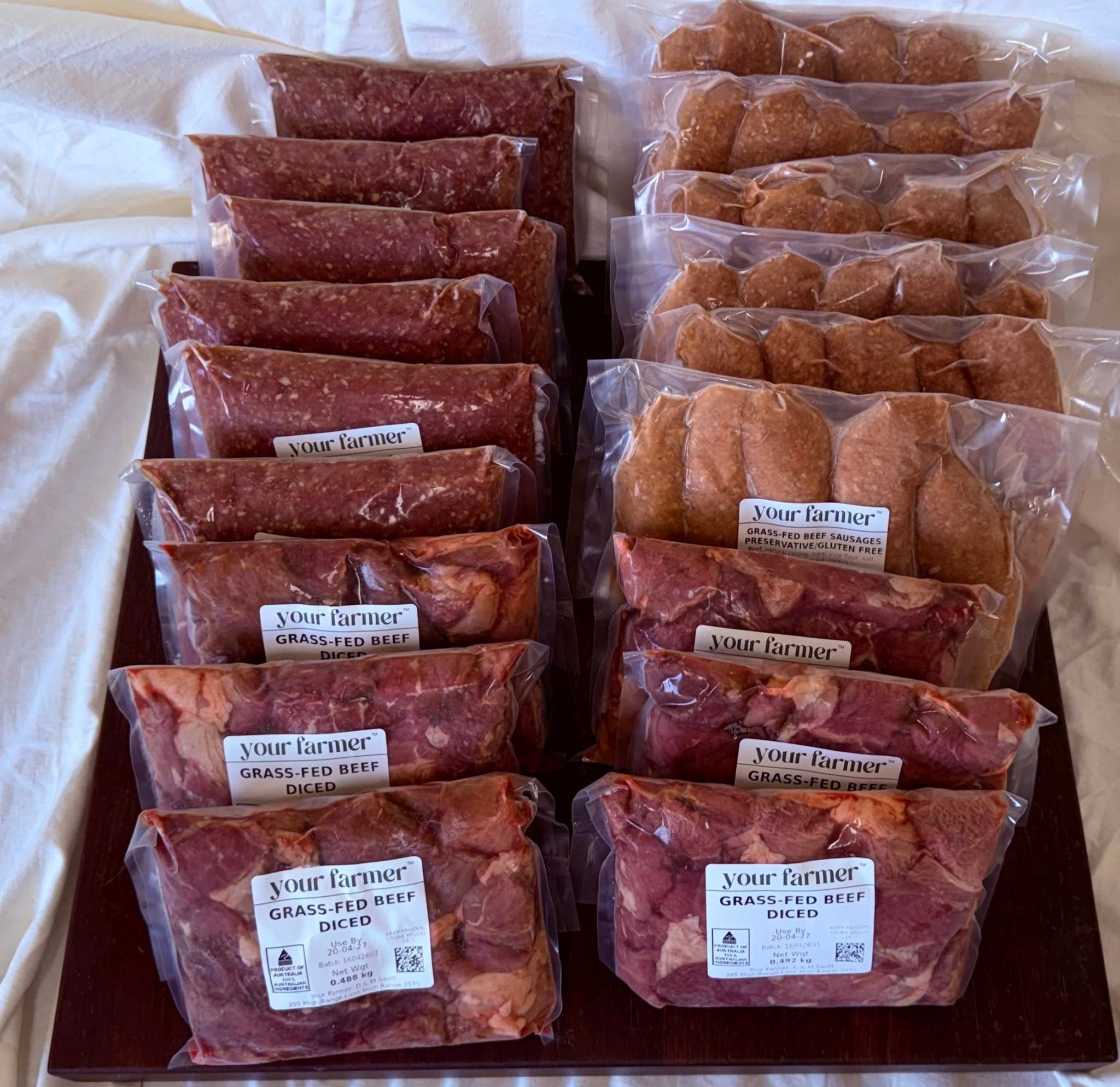
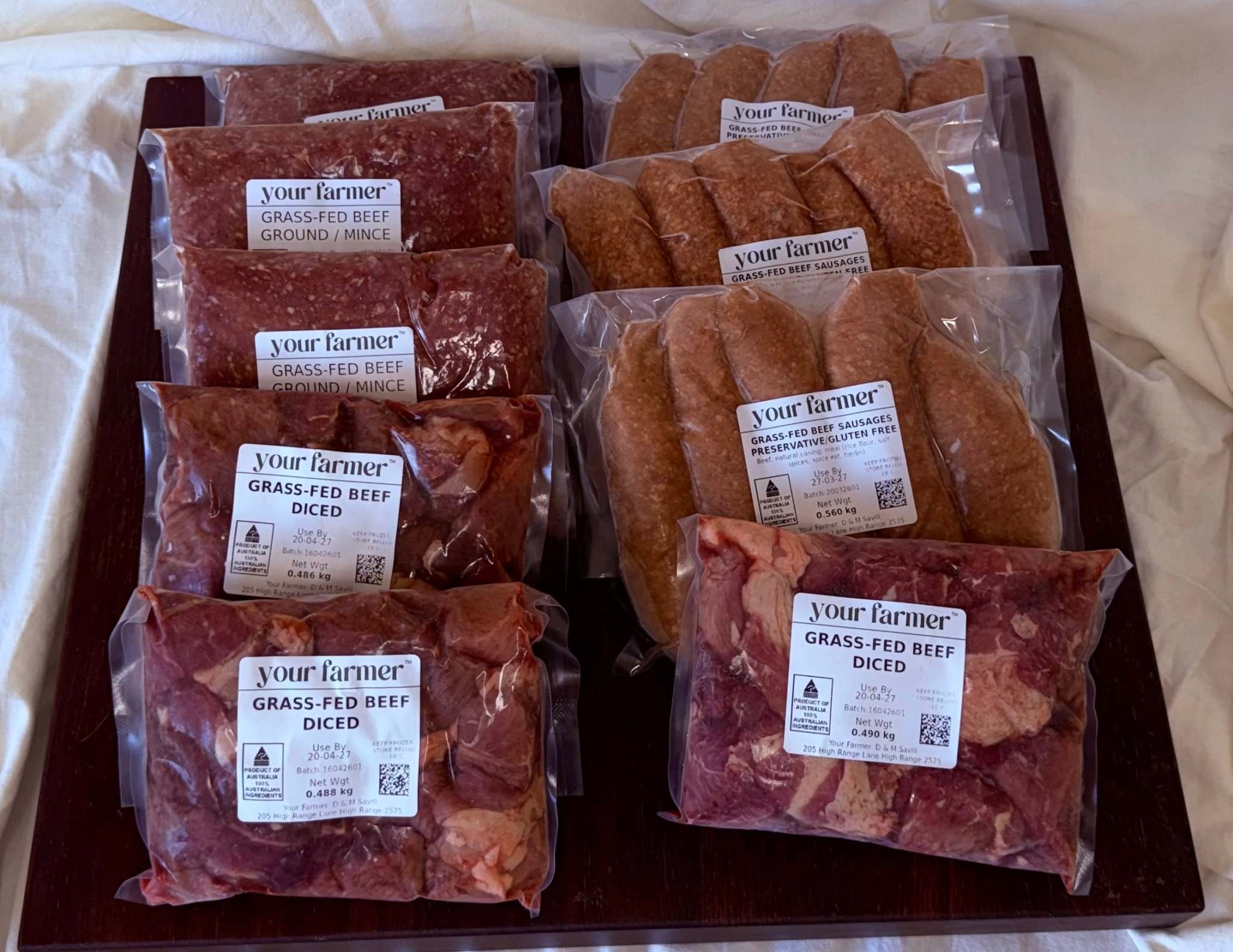
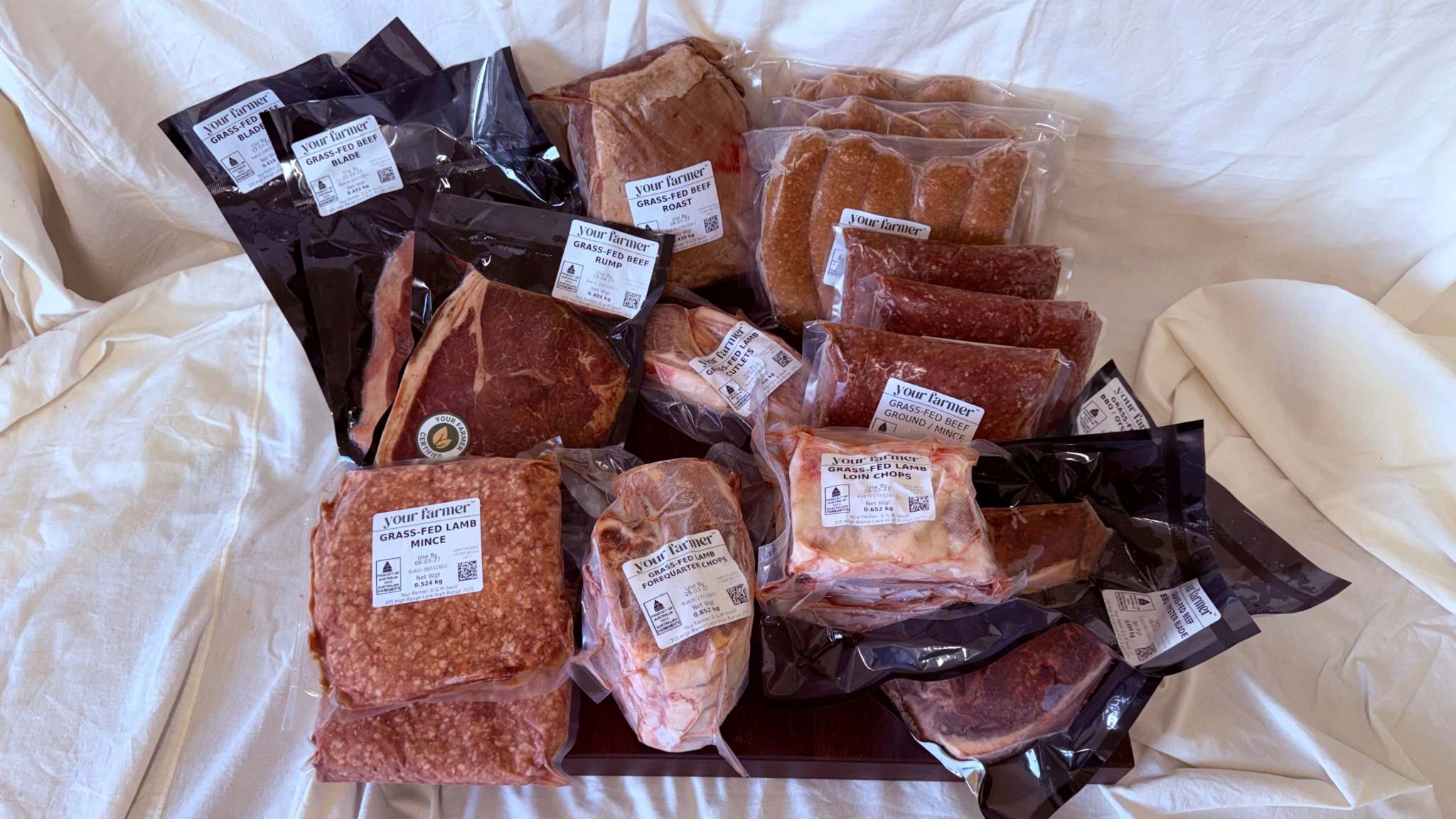
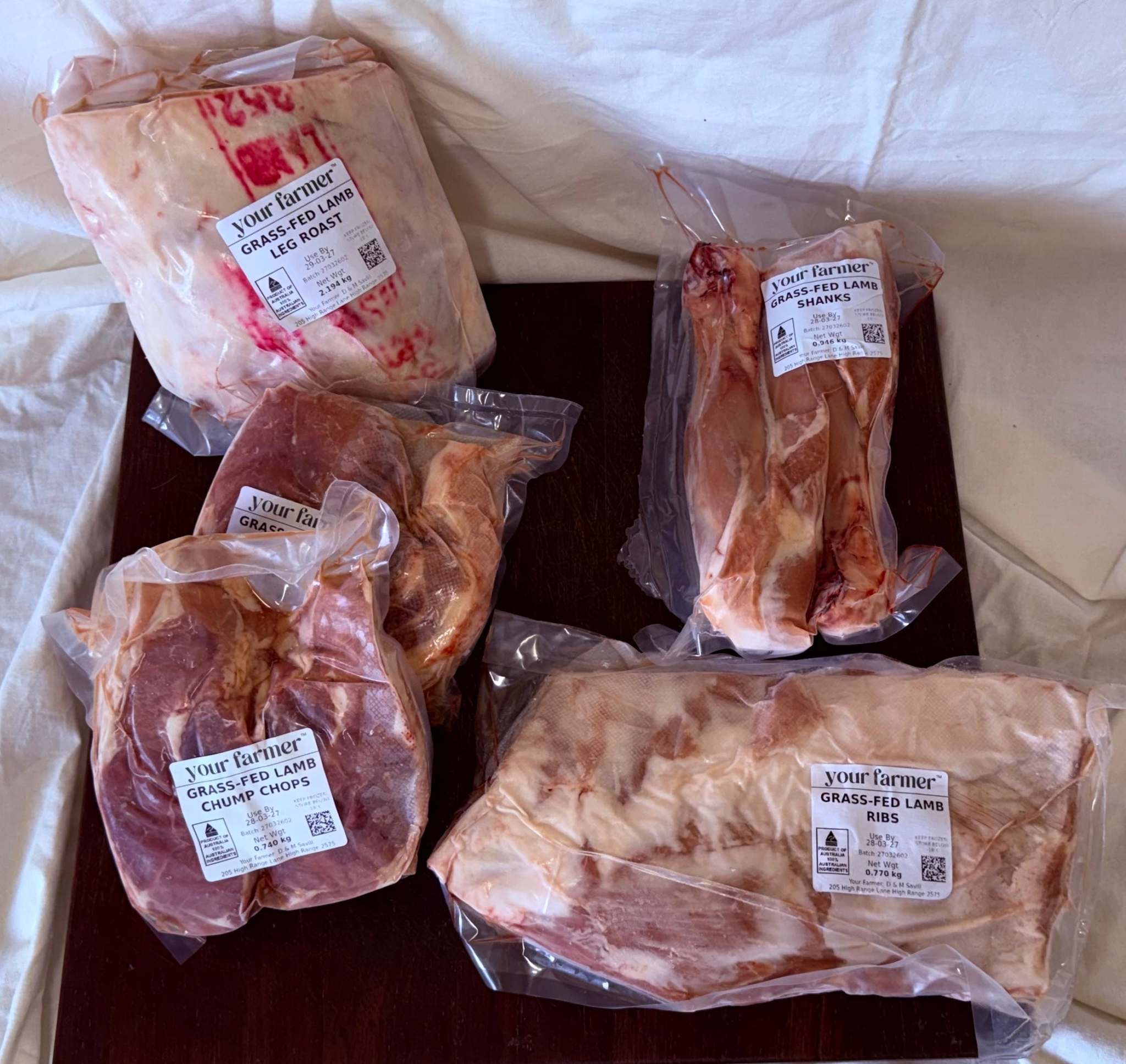
A good provider will offer different box sizes to suit various households. For example, Your Farmer offers several tiers designed for different needs:
How flexible is the subscription?
Your life isn't always predictable, and your subscription service should accommodate that. Before committing, find out:
-
Delivery Frequency: Can you choose how often you receive a box? Common options are weekly, fortnightly, or monthly.
-
Pausing and Cancelling: How easy is it to pause your subscription if you're going on holiday or need to skip a delivery? A customer-focused company will offer a hassle-free cancellation policy.
-
Customisation: Can you customise the cuts in your box? While some services offer curated boxes to ensure you get a variety of cuts (from premium steaks to slow-cooker cuts and mince), others may allow for more customisation. The CSA model often involves sharing in the whole harvest, which means receiving a curated selection of what the farm produces.
4. Questions About Delivery and Food Safety
When dealing with perishable food, safety is non-negotiable. A professional farm meat box service operating in NSW must adhere to strict standards to ensure your food arrives safely.
How is the meat kept safe during delivery?
Temperature control is paramount. According to Food Standards Australia New Zealand (FSANZ), meat must be kept at 5°C or colder to prevent bacterial growth. For frozen delivery services, the goal is to keep the product frozen solid until it reaches your door.
Ask about the packaging. Reputable services use insulated boxes with cooling elements like dry ice or gel packs to maintain temperature, even if you're not home to receive the delivery immediately. This is a standard practice for quality services.
Your Farmer uses its proprietary ProCryo™ cold-chain technology, a purpose-designed system that combines high-performance insulation, phase-change cooling materials, and delivery timing calibrated specifically for fresh and frozen meat. ProCryo™ is engineered to maintain safe temperatures from farm dispatch through to your doorstep, reducing reliance on excess ice while preserving meat quality, texture, and food safety—even if delivery occurs while you're away.
What food safety standards does the business follow?
All businesses handling and selling meat in NSW must comply with regulations set by the NSW Food Authority. This includes having a valid license, maintaining a clean and sanitised facility, and ensuring all staff are trained in safe food handling. The business should operate under a documented Food Safety Program (FSP) that is regularly audited. These regulations cover everything from facility construction and hygiene to precise temperature controls for cooling and storage. Asking a provider about their compliance with NSW Food Authority standards is a fair and important question.
5. Questions About Transparency and Certification
Labels can be confusing, so it's important to understand what they really mean. Transparency is about providing proof and building a relationship based on trust, not just marketing terms.
What certifications or standards does the farm adhere to?
Certifications provide third-party validation of a farm's claims. Some farms, however, may follow practices that exceed these standards but choose not to be certified due to cost or philosophical reasons. In these cases, their transparency is even more critical. Some producers may even develop their own rigorous certification programs to enforce a strict set of ecological principles.
Your Farmer recognises that meaningful farming standards go beyond labels alone. That's why we've developed our own clear, farm-level certification—designed to reflect real ecological practices rather than generic checklists. Transparency is built into this approach, with farmers assessed against defined principles covering land stewardship, animal welfare, and long-term soil health, so customers can understand not just what standards are met, but how they're applied on the ground.
How can I verify the farm's claims?
This is where the "Know Your Farmer" concept truly comes to life. A transparent operation will offer multiple ways for you to feel connected and informed.
-
Direct Communication: Does the company provide detailed information about its farmers and their methods?
-
Educational Content: Do they share information about their farming philosophy through blogs, videos, or farm tours?
-
Satisfaction Guarantee: Does the company stand behind its product with a satisfaction guarantee? This shows confidence in their quality and commitment to customer happiness.
The Community Supported Agriculture (CSA) model is inherently transparent. By purchasing a "share" of the harvest, you become a partner with the farm. This relationship is a powerful form of transparency, creating a community around shared values of health, sustainability, and quality food.

Share:
The Health Benefits of 100% Grass-Fed Beef and Lamb
From the Ground Up: How Happy Cows Make Healthy Food