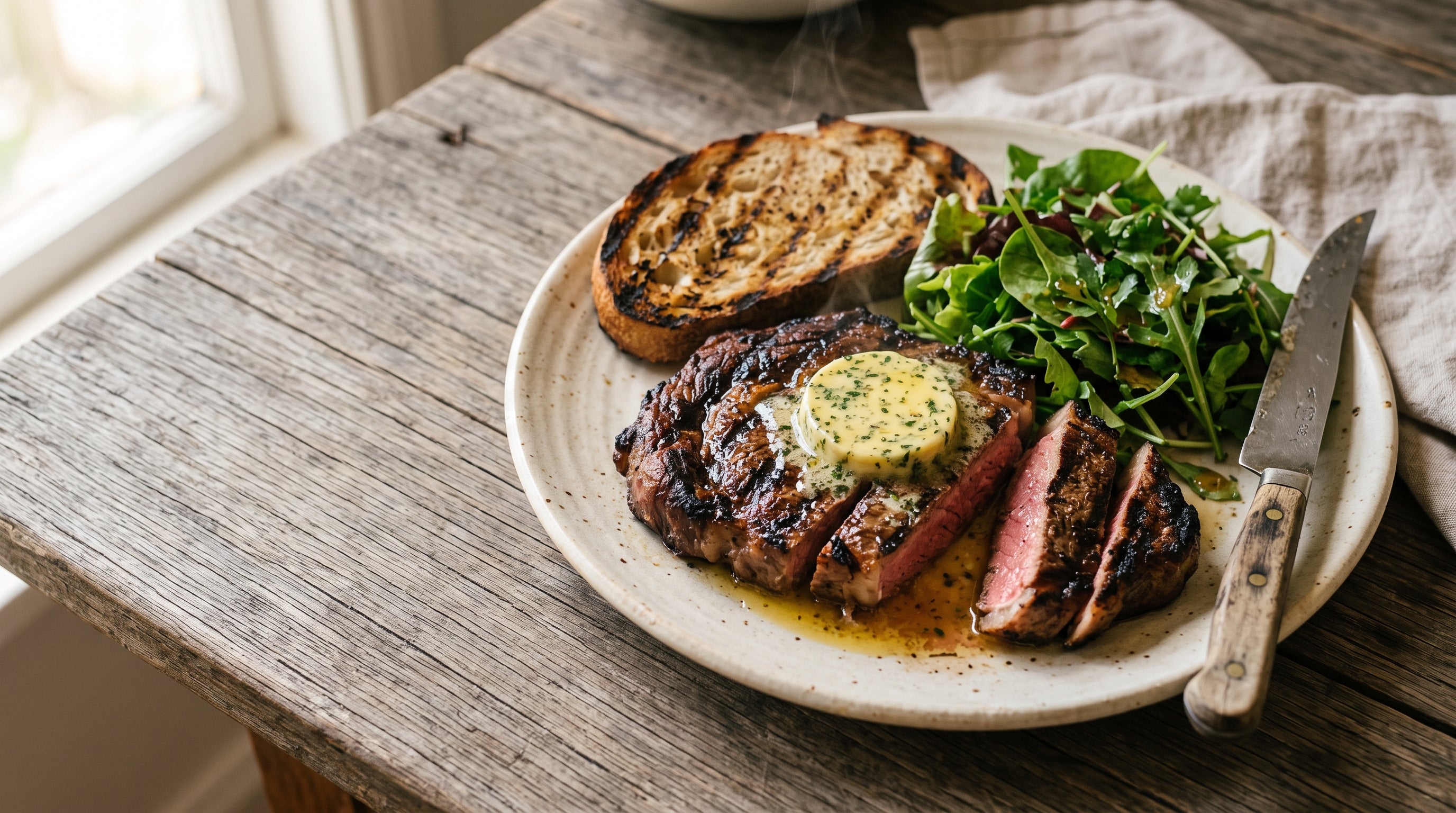
Flame, marbling and a slick of garlic butter — the whole recipe fits on a beer coaster

Some cuts need help on the barbecue. The scotch fillet isn't one of them. All that fine marbling renders over the flame and bastes the steak as it cooks, so your only jobs are a properly hot grill, a confident sear and the patience to let it rest. The garlic butter takes three minutes to mash together and melts over the top while the steak sits. This is the best steak in the share cooked the easiest possible way — and it's done in 25 minutes, salad and all.

25 mins 2 servings Prep 10 minsCook 15 minsMain CourseAustralian

Ingredients

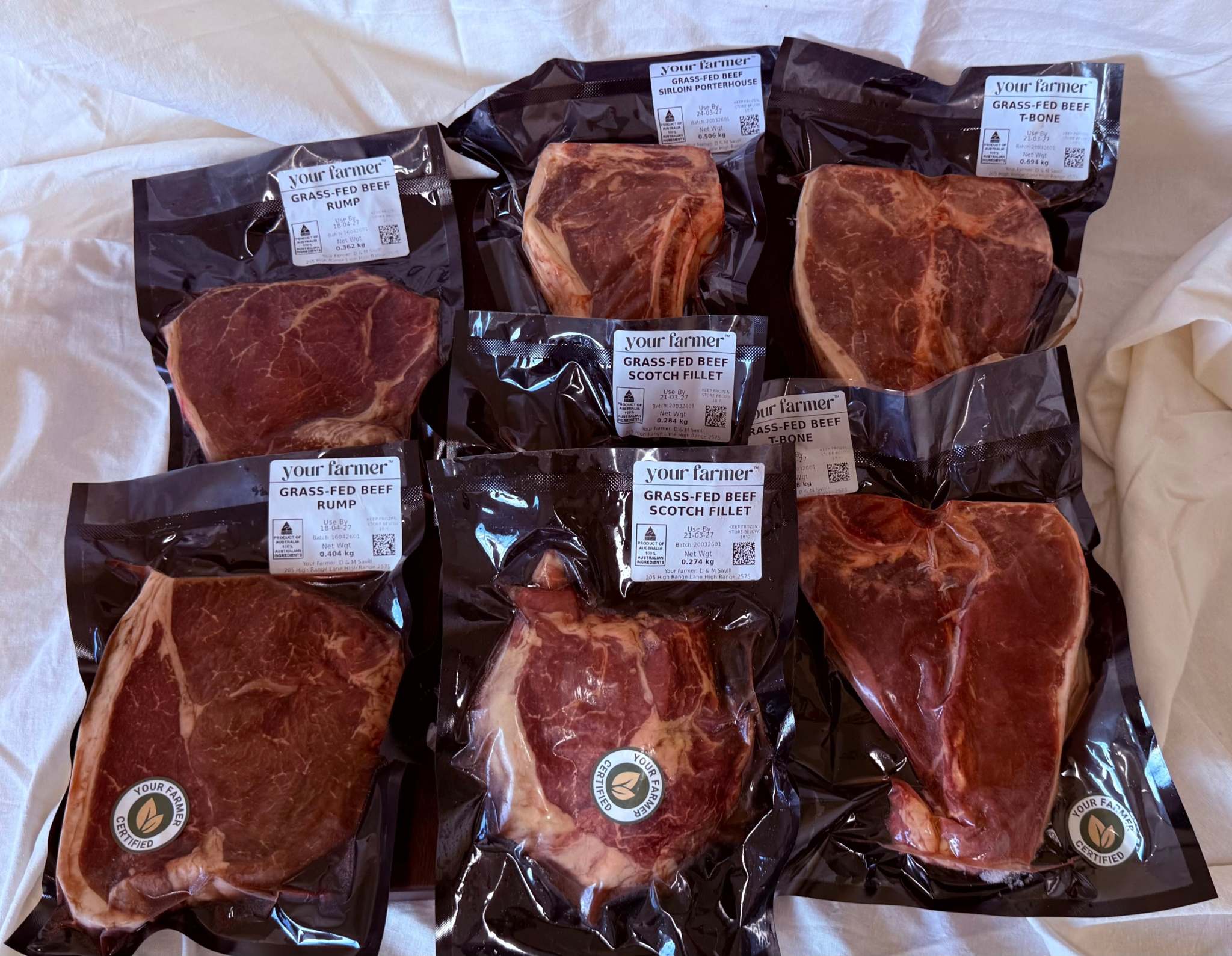
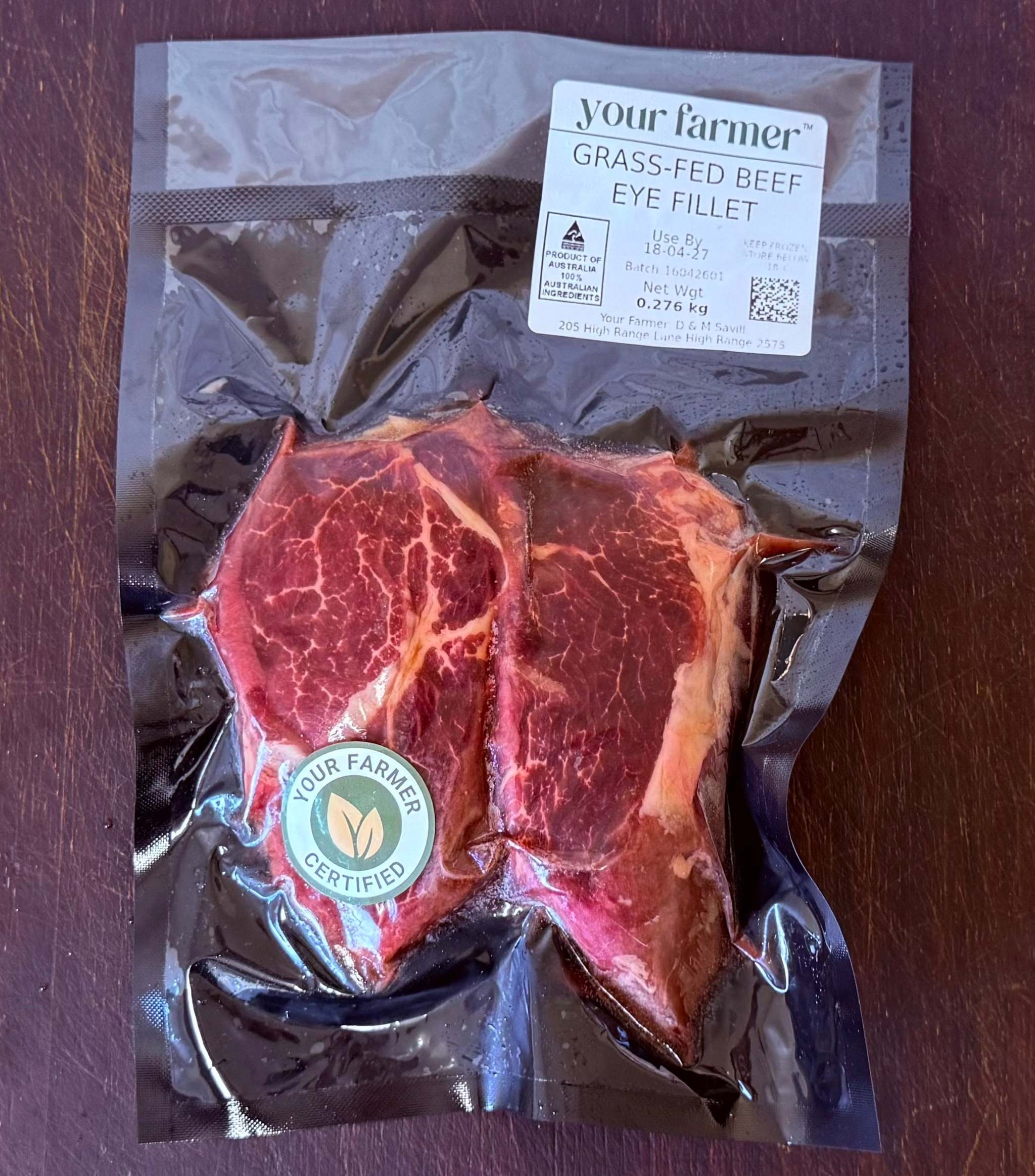
  • 280g Your Farmer grass-fed scotch fillet steak
  • 1 tbsp olive oil
  • Salt and pepper to season
  • 50g butter, softened
  • 1 clove garlic, crushed
  • 1 tbsp finely chopped parsley
  • Squeeze of lemon juice
  • Charred bread and a green salad, to serve

Instructions

Mash the softened butter with the garlic, parsley and lemon juice in a small bowl. Set aside — in the fridge if it's a hot day.

50g butter1 clove garlic1 tbsp parsley

Preheat the barbecue grill on high with the hood down for 10 minutes. Take the steak out of the fridge while it heats (optional, but it helps it cook evenly).

Pat the steak dry, rub it all over with the olive oil and season generously with salt and pepper.

280g scotch fillet1 tbsp olive oil

Grill 3–4 minutes per side for medium-rare, turning once. If the fat causes a flare-up, just slide the steak to a cooler spot for a moment — don't panic, don't press it.

Rest the steak on a warm plate for 5 minutes with half the garlic butter melting over the top.

Slice against the grain, top with the remaining butter, and pour the buttery plate juices back over. Serve with charred bread and a green salad.

Appears in

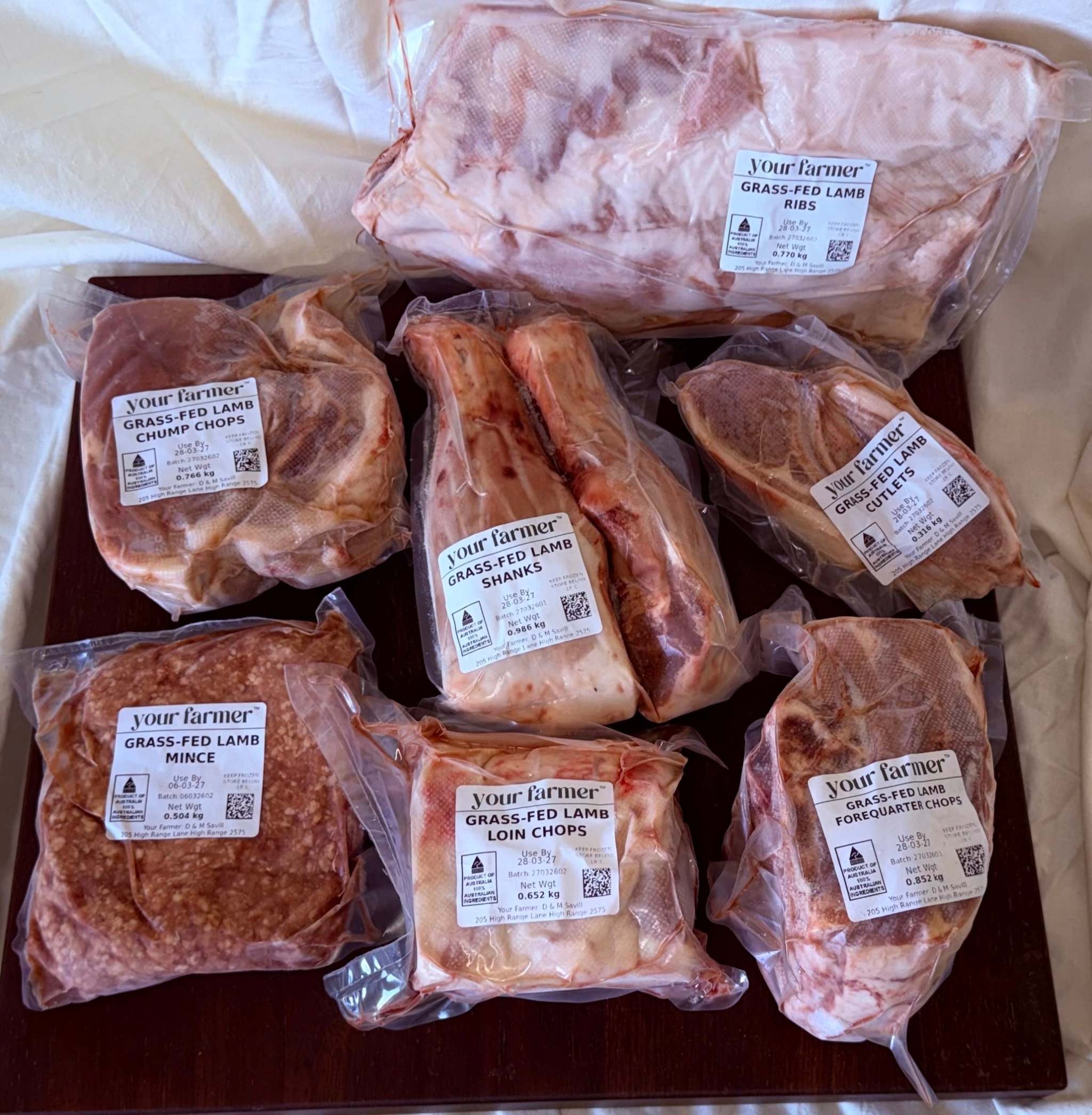
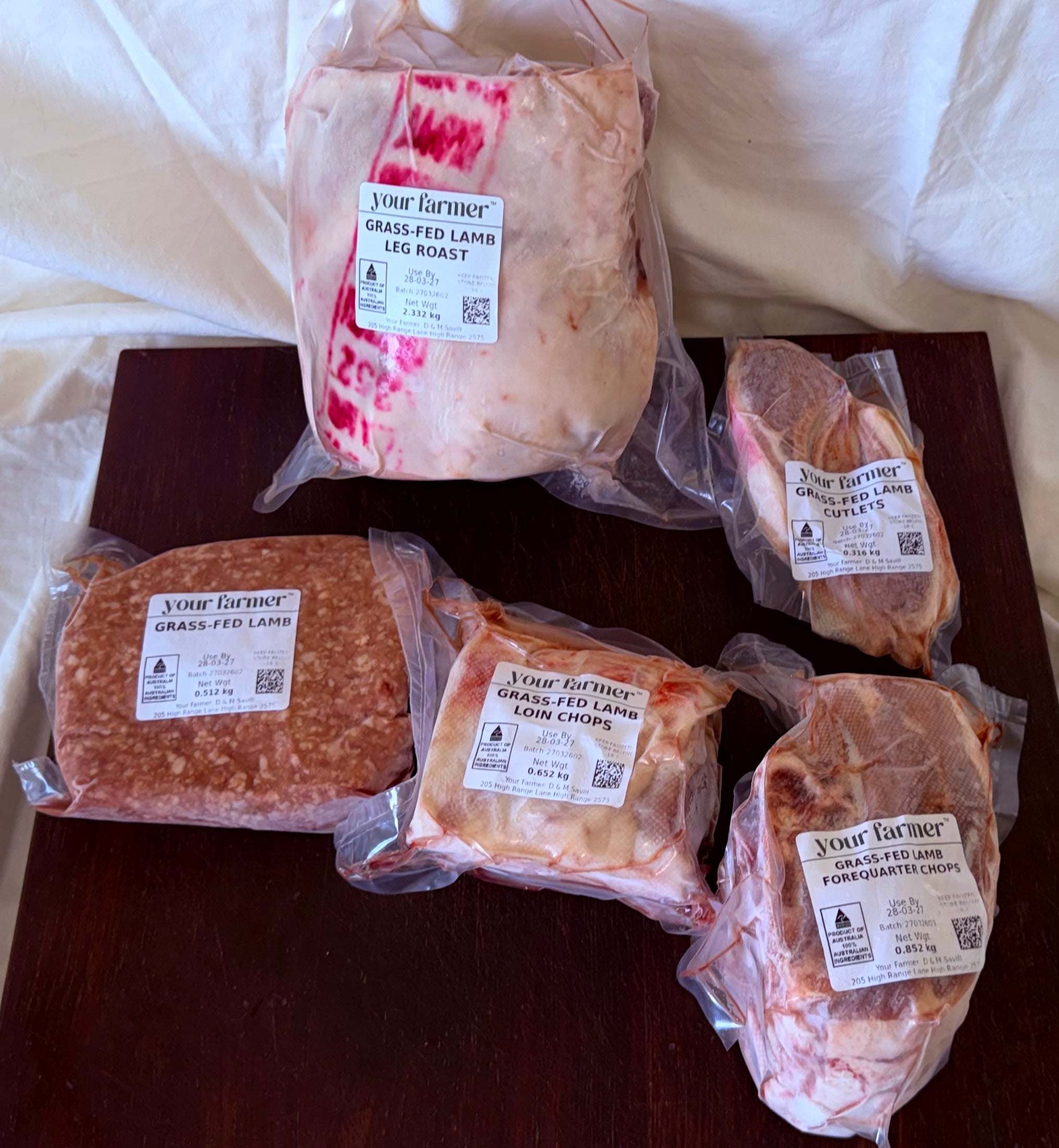
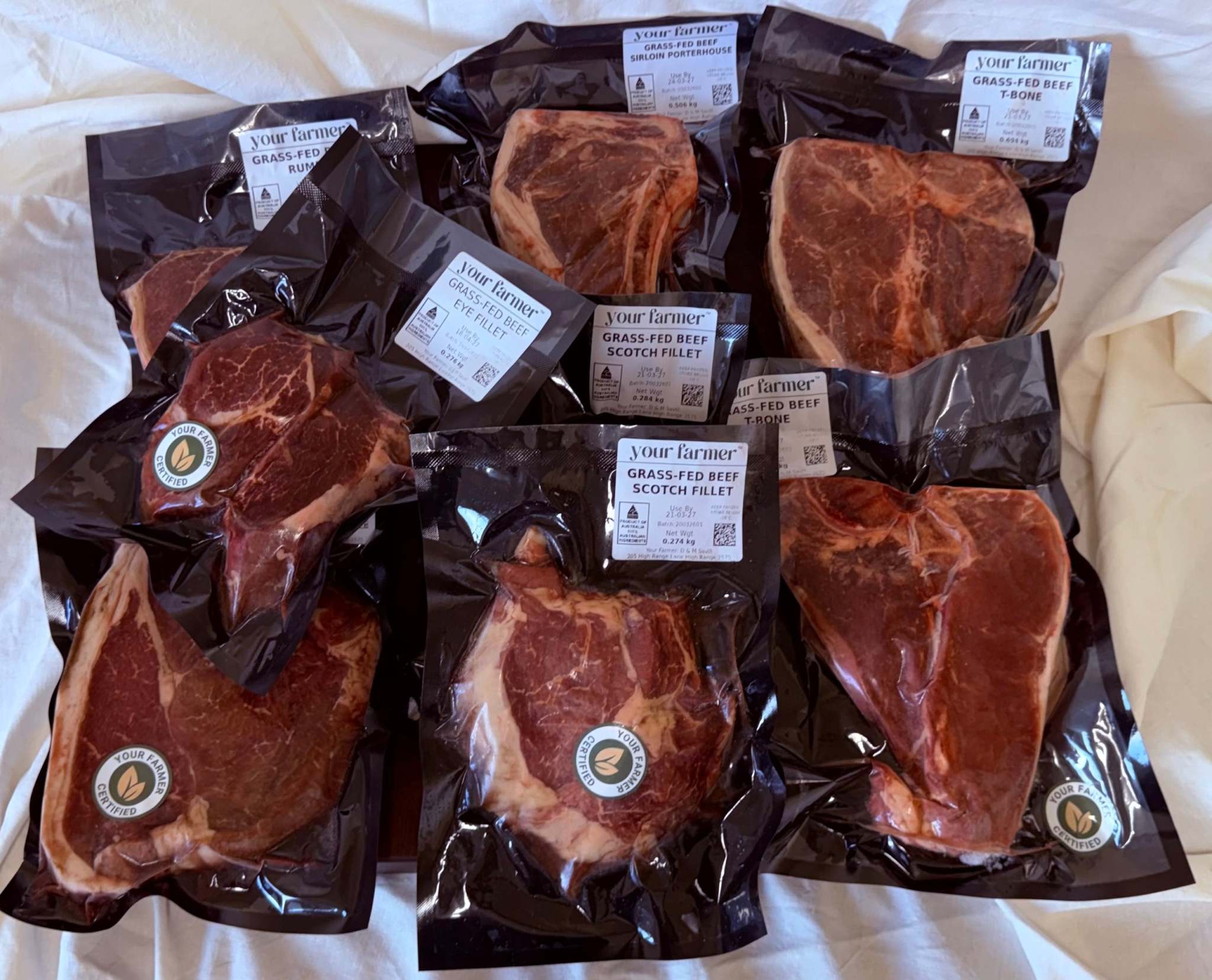
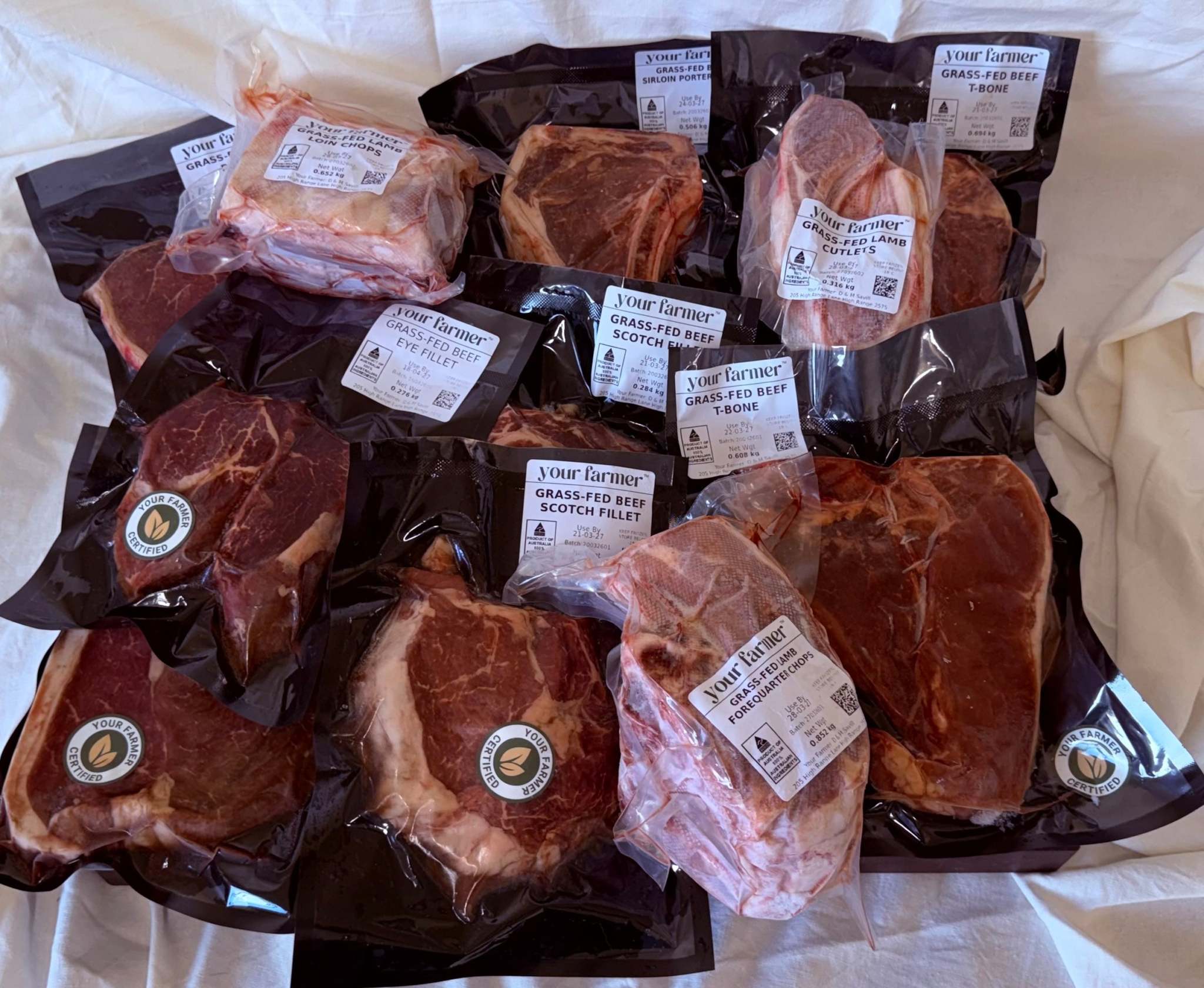
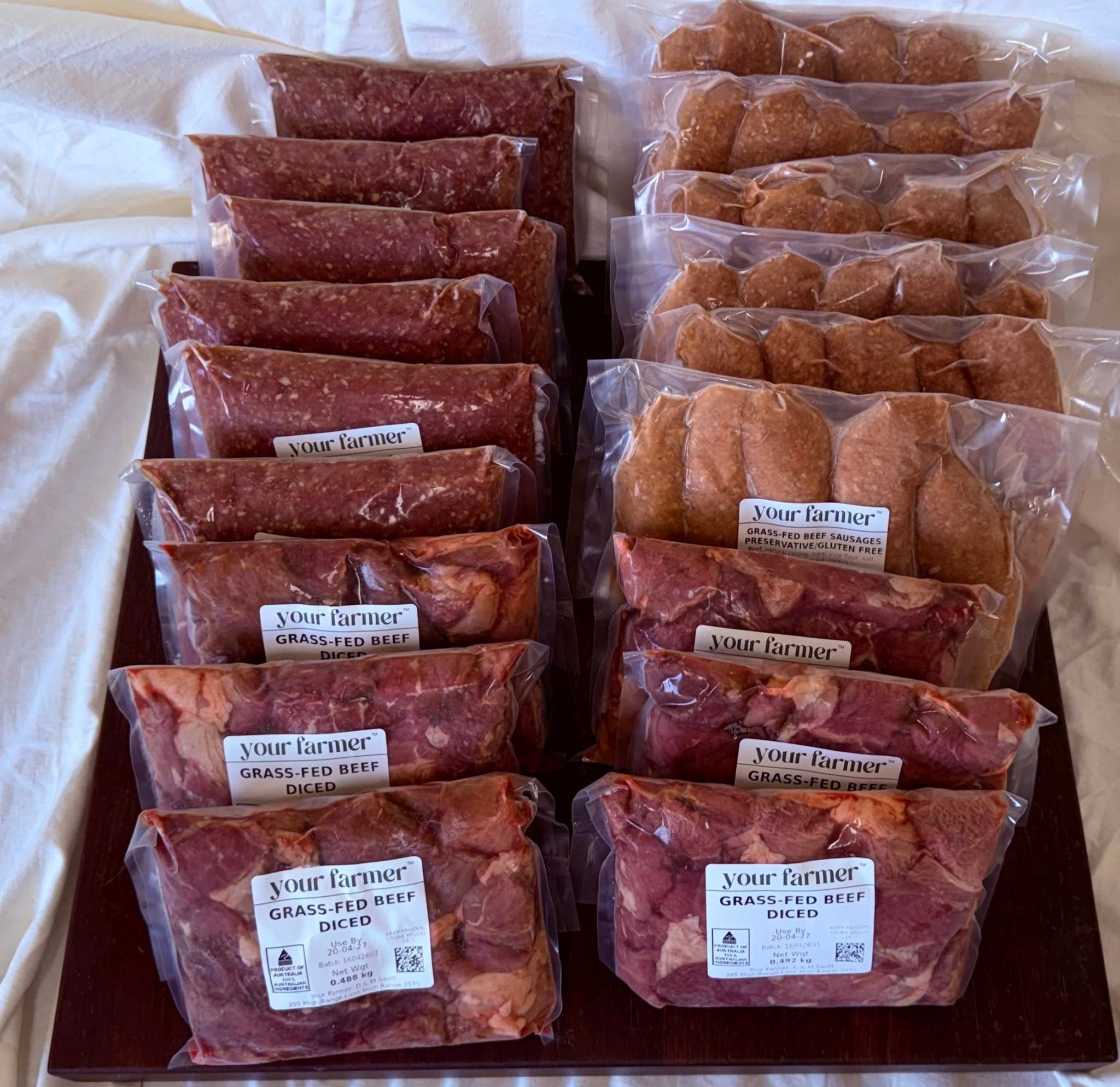
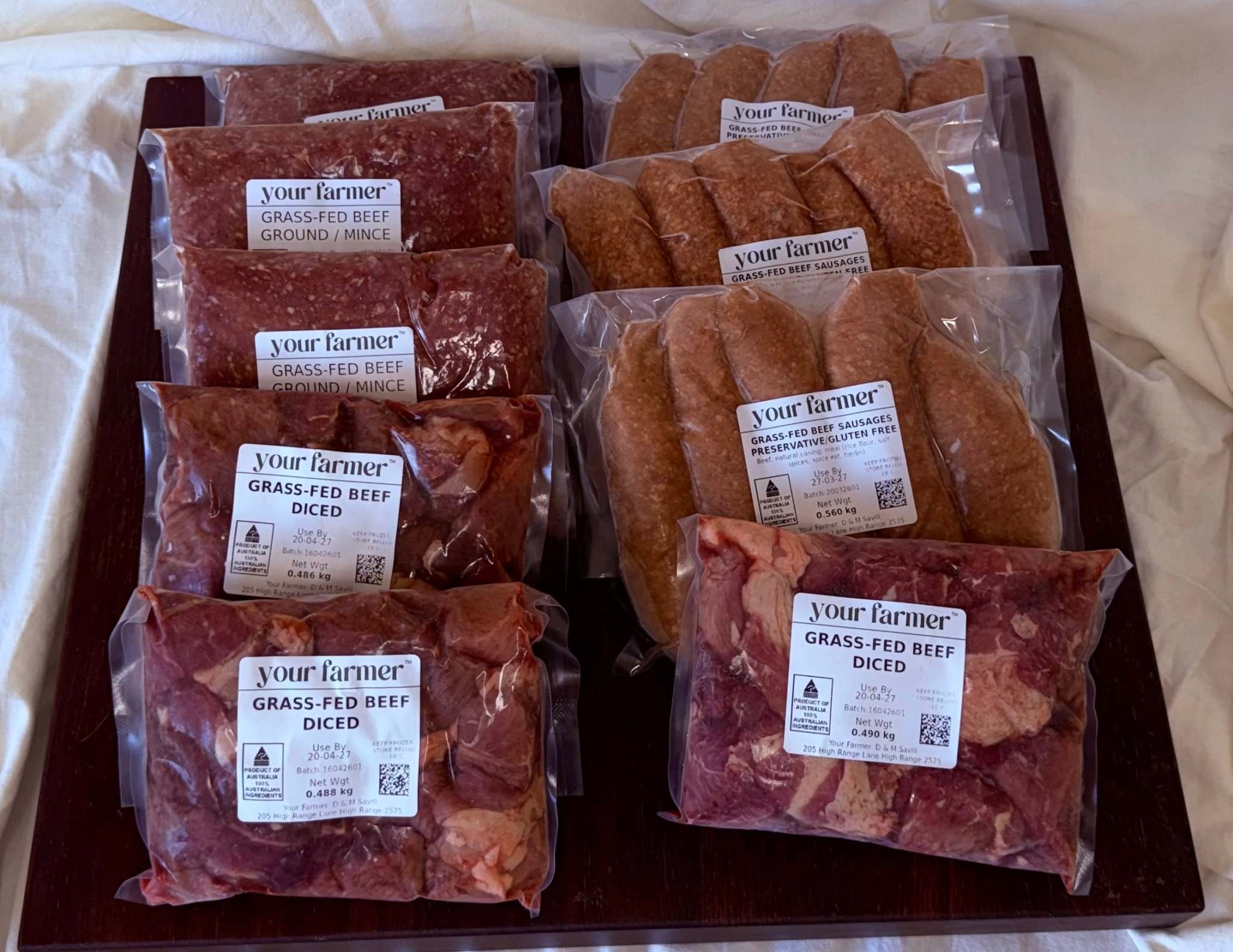
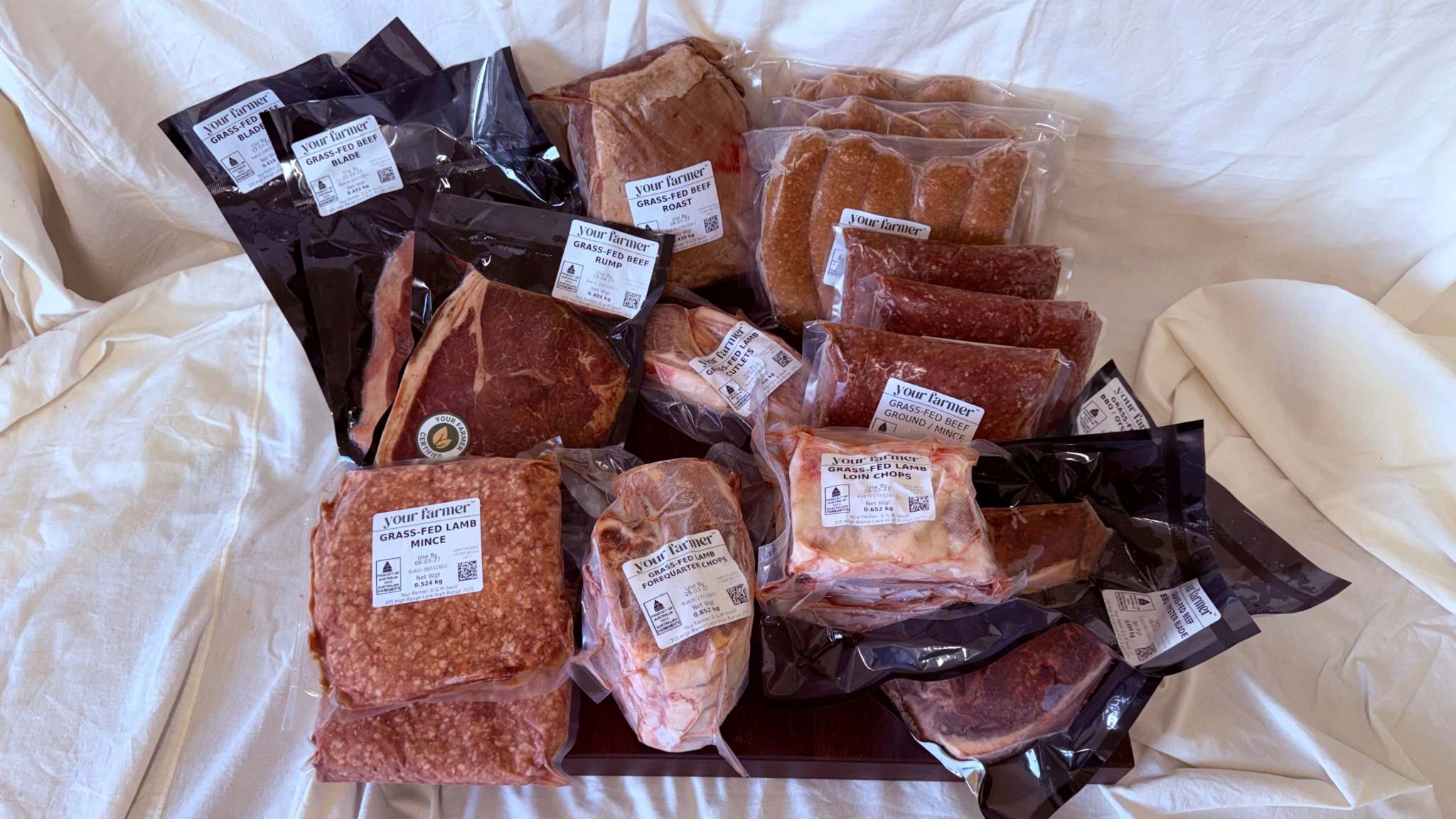
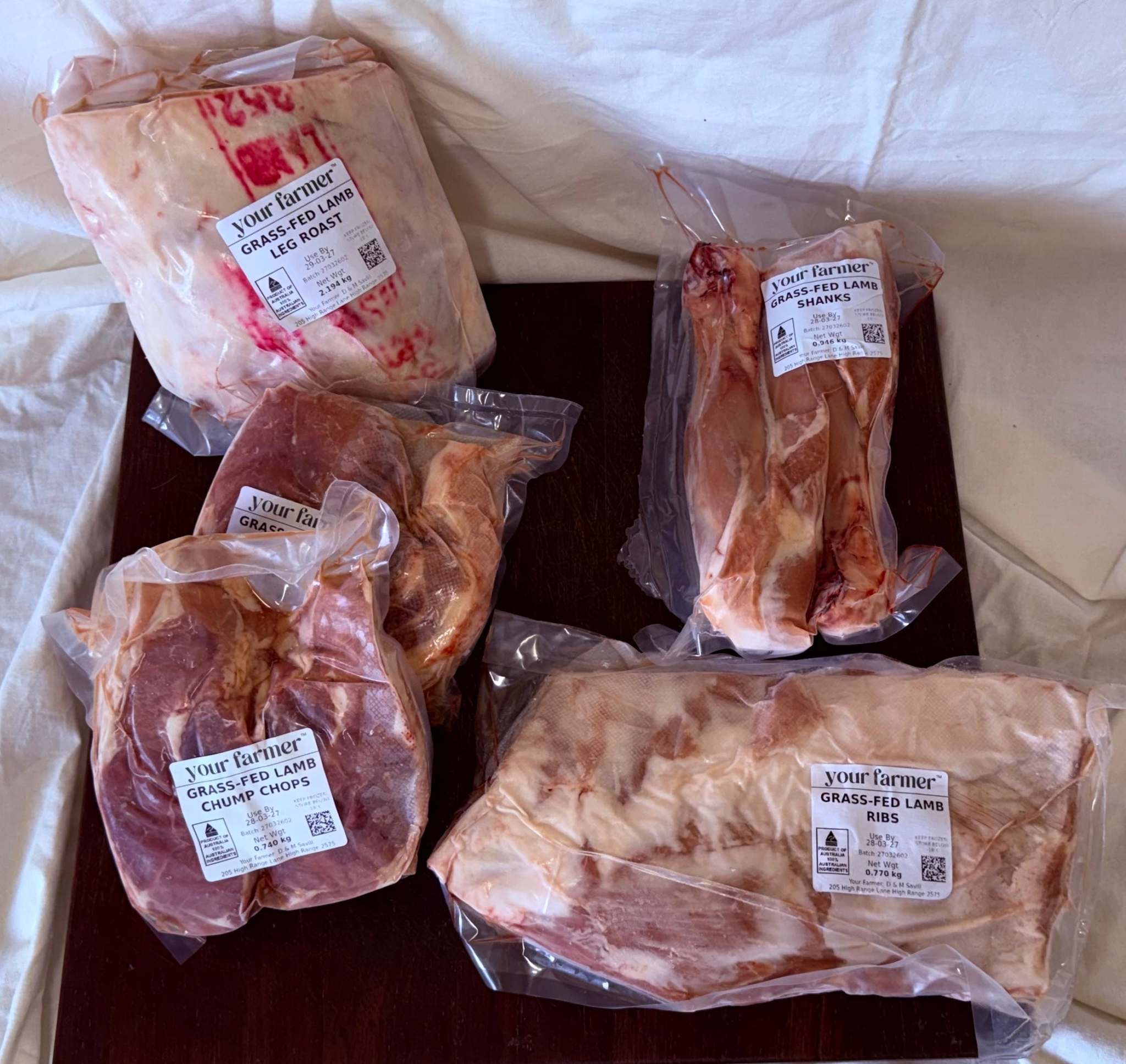
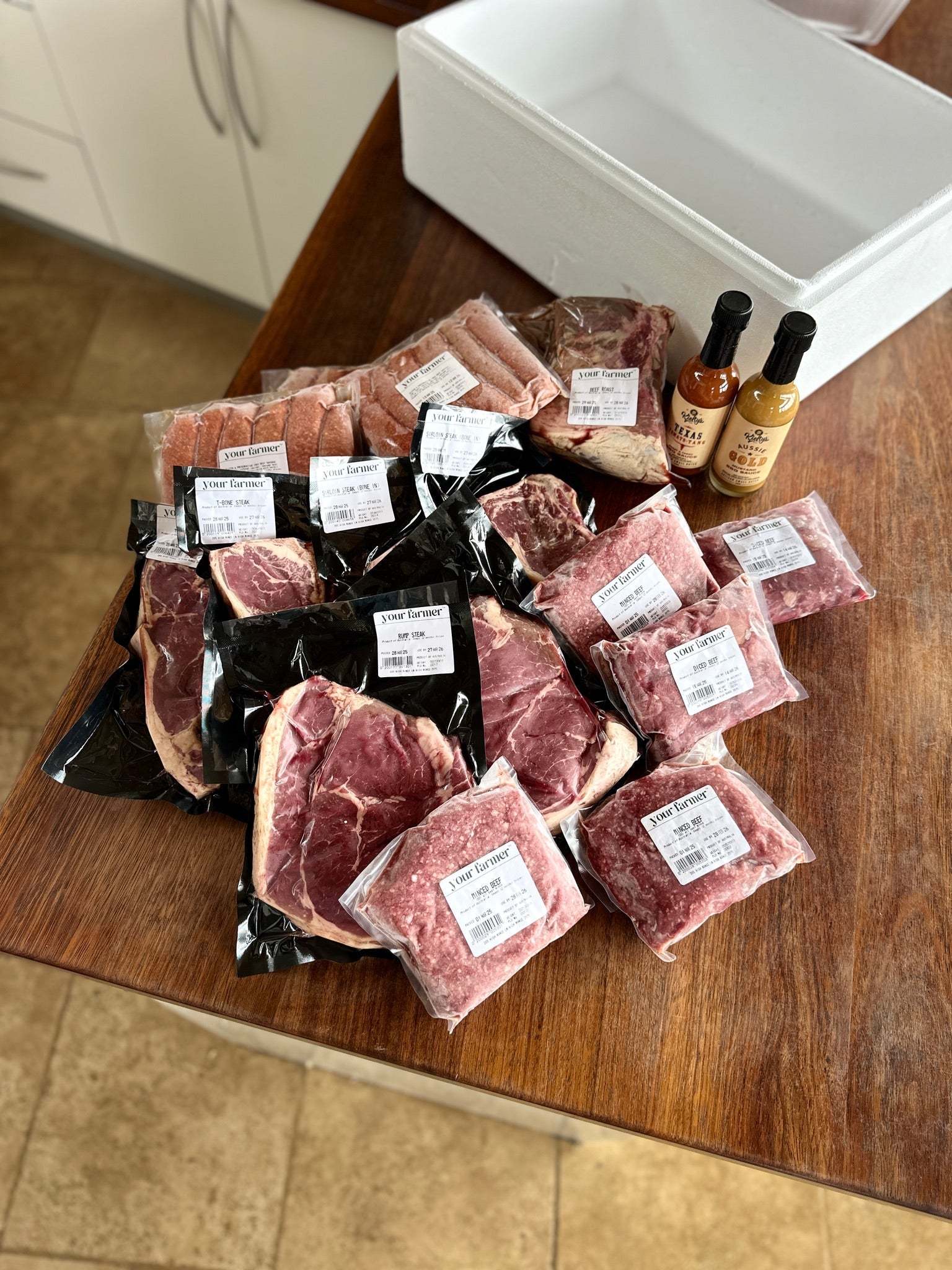
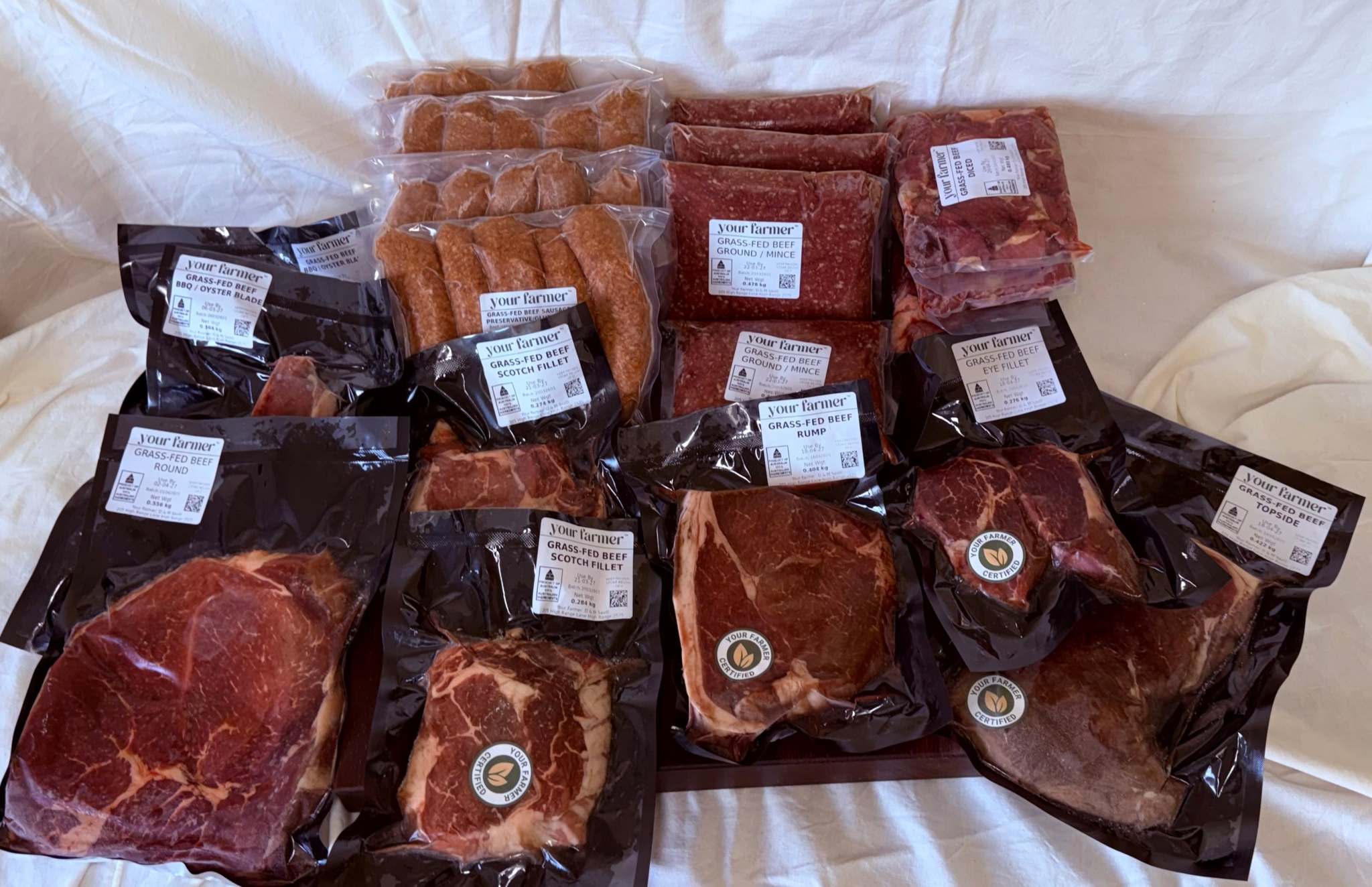
Your Farmer CSA grass-fed beef share — vacuum-sealed steaks, roasts, mince and sausages, paddock-to-plate NSW & ACT delivery
Sale price From $152.00Regular price $169.99

Why Scotch Fillet Loves the Barbecue

Every steak behaves differently over flame, and the scotch is the one that behaves best. The fine ribbons of fat through the eye of the meat render as it cooks, basting the steak from within — so where a lean cut dries out the moment you're distracted by the kids or the cricket score, a scotch gives you a margin for error. That rendering fat is also why you'll get the odd flare-up: it's dripping flavour onto the flames. The move is simply to slide the steak to a cooler part of the grill for a few seconds and carry on. One tip from our own barbecue: 100% grass-fed steaks like the Your Farmer® scotch from a CSA beef share cook a little quicker than grain-fed supermarket steaks, so start checking at the three-minute mark. And preheat longer than feels necessary — a barely warm grill is why steaks stick, stew and turn grey instead of striping — there's a full rundown in our guide to getting grass-fed beef right.

Swaps and Variations

The garlic butter is a template. Add a chopped anchovy and it gets deeply savoury; swap the parsley for chives or tarragon; mash in a little smoked paprika or finely chopped chilli for warmth. The same butter is outstanding over the oyster blade from the share — that's the star of our BBQ steak night — and it works just as well melting over grilled lamb loin chops, which take the identical hot-grill-and-rest treatment.

Storage and Leftovers

The butter is the make-ahead hero here: roll any extra into a log in baking paper and it keeps a week in the fridge or three months in the freezer — slice discs straight off the frozen log onto hot steaks, chops, corn or baked potatoes. Leftover steak keeps 2 days in the fridge and is best used cold, sliced thin into a sandwich with a little of the garlic butter spread on the bread. If you must reheat it, do it gently — a low oven for a few minutes, never the microwave, which turns a medium-rare steak grey and sad.
Frequently asked questions

How do I stop flare-ups burning the steak?

Don't fight the flame — move the steak. Keep one section of the grill on low (or one area of a charcoal barbecue coal-free) and slide the steak there for a few seconds whenever the fat catches. It's normal, and a little flame kiss adds flavour.

How can I tell when it's medium-rare without cutting into it?

Press the centre — it should feel springy, like the base of your thumb with a relaxed hand. On a thermometer, pull it off at 52–54C; resting will carry it up to a perfect medium-rare.

Hood up or hood down?

For a steak this size, hood up once it's on the grill — you want direct searing heat, not an oven. The hood-down time is just for preheating, which is the step most people skip and the reason steaks stick.

Can I make the garlic butter ahead?

Yes — it's better made ahead. Roll it into a log in baking paper and keep it a week in the fridge or three months in the freezer, slicing off what you need.

What if it's raining and the barbecue's off the table?

A heavy frying pan or grill pan on your highest heat does the same job — same timing, same rest. Open a window; a good sear makes some honest smoke.

Three Simple Steps

A whole table of real food.

Your Farmers grow grass-fed beef and lamb, pastured eggs and the best eco-grown veggies and produce — every item grown to the same ecological standard, every farmer one you can know by name. One subscription, your whole real-food shop.

01

Reserve your share — or try a pack

Subscribe to a share of the harvest, or start with a one-off fixed pack.

02

Make it your own

Pick your delivery rhythm and what's in the box. Skip or cancel anytime — no lock-in.

03

Cook, savour, know your farmer

We deliver in a reusable esky we collect next time. No couriers, no waste.

More Recipes

View all

Greek-style grass-fed lamb roast with lemon and oregano served over golden potatoes in a ceramic baking dish.

Greek-Style Lamb Roast with Lemon and Oregano

Lemon, oregano and time — the Greek family-table treatment for the whole cut

Every Greek family has a version of this and none of them are wrong. Garlic, dried oregano and lemon get worked deep into the lamb, potatoes go underneath to catch everything that falls, and the oven runs slow enough that nobody has to watch it. What comes out isn't pink, carve-at-the-table lamb — it's the other thing entirely: golden on top, giving underneath, with lemony potatoes that half the table will fight over harder than the meat. It's Sunday cooking from a country that takes Sundays seriously.

Read moreabout Greek-Style Lamb Roast with Lemon and Oregano

Low-and-slow barbecued grass-fed lamb ribs with a dry-rub bark, sliced on butcher's paper.

Low-and-Slow BBQ Lamb Ribs with Dry Rub

Paprika, brown sugar, patience — American barbecue discipline meets Australian lamb

This is the recipe for the day you've decided the barbecue is the afternoon's entertainment, not just the cooking appliance. No foil, no shortcuts: a paprika and brown sugar rub, a hooded barbecue held low around 140C, and three or so unhurried hours while the fat renders, the spice sets into proper bark and the smell slowly takes over the street. Lamb ribs suit the American low-and-slow treatment better than most people expect — they're smaller and fattier than pork ribs, so you get all the bark in less time. Pour something cold. This one's a sit-outside recipe.

Read moreabout Low-and-Slow BBQ Lamb Ribs with Dry Rub

Grilled grass-fed lamb chump chops sliced over a warm French-style lentil salad with mustard dressing.

Grilled Chump Chops with Warm Lentil Salad

Charred chops over mustardy lentils — the bistro order, made at home

Walk into any honest bistro in France and there'll be lamb with lentils somewhere on the board. It works because the two halves trade favours — earthy lentils soak up the lamb's resting juices, and a sharp Dijon dressing cuts the richness of a properly charred chop. The lentils simmer away on their own for twenty-five minutes while you see to the chops, so the timing looks after itself. Hearty without being heavy, smart enough for guests, and most of it comes from the pantry.

Read moreabout Grilled Chump Chops with Warm Lentil Salad