Thirty seconds a side, and the fridge does the rest

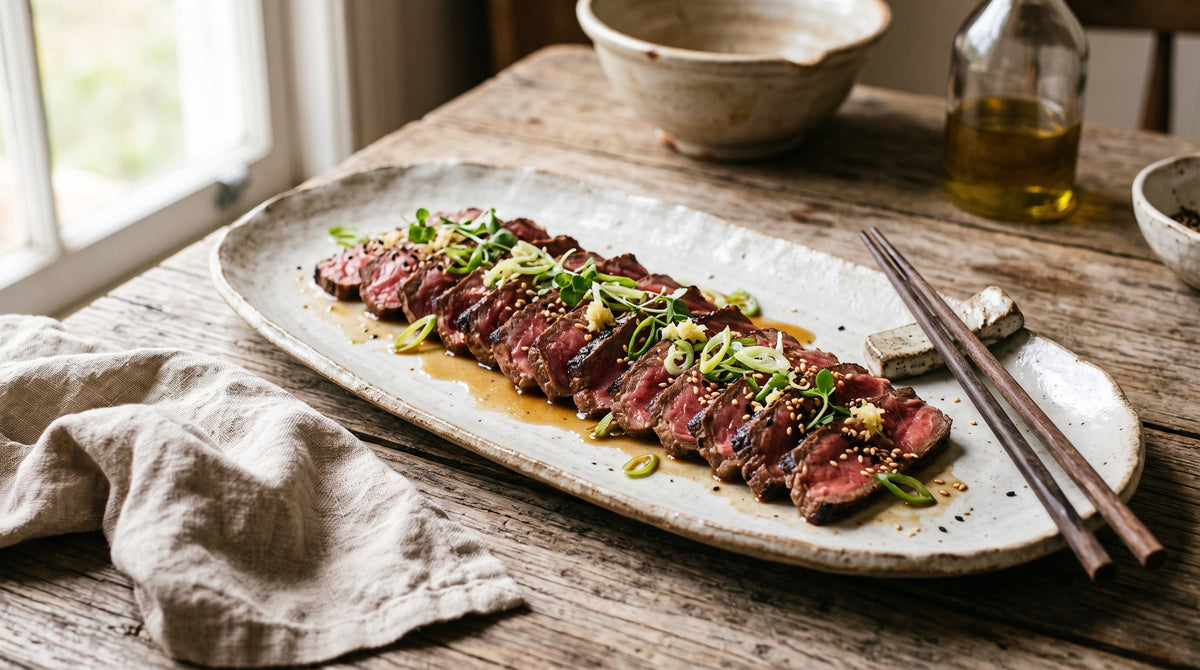
If raw beef sounds a step too far, tataki is the friendly cousin. The sirloin gets a ferocious sear — under a minute a side — so the outside is deeply browned while the centre stays rare, then a short chill in the fridge firms it up for slicing paper-thin. Fanned on a platter with sharp citrusy ponzu, ginger and sesame, one steak becomes an elegant shared starter for four. It's mostly waiting, honestly — the actual cooking is over in five minutes.

50 mins 4 servings Prep 45 minsCook 5 minsMain CourseJapanese

Ingredients

  • 1 Your Farmer grass-fed sirloin steak (about 420g), fat cap trimmed
  • 1 tbsp neutral oil
  • Salt
  • 60ml soy sauce (for the ponzu)
  • 2 tbsp fresh lemon or lime juice (for the ponzu)
  • 1 tbsp mirin (for the ponzu)
  • 1 tsp rice vinegar (for the ponzu)
  • 2 spring onions, very finely sliced
  • 1 tsp finely grated fresh ginger
  • 1 tbsp toasted sesame seeds

Instructions

For the ponzu

Stir the soy sauce, citrus juice, mirin and rice vinegar together and set aside — a quick homemade ponzu, brighter than anything from a bottle.

60ml soy sauce2 tbsp lemon juice1 tbsp mirin1 tsp rice vinegar

For the beef

Trim the fat cap from the sirloin and pat the steak very dry. Season all over with salt and rub with the oil.

420g sirloin steak1 tbsp neutral oil

Heat your heaviest pan over high heat until properly smoking. Sear the steak 45–60 seconds on each side and briefly on the edges — a deep brown crust all over with a raw centre is exactly right. Don't be tempted to keep going.

Rest the steak 5 minutes, then wrap tightly in cling film and refrigerate for 30 minutes — the chill firms the meat so it can be sliced paper-thin.

Unwrap and slice as thinly as your sharpest knife allows, across the grain, and fan the slices over a chilled platter.

Spoon the ponzu over so every slice catches some, then scatter with the spring onion, ginger and sesame seeds. Serve straight away as a shared starter.

2 spring onions1 tsp ginger1 tbsp sesame seeds

Appears in

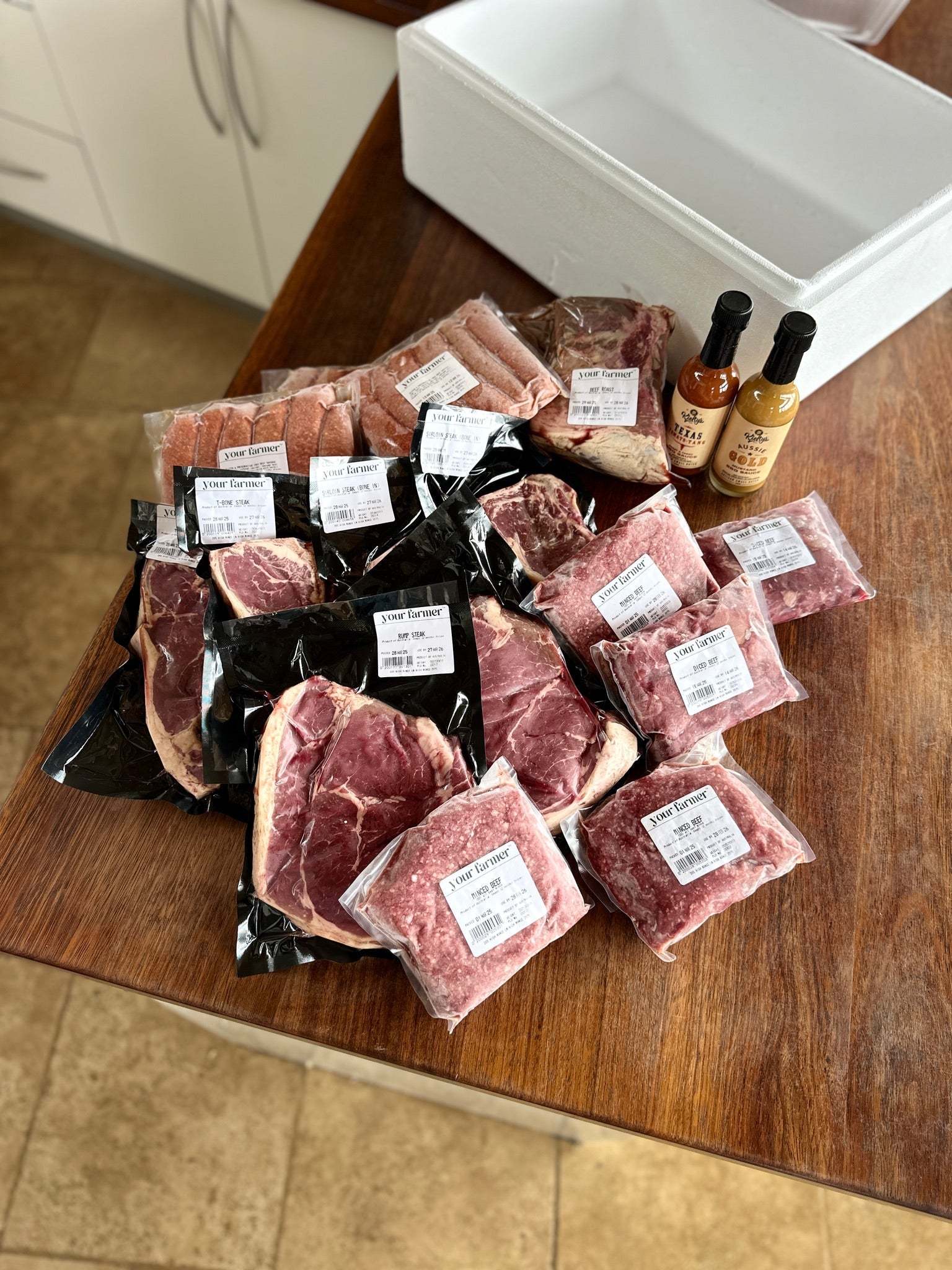
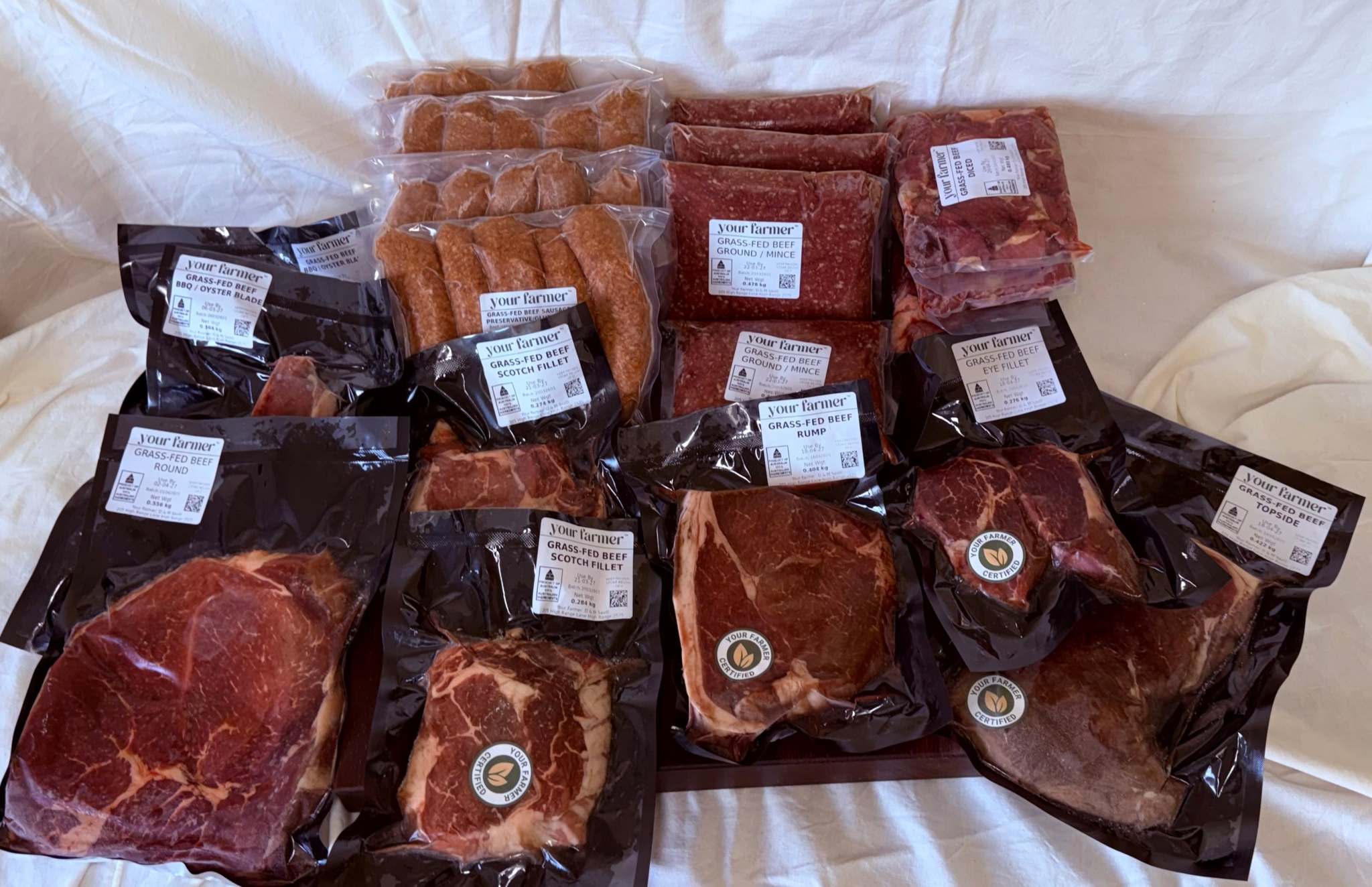
Pack C shares — Sirloin (~420g)

Sear Hard, Chill, Slice Thin

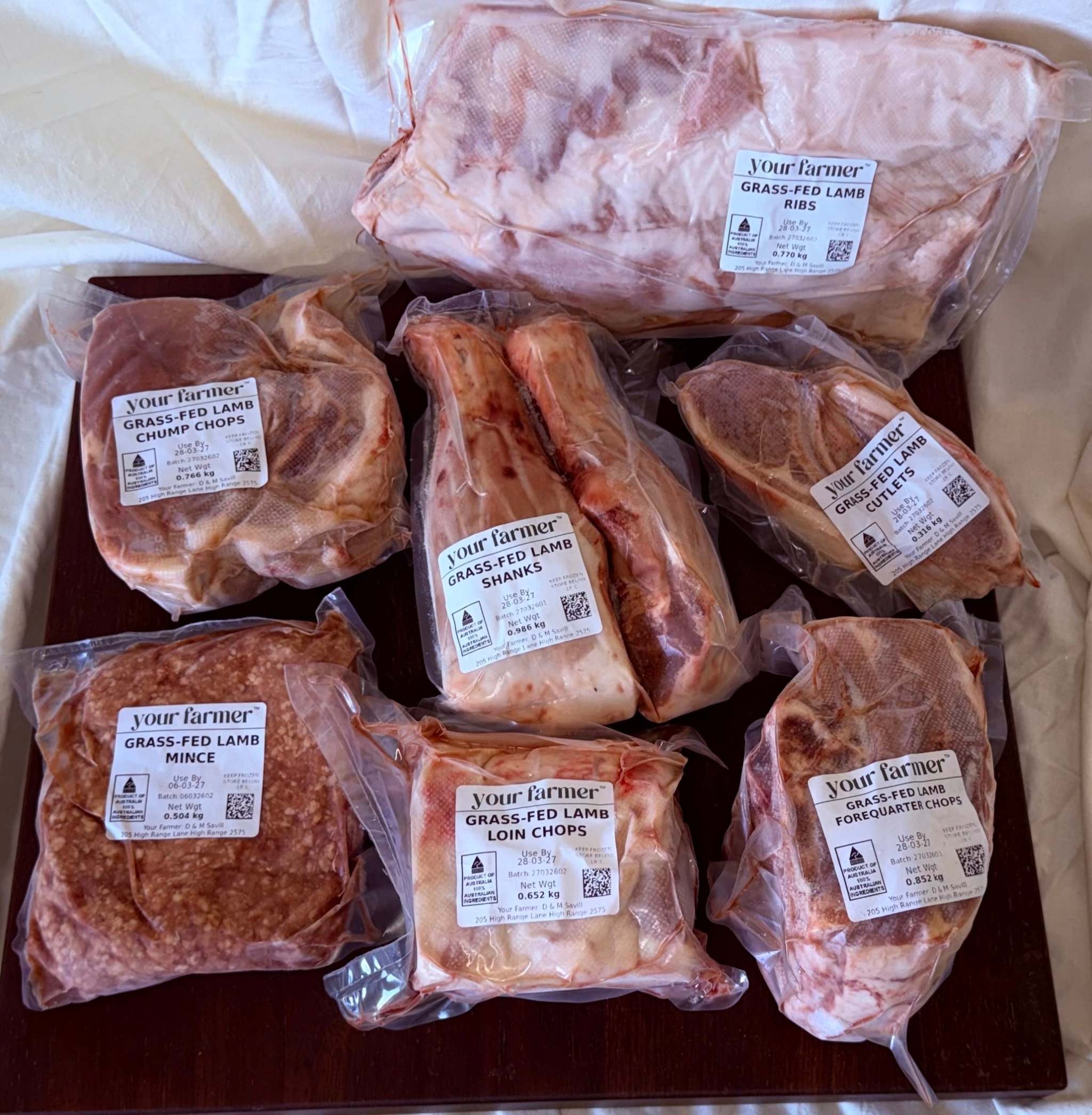
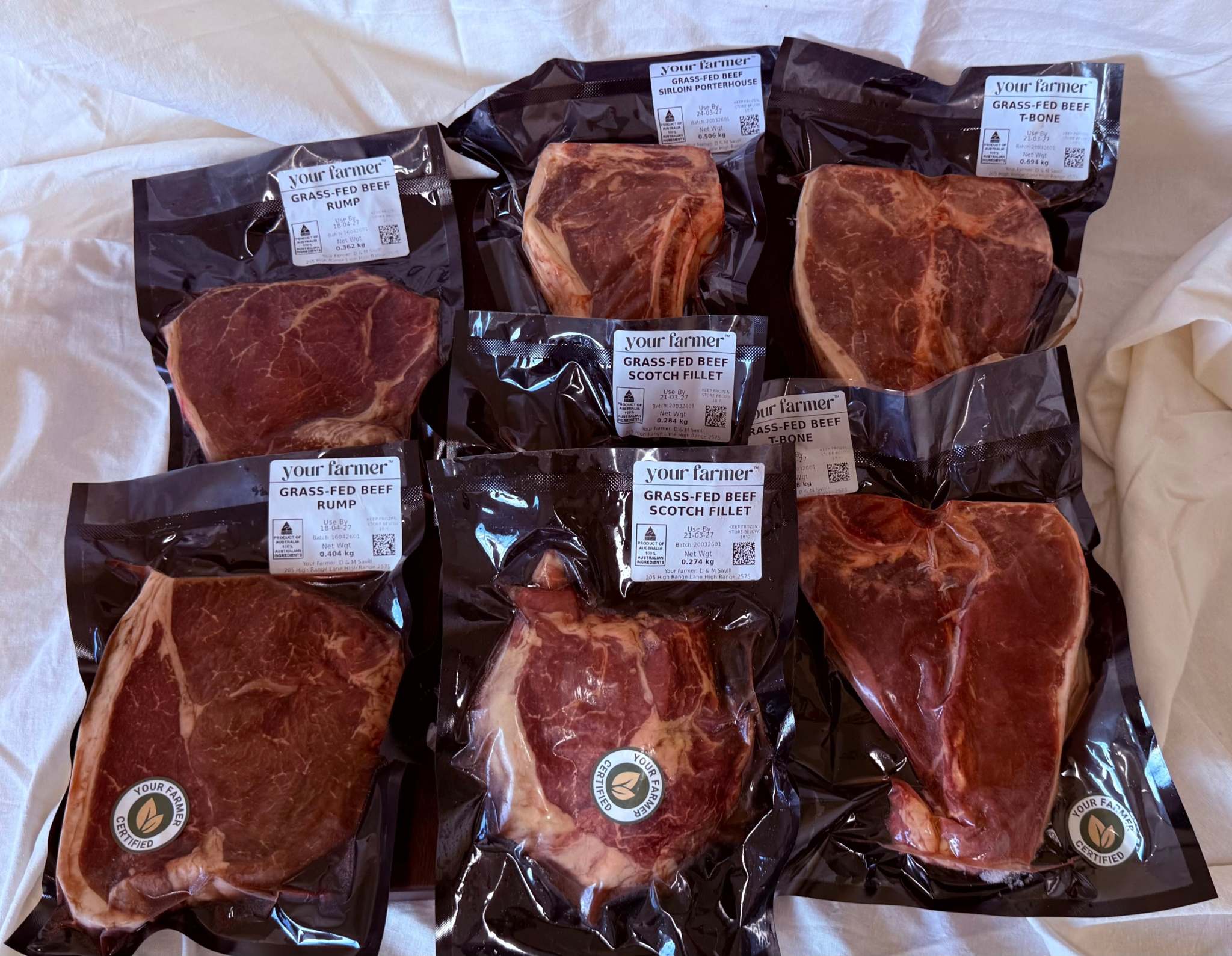
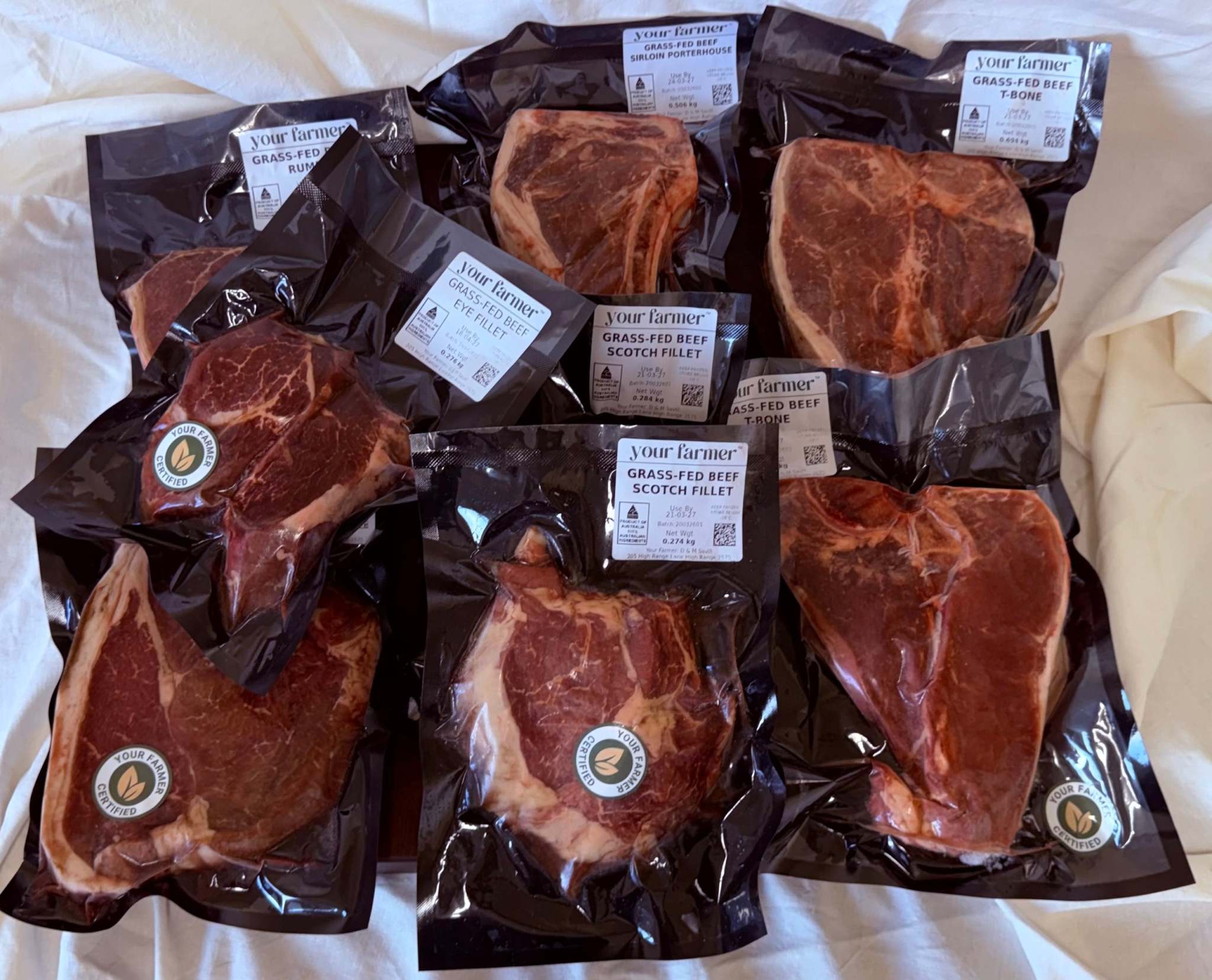
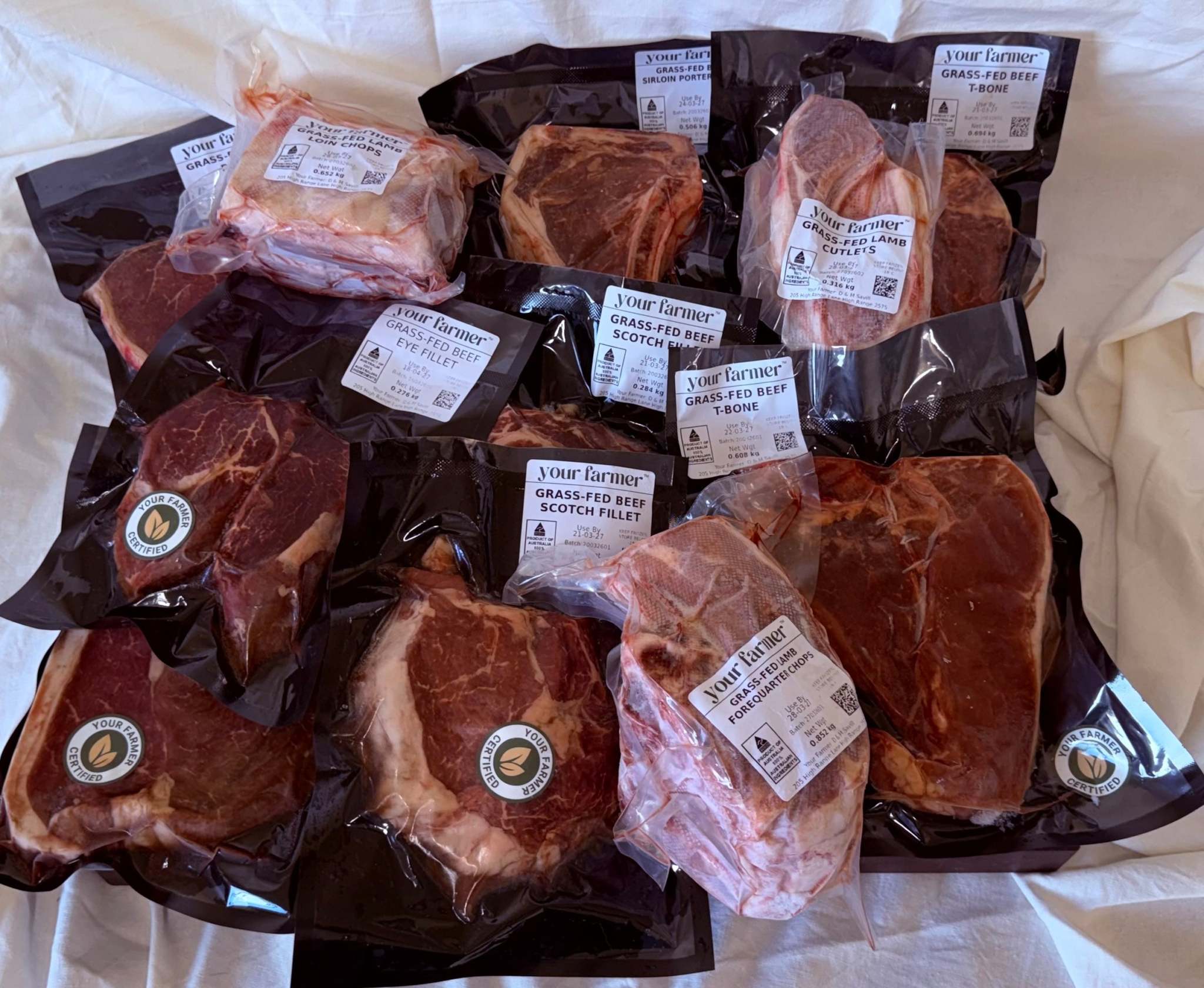
Tataki is a Japanese technique with a beautifully simple logic: sear the outside of the meat hard and fast over fierce heat, leave the inside rare, chill it, and slice it thin enough that every piece carries both the roasty crust and the tender centre. The chill isn't optional ceremony — cold, firm beef slices cleanly where warm beef tears. Sirloin suits the job perfectly: fine-grained, tender, with a clean flavour that doesn't need cooking to be interesting. And when the centre of the plate is rare beef, provenance stops being a nice-to-have. This is a dish for a fresh, well-handled steak from a farmer you know by name — the standing arrangement a grass-fed beef CSA share exists to give you. Your Farmer® sirloin arrives in Pack C at 420g: one steak, one striking platter. If you want to meet the farmers behind it, that page is where to start.

Swaps and Variations

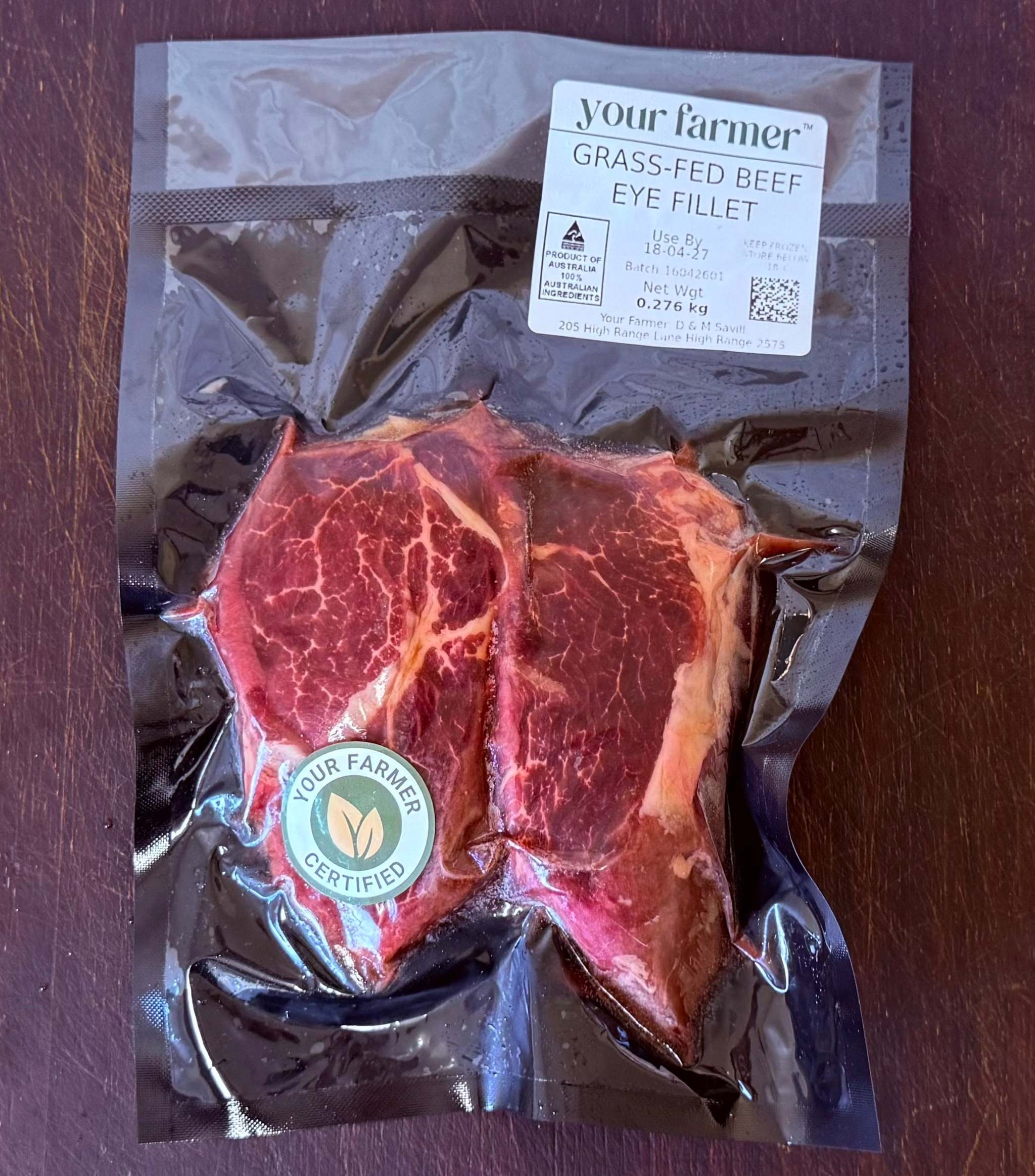
Eye fillet is the other classic tataki cut — softer and milder, if a little quieter in flavour. Rump gives a bolder, more mineral version. The dressing takes small liberties well: a drop of sesame oil, a little grated garlic, or a pinch of sugar if your citrus is sharp. To turn the starter into a light main, double the ponzu and serve the slices over dressed salad leaves or a bowl of sushi rice. For where sirloin sits among its siblings, the every-cut guide tells the whole story.

Storage and Leftovers

Tataki is at its best the day it's made. If you're ahead of schedule, keep the seared steak whole — wrapped tightly it holds in the fridge for up to 2 days, and you slice just before serving. Once sliced and dressed, eat it; the citrus starts "cooking" the surface within the hour. Leftover slices make a quietly brilliant rice bowl the next day with the remaining ponzu, and the ponzu itself keeps a week in a jar in the fridge. One last hosting note: chill the serving platter as well as the beef — cold plate, cold slices and a bright dressing is how this dish is meant to arrive at the table.
Frequently asked questions

Is it safe to eat with a rare centre?

With a fresh, properly chilled whole steak, yes — searing every outer surface hard treats the outside, and a whole muscle isn't like mince. Handle it cold, use a clean board and knife, and serve it the day you make it.

Can I use a steak that's been frozen?

Yes — thaw it slowly in the fridge, never on the bench, and pat it very dry before searing. A dry surface is what gets you the deep crust in under a minute a side.

No mirin — what do I use?

A half teaspoon of sugar dissolved in a splash of water does the job. You're after a touch of rounded sweetness against the soy and citrus, nothing more.

How thin should the slices be?

As thin as your knife allows — 3 to 5 millimetres is the target. A long sharp knife, a firm chilled steak and one smooth pull per slice work far better than sawing.

Can I make this a main course?

Easily. Serve the full 420g over sushi rice or dressed leaves with double the ponzu, and it's a light dinner for two rather than a starter for four.

Three Simple Steps

A whole table of real food.

Your Farmers grow grass-fed beef and lamb, pastured eggs and the best eco-grown veggies and produce — every item grown to the same ecological standard, every farmer one you can know by name. One subscription, your whole real-food shop.

01

Reserve your share — or try a pack

Subscribe to a share of the harvest, or start with a one-off fixed pack.

02

Make it your own

Pick your delivery rhythm and what's in the box. Skip or cancel anytime — no lock-in.

03

Cook, savour, know your farmer

We deliver in a reusable esky we collect next time. No couriers, no waste.

More Recipes

View all

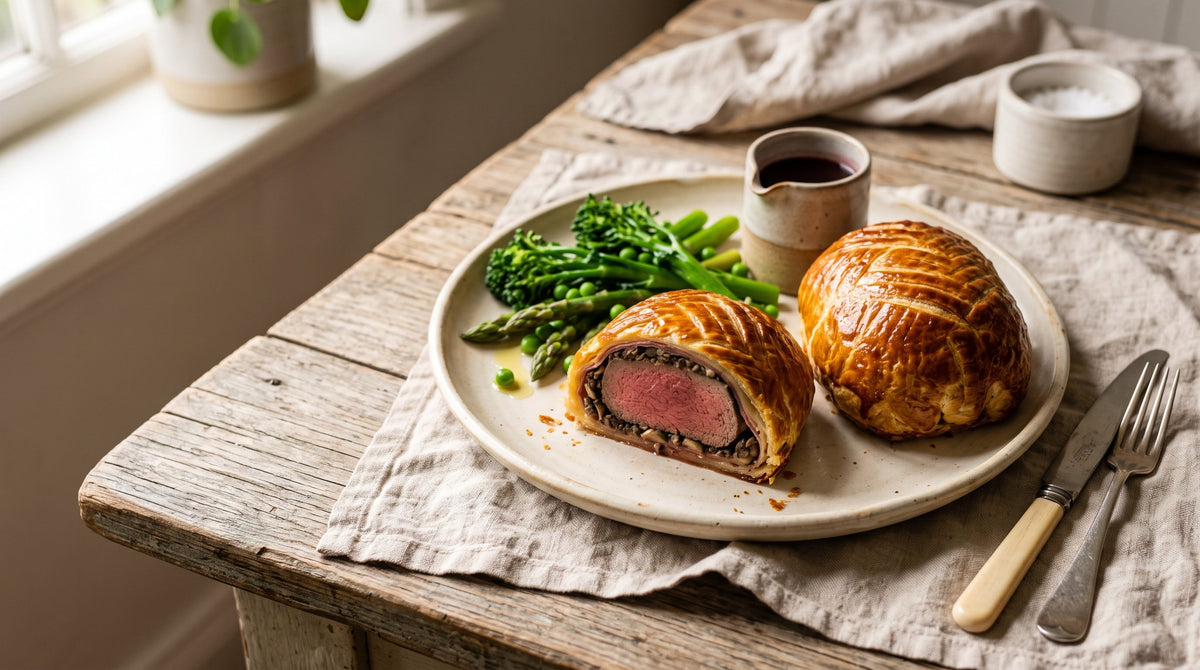
Individual beef Wellingtons made with grass-fed eye fillet medallions, one cut open to show a medium-rare centre.

Individual Beef Wellingtons for Two

The grand project, cut down to exactly what's in the pack

A whole beef Wellington is a magnificent thing that needs a dinner party to justify it. Individual Wellingtons are the smarter play: your two 140g medallions are precisely the right size, everyone gets their own golden pastry parcel, and there's no nervous carving in front of an audience. This is a proper Saturday-afternoon project — duxelles, prosciutto, puff pastry, the works — but every stage is honest and none of it is hard. Give it ninety minutes and pour yourself something while the oven does the final act.

Read moreabout Individual Beef Wellingtons for Two

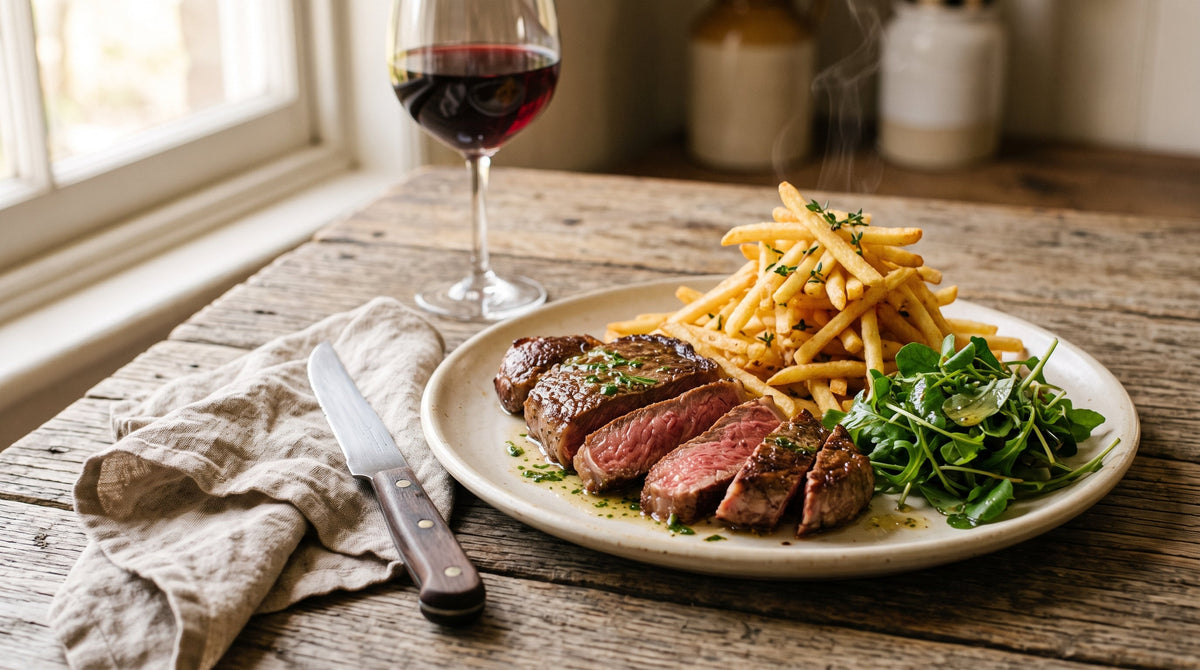
Sirloin steak frites with a rosy sliced grass-fed steak, golden thin chips and parsley butter, bistro style.

Sirloin Steak Frites

The bistro classic that's really just steak and chips, done properly

Every bistro in Paris built its name on this plate, and here's the quiet truth: it's steak and chips. What turns it into steak frites is care — chips cut thin and roasted properly crisp, a hard-seared steak rested as long as it takes, and a parsley-lemon butter that carries all the browned pan goodness over the top. The 420g sirloin halves neatly into two bistro-sized steaks, so this is dinner for two, done exactly right. Pour something red and don't answer the phone.

Read moreabout Sirloin Steak Frites

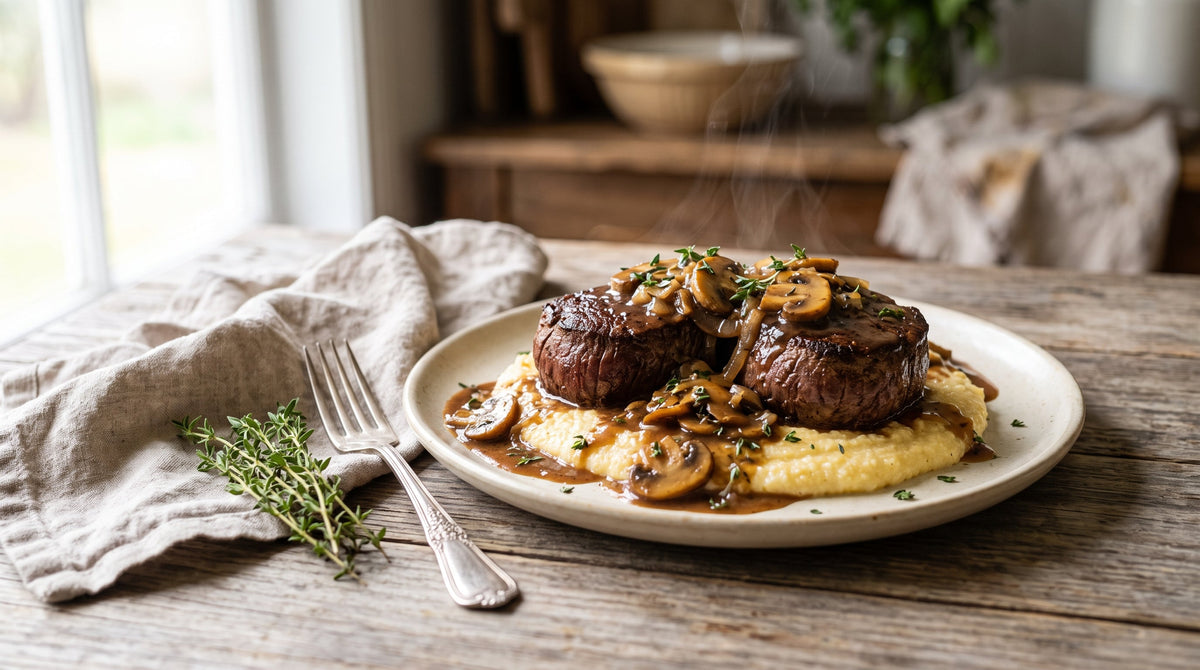
Pan-fried grass-fed eye fillet medallions with mushroom and Marsala sauce over soft polenta.

Eye Fillet with Mushroom and Marsala Sauce

The restaurant sauce that's secretly a one-pan job

Marsala and mushrooms is what good Italian restaurants have been spooning over fillet for generations, and there's a reason: the cut is mild and buttery-tender, and the sauce brings the caramel depth it's quietly asking for. Here's the good news — the whole thing happens in one pan. Sear the medallions, rest them under foil, and while they sit, the mushrooms, Marsala and cream build the sauce on the same browned bits the steaks left behind. Forty minutes, start to plate, and it looks like you booked a table.

Read moreabout Eye Fillet with Mushroom and Marsala Sauce