


Indirect Heat: the Only Rule That Matters
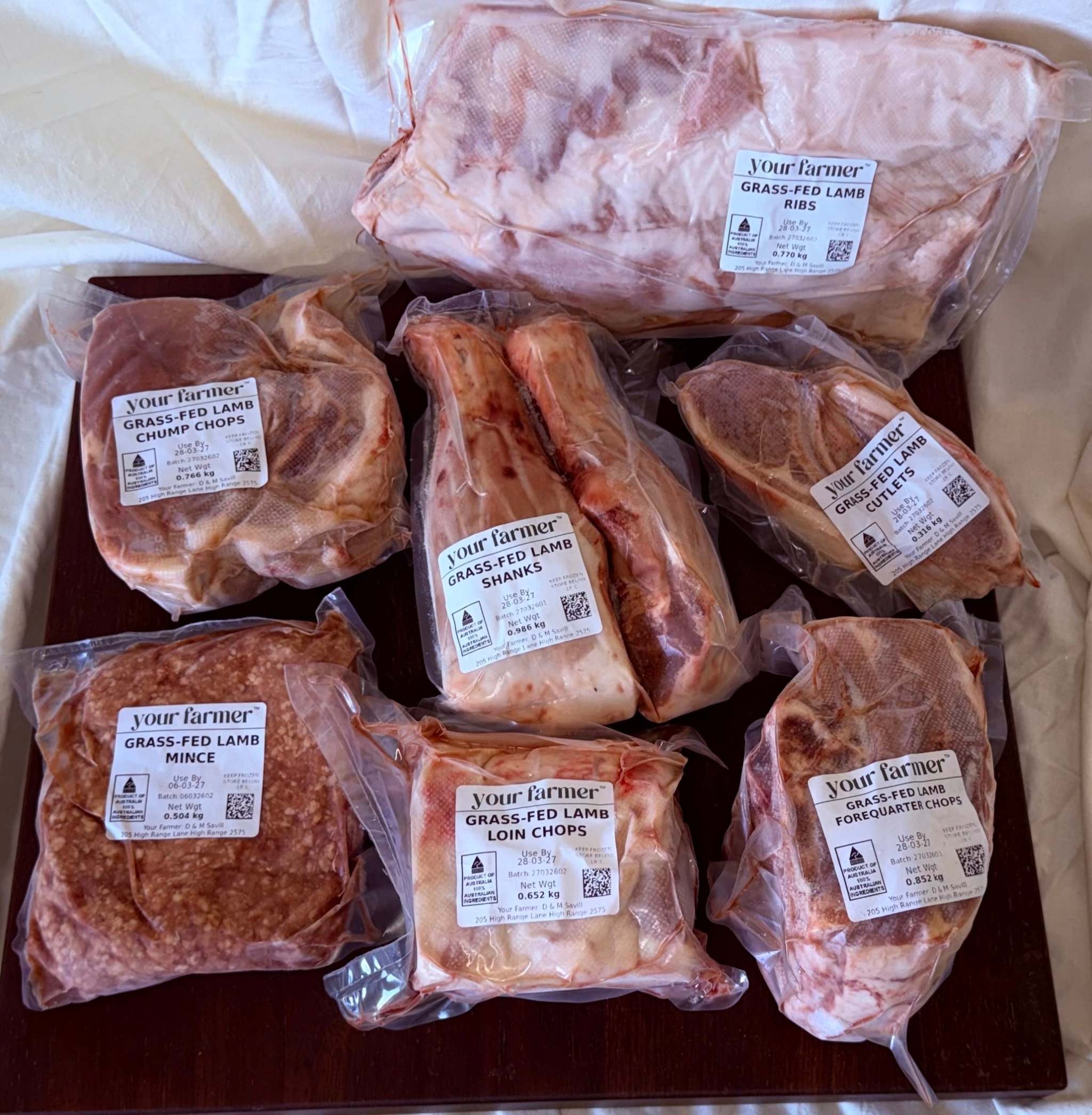
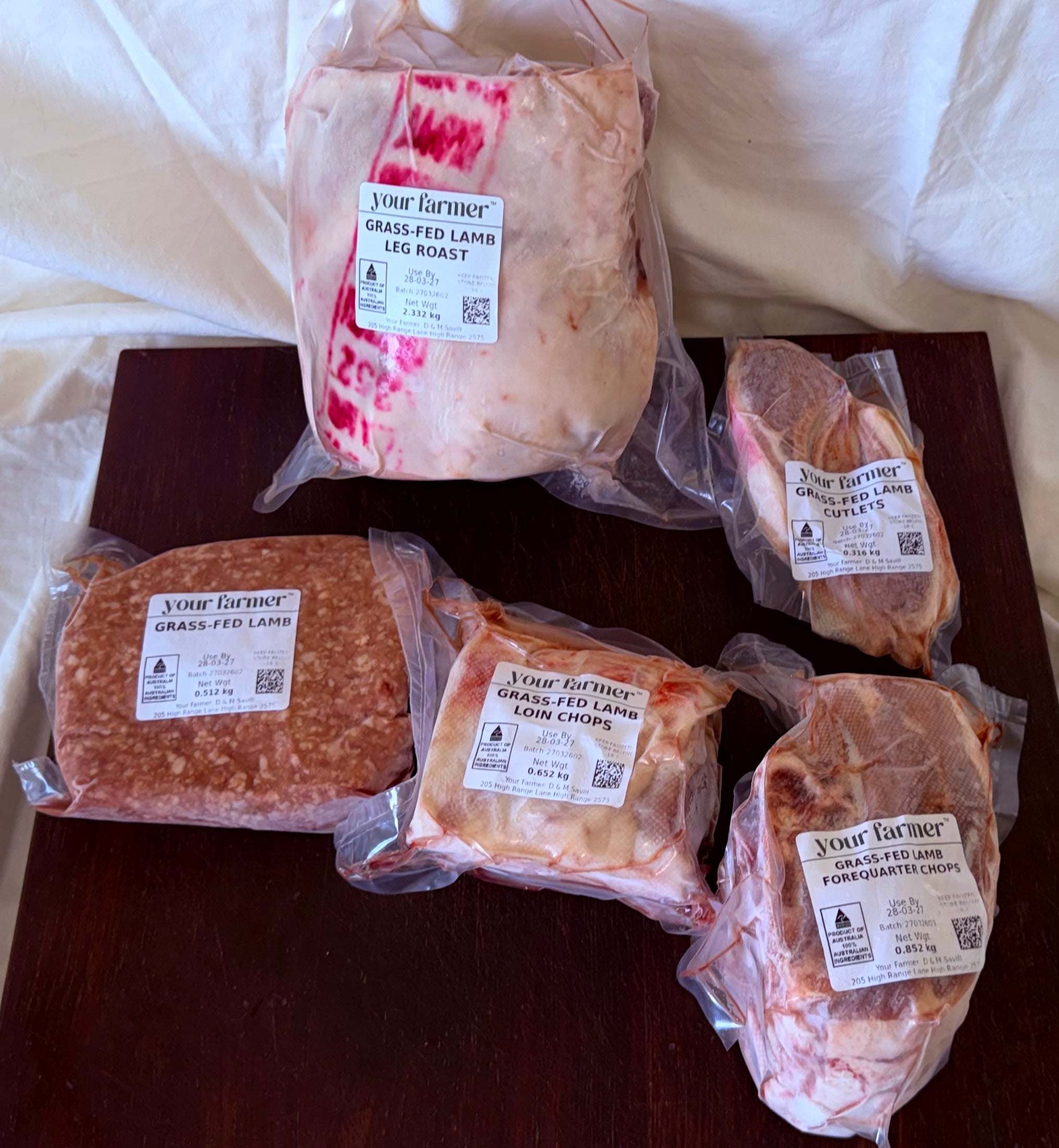
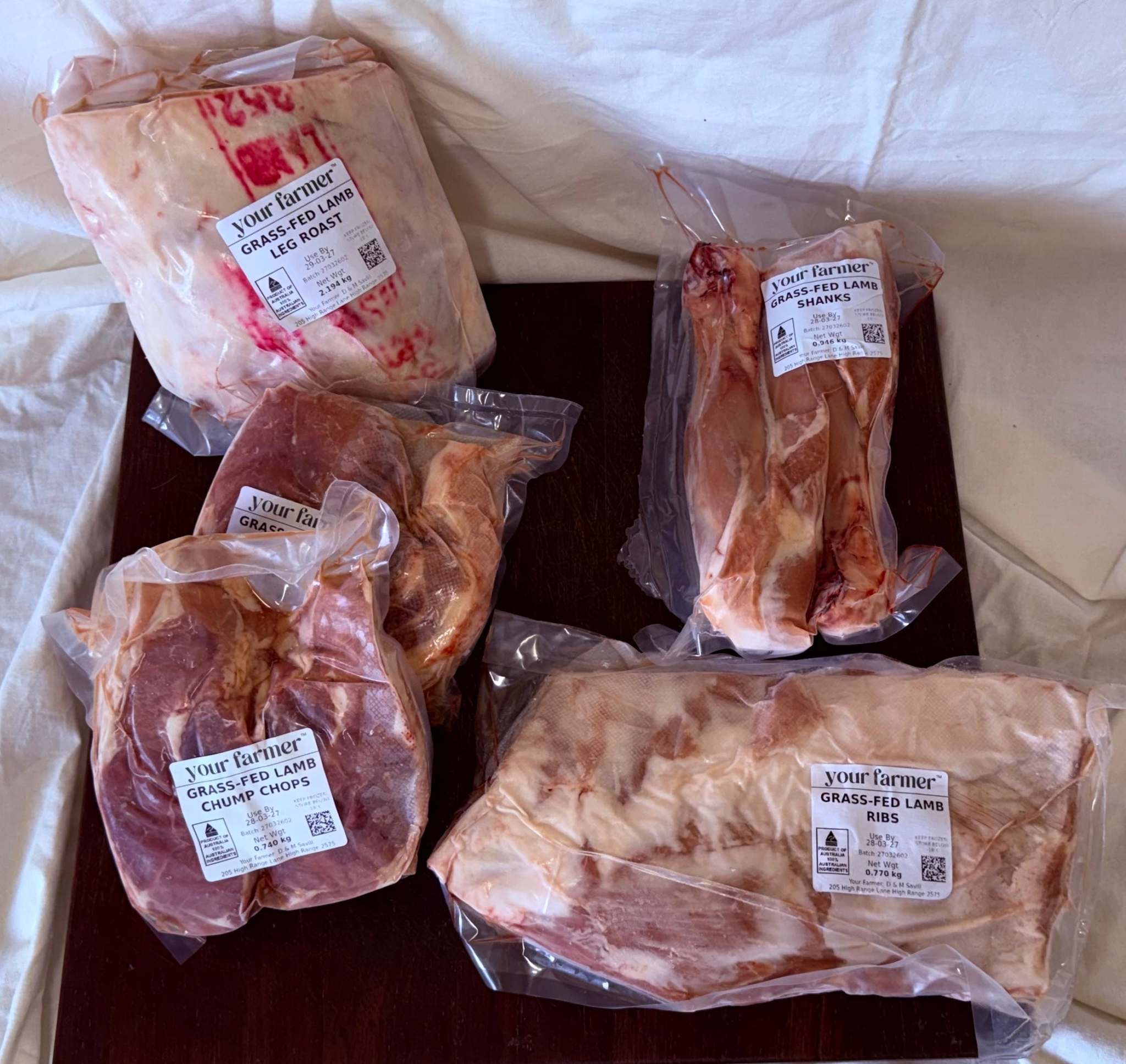
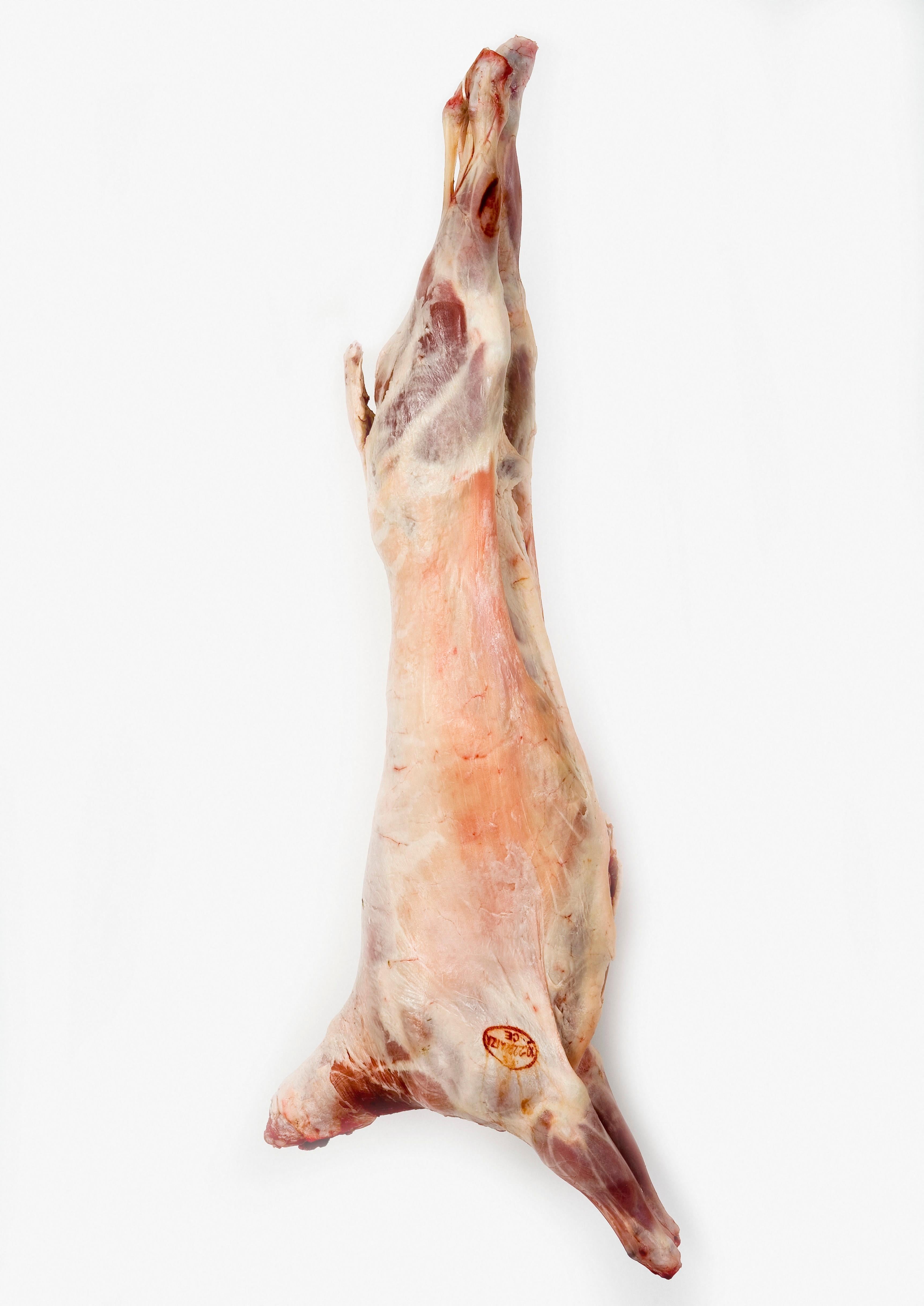
Everything about barbecuing a whole roast comes down to one idea: the lamb should never sit over flame. With the outer burners on and the meat parked over the cold middle, the closed hood turns the barbecue into a fan-forced oven — except this one bastes the meat in smoke from its own drippings hitting hot metal. The water in the drip tray keeps the atmosphere gentle and catches the juices for later. A leg from a Your Farmer® share barbecues to textbook pink; a shoulder will take a lower hood temperature and an extra half hour, and reward you with softer meat. Either way the thermometer is the umpire: 57–60°C when you pull it, 60–63°C after the rest.
Swaps and Variations
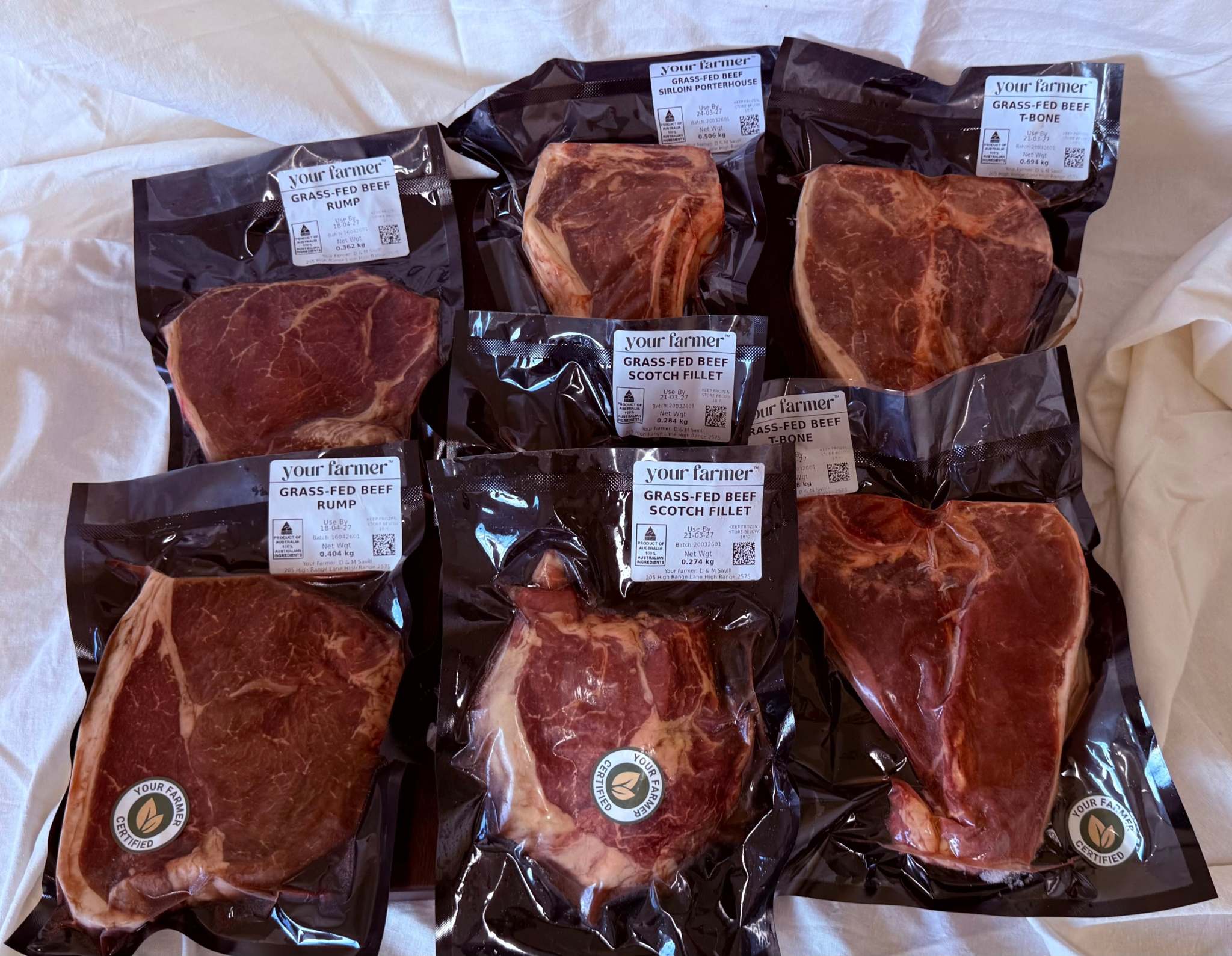
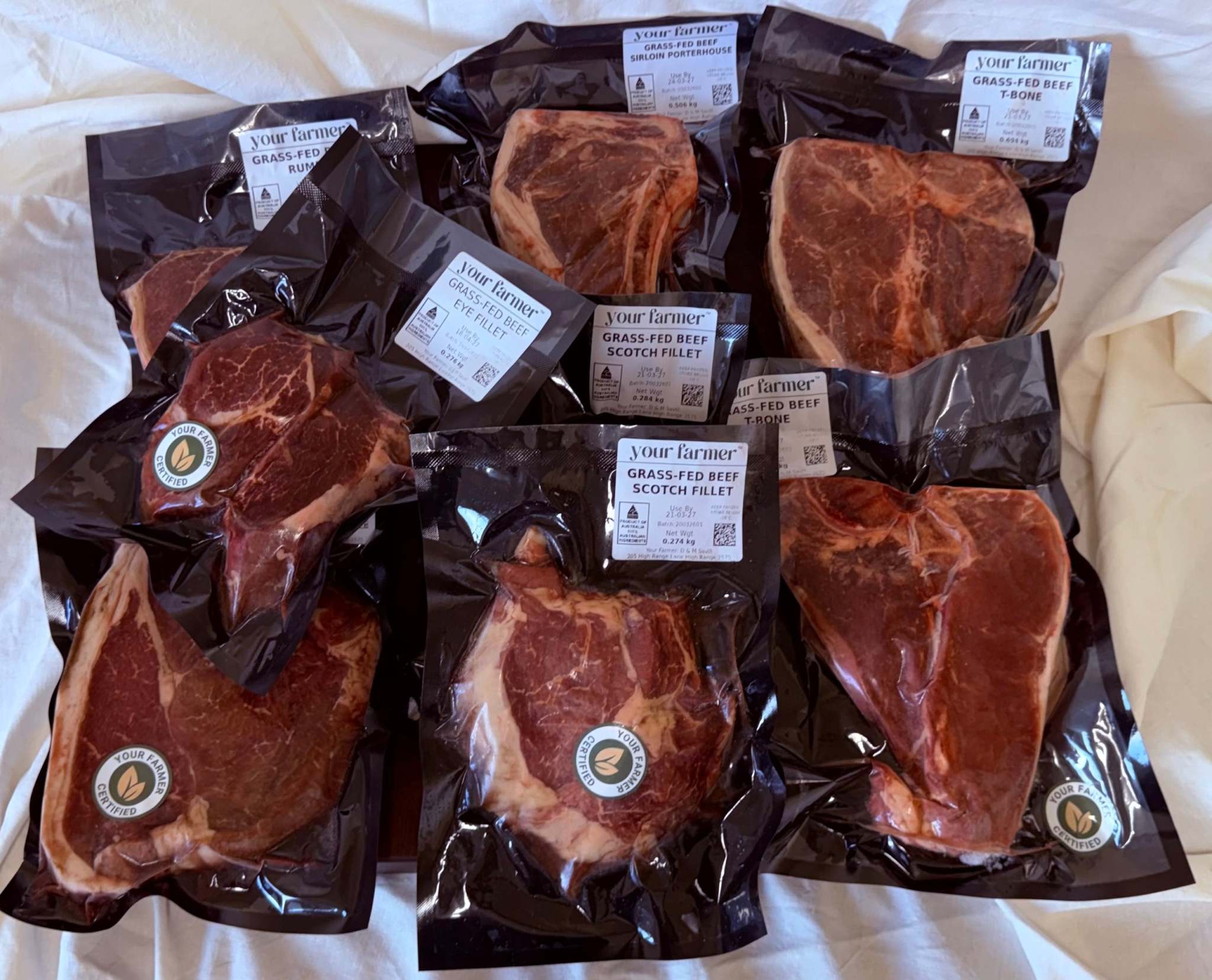
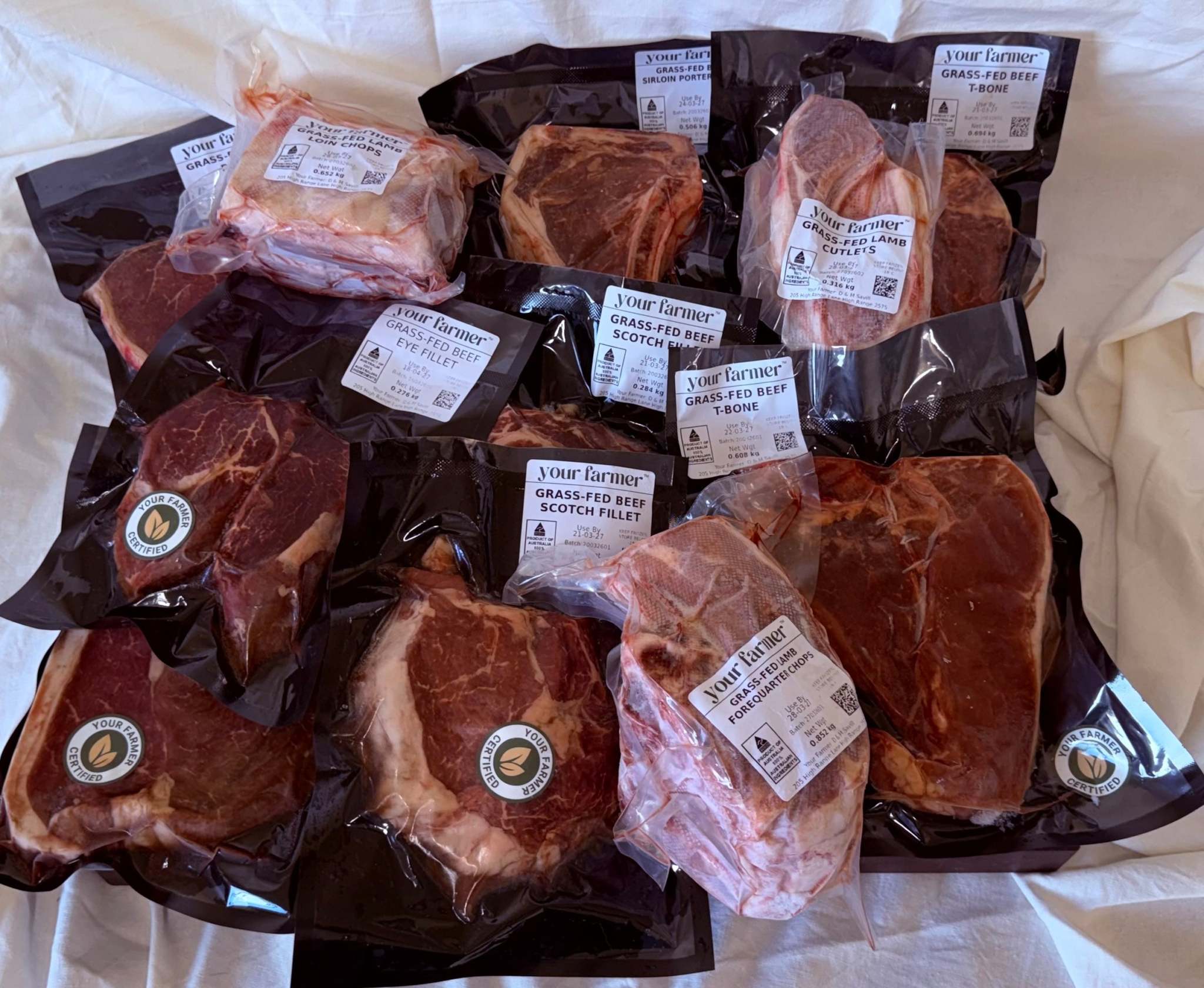
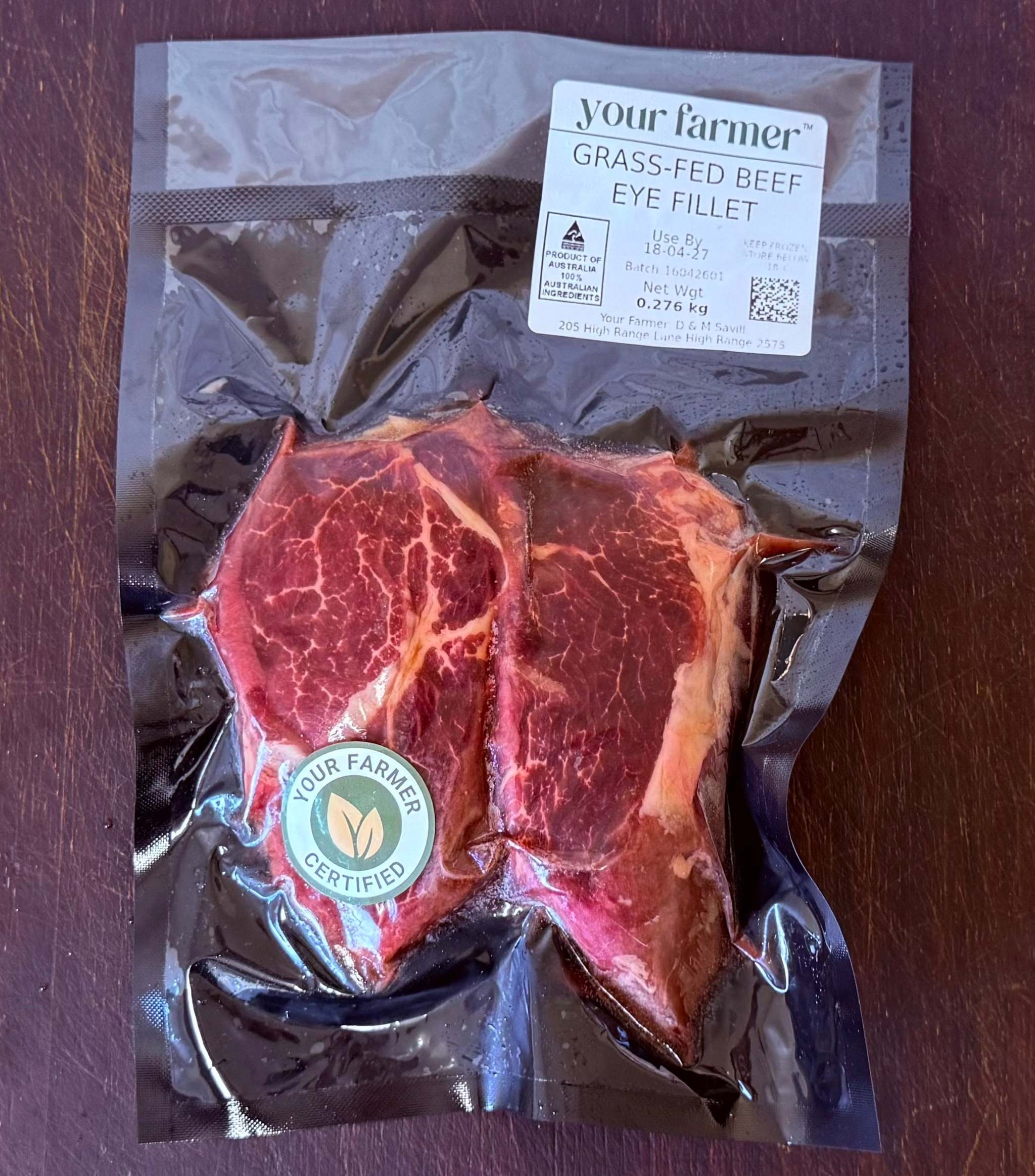
The rub is a starting eleven, not a rulebook. Swap the cumin and paprika for dried oregano and lemon zest and the same lamb heads for the Aegean; a tablespoon of harissa worked in with the oil sends it to North Africa. A chunk of soaked hardwood in a foil pouch over one lit burner adds true smoke if your barbecue is gas. The same indirect setup handles lamb ribs without breaking stride, and the fire-management fundamentals are all in our steak-night-on-the-barbie guide. When the freezer needs restocking, that's what a lamb share is for.
Storage and Leftovers
Smoked-and-roasted lamb keeps 3–4 days in the fridge and freezes, sliced, for 2 months — and that faint smokiness makes it the best leftover lamb of all. Warm slices gently in the reserved drip-tray juices, or go cold: smoky lamb, chargrilled capsicum and aioli in a roll is a lunch worth planning the roast around. Leftover chunks also make superior midweek tacos — a squeeze of lime, some slaw, done.



Share:
Old-School Lamb Ribs with Vinegar-Mint Glaze
Grilled Chump Chops with Zhoug and Flatbreads