The grand project, cut down to exactly what's in the pack

A whole beef Wellington is a magnificent thing that needs a dinner party to justify it. Individual Wellingtons are the smarter play: your two 140g medallions are precisely the right size, everyone gets their own golden pastry parcel, and there's no nervous carving in front of an audience. This is a proper Saturday-afternoon project — duxelles, prosciutto, puff pastry, the works — but every stage is honest and none of it is hard. Give it ninety minutes and pour yourself something while the oven does the final act.

1 hr 25 mins 2 servings Prep 40 minsCook 45 minsMain CourseBritish

Ingredients

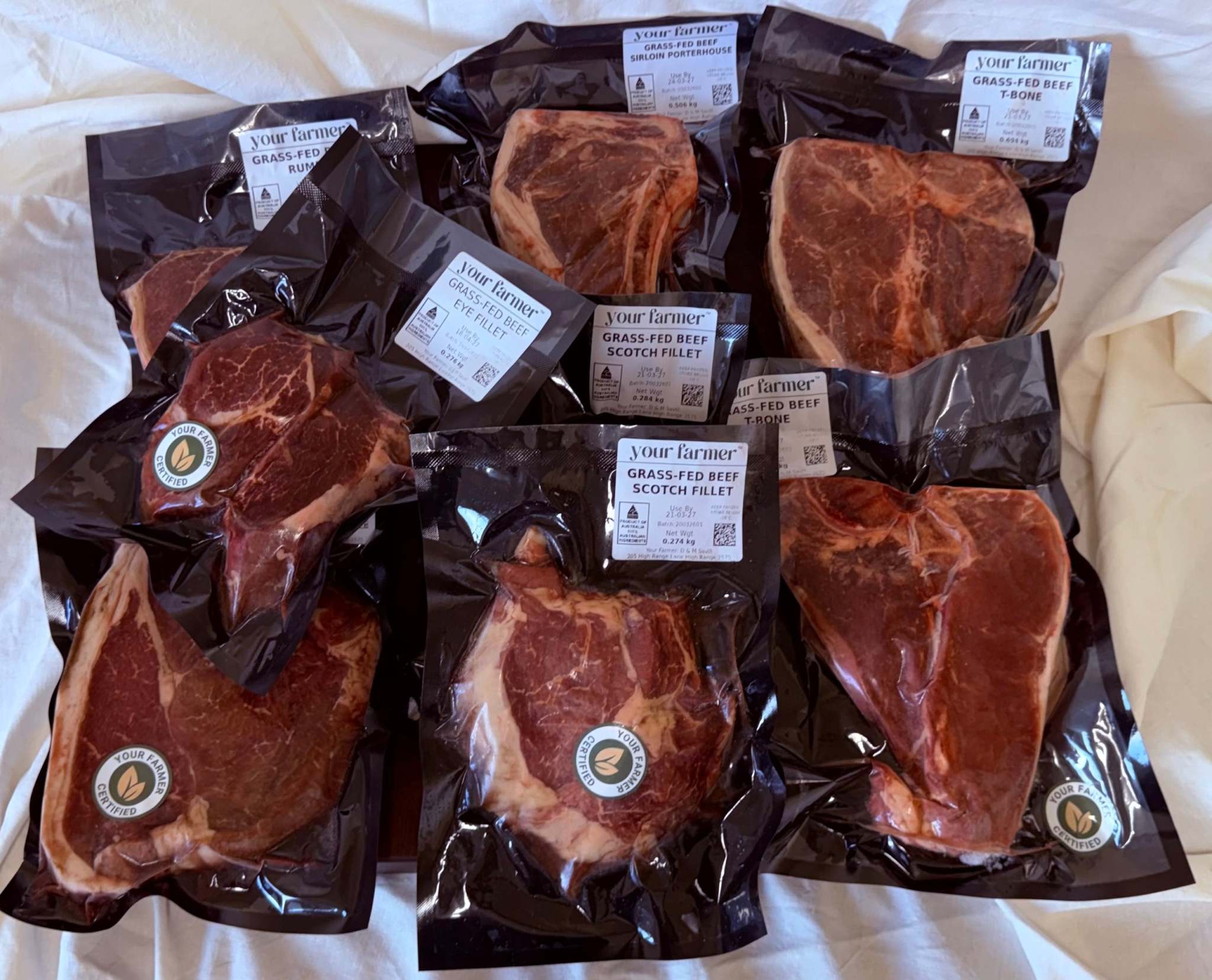
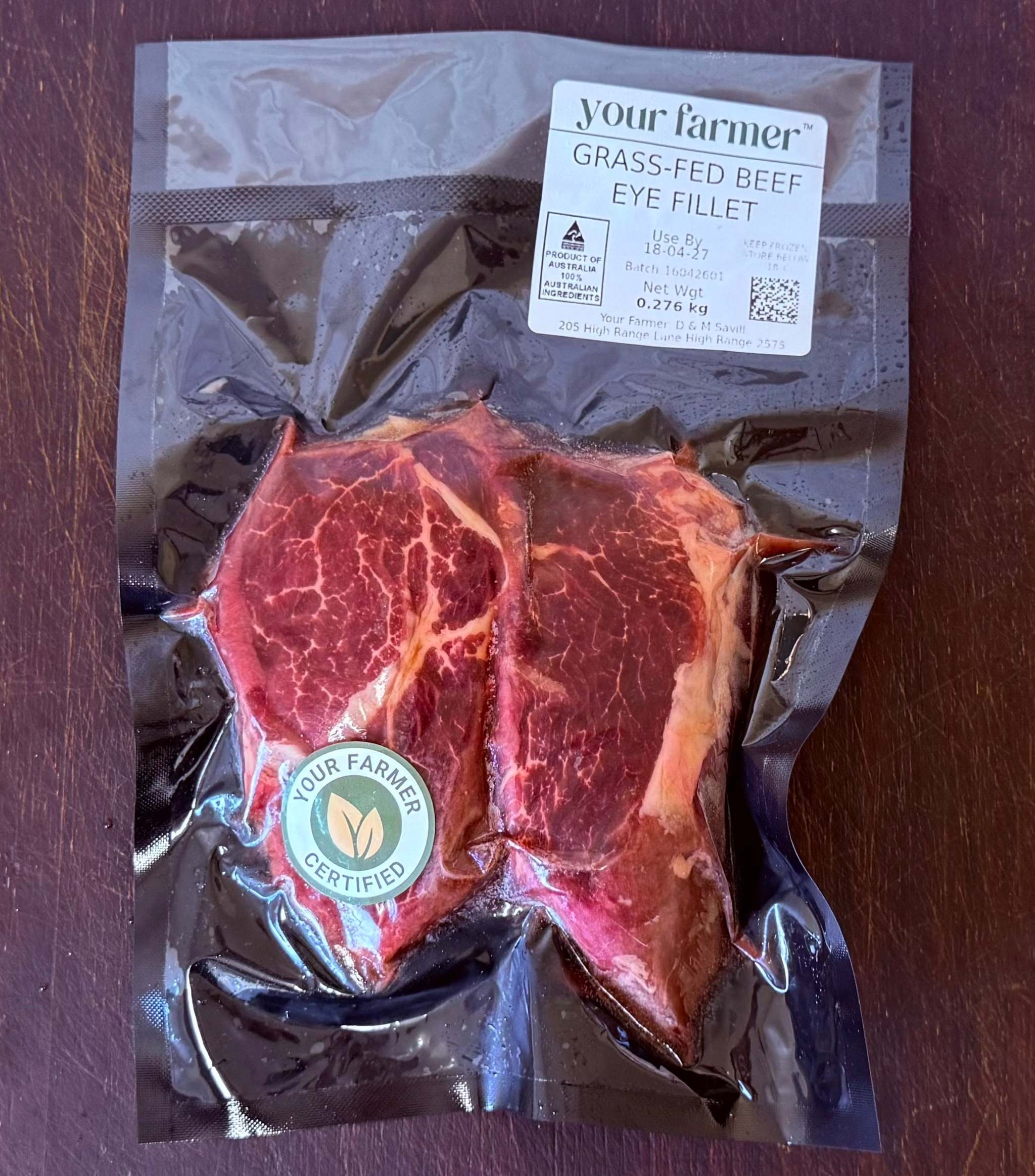
  • 2 Your Farmer grass-fed eye fillet medallions (about 140g each)
  • Salt and pepper to season
  • 1 tbsp olive oil
  • 1 tbsp Dijon mustard
  • 25g butter
  • 300g Swiss brown or button mushrooms, very finely chopped
  • 1 eschalot, finely chopped
  • 2 cloves garlic, finely chopped
  • 2 sprigs fresh thyme, leaves picked
  • 4 slices prosciutto
  • 1 sheet frozen butter puff pastry, thawed
  • 1 egg, beaten
  • Steamed greens, to serve

Instructions

For the duxelles

Season the medallions generously. Heat the oil in a heavy pan over high heat and sear them hard for just 1 minute each side — colour only, raw in the middle. Cool completely, then brush all over with the Dijon.

2 eye fillet medallions1 tbsp olive oil1 tbsp Dijon mustard

In the same pan, melt the butter over medium heat and cook the mushrooms, eschalot, garlic and thyme for 10–12 minutes, stirring often, until every drop of moisture has cooked off and the mixture is dry enough to hold together. Season, then cool completely.

25g butter300g mushrooms1 eschalot2 cloves garlic

To assemble

Lay 2 prosciutto slices slightly overlapping on the bench, spread with half the cooled duxelles, sit a medallion on top and wrap the whole lot snugly around it. Repeat with the second medallion.

4 slices prosciutto

Cut the pastry sheet in half. Wrap each parcel, brushing the seams and ends with beaten egg to seal, and trim the excess. Sit them seam-side down on a lined oven tray.

1 sheet puff pastry1 beaten egg

Chill the Wellingtons on their tray for 20 minutes — this firms the pastry so it bakes crisp, not soggy. Meanwhile, heat the oven to 210°C (190°C fan).

To bake

Brush the Wellingtons all over with the remaining egg, score the tops lightly with the back of a knife, and bake for 20–22 minutes, until the pastry is deep golden and a thermometer pushed through to the centre reads about 50°C for medium-rare.

Rest the Wellingtons on their tray for 8–10 minutes — the centre finishes cooking as it sits.

Serve each Wellington whole with steamed greens and any pan juices, and let everyone cut into their own.

Appears in

Why Wellington Was Built for the Fillet

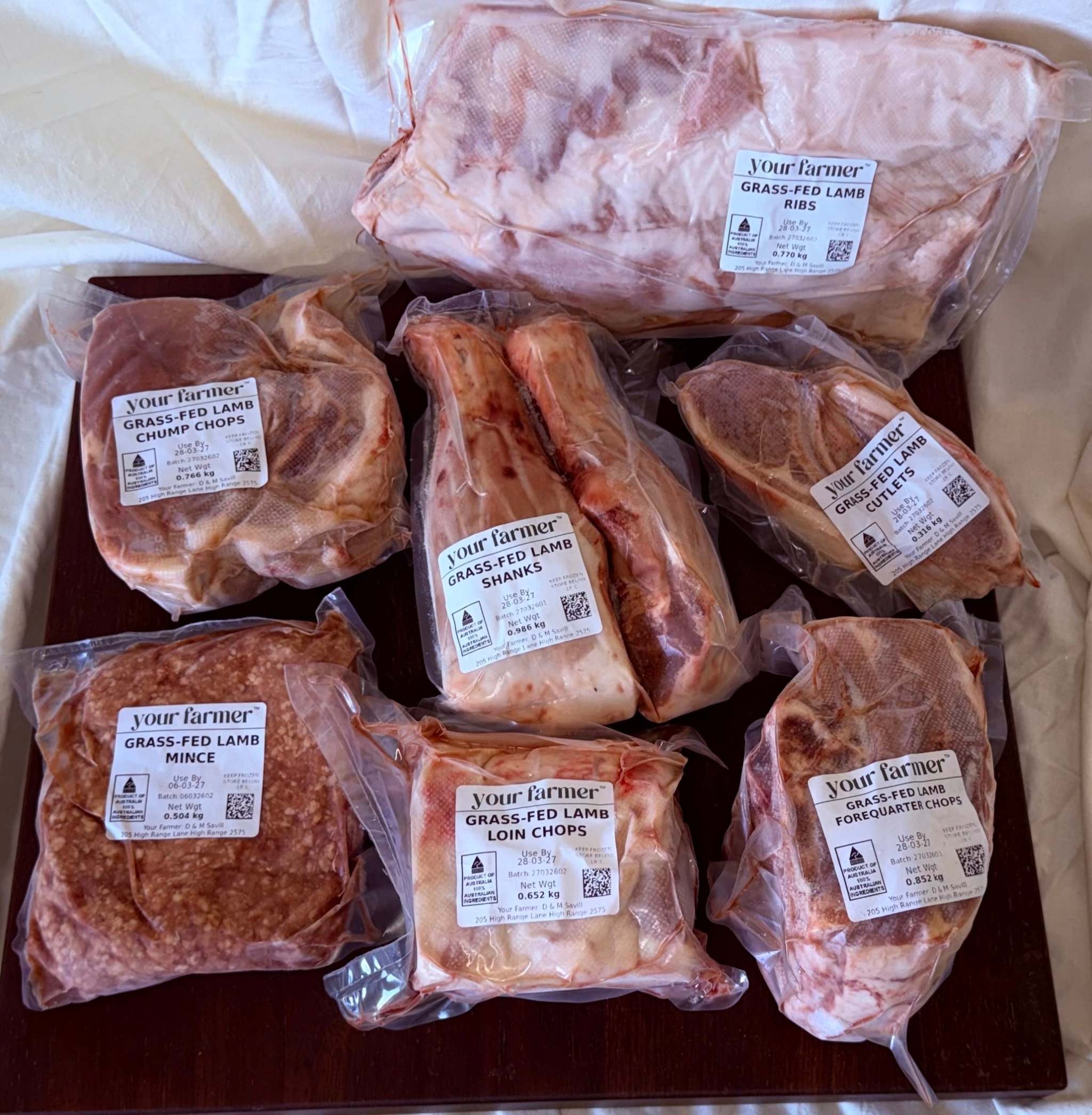
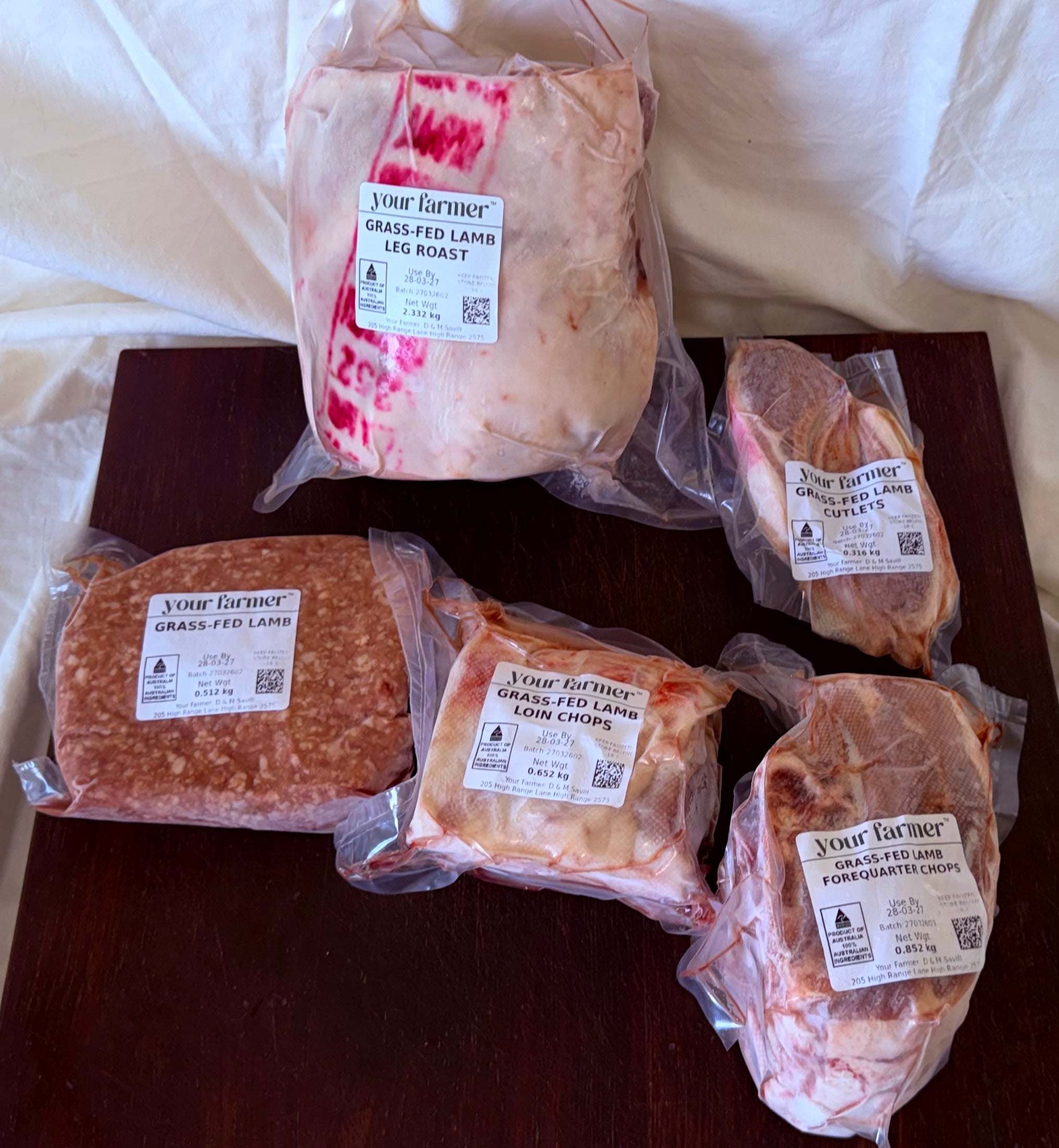
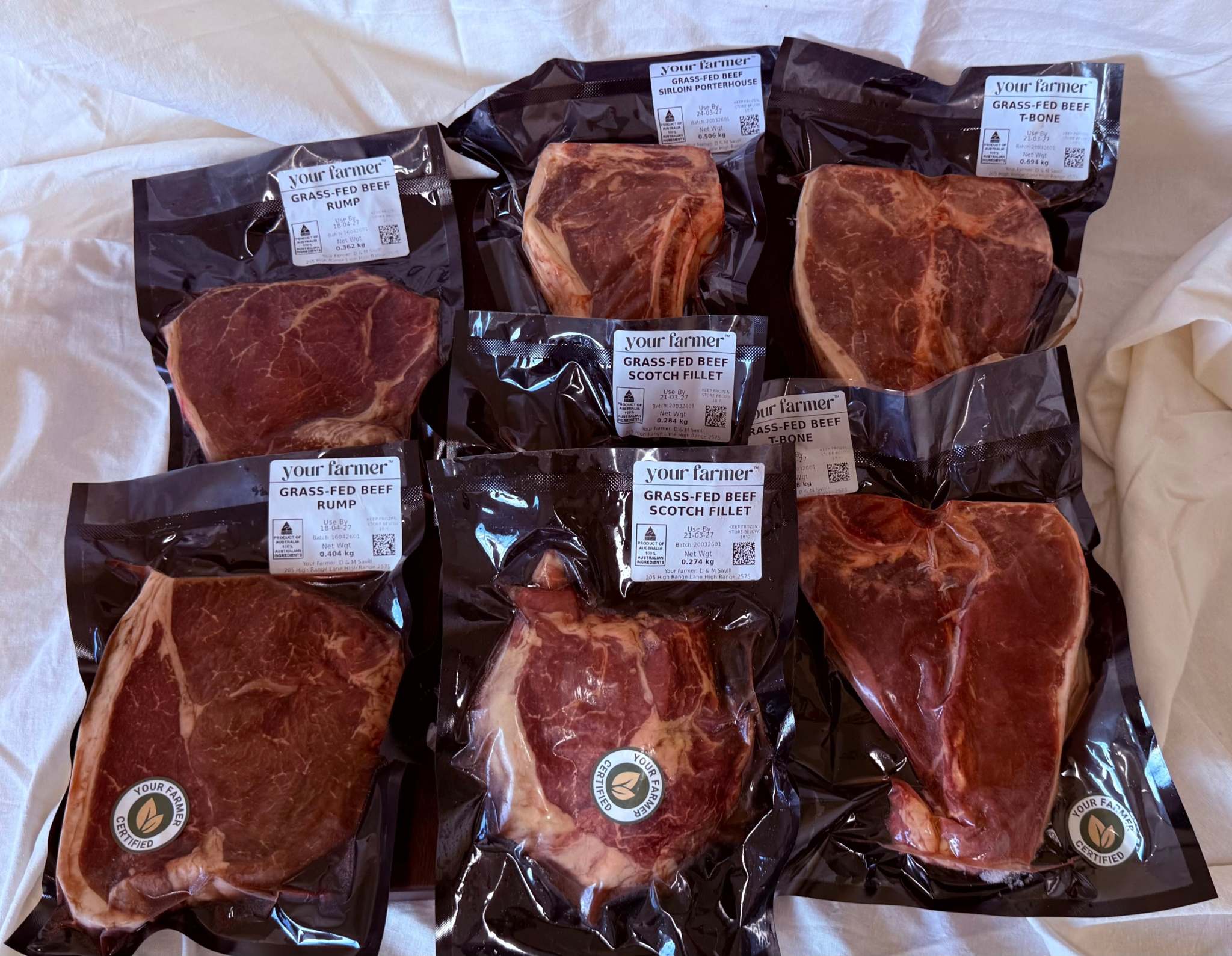
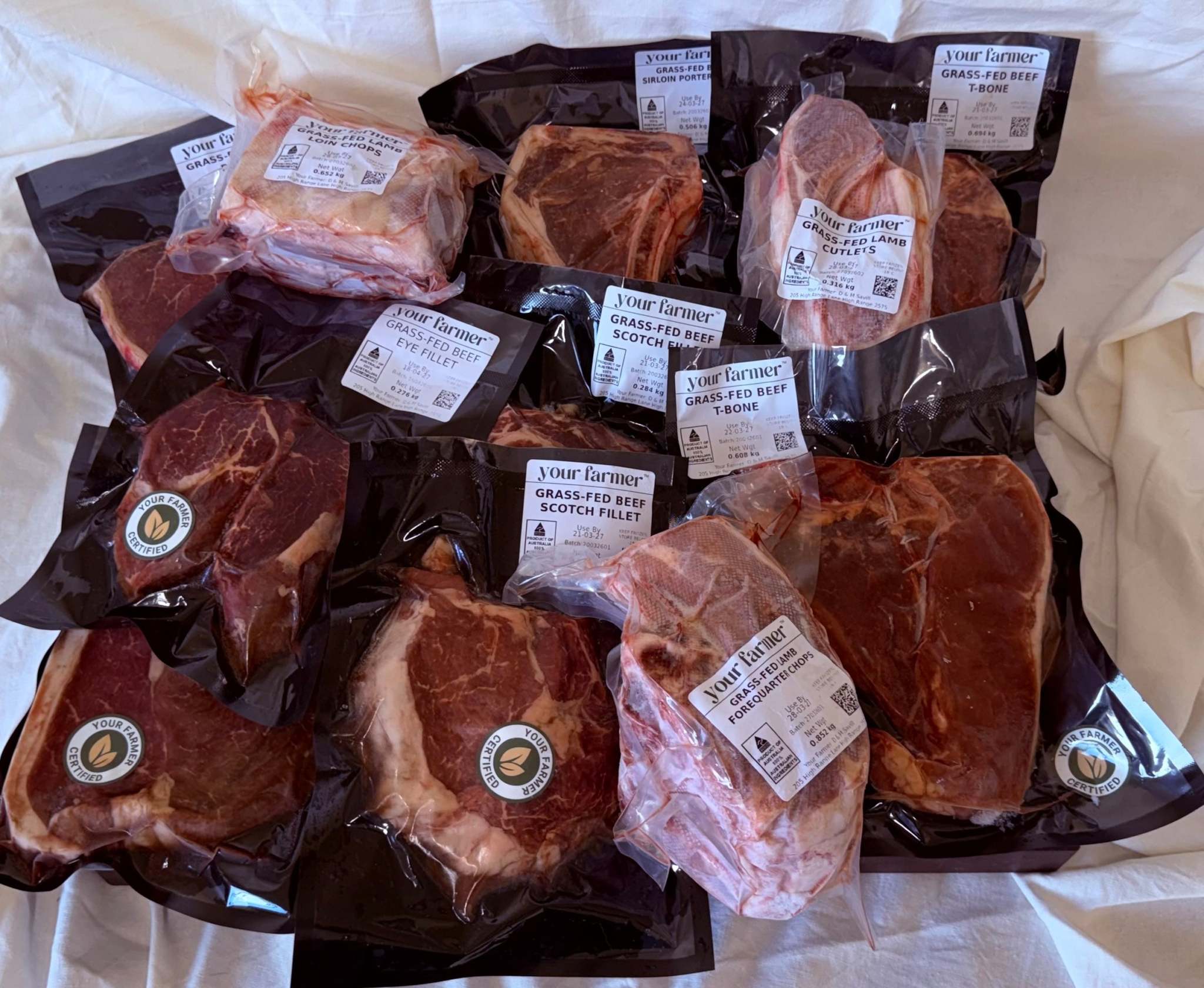
Beef Wellington only ever uses one cut, and it's this one. The eye fillet is the tenderloin — an even, tender cylinder with almost no fat — and that shape and tenderness are exactly what the dish needs, because the beef has to finish cooking in the short time it takes puff pastry to turn deep golden. A tougher cut would still be chewing when the pastry burned. The lean side of fillet, normally its one weakness, is solved by the architecture: prosciutto and buttery duxelles baste the meat inside its pastry jacket. Your Farmer® fillet comes as two 140g medallions, and they're the exact right size for individual Wellingtons — no trimming a whole tenderloin, no carving at the table, no waste. The one make-or-break stage is the duxelles: cook the eco-grown mushrooms until genuinely dry, because trapped moisture is what turns pastry bases soggy.

Swaps and Variations

A mix of mushrooms — Swiss browns with a few dried porcini soaked and chopped in — deepens the duxelles beautifully. No prosciutto? Thin crepes are the old-school moisture barrier, or simply be extra strict about drying the duxelles. A teaspoon of hot English mustard in place of Dijon suits those who like a quiet kick. The egg wash is what gives the pastry its lacquered finish, so don't skip it — one of our pastured eggs does the job with plenty left for the seal. And this is a dish that scales honestly: four medallions, two pastry sheets, same times.

Storage, Make-Ahead and Leftovers

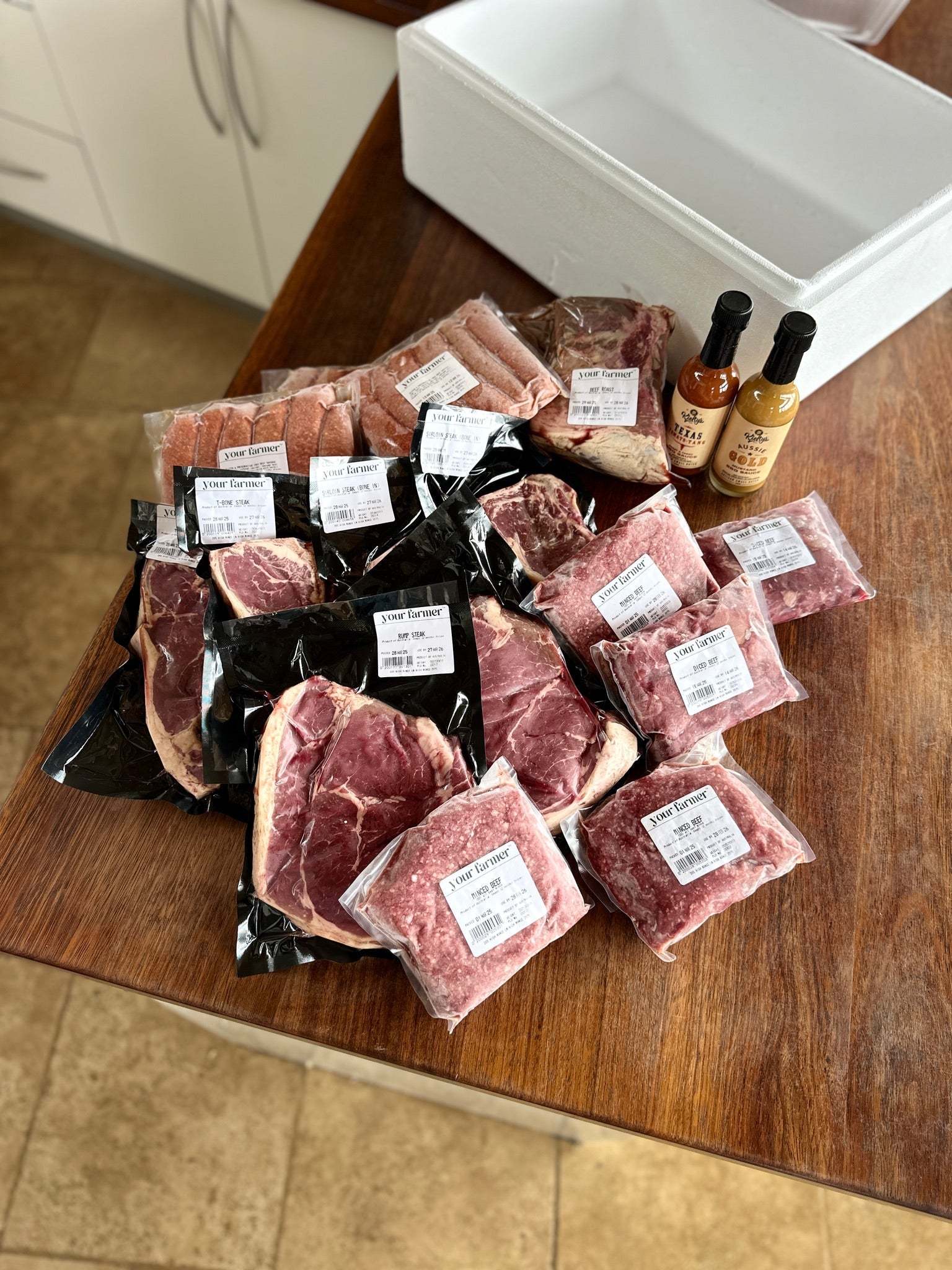
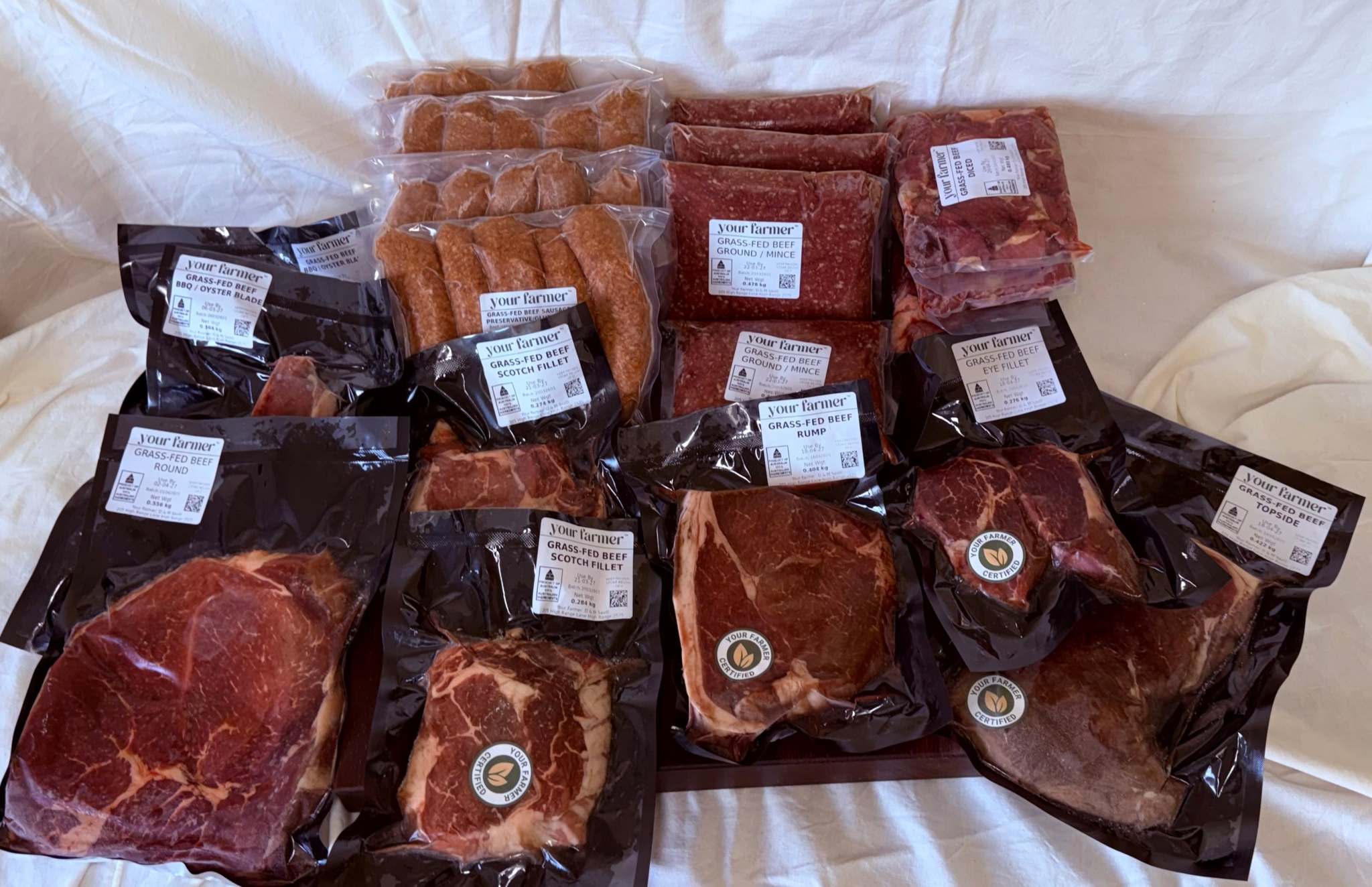
The whole point of individual Wellingtons is that they're a make-ahead dream: assemble them in the morning, keep them covered in the fridge, and bake straight from cold that evening — add a minute or two to the oven time. Unbaked parcels also freeze well; thaw overnight in the fridge before baking. Once baked, they're best eaten the night they're made — reheating pushes the beef past its blush — though a leftover Wellington warmed at 160°C for 15 minutes is still a very good lunch, if not quite medium-rare anymore. The fillet twin pack turns up in the Pack A rotation of our grass-fed beef CSA share, and when there's surplus you'll find the twin pack on its own.
Frequently asked questions

How do I stop the pastry going soggy on the bottom?

Three defences: cook the duxelles until it's properly dry, cool everything completely before wrapping, and chill the assembled Wellingtons for the full 20 minutes before they meet a hot oven. A preheated tray under the parcels helps too.

Can I make them ahead?

Yes — assemble up to a day ahead and keep them covered in the fridge, then egg-wash and bake straight from cold with an extra minute or two. You can also freeze them unbaked and thaw overnight in the fridge.

How do I check doneness without cutting one open?

A thin instant-read thermometer pushed through the pastry into the centre is the only reliable way: about 50°C out of the oven rises to medium-rare after the rest. The small hole vanishes into the scoring.

My pastry is golden but I'm worried the beef is underdone — what now?

Trust the thermometer over the colour. If the centre is genuinely under 45°C, drop the oven to 180°C, loosely cover the Wellingtons with foil and give them 5 more minutes — the foil holds the pastry where it is.

What should I serve with them?

Keep it simple — steamed greens and perhaps some buttery mash. A Wellington is rich by design, so it doesn't need a heavy sauce; pan juices or a simple red wine jus is plenty.

Three Simple Steps

A whole table of real food.

Your Farmers grow grass-fed beef and lamb, pastured eggs and the best eco-grown veggies and produce — every item grown to the same ecological standard, every farmer one you can know by name. One subscription, your whole real-food shop.

01

Reserve your share — or try a pack

Subscribe to a share of the harvest, or start with a one-off fixed pack.

02

Make it your own

Pick your delivery rhythm and what's in the box. Skip or cancel anytime — no lock-in.

03

Cook, savour, know your farmer

We deliver in a reusable esky we collect next time. No couriers, no waste.

More Recipes

View all

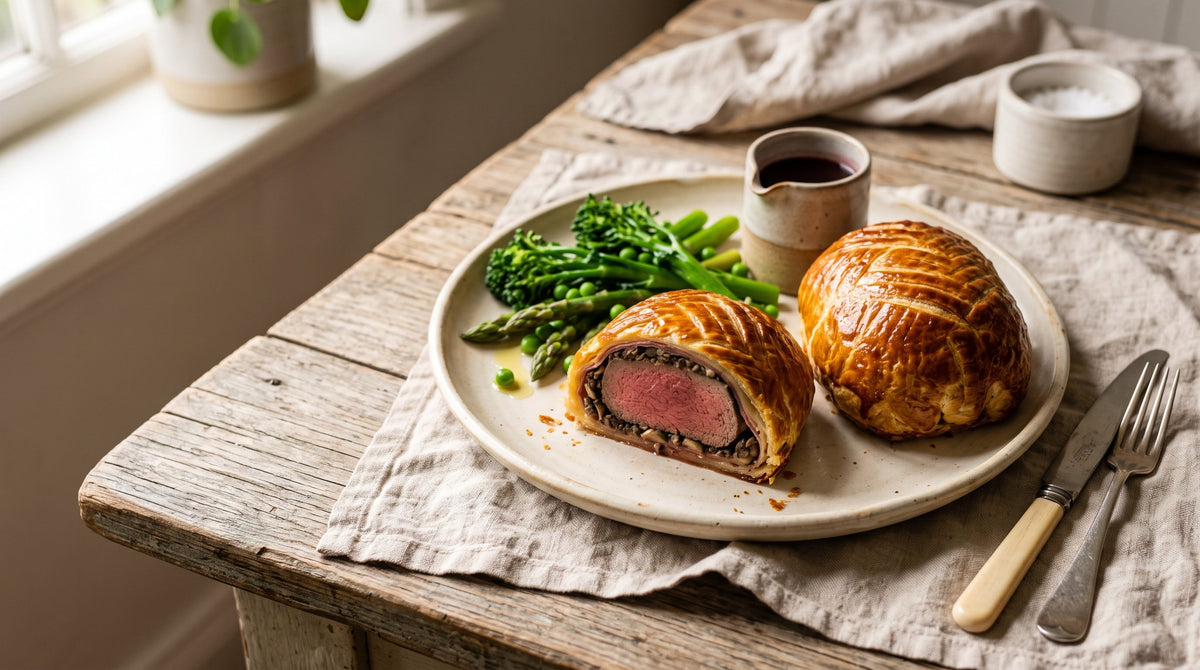
Individual beef Wellingtons made with grass-fed eye fillet medallions, one cut open to show a medium-rare centre.

Individual Beef Wellingtons for Two

The grand project, cut down to exactly what's in the pack

A whole beef Wellington is a magnificent thing that needs a dinner party to justify it. Individual Wellingtons are the smarter play: your two 140g medallions are precisely the right size, everyone gets their own golden pastry parcel, and there's no nervous carving in front of an audience. This is a proper Saturday-afternoon project — duxelles, prosciutto, puff pastry, the works — but every stage is honest and none of it is hard. Give it ninety minutes and pour yourself something while the oven does the final act.

Read moreabout Individual Beef Wellingtons for Two

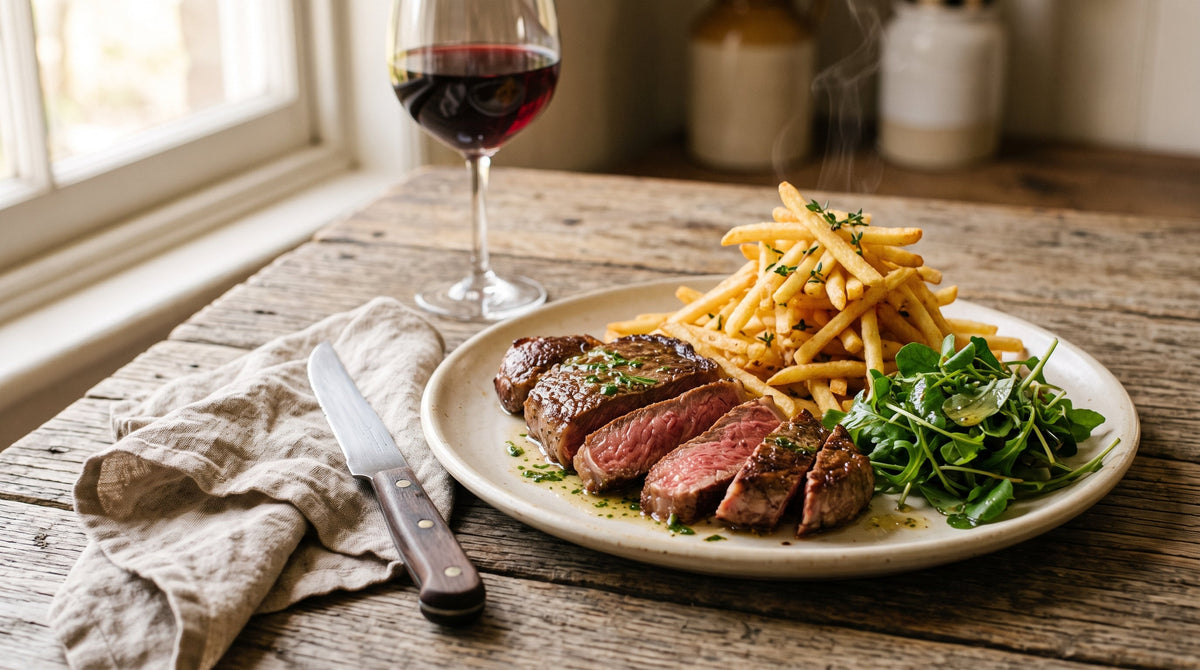
Sirloin steak frites with a rosy sliced grass-fed steak, golden thin chips and parsley butter, bistro style.

Sirloin Steak Frites

The bistro classic that's really just steak and chips, done properly

Every bistro in Paris built its name on this plate, and here's the quiet truth: it's steak and chips. What turns it into steak frites is care — chips cut thin and roasted properly crisp, a hard-seared steak rested as long as it takes, and a parsley-lemon butter that carries all the browned pan goodness over the top. The 420g sirloin halves neatly into two bistro-sized steaks, so this is dinner for two, done exactly right. Pour something red and don't answer the phone.

Read moreabout Sirloin Steak Frites

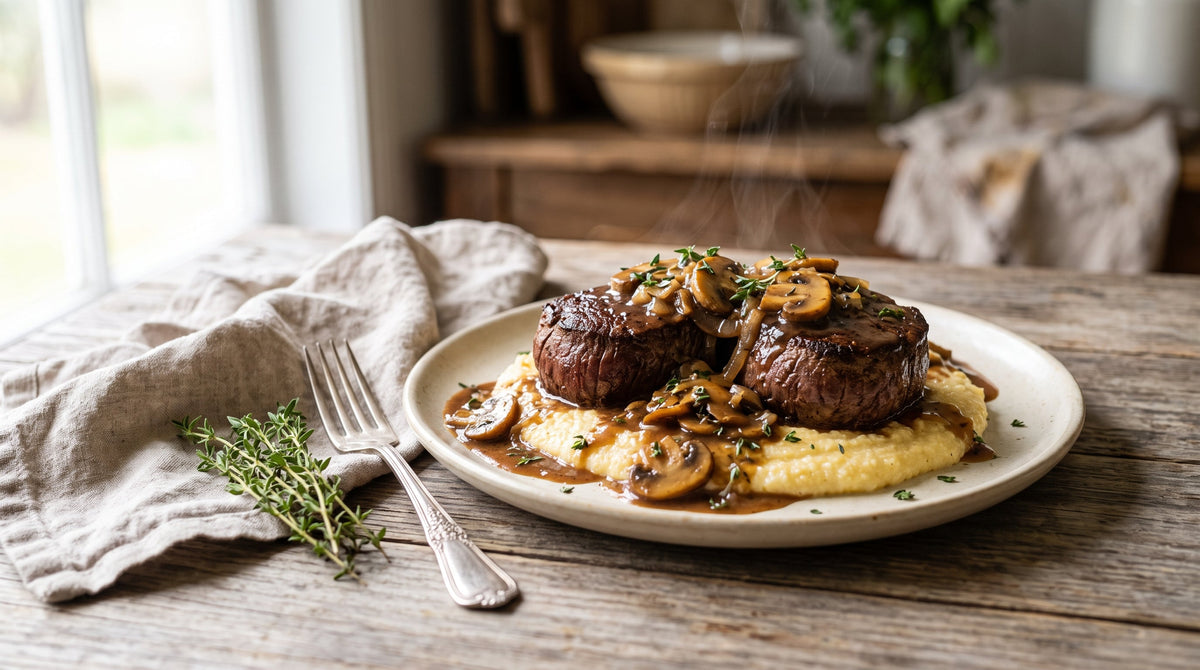
Pan-fried grass-fed eye fillet medallions with mushroom and Marsala sauce over soft polenta.

Eye Fillet with Mushroom and Marsala Sauce

The restaurant sauce that's secretly a one-pan job

Marsala and mushrooms is what good Italian restaurants have been spooning over fillet for generations, and there's a reason: the cut is mild and buttery-tender, and the sauce brings the caramel depth it's quietly asking for. Here's the good news — the whole thing happens in one pan. Sear the medallions, rest them under foil, and while they sit, the mushrooms, Marsala and cream build the sauce on the same browned bits the steaks left behind. Forty minutes, start to plate, and it looks like you booked a table.

Read moreabout Eye Fillet with Mushroom and Marsala Sauce