The Italian Sunday roast — cooked past tender into somewhere better

Stracotto translates roughly as "overcooked", and the Italians mean it as a compliment. This is their Sunday pot roast: a whole beef roast browned hard, then lowered into red wine, soffritto and tomato and left to barely murmur for three hours until it's soft enough to serve with a spoon. The beef is only half the prize. The braising liquid cooks down into a dark, glossy sauce that Italian families ladle over pasta the next day — one pot, two dinners, and a house that smells like a trattoria all afternoon.

3 hrs 55 mins 6 servings Prep 25 minsCook 3 hrs 30 minsMain CourseItalian

Ingredients

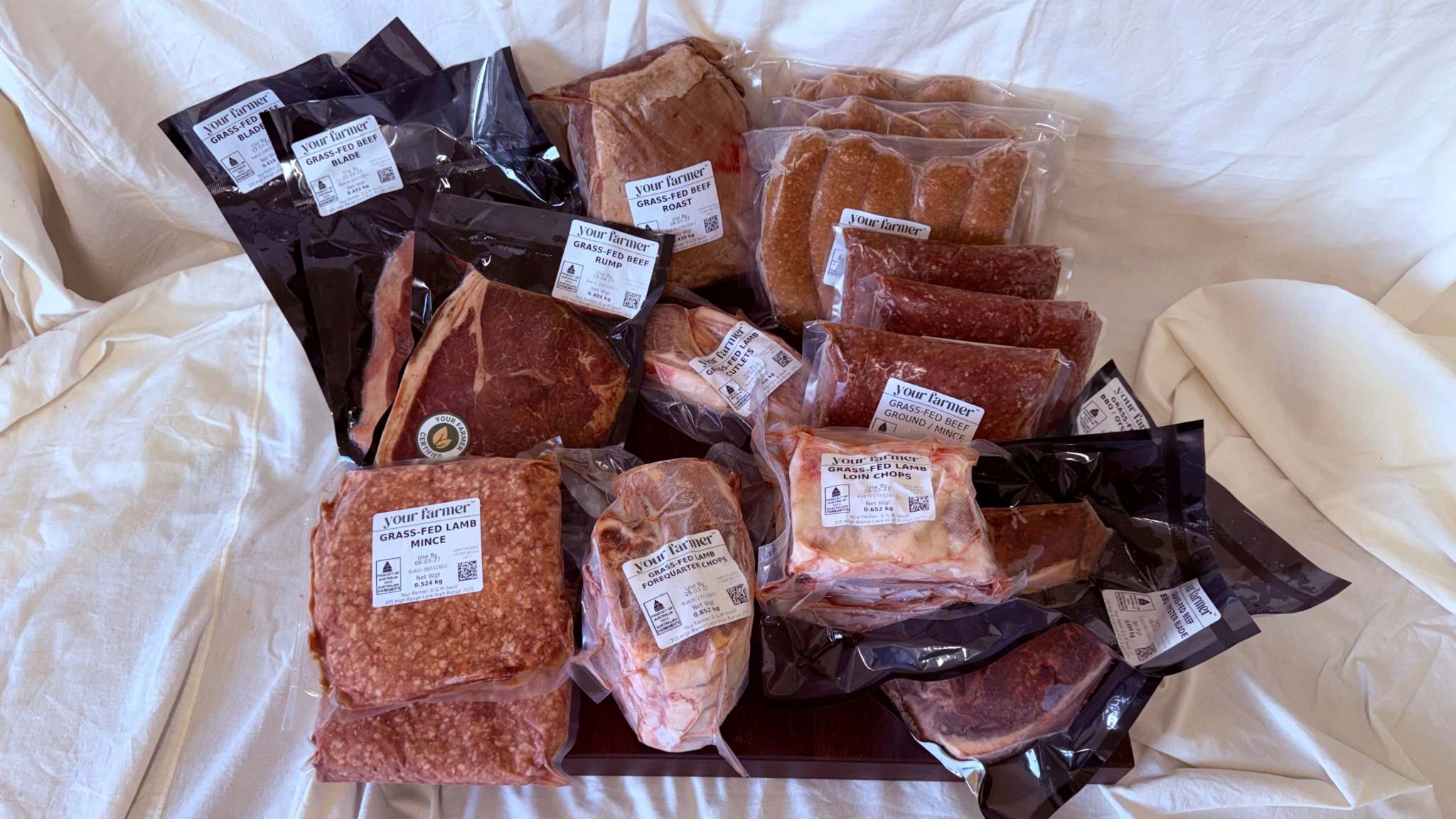
  • 1.4kg Your Farmer grass-fed beef roast
  • Salt and pepper to season
  • 2 tbsp olive oil
  • 1 brown onion, finely diced
  • 1 carrot, finely diced
  • 1 stick celery, finely diced
  • 3 cloves garlic, crushed
  • 2 tbsp tomato paste
  • 375ml dry red wine
  • 400g tin crushed tomatoes
  • 250ml beef stock
  • 2 bay leaves
  • 2 sprigs rosemary

Instructions

Heat the oven to 160°C. Season the roast well, heat the oil in a heavy casserole over high heat and brown the beef deeply on every side — a solid 10 minutes. Set it aside.

1.4kg beef roast2 tbsp olive oil

Drop the heat to medium and cook the onion, carrot and celery for 8 to 10 minutes until soft and sweet — this soffritto is the base of the sauce.

1 onion1 carrot1 stick celery

Stir in the garlic and tomato paste and cook for a minute until it smells rich.

3 cloves garlic2 tbsp tomato paste

Pour in the wine, scrape the bottom of the pot well and simmer until it's reduced by half, about 5 minutes.

375ml red wine

Add the tomatoes, stock, bay and rosemary, return the beef and any juices, and bring it back to a simmer.

400g crushed tomatoes250ml beef stock2 bay leaves2 sprigs rosemary

Lid on and into the oven for about 3 hours, turning the beef once halfway, until a fork twists easily in the centre.

Rest the beef on a board under foil for 15 minutes. If the sauce is thin, simmer it on the stove until it coats a spoon, then season it properly.

Slice the beef thickly — it may fall into generous chunks, which is exactly right — and serve it over soft polenta or mash with the sauce spooned over. Keep every drop of leftover sauce for tomorrow's pasta.

Appears in

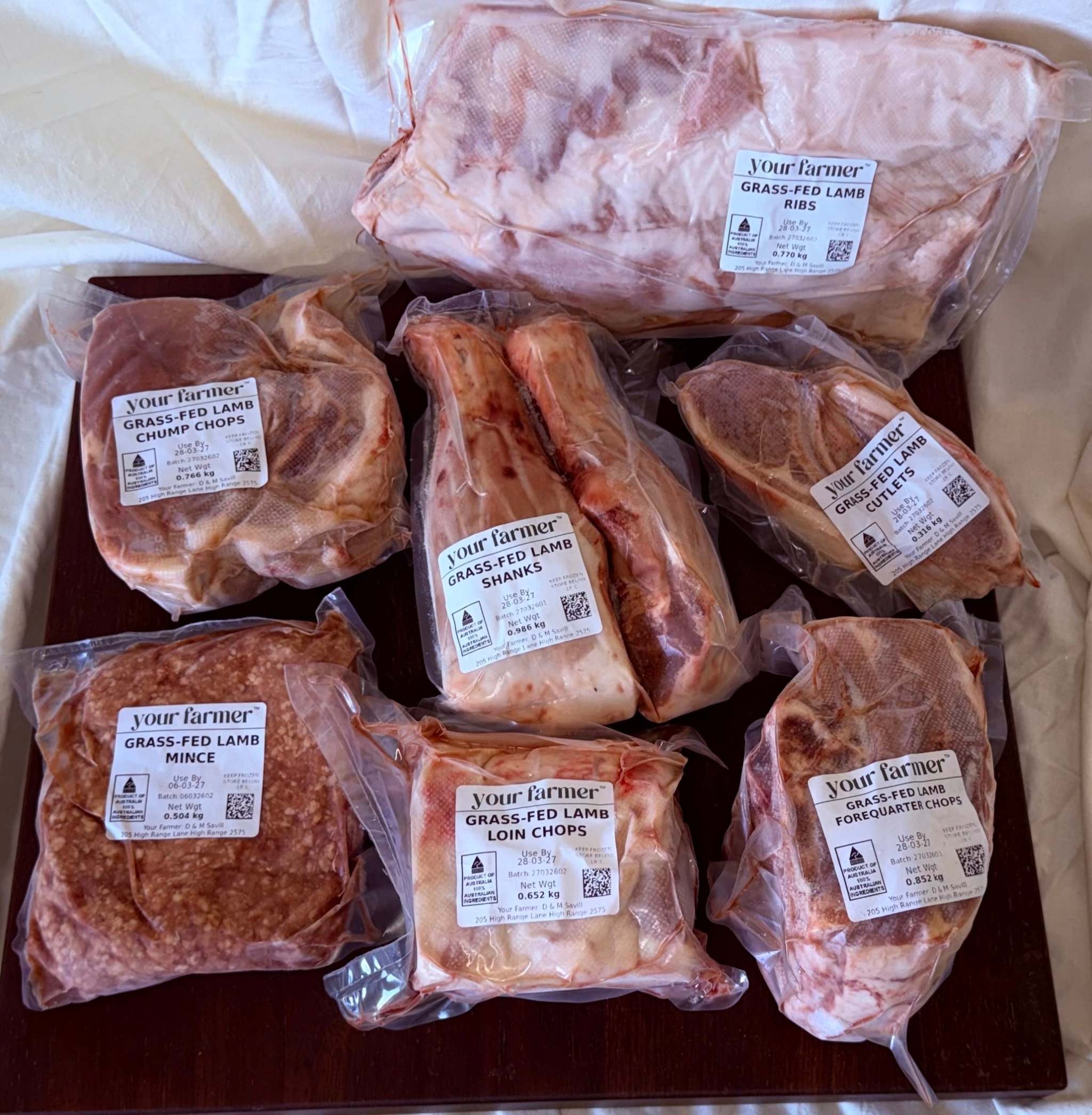
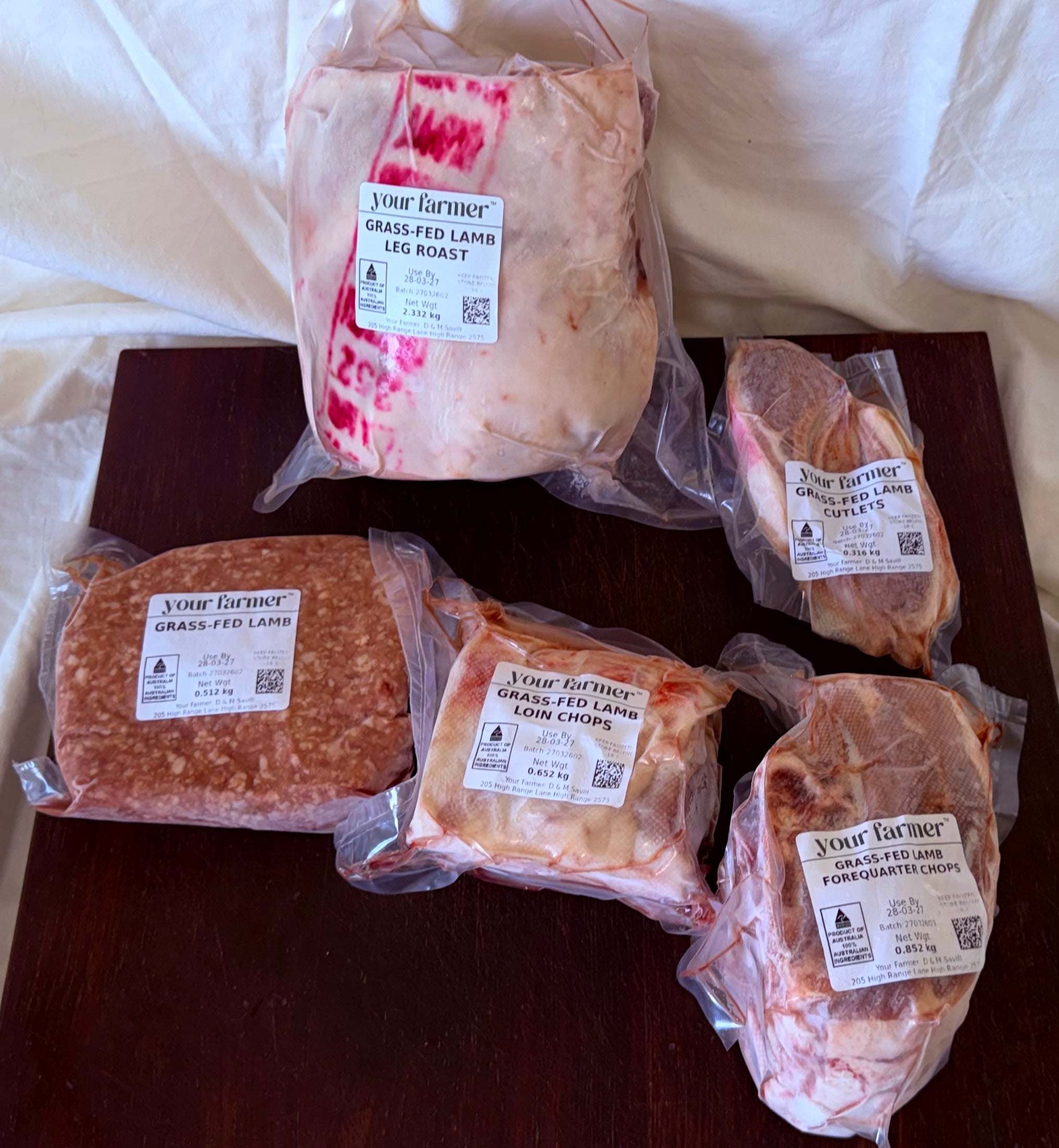
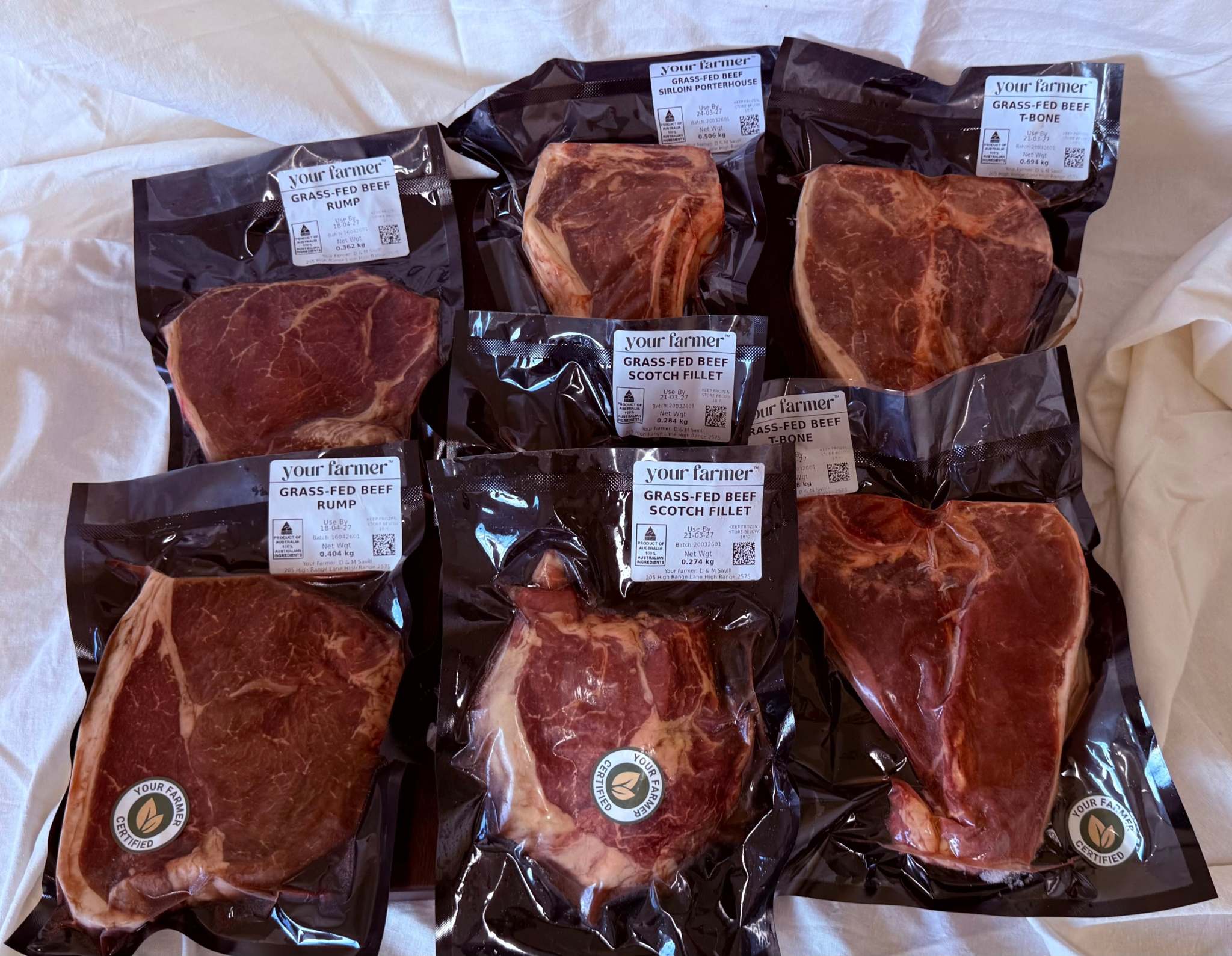
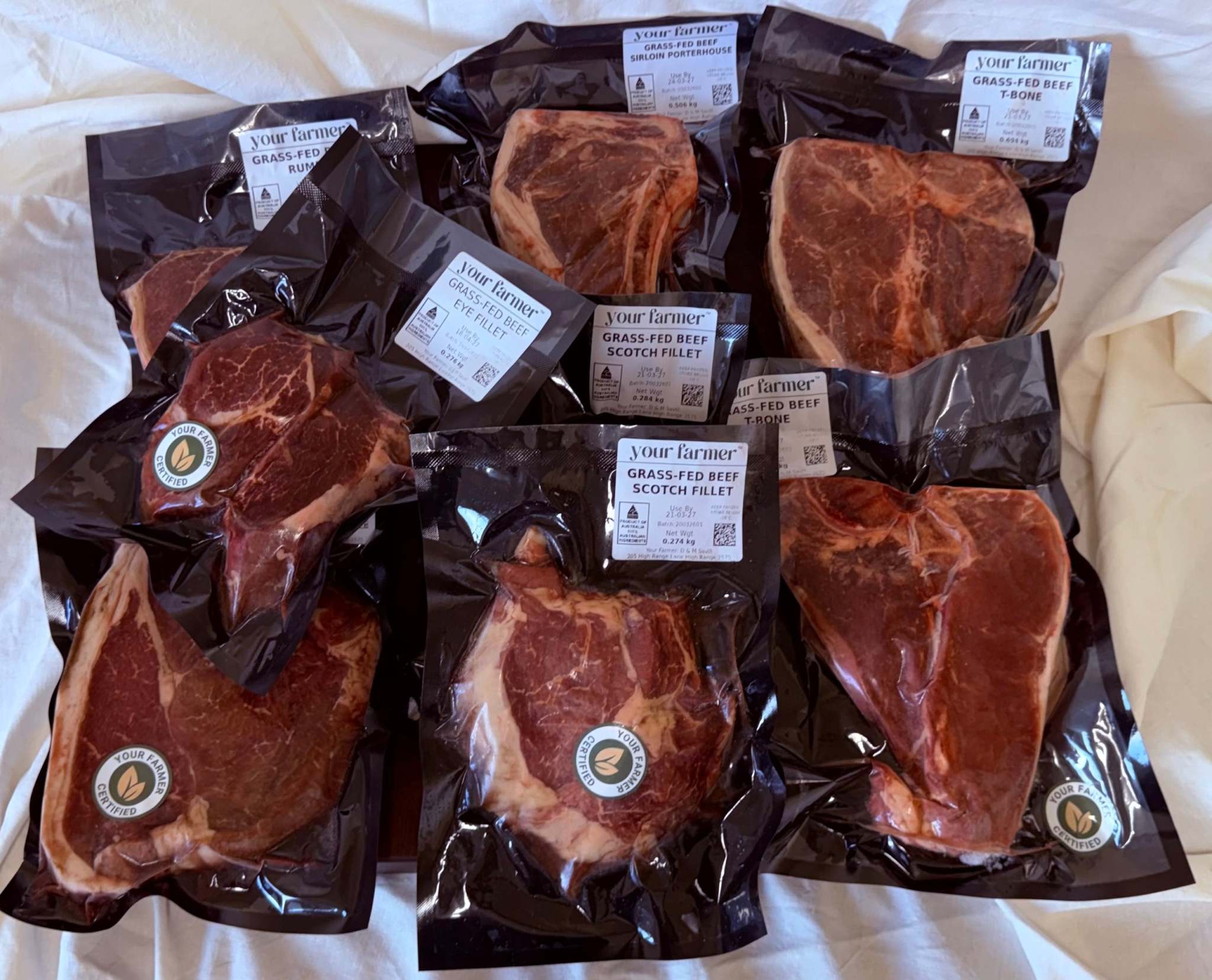
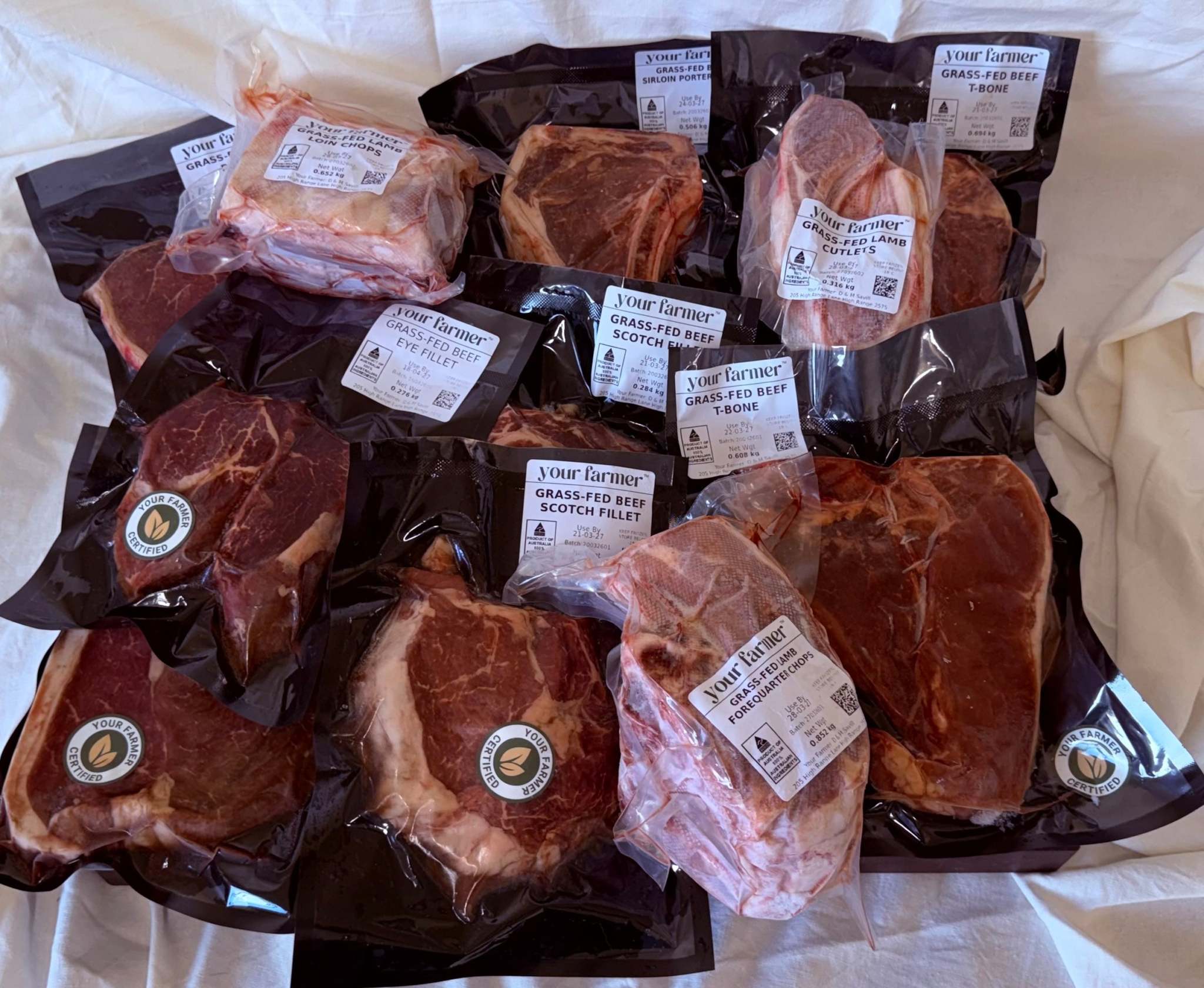
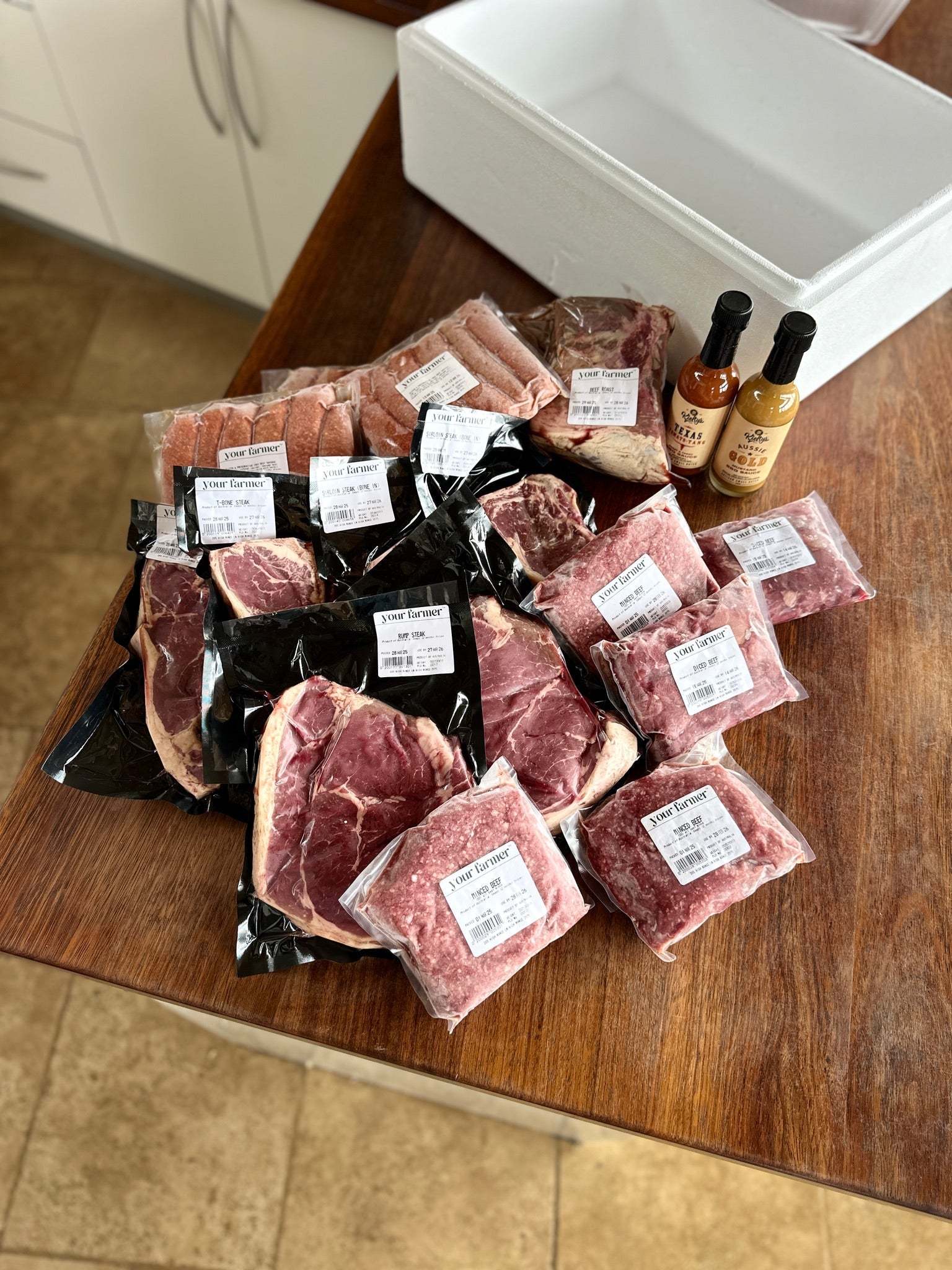
Pack A & Pack C shares — Roast (~1.4kg)

Why "Overcooked" Is the Right Idea

A lean, whole-muscle roast like the one in a Your Farmer® beef share gives you a choice: cook it carefully to pink, or cook it deliberately past that point until the muscle relaxes completely. Stracotto is the second path, and it's the more forgiving one. Once the beef is submerged to its shoulders in wine and tomato at 160°C, there's no doneness window to hit — time only makes it better. The browning step is the one place to be patient. A deep, dark crust before the liquid goes in is where most of the sauce's flavour comes from, so give it the full 10 minutes. And when you turn the beef at halfway, glance at the liquid: it should be barely moving, a lazy bubble or two at most. If it's properly boiling, your oven runs hot — drop it 10 degrees and carry on.

Swaps and Variations

Dried porcini soaked in a cup of hot water — mushrooms and liquid both into the pot — take the sauce somewhere seriously good. No wine in the house? Use extra stock with a tablespoon of red wine vinegar for the missing acidity. The same braise works with diced beef for a chunkier, ragu-style result, in which case our Sunday-sauce bolognese is its minced-beef cousin worth meeting. Serve it over polenta, mash, or pappardelle — anything that can hold sauce.

Storage and Leftovers

Stracotto improves overnight as the sauce settles into the meat, so cooking it a day ahead is a genuine upgrade, not a compromise. It keeps in the fridge for 4 days and freezes in its sauce for up to 3 months; reheat it gently, covered, on the stove. The classic second act: shred the leftover beef into the leftover sauce, warm it through and toss it with pappardelle and a handful of parmesan. In Emilia-Romagna that's not leftovers — that's the plan, and it's worth labelling the container before someone in the house discovers it first.

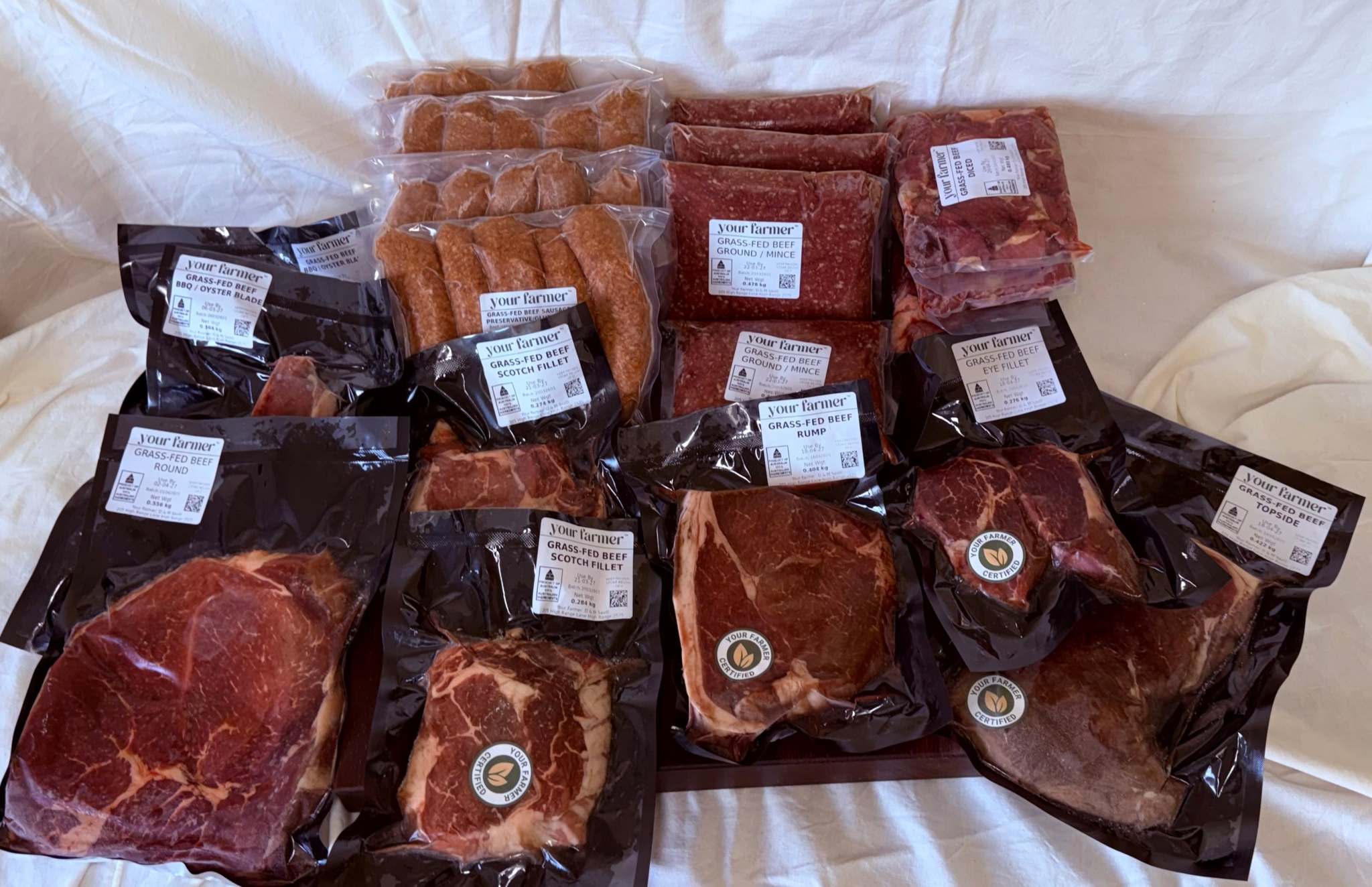
The roast lands in Pack A and Pack C of our grass-fed beef CSA share — reserve a share and give it the Italian treatment.
Frequently asked questions

What red wine should I use?

Any dry red you'd happily drink a glass of — a shiraz, sangiovese or cab merlot blend around the $10 to $15 mark is perfect. Avoid anything labelled sweet or fortified.

Can I make it in a slow cooker?

Yes. Do the browning, soffritto and wine reduction in a frying pan, then transfer everything to the slow cooker with the stock reduced to 125ml and cook on LOW for 8 hours.

How do I know when the beef is done?

Push a fork into the centre and twist. If it turns with little resistance, it's ready; if it fights you, put the lid back on and give it another 30 minutes.

My sauce is too thin. Can I thicken it?

Lift the beef out and simmer the sauce hard on the stove for 10 to 15 minutes — it will reduce and turn glossy on its own. Avoid flour or cornflour; reduction gives a much better flavour.

Does it matter if my roast is a slightly different weight?

Not much. Anything from 1.2kg to 1.6kg works with the same liquid quantities — just add or subtract about 20 minutes of oven time per 200g and use the fork-twist test as the final word.

Three Simple Steps

A whole table of real food.

Your Farmers grow grass-fed beef and lamb, pastured eggs and the best eco-grown veggies and produce — every item grown to the same ecological standard, every farmer one you can know by name. One subscription, your whole real-food shop.

01

Reserve your share — or try a pack

Subscribe to a share of the harvest, or start with a one-off fixed pack.

02

Make it your own

Pick your delivery rhythm and what's in the box. Skip or cancel anytime — no lock-in.

03

Cook, savour, know your farmer

We deliver in a reusable esky we collect next time. No couriers, no waste.

More Recipes

View all

Osso buco-style braised grass-fed lamb chump chops in tomato sauce over soft polenta, topped with gremolata.

Osso Buco-Style Braised Chump Chops with Gremolata

The Milanese treatment — chops braised low in white wine and tomato, lifted at the end by lemony gremolata

Osso buco is Milan's great braise, and the finishing touch is what makes it: gremolata, a raw scatter of lemon zest, garlic and parsley chopped fine, stirred in right at the end. Against an hour and a half of slow, rich braising, that fresh, sharp hit is a revelation — it stops the whole thing feeling heavy and makes you reach for another spoonful. Lamb chump chops stand in beautifully for the traditional veal shin here, their fat and connective tissue melting into a glossy sauce over soft polenta. It takes time, but almost none of it is yours. This is a dish to be proud of.

Read moreabout Osso Buco-Style Braised Chump Chops with Gremolata

A thick bowl of split pea and lamb bone soup topped with shredded lamb and mint.

Split Pea and Lamb Bone Soup

Pea-and-ham thinking, straight from the lamb paddock

Every Australian family has a pea-and-ham soup story, and every one of those soups leans on the same trick: a bone in the pot doing the heavy lifting. This is that trick with lamb bones instead of a hock. The split peas collapse into a thick, velvety base, the bones give the broth real depth and body, and a pinch of smoked paprika stands in for the smokehouse if you want that familiar edge. It's the thriftiest pot in this whole collection — pantry peas, add-on bones, one lazy afternoon — and it eats like a hug.

Read moreabout Split Pea and Lamb Bone Soup

Grass-fed T-bone steak sliced and served with homemade tarragon bearnaise and chips, bistro style.

T-Bone with Bearnaise from Scratch

The sauce that turns a steak into an occasion

Béarnaise has a reputation as chef's territory — it isn't. It's three egg yolks, a sharp tarragon reduction and a stream of warm butter, whisked over gentle heat until it turns thick, glossy and faintly wobbly. Twenty minutes of honest attention, most of it while the steak rests. And there's no better steak to learn it on than a grass-fed T-bone: the fillet side was born for béarnaise, and the sirloin side isn't far behind. This is occasion cooking you can pull off on an ordinary Saturday.

Read moreabout T-Bone with Bearnaise from Scratch