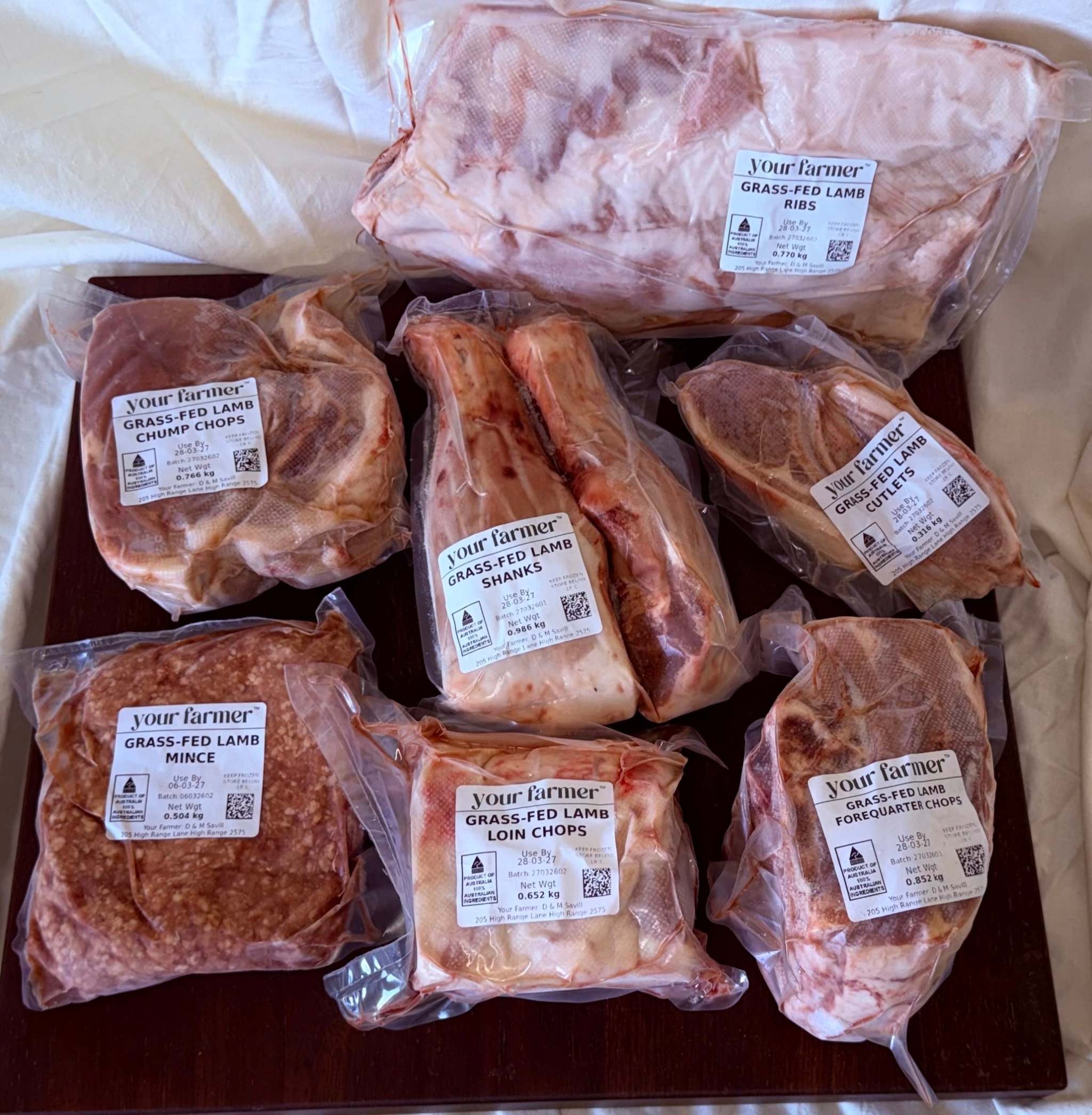
The big chop that was built for the backyard barbecue

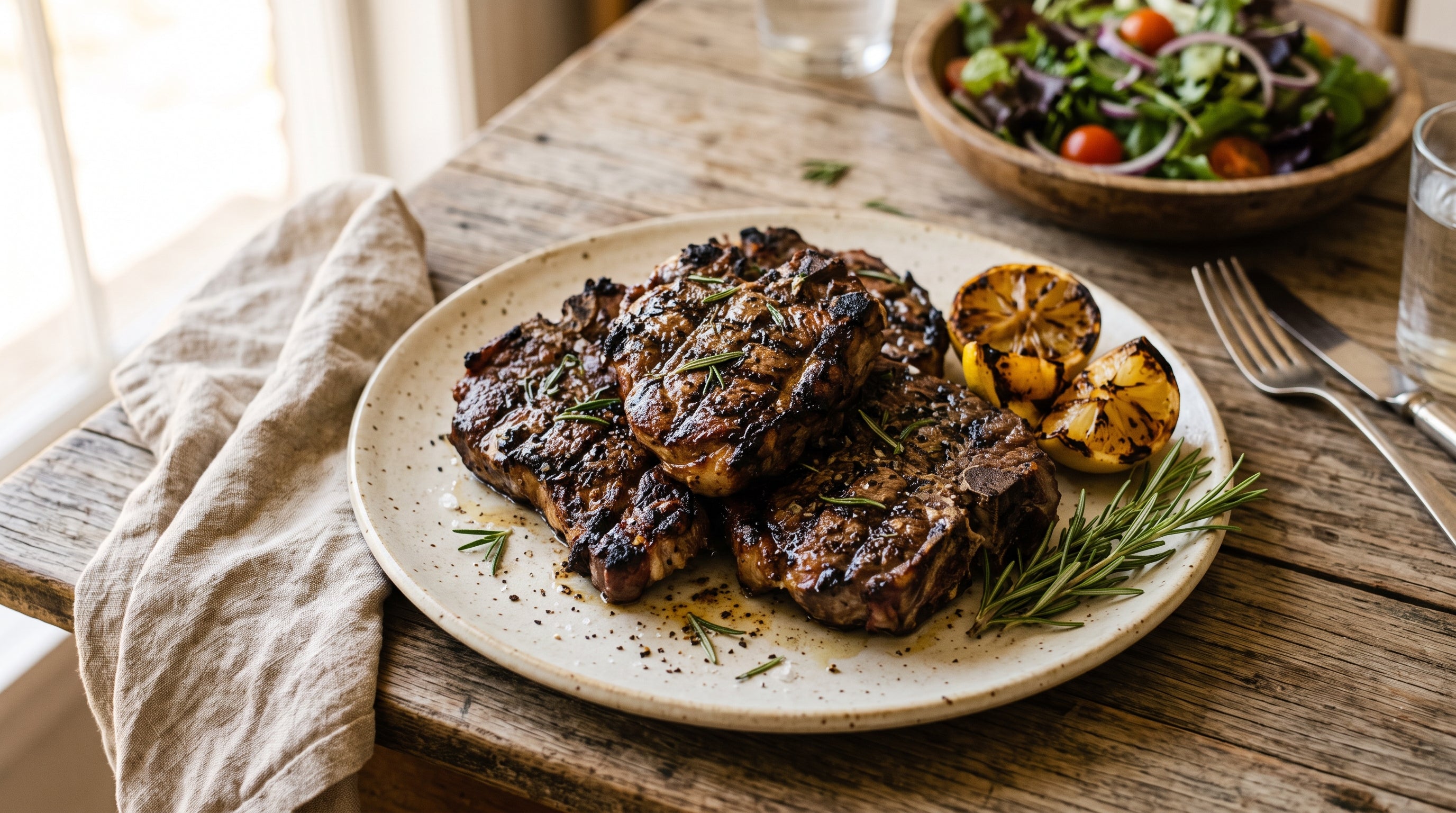
There's a reason the forequarter chop has been the star of Australian backyard barbecues for generations — it's the chop with enough fat and flavour to handle real fire. A garlicky lemon-and-rosemary marinade, half an hour of soaking while you set the table, then onto a medium grill where the fat renders slowly and the edges catch and crisp. The trick is patience: this chop rewards the cook who doesn't rush it. Four chops, one bowl of marinade, and the kind of dinner that has everyone hovering around the barbecue before it's even done.

1 hr 4 servings Prep 40 minsCook 20 minsMain CourseAustralian

Ingredients

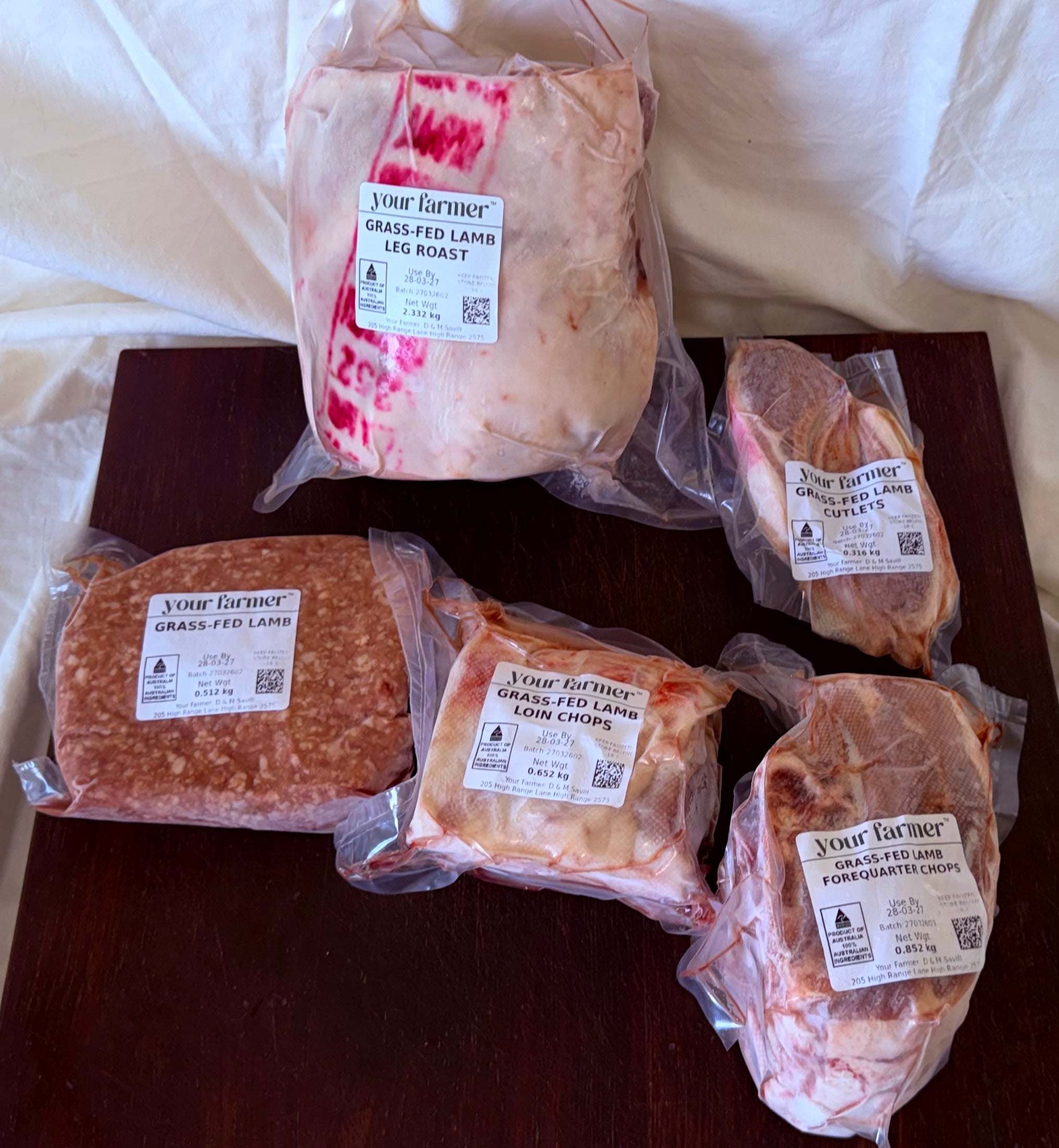
  • 4 Your Farmer grass-fed lamb forequarter chops
  • 80ml olive oil
  • 4 cloves garlic, crushed
  • 1 lemon, zested and juiced
  • 1 tbsp finely chopped fresh rosemary (or 2 tsp dried oregano)
  • Salt and pepper to season
  • Lemon wedges, to serve

Instructions

For the marinade

Whisk the olive oil, garlic, lemon zest and juice, rosemary and a good pinch of salt and pepper in a shallow dish.

80ml olive oil4 cloves garlic1 lemon1 tbsp rosemary

Add the chops and turn to coat well. Leave for 30 minutes at room temperature, or overnight in the fridge (optional) for deeper flavour.

4 forequarter chops

For the barbecue

Preheat the barbecue to medium — not screaming hot. Forequarter chops need time for the fat to render, and a fierce grill burns the outside before that happens.

Grill the chops for 6 to 7 minutes each side, moving them away from any flare-ups, until deeply browned and cooked through. This chop is at its best medium-well, not pink.

Stand each chop on its fat edge for a minute at the end to crisp it up.

Rest the chops for 5 minutes loosely covered with foil, then serve with lemon wedges and whatever salad the garden's offering.

lemon wedges

Appears in

The Barbecue Workhorse of the Lamb Share

The forequarter chop is cut from the shoulder — the hardest-working part of the lamb — which gives it more fat, more connective tissue and more flavour than any other chop in the pack. On the barbecue that changes the rules. A loin chop wants fierce heat and a pink middle; a forequarter chop cooked that way lands in the tough zone, where the connective tissue hasn't had time to soften. The answer is medium heat and a few extra minutes each side, so the fat renders, the tissue relaxes and the chop comes off the grill juicy and full-flavoured rather than chewy. Your Farmer® forequarter chops are grass-fed, four to the pack, and their creamy pasture-raised fat is exactly what makes this method sing. Keep the lamb loin chops for the nights you want fast and pink — this is the chop for the long, sociable grill.

Swaps and Variations

The marinade takes to plenty of directions. Swap the rosemary for dried oregano and extra lemon and you're in Greek territory. Go soy, grated ginger and a little brown sugar for a sticky finish — just watch it closely, because sugar catches over flame. In winter, the whole recipe works under the oven griller on medium-high with the same timing. And a spoonful of plain yoghurt whisked into the leftover fresh marinade (never the bowl the raw chops sat in) makes a quick drizzle for the cooked chops.

Storage and Leftovers

Here's a trick worth stealing: the raw chops can go straight into a freezer bag with the marinade and be frozen for up to 3 months — they marinate as they thaw, so future-you gets dinner half-made. Cooked chops keep in the fridge for 3 days; the cold meat sliced off the bone is excellent through a wrap with hummus and salad, or warmed briefly in a covered pan with a splash of water.

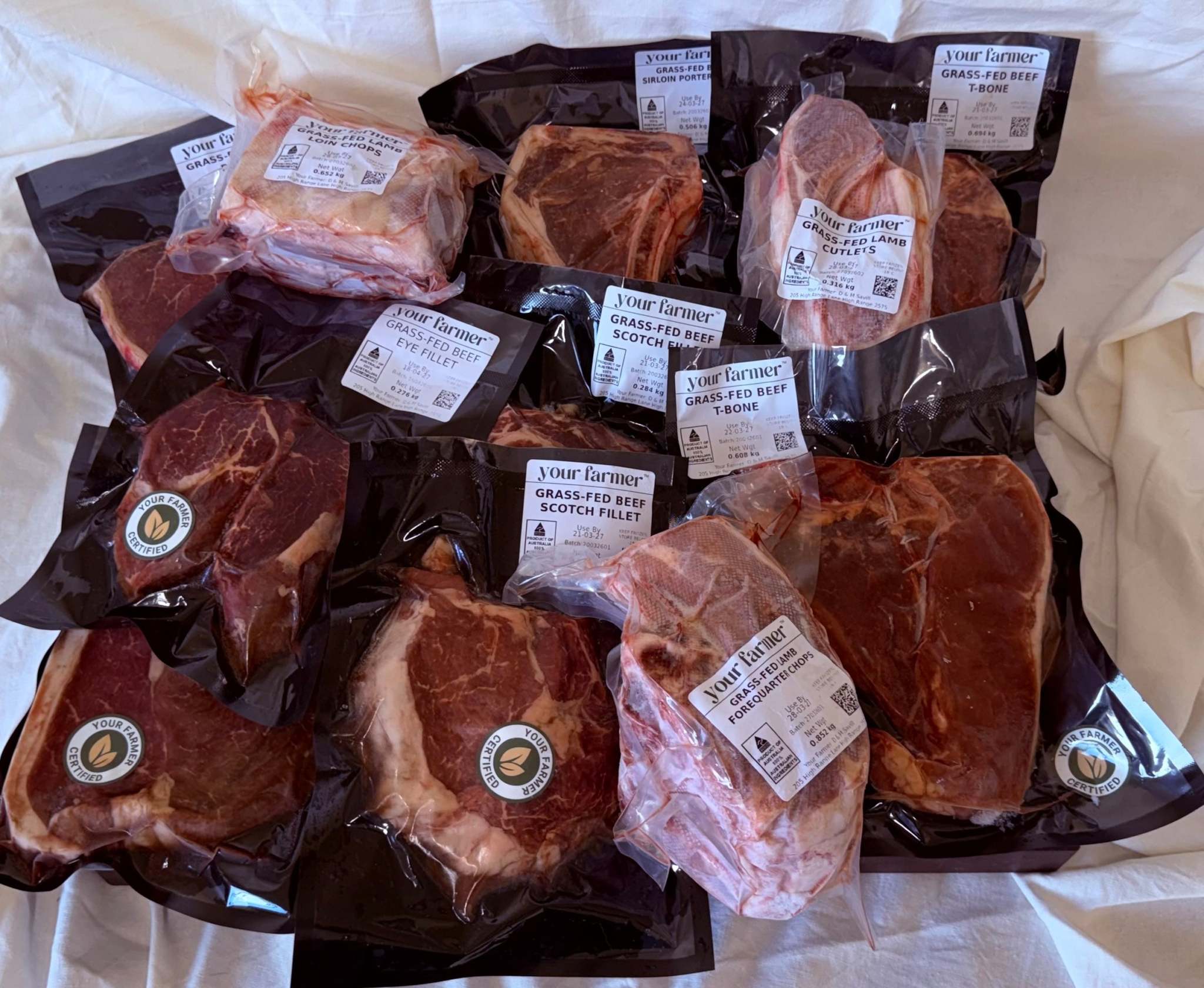
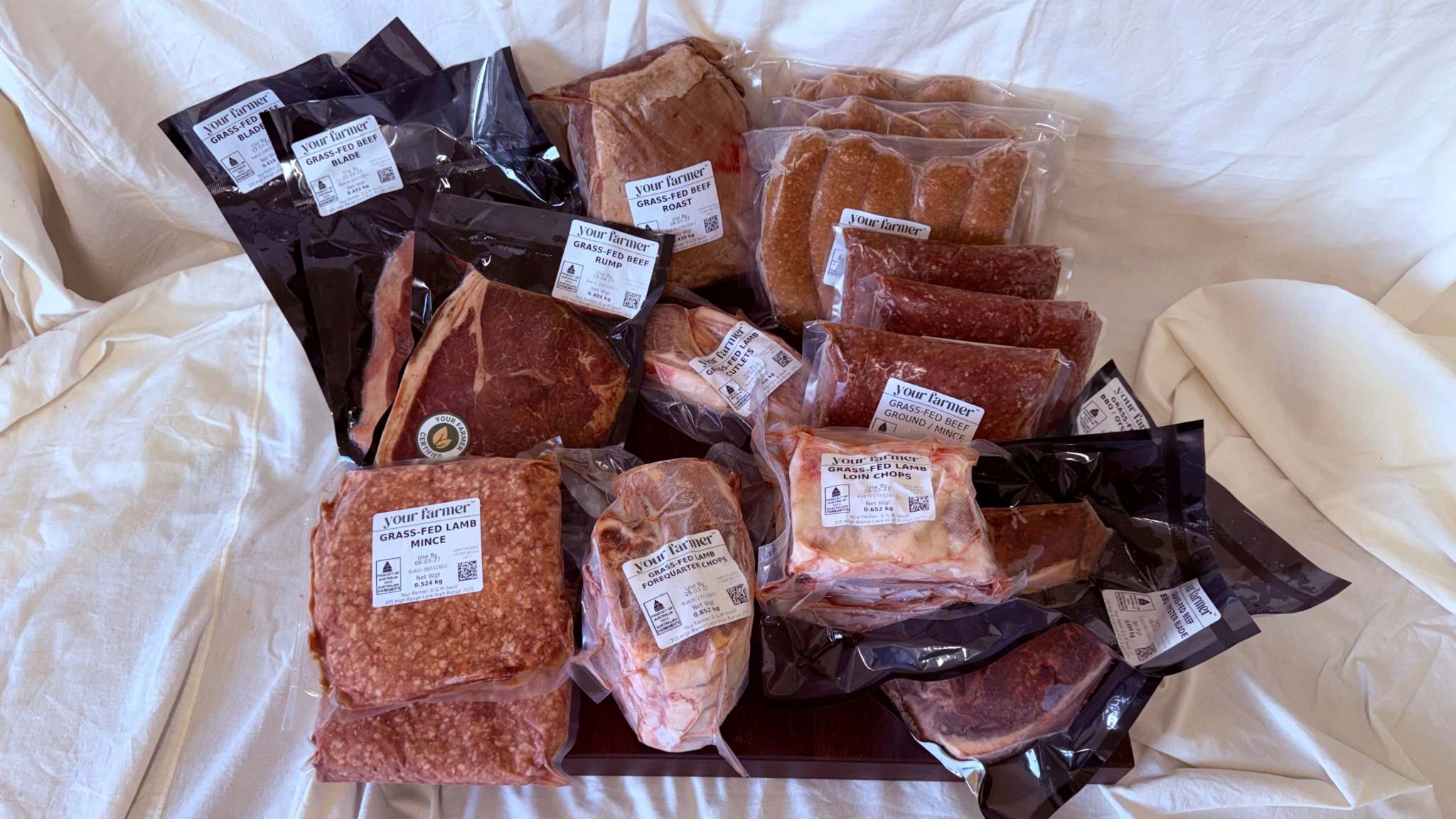
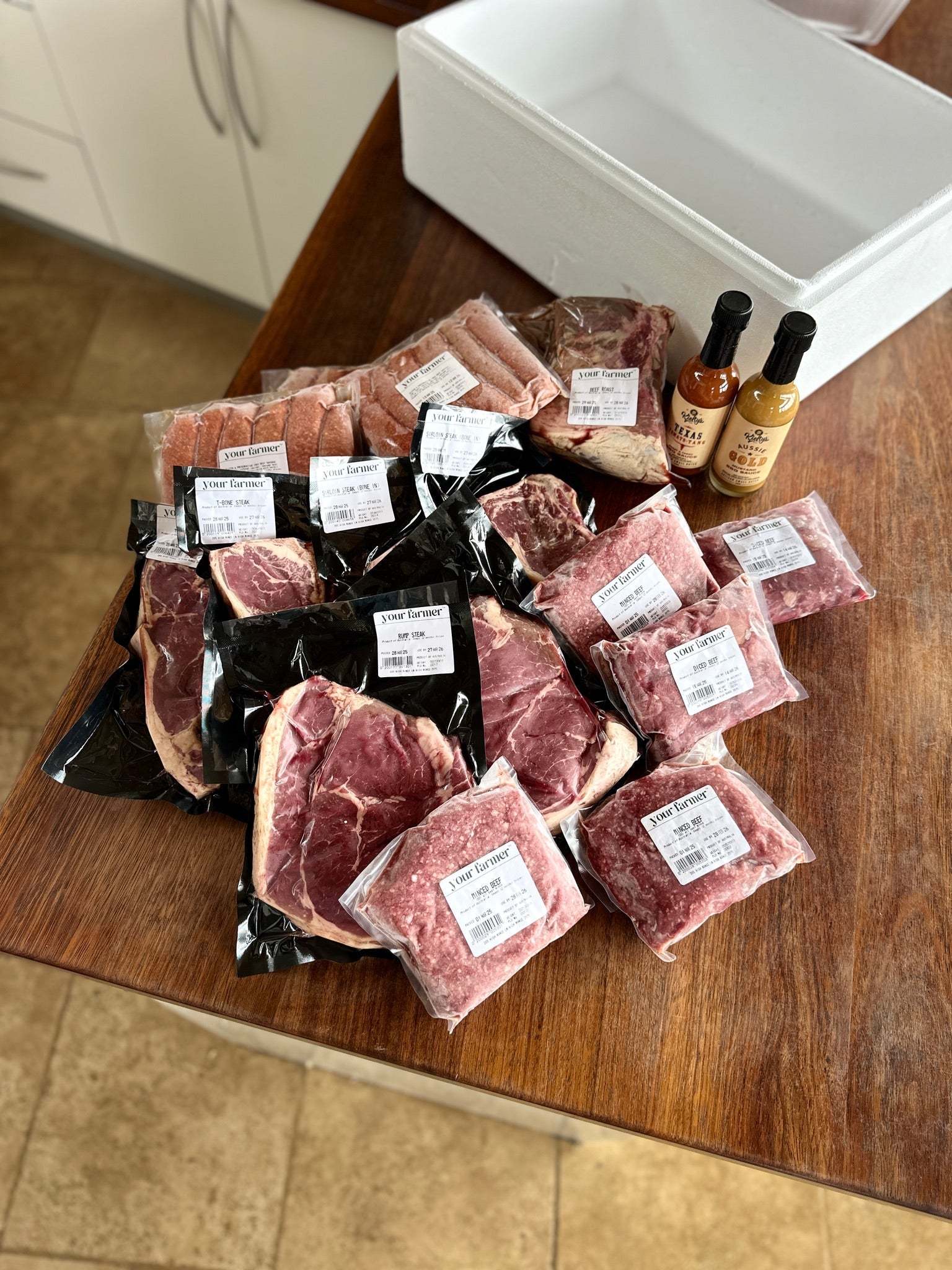
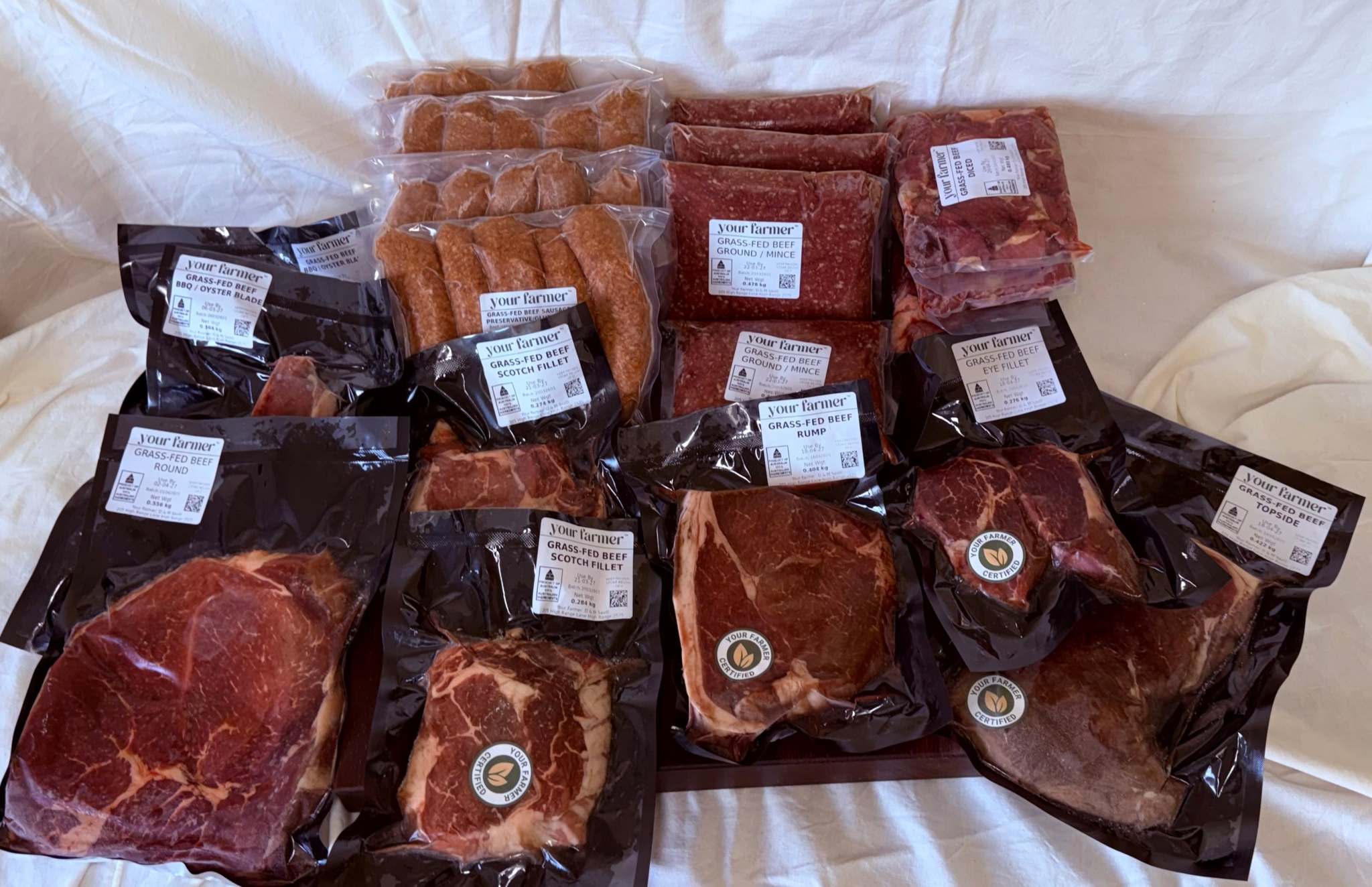
You'll find forequarter chops in every one of our grass-fed beef and lamb boxes, and we bring them to the door across NSW and the ACT — see our grass-fed lamb delivery areas.
Frequently asked questions

Should forequarter chops be pink in the middle?

No — that's the surprise for cooks used to loin chops. Forequarter has more connective tissue, which stays chewy at medium-rare. Cook them through to medium-well over moderate heat and they're far more tender.

How do I stop the barbecue flaring up?

Keep the heat at medium, shake excess marinade off the chops before they hit the grill, and shift them to a cooler spot the moment flames appear. The rendering fat will always drip; managed heat keeps it from becoming a bonfire.

Can I marinate them overnight?

Yes, and they're better for it. Cover them in the fridge overnight, then bring them out 30 minutes before cooking so they're not fridge-cold on the grill.

Can I cook these on a grill pan instead?

Absolutely. Use a heavy grill pan over medium heat with the same timing, and run the exhaust fan — the char is the point.

How do I know when they're done without a thermometer?

The fat should be golden and rendered, the meat firm but not rock-hard, and the juices should run clear near the bone. If you do use a thermometer, about 70C in the thickest part suits this chop.

Three Simple Steps

A whole table of real food.

Your Farmers grow grass-fed beef and lamb, pastured eggs and the best eco-grown veggies and produce — every item grown to the same ecological standard, every farmer one you can know by name. One subscription, your whole real-food shop.

01

Reserve your share — or try a pack

Subscribe to a share of the harvest, or start with a one-off fixed pack.

02

Make it your own

Pick your delivery rhythm and what's in the box. Skip or cancel anytime — no lock-in.

03

Cook, savour, know your farmer

We deliver in a reusable esky we collect next time. No couriers, no waste.

More Recipes

View all

Osso buco-style braised grass-fed lamb chump chops in tomato sauce over soft polenta, topped with gremolata.

Osso Buco-Style Braised Chump Chops with Gremolata

The Milanese treatment — chops braised low in white wine and tomato, lifted at the end by lemony gremolata

Osso buco is Milan's great braise, and the finishing touch is what makes it: gremolata, a raw scatter of lemon zest, garlic and parsley chopped fine, stirred in right at the end. Against an hour and a half of slow, rich braising, that fresh, sharp hit is a revelation — it stops the whole thing feeling heavy and makes you reach for another spoonful. Lamb chump chops stand in beautifully for the traditional veal shin here, their fat and connective tissue melting into a glossy sauce over soft polenta. It takes time, but almost none of it is yours. This is a dish to be proud of.

Read moreabout Osso Buco-Style Braised Chump Chops with Gremolata

A thick bowl of split pea and lamb bone soup topped with shredded lamb and mint.

Split Pea and Lamb Bone Soup

Pea-and-ham thinking, straight from the lamb paddock

Every Australian family has a pea-and-ham soup story, and every one of those soups leans on the same trick: a bone in the pot doing the heavy lifting. This is that trick with lamb bones instead of a hock. The split peas collapse into a thick, velvety base, the bones give the broth real depth and body, and a pinch of smoked paprika stands in for the smokehouse if you want that familiar edge. It's the thriftiest pot in this whole collection — pantry peas, add-on bones, one lazy afternoon — and it eats like a hug.

Read moreabout Split Pea and Lamb Bone Soup

Grass-fed T-bone steak sliced and served with homemade tarragon bearnaise and chips, bistro style.

T-Bone with Bearnaise from Scratch

The sauce that turns a steak into an occasion

Béarnaise has a reputation as chef's territory — it isn't. It's three egg yolks, a sharp tarragon reduction and a stream of warm butter, whisked over gentle heat until it turns thick, glossy and faintly wobbly. Twenty minutes of honest attention, most of it while the steak rests. And there's no better steak to learn it on than a grass-fed T-bone: the fillet side was born for béarnaise, and the sirloin side isn't far behind. This is occasion cooking you can pull off on an ordinary Saturday.

Read moreabout T-Bone with Bearnaise from Scratch