Three ingredients, two patient hours, one very popular board

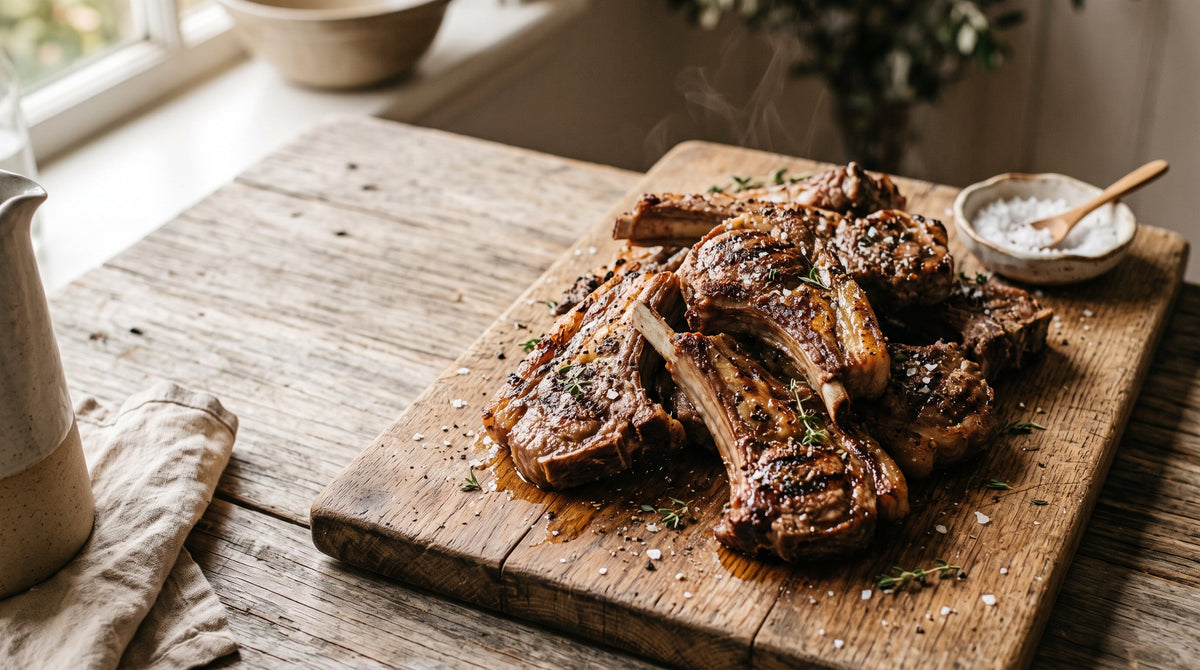
Walk into any decent country pub and the best thing on the menu is usually the simplest. This is that dish at home: lamb ribs, salt, pepper — that's the whole shopping list. The oven does the patient work of rendering the fat, then a screaming-hot grill pan crisps the edges and wakes the seasoning up. No sauce, no marinade, nothing to hide behind — which is exactly the point when the lamb spent its life on pasture. Put the board in the middle of the table and see how long it lasts.

2 hrs 30 mins 4 servings Prep 10 minsCook 2 hrs 20 minsMain CourseAustralian

Ingredients

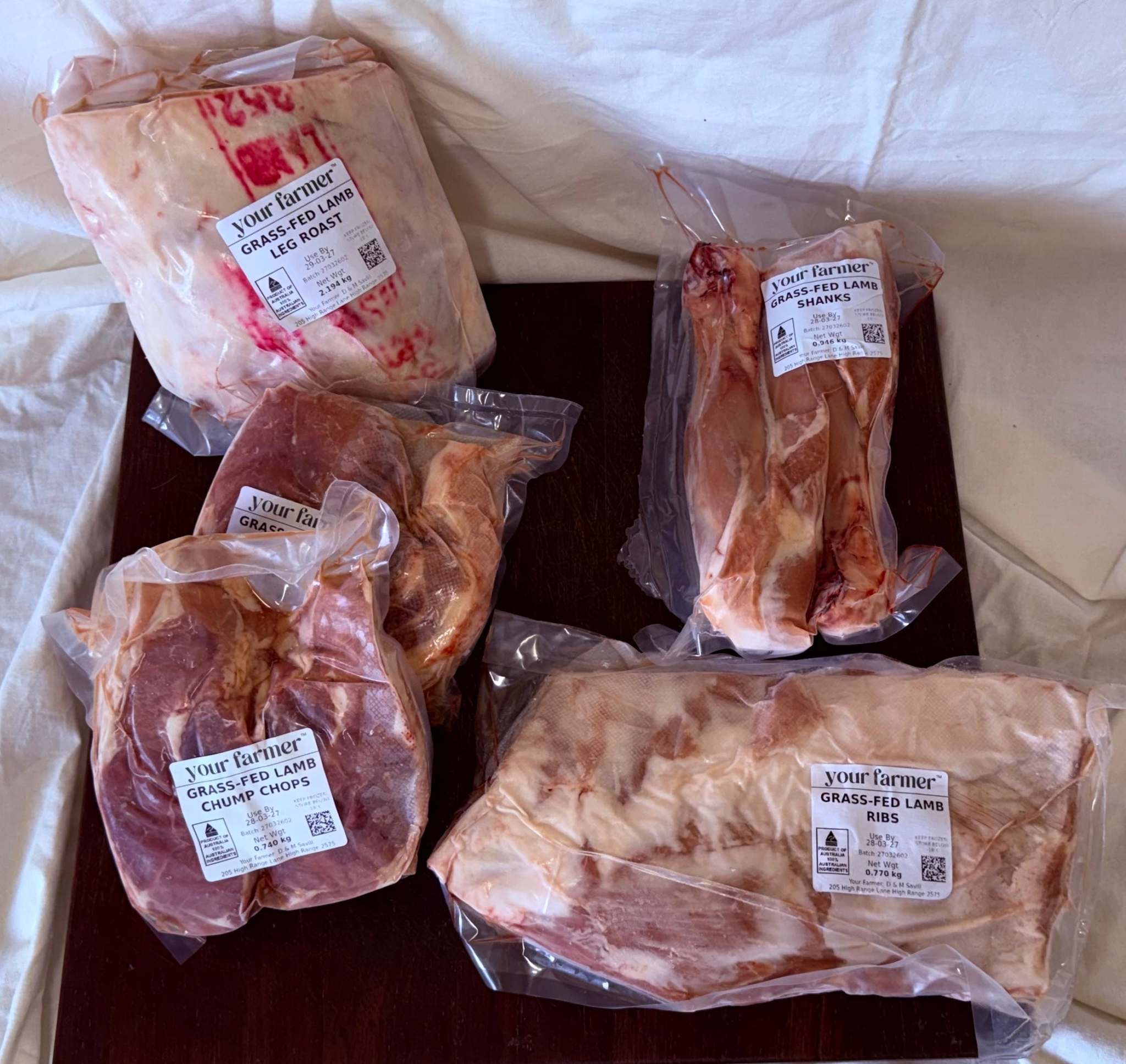
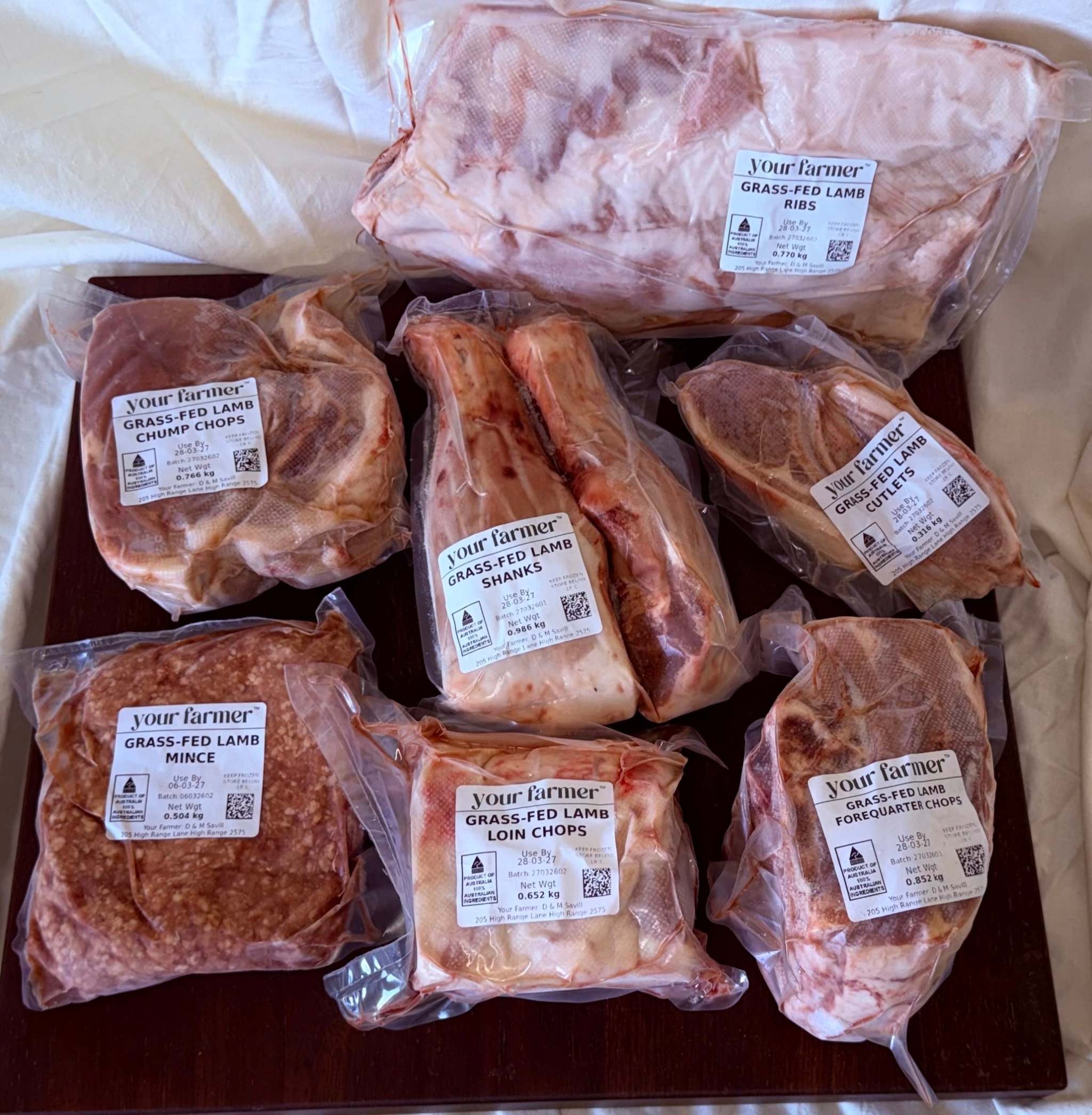
  • 2 Your Farmer grass-fed lamb rib racks (the 2 pack)
  • 2 tsp sea salt flakes
  • 2 tsp black peppercorns, coarsely cracked

Instructions

Preheat the oven to 160C. Pat the racks dry and season all over with half the salt and half the pepper.

2 lamb rib racks1 tsp sea salt flakes1 tsp cracked pepper

Sit them in a roasting tray, cover tightly with foil and roast for 2 hours, until a knife slides between the bones with no resistance.

Uncover, pour off the rendered fat, and let the racks sit for 10 minutes while you get a grill pan properly hot over high heat. No oil needed — the ribs bring their own.

Cut the racks into two- or three-rib pieces.

Char the pieces for 3 to 4 minutes each side, pressing them onto the ridges, until the edges are deep brown and crisp. Work in two batches so the pan stays hot.

Scatter over the remaining salt and pepper while they're still spitting hot.

1 tsp sea salt flakes1 tsp cracked pepper

Pile onto a board with a roll of paper towel and serve straight away.

Appears in

Why Three Ingredients Is Enough

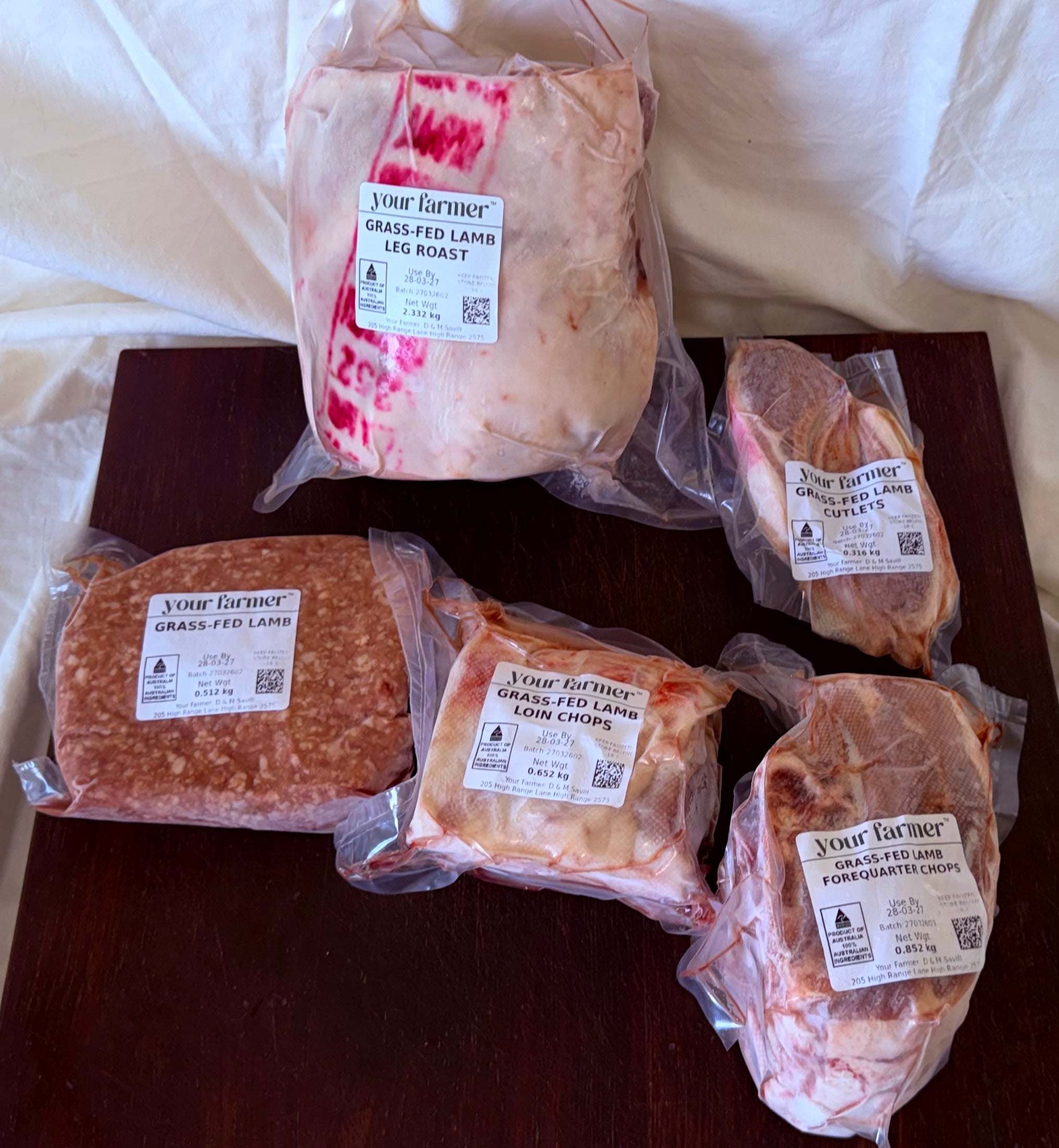
Lamb ribs are cut from the breast — sweet meat ribboned between the bones under a generous layer of fat, and that fat is the whole reason this recipe can be so short. Rendered slowly in the oven, it bastes the meat from the inside; hit with a hot grill pan afterwards, it crisps into edges you'd fight a sibling for. Salt and cracked pepper aren't a compromise here, they're the finish the cut actually wants — when the animal grazed real pasture, the flavour's already in the meat. So the seasoning goes on twice: before the oven so it works its way in, and again at the end so it lands crunchy on hot, crisp fat. The ridges on the pan matter too — they hold the ribs up out of their own drippings so they char instead of stew. Fair warning from experience: crack a window. The Your Farmer® rib two-pack is a Lamb Share B cut, and a spare pack of lamb ribs is there when one rack each isn't going to cut it.

Swaps and Variations

A pinch of Chinese five-spice and a little white pepper in the final seasoning takes these somewhere Cantonese, and it's a very good somewhere. Chilli flakes work the same way. A squeeze of lemon over the board just before serving cuts the richness if you're feeding people who claim ribs are too fatty — they'll still eat four. And when you want the same bare-bones idea without the two-hour wait, lamb cutlets go straight onto the hot pan with the same salt-and-pepper treatment and are done in six minutes.

Storage and Leftovers

Cooked ribs keep 3 days in the fridge and freeze for up to 3 months. Reheat them uncovered in a 180C oven for 10 to 12 minutes so the edges crisp back up — the microwave will make them sad. Best leftover move: strip the meat, chop it, and toss it through fried rice with spring onion and a beaten egg.

Ribs like these are the reason Share B has a following. If you don't have a box landing yet, reserve a pasture-raised lamb share and find out for yourself.
Frequently asked questions

Can I do the whole thing on the grill pan?

No — lamb ribs need the slow oven stage first to render the fat and tenderise the meat. Straight onto a hot pan raw, they come out chewy and the kitchen fills with smoke. Slow first, crisp second.

What kind of salt should I use?

Sea salt flakes are best, especially for the final scatter — they land crunchy. If you've only got fine salt, halve the quantity so it doesn't oversalt.

Can I finish them on the barbecue instead?

Absolutely. A medium-hot grill plate or open grill does the same job as the pan — 3 to 4 minutes a side until crisp at the edges.

Can I slow-roast the racks ahead of time?

Yes, up to 2 days ahead. Keep them whole in the fridge, then cut and char straight from cold — give them an extra minute or two per side.

Three Simple Steps

A whole table of real food.

Your Farmers grow grass-fed beef and lamb, pastured eggs and the best eco-grown veggies and produce — every item grown to the same ecological standard, every farmer one you can know by name. One subscription, your whole real-food shop.

01

Reserve your share — or try a pack

Subscribe to a share of the harvest, or start with a one-off fixed pack.

02

Make it your own

Pick your delivery rhythm and what's in the box. Skip or cancel anytime — no lock-in.

03

Cook, savour, know your farmer

We deliver in a reusable esky we collect next time. No couriers, no waste.

More Recipes

View all

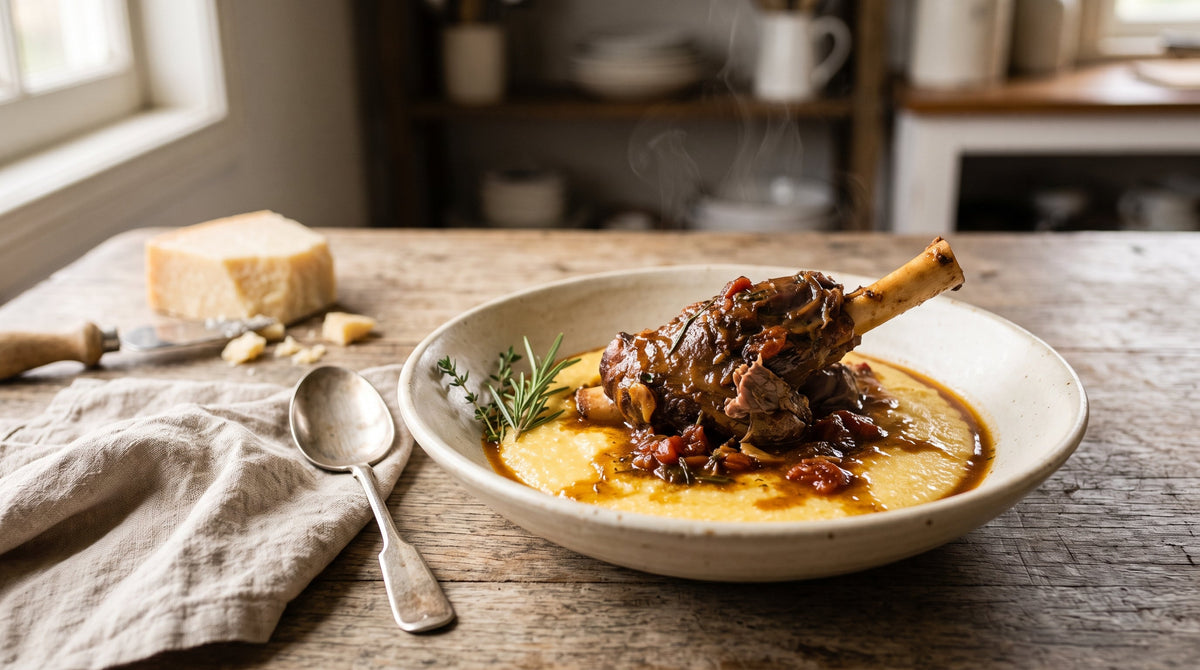
Tomato and rosemary braised grass-fed lamb shank served over soft parmesan polenta.

Tomato and Rosemary Braised Lamb Shanks with Soft Polenta

Osso buco's lamb cousin, with soft polenta doing the catching

The Milanese figured out long ago that a shin braised on the bone in tomato makes a sauce nothing else can — the marrow sees to that. This is the same idea run through the lamb paddock: shanks browned hard, then braised low with tomato, white wine and rosemary until the meat leans off the bone, all of it served over a pool of soft, buttery parmesan polenta whose entire purpose in life is catching sauce. It's a Sunday sort of pot that happily cooks on a Tuesday, and the polenta takes less minding than most people fear.

Read moreabout Tomato and Rosemary Braised Lamb Shanks with Soft Polenta

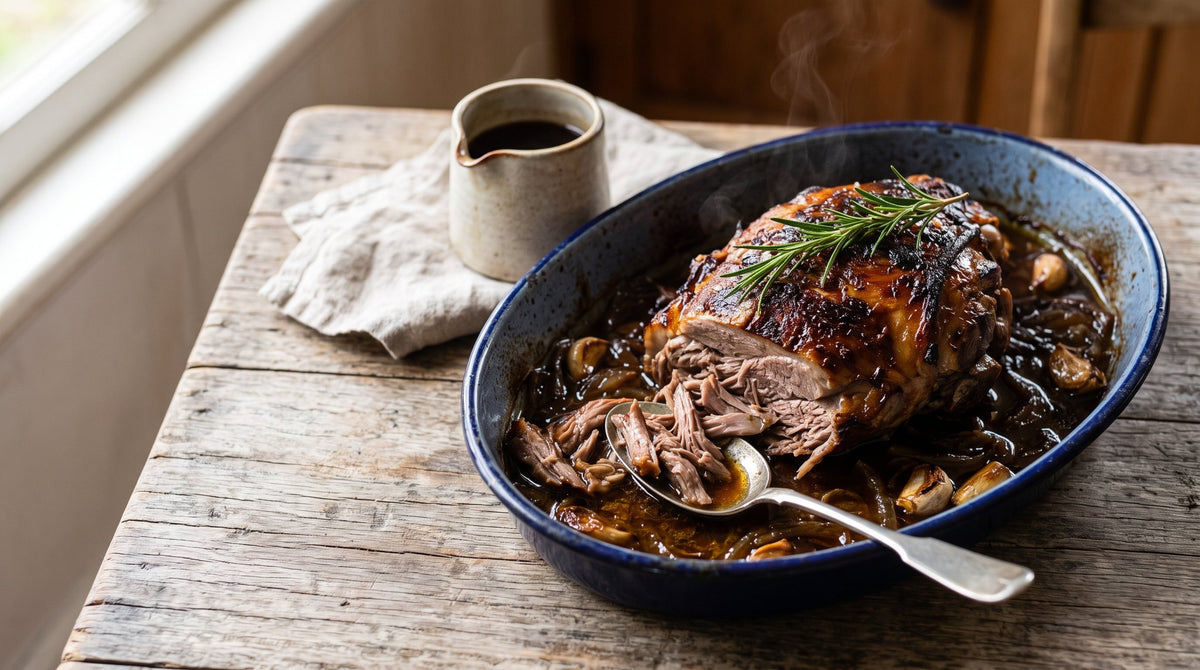
Slow-roasted grass-fed lamb pulled into tender shreds in its pan juices in an enamel roasting dish.

Slow-Roasted Lamb with Pan Juices, the Low and Slow Way

The roast that cannot be overcooked — give it half a day and it gives up entirely

Most roast anxiety comes from a five-minute window: pull it too early, it's raw; too late, it's leather. This method deletes the window. You give the lamb a hard blast of colour, then drop the oven right down and walk away for the better part of an afternoon. Somewhere in hour three the meat stops resisting altogether — a spoon will do the carving. There's no thermometer stress, no window to miss, and the pan underneath quietly builds the best juices you'll pour all winter. Patience, rewarded.

Read moreabout Slow-Roasted Lamb with Pan Juices, the Low and Slow Way

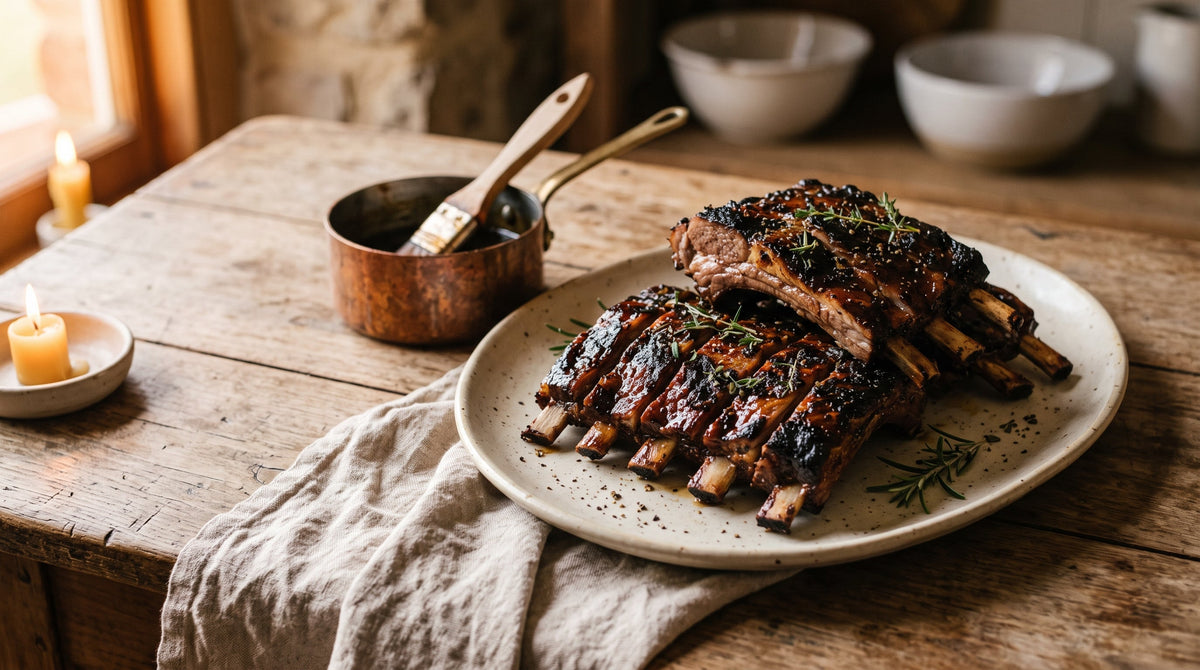
Twice-cooked grass-fed lamb ribs, braised until tender then charred and glazed, stacked on a stoneware platter.

Twice-Cooked Lamb Ribs: Braise, Then Char

The restaurant trick: do the hard part yesterday, take the applause tonight

Ever wondered how a restaurant sends out perfect sticky ribs eight minutes after you order them? They cooked the ribs yesterday. The racks get braised in stock and aromatics until tender, then cooled in their own liquid — where they firm up, drink back flavour, and wait as long as you need. Come dinner time, all that's left is a hot grill pan, a honey glaze made from the braising liquid, and about ten minutes of theatre. It's the most reliable rib method there is, and the only one where the night-of cooking fits between guests arriving and the first drink being finished.

Read moreabout Twice-Cooked Lamb Ribs: Braise, Then Char