Pomegranate molasses reduced to a sweet-sour lacquer — the Middle Eastern glaze that loves lamb fat most of all

There's a jar of pomegranate molasses in a lot of pantries doing nothing, and this is what it's for. Across the Middle East it's the sweet-sour note that cuts through rich lamb the way mint sauce does back home — only darker, deeper, and stickier. This is a project, not a Tuesday: two quiet hours in a low oven while the rib fat renders, then a glaze you reduce down to a proper lacquer and paint on in coats until the edges go mahogany and tacky. The oven does the patient work. You do the fun part at the end, brush in hand.

2 hrs 45 mins 4 servings Prep 20 minsCook 2 hrs 25 minsMain CourseMiddle Eastern

Ingredients

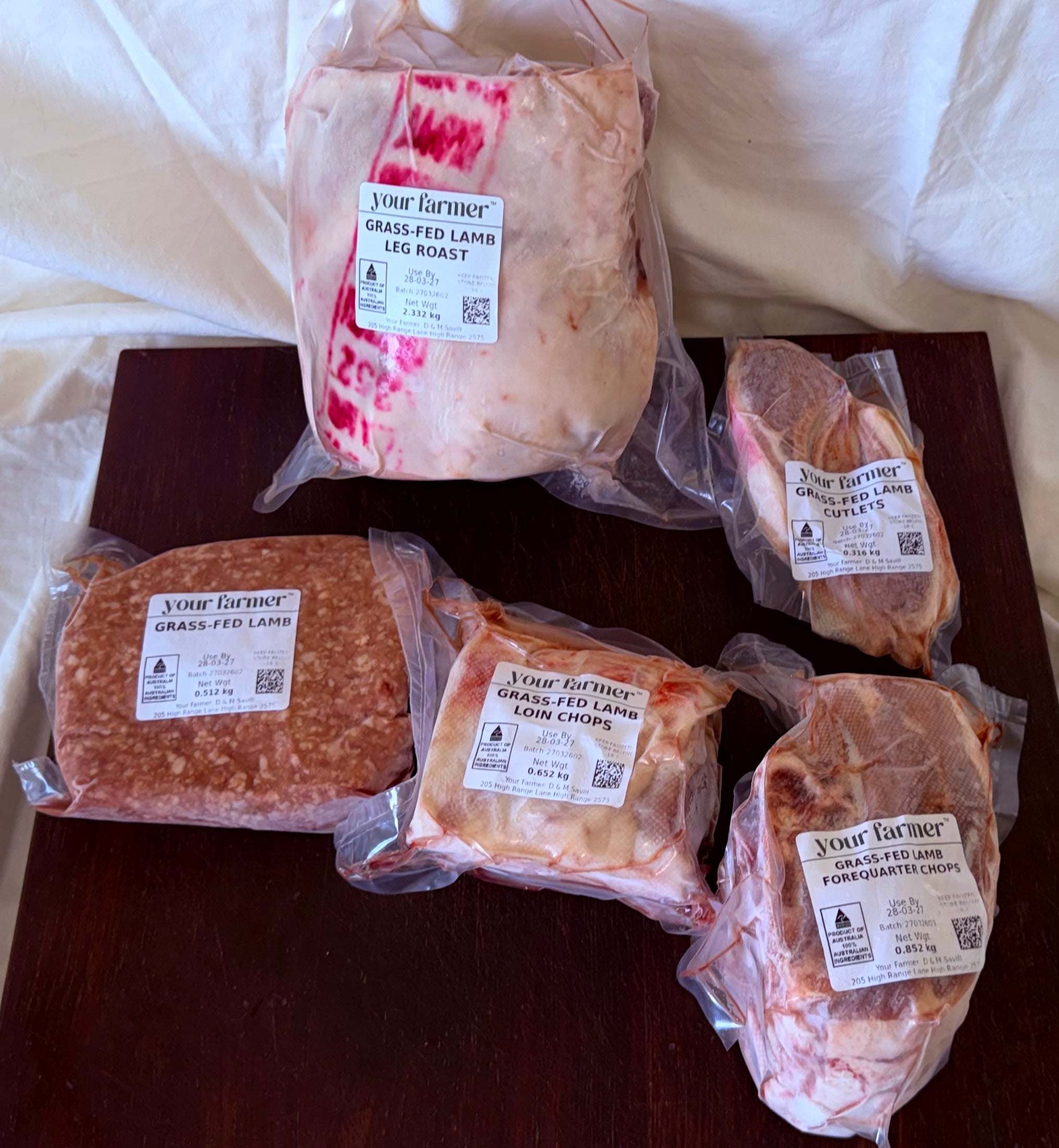
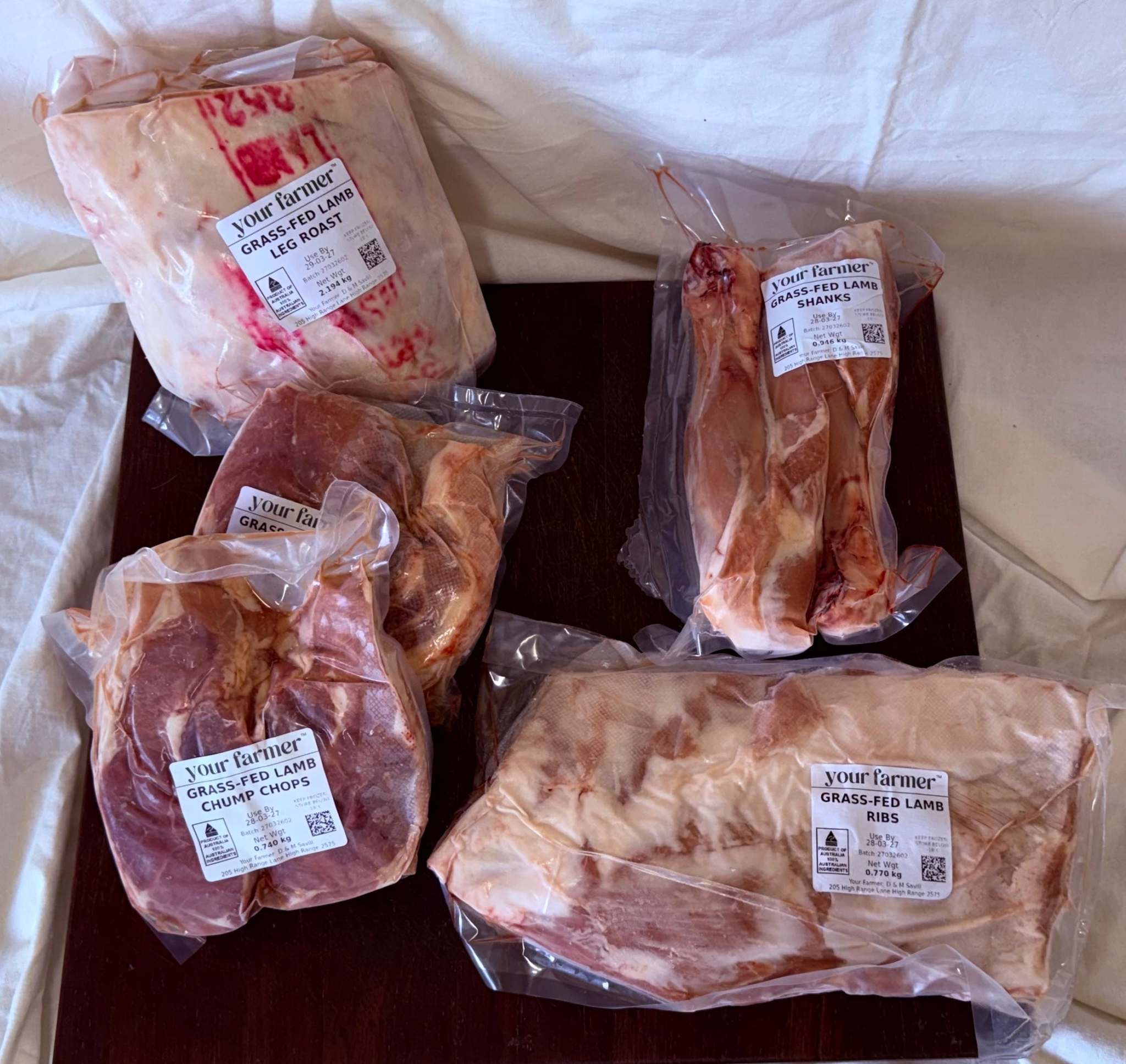
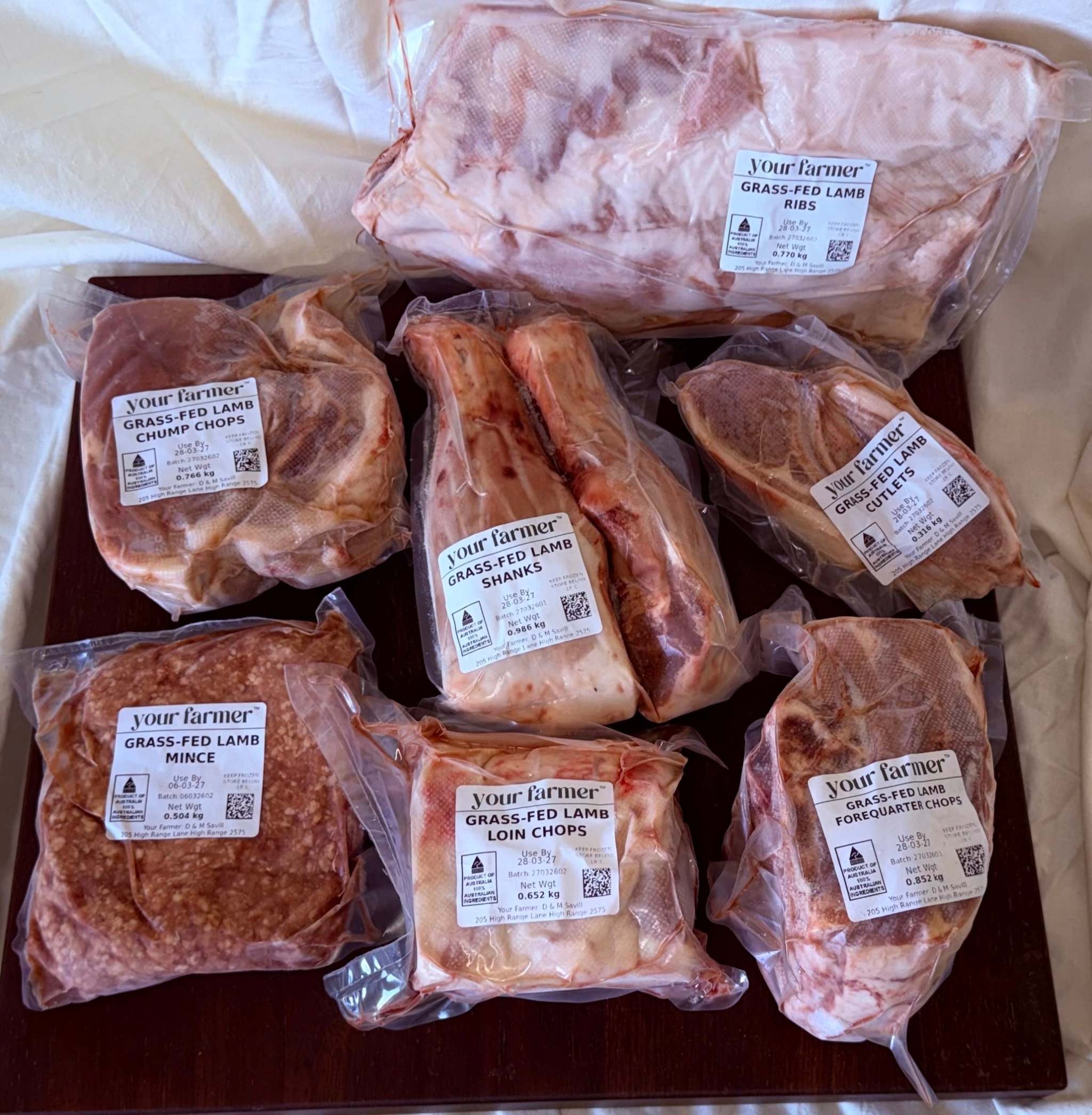
  • 2 Your Farmer grass-fed lamb rib racks (the 2 pack)
  • 1 tsp ground cumin
  • 1 tsp ground coriander
  • 1 tsp salt
  • 1/2 tsp black pepper
  • 80ml pomegranate molasses
  • 2 tbsp honey
  • 2 cloves garlic, finely grated
  • 1 tbsp olive oil
  • 1/2 tsp chilli flakes (optional)
  • Seeds of 1/2 pomegranate
  • Small handful mint leaves, torn

Instructions

Preheat the oven to 160C. Pat the racks dry, mix the cumin, coriander, salt and pepper, and rub it all over both racks.

2 lamb rib racks1 tsp ground cumin1 tsp ground coriander

Sit the racks meat-side up in a roasting tray, cover tightly with foil, and roast for 2 hours, until a knife slides between the bones with no resistance. Don't rush this — the fat needs the full time to render and the meat to go tender.

While they roast, make the glaze. Warm the pomegranate molasses, honey, grated garlic, olive oil and chilli flakes in a small pan over low heat, then simmer gently for 3 to 4 minutes until it thickens to a glossy, syrupy lacquer that coats the back of a spoon.

80ml pomegranate molasses2 tbsp honey2 cloves garlic1 tbsp olive oil

Take off the foil and carefully pour the rendered fat out of the tray — there will be a good amount, and that's the cut behaving exactly as it should.

Turn the oven up to 220C. Brush the racks generously with glaze and roast for 8 minutes, then brush and roast again, and a third time, about 24 minutes of glazing in all, until the edges are dark, sticky and caramelised. Keep an eye on them — the sugars catch fast at this heat.

80ml pomegranate molasses

Rest for 5 minutes, then slice between the bones.

Pile onto a platter and scatter with pomegranate seeds and torn mint. Serve any glaze left in the pan alongside for dipping.

pomegranate seedsmint leaves

Appears in

Why Pomegranate Loves a Lamb Rib

Lamb ribs come from the breast of the animal — ribbons of sweet meat layered between the bones under a generous cover of fat. That fat is the whole reason this cut works, and the reason pomegranate suits it so well. Rich lamb fat wants an acid to cut through it, and pomegranate molasses — grape-must's darker cousin, boiled down from the juice until it's thick and tart — does exactly that, sweet and sour at once. Cook ribs fast and the fat stays chewy; give them two slow covered hours and it renders right down, basting the meat from the inside. Then the glaze goes on for the hot finish and toasts in the lamb's own rendered fat rather than in oil from a bottle. On a grass-fed animal that fat is worth the wait too — it carries the flavour of the pasture the lamb actually ate. The Your Farmer® rib two-pack is a Lamb Share B cut, and if the racks keep vanishing off the platter, a spare two-pack of lamb ribs is easy to add.

Swaps and Variations

No pomegranate molasses in the pantry? Reduce 150ml of pomegranate juice with a tablespoon of honey and a squeeze of lemon until syrupy — it lands in the same place. A teaspoon of ras el hanout in the rub takes it further into Moroccan territory, and a pinch of ground cinnamon in the glaze is quietly excellent with lamb. The method transfers straight across the species line, too: grass-fed beef ribs take the identical treatment with about an extra hour under the foil, so the same glaze covers both freezers. For a faster weeknight version, the glaze is superb brushed onto lamb loin chops in the last few minutes on the barbecue, no slow stage needed.

Storage and Leftovers

Cooked ribs keep 3 days in the fridge and freeze for up to 3 months, though they rarely get the chance. Reheat them covered at 160C for about 15 minutes so the glaze relaxes without catching. The best leftover move: strip the meat from the bones and fold it into warm flatbreads with cucumber, a spoon of yoghurt and a few fresh pomegranate seeds — a lunch worth looking forward to.

Ribs are one of the quiet arguments for eating the whole animal, the way the growers behind your food intended. If a box of pasture-raised lamb isn't landing at your place yet, you can reserve our lamb subscription and put ribs on the roster.
Frequently asked questions

Where do I find pomegranate molasses?

Most large supermarkets stock it in the international aisle, and every Middle Eastern grocer has it. It's a thick, dark, tart syrup — one bottle lasts ages, and it's brilliant splashed into dressings and marinades beyond this recipe.

How do I know when the ribs are tender?

Slide a knife between two bones after 2 hours — it should go in with no resistance, and the meat will have started to pull back from the bone tips. If there's any fight left, re-cover and give them another 20 to 30 minutes before glazing.

My glaze keeps burning at the high heat — what am I doing wrong?

Pomegranate molasses and honey are both sugary, so they catch quickly at 220C. Glaze in thin coats rather than one thick one, keep the tray on a middle shelf, and check every few minutes — a little dark and sticky is what you want, but pull them the moment the edges look close.

Can I do the slow stage ahead of time?

Yes, and it makes this a much easier dinner. Roast the covered stage up to 2 days ahead, refrigerate the racks whole, then glaze and blast at 220C for about 25 minutes from cold when you're ready to eat.

Is this too sour or too sweet for kids?

The honey balances the tartness, so it usually lands well with children — think sticky and tangy rather than sharp. If your crowd likes things milder, add an extra teaspoon of honey to the glaze and leave out the chilli flakes.

Three Simple Steps

A whole table of real food.

Your Farmers grow grass-fed beef and lamb, pastured eggs and the best eco-grown veggies and produce — every item grown to the same ecological standard, every farmer one you can know by name. One subscription, your whole real-food shop.

01

Reserve your share — or try a pack

Subscribe to a share of the harvest, or start with a one-off fixed pack.

02

Make it your own

Pick your delivery rhythm and what's in the box. Skip or cancel anytime — no lock-in.

03

Cook, savour, know your farmer

We deliver in a reusable esky we collect next time. No couriers, no waste.

More Recipes

View all

Osso buco-style braised grass-fed lamb chump chops in tomato sauce over soft polenta, topped with gremolata.

Osso Buco-Style Braised Chump Chops with Gremolata

The Milanese treatment — chops braised low in white wine and tomato, lifted at the end by lemony gremolata

Osso buco is Milan's great braise, and the finishing touch is what makes it: gremolata, a raw scatter of lemon zest, garlic and parsley chopped fine, stirred in right at the end. Against an hour and a half of slow, rich braising, that fresh, sharp hit is a revelation — it stops the whole thing feeling heavy and makes you reach for another spoonful. Lamb chump chops stand in beautifully for the traditional veal shin here, their fat and connective tissue melting into a glossy sauce over soft polenta. It takes time, but almost none of it is yours. This is a dish to be proud of.

Read moreabout Osso Buco-Style Braised Chump Chops with Gremolata

A thick bowl of split pea and lamb bone soup topped with shredded lamb and mint.

Split Pea and Lamb Bone Soup

Pea-and-ham thinking, straight from the lamb paddock

Every Australian family has a pea-and-ham soup story, and every one of those soups leans on the same trick: a bone in the pot doing the heavy lifting. This is that trick with lamb bones instead of a hock. The split peas collapse into a thick, velvety base, the bones give the broth real depth and body, and a pinch of smoked paprika stands in for the smokehouse if you want that familiar edge. It's the thriftiest pot in this whole collection — pantry peas, add-on bones, one lazy afternoon — and it eats like a hug.

Read moreabout Split Pea and Lamb Bone Soup

Grass-fed T-bone steak sliced and served with homemade tarragon bearnaise and chips, bistro style.

T-Bone with Bearnaise from Scratch

The sauce that turns a steak into an occasion

Béarnaise has a reputation as chef's territory — it isn't. It's three egg yolks, a sharp tarragon reduction and a stream of warm butter, whisked over gentle heat until it turns thick, glossy and faintly wobbly. Twenty minutes of honest attention, most of it while the steak rests. And there's no better steak to learn it on than a grass-fed T-bone: the fillet side was born for béarnaise, and the sirloin side isn't far behind. This is occasion cooking you can pull off on an ordinary Saturday.

Read moreabout T-Bone with Bearnaise from Scratch