Braised gentle, glazed loud — the rib pack in its dinner-party clothes

Tamarind is the flavour plenty of us have eaten a hundred times without ever naming — that sweet-sour note running through pad thai and a proper massaman. Here it gets top billing. The ribs braise first, low and gentle, in a pot scented with ginger, lemongrass and star anise until they're tender to the bone. Then the glaze takes over: tamarind, palm sugar and fish sauce reduced to a lacquer and brushed on in a hot oven until the ribs come out dark, sticky and glistening. A weekend cook in two unhurried acts.

3 hrs 30 mins 4 servings Prep 20 minsCook 3 hrs 10 minsMain CourseSoutheast Asian

Ingredients

  • 1.2kg Your Farmer grass-fed beef ribs (one rack), cut between the bones into individual ribs
  • 40g piece ginger, thickly sliced
  • 4 cloves garlic, bruised
  • 2 stalks lemongrass, bruised
  • 2 star anise
  • 2 tbsp fish sauce
  • 1.5 litres water, or enough to just cover
  • 3 tbsp tamarind puree (for the glaze)
  • 60g grated palm sugar, or brown sugar (for the glaze)
  • 1 tbsp fish sauce, extra (for the glaze)
  • 1 long red chilli, finely sliced (for the glaze, plus extra to serve)
  • Steamed jasmine rice, coriander sprigs and lime wedges, to serve

Instructions

For the braise

Put the ribs in a large pot with the ginger, garlic, lemongrass, star anise and fish sauce, and pour over enough water to just cover.

1.2kg beef ribs40g ginger2 stalks lemongrass2 tbsp fish sauce

Bring slowly to a bare simmer, skim the foam, then cook gently with the lid ajar for 2.5 hours, until the meat is tender but still holding onto its bone.

Lift the ribs onto a foil-lined oven tray and strain off 250ml of the braising liquid for the glaze. Keep the rest — it's tomorrow's noodle-soup broth.

For the tamarind glaze

Simmer the tamarind, palm sugar, extra fish sauce, chilli and reserved braising liquid in a small pan for 10 to 12 minutes, until syrupy enough to coat the back of a spoon.

3 tbsp tamarind puree60g palm sugar1 tbsp fish sauce1 chilli

Meanwhile, preheat the oven to 220C. Brush the ribs thickly with the glaze and roast for 15 to 18 minutes, brushing twice more along the way, until dark, lacquered and sticky at the edges.

Serve the ribs over jasmine rice with the last of the glaze spooned over, scattered with coriander and extra chilli, and lime wedges for squeezing.

steamed jasmine ricecorianderlime wedges

Appears in

Two Stages, One Very Good Reason

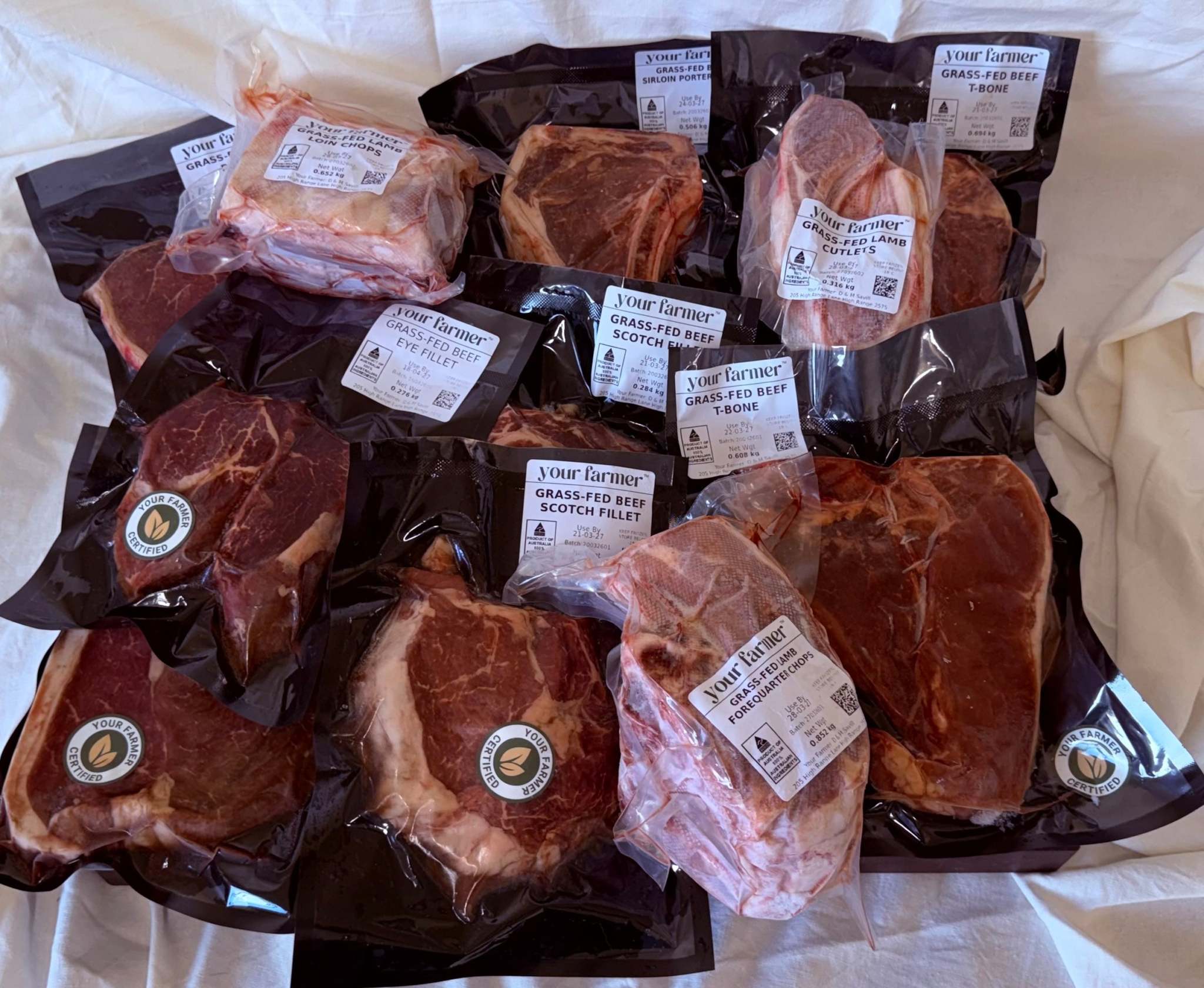
Ribs ask for two different things that no single cooking method can deliver at once: long, moist heat to melt their connective tissue into tenderness, and fierce dry heat to build a glaze worth licking off your fingers. So this recipe simply refuses to choose. The braise handles stage one, turning the meat silky while ginger, lemongrass and star anise perfume it from the inside; the hot oven handles stage two, setting the tamarind lacquer into something dark and glossy. Your Farmer® beef ribs — a rack of about 1.2kg in Pack B and Pack D beef shares — suit the treatment perfectly, because grass-fed beef has the depth to stand up to a glaze this loud instead of hiding behind it.

Swaps and Variations

The finish is portable: instead of the oven, glaze the braised ribs over medium heat on a hooded barbecue for genuine char at the edges. Honey can stand in for palm sugar — the glaze comes out rounder and less caramel-deep, still lovely. A tablespoon of kecap manis in the glaze steers it Indonesian, and a bruised knob of turmeric in the braise adds a golden edge if your grocer runs to it. Quick sides that earn their place: a cucumber and eschalot salad dressed with lime, or plain steamed Asian greens — the ribs are rich, so something sharp and cold alongside is doing real work. If tamarind's sweet-sour charm wins you over, it's doing quiet work in our beef massaman curry too — and the Korean-style braised beef is the same pack taken down a soy-and-pear road instead.

Storage and Leftovers

The smart play is splitting the stages: braise the ribs a day ahead, chill them overnight in their liquid, lift off the set fat and glaze the next evening — better flavour, easier hosting. Glazed leftovers keep 3 days in the fridge; reheat covered at 160C. The strained braising liquid freezes for up to 3 months and is a running start on a noodle soup: boil noodles, add greens and shredded anything, done. The meat itself freezes for 3 months too.

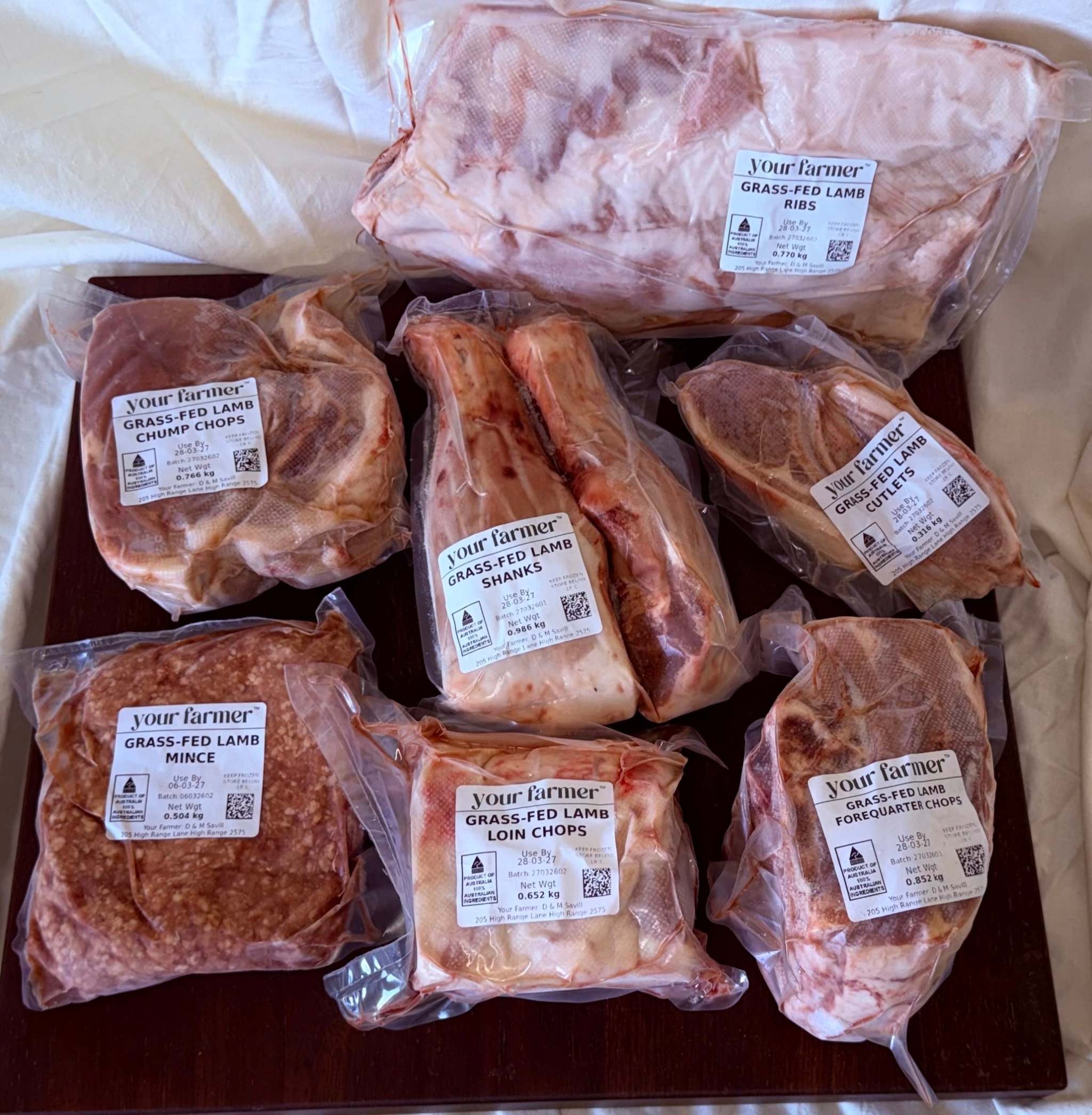
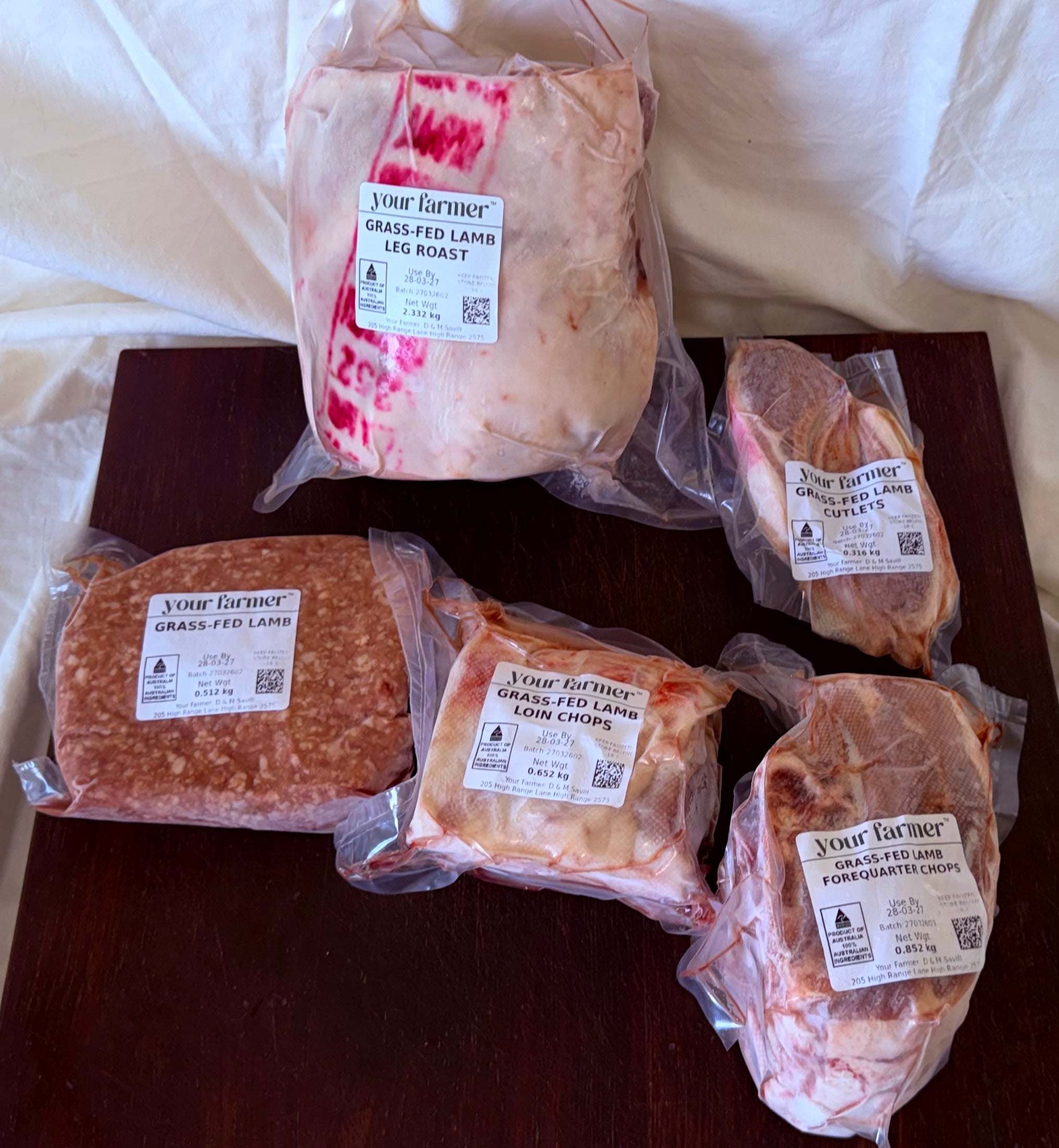
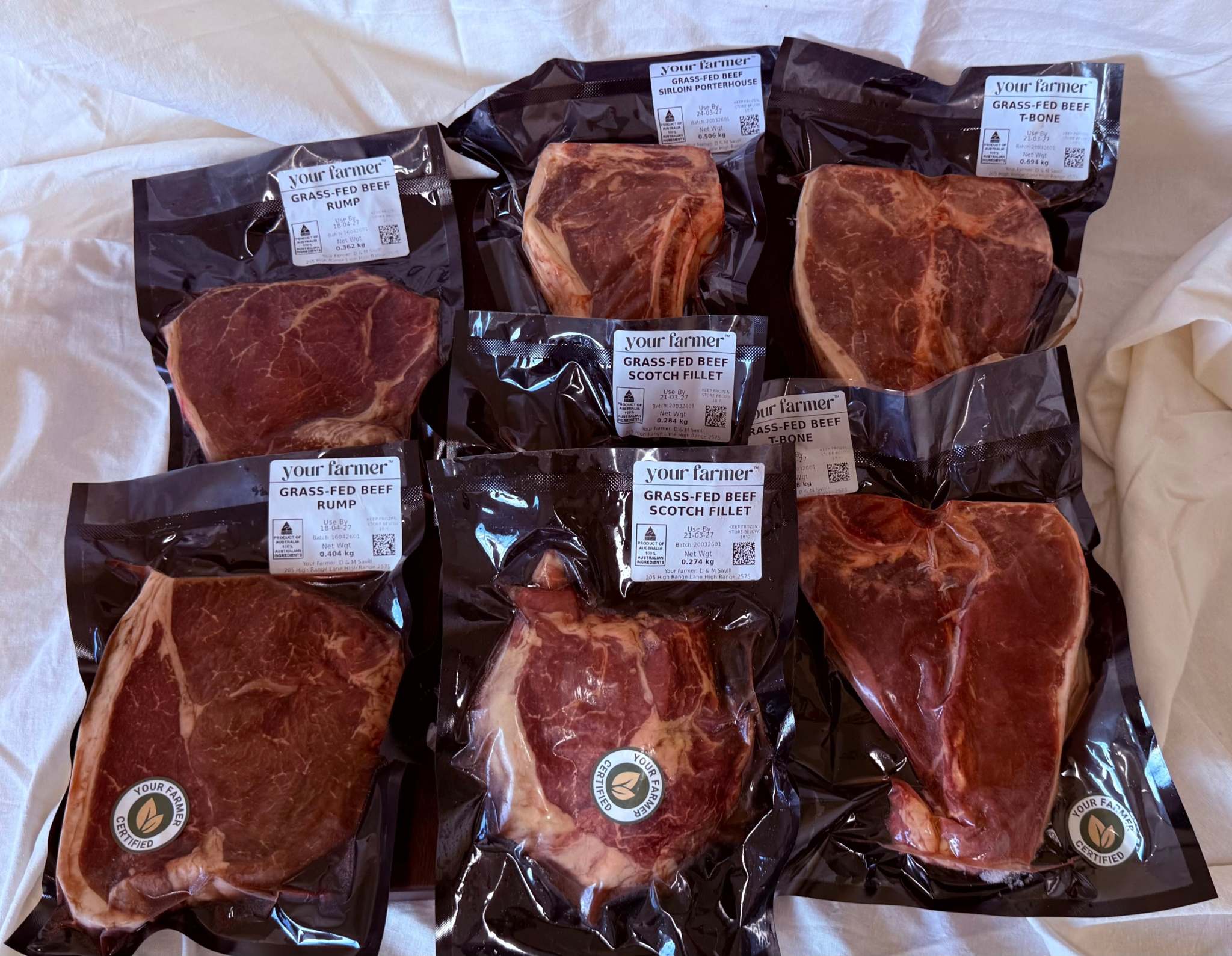
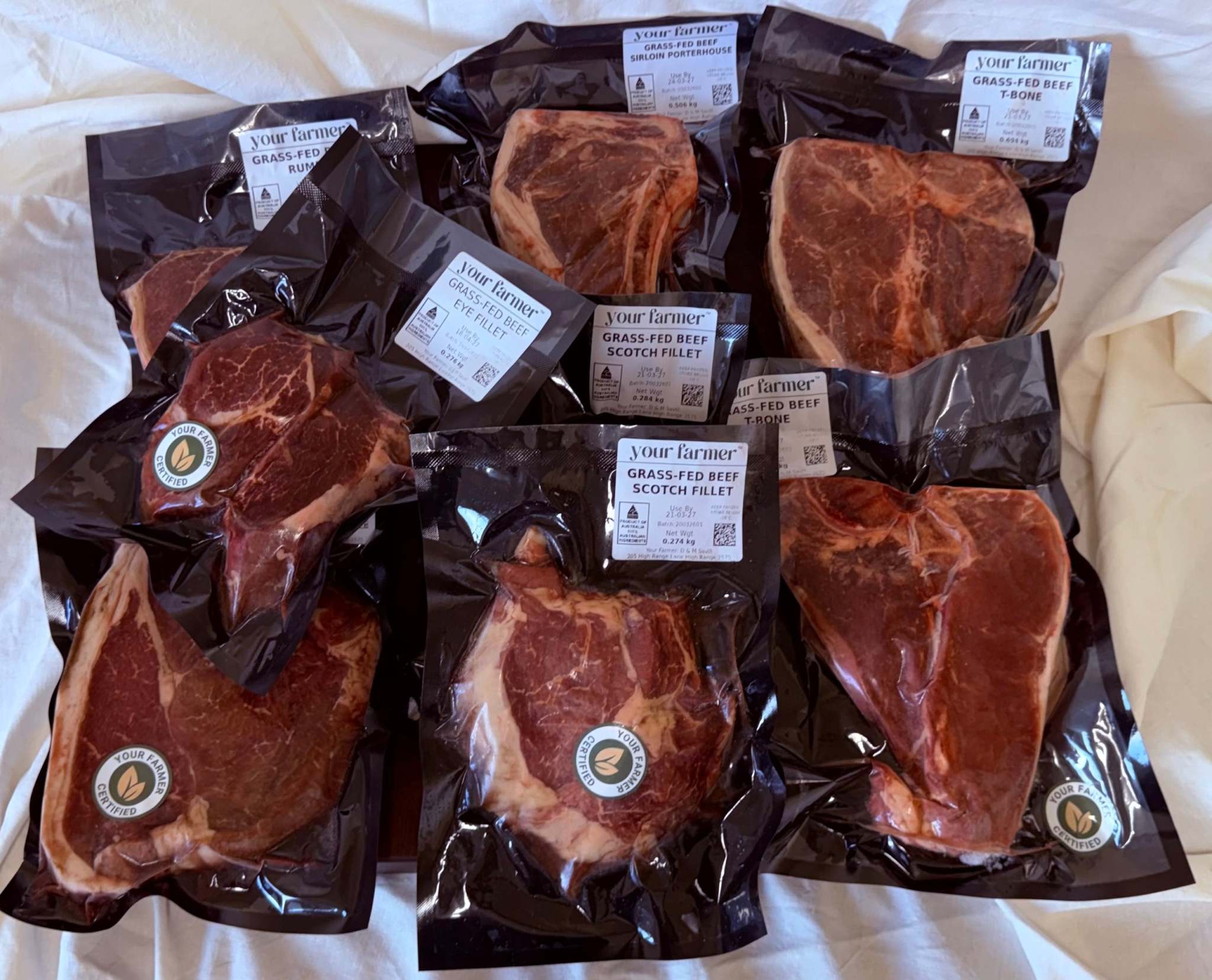
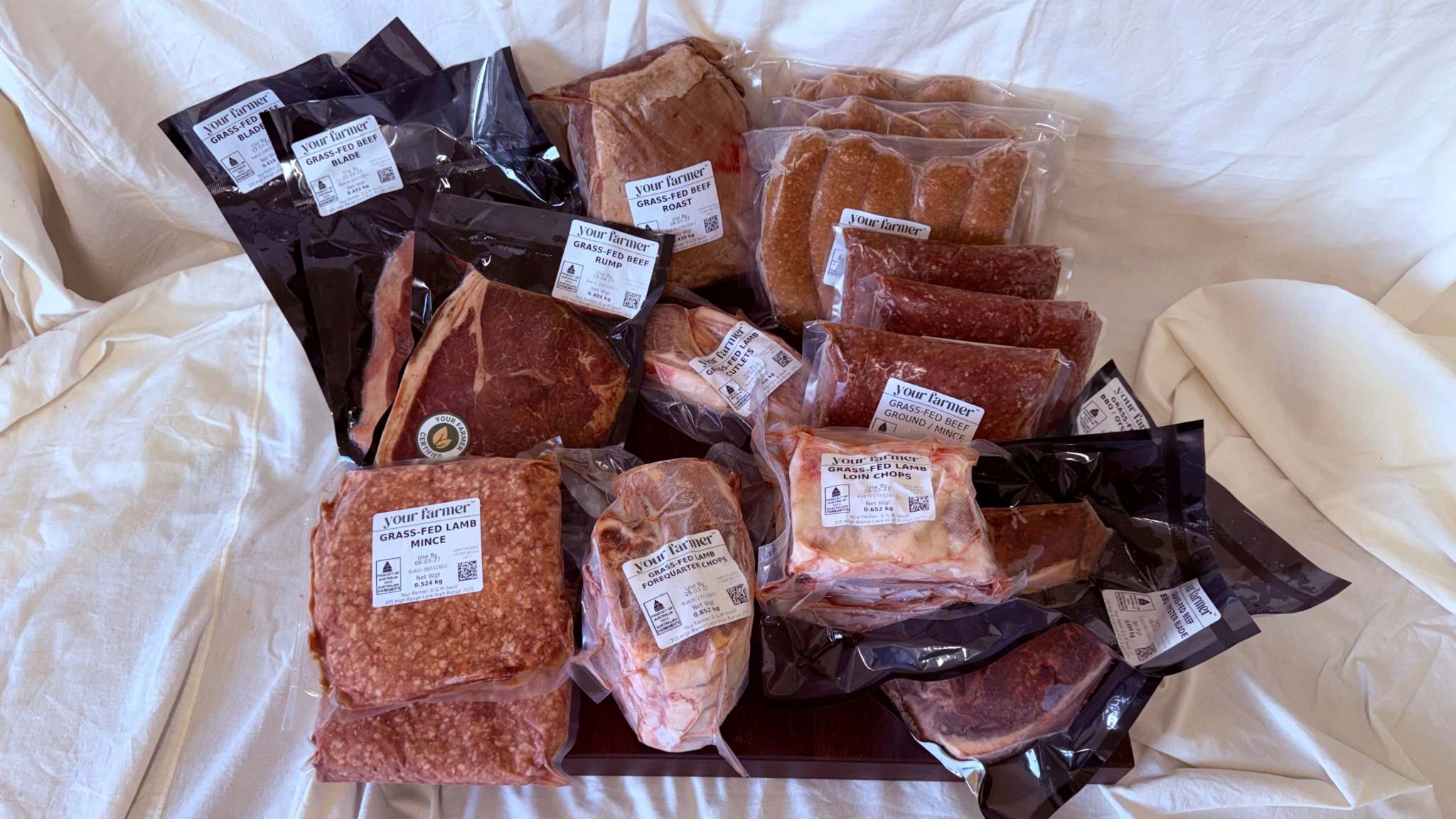
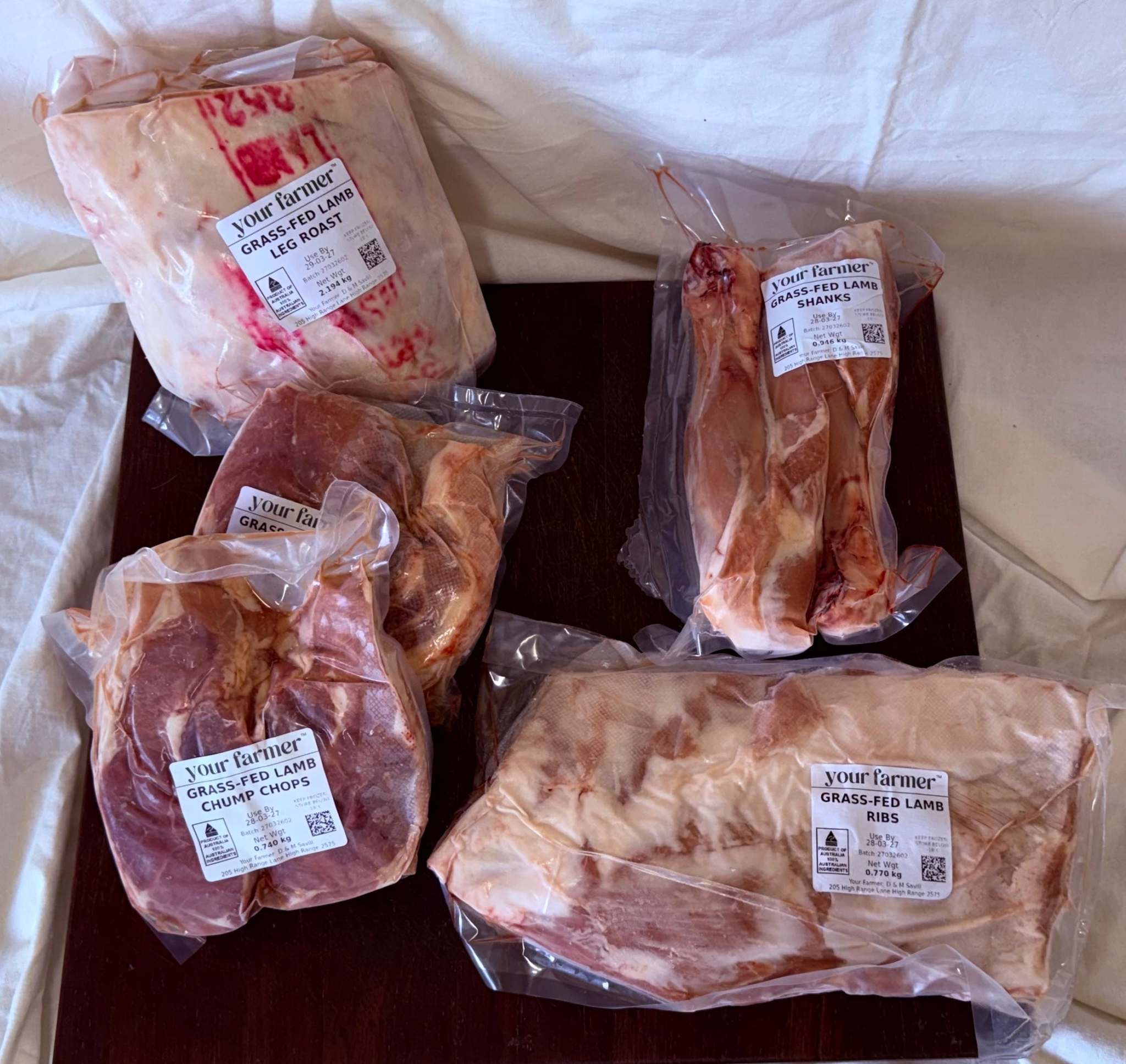
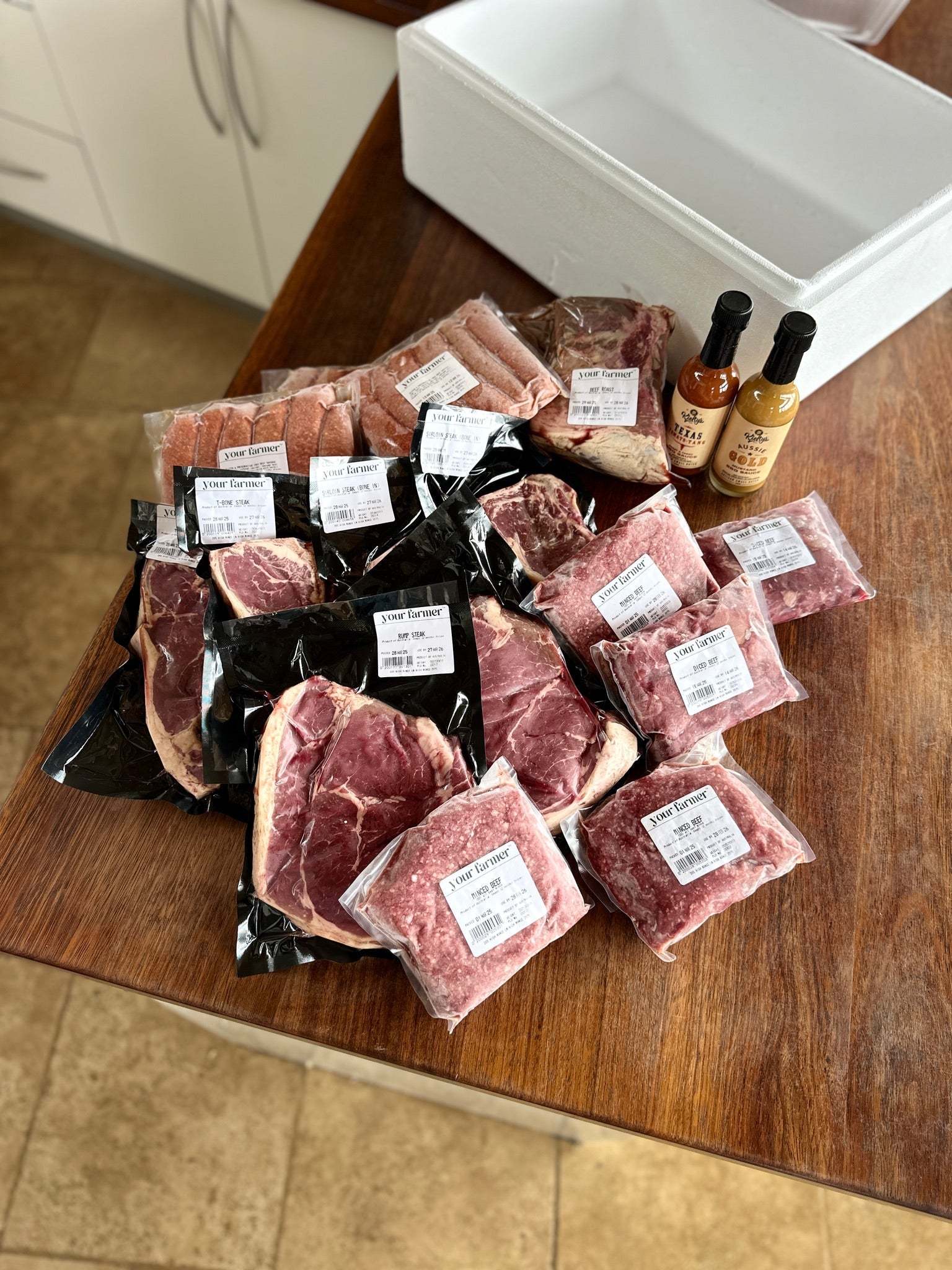
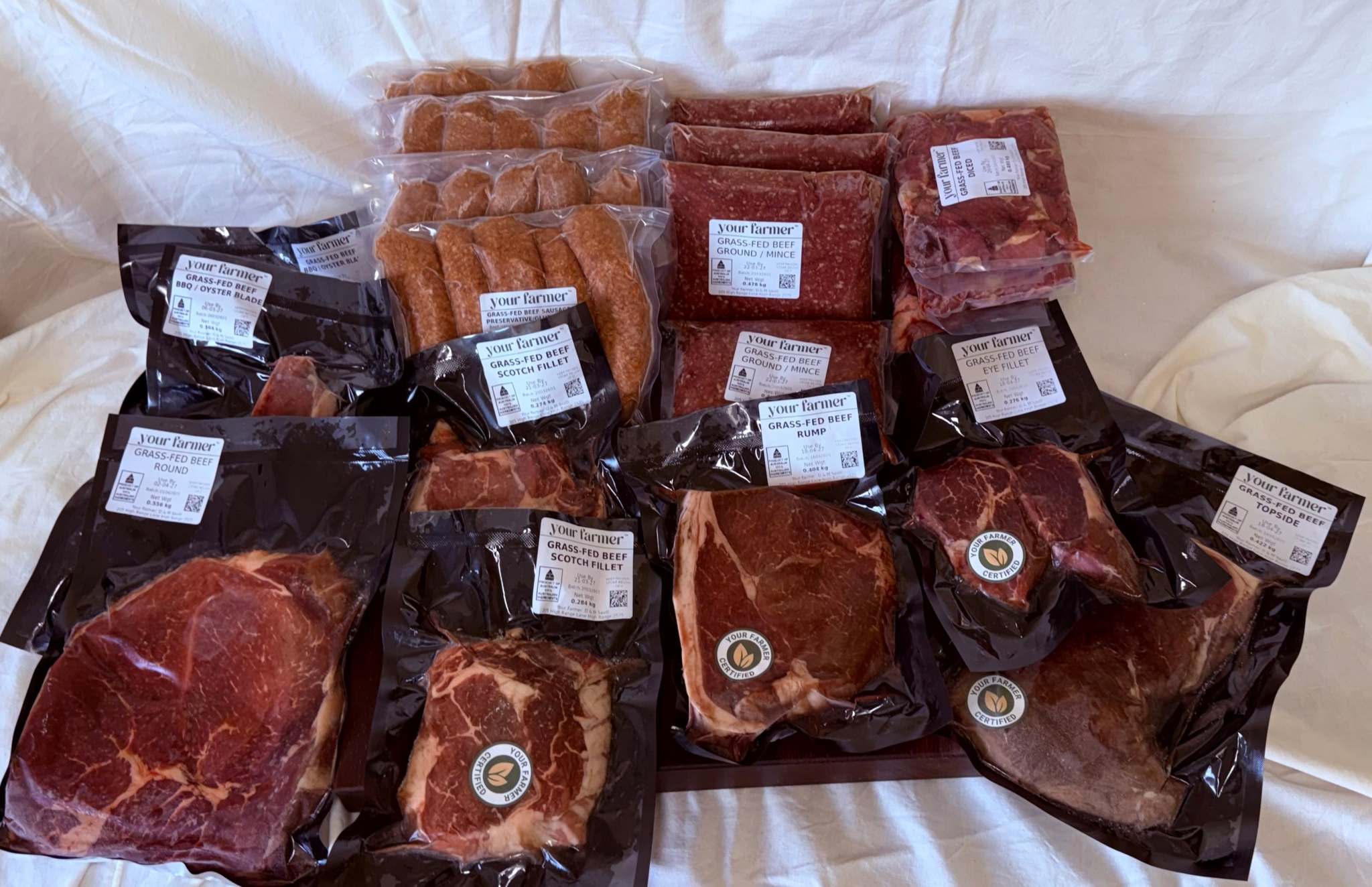
The rack turns up with Pack B and Pack D deliveries of the grass-fed beef CSA share — dinner-party ribs on a farm-box schedule.
Frequently asked questions

Where do I buy tamarind puree?

The supermarket Asian aisle or any Asian grocer. If you can only find tamarind concentrate, it's much stronger — start with half the amount and taste the glaze as it reduces.

Can I braise the ribs a day ahead?

Yes — it's actually the better plan. Chill them overnight in the braising liquid, lift off the set fat, then glaze and roast the next evening.

My glaze tastes too sour — or too sweet. How do I fix it?

Fix it in the pan, not the oven. More palm sugar rounds out a sour glaze; a squeeze of lime and a small splash of fish sauce rescue a cloying one. It should make you want a second taste to check.

What do I do with the leftover braising liquid?

Strain it and freeze it. It's a fragrant beef broth with ginger, lemongrass and star anise already in it — cook noodles in it with some greens and you've got a second dinner for nearly nothing.

Three Simple Steps

A whole table of real food.

Your Farmers grow grass-fed beef and lamb, pastured eggs and the best eco-grown veggies and produce — every item grown to the same ecological standard, every farmer one you can know by name. One subscription, your whole real-food shop.

01

Reserve your share — or try a pack

Subscribe to a share of the harvest, or start with a one-off fixed pack.

02

Make it your own

Pick your delivery rhythm and what's in the box. Skip or cancel anytime — no lock-in.

03

Cook, savour, know your farmer

We deliver in a reusable esky we collect next time. No couriers, no waste.

More Recipes

View all

Osso buco-style braised grass-fed lamb chump chops in tomato sauce over soft polenta, topped with gremolata.

Osso Buco-Style Braised Chump Chops with Gremolata

The Milanese treatment — chops braised low in white wine and tomato, lifted at the end by lemony gremolata

Osso buco is Milan's great braise, and the finishing touch is what makes it: gremolata, a raw scatter of lemon zest, garlic and parsley chopped fine, stirred in right at the end. Against an hour and a half of slow, rich braising, that fresh, sharp hit is a revelation — it stops the whole thing feeling heavy and makes you reach for another spoonful. Lamb chump chops stand in beautifully for the traditional veal shin here, their fat and connective tissue melting into a glossy sauce over soft polenta. It takes time, but almost none of it is yours. This is a dish to be proud of.

Read moreabout Osso Buco-Style Braised Chump Chops with Gremolata

A thick bowl of split pea and lamb bone soup topped with shredded lamb and mint.

Split Pea and Lamb Bone Soup

Pea-and-ham thinking, straight from the lamb paddock

Every Australian family has a pea-and-ham soup story, and every one of those soups leans on the same trick: a bone in the pot doing the heavy lifting. This is that trick with lamb bones instead of a hock. The split peas collapse into a thick, velvety base, the bones give the broth real depth and body, and a pinch of smoked paprika stands in for the smokehouse if you want that familiar edge. It's the thriftiest pot in this whole collection — pantry peas, add-on bones, one lazy afternoon — and it eats like a hug.

Read moreabout Split Pea and Lamb Bone Soup

Grass-fed T-bone steak sliced and served with homemade tarragon bearnaise and chips, bistro style.

T-Bone with Bearnaise from Scratch

The sauce that turns a steak into an occasion

Béarnaise has a reputation as chef's territory — it isn't. It's three egg yolks, a sharp tarragon reduction and a stream of warm butter, whisked over gentle heat until it turns thick, glossy and faintly wobbly. Twenty minutes of honest attention, most of it while the steak rests. And there's no better steak to learn it on than a grass-fed T-bone: the fillet side was born for béarnaise, and the sirloin side isn't far behind. This is occasion cooking you can pull off on an ordinary Saturday.

Read moreabout T-Bone with Bearnaise from Scratch