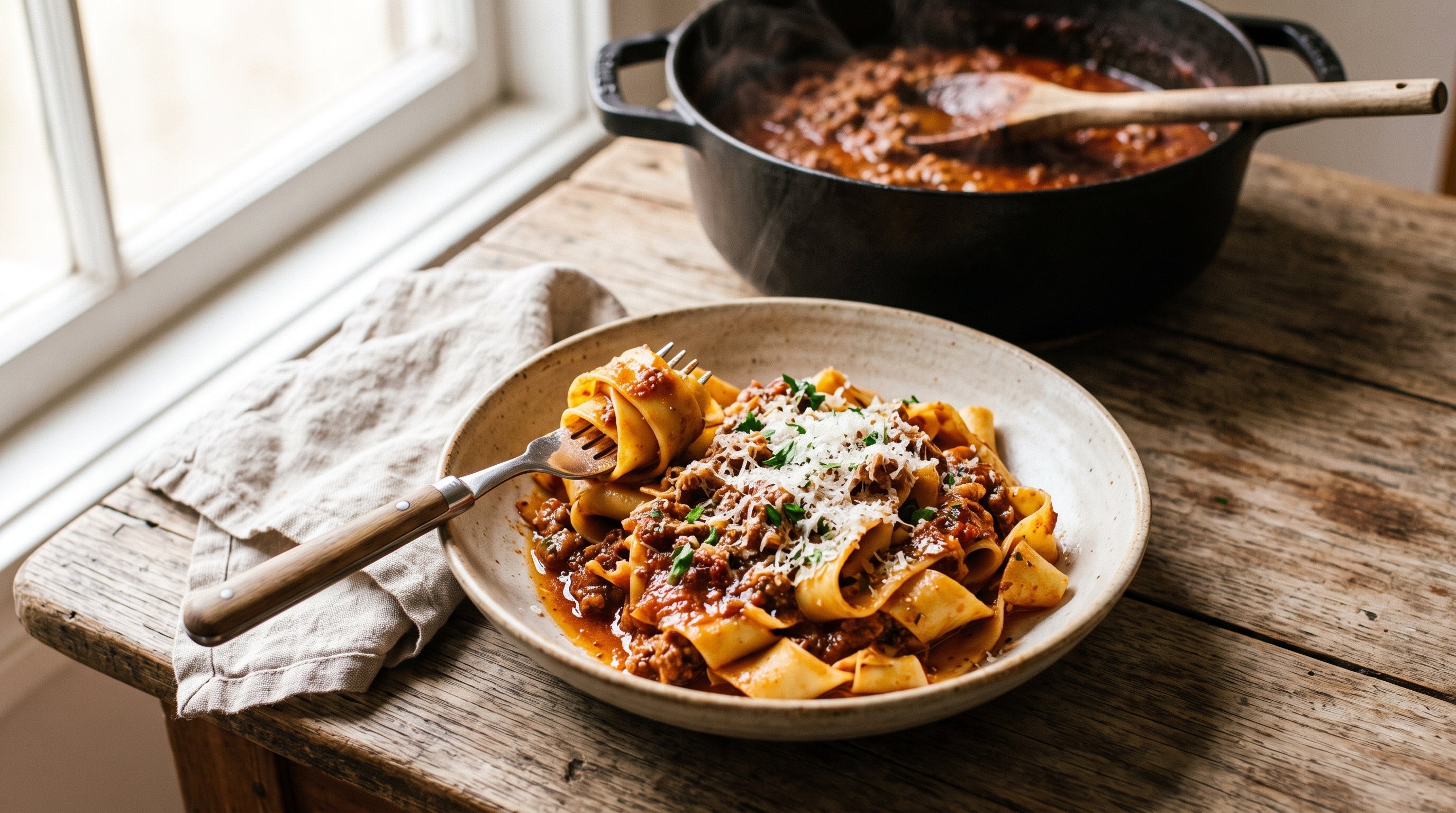

The Sunday sauce that lets the sausage do the seasoning

A proper ragu asks for time, and it usually asks the cook to build every layer of flavour from scratch. This one arrives with a head start. Sausage meat comes already seasoned — so when you crumble it into the pot and let it simmer slowly with tomato, wine and bay, you get a sauce with the depth of a long Sunday afternoon for a fraction of the effort. Wide ribbons of pappardelle, a snowfall of parmesan, and the afternoon has done its work.

2 hrs 30 mins 6 servings Prep 15 minsCook 2 hrs 15 minsMain CourseItalian

Ingredients

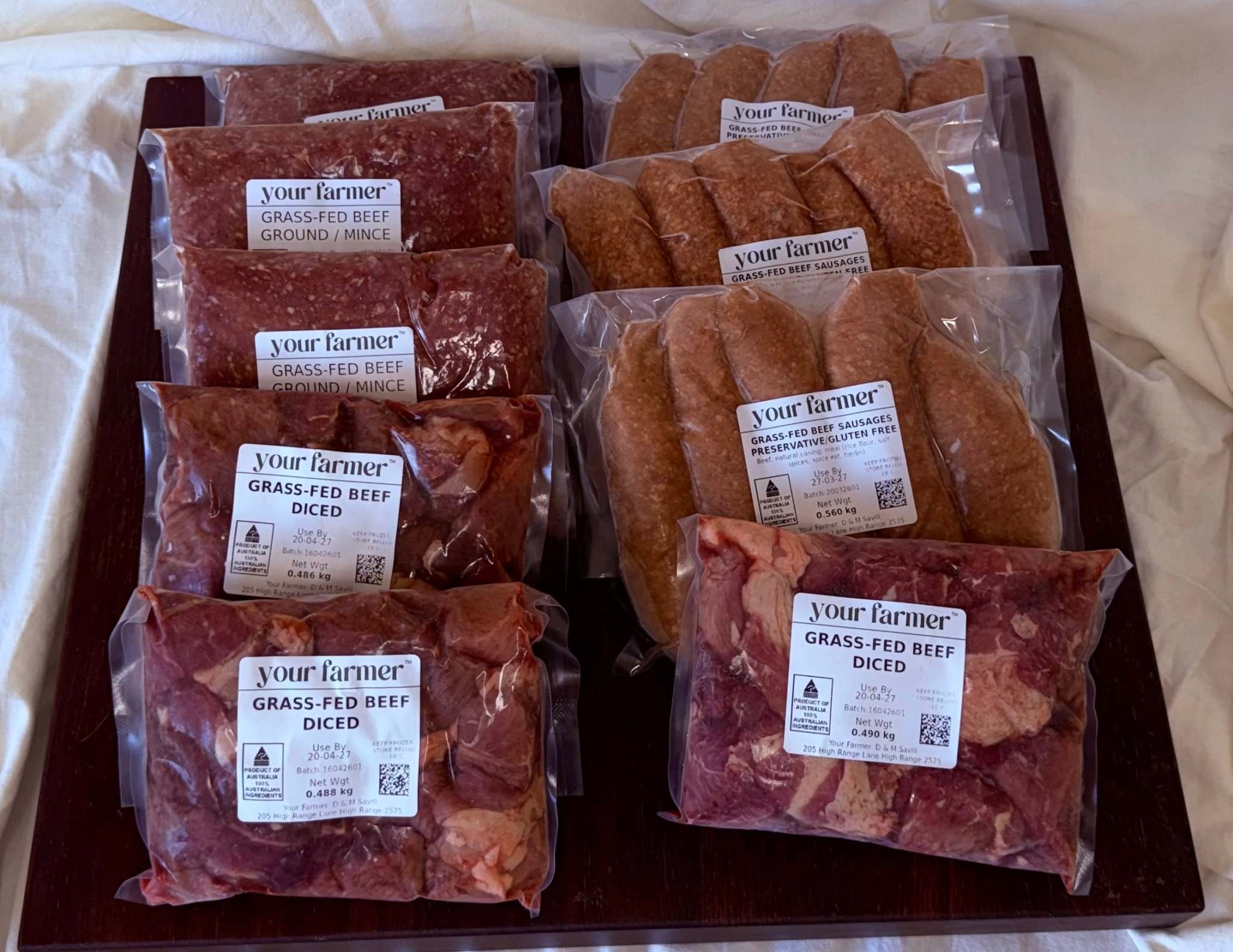
  • 5 Your Farmer grass-fed beef sausages, casings removed
  • 1 tbsp olive oil
  • 1 brown onion, finely diced
  • 1 carrot, finely diced
  • 1 stalk celery, finely diced
  • 4 cloves garlic, finely chopped
  • 1 tsp fennel seeds, lightly crushed
  • 2 tbsp tomato paste
  • 150ml dry red wine (or beef stock)
  • 2 x 400g cans crushed tomatoes
  • 1 bay leaf
  • 125ml full-cream milk
  • 400g pappardelle
  • Grated parmesan, to serve
  • Salt and pepper to season

Instructions

Heat the oil in a heavy pot over medium-high heat. Crumble in the sausage meat in rough clumps and brown it properly, 8–10 minutes — colour here is flavour later. Remove with a slotted spoon.

5 sausages1 tbsp olive oil

Drop the heat to medium. Cook the onion, carrot and celery in the same pot for 8–10 minutes until soft and sweet, then add the garlic and fennel seeds for 1 minute.

1 onion1 carrot1 stalk celery1 tsp fennel seeds

Stir in the tomato paste and cook for 1–2 minutes until brick red. Pour in the wine, scrape up everything stuck to the bottom, and let it reduce by half.

2 tbsp tomato paste150ml red wine

Add the tomatoes and bay leaf and return the sausage with any juices. Simmer very gently, partially covered, for 1½–2 hours, stirring now and then and adding a splash of water if it catches.

2 x 400g crushed tomatoes1 bay leaf

For the last 15 minutes, stir in the milk — it rounds out the acidity the slow way, the way the Italians do it. Season to taste.

125ml milk

Cook the pappardelle in well-salted boiling water until al dente, then toss with the ragu and a splash of the pasta water.

400g pappardelle

Serve with plenty of grated parmesan.

grated parmesan

Appears in

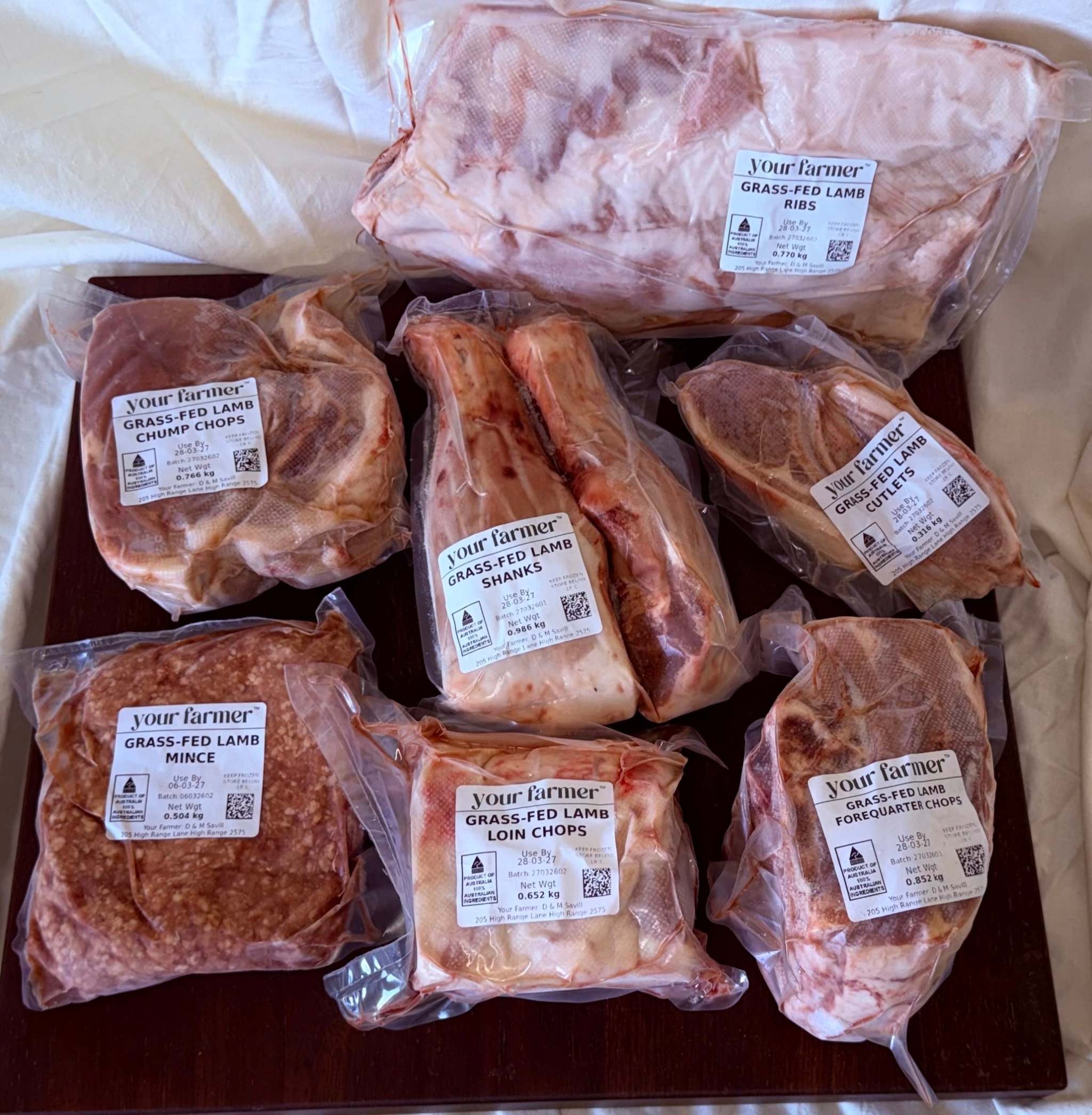
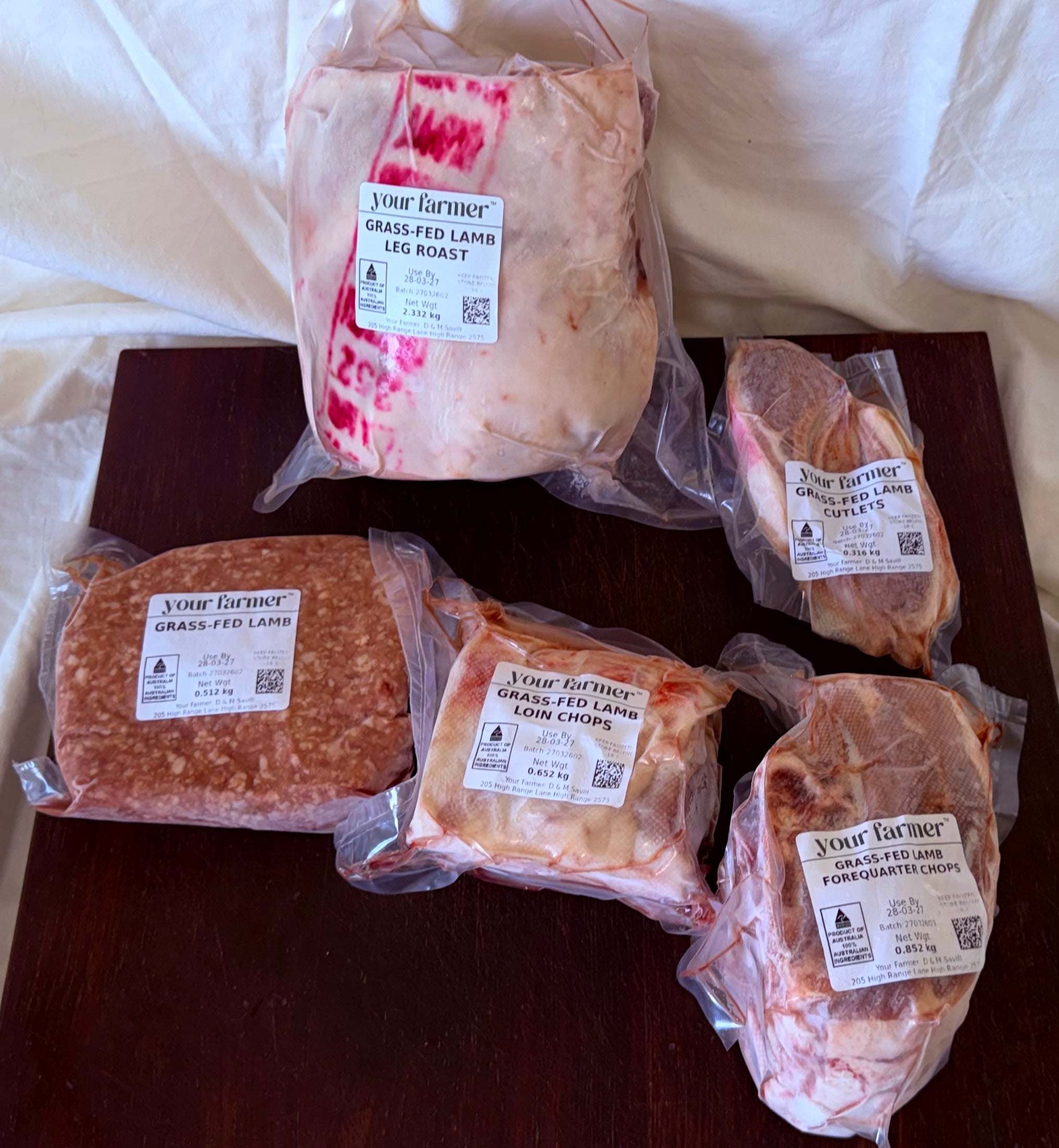
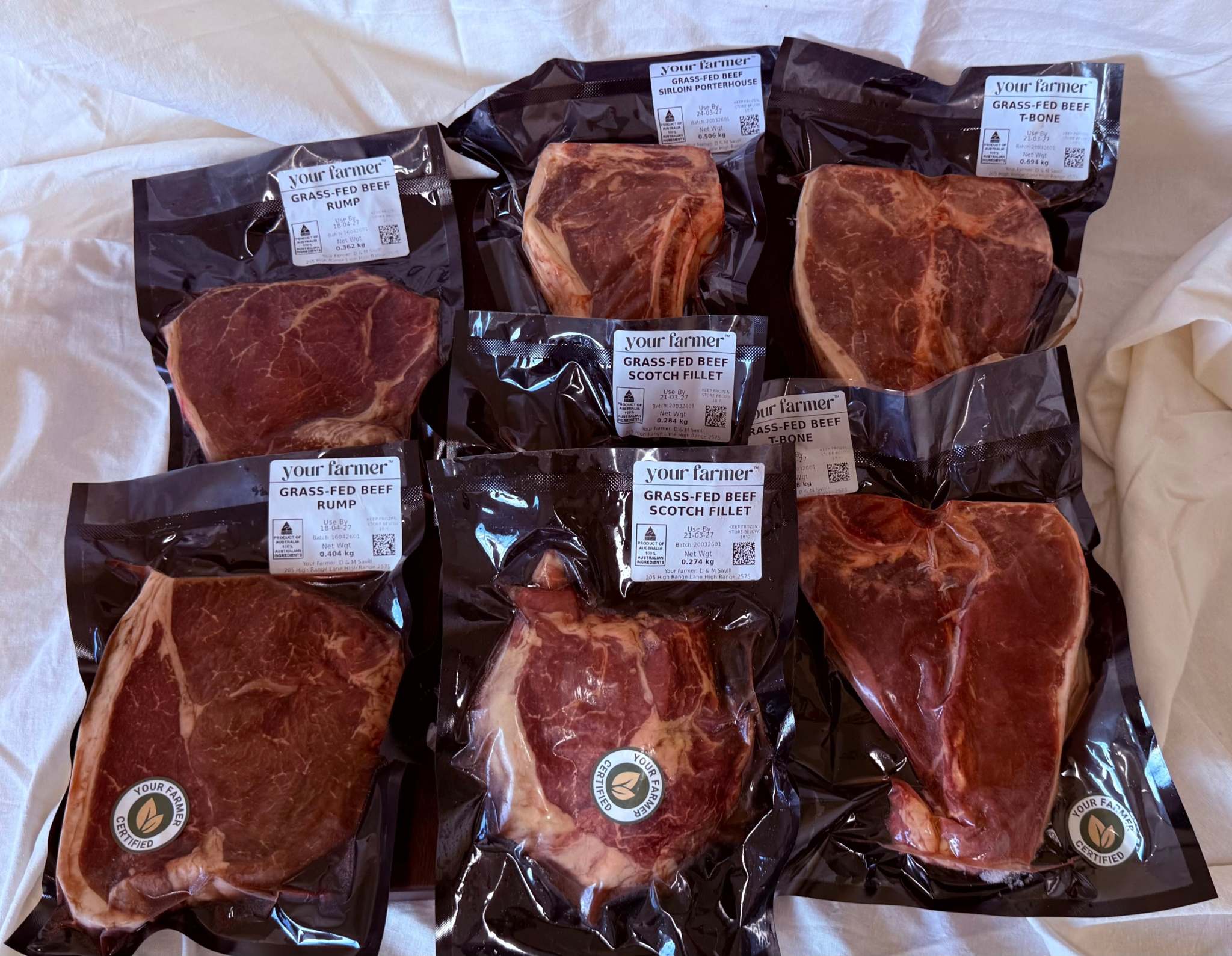
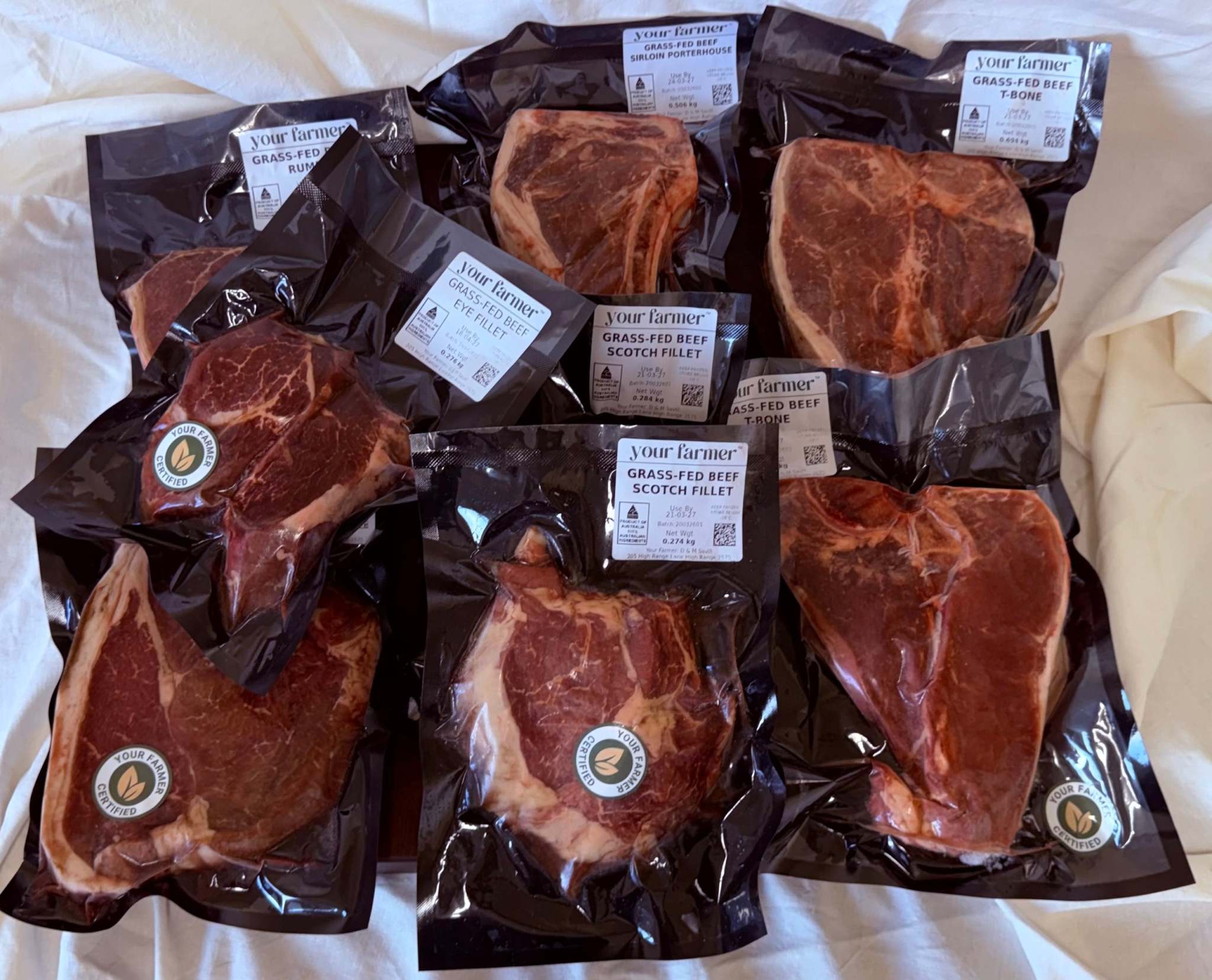
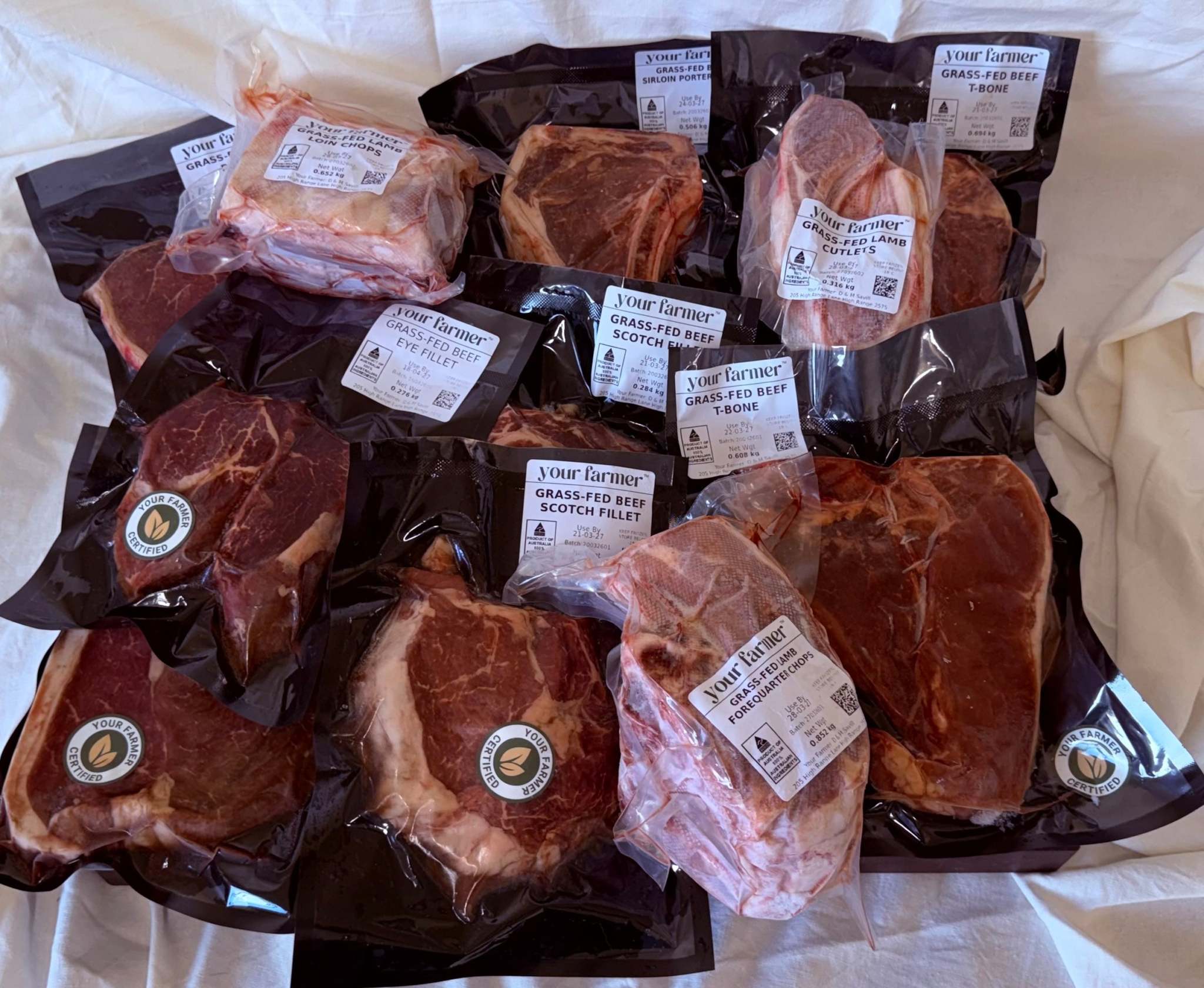
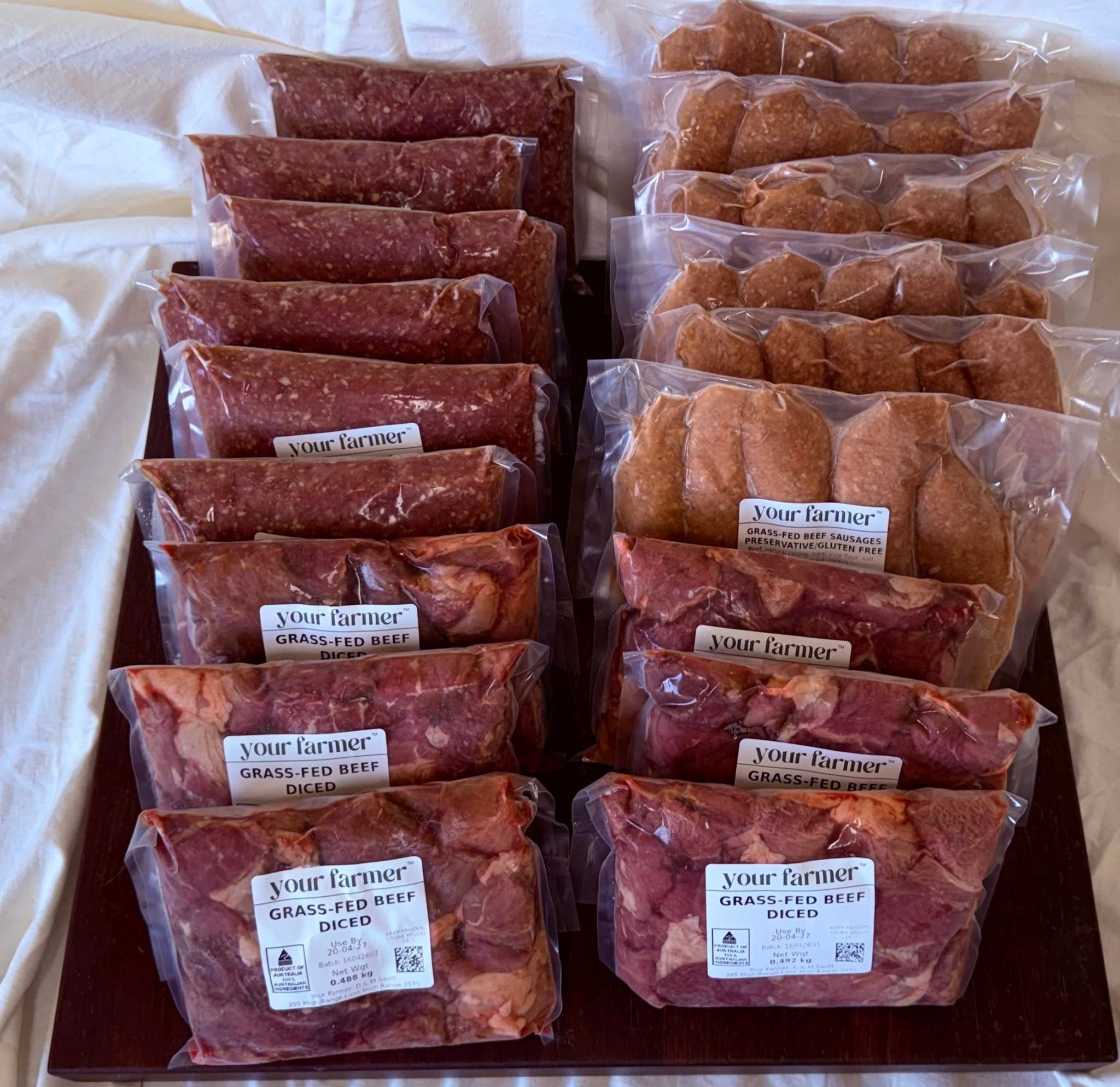
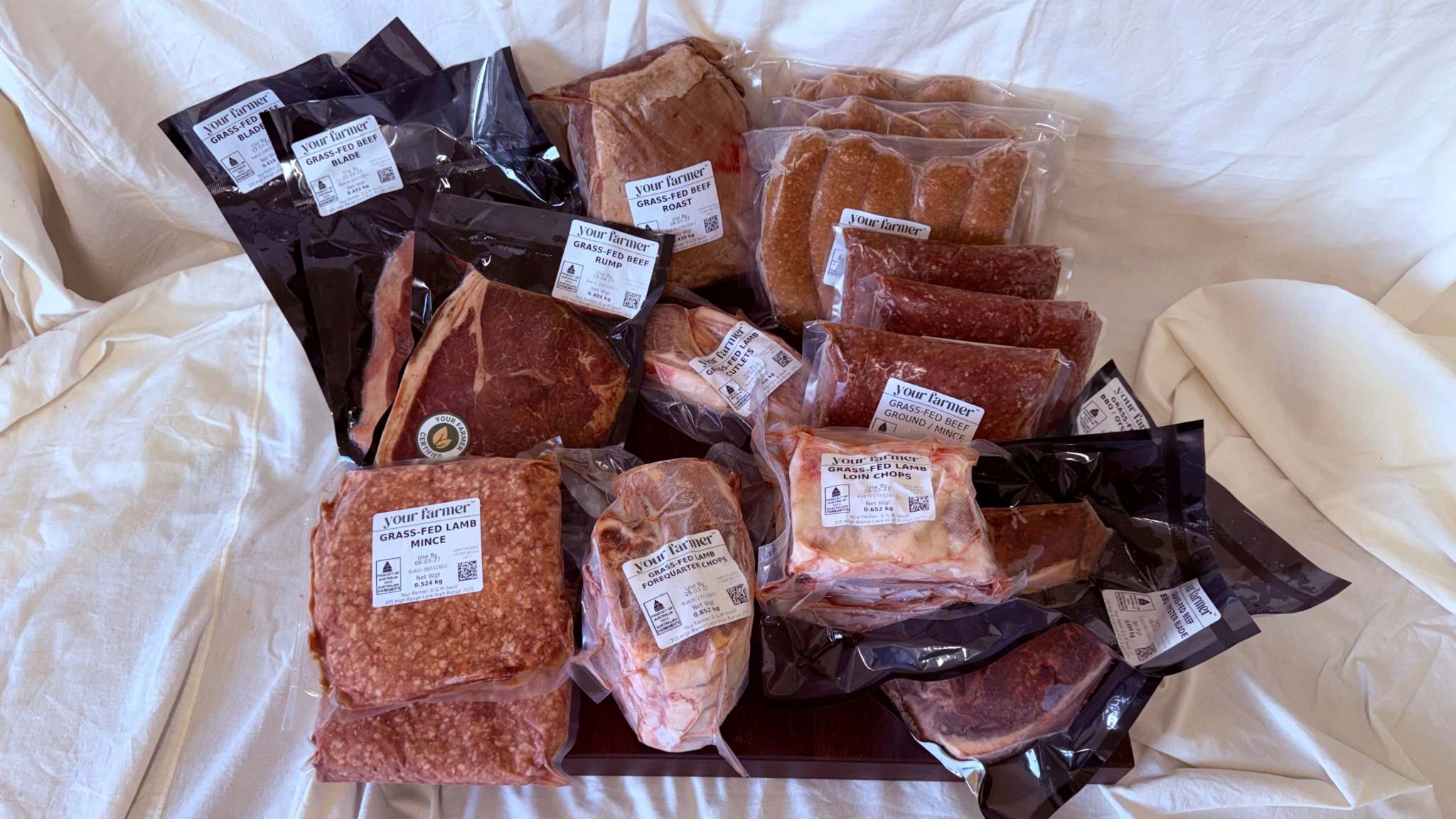
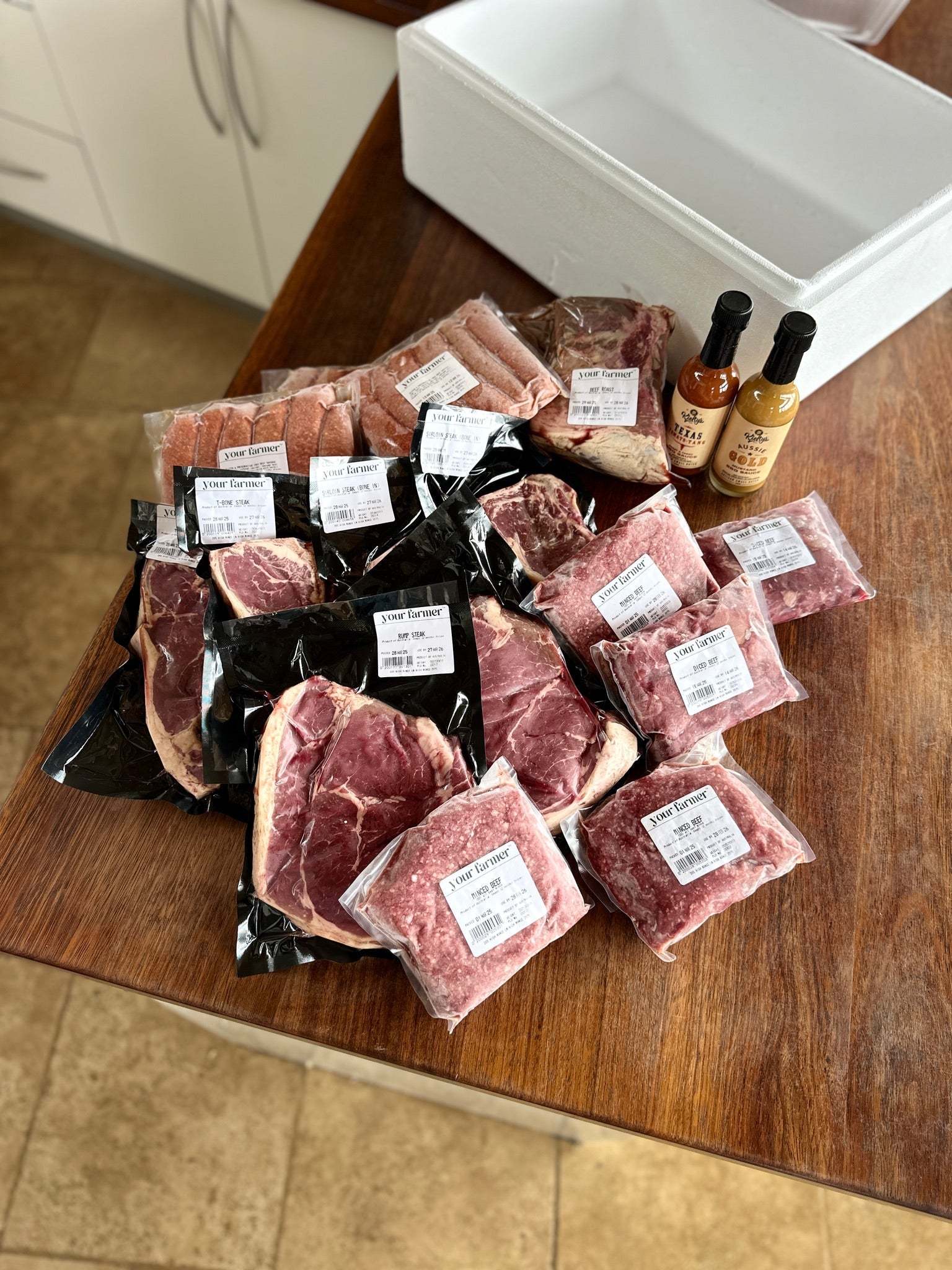
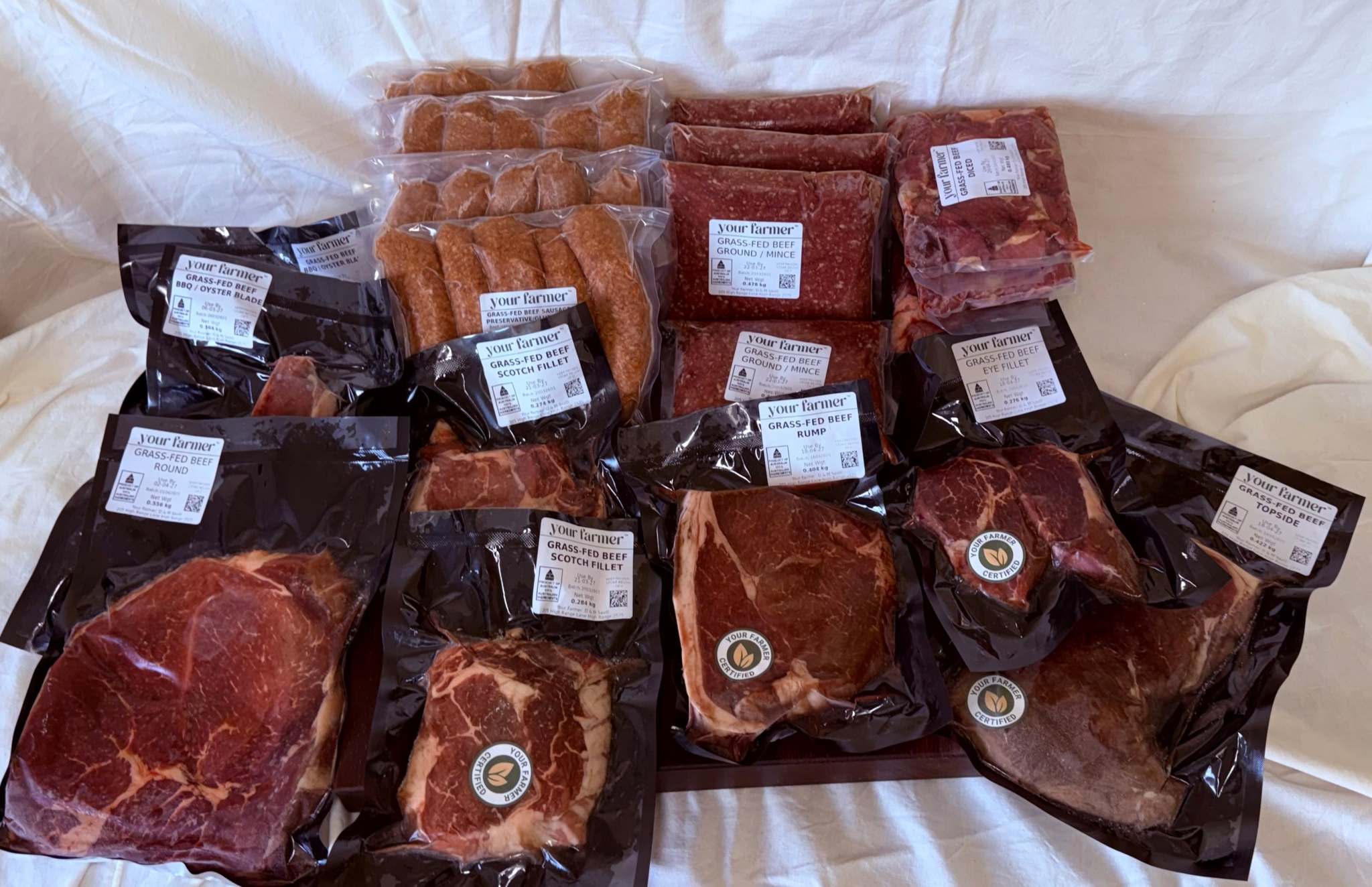
Your Farmer CSA grass-fed beef share — vacuum-sealed steaks, roasts, mince and sausages, paddock-to-plate NSW & ACT delivery
Sale price From $152.00Regular price $169.99
Preservative-free grass-fed beef sausages from Your Farmer — paddock-to-plate NSW & ACT delivery
Sale price $15.00Regular price $16.99

A Ragu with a Head Start

A ragu built on plain mince has to earn everything — salt, herbs, fat, depth — over hours of coaxing. Sausage meat walks in with most of that already done. The seasoning is in the meat, and as the crumbles simmer, the sausage fat renders slowly into the sauce and carries flavour through every spoonful. Your Farmer® grass-fed beef sausages are coarse-cut and preservative-free, so what breaks down into the pot over those two gentle hours is nothing but well-seasoned, pasture-raised beef.

The discipline that matters most happens in the first ten minutes: brown the crumbles hard, in clumps, and leave them alone long enough to colour. Everything the sauce becomes is sitting in that browned base. The fennel seed matters too — it's the line between a beef ragu and a proper sausage ragu, so crush the seeds roughly with the flat of a knife and let them perfume the pot. After that, your only job is a stir every twenty minutes. The five-pack in every beef CSA share makes enough for six — which, in a family of four, means Wednesday is already cooked.

Swaps and Variations

For a bigger batch, go half-and-half with 480g of grass-fed beef mince — the sausage seasons the whole pot. A handful of chopped mushrooms in with the soffritto adds an earthy note. Rigatoni and fresh tagliatelle both carry the sauce well if pappardelle is elusive. And when you want the classic long-simmered mince version, our Sunday bolognese is the companion recipe to this one.

Storage and Leftovers

Like every slow sauce, this is better on day two, once the flavours have settled into each other. It keeps three days in the fridge and freezes beautifully for three months — portion it into dinner-sized containers before it goes in. Leftover ragu is also a ready-made lasagne filling, or the world's best jaffle. Cook the pasta fresh each time; the sauce is the thing worth storing. When you reheat, do it gently with a splash of water and bring it back to a simmer slowly — a hard, rushed boil can split the fat out of a settled sauce.
Frequently asked questions

Can I make it without wine?

Yes — use beef stock in its place and add the same splash of depth with an extra half-teaspoon of tomato paste. The sauce will still be rich and rounded.

What does the milk do?

It's the traditional Italian finish for meat sauces — it softens the acidity of the tomatoes and gives the ragu a silkier body. Add it near the end and let it simmer in.

Can I do it in the slow cooker?

Yes. Do the browning and soffritto on the stove first — don't skip them — then transfer everything to the slow cooker on low for 6 hours, lid ajar for the last hour to thicken.

How much does it make?

Six generous serves of sauce. If that's more than one dinner at your place, freeze the rest in portions for up to three months.

Three Simple Steps

A whole table of real food.

Your Farmers grow grass-fed beef and lamb, pastured eggs and the best eco-grown veggies and produce — every item grown to the same ecological standard, every farmer one you can know by name. One subscription, your whole real-food shop.

01

Reserve your share — or try a pack

Subscribe to a share of the harvest, or start with a one-off fixed pack.

02

Make it your own

Pick your delivery rhythm and what's in the box. Skip or cancel anytime — no lock-in.

03

Cook, savour, know your farmer

We deliver in a reusable esky we collect next time. No couriers, no waste.

More Recipes

View all

Greek-style grass-fed lamb roast with lemon and oregano served over golden potatoes in a ceramic baking dish.

Greek-Style Lamb Roast with Lemon and Oregano

Lemon, oregano and time — the Greek family-table treatment for the whole cut

Every Greek family has a version of this and none of them are wrong. Garlic, dried oregano and lemon get worked deep into the lamb, potatoes go underneath to catch everything that falls, and the oven runs slow enough that nobody has to watch it. What comes out isn't pink, carve-at-the-table lamb — it's the other thing entirely: golden on top, giving underneath, with lemony potatoes that half the table will fight over harder than the meat. It's Sunday cooking from a country that takes Sundays seriously.

Read moreabout Greek-Style Lamb Roast with Lemon and Oregano

Low-and-slow barbecued grass-fed lamb ribs with a dry-rub bark, sliced on butcher's paper.

Low-and-Slow BBQ Lamb Ribs with Dry Rub

Paprika, brown sugar, patience — American barbecue discipline meets Australian lamb

This is the recipe for the day you've decided the barbecue is the afternoon's entertainment, not just the cooking appliance. No foil, no shortcuts: a paprika and brown sugar rub, a hooded barbecue held low around 140C, and three or so unhurried hours while the fat renders, the spice sets into proper bark and the smell slowly takes over the street. Lamb ribs suit the American low-and-slow treatment better than most people expect — they're smaller and fattier than pork ribs, so you get all the bark in less time. Pour something cold. This one's a sit-outside recipe.

Read moreabout Low-and-Slow BBQ Lamb Ribs with Dry Rub

Grilled grass-fed lamb chump chops sliced over a warm French-style lentil salad with mustard dressing.

Grilled Chump Chops with Warm Lentil Salad

Charred chops over mustardy lentils — the bistro order, made at home

Walk into any honest bistro in France and there'll be lamb with lentils somewhere on the board. It works because the two halves trade favours — earthy lentils soak up the lamb's resting juices, and a sharp Dijon dressing cuts the richness of a properly charred chop. The lentils simmer away on their own for twenty-five minutes while you see to the chops, so the timing looks after itself. Hearty without being heavy, smart enough for guests, and most of it comes from the pantry.

Read moreabout Grilled Chump Chops with Warm Lentil Salad