

Stock, the Old Kitchen Insurance
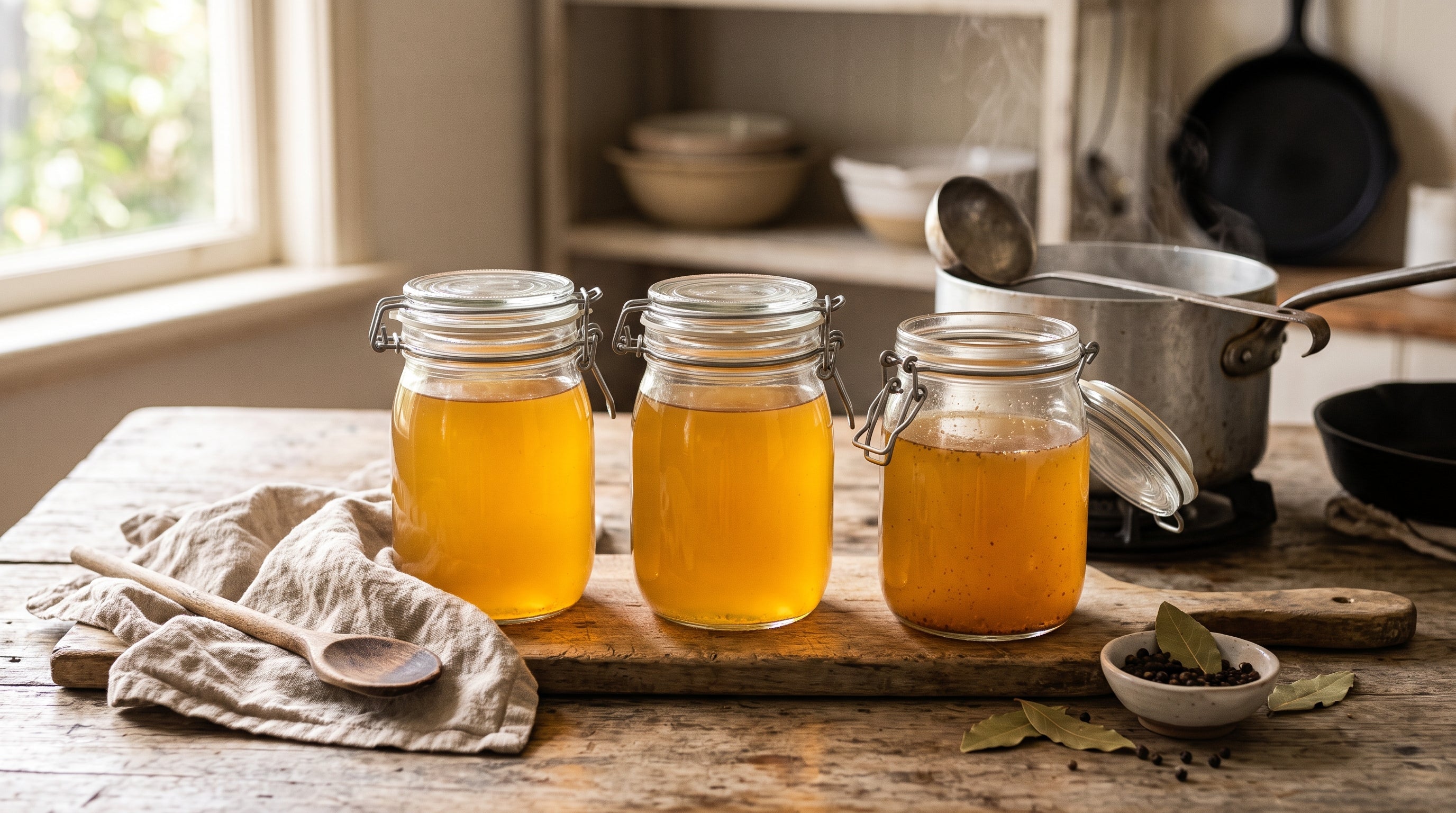
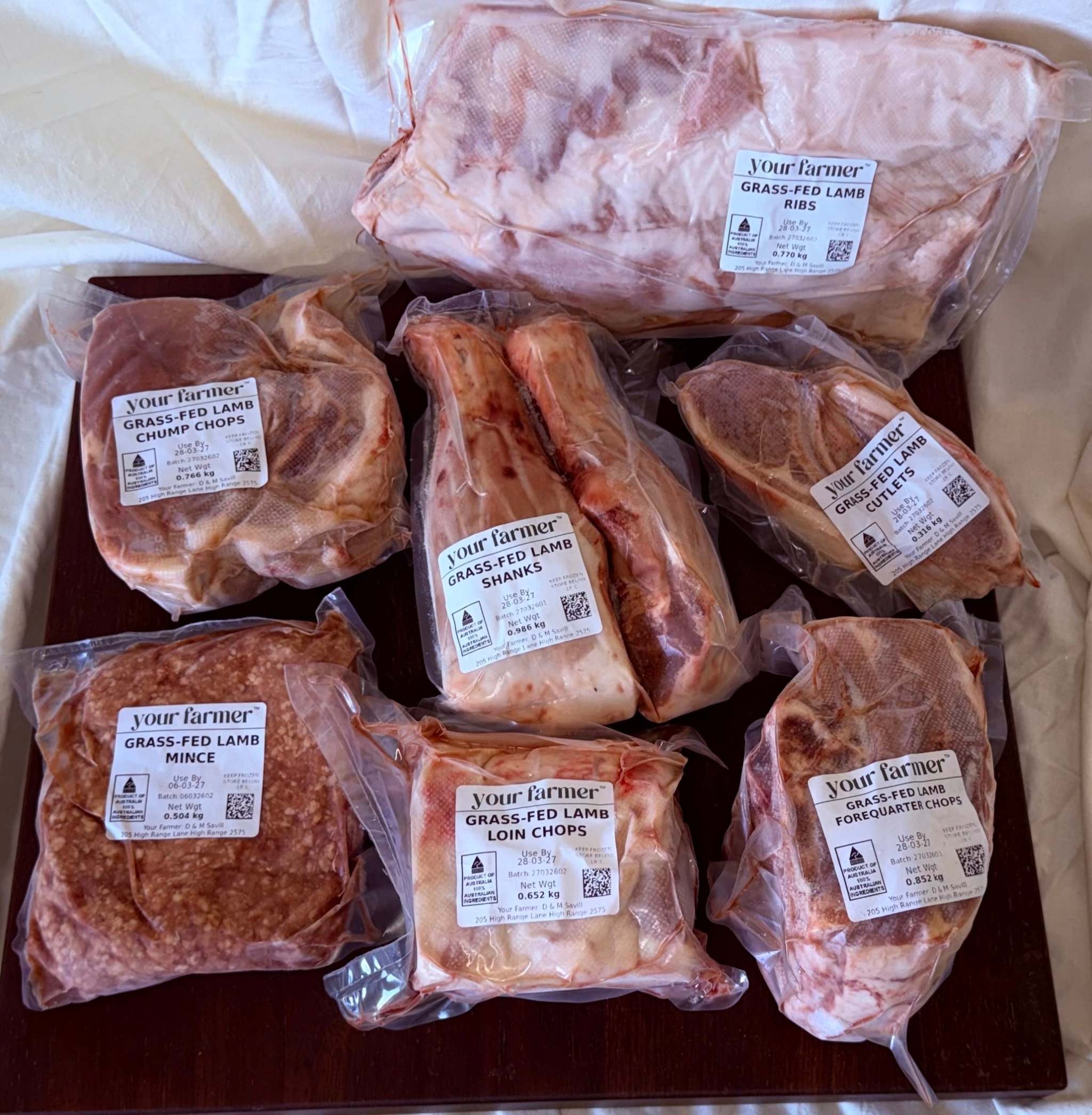
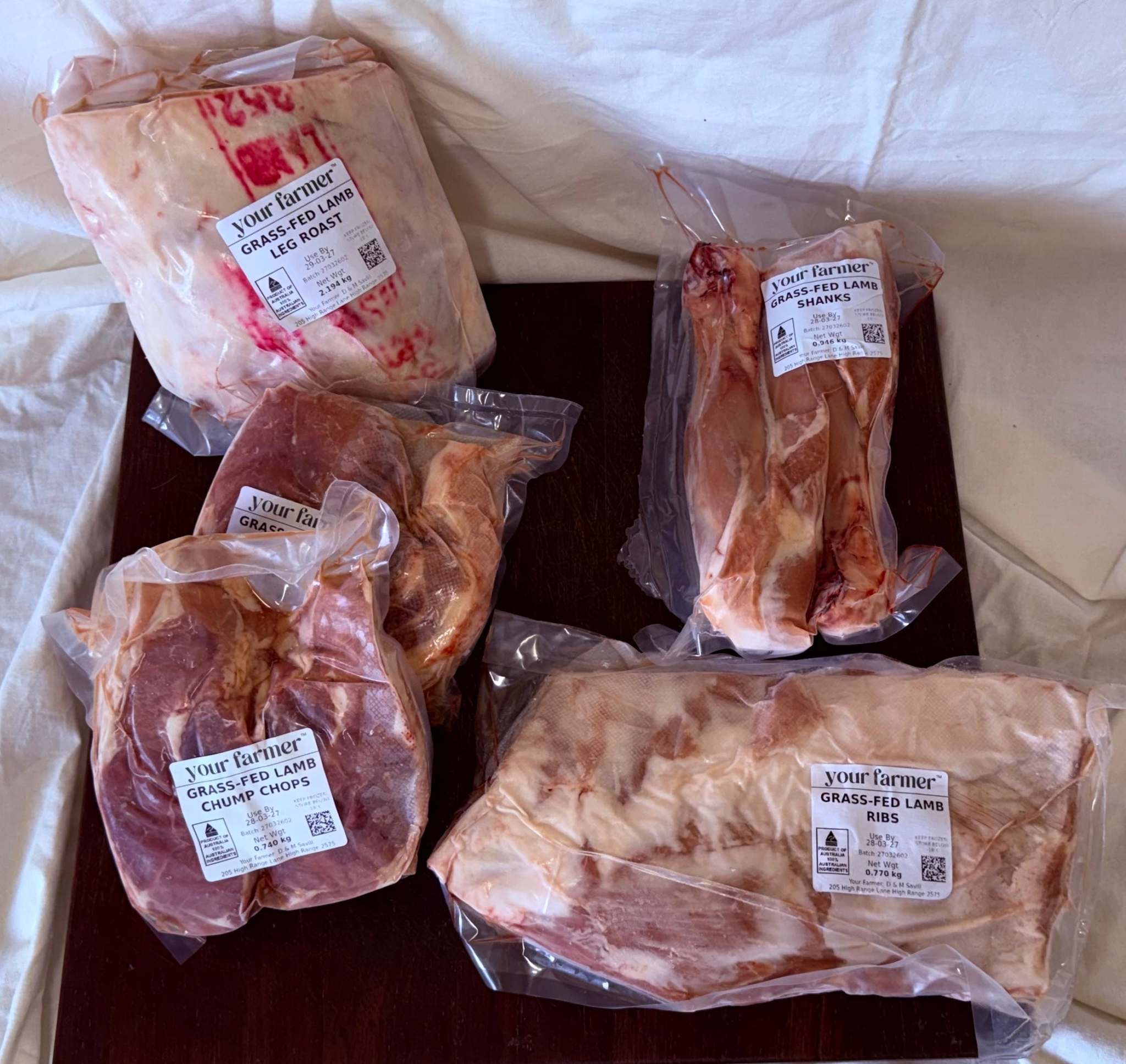
Stock is the original make-ahead recipe — the thing farmhouse cooks kept going at the back of the stove because throwing bones away was unthinkable. The rules haven't changed in a century. Start with cold water so the flavour draws out gently. Keep the simmer barely alive, because a rolling boil churns the fat through the liquid and turns it cloudy. And leave the salt out entirely: you'll often reduce stock later in a sauce, and what tastes seasoned now turns salty then. Done right, a batch made from Your Farmer® lamb bones sets to a soft jelly in the fridge — the traditional sign of a stock with proper body.
Swaps and Variations
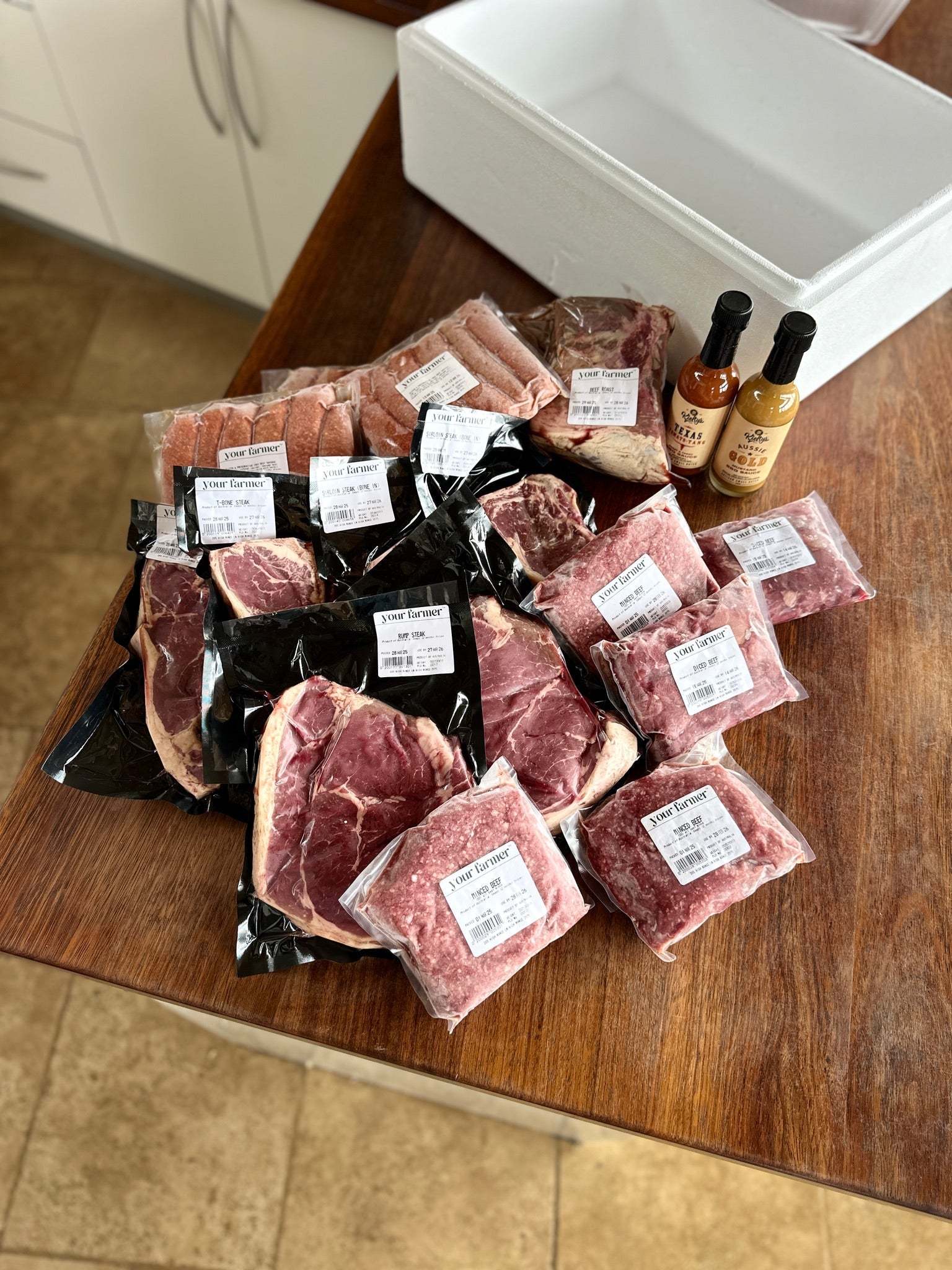
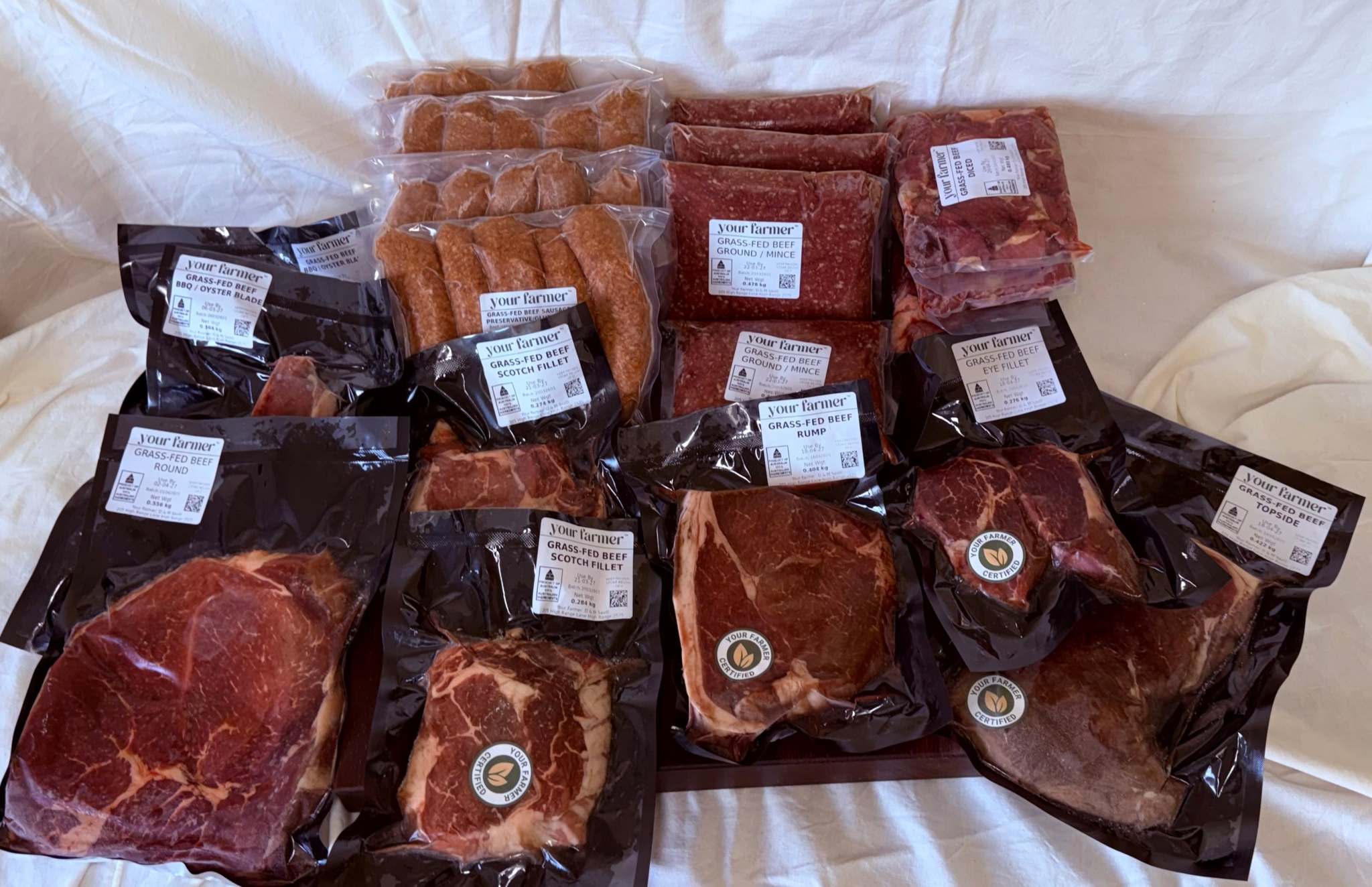
For a deeper, brown stock, roast the bones at 220°C for 40 minutes before they hit the pot — that single step turns pale gold into mahogany. Whatever's honest in the crisper can join the vegetables: leek tops, parsnip ends, a mushroom past its best. Skip anything from the cabbage family, which turns a long simmer bitter. The identical routine works with our beef bones, and if you cook from both shares it's worth keeping a lamb row and a beef row in the freezer — lamb stock for Irish stews, braises and couscous dishes, beef for gravies and noodle soups. You'll find the rest of the bones-and-broth thinking in our add-ons collection.
Storage and Leftovers
Stock keeps 4 days in the fridge and up to 6 months in the freezer. The system is the point: small containers mean you thaw exactly what dinner needs, and dating the lids means the oldest gets used first. Tight on freezer space? Simmer the strained stock down by half and freeze it double-strength — half the room, same flavour, just add water when you use it. And thawing is optional: a frozen block dropped straight into a hot pot sorts itself out in minutes.
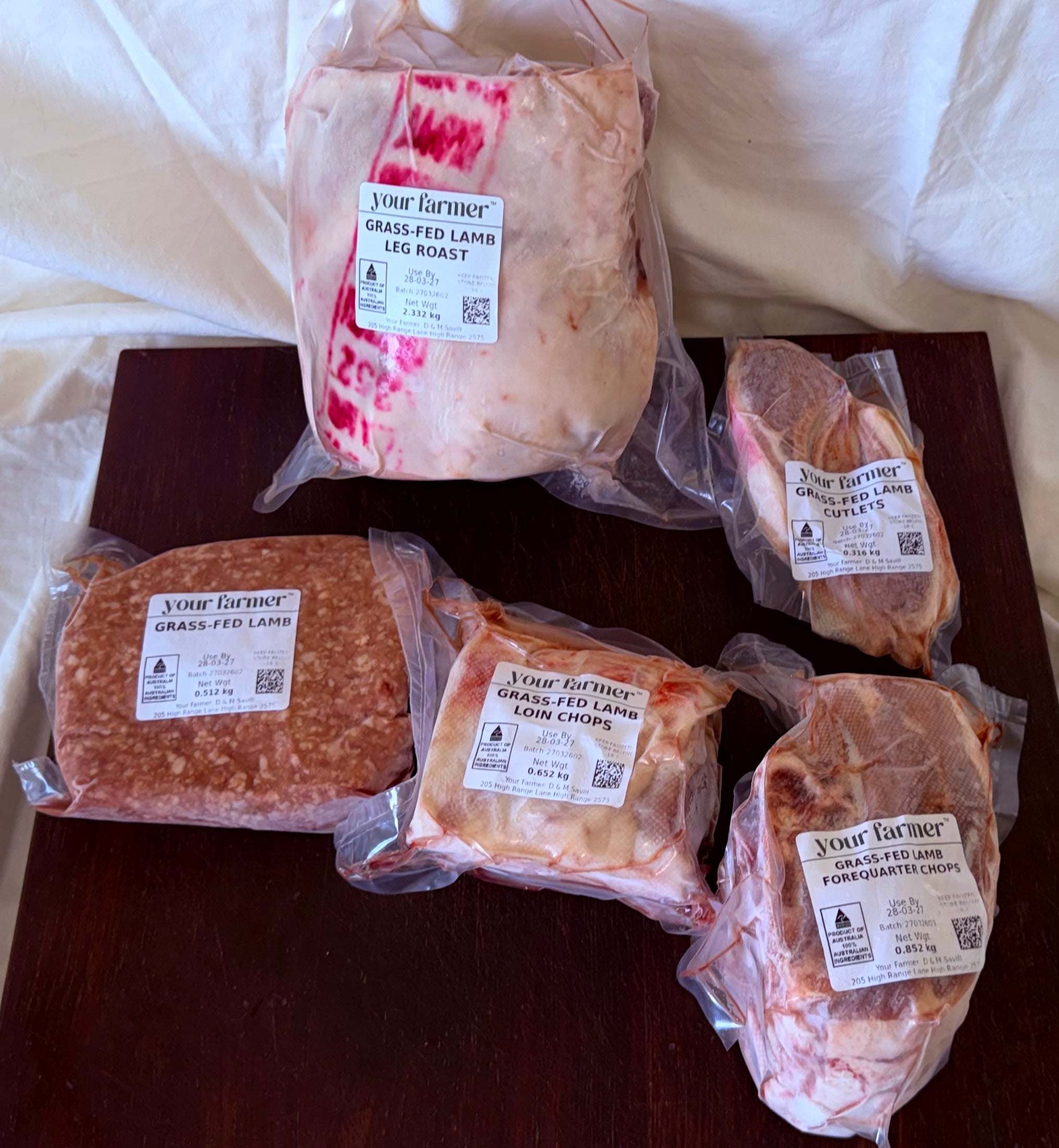
The bones ride along with our lamb subscription whenever you tick the add-on — one tick, two litres of better cooking.



Share:
Beef Daube Provencale with Olives and Orange
Beef Pot-au-Feu with Winter Vegetables