Provence's wine-dark Sunday braise — olives, orange and patience

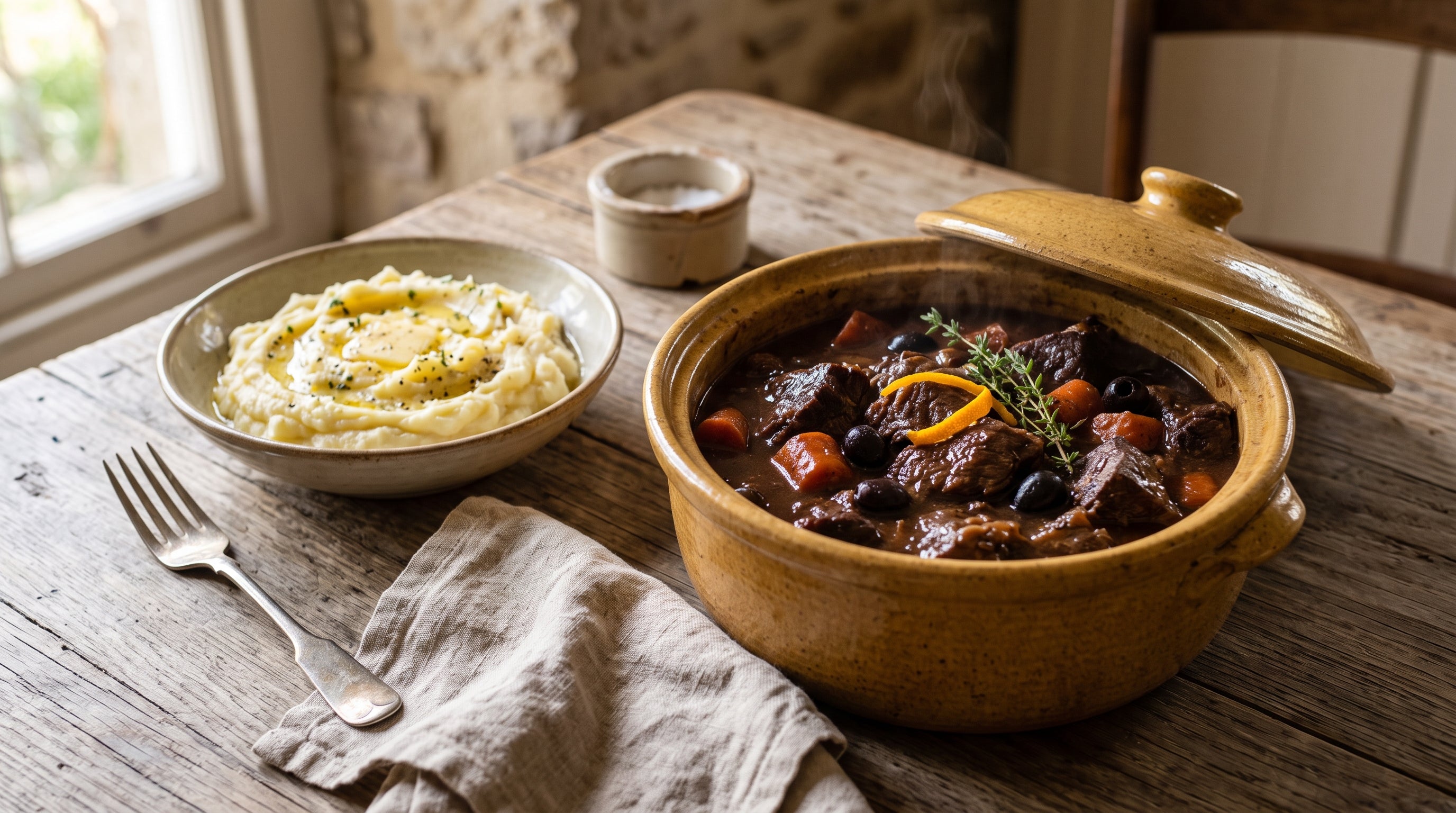
A daube is what happens when the south of France gets hold of a braising cut: red wine, tomatoes, a couple of strips of orange peel and a handful of olives, all barely simmering for the better part of an afternoon. It's the richest dinner you can build from the most affordable steak in your share. The orange doesn't make it sweet — it just lifts the whole pot — and the olives turn soft and savoury in the gravy. Proper slow Sunday cooking, and the house smells incredible for hours.

3 hrs 25 mins 3 servings Prep 25 minsCook 3 hrsMain CourseFrench

Ingredients

  • 430g Your Farmer grass-fed blade steak, cut into large chunks
  • 375ml dry red wine
  • 2 wide strips orange zest (use a vegetable peeler)
  • 2 tbsp olive oil
  • 1 brown onion, sliced
  • 2 carrots, thickly sliced
  • 3 cloves garlic, crushed
  • 1 tbsp plain flour
  • 400g can diced tomatoes
  • 2 bay leaves and 3 sprigs thyme
  • 80g pitted black olives
  • Salt and pepper to season
  • Mashed potato or pappardelle, to serve

Instructions

(Optional) The night before, combine the beef, wine, orange zest and bay leaves in a bowl, cover and refrigerate. Next day, drain — keeping the wine and aromatics — and pat the beef very dry.

430g blade steak375ml red wine2 strips orange zest

Preheat the oven to 150C. Heat the oil in a heavy casserole over medium-high heat and brown the beef well on all sides — dry beef browns, wet beef steams. Set aside.

2 tbsp olive oil

Soften the onion and carrot in the same pot for 6 to 8 minutes, add the garlic for a minute, then stir in the flour.

1 onion2 carrots3 cloves garlic1 tbsp plain flour

Pour in the wine, scraping the bottom well, then add the tomatoes, orange zest, bay and thyme. Return the beef and its juices and bring to a bare simmer.

400g diced tomatoes3 sprigs thyme

Cover and braise in the oven for 3 hours, adding the olives for the final 30 minutes. The beef should be soft enough to break with a spoon.

80g black olives

Lift out the zest, bay and thyme stalks, season well, and rest the pot for 10 minutes with the lid on before serving over mash or ribbons of pappardelle.

mashed potato or pappardelle

Appears in

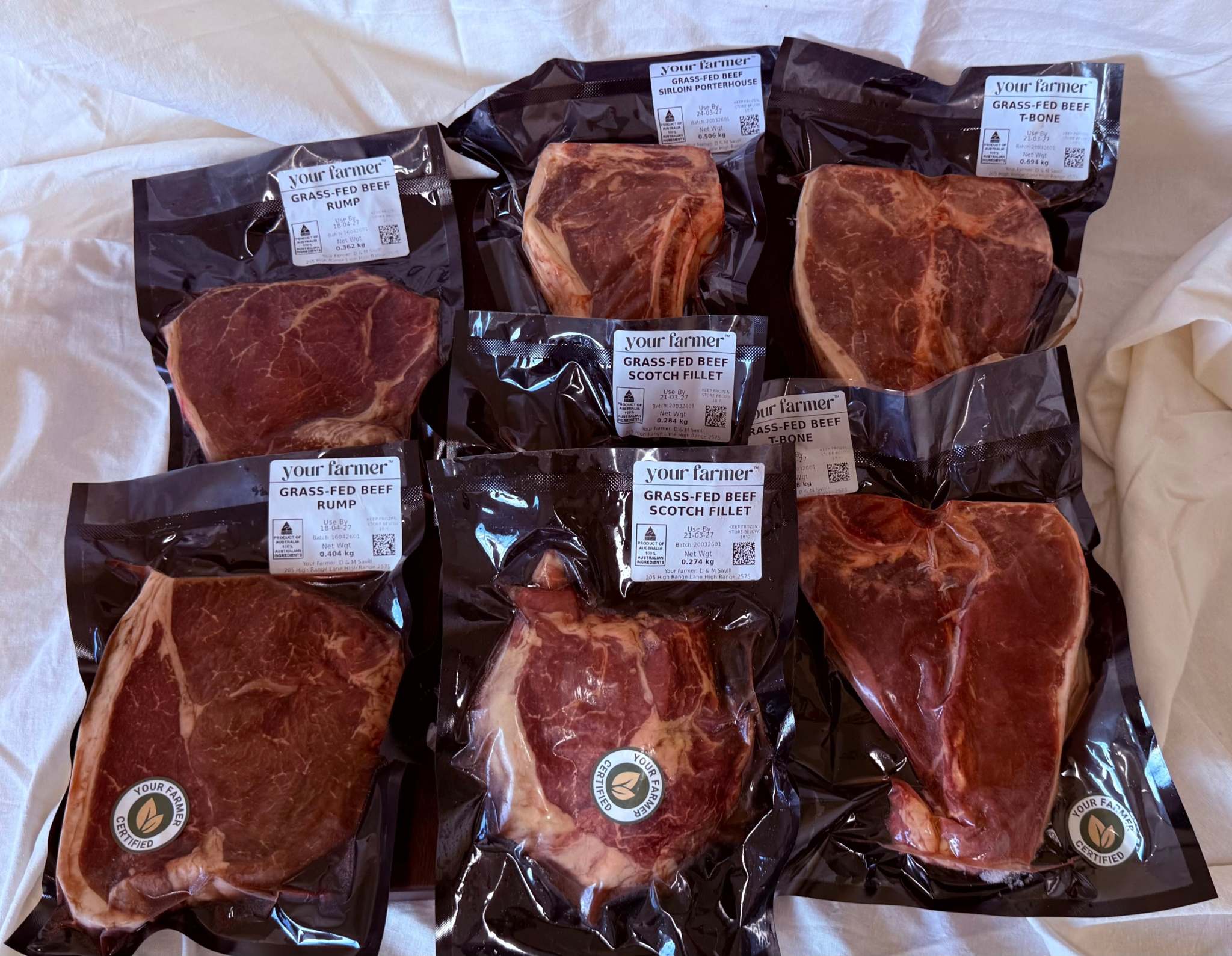
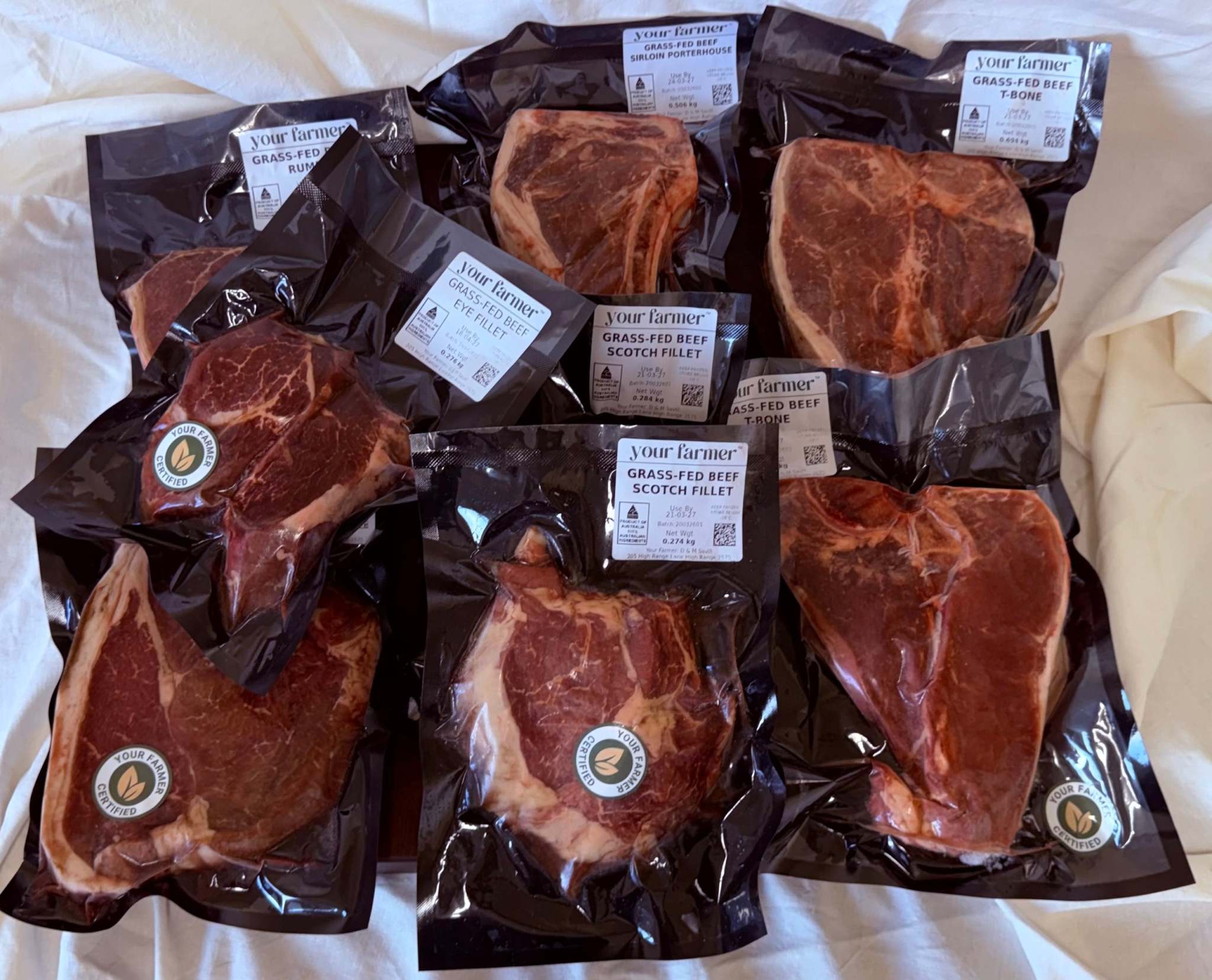
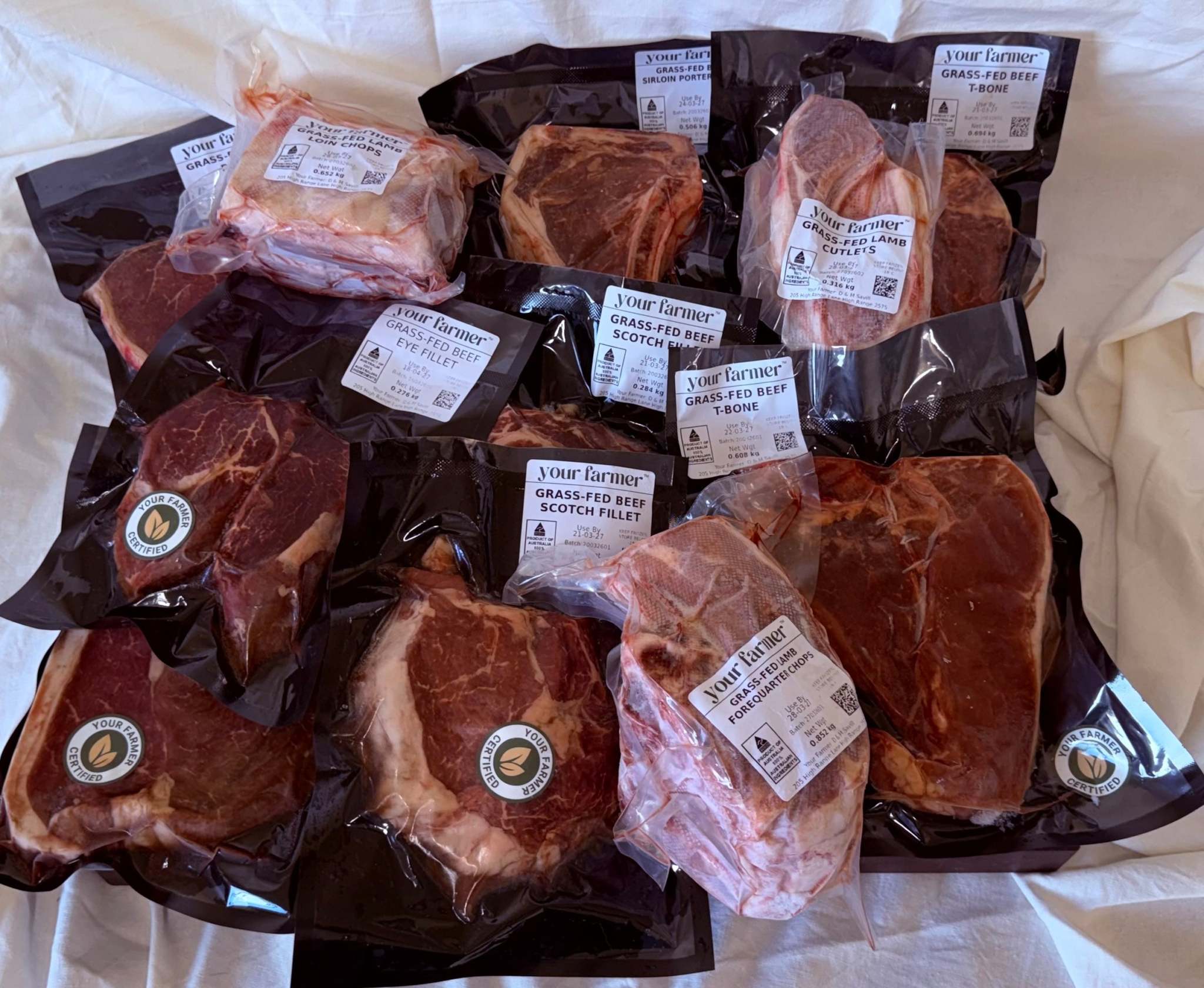
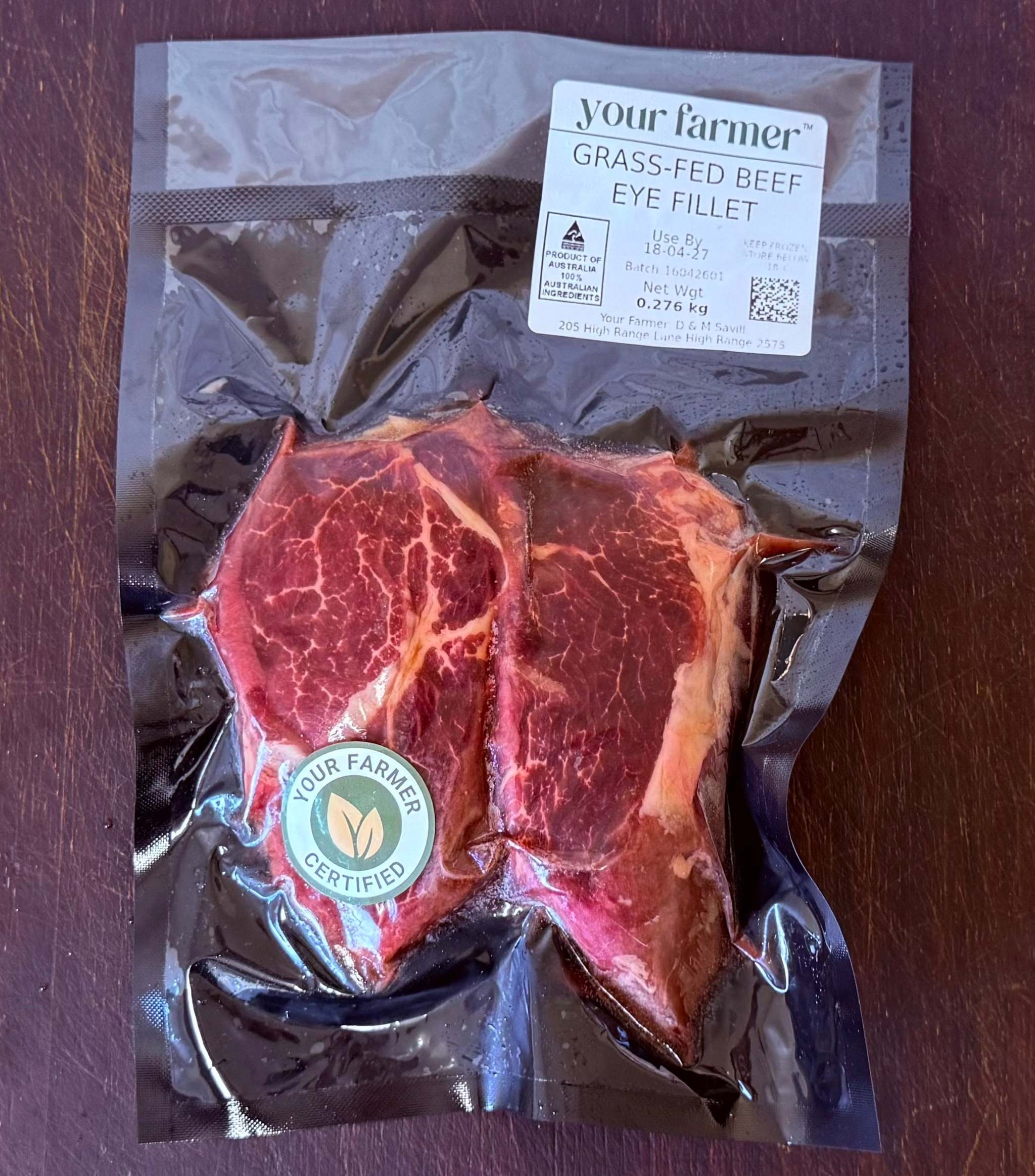
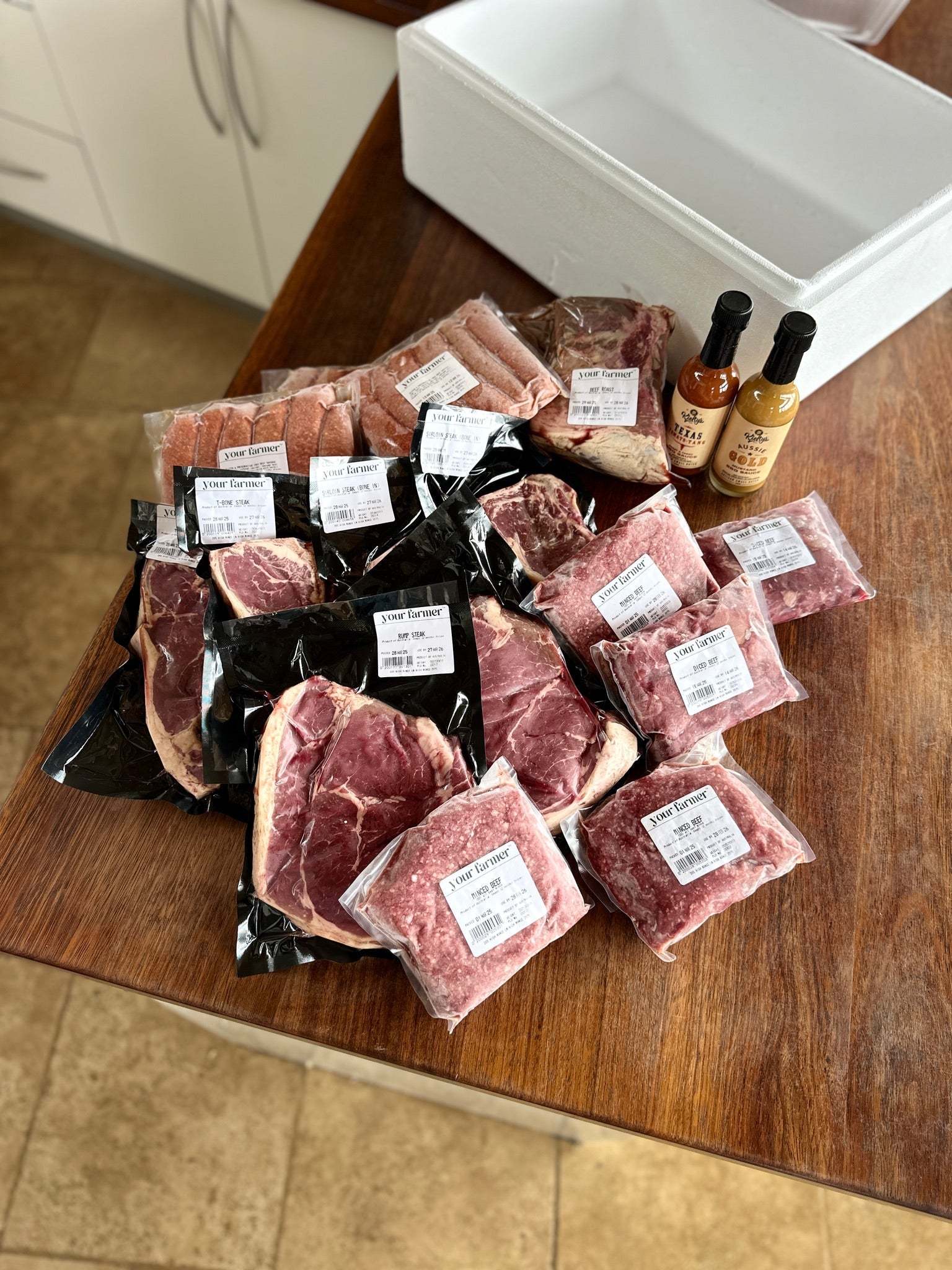
Pack B & Pack D shares — Blade (~430g)

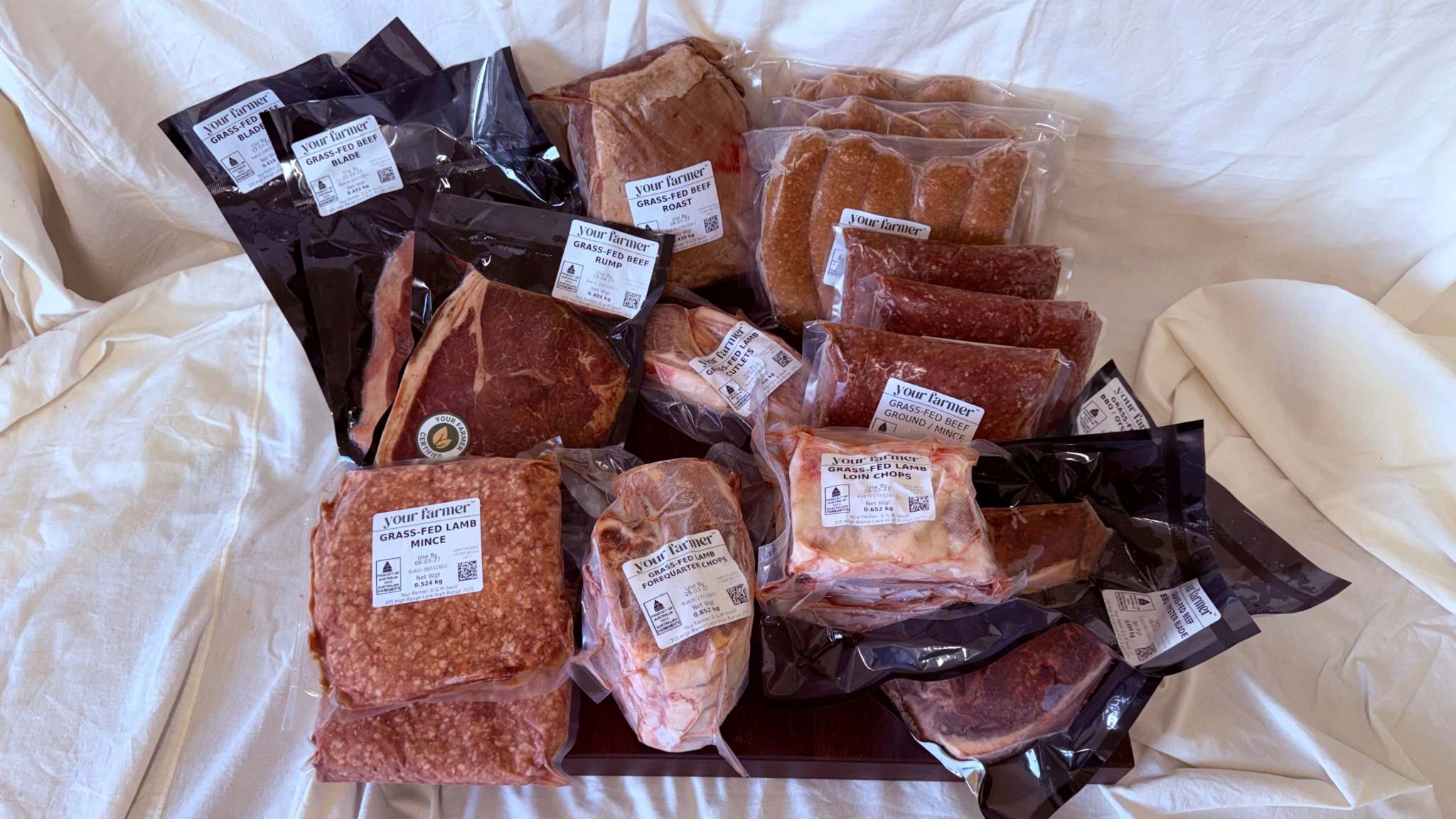
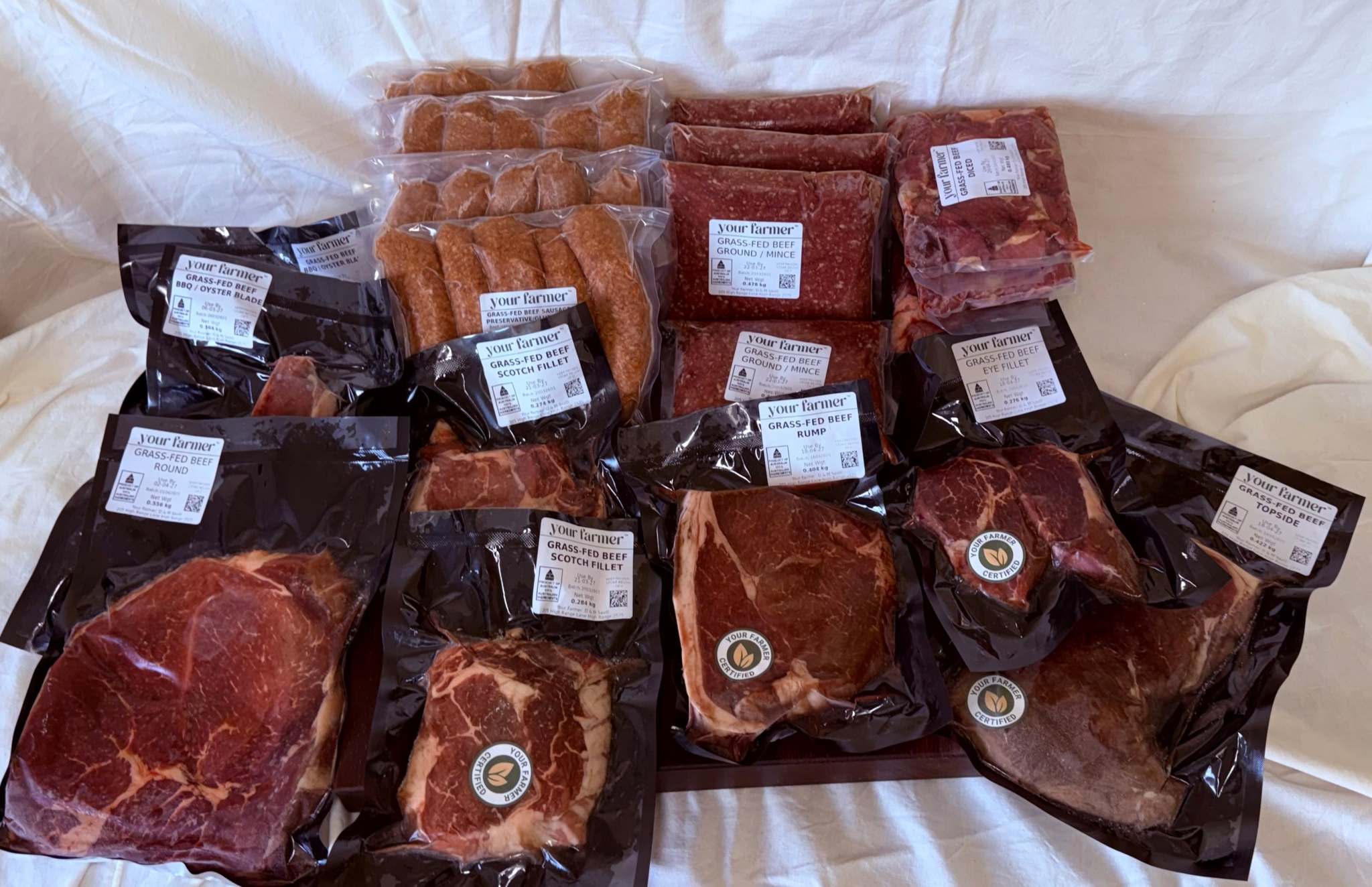
Your Farmer CSA grass-fed beef share — vacuum-sealed steaks, roasts, mince and sausages, paddock-to-plate NSW & ACT delivery
Sale price From $152.00Regular price $169.99

The Cheapest Steak, the Richest Pot

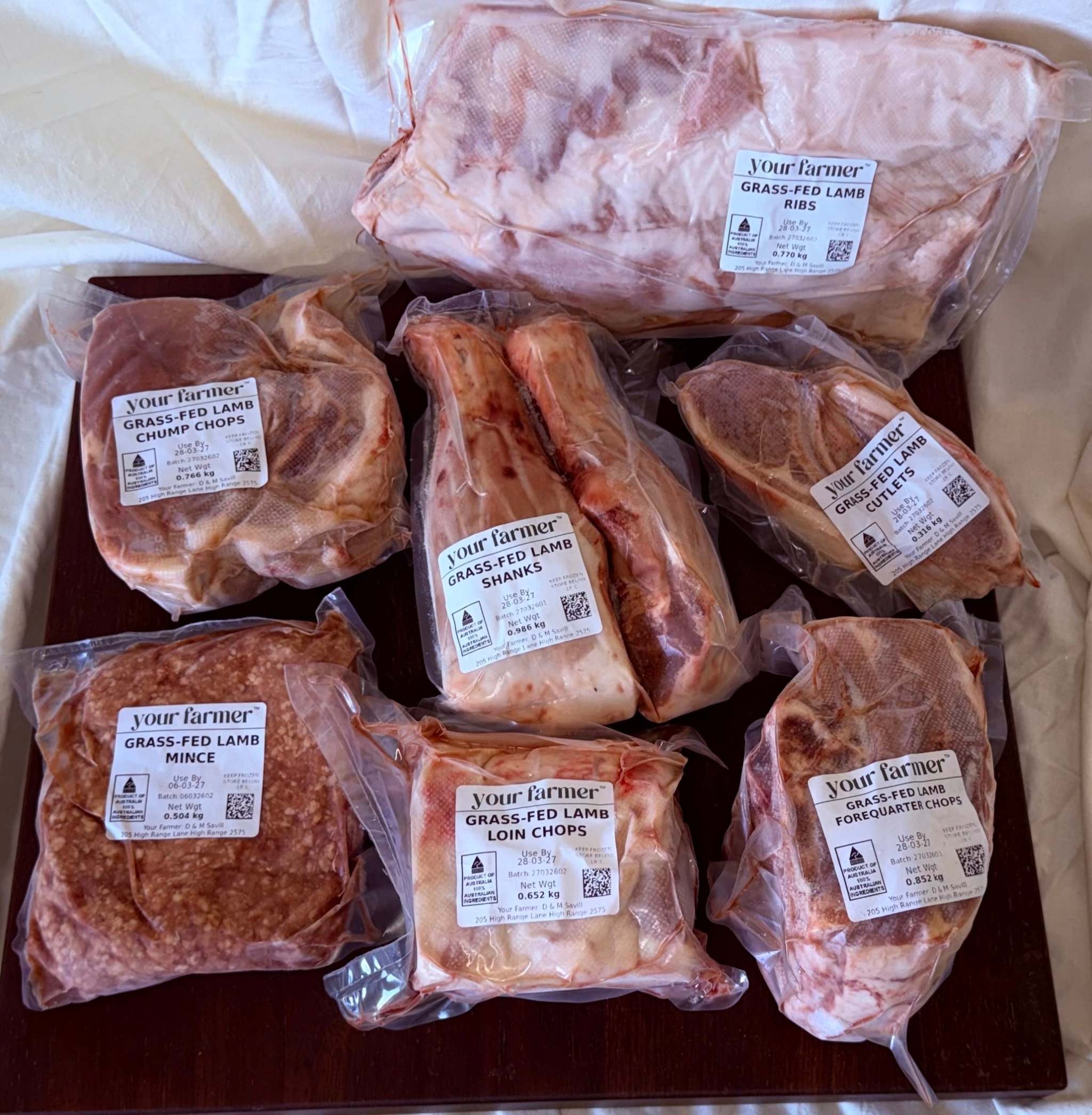
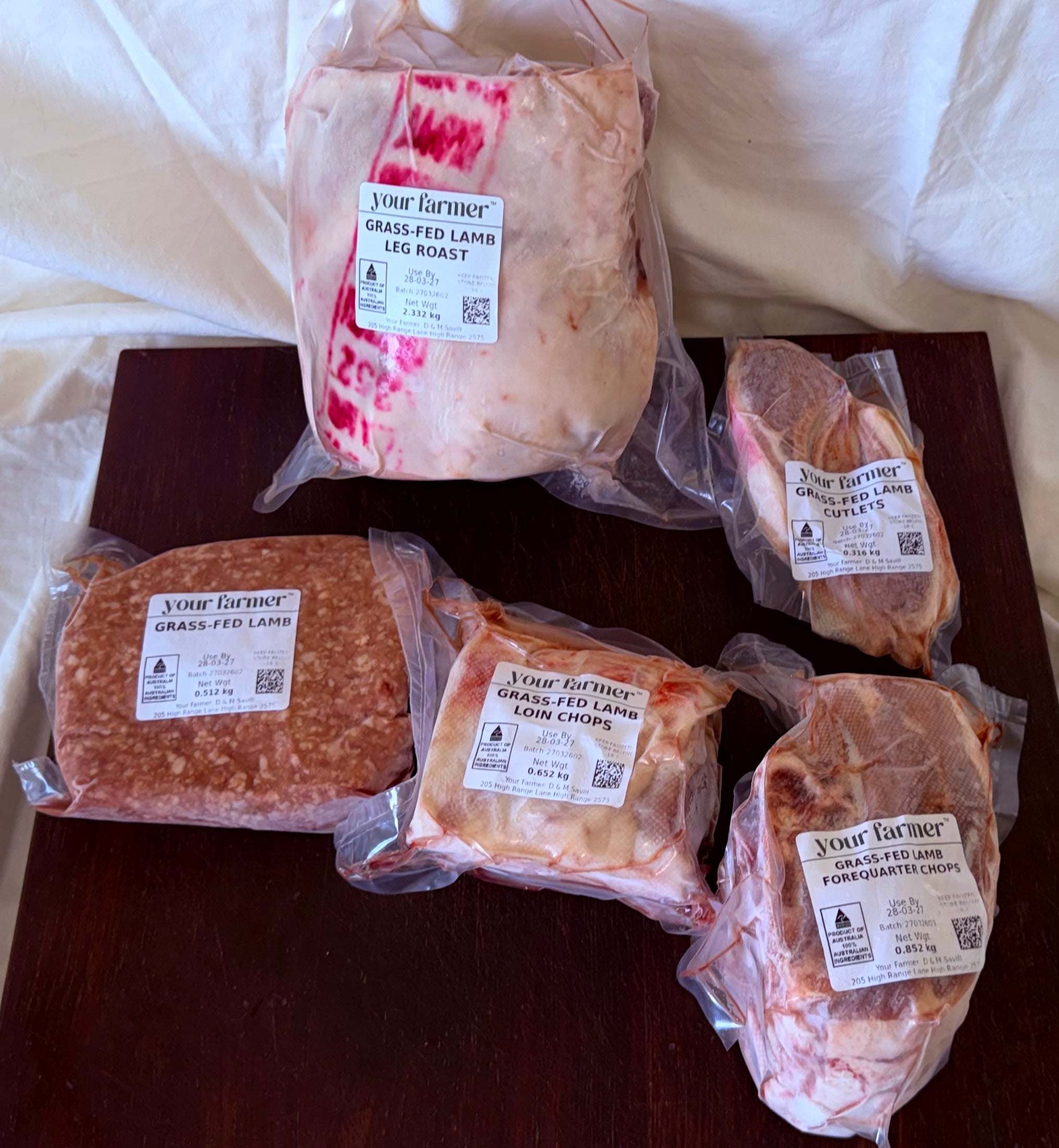
The daube is old Provencal farmhouse cooking — the pot went on in the morning, sealed tight, and barely bubbled all day while everyone got on with the work. It was never made with expensive beef, because it never needed to be: three hours at 150C dissolves the seam running through each Your Farmer® blade steak into gelatine, and gelatine is what gives a daube its signature gravy — dark, glossy, and rich enough to coat the back of a spoon. The orange zest and olives are what make it a daube rather than a generic stew. Neither shouts; the zest perfumes the wine and the olives season the sauce from within. Blade is a ~430g pack from Pack B and Pack D beef shares — for where it sits in the whole animal, our guide to every beef cut has the full map.

Swaps and Variations

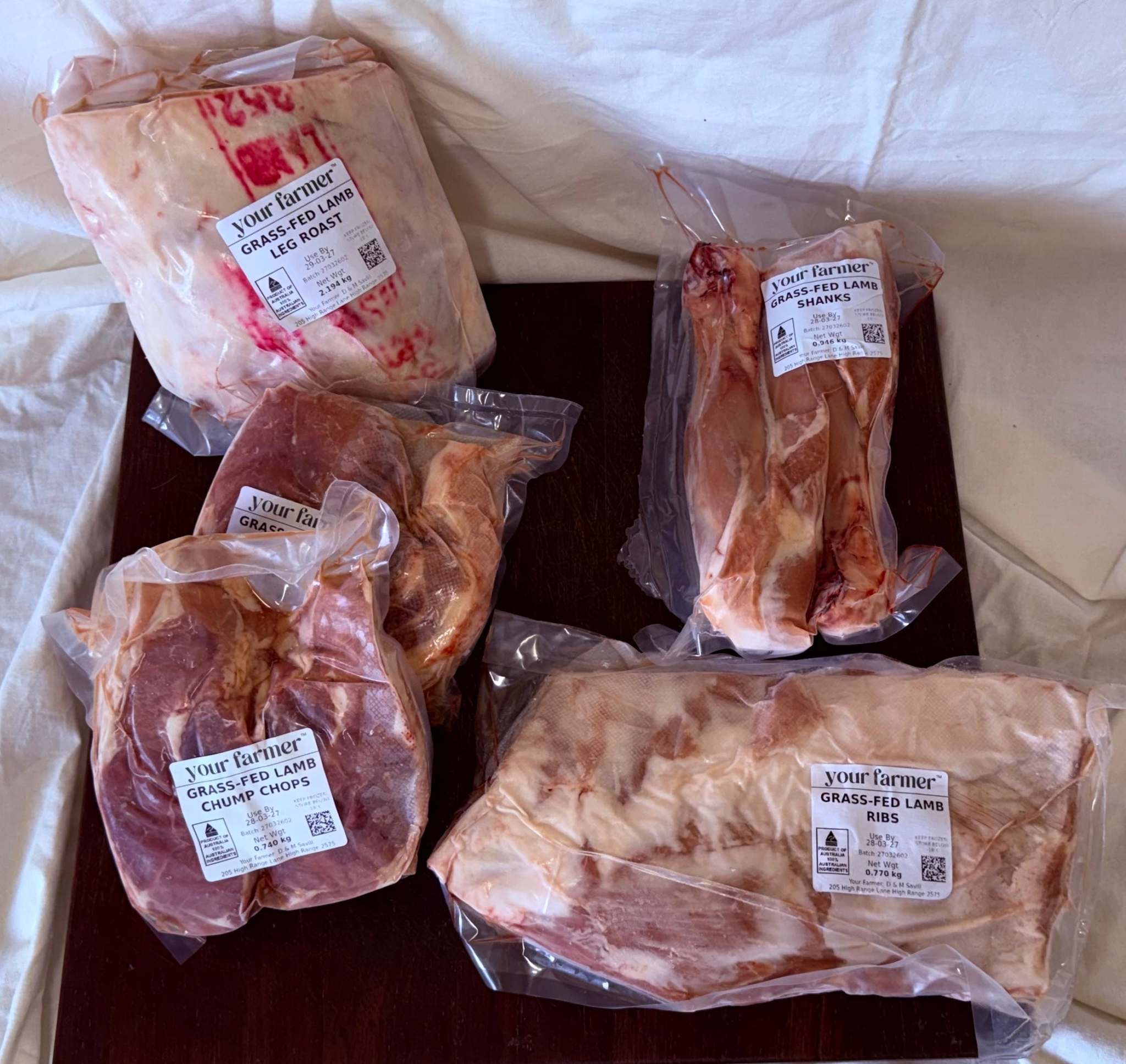
Lamb daube is entirely traditional — forequarter chops or a cubed lamb roast, same timing, and the orange flatters lamb just as well. A chopped anchovy melted in with the garlic deepens the sauce without a trace of fish, and a handful of button mushrooms in the last hour is a common family addition across Provence. In Provence the classic partner is macaronade — pasta tossed with a ladle of the daube gravy and grated cheese — which is a strong argument for the pappardelle option. And if slow Sunday pots are your happy place, our Sunday bolognese keeps the same lazy afternoon company.

Storage and Leftovers

Daube was traditionally made the day before it was eaten, and day two really is better — the wine mellows and the gravy sets richer. Fridge, airtight, 3 to 4 days; freezer up to 3 months; reheat gently on the stove. Leftover move: shred the beef through the gravy, toss it with short pasta and cheese, and you've made macaronade the way it was always meant to happen — from what's left in the pot.

One pot like this a month is reason enough for a box of grass-fed beef and lamb in the freezer.
Frequently asked questions

Do I have to marinate the beef overnight?

No — the marinade adds a deeper wine flavour, but the daube is excellent without it. If you skip it, just start at the browning step with everything straight from the fridge.

What red wine should I use?

A dry, medium-bodied red you'd happily drink — a shiraz, grenache or GSM blend suits the dish's southern French roots. Avoid anything sweet, and never anything sold as cooking wine.

Will the orange make it taste like marmalade?

Not at all. Two strips of zest perfume the sauce with a background brightness you'd struggle to name if you didn't know it was there. Peel the zest thick and avoid the white pith, which is bitter.

Can I cook it in the slow cooker?

Yes. Complete the browning and vegetable steps in a pan, then cook on LOW for 8 hours with the wine reduced by a third first. Add the olives for the last half hour.

What olives are best?

Pitted kalamatas or small French-style black olives from the deli section. Rinse very salty olives before they go in so they don't tip the seasoning of the finished sauce.

Three Simple Steps

A whole table of real food.

Your Farmers grow grass-fed beef and lamb, pastured eggs and the best eco-grown veggies and produce — every item grown to the same ecological standard, every farmer one you can know by name. One subscription, your whole real-food shop.

01

Reserve your share — or try a pack

Subscribe to a share of the harvest, or start with a one-off fixed pack.

02

Make it your own

Pick your delivery rhythm and what's in the box. Skip or cancel anytime — no lock-in.

03

Cook, savour, know your farmer

We deliver in a reusable esky we collect next time. No couriers, no waste.

More Recipes

View all

Greek-style grass-fed lamb roast with lemon and oregano served over golden potatoes in a ceramic baking dish.

Greek-Style Lamb Roast with Lemon and Oregano

Lemon, oregano and time — the Greek family-table treatment for the whole cut

Every Greek family has a version of this and none of them are wrong. Garlic, dried oregano and lemon get worked deep into the lamb, potatoes go underneath to catch everything that falls, and the oven runs slow enough that nobody has to watch it. What comes out isn't pink, carve-at-the-table lamb — it's the other thing entirely: golden on top, giving underneath, with lemony potatoes that half the table will fight over harder than the meat. It's Sunday cooking from a country that takes Sundays seriously.

Read moreabout Greek-Style Lamb Roast with Lemon and Oregano

Low-and-slow barbecued grass-fed lamb ribs with a dry-rub bark, sliced on butcher's paper.

Low-and-Slow BBQ Lamb Ribs with Dry Rub

Paprika, brown sugar, patience — American barbecue discipline meets Australian lamb

This is the recipe for the day you've decided the barbecue is the afternoon's entertainment, not just the cooking appliance. No foil, no shortcuts: a paprika and brown sugar rub, a hooded barbecue held low around 140C, and three or so unhurried hours while the fat renders, the spice sets into proper bark and the smell slowly takes over the street. Lamb ribs suit the American low-and-slow treatment better than most people expect — they're smaller and fattier than pork ribs, so you get all the bark in less time. Pour something cold. This one's a sit-outside recipe.

Read moreabout Low-and-Slow BBQ Lamb Ribs with Dry Rub

Grilled grass-fed lamb chump chops sliced over a warm French-style lentil salad with mustard dressing.

Grilled Chump Chops with Warm Lentil Salad

Charred chops over mustardy lentils — the bistro order, made at home

Walk into any honest bistro in France and there'll be lamb with lentils somewhere on the board. It works because the two halves trade favours — earthy lentils soak up the lamb's resting juices, and a sharp Dijon dressing cuts the richness of a properly charred chop. The lentils simmer away on their own for twenty-five minutes while you see to the chops, so the timing looks after itself. Hearty without being heavy, smart enough for guests, and most of it comes from the pantry.

Read moreabout Grilled Chump Chops with Warm Lentil Salad