Understanding your roast — and making it sing

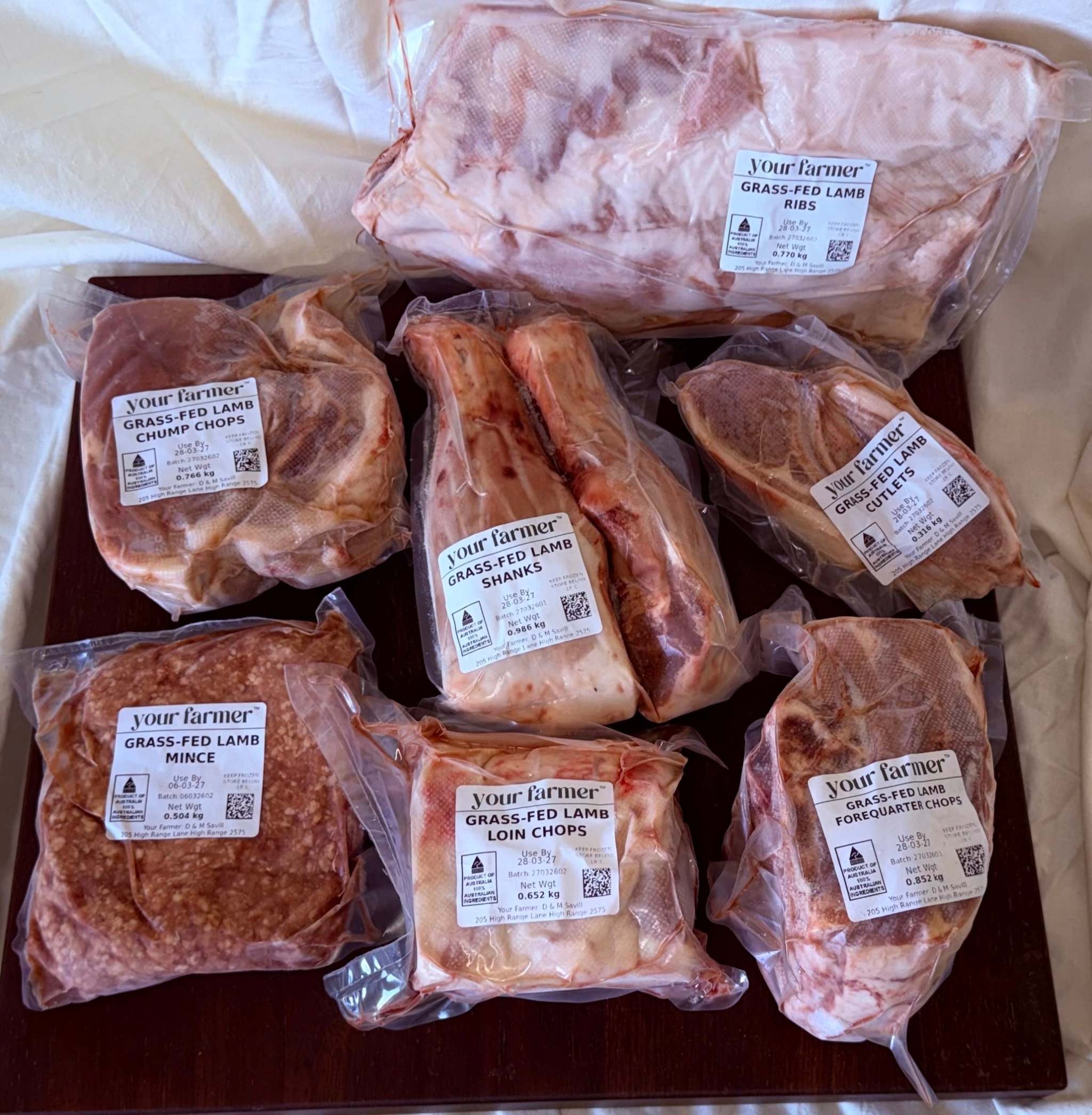
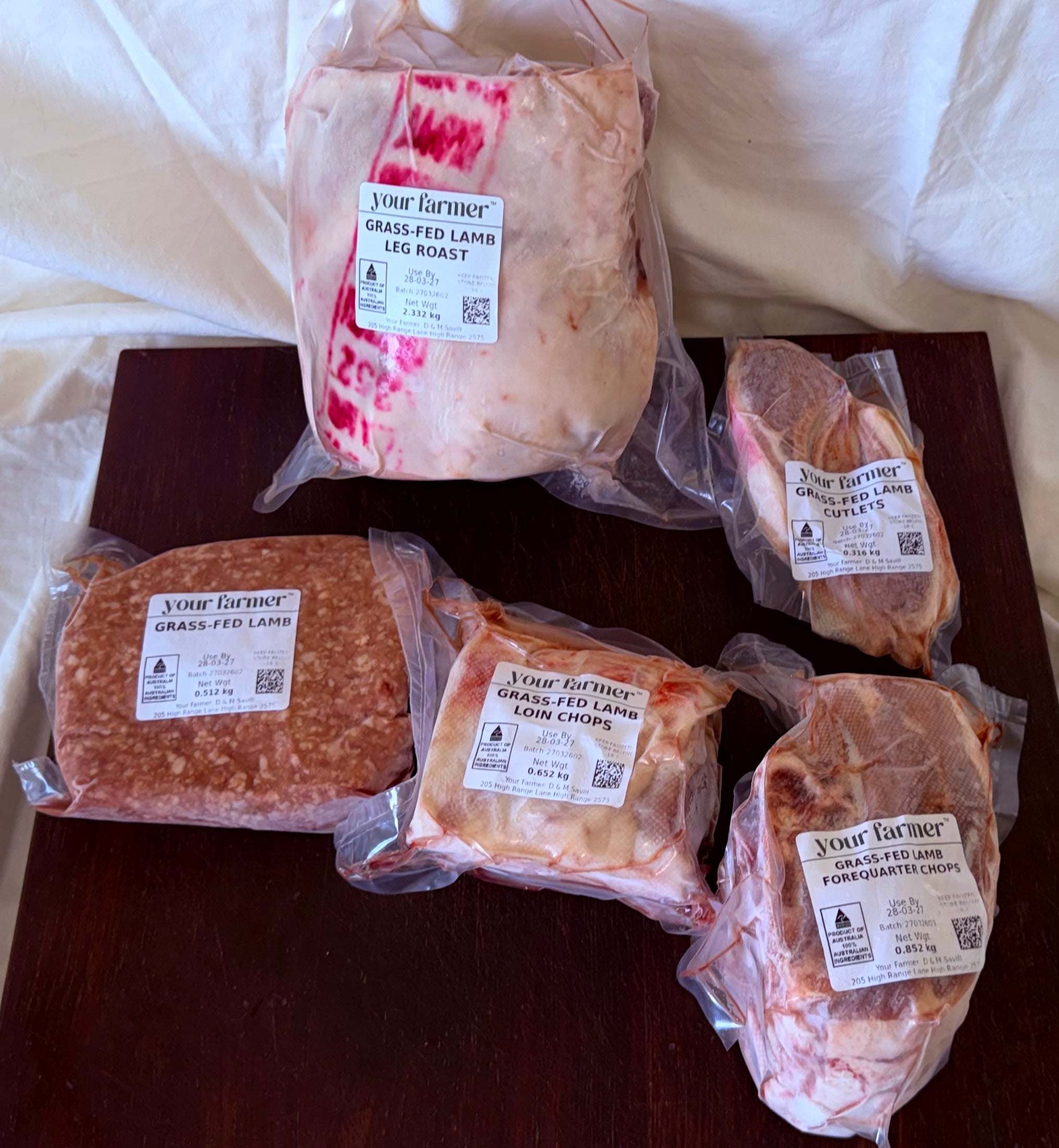
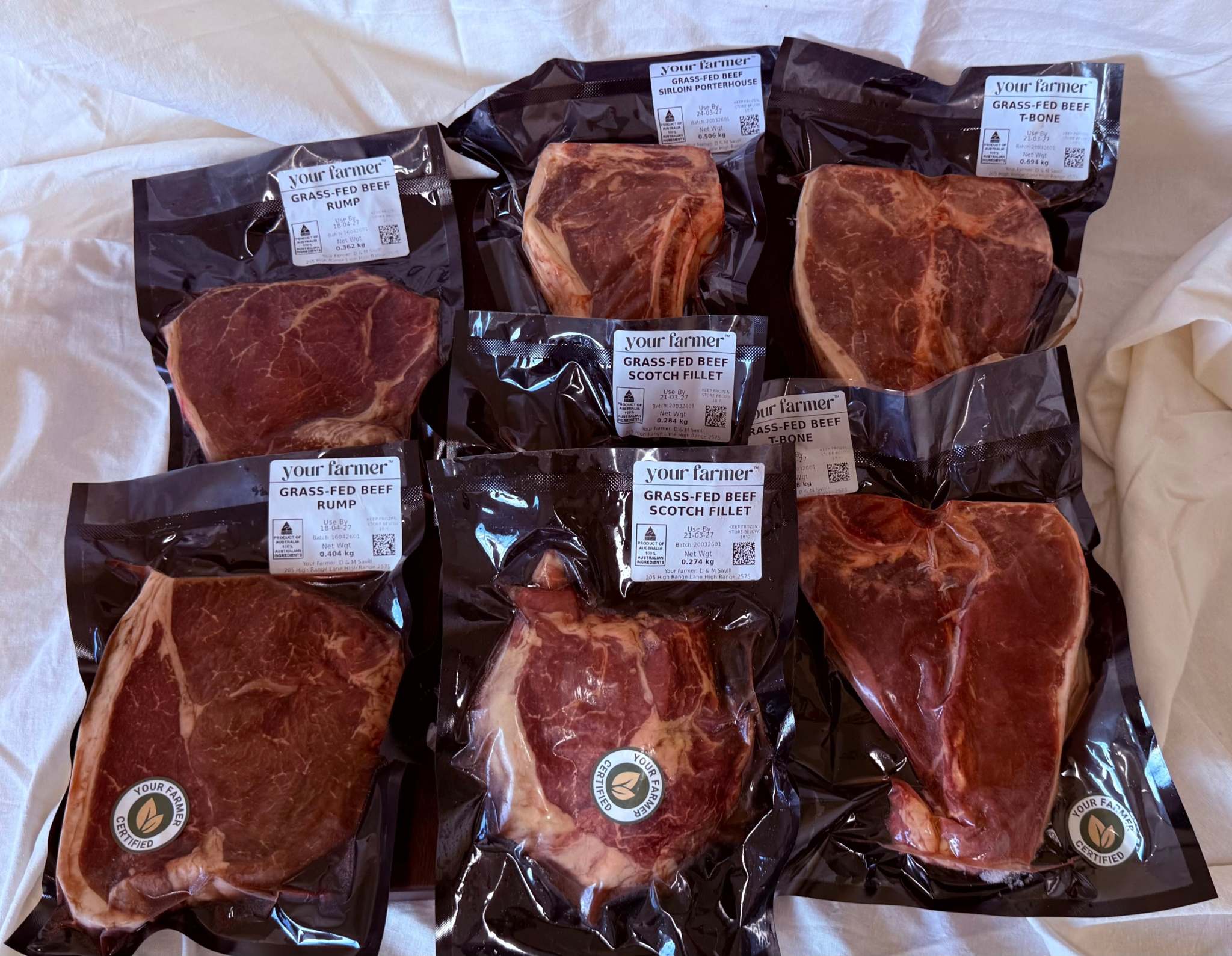
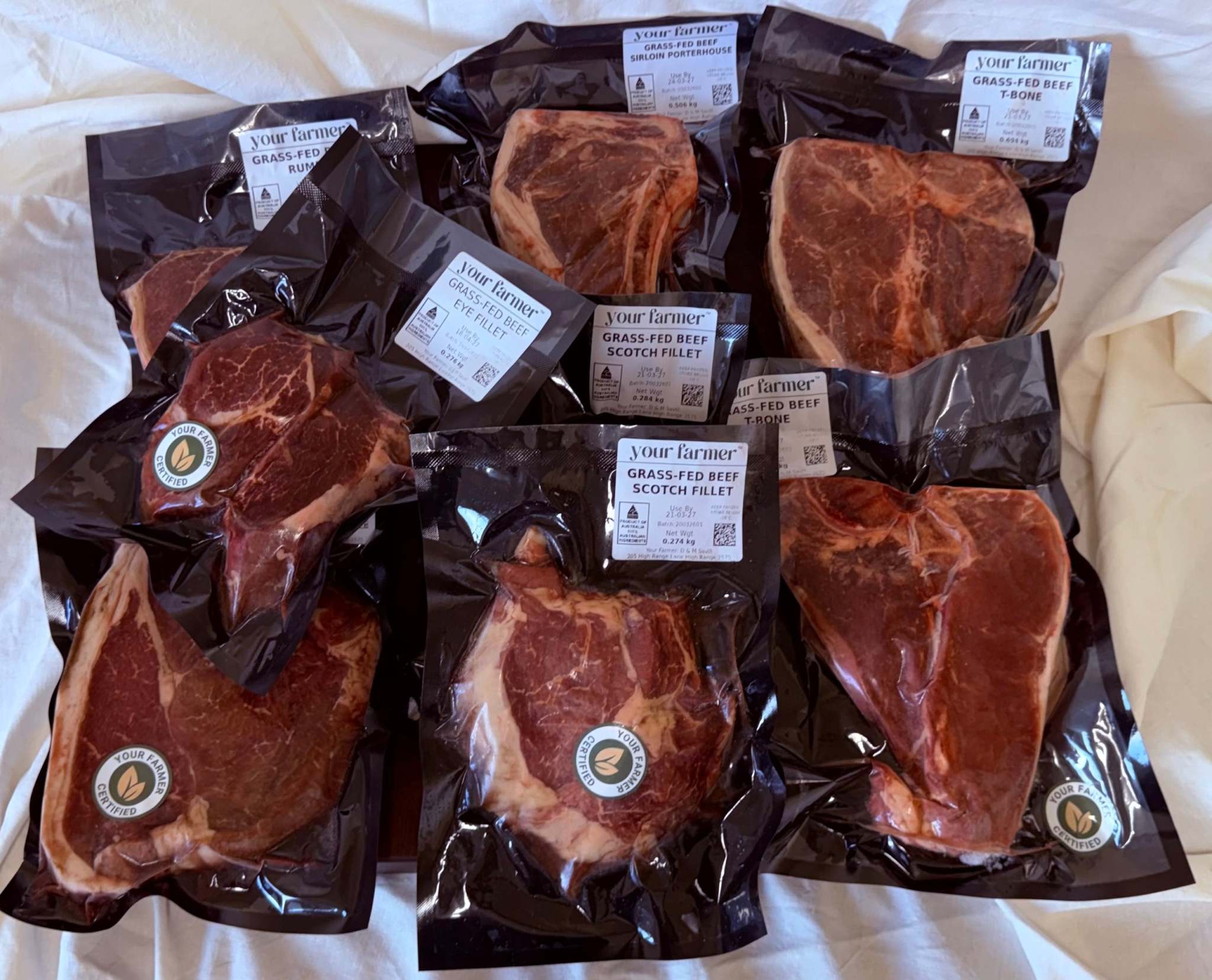
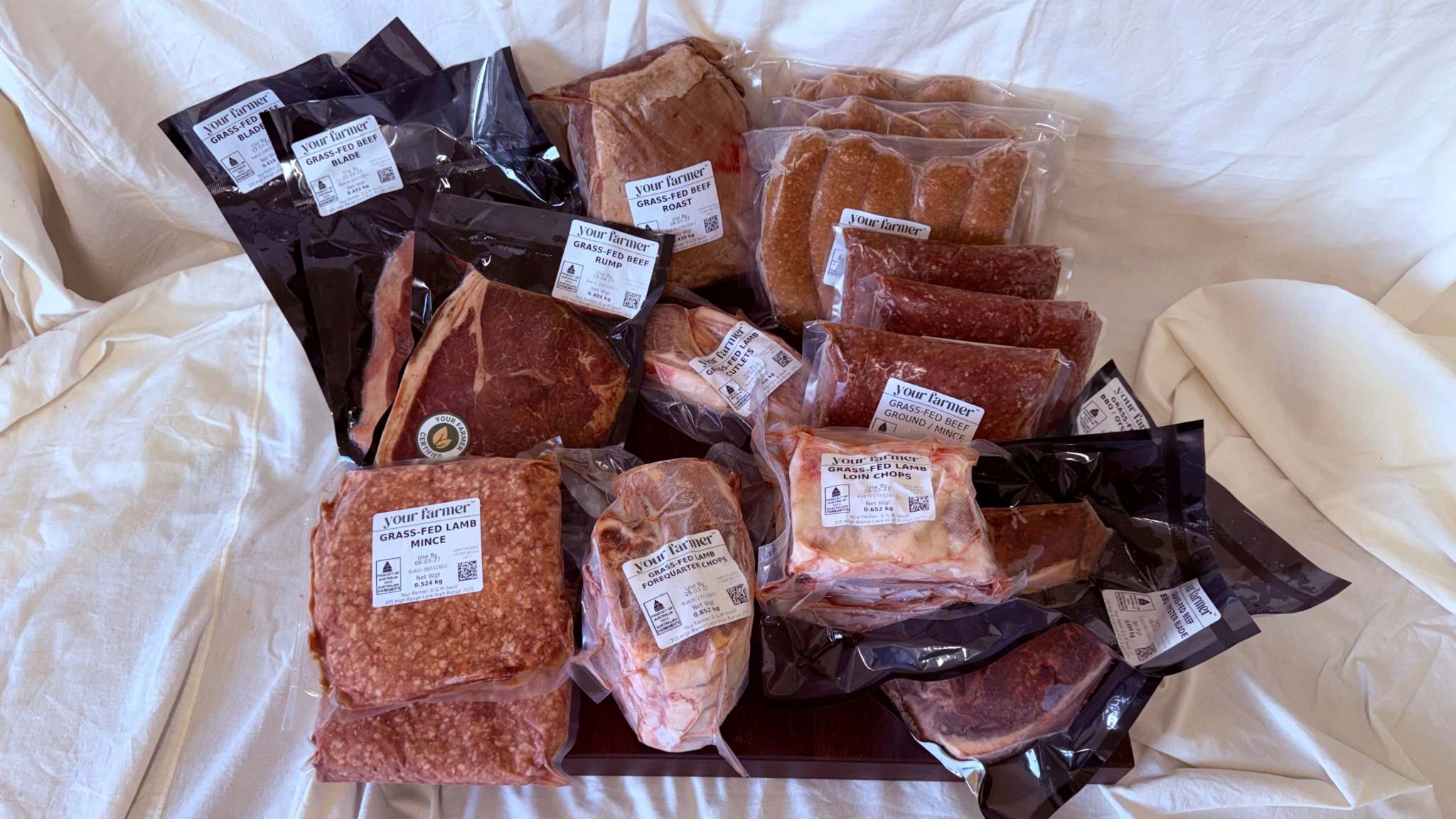
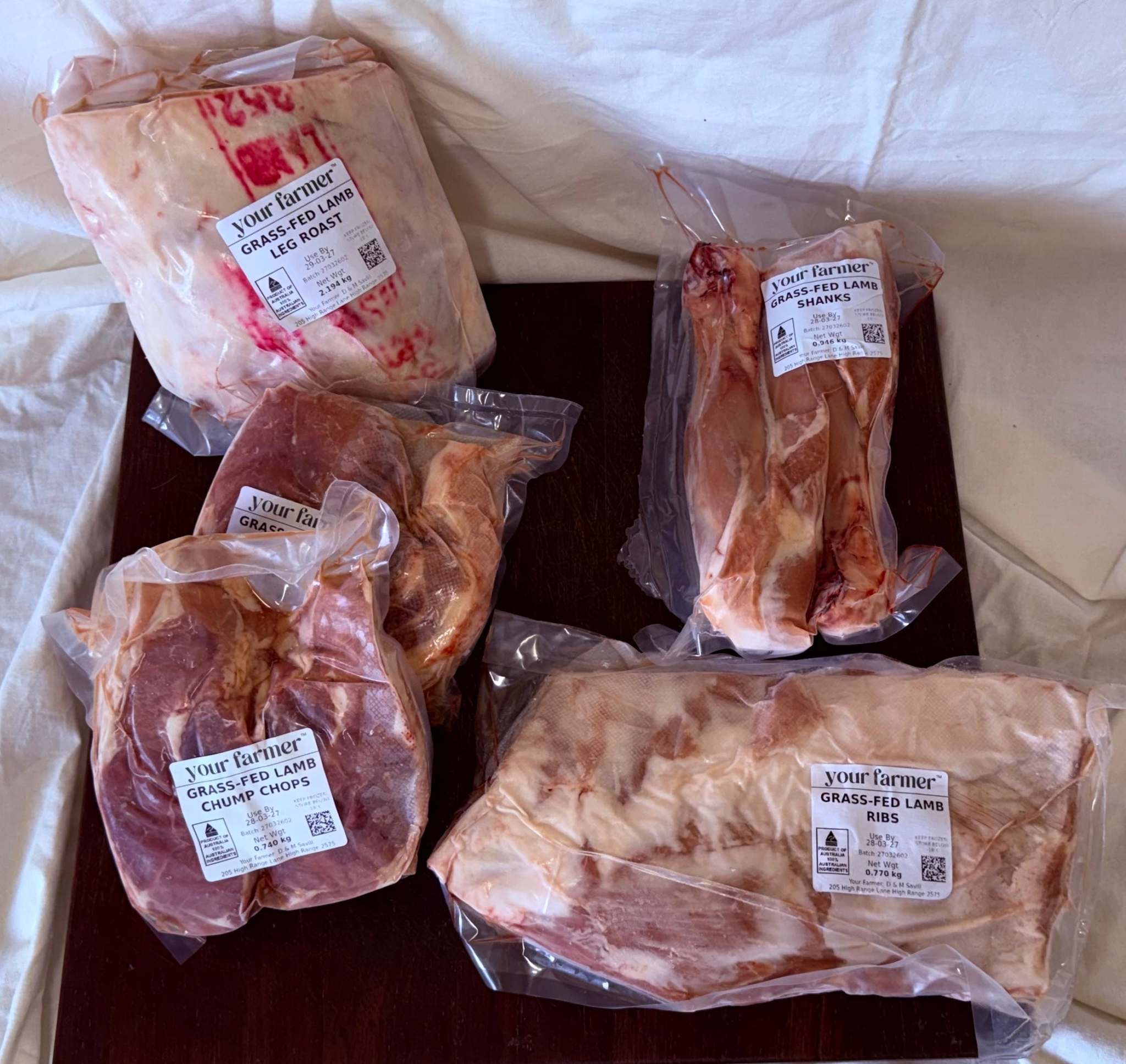
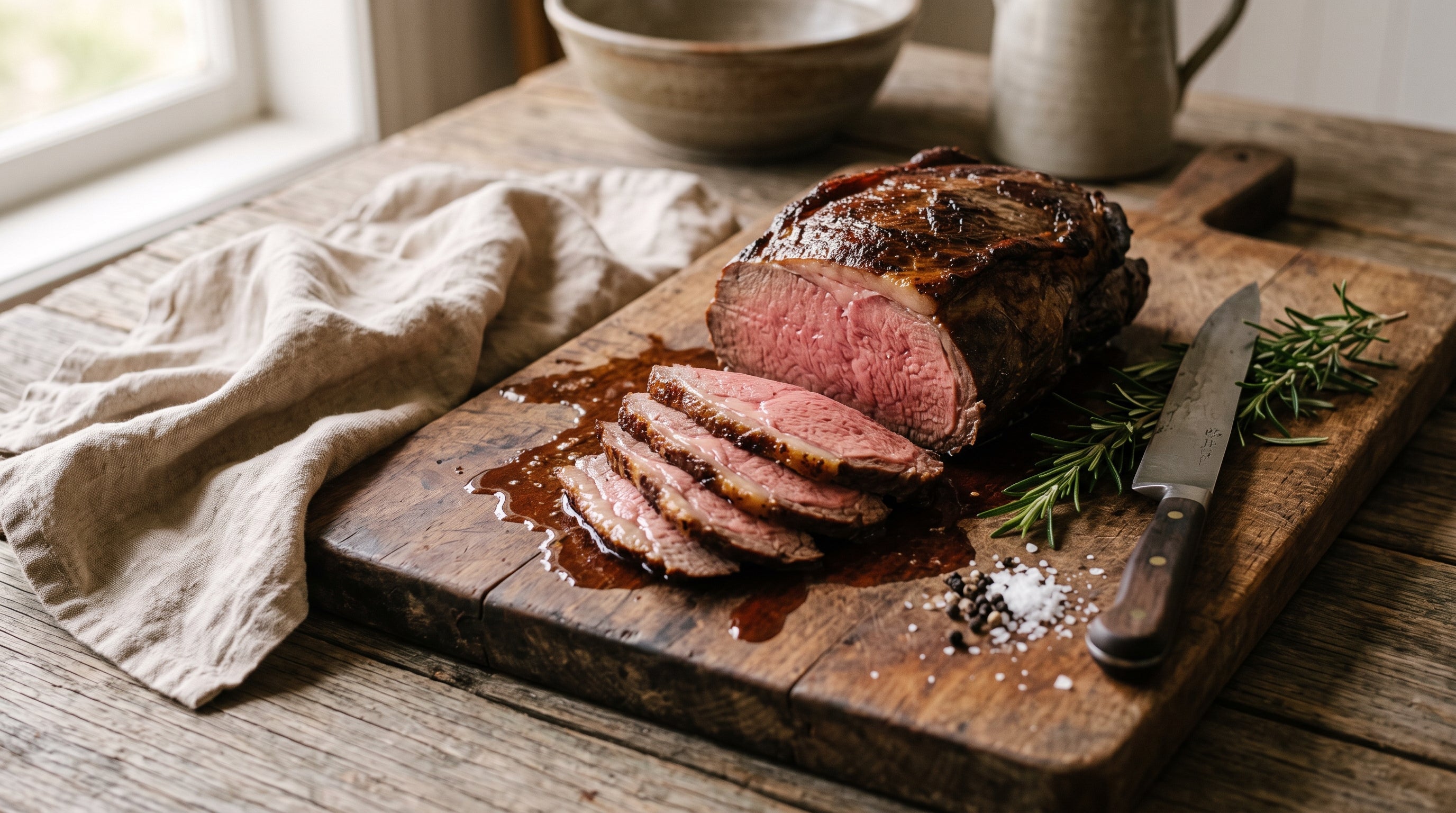
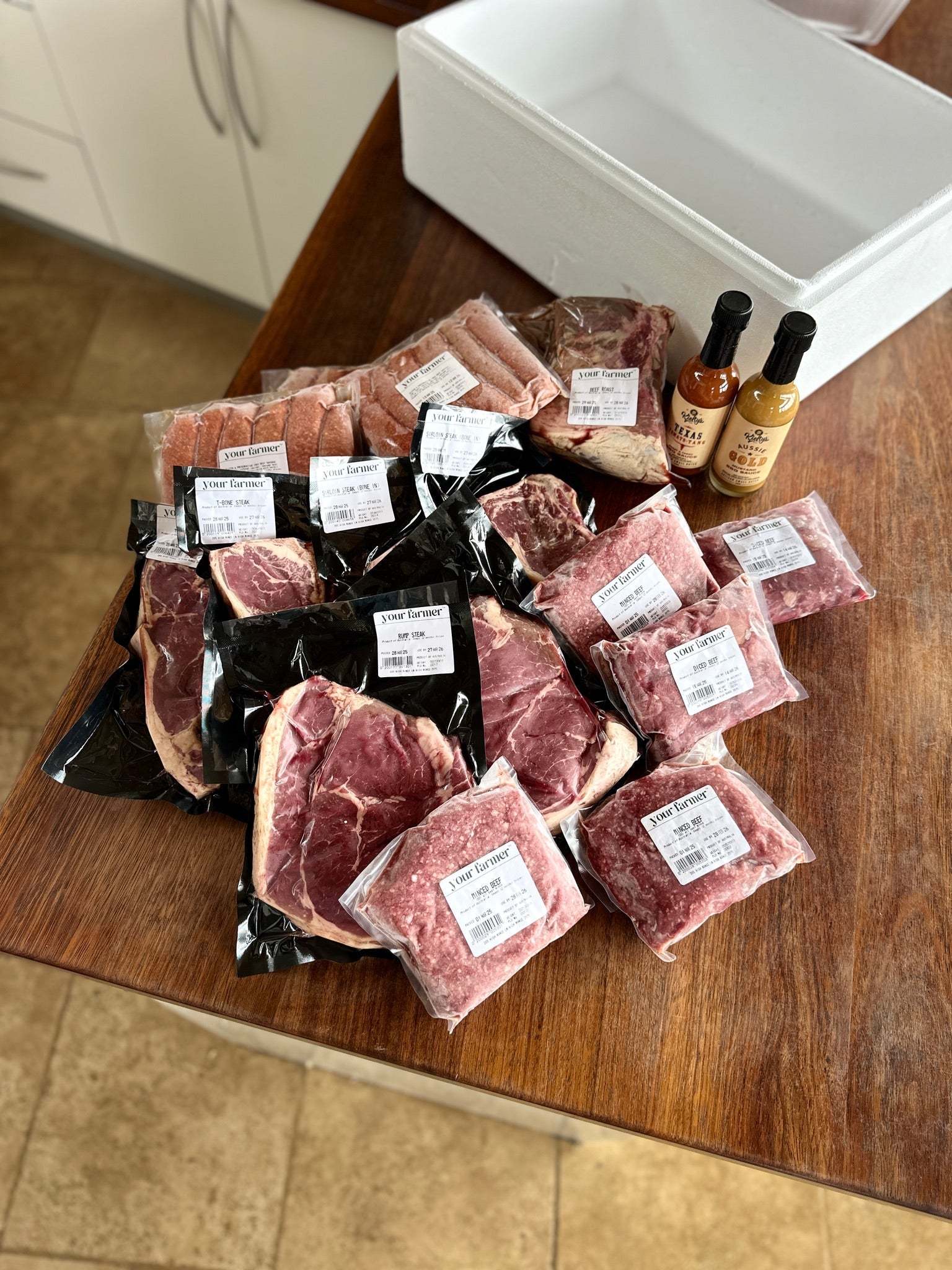
A 1.4kg grass-fed roast is a generous, meaningful piece of meat. It is the heart of a Sunday dinner, the source of Monday's leftovers, and Tuesday's sandwich. Grass-fed beef has less intramuscular fat than grain-fed, so heat management is everything — a lower, slower oven rewards you far more than a blasting hot one.

1 hr 45 mins 6 servings Prep 15 minsCook 1 hr 30 minsMain CourseAustralian

Ingredients

  • Your Farmer grass-fed roast (~1.4kg)
  • 4 cloves garlic, cut into slivers
  • Fresh rosemary sprigs
  • 2 tbsp Dijon mustard
  • 2 tbsp olive oil
  • Salt and cracked pepper
  • 1 cup red wine (for the jus)
  • 500ml beef stock (for the jus)

Instructions

Bring the roast to room temperature — remove from the fridge 45 minutes before cooking.

~1.4kg roast

Score the surface and push garlic slivers and rosemary into the cuts. Rub all over with mustard and olive oil. Season generously with salt and pepper.

4 cloves garlicrosemary sprigs2 tbsp Dijon mustard2 tbsp olive oil

Sear in an oven-proof pan over high heat until browned on all sides.

Roast at 160°C — approximately 25 minutes per 500g for medium-rare (internal temperature 57°C). Use a meat thermometer for accuracy.

Rest, loosely covered with foil, for at least 20 minutes.

Deglaze the roasting pan with wine over medium heat, scraping up all the browned bits. Add the stock and reduce by half until slightly syrupy. Season.

1 cup red wine500ml beef stock

Carve against the grain and serve with the pan jus.

Appears in

Pack A & Pack C shares — Roast (~1.4kg)

💡 Rest your roast for at least 20 minutes before carving. The juices redistribute throughout the meat rather than running onto the board. This is not optional.

Making the Most of Leftovers

Leftover roast beef is one of the great kitchen assets. Slice thinly for sandwiches with horseradish and rocket. Shred and toss through a stir-fry. Dice into a hash with potatoes and eggs. Never waste a roast.

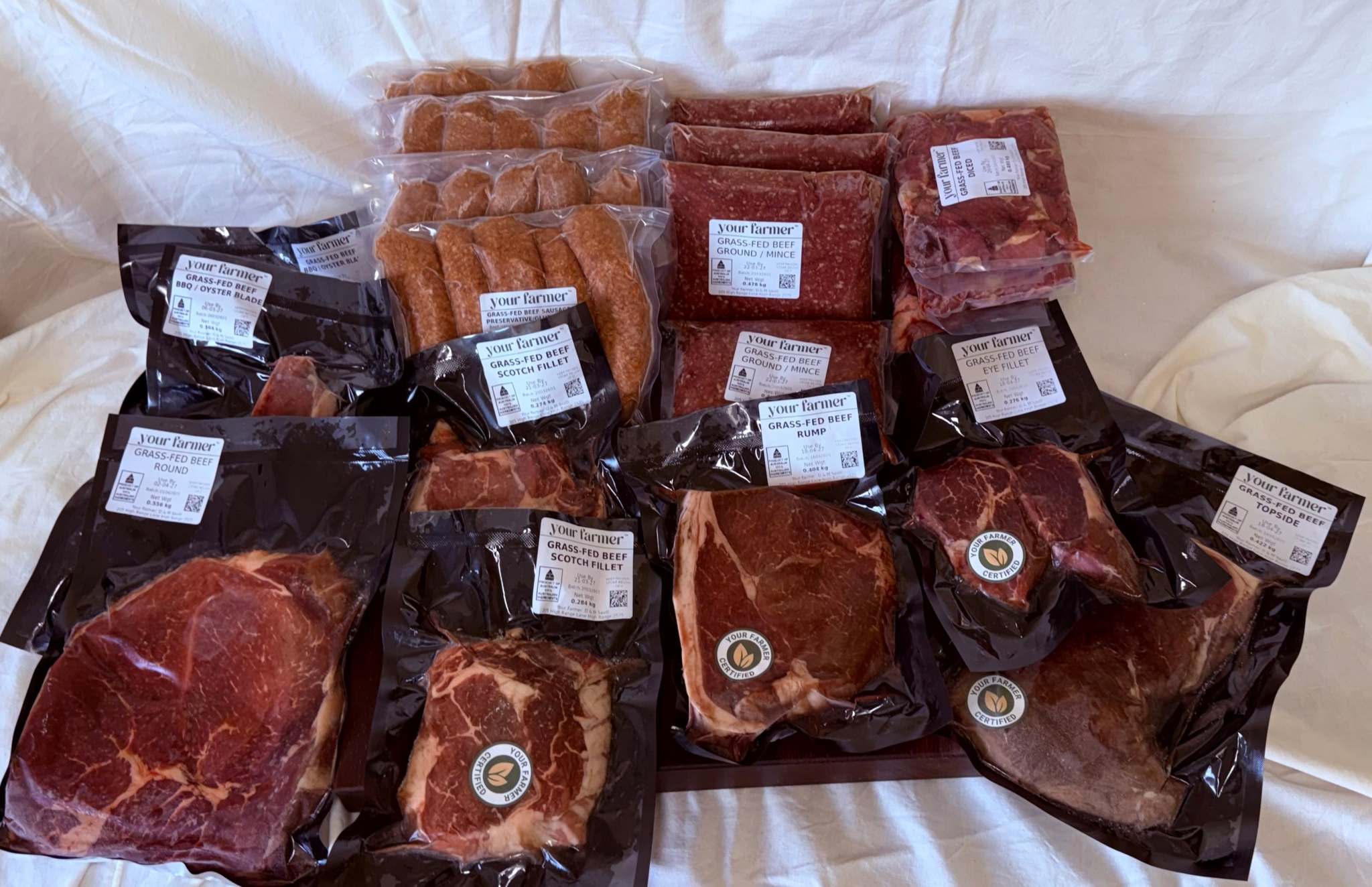
Pack A and Pack C bring you a roast. We bring you the recipes. Join the Your Farmer community. 🔥
Three Simple Steps

A whole table of real food.

Your Farmers grow grass-fed beef and lamb, pastured eggs and the best eco-grown veggies and produce — every item grown to the same ecological standard, every farmer one you can know by name. One subscription, your whole real-food shop.

01

Reserve your share — or try a pack

Subscribe to a share of the harvest, or start with a one-off fixed pack.

02

Make it your own

Pick your delivery rhythm and what's in the box. Skip or cancel anytime — no lock-in.

03

Cook, savour, know your farmer

We deliver in a reusable esky we collect next time. No couriers, no waste.

More Recipes

View all

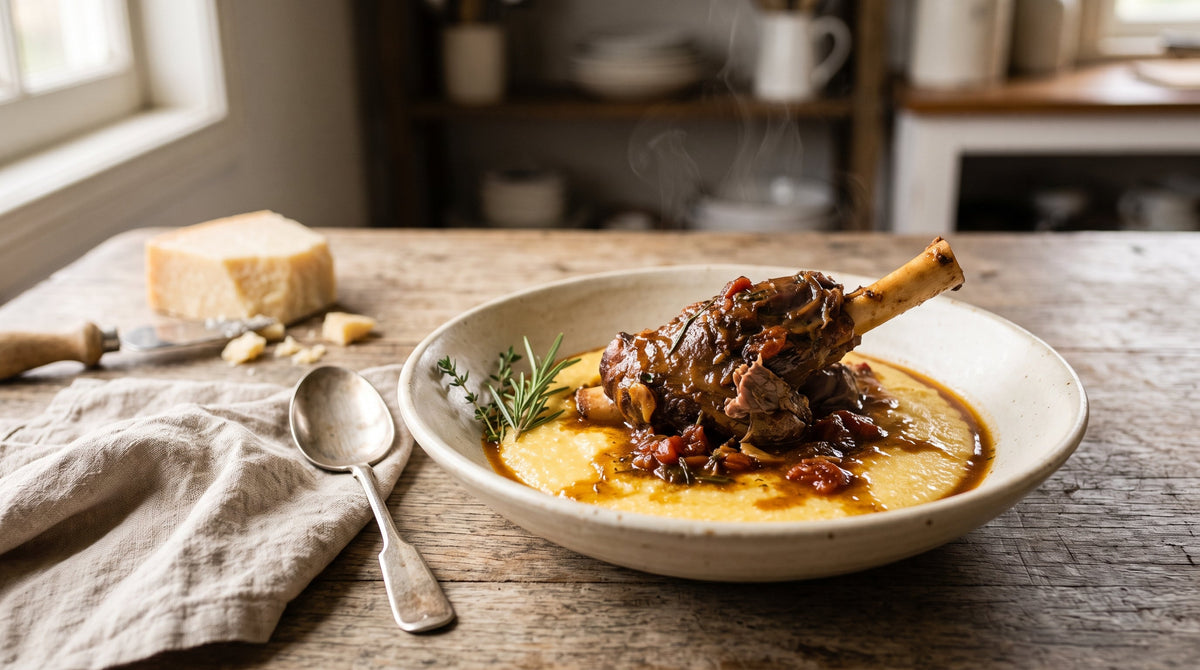
Tomato and rosemary braised grass-fed lamb shank served over soft parmesan polenta.

Tomato and Rosemary Braised Lamb Shanks with Soft Polenta

Osso buco's lamb cousin, with soft polenta doing the catching

The Milanese figured out long ago that a shin braised on the bone in tomato makes a sauce nothing else can — the marrow sees to that. This is the same idea run through the lamb paddock: shanks browned hard, then braised low with tomato, white wine and rosemary until the meat leans off the bone, all of it served over a pool of soft, buttery parmesan polenta whose entire purpose in life is catching sauce. It's a Sunday sort of pot that happily cooks on a Tuesday, and the polenta takes less minding than most people fear.

Read moreabout Tomato and Rosemary Braised Lamb Shanks with Soft Polenta

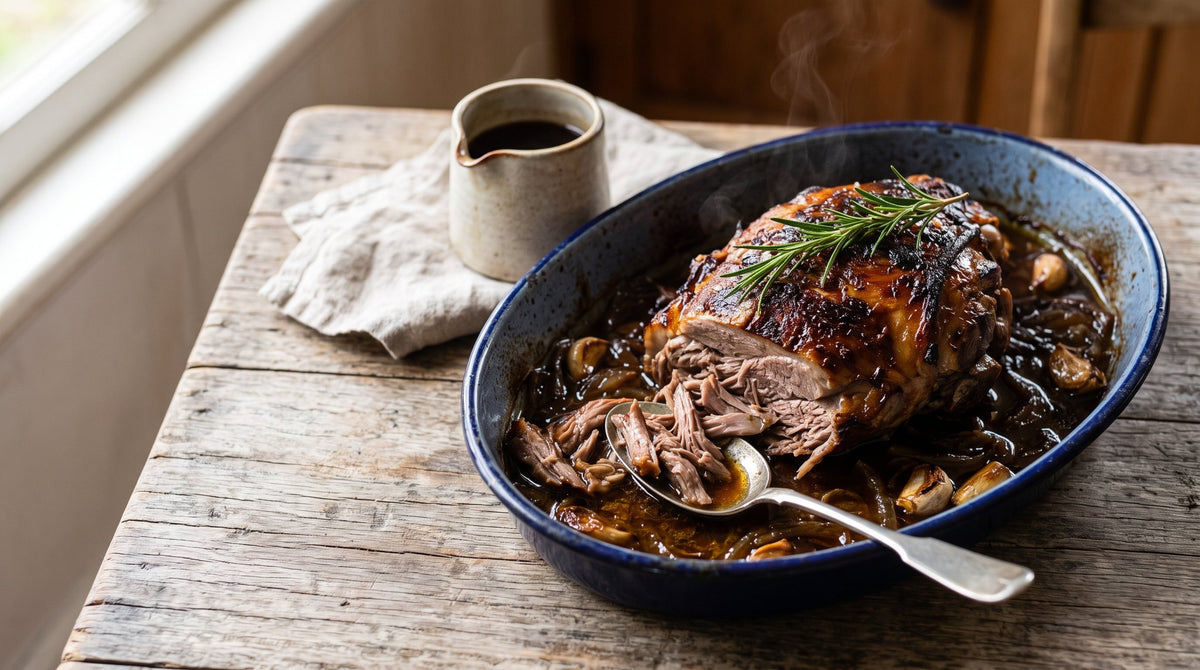
Slow-roasted grass-fed lamb pulled into tender shreds in its pan juices in an enamel roasting dish.

Slow-Roasted Lamb with Pan Juices, the Low and Slow Way

The roast that cannot be overcooked — give it half a day and it gives up entirely

Most roast anxiety comes from a five-minute window: pull it too early, it's raw; too late, it's leather. This method deletes the window. You give the lamb a hard blast of colour, then drop the oven right down and walk away for the better part of an afternoon. Somewhere in hour three the meat stops resisting altogether — a spoon will do the carving. There's no thermometer stress, no window to miss, and the pan underneath quietly builds the best juices you'll pour all winter. Patience, rewarded.

Read moreabout Slow-Roasted Lamb with Pan Juices, the Low and Slow Way

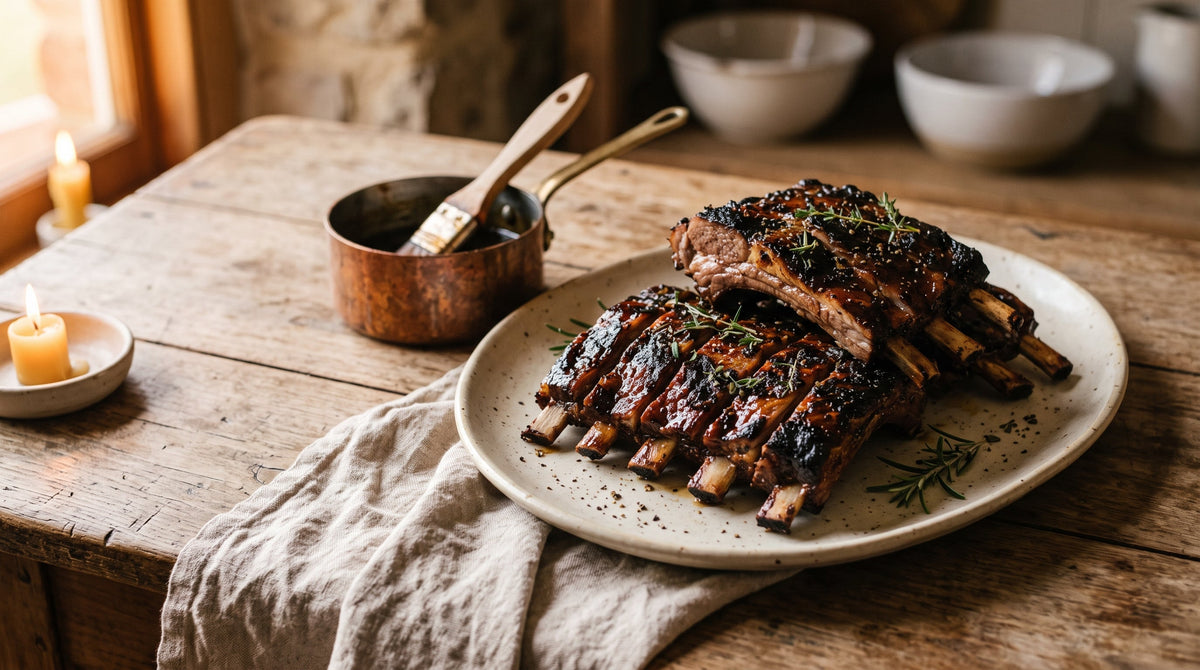
Twice-cooked grass-fed lamb ribs, braised until tender then charred and glazed, stacked on a stoneware platter.

Twice-Cooked Lamb Ribs: Braise, Then Char

The restaurant trick: do the hard part yesterday, take the applause tonight

Ever wondered how a restaurant sends out perfect sticky ribs eight minutes after you order them? They cooked the ribs yesterday. The racks get braised in stock and aromatics until tender, then cooled in their own liquid — where they firm up, drink back flavour, and wait as long as you need. Come dinner time, all that's left is a hot grill pan, a honey glaze made from the braising liquid, and about ten minutes of theatre. It's the most reliable rib method there is, and the only one where the night-of cooking fits between guests arriving and the first drink being finished.

Read moreabout Twice-Cooked Lamb Ribs: Braise, Then Char