Lamb, potato, onion and patience — the stew that proves restraint is a skill

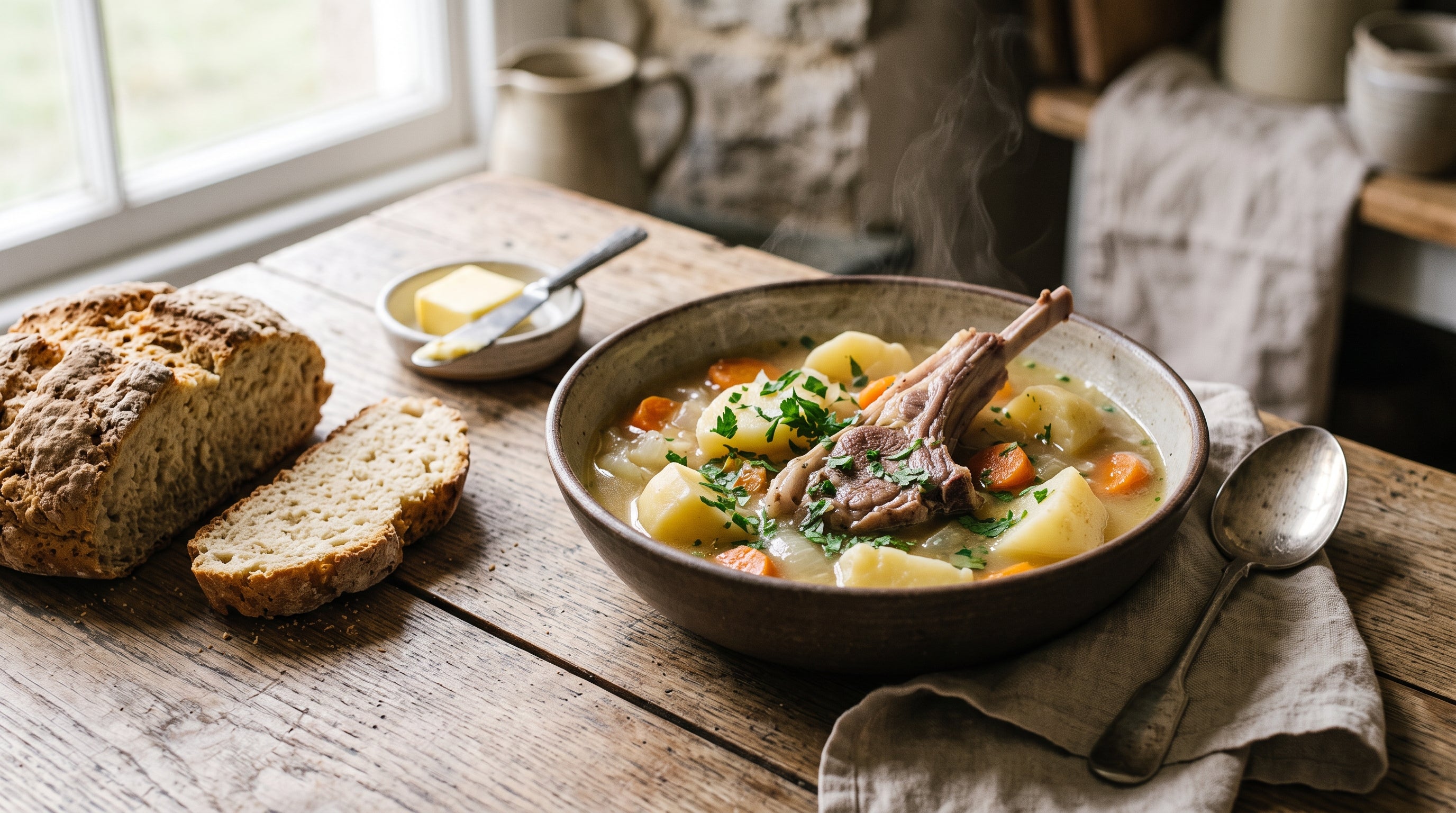
The original Irish stew had three ingredients and a fierce loyalty to all of them: bone-in forequarter or neck chops, potatoes, and onions, layered in a pot and left entirely alone. No browning, no wine, no clever additions — the courage of this dish is in what it leaves out. The bones make the broth, the bottom layer of potatoes melts into it as a thickener, and the top layer steams whole. Two hours later you ladle out something so much greater than its parts that you'll understand why the Irish never let anyone improve it.

2 hrs 35 mins 4 servings Prep 25 minsCook 2 hrs 10 minsMain CourseIrish

Ingredients

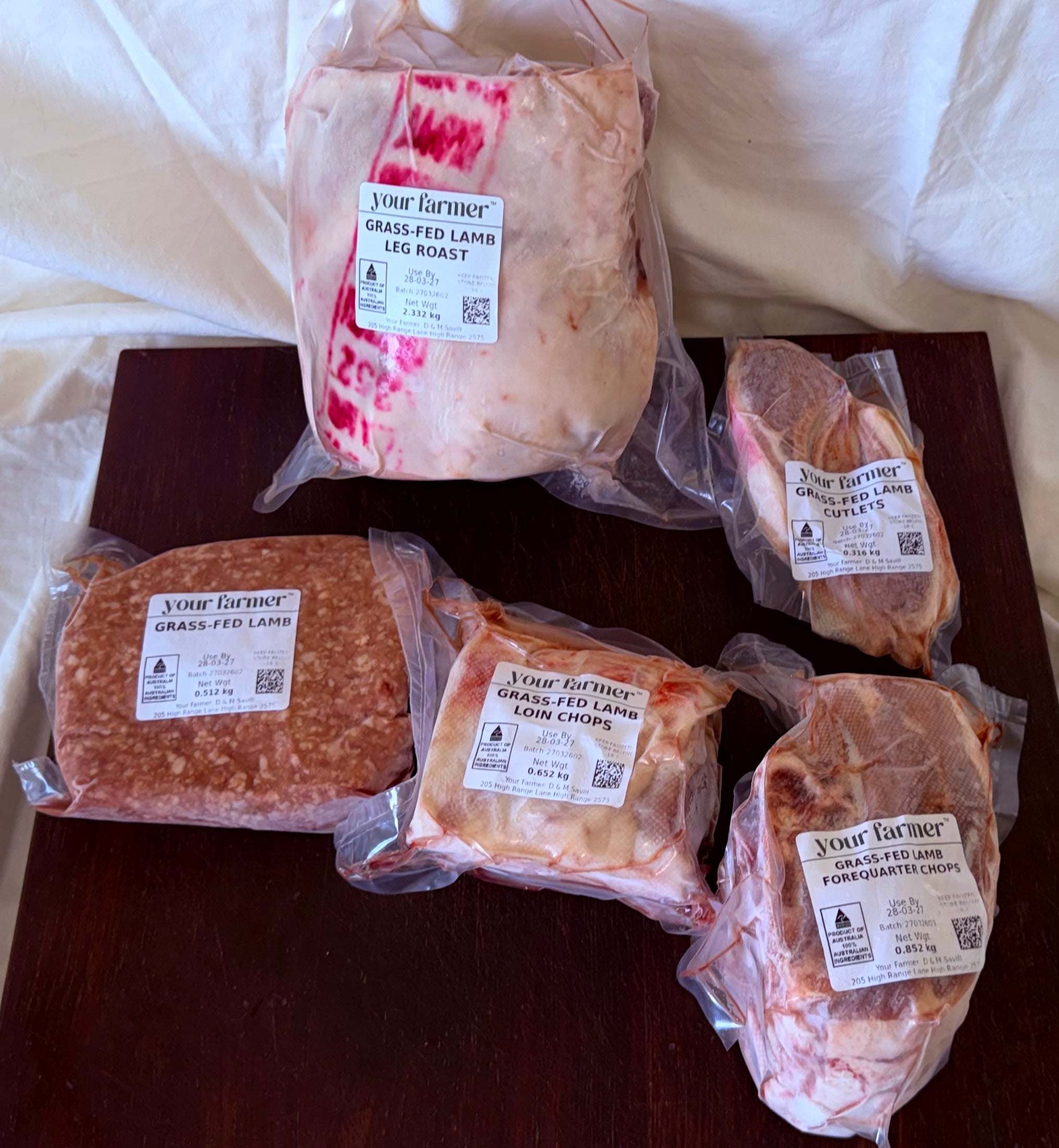
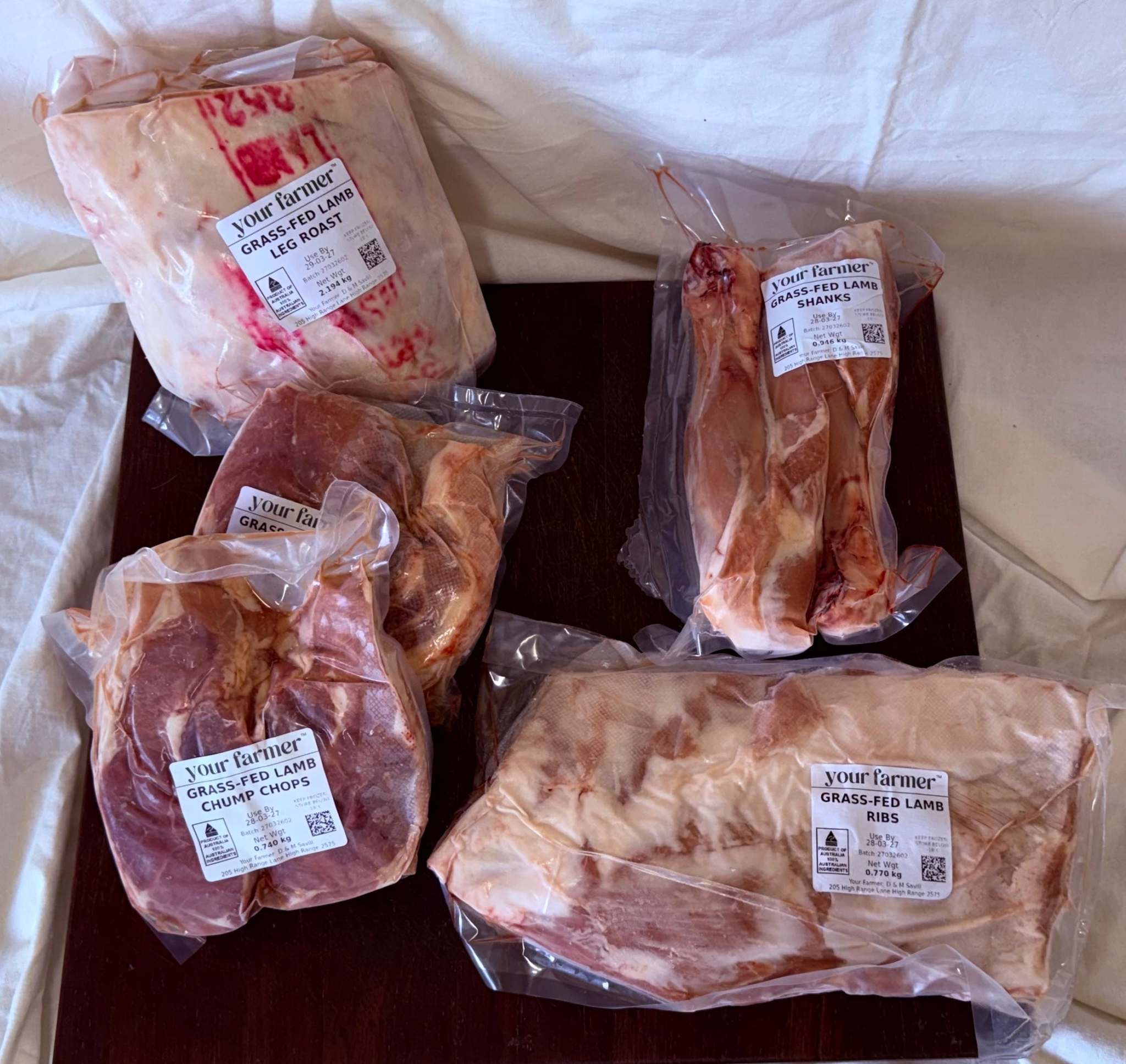
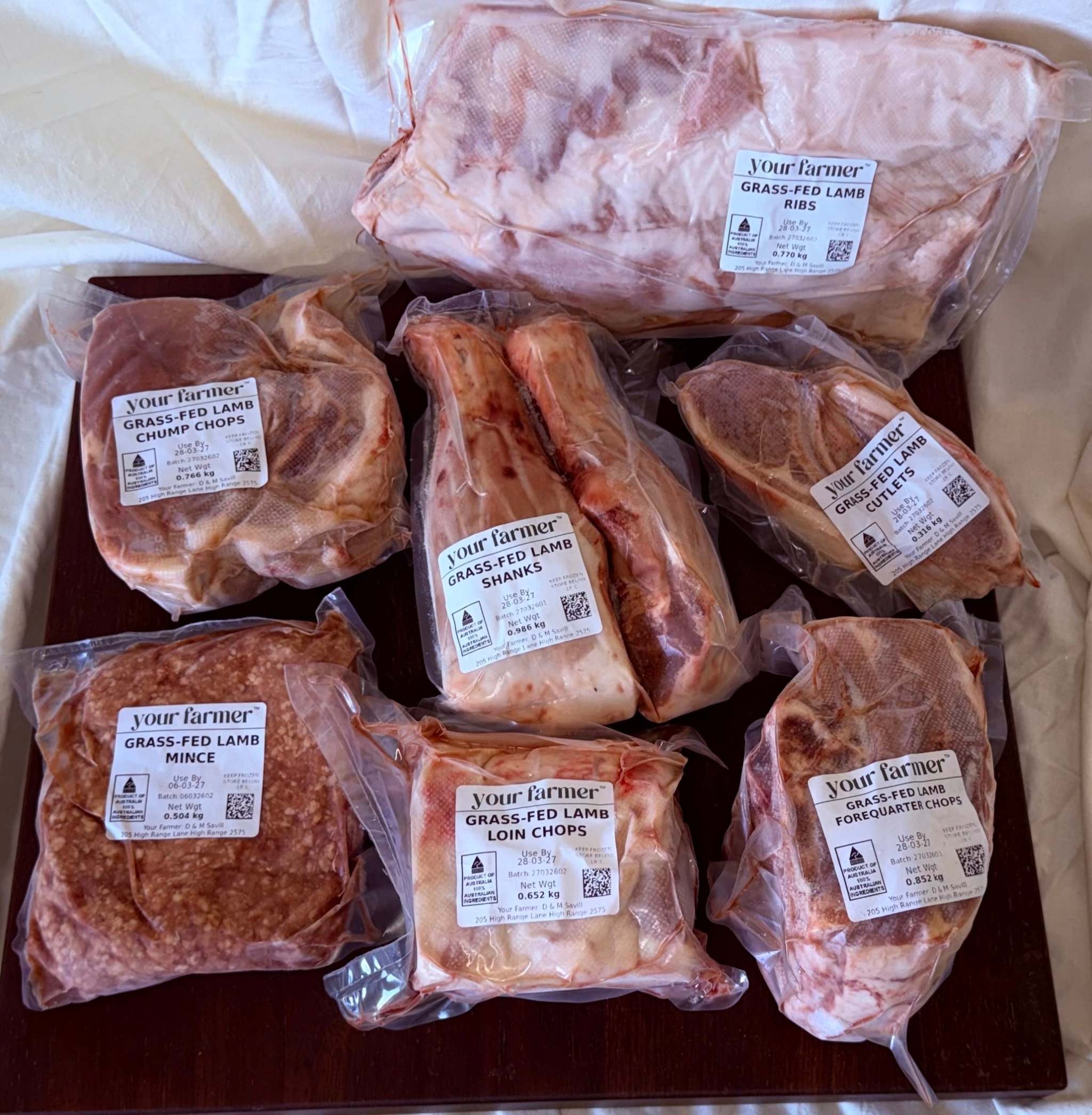
  • 4 Your Farmer grass-fed lamb forequarter chops, thick outer fat trimmed
  • 3 brown onions, thickly sliced
  • 4 carrots, cut into thick rounds
  • 1.2kg potatoes, peeled — half sliced 1cm thick, half left in large chunks
  • 1 litre chicken stock
  • 3 sprigs fresh thyme (or 1.5 tsp dried)
  • 2 bay leaves
  • Salt and pepper to season
  • A big handful of chopped parsley, to serve

Instructions

Preheat the oven to 150C fan-forced.

In a heavy lidded pot, layer the onions first, then the carrots, then the sliced potatoes, then the chops, seasoning each layer with salt and pepper as you go. Finish with the potato chunks on top.

3 onions4 carrots4 forequarter chops1.2kg potatoes

Pour over the stock — it should come about three-quarters of the way up — and tuck in the thyme and bay leaves.

1L chicken stock3 sprigs thyme2 bay leaves

Bring to a simmer on the stove, cover, and move the pot to the oven for 2 hours. Don't stir — the layers are the recipe.

Check that the meat is leaving the bones, the bottom potatoes have melted into the broth, and the top ones are tender. If not quite there, give it another 20 minutes.

Season generously — it will need it — then scatter with parsley and ladle into deep bowls, bones and all.

chopped parsley

Appears in

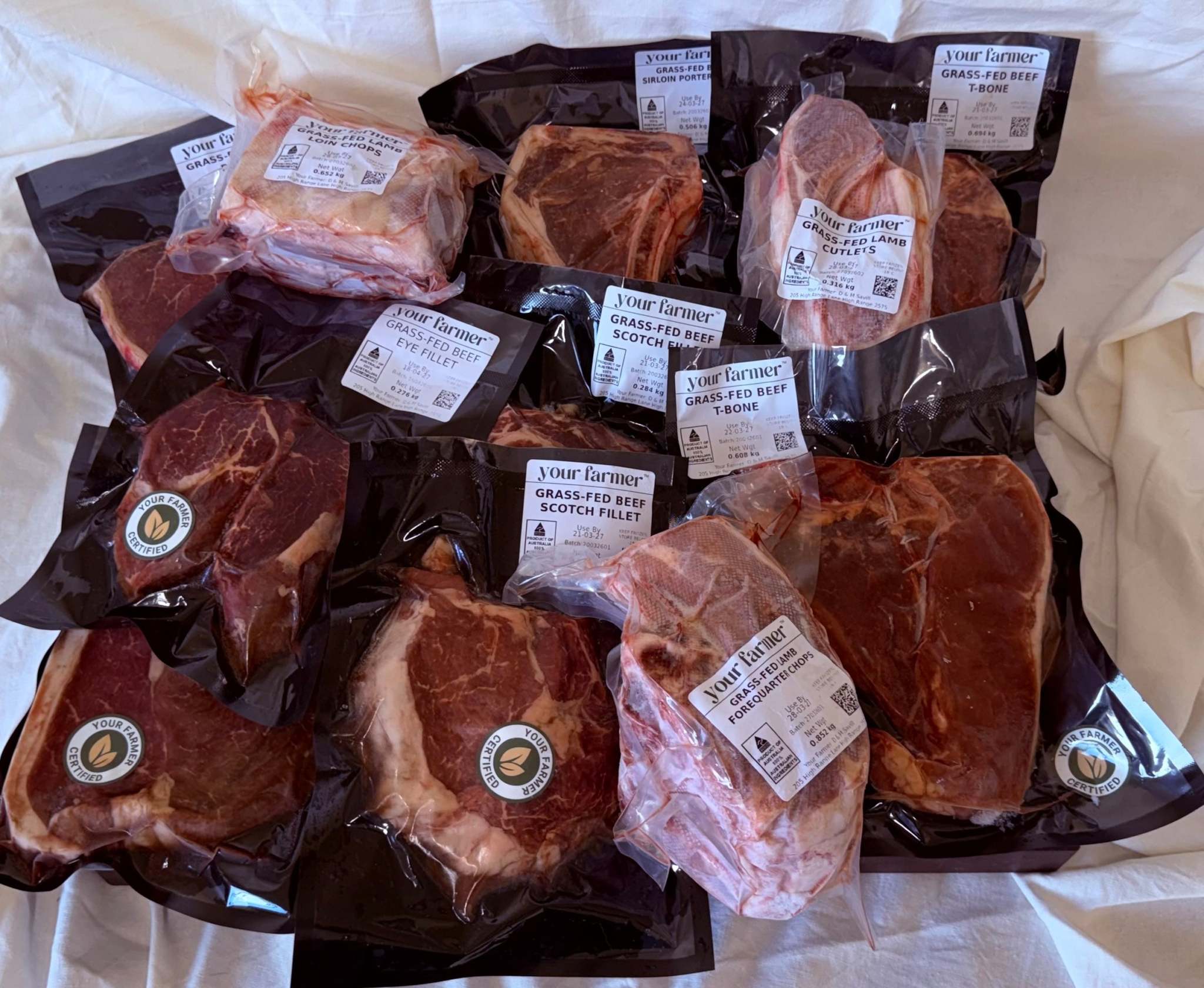
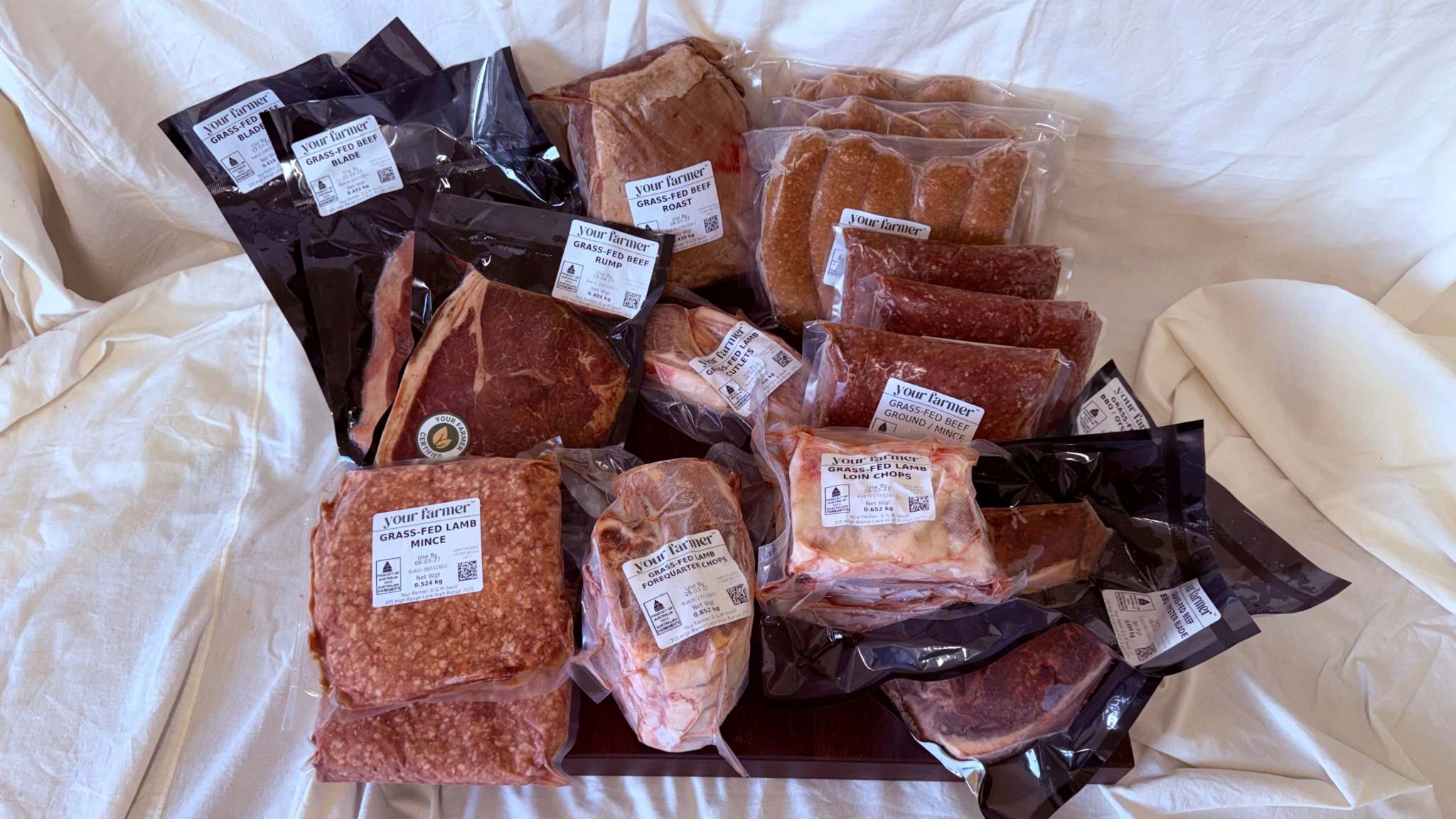
In every lamb share — Forequarter Chops (4 pack)

The Original Cut for the Original Stew

When Irish cooks built this dish, the chops that went into the pot were the bone-in ones from the neck and forequarter — the cuts a small farm could spare, which happened to be the cuts a slow pot rewards most. The bones turn a litre of stock into real broth; the fat carries the flavour through the potatoes; two unhurried hours dissolve the connective tissue that makes this chop cheap in the first place. The no-browning rule surprises modern cooks, but it's the point: the flavour of a true Irish stew is clean, pale and pure lamb, not roasty. That purity is also why the lamb itself matters more here than in almost any other dish — with nowhere to hide, pasture-raised flavour is the whole show, which is what 100% grass-fed means on the plate. Your Farmer® forequarter chops come four to a pack in both lamb shares.

Swaps and Variations

The carrots are already a concession — strict traditionalists run lamb, potato, onion and nothing else, and their version is worth trying once for the education. A small handful of pearl barley added with the stock thickens it further and drifts the dish toward Ulster. Lamb shanks make a dramatic two-person version with an extra half hour in the oven. What doesn't belong is stout — beef and Guinness is a fine stew, but it's a different one, and the Irish will tell you so.

Storage and Leftovers

Irish stew is famously better the next day, once the broth has finished settling into the potatoes. It keeps in the fridge for 3 days and freezes for up to 3 months, though the potatoes return a little softer for the trip. Reheat it gently on the stove — a hard boil breaks the potatoes down entirely. Leftover idea: strip the meat from the bones, mash everything roughly together and fry it in a knob of butter until crusty underneath. The Irish have a name for that too, and it's a very good lunch.

Both our lamb shares carry the forequarter pack all year round — reserve your share and this stew becomes a winter tradition with its own supply line.
Frequently asked questions

Do I really skip the browning?

Yes — the traditional stew is a white braise, and the clean, pure lamb flavour is the signature. If you can't help yourself, brown the chops lightly, but taste the traditional way at least once.

Why are the potatoes cut two ways?

The thin slices on the bottom collapse into the broth and thicken it — the original Irish thickener, long before flour was spare for stews. The big chunks on top steam whole so every bowl gets proper potatoes as well.

Can I make it in the slow cooker?

Yes — layer it exactly the same way and cook on LOW for 8 hours. Keep the stock to 750ml, as the slow cooker barely evaporates.

My stew is watery. What went wrong?

The bottom potatoes likely didn't break down — they needed thinner slices or more time. Rescue it by mashing a few potatoes against the side of the pot and simmering uncovered for 15 minutes.

What do I serve with it?

Traditionally nothing but bread — soda bread if you're honouring the theme — and butter. The stew is the vegetables, the meat and the broth in one pot.

Three Simple Steps

A whole table of real food.

Your Farmers grow grass-fed beef and lamb, pastured eggs and the best eco-grown veggies and produce — every item grown to the same ecological standard, every farmer one you can know by name. One subscription, your whole real-food shop.

01

Reserve your share — or try a pack

Subscribe to a share of the harvest, or start with a one-off fixed pack.

02

Make it your own

Pick your delivery rhythm and what's in the box. Skip or cancel anytime — no lock-in.

03

Cook, savour, know your farmer

We deliver in a reusable esky we collect next time. No couriers, no waste.

More Recipes

View all

Osso buco-style braised grass-fed lamb chump chops in tomato sauce over soft polenta, topped with gremolata.

Osso Buco-Style Braised Chump Chops with Gremolata

The Milanese treatment — chops braised low in white wine and tomato, lifted at the end by lemony gremolata

Osso buco is Milan's great braise, and the finishing touch is what makes it: gremolata, a raw scatter of lemon zest, garlic and parsley chopped fine, stirred in right at the end. Against an hour and a half of slow, rich braising, that fresh, sharp hit is a revelation — it stops the whole thing feeling heavy and makes you reach for another spoonful. Lamb chump chops stand in beautifully for the traditional veal shin here, their fat and connective tissue melting into a glossy sauce over soft polenta. It takes time, but almost none of it is yours. This is a dish to be proud of.

Read moreabout Osso Buco-Style Braised Chump Chops with Gremolata

A thick bowl of split pea and lamb bone soup topped with shredded lamb and mint.

Split Pea and Lamb Bone Soup

Pea-and-ham thinking, straight from the lamb paddock

Every Australian family has a pea-and-ham soup story, and every one of those soups leans on the same trick: a bone in the pot doing the heavy lifting. This is that trick with lamb bones instead of a hock. The split peas collapse into a thick, velvety base, the bones give the broth real depth and body, and a pinch of smoked paprika stands in for the smokehouse if you want that familiar edge. It's the thriftiest pot in this whole collection — pantry peas, add-on bones, one lazy afternoon — and it eats like a hug.

Read moreabout Split Pea and Lamb Bone Soup

Grass-fed T-bone steak sliced and served with homemade tarragon bearnaise and chips, bistro style.

T-Bone with Bearnaise from Scratch

The sauce that turns a steak into an occasion

Béarnaise has a reputation as chef's territory — it isn't. It's three egg yolks, a sharp tarragon reduction and a stream of warm butter, whisked over gentle heat until it turns thick, glossy and faintly wobbly. Twenty minutes of honest attention, most of it while the steak rests. And there's no better steak to learn it on than a grass-fed T-bone: the fillet side was born for béarnaise, and the sirloin side isn't far behind. This is occasion cooking you can pull off on an ordinary Saturday.

Read moreabout T-Bone with Bearnaise from Scratch