

Why Greece Cooks Lamb This Way
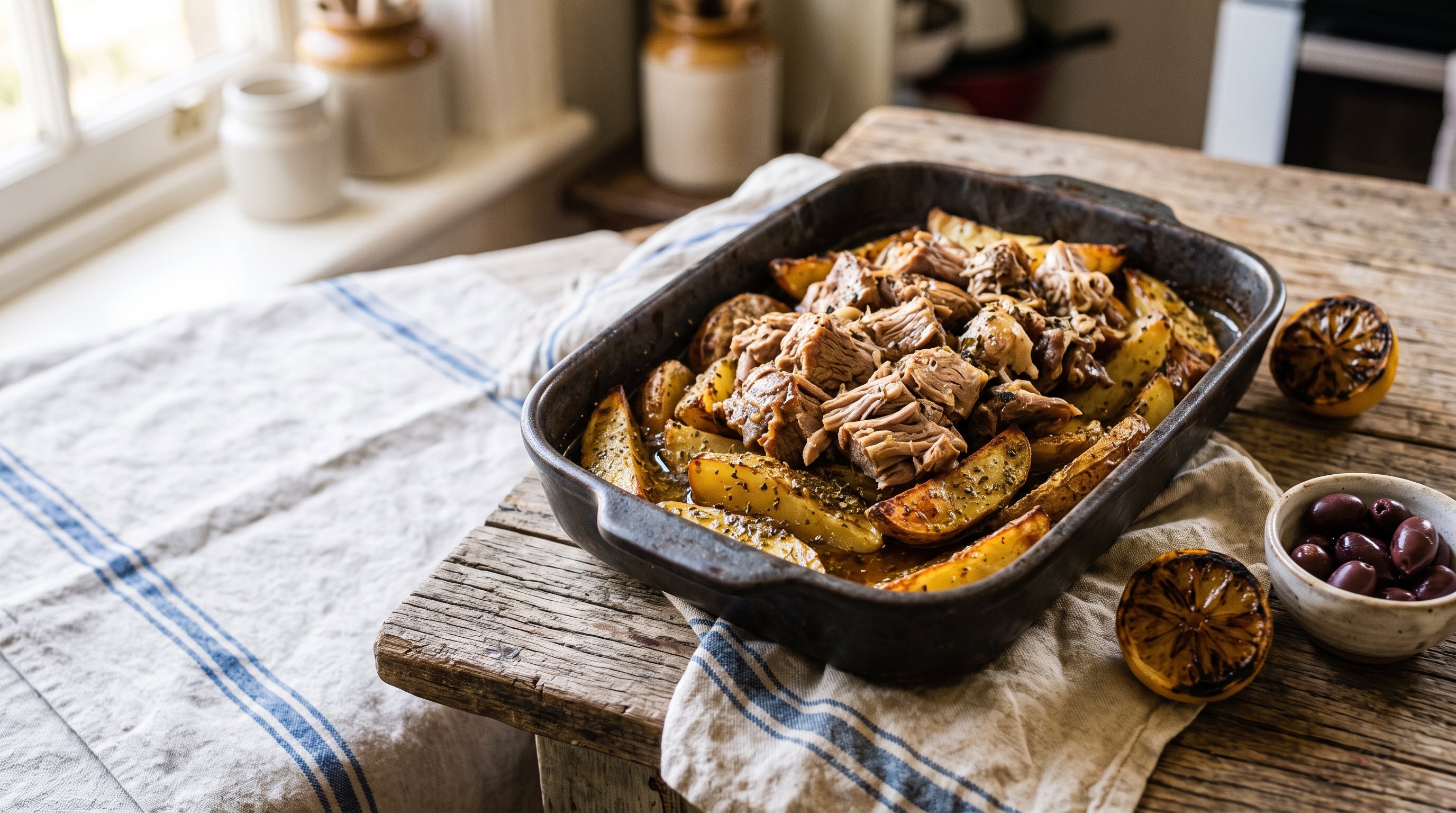
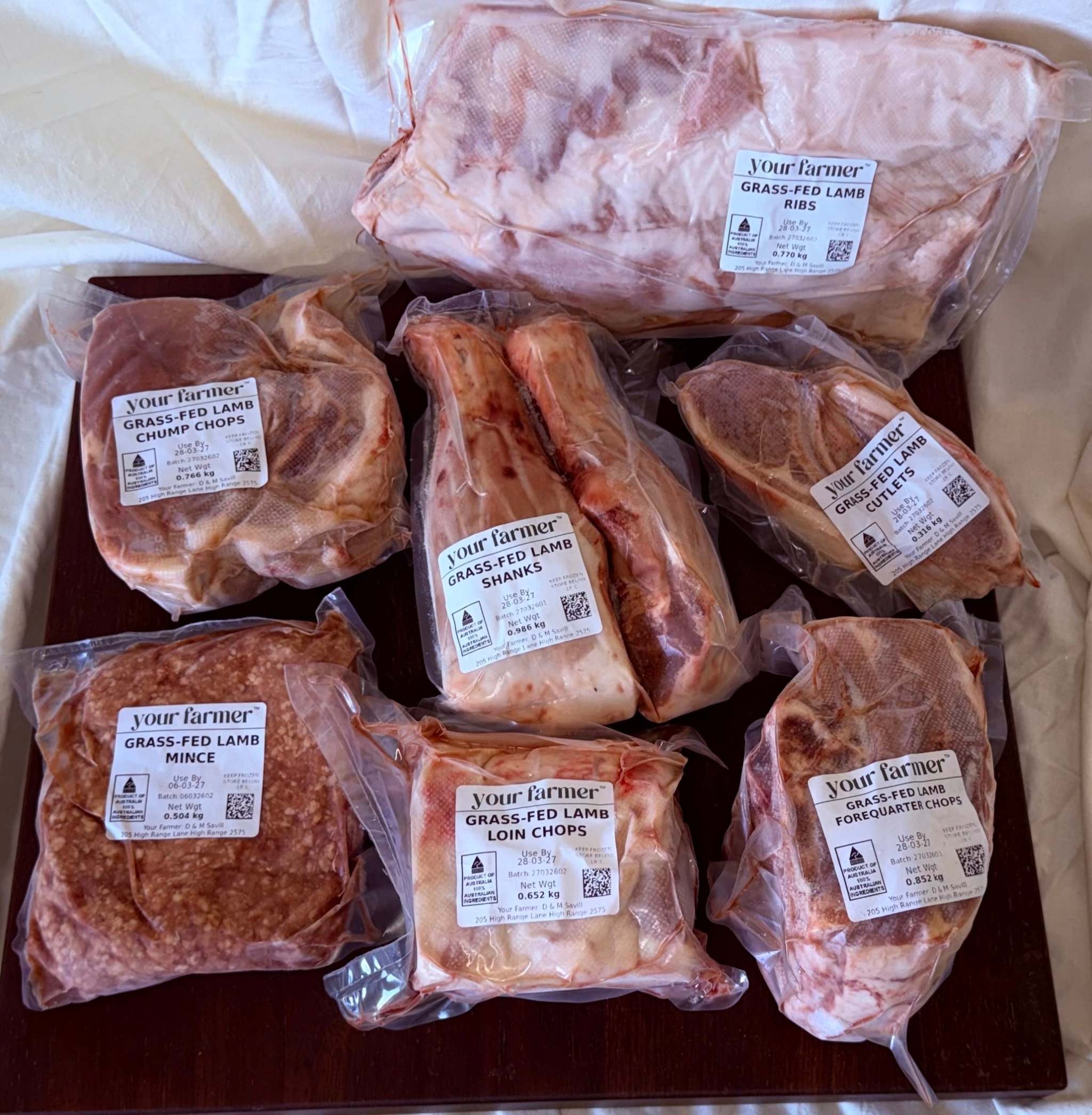
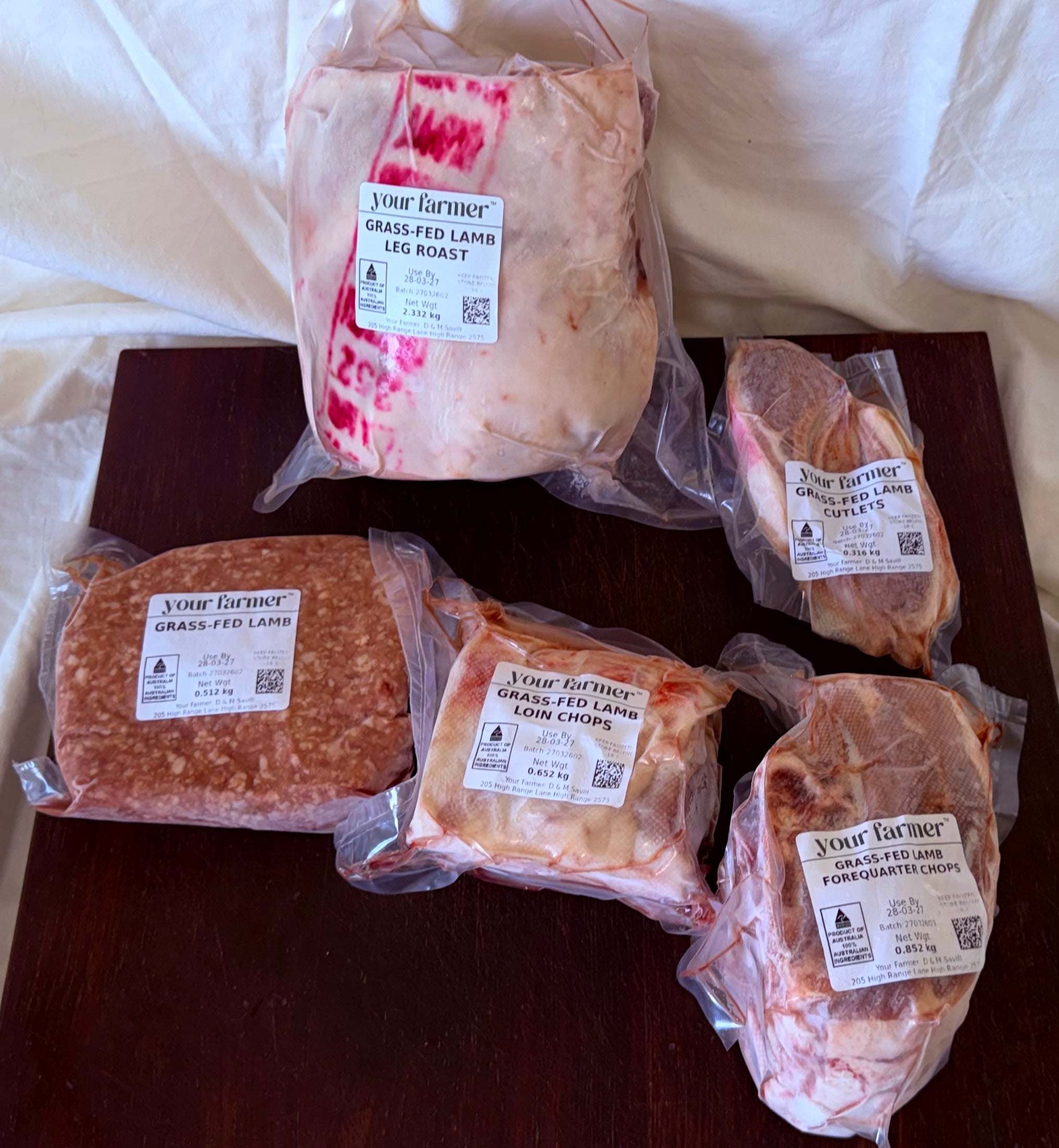
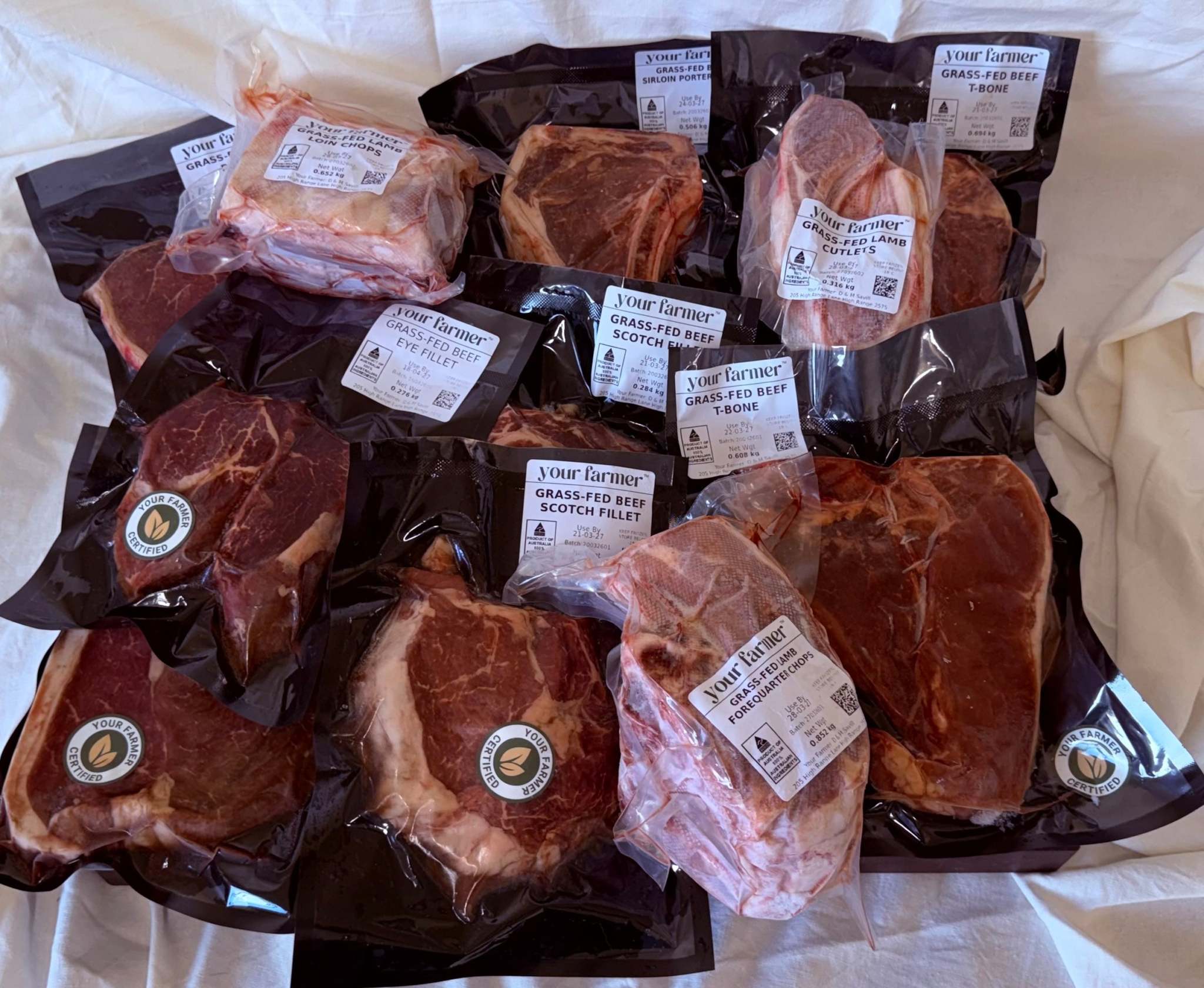
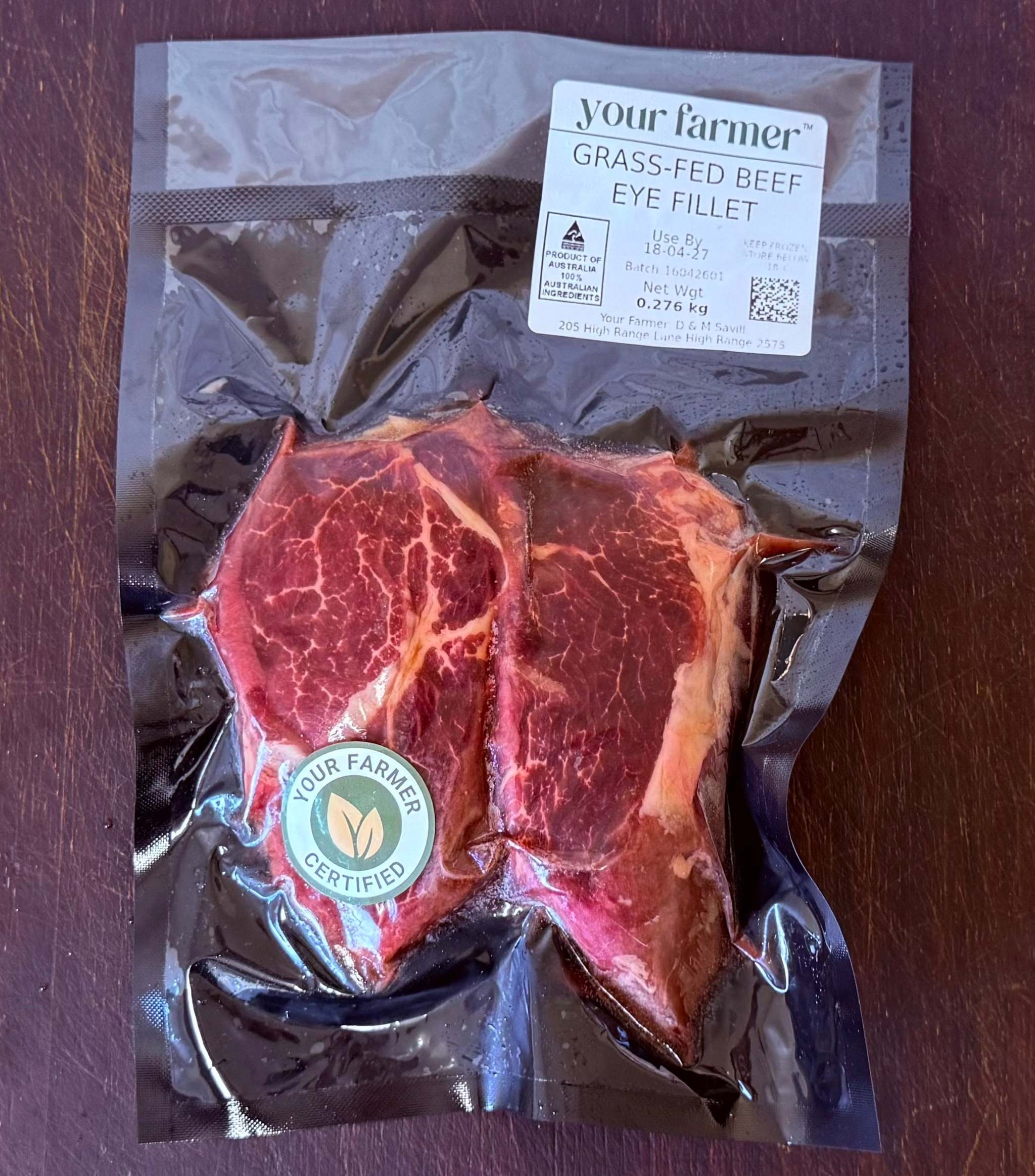
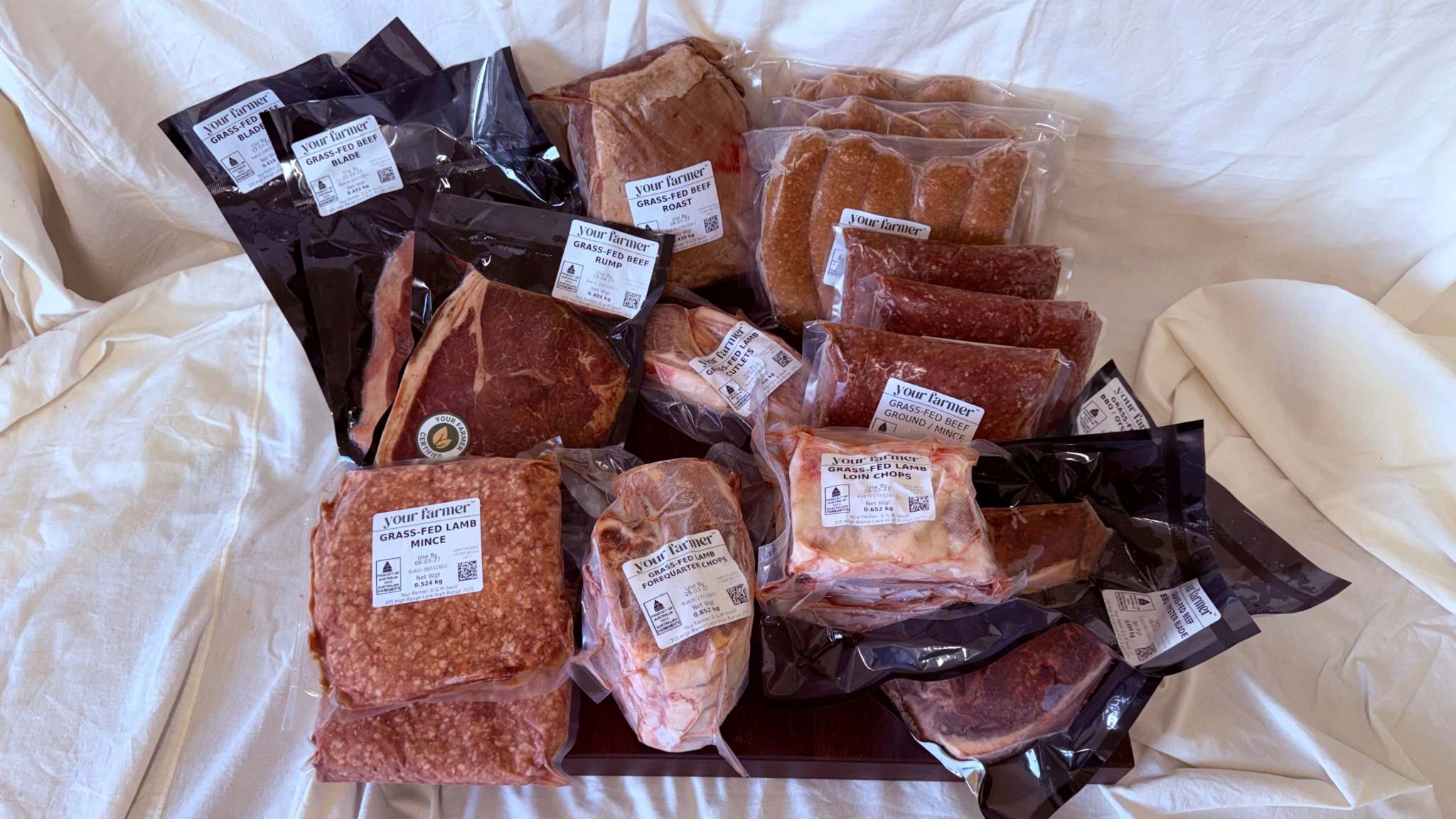
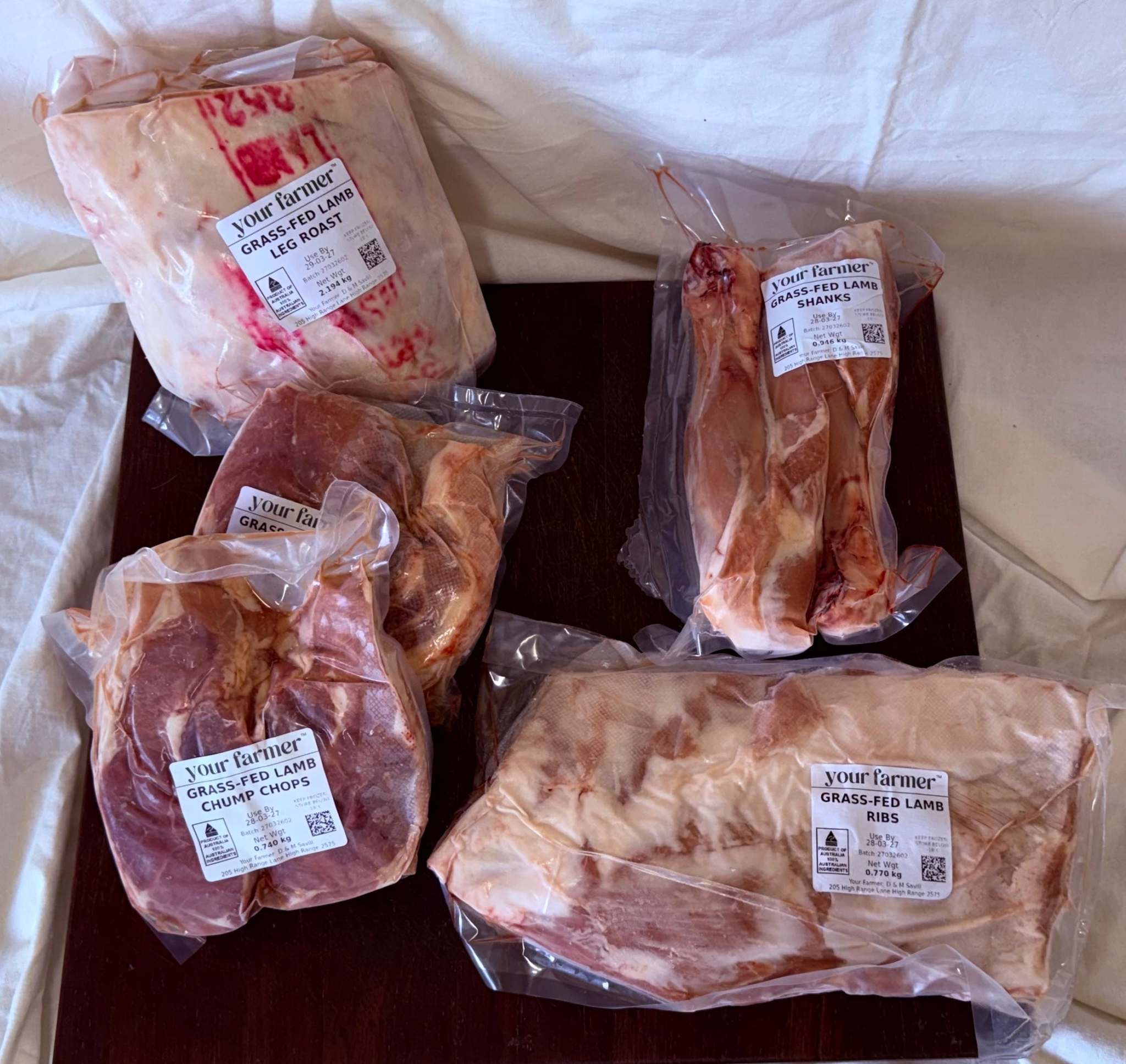
Lamb is a rich meat, and the Greek answer to richness has always been acid and herbs rather than restraint — lemon juice worked into the meat before cooking, and more poured over the potatoes underneath. The long, covered stretch does two jobs at once: it steams the lamb tender the way a village wood oven would, and it lets the potatoes drink a broth of stock, lemon and lamb drippings that no other roast potato method can touch. Dried oregano, not fresh, is the correct call here — it's the mountain-dried herb Greek cooking is actually built on, and it stands up to three hours in the oven where fresh leaves would vanish. The cut doing the work is the roast from a Your Farmer® pastured lamb share — leg or shoulder, both arrive at the same tender place.
Swaps and Variations
Push it one step further into kleftiko country by wrapping lamb and potatoes together in baking paper inside the foil — the parcel opens at the table to applause. A handful of kalamata olives thrown in for the uncovered stretch, or feta crumbled over at the end, are both traditional and both excellent. White wine can stand in for the stock. If you're weighing up where lamb like this comes from, our guide to buying grass-fed lamb online in NSW covers the questions worth asking.
Storage and Leftovers
Lamb and potatoes keep together, covered, for 3 days in the fridge — reheat the lot in a 180°C oven so the potatoes recover their edges. The lamb alone freezes for up to 3 months. The classic next-day move is the one Greece already invented: warm chunks of lamb, a spoonful of tzatziki or plain yoghurt, tomato and onion, all wrapped in warm pita. Better than most Friday takeaway, and it's technically leftovers.



Share:
Low-and-Slow BBQ Lamb Ribs with Dry Rub
Grilled Chump Chops with Warm Lentil Salad