The Japanese table hotpot that turns one steak into a feast for the whole table

In Japan, sukiyaki is built on paper-thin slices of well-marbled ribeye — which is exactly what a scotch fillet is, minus the slicing. The trick is your freezer: half an hour firms the steak just enough to shave it into ribbons with an ordinary sharp knife. Then it all happens in one shallow pot — a sweet-salty broth of soy, mirin and sugar, tofu and mushrooms and wombok simmering in their own corners, and the beef laid over the top at the last minute, where it cooks in seconds and melts in your mouth. Dinner becomes an event.

1 hr 2 servings Prep 45 minsCook 15 minsMain CourseJapanese

Ingredients

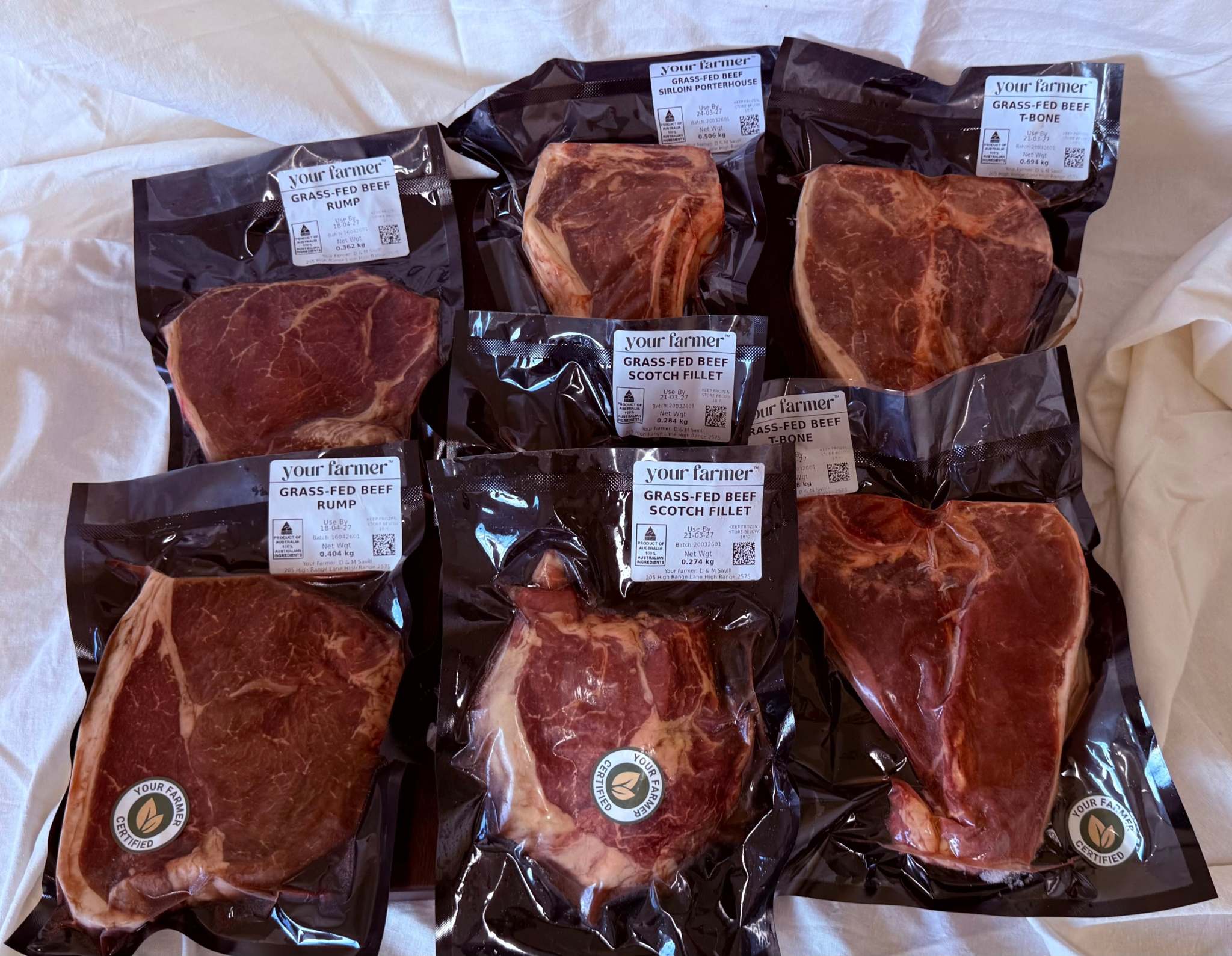
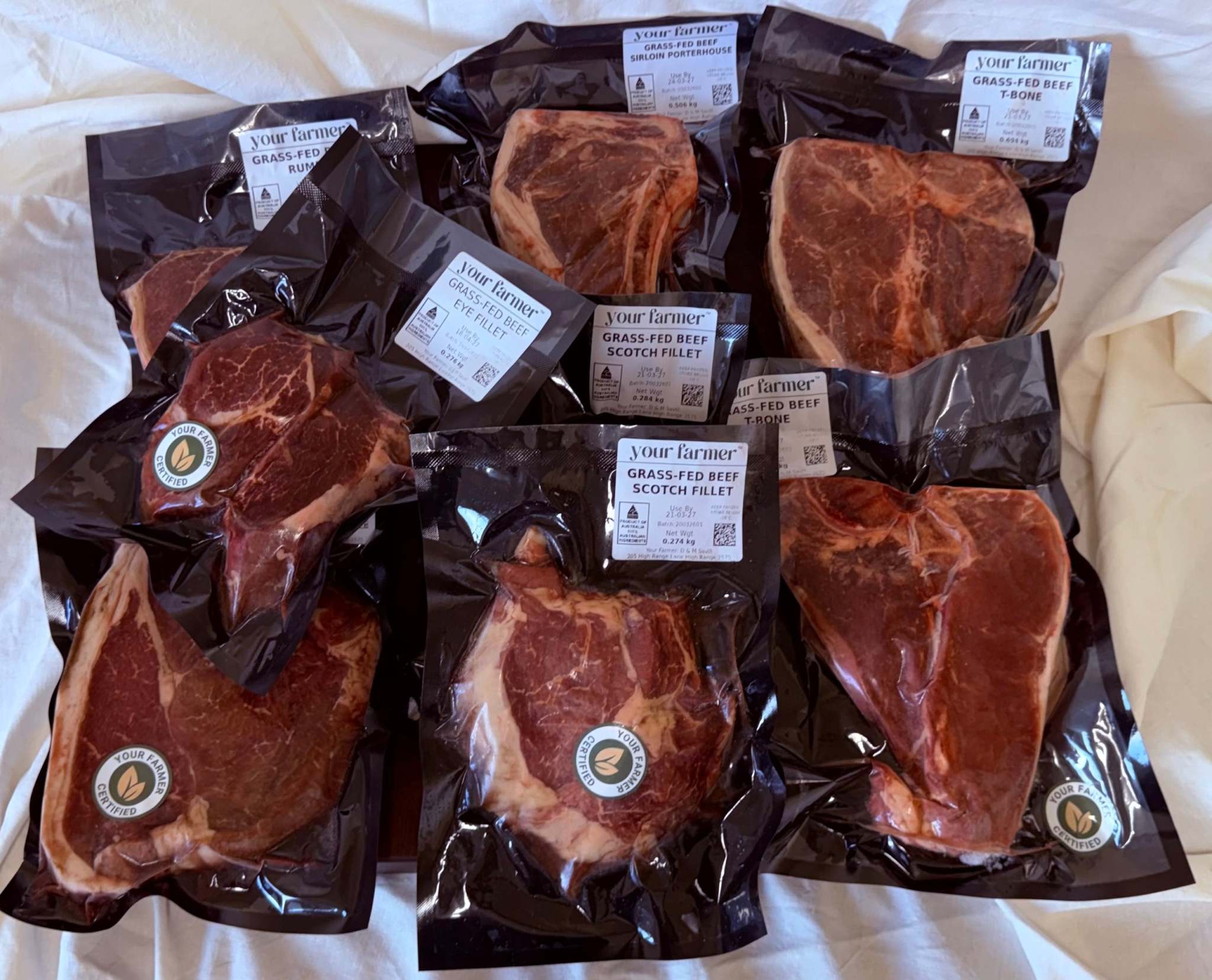
  • 280g Your Farmer grass-fed scotch fillet steak
  • 80ml soy sauce (for the warishita sauce)
  • 80ml mirin (for the warishita sauce)
  • 80ml water (for the warishita sauce)
  • 2 tbsp caster sugar (for the warishita sauce)
  • 1 tbsp vegetable oil
  • 4 spring onions, cut into 4cm lengths on the diagonal
  • 200g firm tofu, cut into 3cm cubes
  • 150g shiitake or Swiss brown mushrooms, thickly sliced
  • 1/4 wombok (Chinese cabbage), cut into 4cm pieces
  • 200g udon noodles, cooked following the packet
  • Steamed rice, to serve
  • 2 very fresh eggs, for dipping (optional)

Instructions

Slicing the beef

Put the scotch fillet in the freezer for 30 minutes, until firm at the edges but not frozen through. Prep the vegetables and stir the sauce together while you wait.

280g scotch fillet

Slice the firmed steak across the grain as thinly as you can — aim for 2–3mm ribbons, using a sharp knife and long, single strokes. The 30 minutes in the freezer is what makes this possible.

For the sukiyaki

Make the warishita: stir the soy sauce, mirin, water and sugar together until the sugar dissolves.

80ml soy sauce80ml mirin2 tbsp caster sugar

Heat the oil in a wide, shallow pot or deep frying pan over medium-high heat — at the table on a portable burner if you have one, on the stove if you don't. Brown the spring onions for 2 minutes.

1 tbsp vegetable oil4 spring onions

Lay half the beef slices in, sear for 30 seconds, then pour in half the warishita and let it bubble.

Nestle the tofu, mushrooms, wombok and udon into their own sections of the pot. Simmer 8–10 minutes, adding more warishita as it reduces.

200g firm tofu150g mushrooms1/4 wombok200g udon

Drape the remaining beef slices over the top for the final minute — they cook in seconds and should stay just pink at the centre of each ribbon.

Serve straight from the pot with steamed rice, dipping each piece in beaten egg if you like — optional, and very traditional.

2 eggs

Appears in

Why Sukiyaki Wants a Marbled Steak

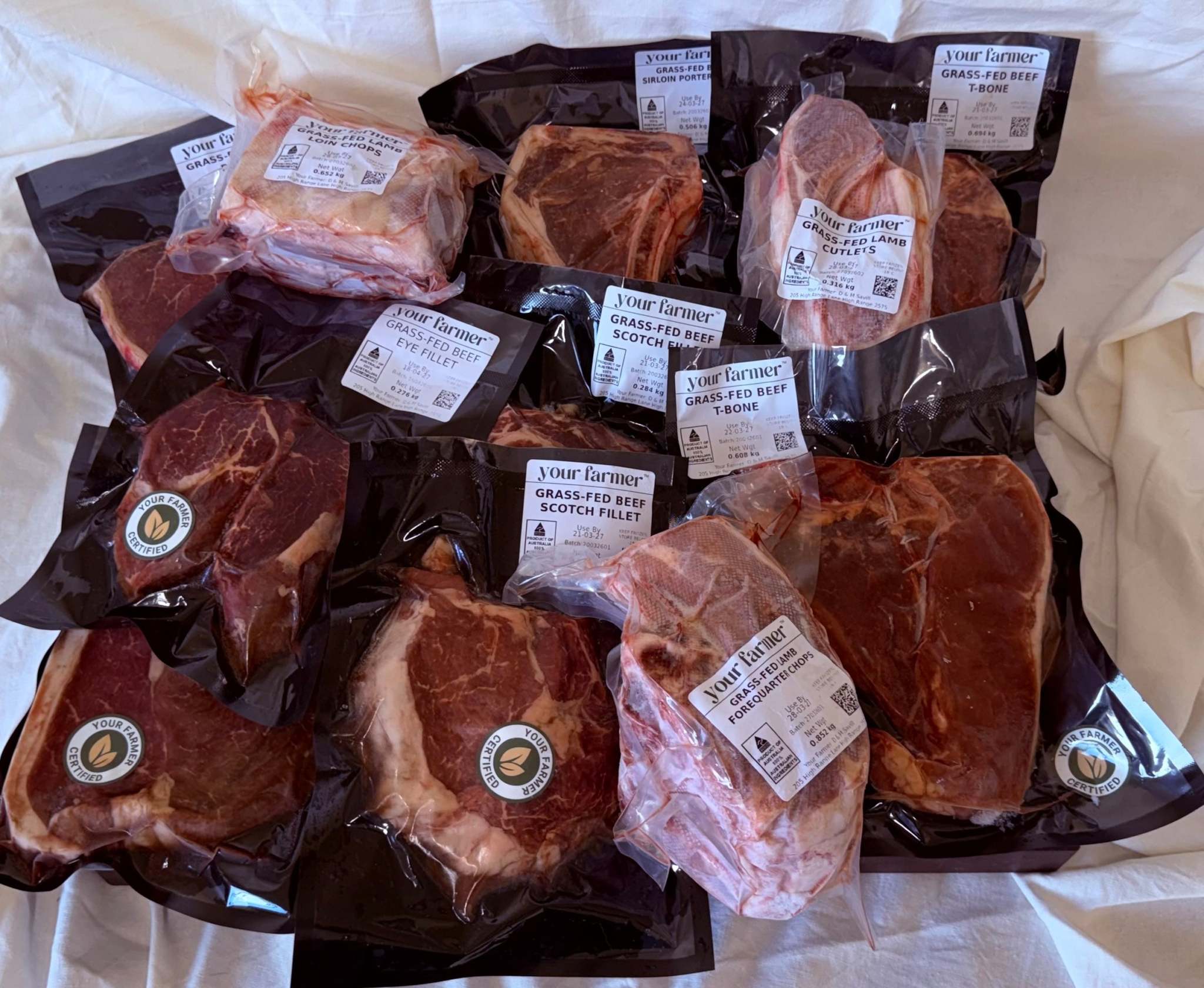
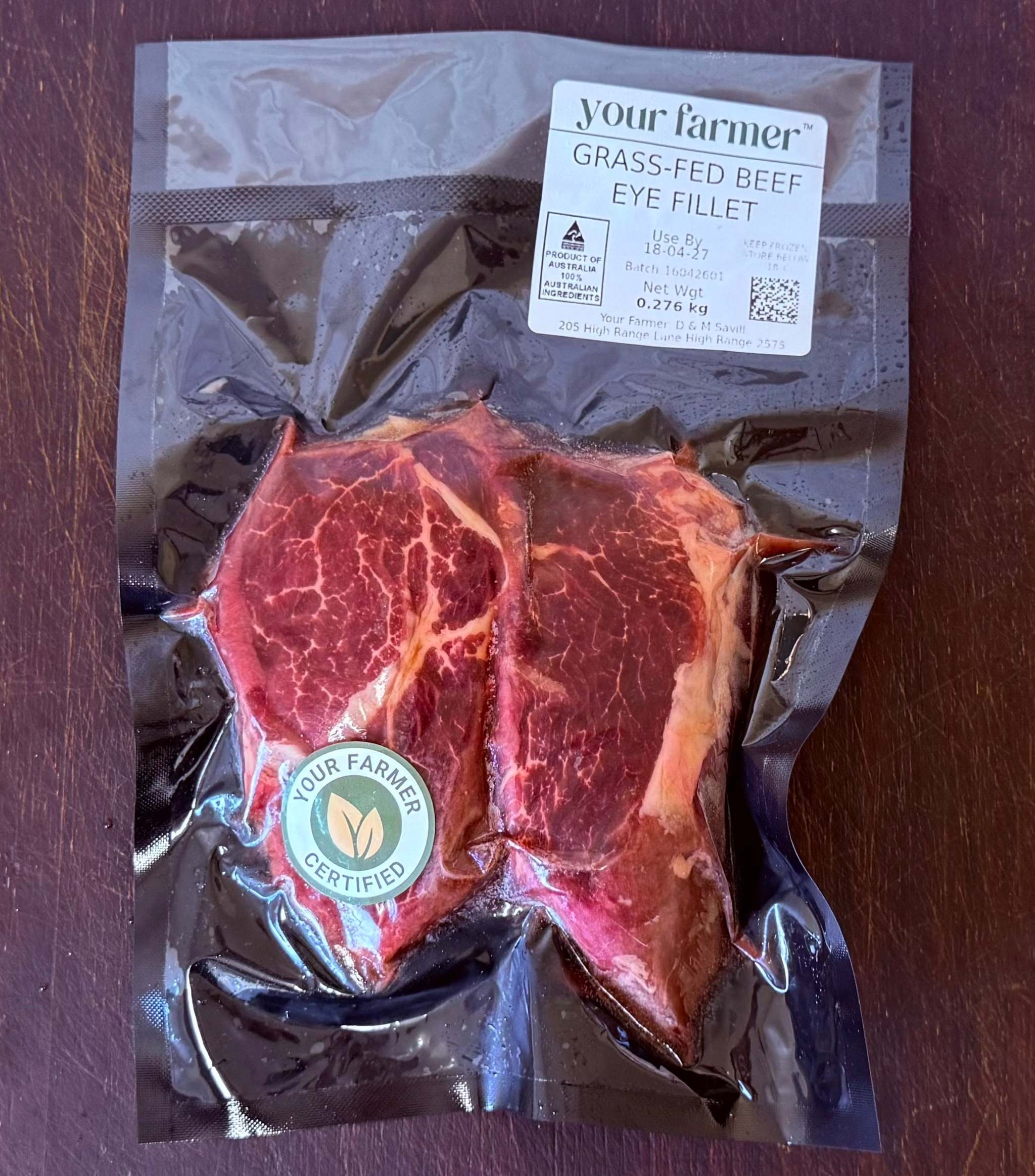
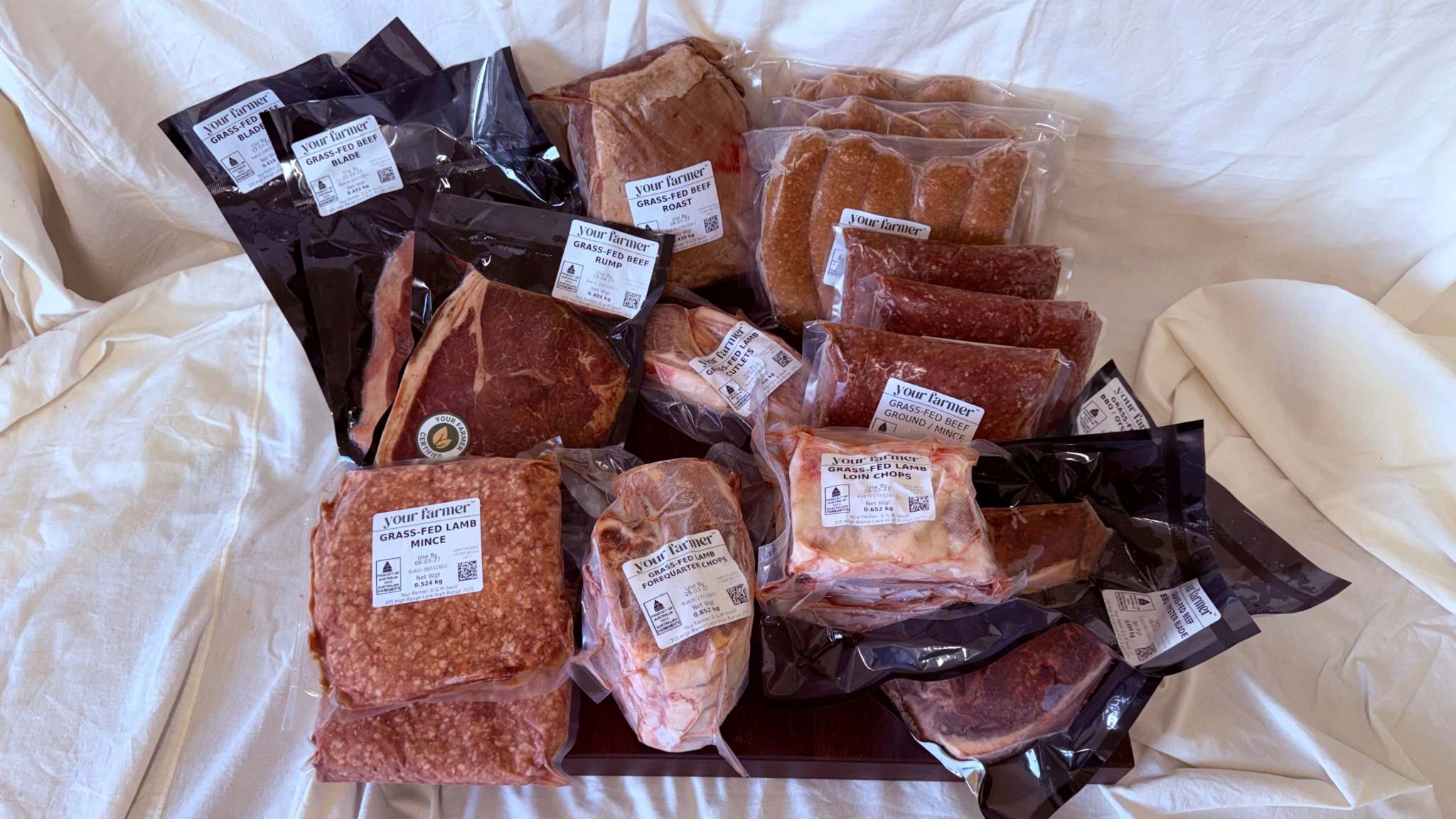
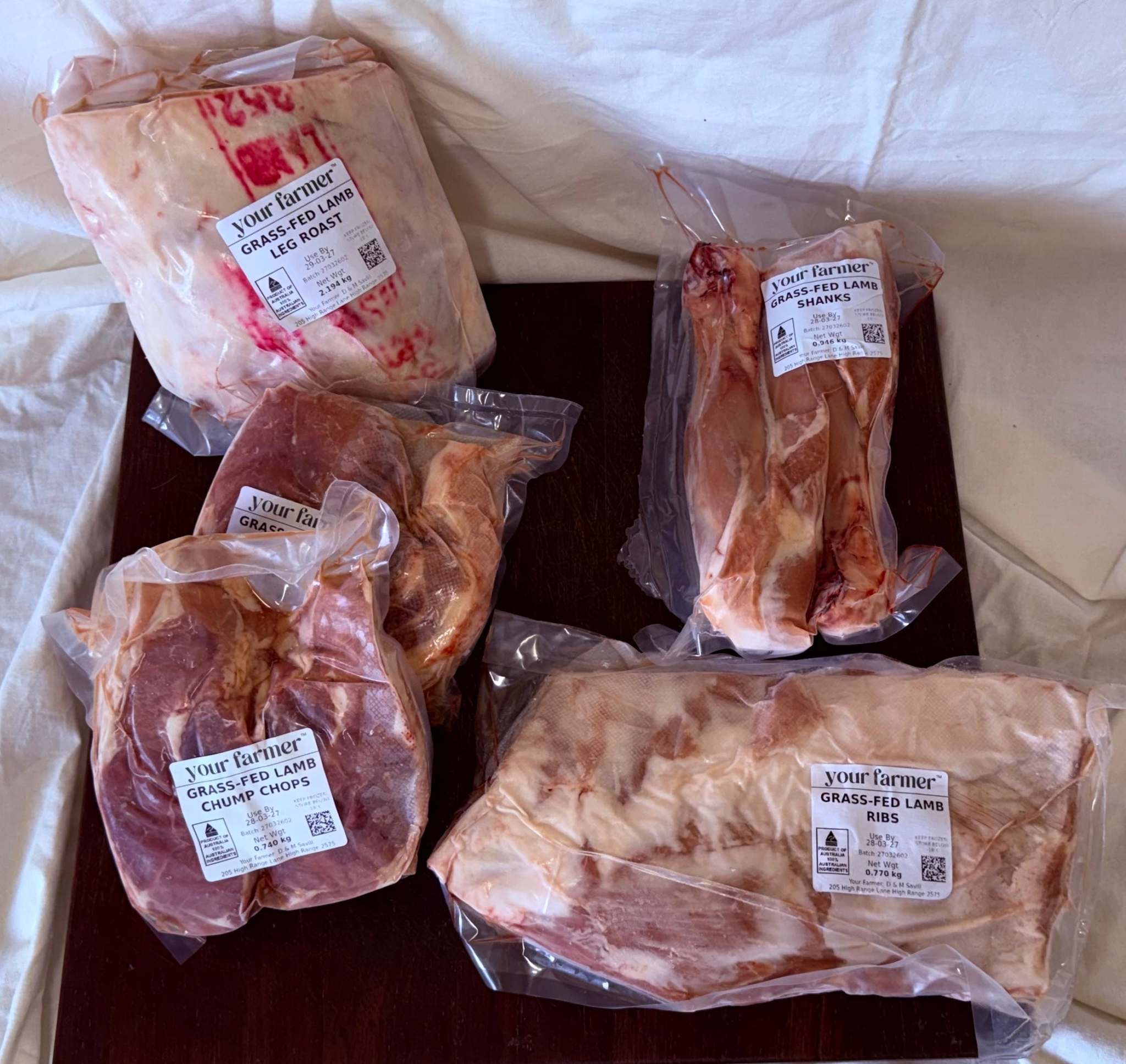
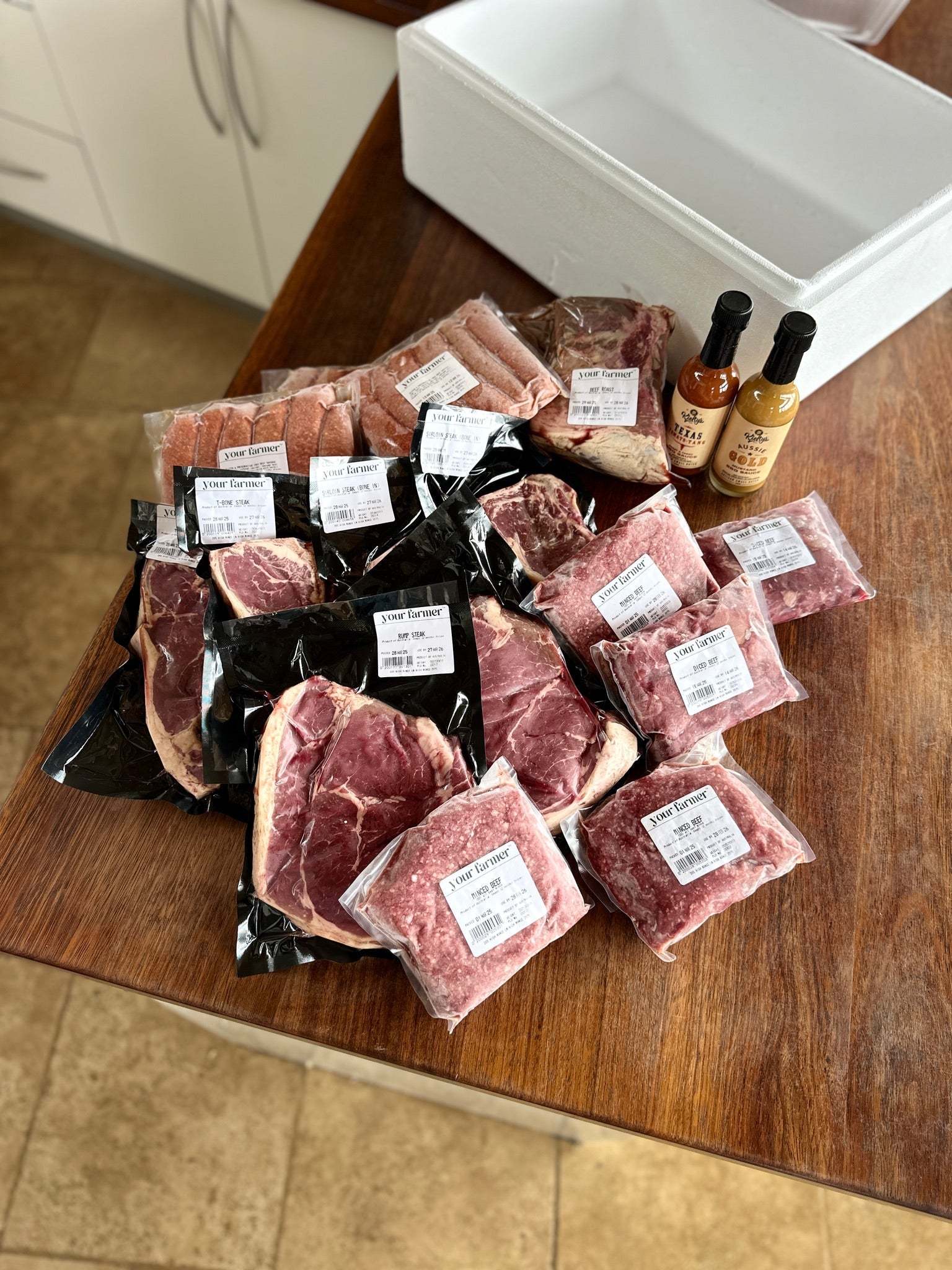
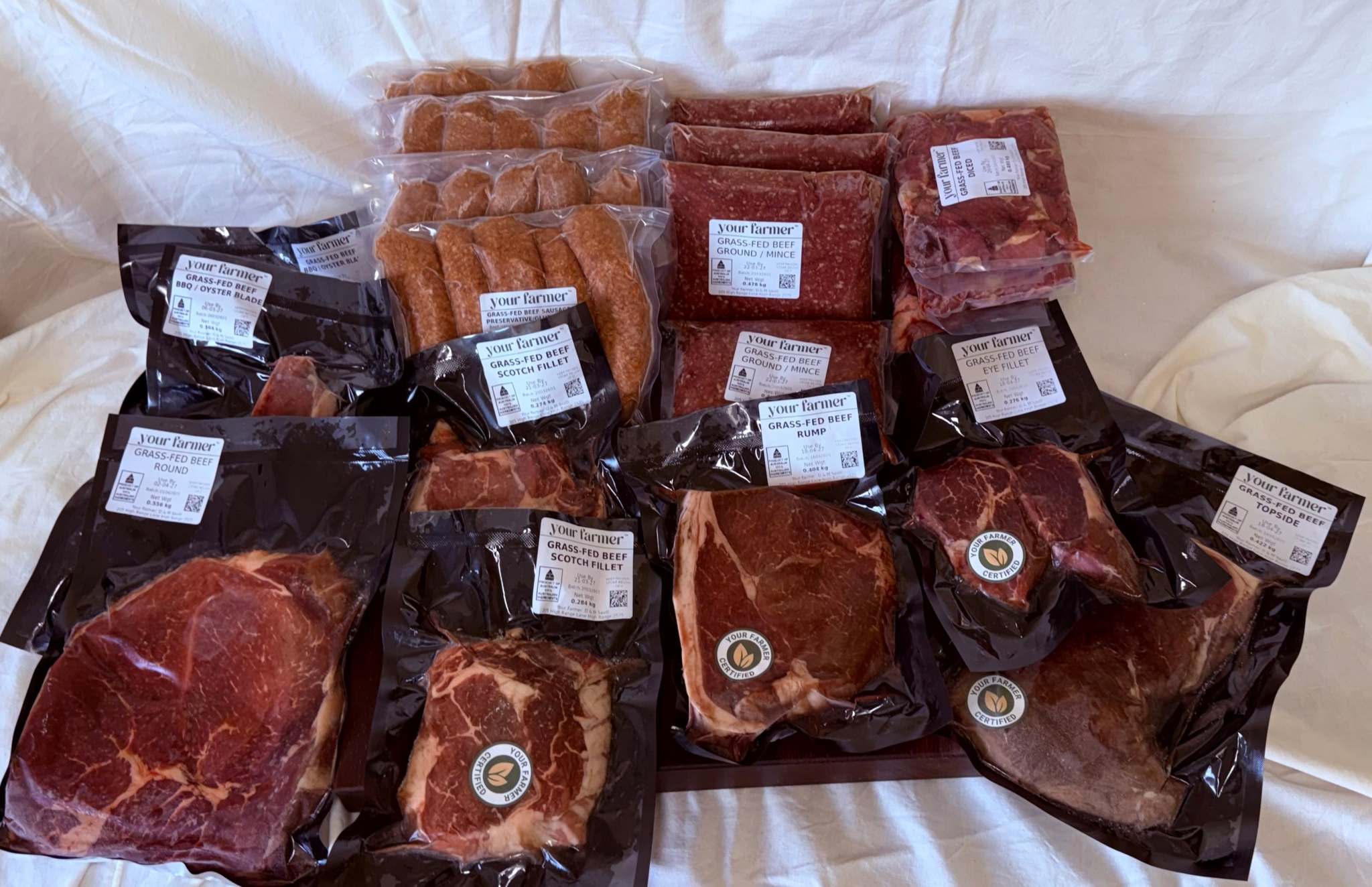
Walk into any Japanese supermarket and the sukiyaki beef in the fridge is thin-shaved, well-marbled ribeye — the same muscle we call scotch fillet. There's a reason for the match. In a sweet-salty simmer, lean beef tightens and turns chewy in seconds; marbled beef does the opposite, the fine ribbons of fat melting into the broth and carrying its flavour back through every ribbon of meat. You don't need a butcher's slicing machine to get there. Thirty minutes in the freezer firms the steak enough that an ordinary sharp knife can shave it into 2–3mm slices — count that half hour in your plans, but spend it prepping vegetables and you lose nothing. It's honestly the most dramatic transformation you can work on the single Your Farmer® scotch in your grass-fed beef CSA share: one 280g steak becomes a bubbling pot that feeds two generously, with the whole table leaning in and everyone claiming the last ribbon of beef.

Swaps and Variations

Sukiyaki is a forgiving format. Traditional additions include shirataki noodles in place of udon, a splash of sake in the warishita (swap it for the water), and a handful of English spinach wilted in at the end. Shiitake are classic for their savoury depth, but the eco-grown mushrooms we carry do the job beautifully. The raw-egg dip is the traditional finish — the hot beef half-cooks the egg into a silky coating — and it's worth trying with pasture-raised eggs you trust; it's also entirely optional. Sirloin takes the freeze-and-shave treatment well if the scotch is already spoken for.

Storage and Leftovers

Leftovers keep 2 days in the fridge, everything together in its broth. The noodles will drink up the sauce overnight, so add a splash of water when you reheat, gently, on the stove. Best of all is the next-day rice bowl: warm the beef, tofu and vegetables through in the leftover broth and spoon the lot over fresh steamed rice — you've essentially made gyudon, Japan's favourite beef bowl, without trying. The beef is already cooked, so heat it just until warmed through.
Frequently asked questions

Is the raw egg dip safe?

Use very fresh, clean, refrigerated eggs and it's a low-risk pleasure — the hot beef also part-cooks the egg on contact. That said, it's completely optional, and anyone pregnant, elderly or immune-compromised should simply skip it. The sukiyaki is delicious either way.

What if I can't slice the beef thinly enough?

Give it another 10 minutes in the freezer — the firmer the steak, the thinner you can go. A long, sharp knife and single drawing strokes help more than sawing. And slightly thick slices aren't a failure; just simmer them a little longer.

I don't have mirin. What can I use?

Stir an extra tablespoon of sugar into the soy and water with a small splash of white wine or apple juice. It's not identical, but it lands the sweet-savoury balance the dish needs.

Do I need a portable burner to cook at the table?

No — it's lovely theatre but not required. Cook it on the stove in the same wide pan and carry the whole pot to a trivet in the middle of the table. The serving-from-the-pot part is what makes it sukiyaki.

Three Simple Steps

A whole table of real food.

Your Farmers grow grass-fed beef and lamb, pastured eggs and the best eco-grown veggies and produce — every item grown to the same ecological standard, every farmer one you can know by name. One subscription, your whole real-food shop.

01

Reserve your share — or try a pack

Subscribe to a share of the harvest, or start with a one-off fixed pack.

02

Make it your own

Pick your delivery rhythm and what's in the box. Skip or cancel anytime — no lock-in.

03

Cook, savour, know your farmer

We deliver in a reusable esky we collect next time. No couriers, no waste.

More Recipes

View all

Osso buco-style braised grass-fed lamb chump chops in tomato sauce over soft polenta, topped with gremolata.

Osso Buco-Style Braised Chump Chops with Gremolata

The Milanese treatment — chops braised low in white wine and tomato, lifted at the end by lemony gremolata

Osso buco is Milan's great braise, and the finishing touch is what makes it: gremolata, a raw scatter of lemon zest, garlic and parsley chopped fine, stirred in right at the end. Against an hour and a half of slow, rich braising, that fresh, sharp hit is a revelation — it stops the whole thing feeling heavy and makes you reach for another spoonful. Lamb chump chops stand in beautifully for the traditional veal shin here, their fat and connective tissue melting into a glossy sauce over soft polenta. It takes time, but almost none of it is yours. This is a dish to be proud of.

Read moreabout Osso Buco-Style Braised Chump Chops with Gremolata

A thick bowl of split pea and lamb bone soup topped with shredded lamb and mint.

Split Pea and Lamb Bone Soup

Pea-and-ham thinking, straight from the lamb paddock

Every Australian family has a pea-and-ham soup story, and every one of those soups leans on the same trick: a bone in the pot doing the heavy lifting. This is that trick with lamb bones instead of a hock. The split peas collapse into a thick, velvety base, the bones give the broth real depth and body, and a pinch of smoked paprika stands in for the smokehouse if you want that familiar edge. It's the thriftiest pot in this whole collection — pantry peas, add-on bones, one lazy afternoon — and it eats like a hug.

Read moreabout Split Pea and Lamb Bone Soup

Grass-fed T-bone steak sliced and served with homemade tarragon bearnaise and chips, bistro style.

T-Bone with Bearnaise from Scratch

The sauce that turns a steak into an occasion

Béarnaise has a reputation as chef's territory — it isn't. It's three egg yolks, a sharp tarragon reduction and a stream of warm butter, whisked over gentle heat until it turns thick, glossy and faintly wobbly. Twenty minutes of honest attention, most of it while the steak rests. And there's no better steak to learn it on than a grass-fed T-bone: the fillet side was born for béarnaise, and the sirloin side isn't far behind. This is occasion cooking you can pull off on an ordinary Saturday.

Read moreabout T-Bone with Bearnaise from Scratch