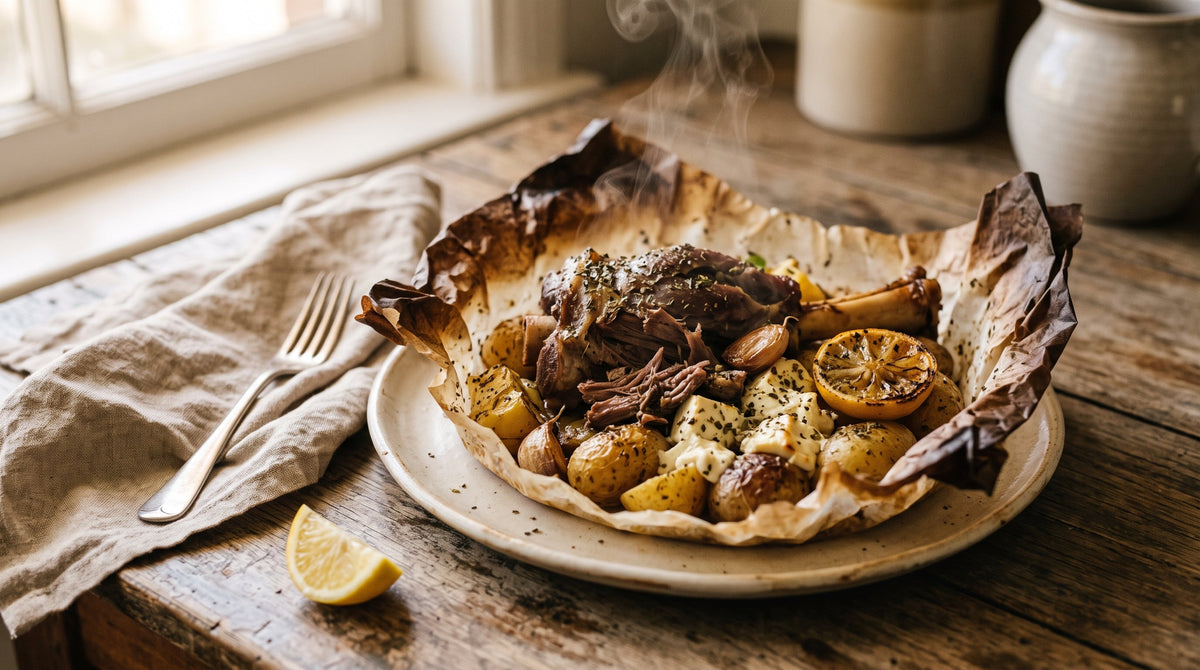
The bandit's dinner — sealed in paper with lemon and oregano, opened at the table

Kleftiko is named for the klephts, the old Greek mountain bandits who cooked stolen lamb in sealed pits so no smoke would give them away. The modern version keeps the secret-keeping trick: each shank is bundled up with potatoes, garlic, lemon and oregano in a tight parcel of paper and foil, then slow-roasted so nothing escapes. Everything steams and roasts in its own juices, and the parcel isn't opened until it hits the table — a little cloud of lemony, herby steam, and a shank that's collapsed off the bone into the potatoes below. It's a bit of theatre and almost no washing up. Hard to beat.

3 hrs 25 mins 2 servings Prep 25 minsCook 3 hrsMain CourseGreek

Ingredients

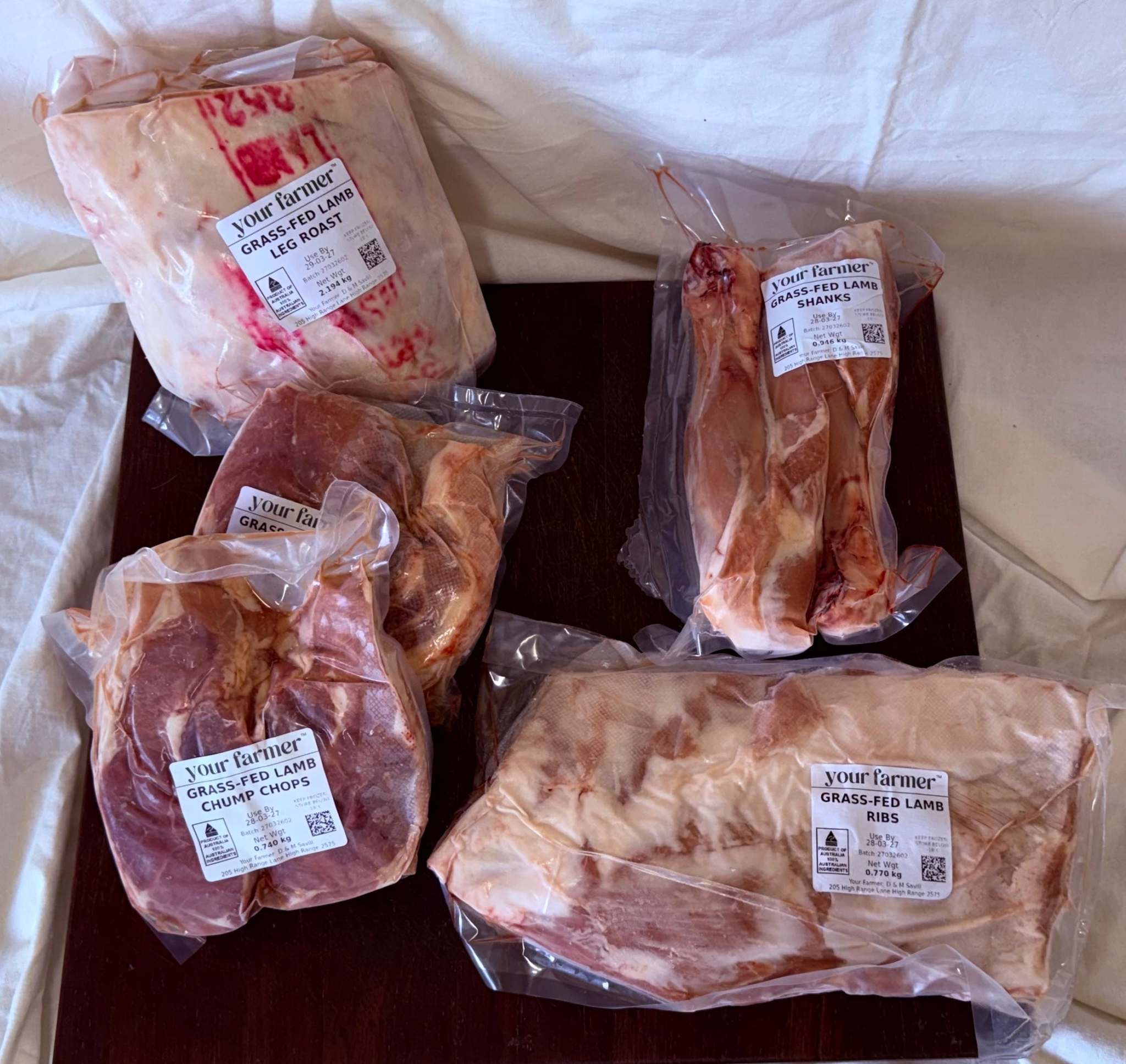
  • 2 Your Farmer grass-fed lamb shanks
  • Salt and pepper to season
  • 600g small potatoes, halved
  • 1 brown onion, cut into wedges
  • 6 cloves garlic, peeled
  • 2 tsp dried oregano
  • 1 tsp dried thyme
  • 1 lemon, half juiced and half sliced
  • 3 tbsp olive oil
  • 100ml white wine
  • 2 bay leaves
  • 100g Greek feta, broken into chunks
  • Extra oregano and lemon wedges, to serve

Instructions

Preheat the oven to 160C. Season the shanks generously with salt and pepper. In a bowl, toss the potatoes, onion and garlic with the oregano, thyme, lemon juice and olive oil until well coated.

600g potatoes2 tsp oregano3 tbsp olive oil

Lay two large sheets of baking paper, each on top of a sheet of foil. Divide the potato mixture between them, sit a shank on each pile, and tuck a bay leaf and a couple of lemon slices alongside.

2 lamb shanks1 lemon2 bay leaves

Splash half the wine over each parcel, then gather the paper and foil up and around the shank and scrunch the top tightly closed so no steam can escape. Sit both parcels in a roasting tin.

100ml white wine

Roast, sealed, for 2 hours 30 minutes, until the meat is falling from the bone and the potatoes are tender — resist the urge to open and check before the time is up.

Carefully open the tops of the parcels, scatter the feta over the hot potatoes, and return to the oven, open now, for 20 minutes to lightly colour the lamb and soften the cheese.

100g feta

Bring the parcels to the table on plates, open fully, scatter with extra oregano and serve with lemon wedges to squeeze over.

extra oreganolemon wedges

Appears in

Why the Parcel Works So Well

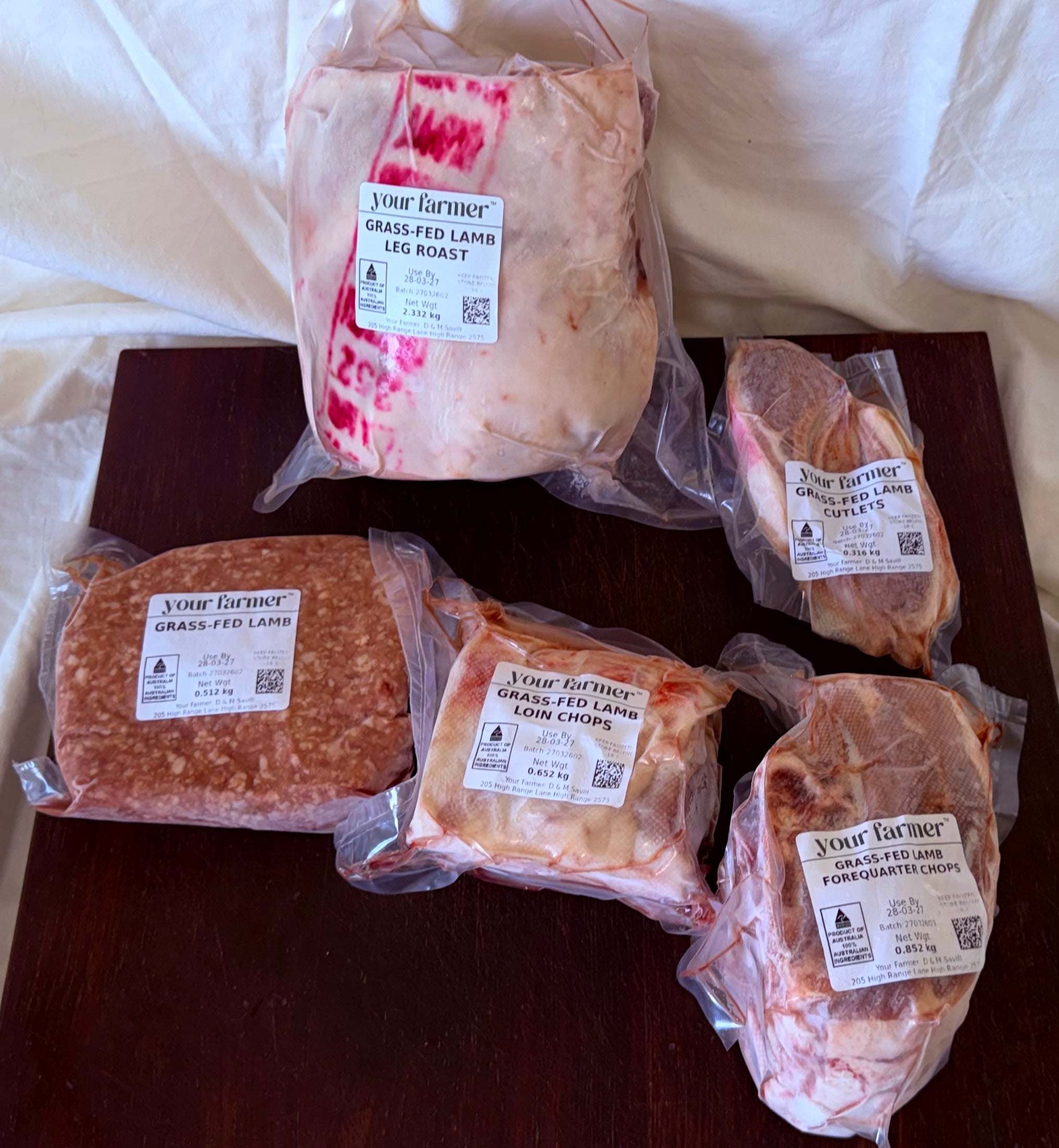
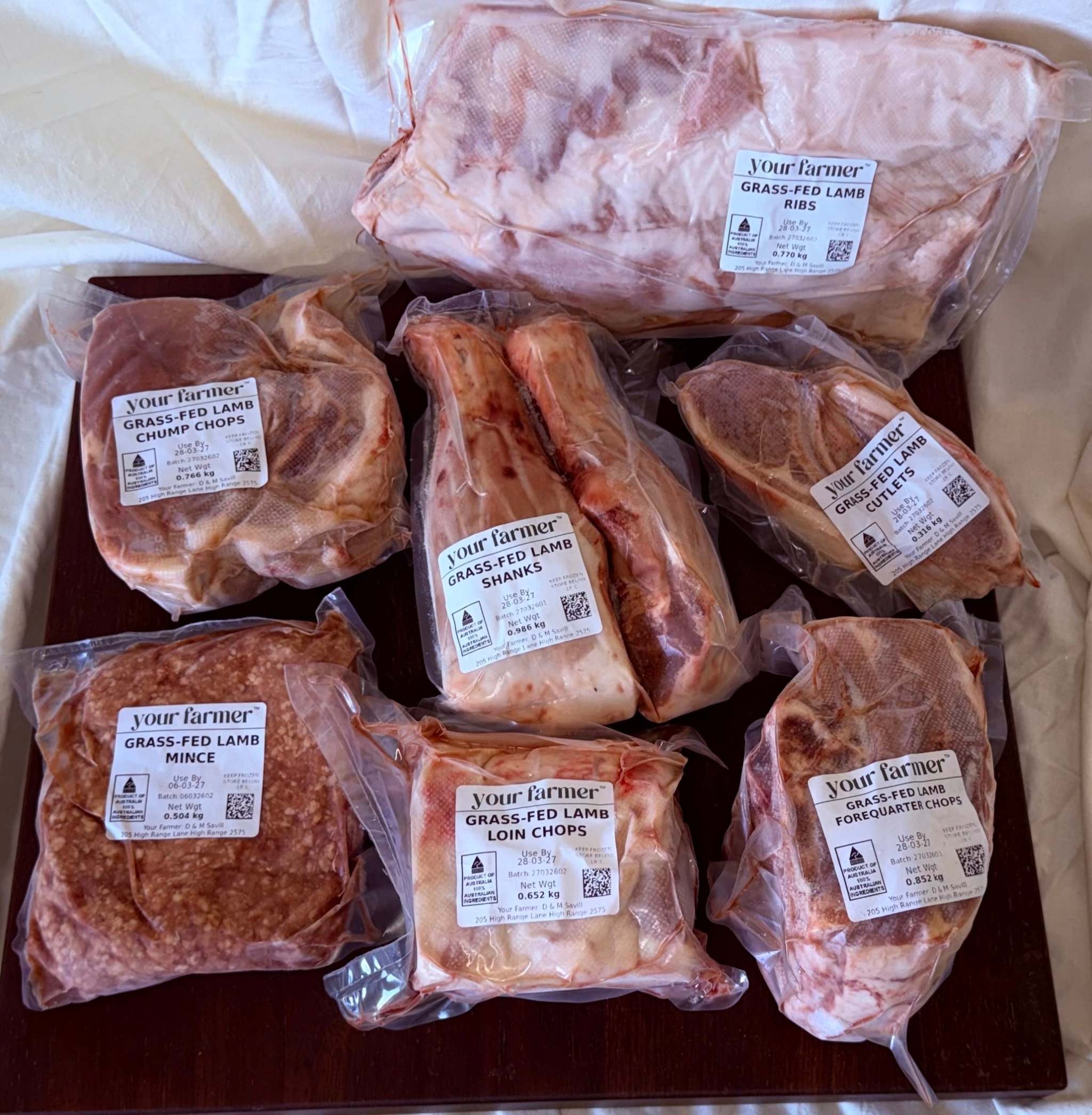
The sealed parcel is doing something clever: it traps every bit of steam and juice around the shank, so the meat effectively braises and roasts at once, in nothing but its own moisture, the wine and the lemon. The shank is the lamb's lower leg, dense with connective tissue that collagen-melts into softness over a long, gentle cook — and because the parcel loses no liquid, there's a small pool of concentrated, lemony pan juices waiting when you open it. The potatoes underneath cook in that same flavour, which is the whole point. Sealing it also means almost no cleaning up. Grass-fed shanks from Your Farmer® suit this slow method perfectly and come two to the pack in the Share B pack of our pasture-raised lamb share — you can meet the farmers who raise them.

Swaps and Variations

Baking paper inside foil gives the cleanest result, but a tight double layer of foil alone works if that's what you have. A handful of kalamata olives or a few cherry tomatoes tucked into each parcel is very traditional and adds another layer of flavour. Swap the potatoes for chunks of pumpkin, or add a stick of cinnamon for a warmer, more festive version. Lamb forequarter chops can be parcelled the same way with the roast time cut to about 90 minutes if you're cooking for a crowd from a different pack.

Storage and Leftovers

Leftovers keep 3 days in the fridge; lift the meat and potatoes out of the paper into a container and reheat gently, covered, in a 160C oven with a splash of water. The lamb doesn't freeze quite as neatly once it's fallen apart, but it keeps for a month if you shred it into its juices first. The best second act: shred the meat, crisp it in a pan, and fold it through a Greek salad with the leftover feta, or pile it into warm pita with tzatziki. Two shanks quietly become lunch for the week.
Frequently asked questions

Can I make one big parcel instead of two?

You can, but two individual parcels cook more evenly and make the table moment nicer. If you go with one, use a large sheet of paper and foil, arrange the shanks side by side, and check they're both fully tender before serving.

Do I really need baking paper and foil?

The paper stops the acidic lemon reacting with the foil and gives a cleaner flavour, but a well-sealed double layer of foil on its own will still work. The critical thing is that the parcel is scrunched tightly shut so no steam escapes.

How do I know when the shanks are done?

The meat should pull away from the bone with almost no resistance and the potatoes should be soft. If you open a parcel and it's not quite there, reseal it and give it another 20 to 30 minutes — shanks are forgiving and won't dry out inside the parcel.

Can I prep the parcels ahead of time?

Yes — assemble them completely, refrigerate for up to a day, and roast straight from the fridge, adding 15 minutes or so to the time. It makes this a very easy dish to have ready for guests.

What should I serve alongside?

The potatoes make it close to a complete meal, so a simple Greek salad or some steamed greens is all it needs. Warm bread to mop up the lemony juices is never a bad idea.

Three Simple Steps

A whole table of real food.

Your Farmers grow grass-fed beef and lamb, pastured eggs and the best eco-grown veggies and produce — every item grown to the same ecological standard, every farmer one you can know by name. One subscription, your whole real-food shop.

01

Reserve your share — or try a pack

Subscribe to a share of the harvest, or start with a one-off fixed pack.

02

Make it your own

Pick your delivery rhythm and what's in the box. Skip or cancel anytime — no lock-in.

03

Cook, savour, know your farmer

We deliver in a reusable esky we collect next time. No couriers, no waste.

More Recipes

View all

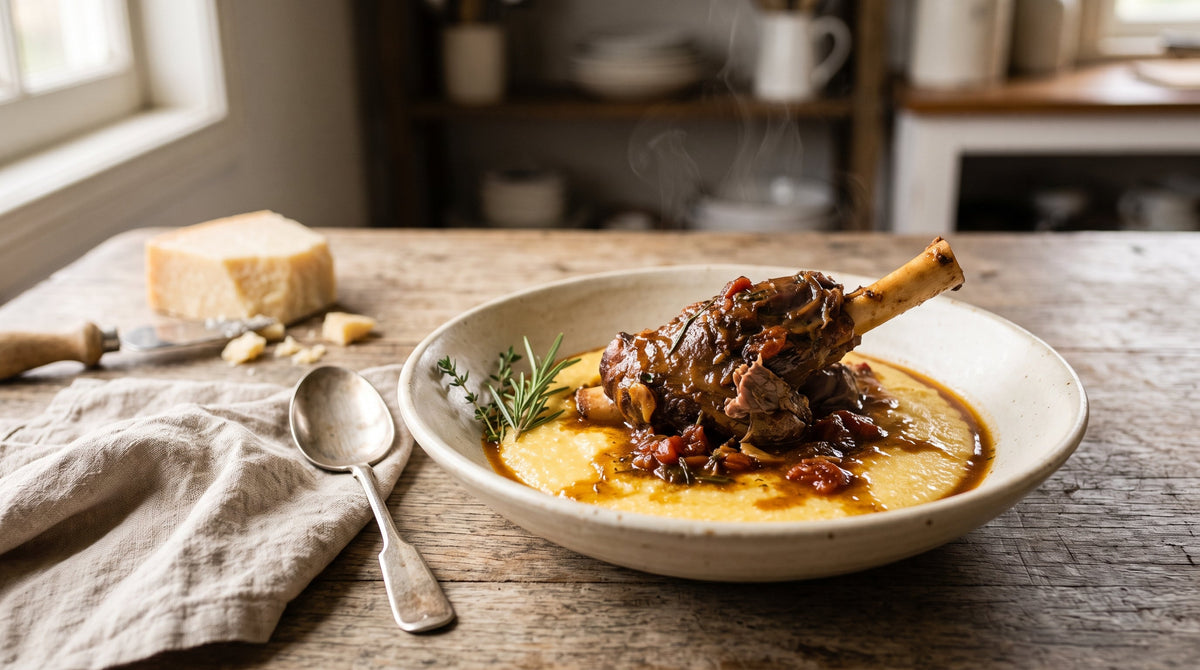
Tomato and rosemary braised grass-fed lamb shank served over soft parmesan polenta.

Tomato and Rosemary Braised Lamb Shanks with Soft Polenta

Osso buco's lamb cousin, with soft polenta doing the catching

The Milanese figured out long ago that a shin braised on the bone in tomato makes a sauce nothing else can — the marrow sees to that. This is the same idea run through the lamb paddock: shanks browned hard, then braised low with tomato, white wine and rosemary until the meat leans off the bone, all of it served over a pool of soft, buttery parmesan polenta whose entire purpose in life is catching sauce. It's a Sunday sort of pot that happily cooks on a Tuesday, and the polenta takes less minding than most people fear.

Read moreabout Tomato and Rosemary Braised Lamb Shanks with Soft Polenta

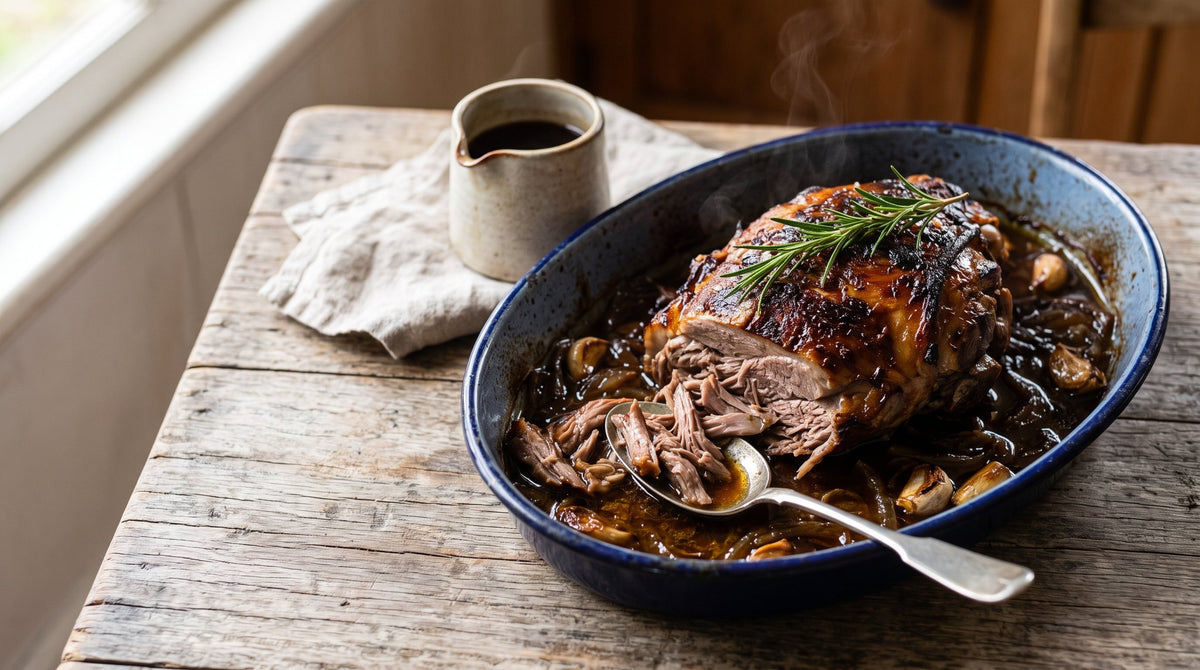
Slow-roasted grass-fed lamb pulled into tender shreds in its pan juices in an enamel roasting dish.

Slow-Roasted Lamb with Pan Juices, the Low and Slow Way

The roast that cannot be overcooked — give it half a day and it gives up entirely

Most roast anxiety comes from a five-minute window: pull it too early, it's raw; too late, it's leather. This method deletes the window. You give the lamb a hard blast of colour, then drop the oven right down and walk away for the better part of an afternoon. Somewhere in hour three the meat stops resisting altogether — a spoon will do the carving. There's no thermometer stress, no window to miss, and the pan underneath quietly builds the best juices you'll pour all winter. Patience, rewarded.

Read moreabout Slow-Roasted Lamb with Pan Juices, the Low and Slow Way

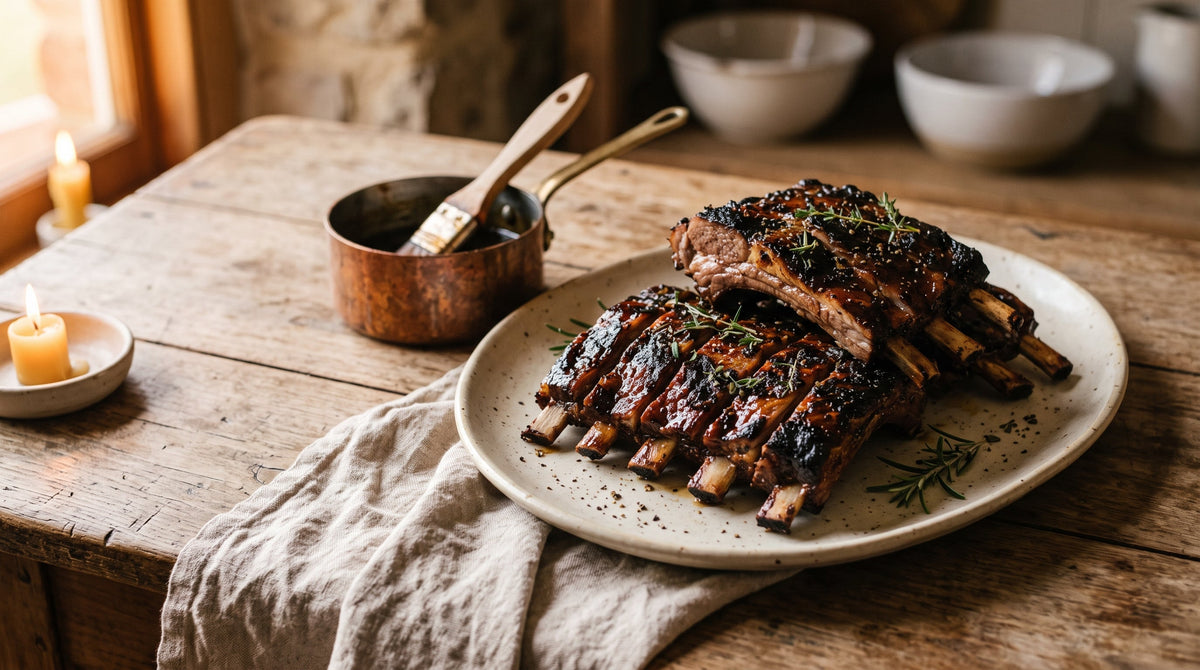
Twice-cooked grass-fed lamb ribs, braised until tender then charred and glazed, stacked on a stoneware platter.

Twice-Cooked Lamb Ribs: Braise, Then Char

The restaurant trick: do the hard part yesterday, take the applause tonight

Ever wondered how a restaurant sends out perfect sticky ribs eight minutes after you order them? They cooked the ribs yesterday. The racks get braised in stock and aromatics until tender, then cooled in their own liquid — where they firm up, drink back flavour, and wait as long as you need. Come dinner time, all that's left is a hot grill pan, a honey glaze made from the braising liquid, and about ten minutes of theatre. It's the most reliable rib method there is, and the only one where the night-of cooking fits between guests arriving and the first drink being finished.

Read moreabout Twice-Cooked Lamb Ribs: Braise, Then Char