


Why the Marinade Has Fruit in It
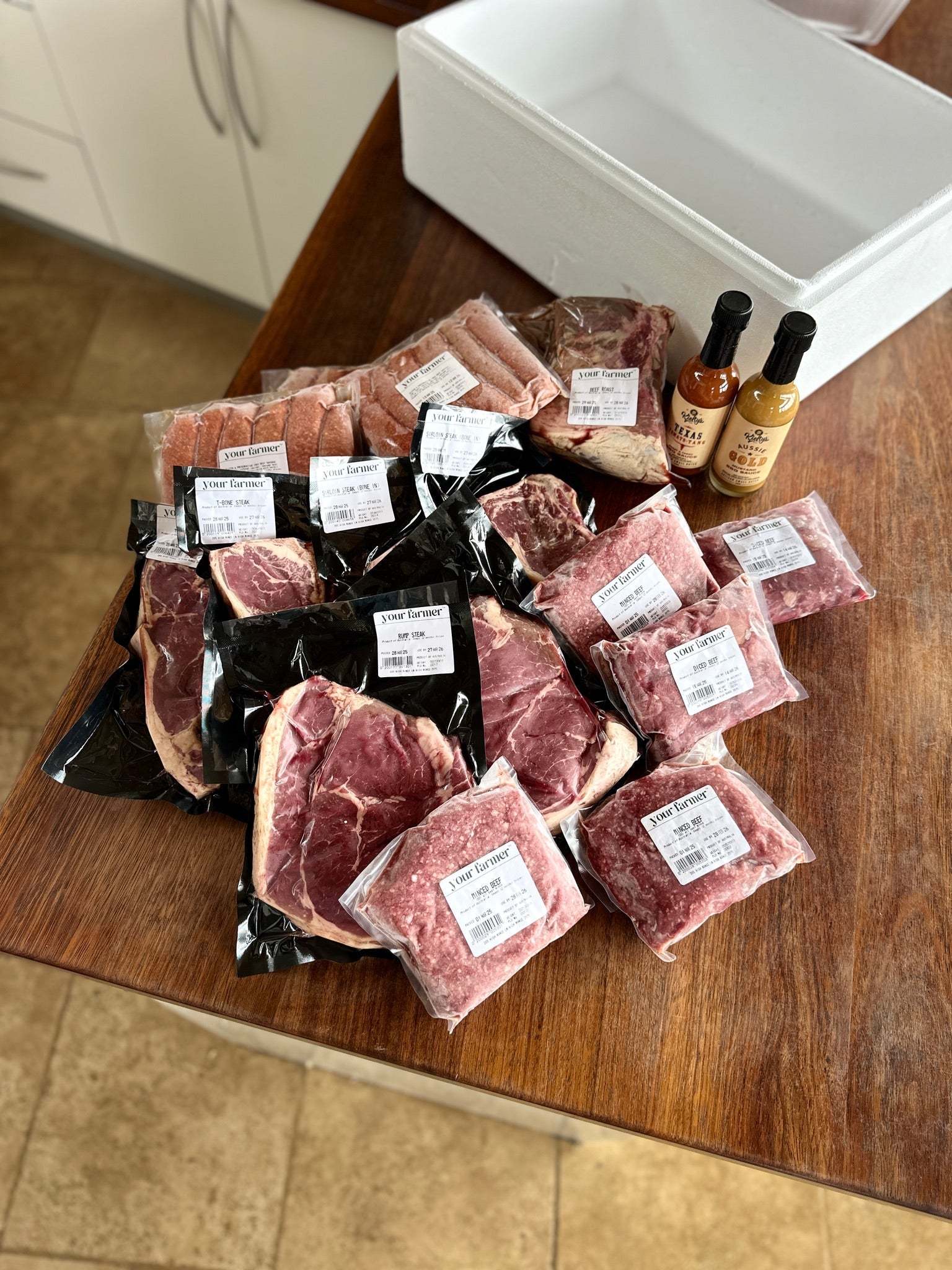
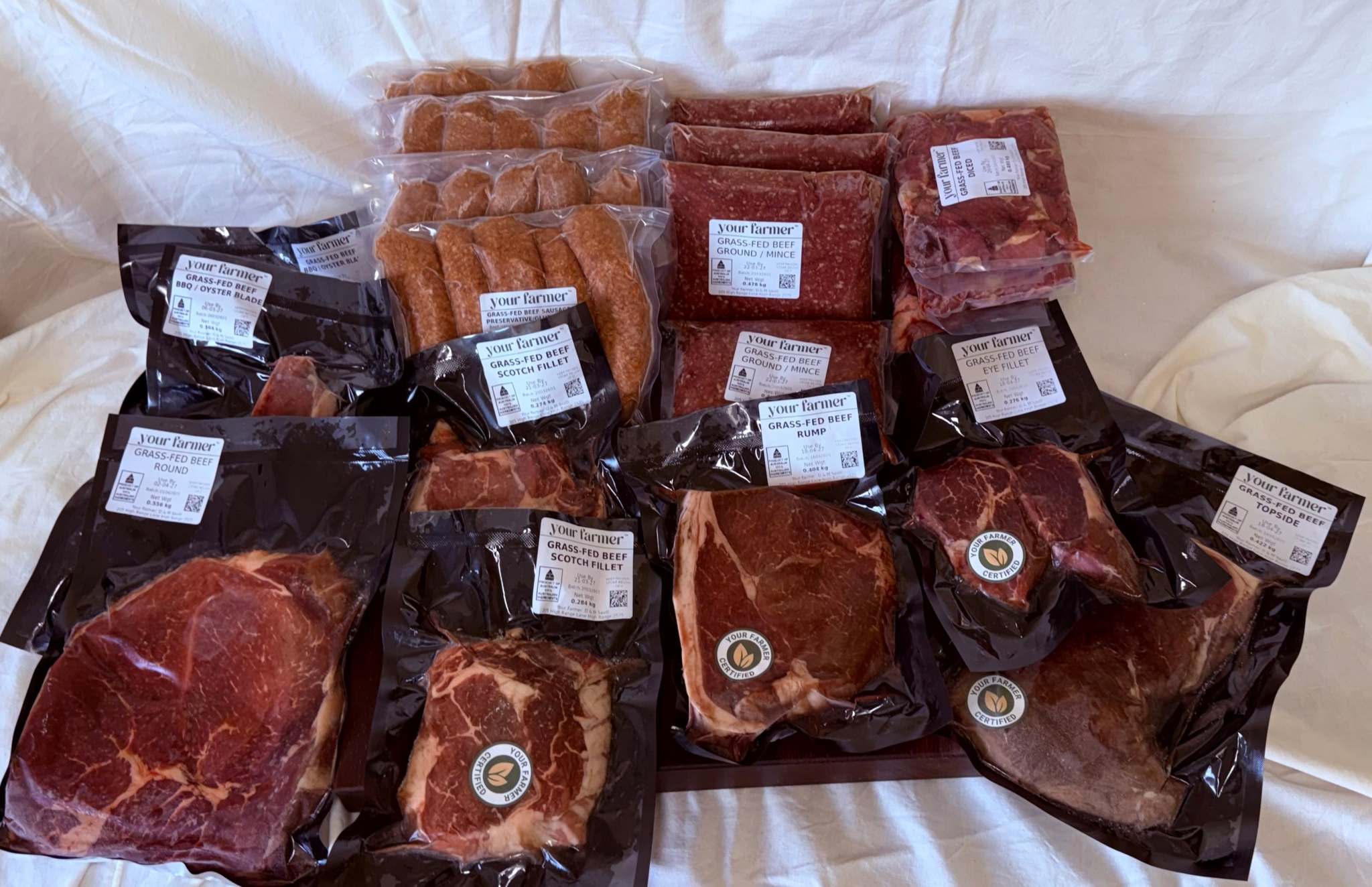
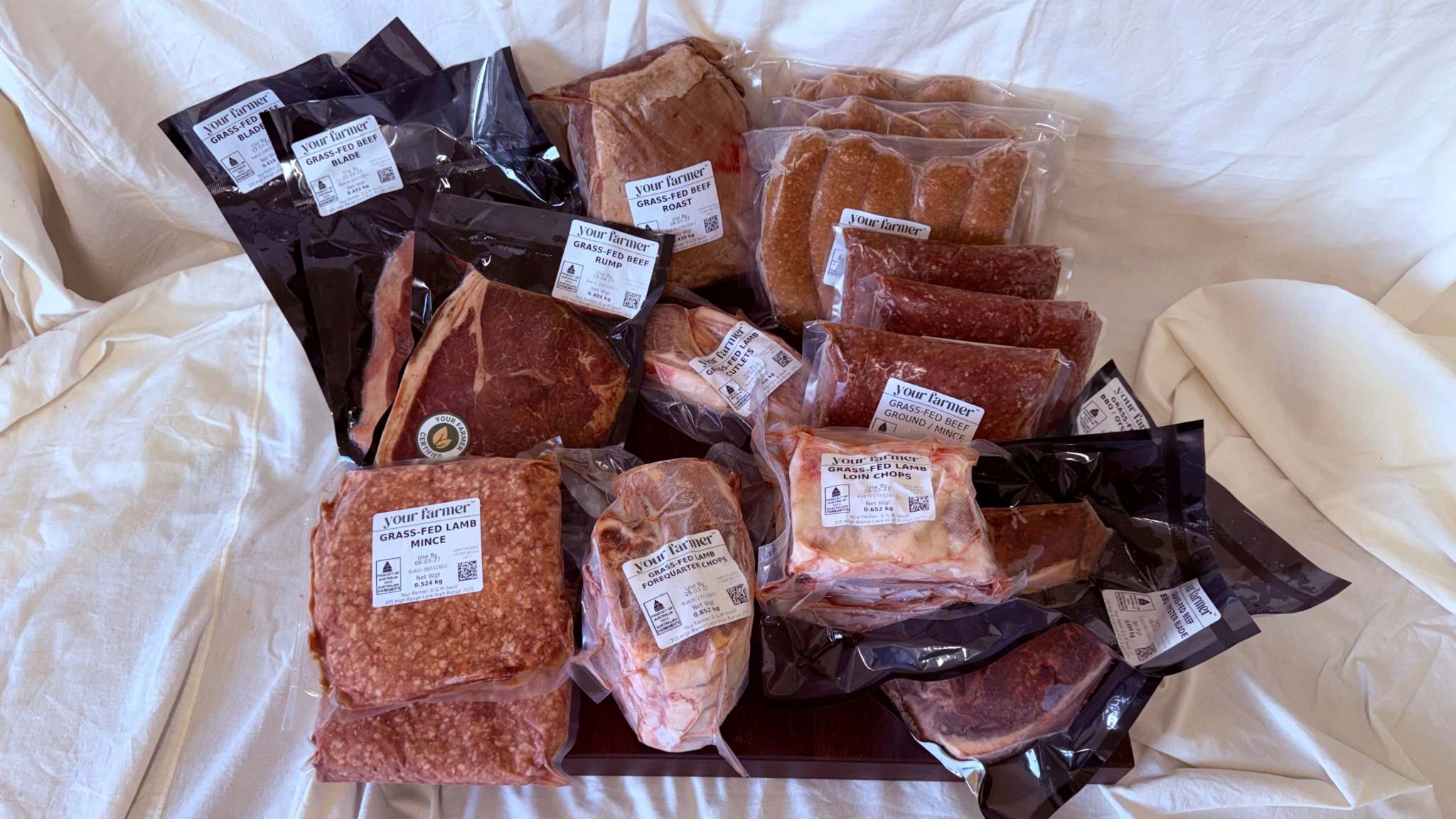
Korean cooks have grated pear into beef marinades for generations — it brings a gentle sweetness and helps the surface of the meat soften and caramelise, which is why bulgogi tastes the way it does. Nashi is the closest thing in an Australian fruit bowl to the Korean pear the tradition calls for, and any ripe pear will do the job. The BBQ steak is the right cut to build this on: it comes off the oyster blade, a shoulder muscle whose open grain drinks up a marinade in a way the tight, fine-grained premium steaks never quite manage. Two hours in the soy and nashi, a hot grill, a rest, and a thin slice across the grain — that last cut matters most, because ssam wants beef that yields in one bite. Your Farmer® beef is raised on pasture from first day to last, and there's a BBQ steak in every Pack A and Pack C box of the grass-fed beef CSA share.
Swaps and Variations
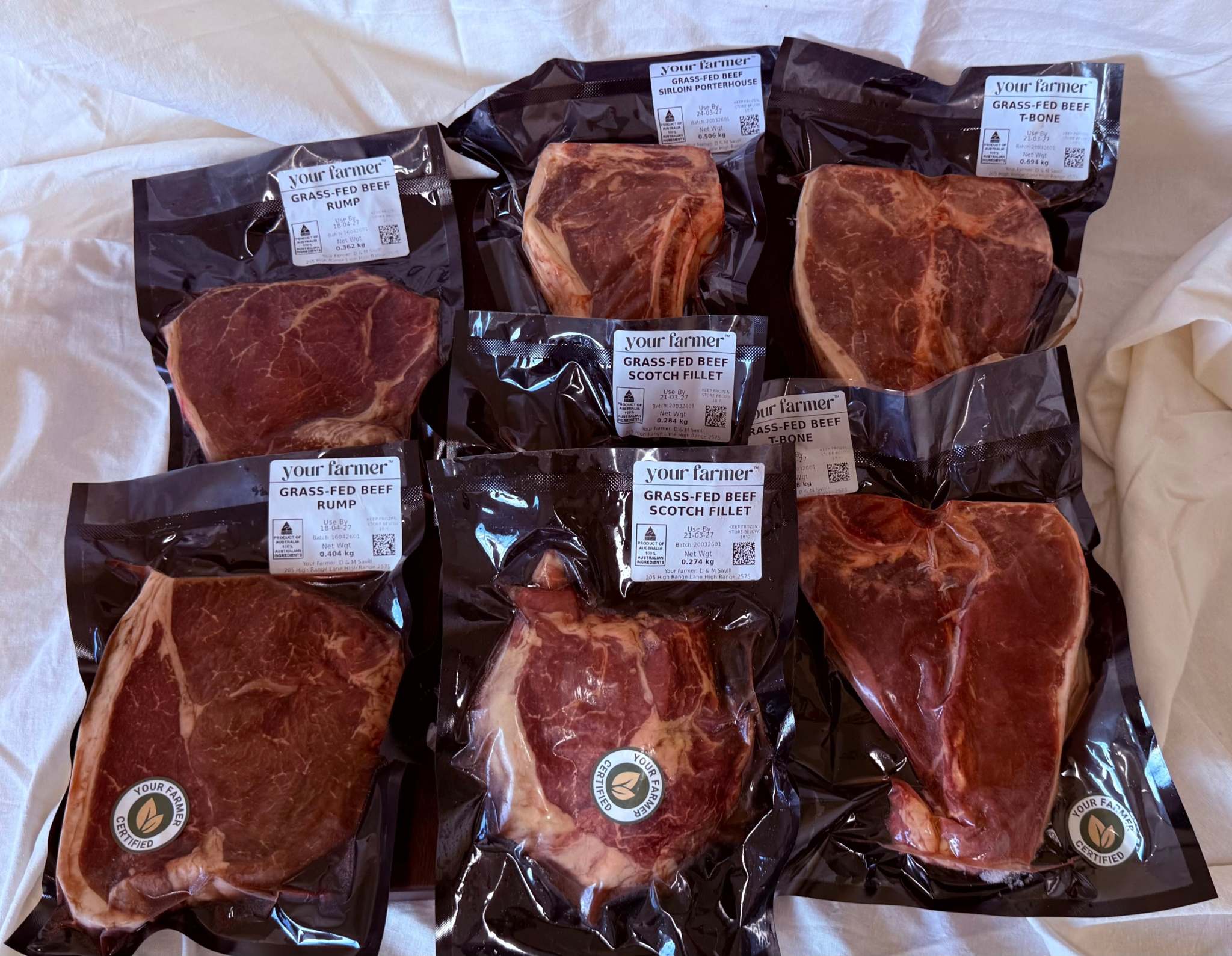
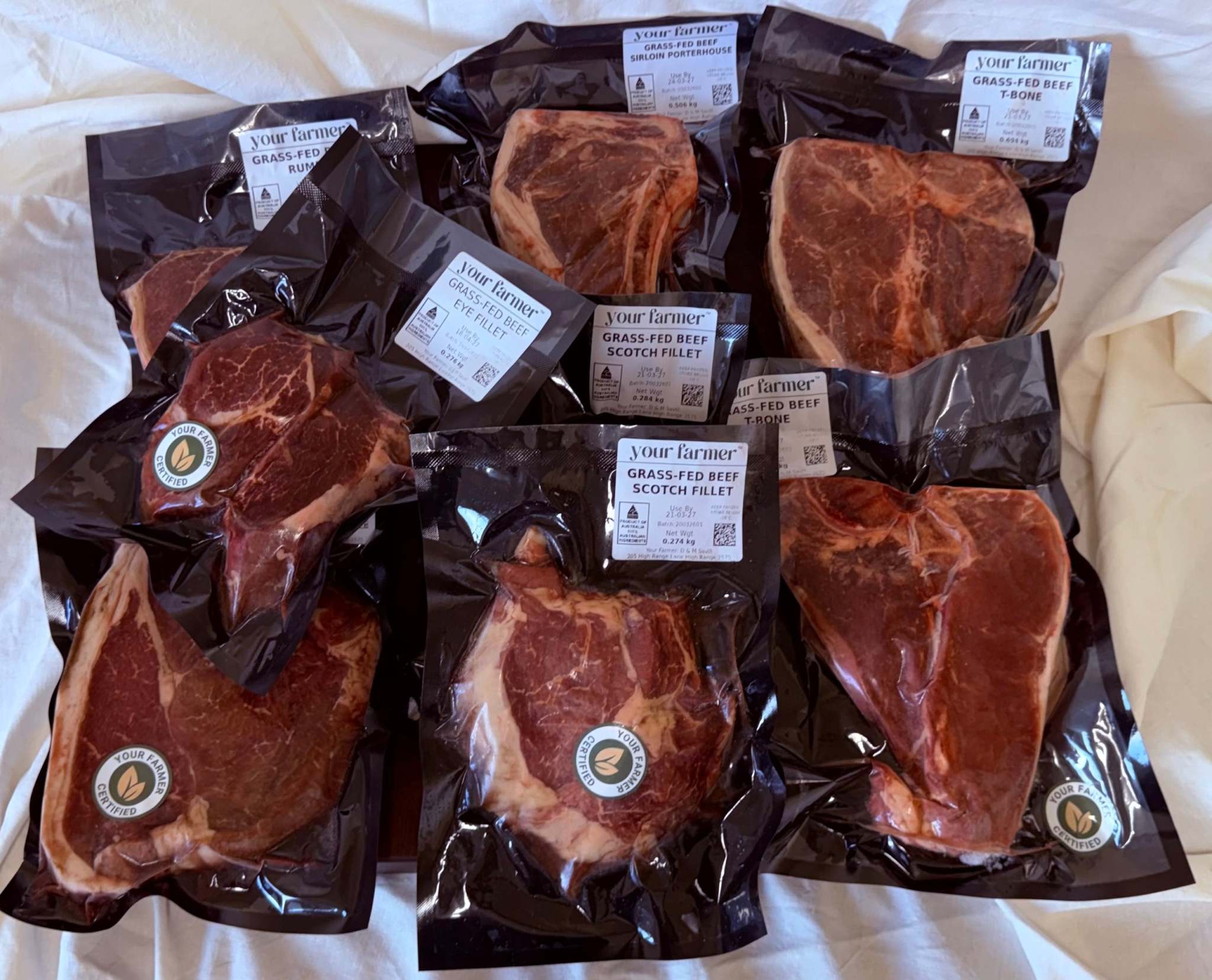
Rump or scotch fillet take the same marinade if you want to run this with a different steak — scotch needs a slightly gentler grill or its fat flares against the sugars. Kimchi and cucumber batons on the table are the traditional company and both earn their place. If the wrap-and-share format is a hit at your table, the Thai beef larb bowl works the same interactive magic from a different direction, and for the slow-cooked end of Korean beef cookery there's the galbi jjim-inspired braise.
Storage and Leftovers
Ssamjang is the great keeper here — covered in the fridge it holds a week and arguably improves, so make double and put it near anything grilled. The steak can also go into the freezer raw in its marinade for up to 3 months, thawing and marinating in one move. Cooked beef keeps 3 days; reheat it briefly in a hot pan or serve it at room temperature over rice with a fried egg and a dab of ssamjang — a leftover bowl good enough to plan for.



Share:
Slow-Cooked Beef Rib Ragu with Soft Polenta
Pan-Seared T-Bone with Garlic and Rosemary Butter Baste