


From Give-Away Cut to Bistro Royalty
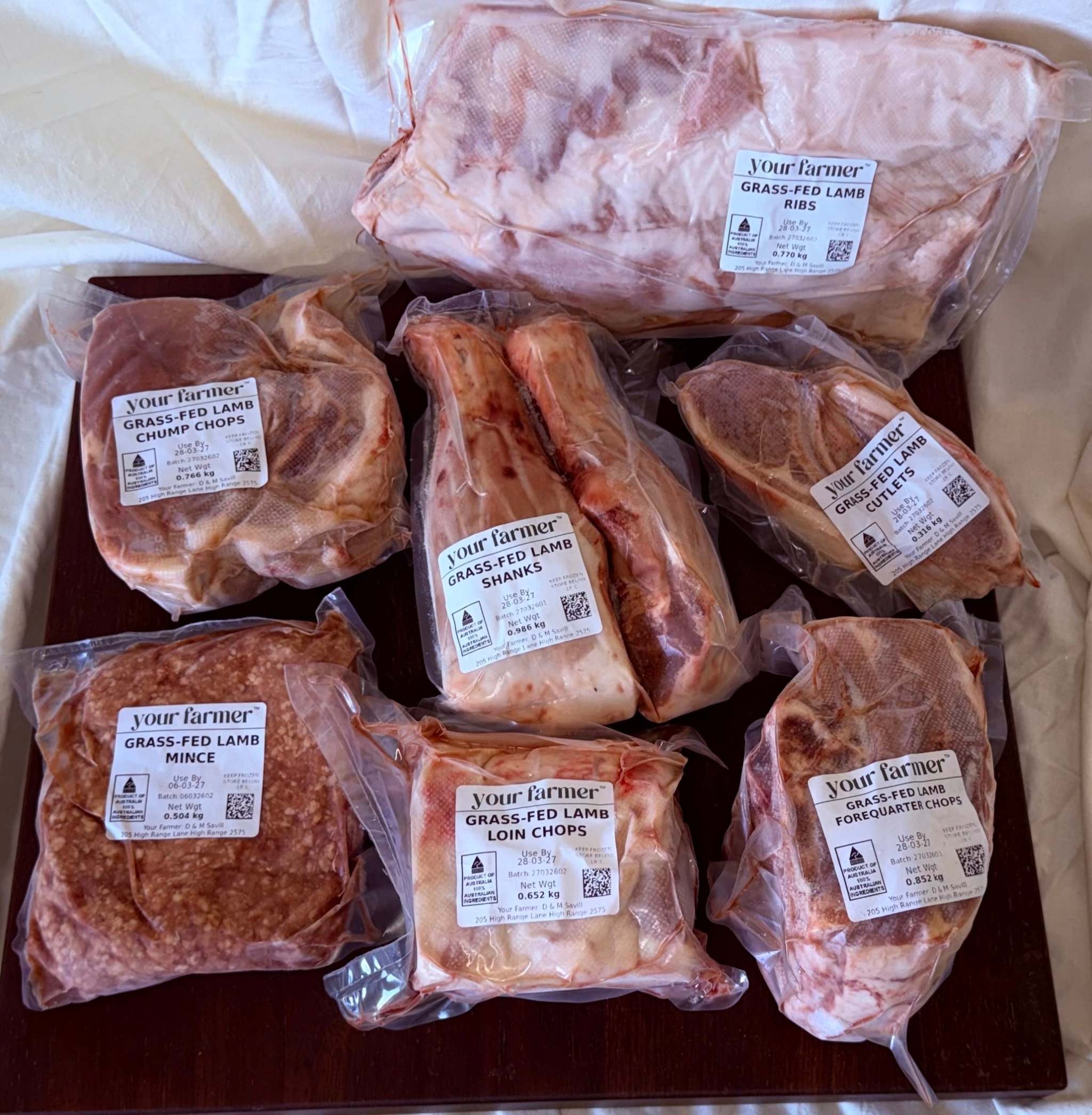
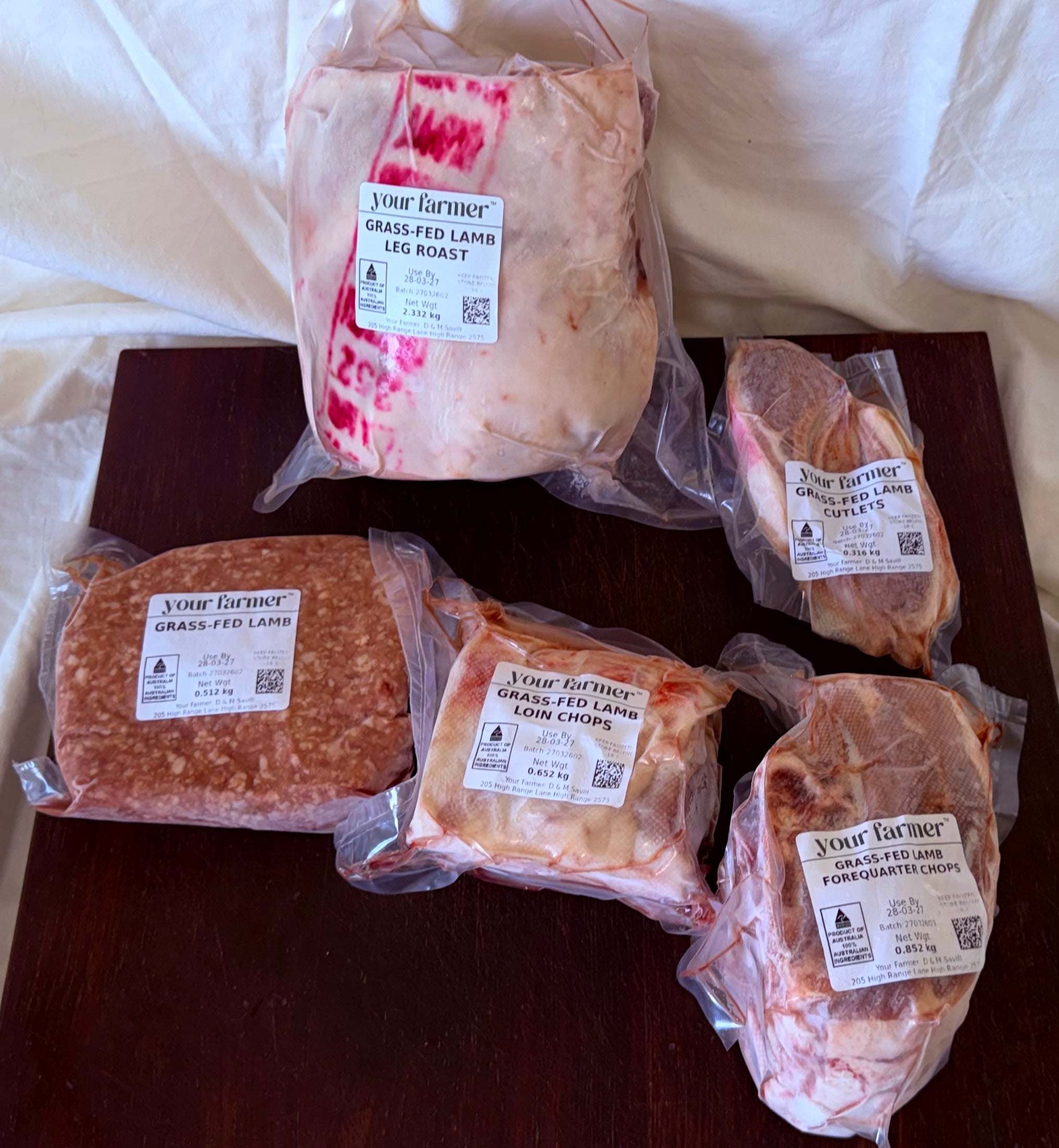
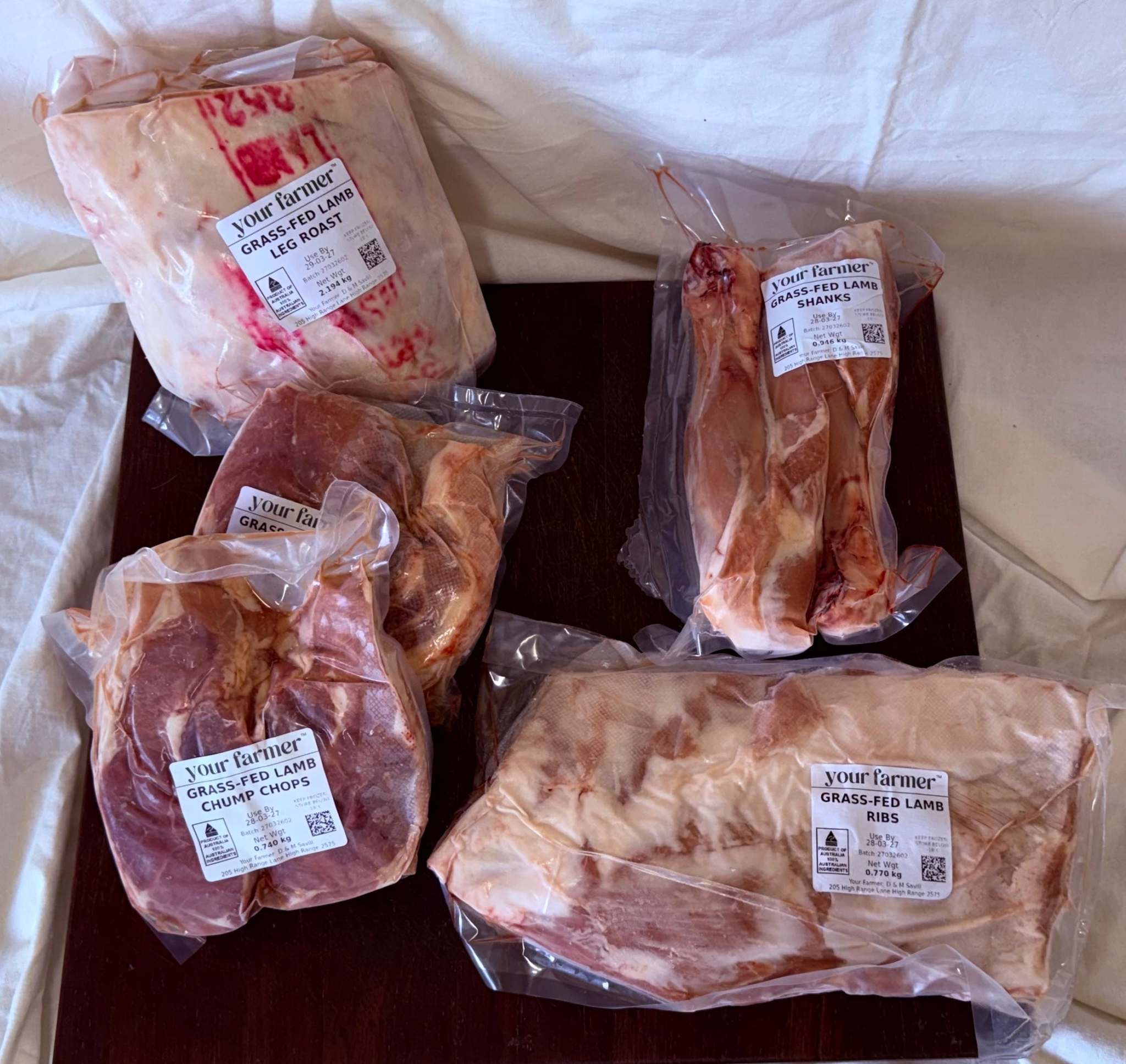
The shank earned its place on menus the honest way. It's the lamb's working lower leg — dense with connective tissue, hopeless cooked fast, magnificent cooked slow. Braising is simply the technique that unlocks it: a hard sear for flavour, then hours barely submerged in wine and stock while the collagen melts into gelatine. That gelatine is what makes the finished sauce cling to the spoon without a gram of flour, and it's why the reduced braising liquid tastes so much bigger than its ingredients. Grass-fed shanks like the ones from Your Farmer® reward the method most — the meat has genuine lamb flavour to give the wine, not just texture. They come two to the pack in the Share B pack of our CSA pastured lamb share.
Swaps and Variations
Any dry red you'd happily drink works — shiraz braises darker and richer, pinot lighter and brighter. Half a cup of the stock swapped for port takes the sauce somewhere plush. Rosemary can stand in for thyme, and a strip of orange zest in the pot is a quiet, excellent addition. The same braise, times unchanged, is superb on grass-fed ox-tail if you're cooking from the beef side of the freezer. For the mash underneath, regenerative potatoes are the natural partner.
Storage and Leftovers
This dish was practically designed for making ahead — braise it a day early, refrigerate the shanks in their sauce, and reheat gently, covered, in a 160C oven. The flavour is genuinely better on day two, which makes it the least stressful dinner-party main going. It keeps 3 to 4 days in the fridge and freezes for 3 months. The leftover move: shred the meat into the sauce and serve it over pappardelle with gremolata — a second dinner that outranks most first attempts.



Share:
Scotch Fillet au Poivre with Brandy Cream Sauce
Crying Tiger: Thai Grilled Rump with Nam Jim Jaew