


The Dish the Bones Were Named For
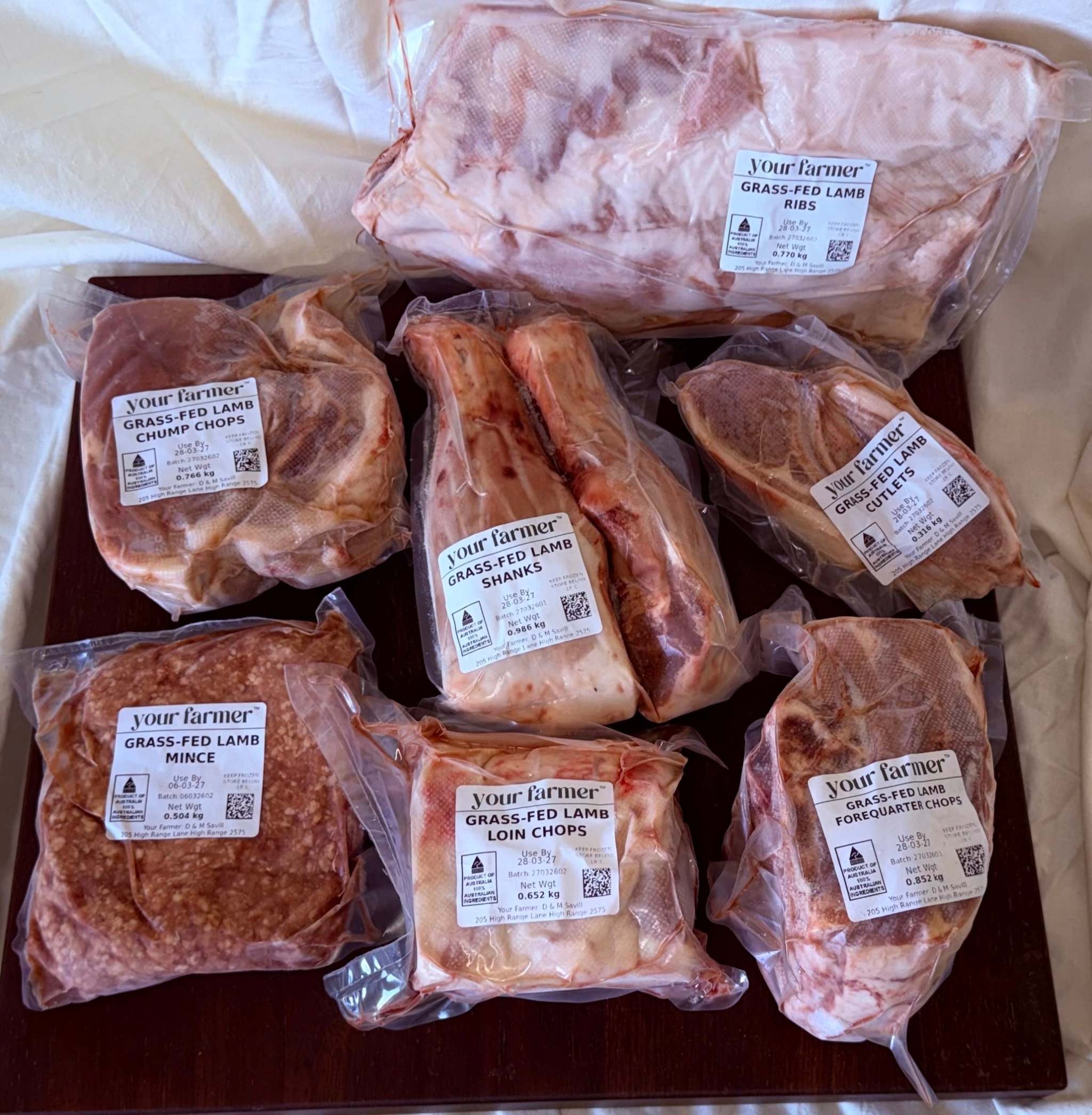
Scotch broth earned its place the hard way: centuries of Scottish winters, cooked in households where a sheep fed the family twice — once as meat, once as the bones that flavoured a week of broth. That thrift is the whole architecture of the dish. The bones give up gelatine over the long simmer, which is why the finished broth has a body that carton stock can't match, and the barley does double duty as grain and thickener. Old Scottish cooks judged the pot by its spoon: if the spoon didn't stand up in it by day two, it wasn't Scotch broth. The Your Farmer® bag of lamb bones is as close to the original starting point as a modern kitchen gets.
Swaps and Variations
A small handful of dried split peas added with the barley is entirely traditional and nudges the broth thicker and sweeter. Kale stands in for the savoy without complaint. For a meatier pot, swap the bones for lamb forequarter chops — bone-in, so the broth logic still holds — and shred the lot back in at the picking stage. Turnip is more traditional than swede if you can find a good one; both answer to "neeps" where this soup comes from.
Storage and Leftovers
Like every barley soup, this one thickens dramatically overnight as the grain keeps drinking broth — day-two Scotch broth is closer to a stew, and plenty of people (us included) think that's the better version. Loosen it with a splash of water as it reheats gently on the stove. It keeps 4 days in the fridge and freezes for up to 3 months in portions. Leftover idea: reheat it thick, crumble feta over the top, and don't tell the Scots.
Every box of our pasture-raised lamb share can carry the bones as an add-on — one tick, and the oldest soup in the book is back on your table.



Share:
Slow-Roasted Beef with Horseradish Cream and Crispy Potatoes
Stout-Braised Blade with Creamy Mash