Blushing pink from edge to edge, with potatoes that shatter

This is the considered version of roast beef — the one where you trade speed for certainty. Seared hard for a crust, then roasted at a whisper-low 120°C, the 1.4kg roast from your share cooks so gently that it ends up the same rosy pink from the first slice to the centre, with none of the grey band a hot oven leaves behind. While it rests, the oven roars back to life for properly crispy potatoes, and a sharp horseradish cream gets stirred together in two minutes. It's a long afternoon's roast that's almost impossible to overshoot.

3 hrs 30 mins 6 servings Prep 25 minsCook 3 hrs 5 minsMain CourseBritish

Ingredients

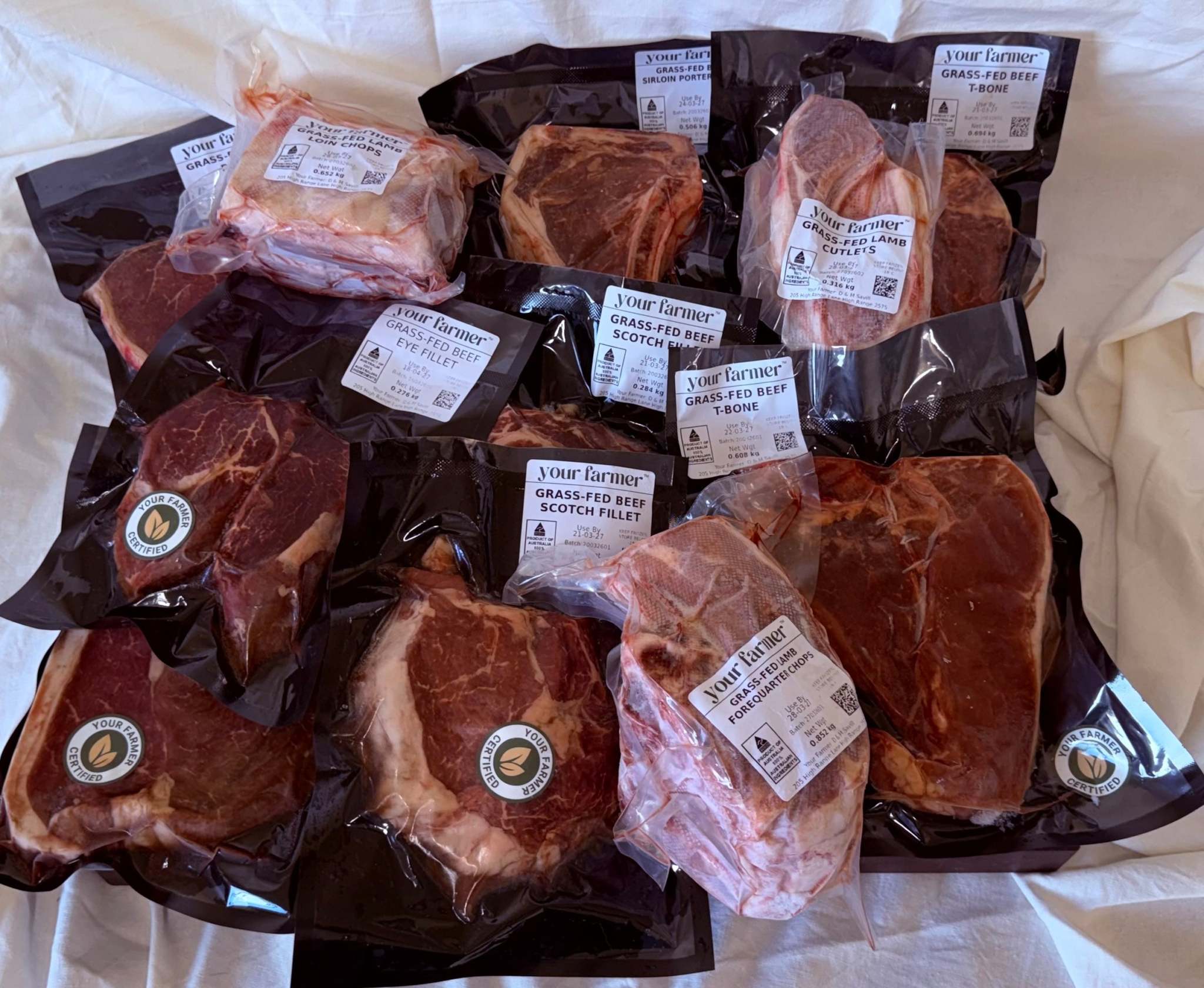
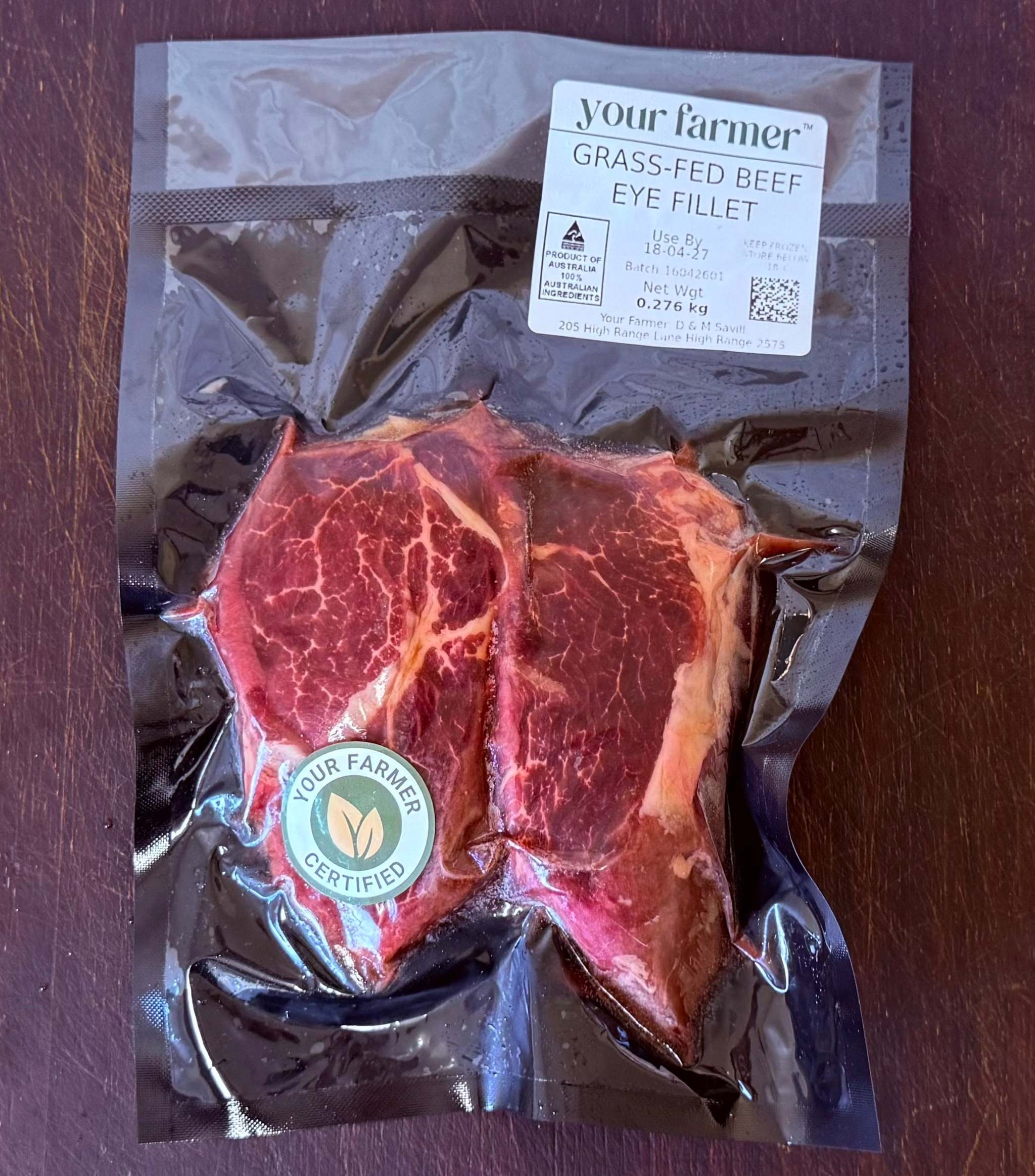
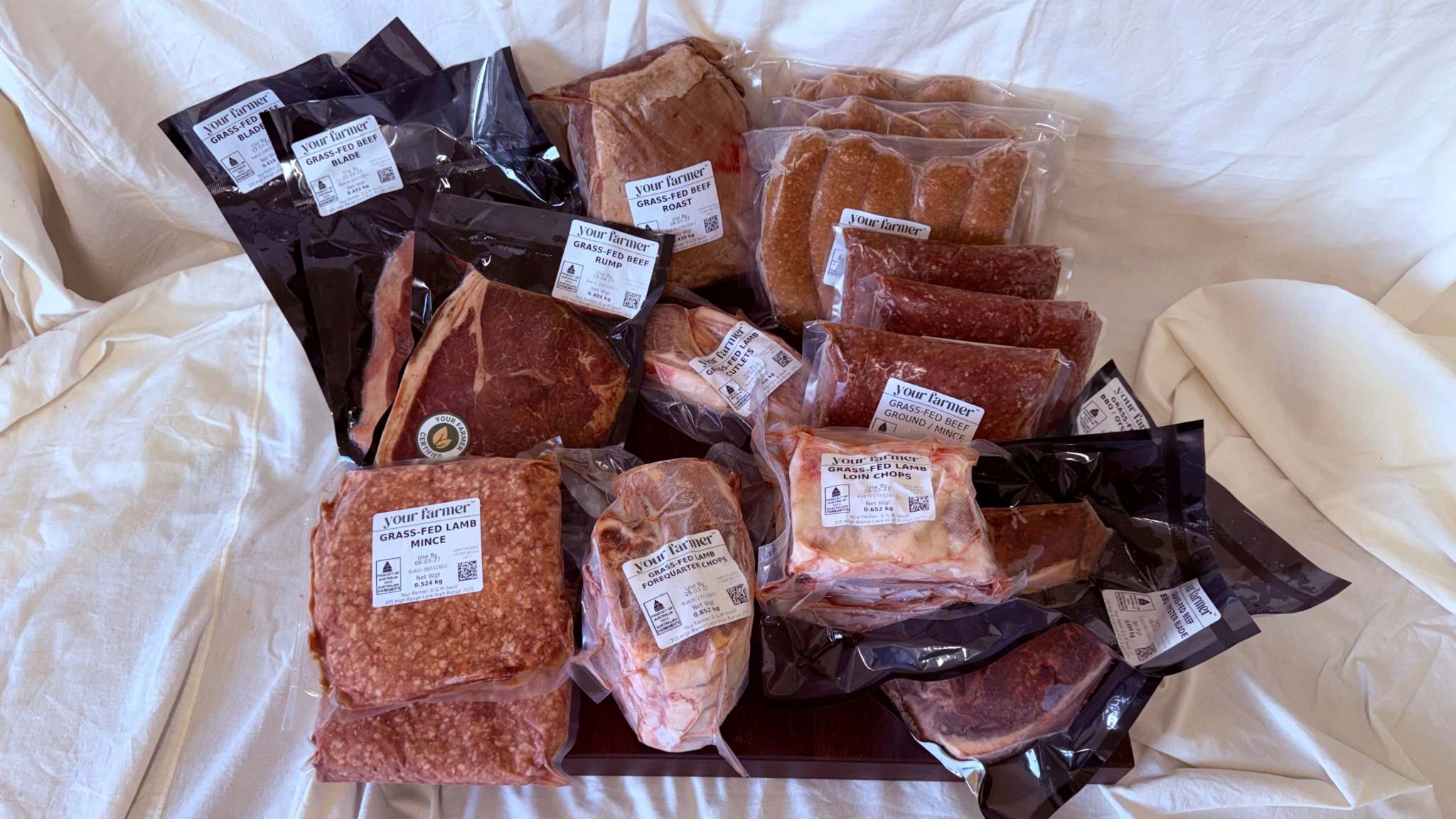
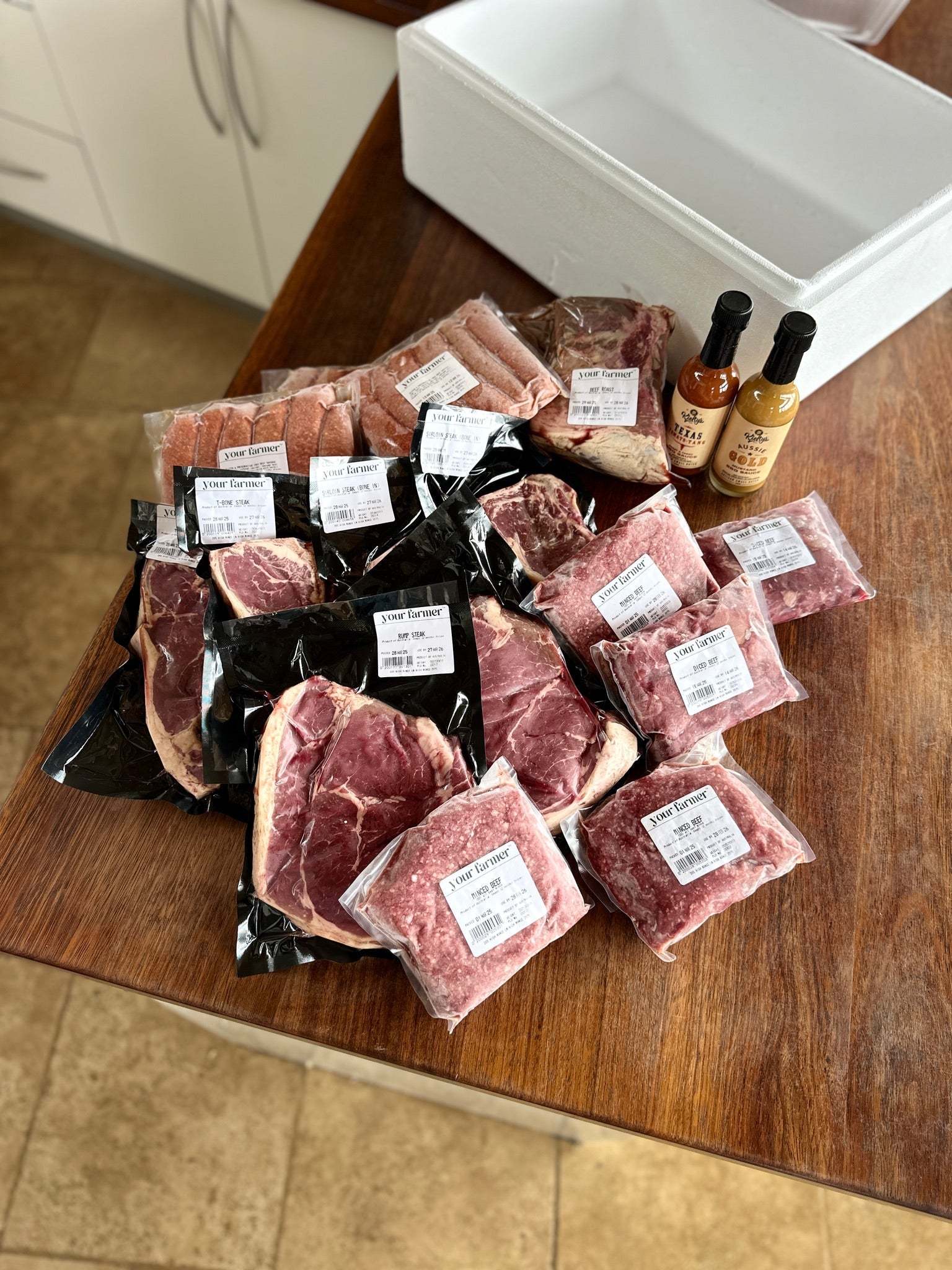
  • 1.4kg Your Farmer grass-fed beef roast
  • Salt and pepper to season
  • 1 tbsp olive oil
  • 1.2kg roasting potatoes, peeled and cut into large chunks (for the potatoes)
  • 3 tbsp olive oil or beef dripping (for the potatoes)
  • Flaky salt (for the potatoes)
  • 200ml sour cream or creme fraiche (for the horseradish cream)
  • 2 tbsp prepared horseradish (for the horseradish cream)
  • 1 tsp lemon juice (for the horseradish cream)
  • 2 tbsp finely chopped chives (for the horseradish cream)

Instructions

For the beef

Heat the oven to 120°C. Season the roast heavily all over. Heat the oil in a heavy pan over high heat and sear the beef deeply on every side, about 10 minutes — the low oven won't brown it, so this is where the crust is made.

1.4kg beef roast1 tbsp olive oil

Transfer the beef to a rack in a roasting pan and slow-roast for 2 hours to 2 hours 15 minutes, until a thermometer in the centre reads 54°C for medium-rare or 60°C for medium. Start checking at the 1 hour 45 minute mark.

Move the beef to a warm plate and rest it, loosely covered with foil, for about 40 minutes while the potatoes roast — slow-roasted beef holds its heat and only improves for the wait.

For the crispy potatoes

During the beef's final half hour, par-boil the potatoes in well-salted water for 10 minutes, drain them, and shake them roughly in the colander until the edges look scuffed and floury.

1.2kg potatoes

Once the beef comes out, crank the oven to 220°C with a roasting pan of the oil or dripping inside. When the fat is shimmering, turn the potatoes carefully through it and roast for 40 to 45 minutes, turning once, until deep gold and crackling. Season with flaky salt.

3 tbsp oil or drippingflaky salt

For the horseradish cream

Stir the sour cream, horseradish, lemon juice, chives and a pinch of salt together and taste — it should bite back, gently.

200ml sour cream2 tbsp horseradish1 tsp lemon juice2 tbsp chives

Carve the beef into thin, even slices against the grain and serve it with the crispy potatoes, the horseradish cream alongside, and any resting juices poured over the meat.

Appears in

Why Low and Slow Beats the Hot Oven on a Lean Cut

Grass-fed beef carries its character in the muscle, not in thick insulation of fat — and the roast in a Your Farmer® share is a lean, whole-muscle cut that punishes a fierce oven with a wide grey band under the crust. At 120°C the outside never races ahead of the inside, so the whole roast arrives at the target temperature together: that edge-to-edge blush you normally only see from a restaurant kitchen. The other gift of the method is time. Carryover cooking is minimal and the rested roast holds happily for 40 minutes, which is exactly the window the potatoes need in a screaming-hot oven. Two temperatures, one oven, zero panic — and a carving board with no puddle on it, because gently cooked beef holds its juices where they belong.

Swaps and Variations

Brush the seared beef with a tablespoon of Dijon and press on cracked pepper and thyme before it goes in for a mustard-crusted version. Duck-fat potatoes are the upgrade nobody regrets. If horseradish divides your table, a bowl of the gravy from a classic roast keeps the peace alongside. The low-oven logic works right across the roasting cuts in the share — our guide to cooking grass-fed beef explains why gentler heat suits this kind of beef generally, and you can order the 1.4kg roast on its own if yours is already spoken for.

Storage and Leftovers

Beef cooked this evenly makes the finest leftovers in the roast repertoire. Keep it wrapped whole rather than sliced and it stays juicy in the fridge for 3 to 4 days — and once fully cold it carves into paper-thin slices a warm roast never allows — then shave it thin and cold for sandwiches, or lay it over a salad of rocket, parmesan and the last of the horseradish cream. The cream itself keeps 3 days covered. Resist the microwave entirely; reheating pink beef past pink defeats the whole afternoon.

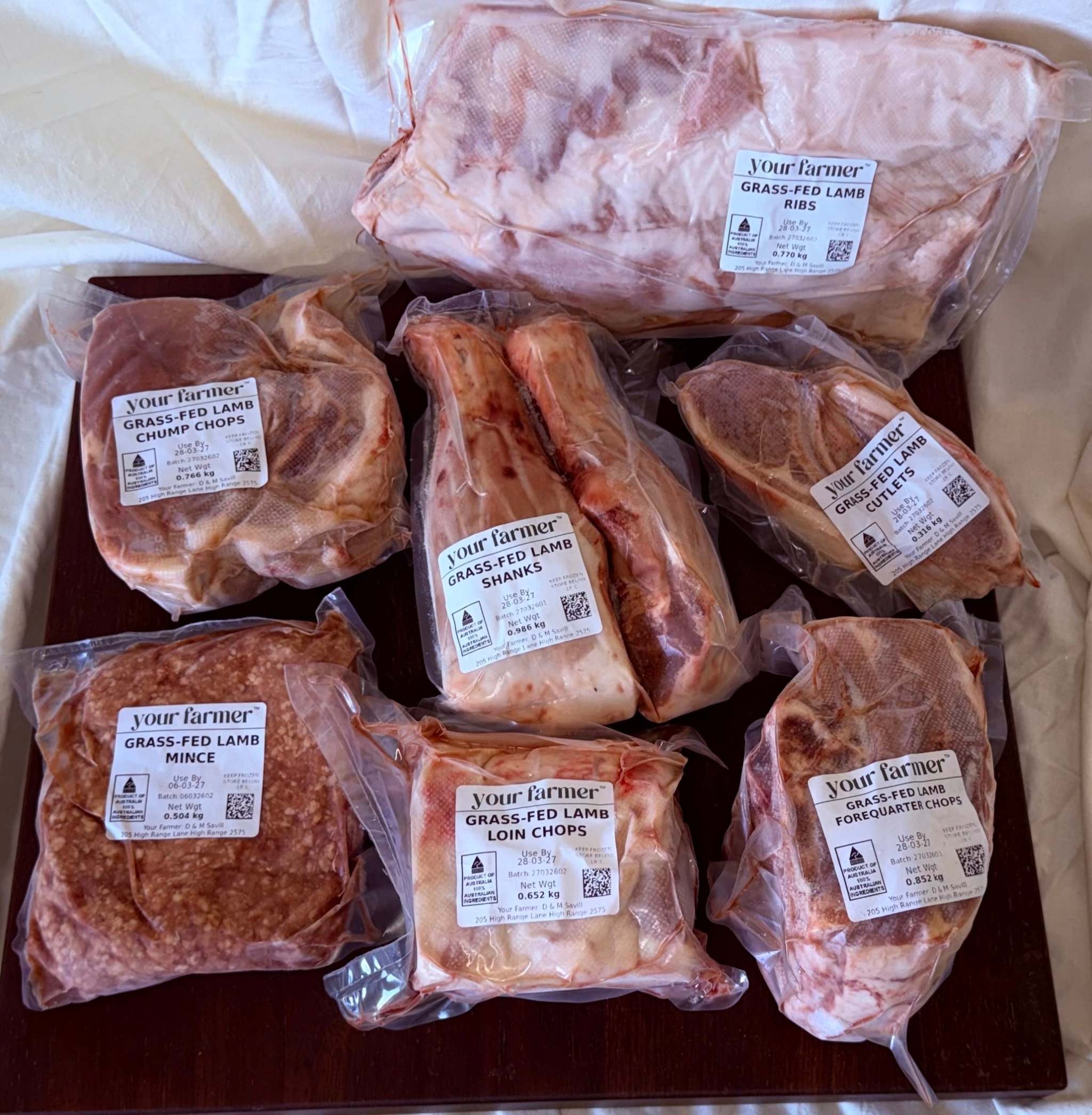
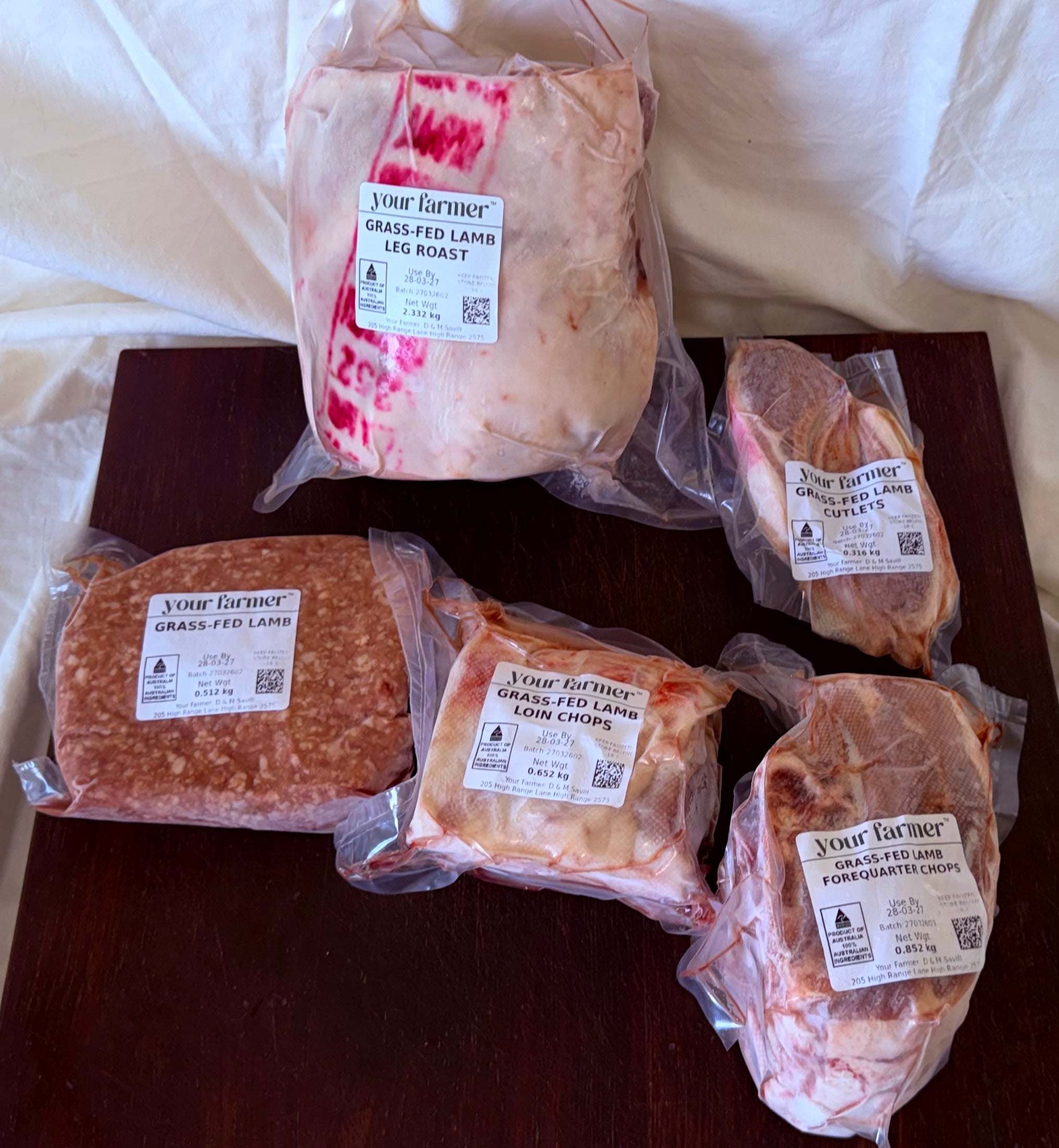
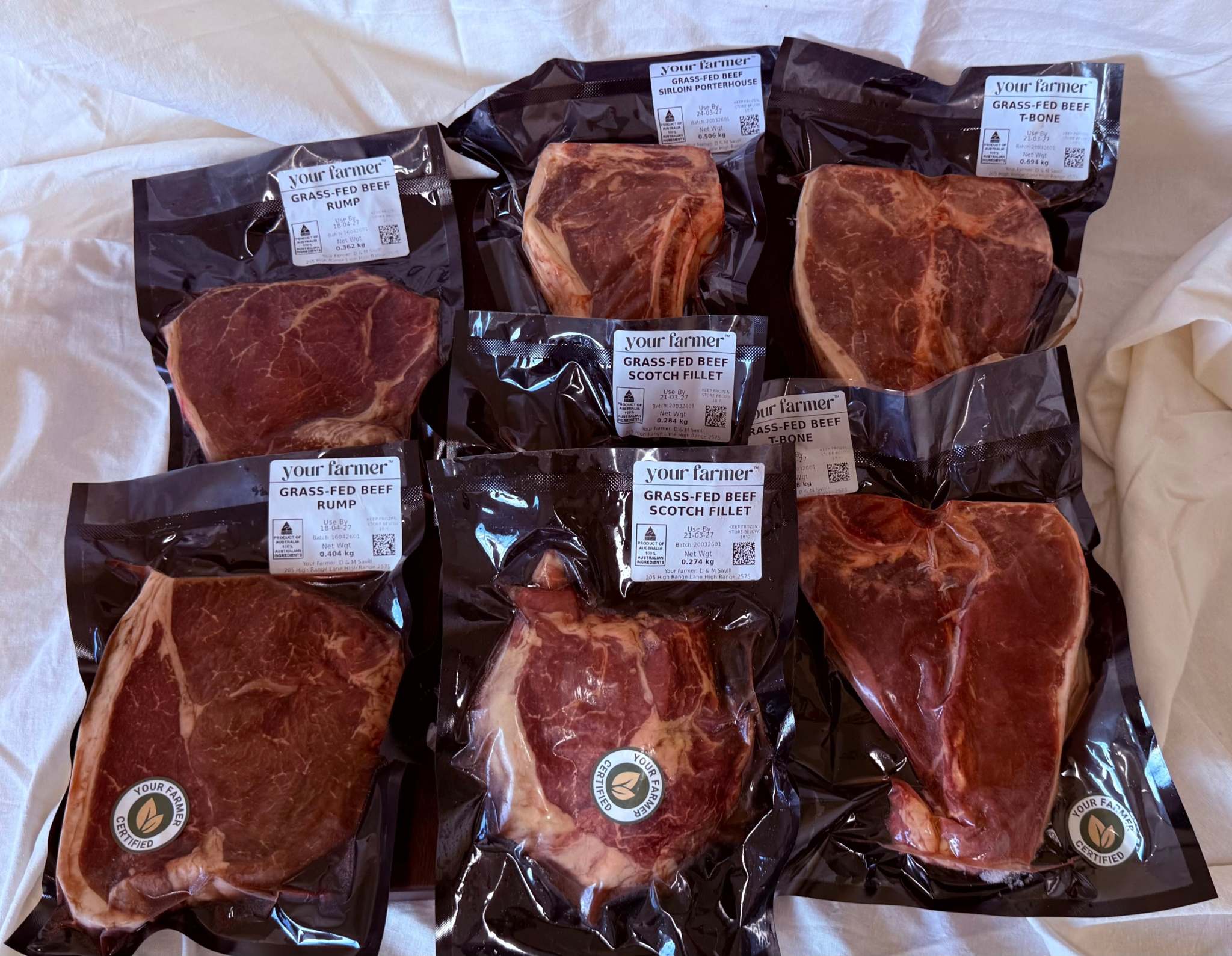
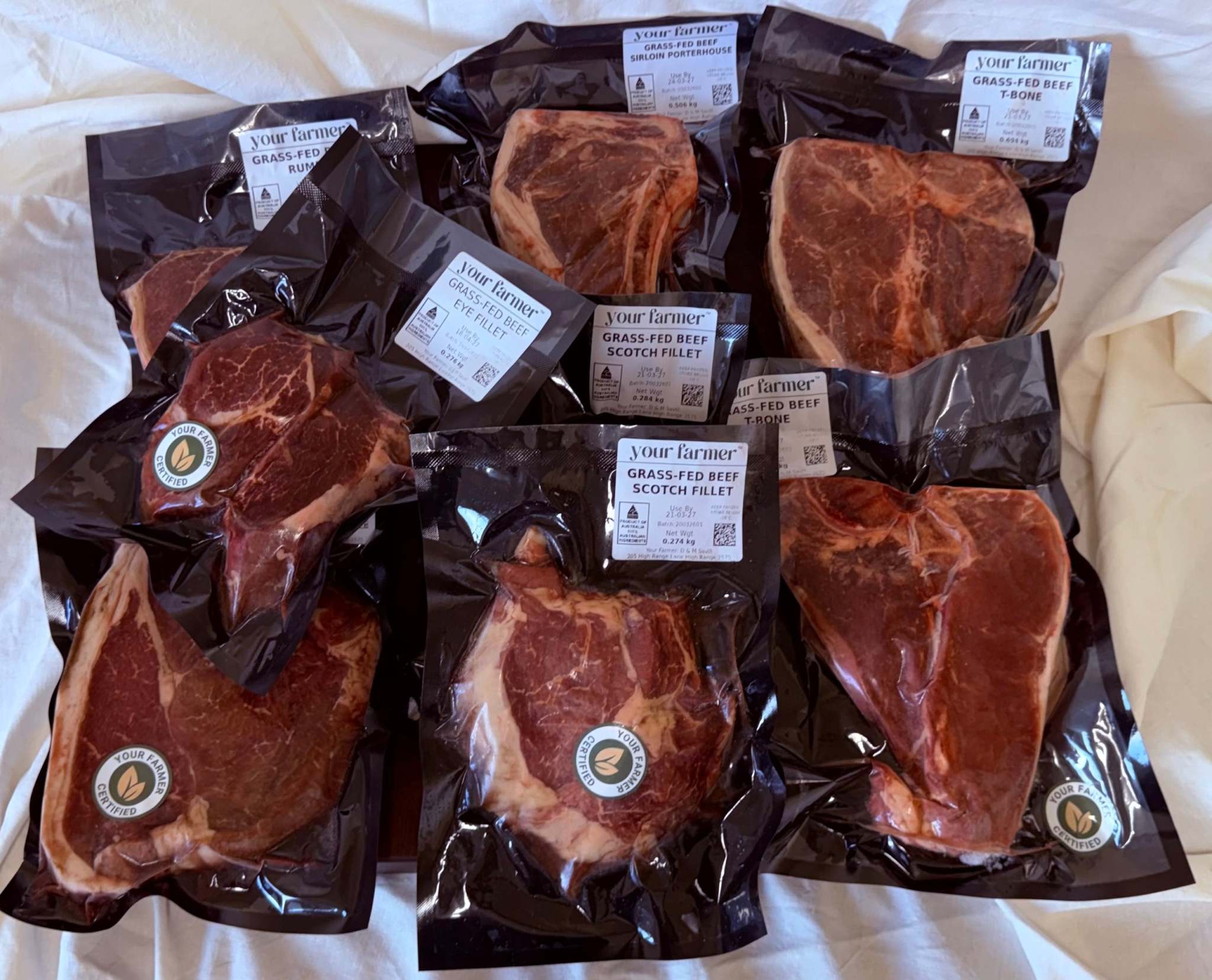
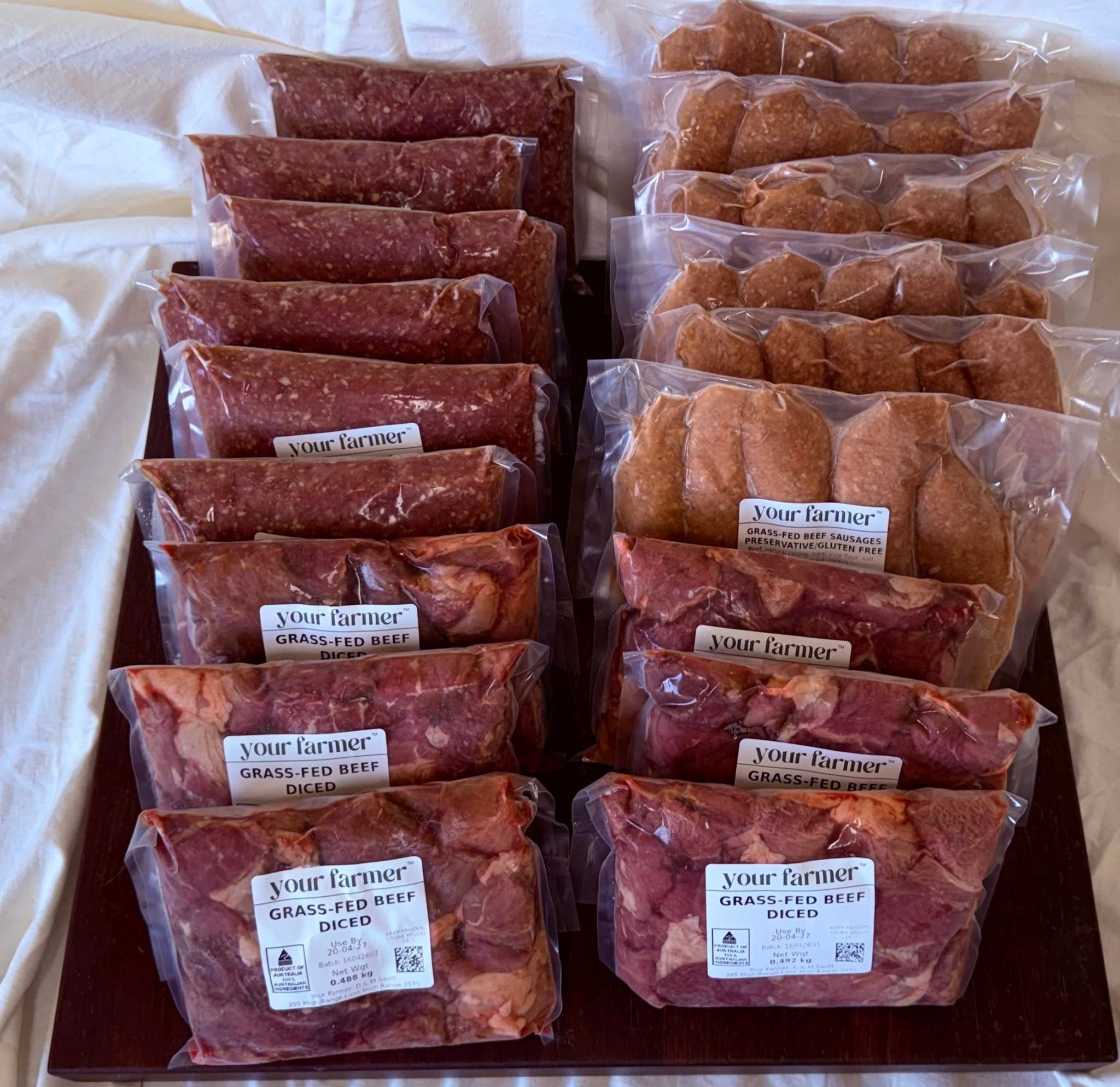
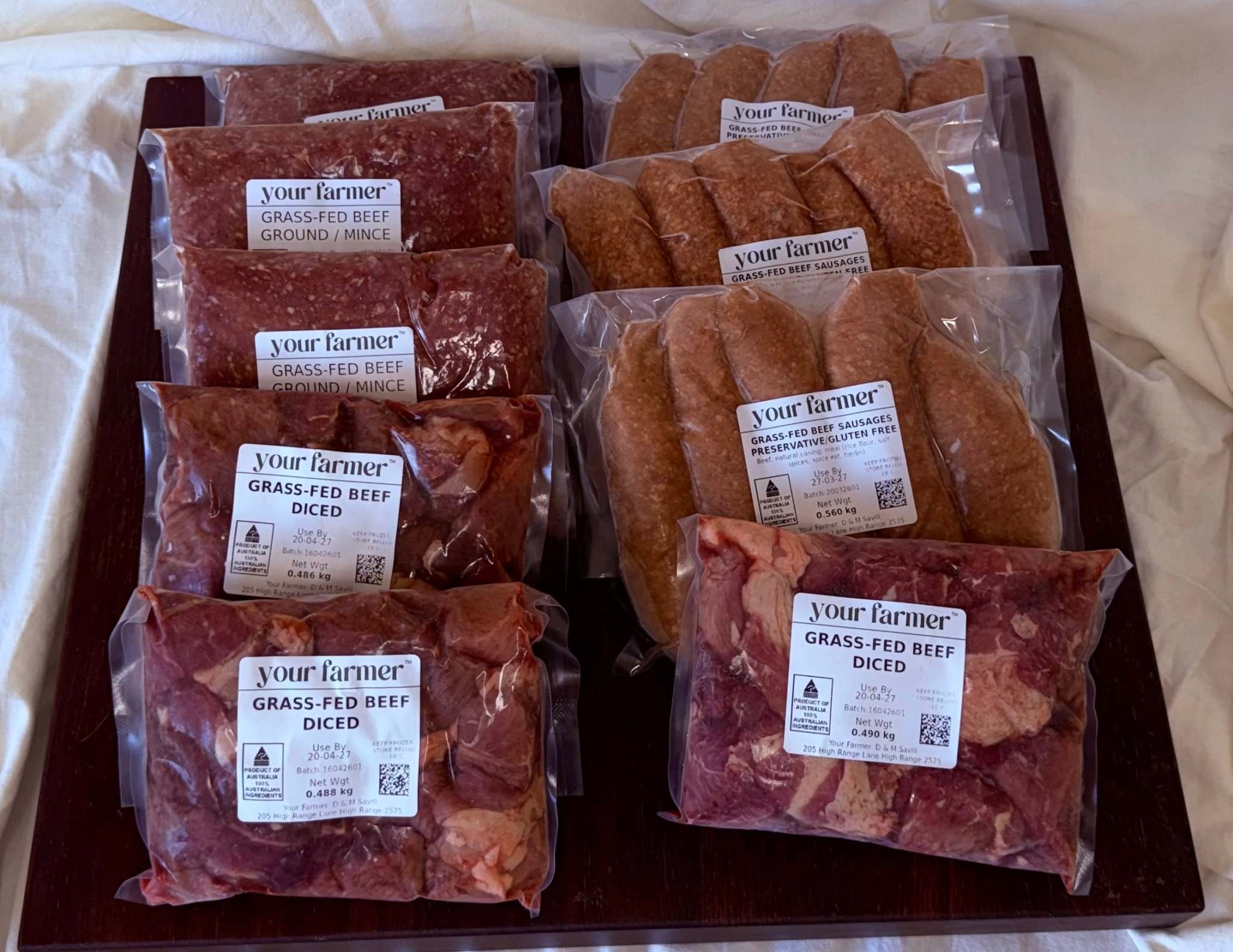
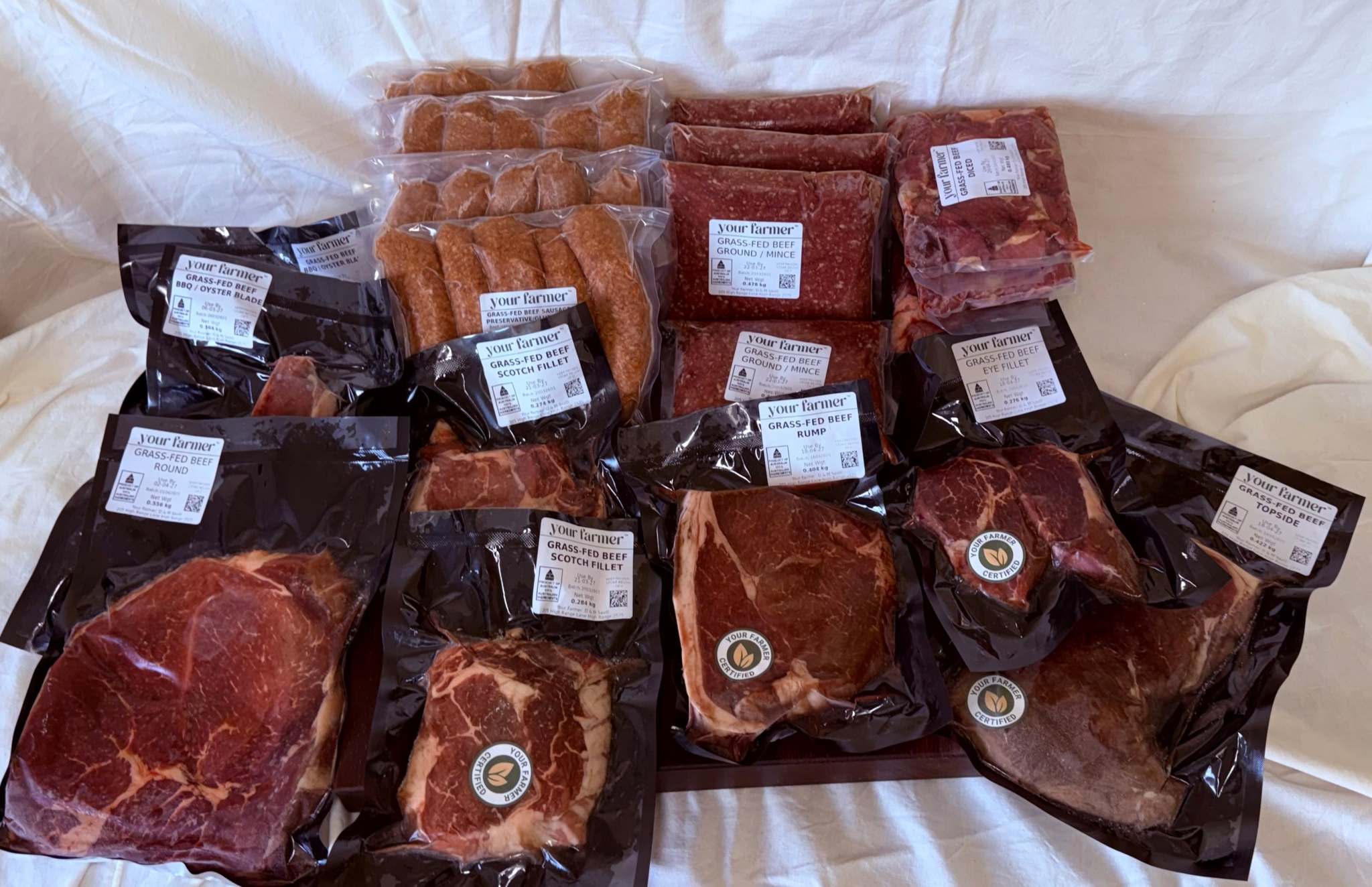
The roast arrives in Pack A and Pack C alongside the rest of our grass-fed beef and lamb boxes — reserve a share and give it the slow afternoon it deserves.
Frequently asked questions

My oven isn't accurate at low temperatures. Does it matter?

It can — many ovens swing 15 degrees or more at the low end. A cheap oven thermometer on the rack tells you the truth, and the probe in the beef is the final referee either way.

Can I skip the searing step?

You'll miss it — 120°C never gets hot enough to brown the outside, so an unseared slow roast comes out grey-coated and flat-tasting. Ten minutes in a hot pan is the price of the crust.

Won't the beef go cold during a 40-minute rest?

No — a 1.4kg roast holds heat remarkably well under loose foil in a warm spot. Slow-roasted beef is also less temperature-sensitive at serving because there's no scorching-hot exterior to cool unevenly.

How hot is 'prepared horseradish', and can I use fresh?

Jarred horseradish is medium-sharp and consistent, which makes it the reliable choice. Freshly grated root is noticeably fiercer — start with half the amount and build up to taste.

What potatoes roast up crispiest?

Floury varieties — sebago, king edward or coliban. The par-boil and rough shake create the scuffed starchy edges that turn to crunch in hot fat.

Three Simple Steps

A whole table of real food.

Your Farmers grow grass-fed beef and lamb, pastured eggs and the best eco-grown veggies and produce — every item grown to the same ecological standard, every farmer one you can know by name. One subscription, your whole real-food shop.

01

Reserve your share — or try a pack

Subscribe to a share of the harvest, or start with a one-off fixed pack.

02

Make it your own

Pick your delivery rhythm and what's in the box. Skip or cancel anytime — no lock-in.

03

Cook, savour, know your farmer

We deliver in a reusable esky we collect next time. No couriers, no waste.

More Recipes

View all

Osso buco-style braised grass-fed lamb chump chops in tomato sauce over soft polenta, topped with gremolata.

Osso Buco-Style Braised Chump Chops with Gremolata

The Milanese treatment — chops braised low in white wine and tomato, lifted at the end by lemony gremolata

Osso buco is Milan's great braise, and the finishing touch is what makes it: gremolata, a raw scatter of lemon zest, garlic and parsley chopped fine, stirred in right at the end. Against an hour and a half of slow, rich braising, that fresh, sharp hit is a revelation — it stops the whole thing feeling heavy and makes you reach for another spoonful. Lamb chump chops stand in beautifully for the traditional veal shin here, their fat and connective tissue melting into a glossy sauce over soft polenta. It takes time, but almost none of it is yours. This is a dish to be proud of.

Read moreabout Osso Buco-Style Braised Chump Chops with Gremolata

A thick bowl of split pea and lamb bone soup topped with shredded lamb and mint.

Split Pea and Lamb Bone Soup

Pea-and-ham thinking, straight from the lamb paddock

Every Australian family has a pea-and-ham soup story, and every one of those soups leans on the same trick: a bone in the pot doing the heavy lifting. This is that trick with lamb bones instead of a hock. The split peas collapse into a thick, velvety base, the bones give the broth real depth and body, and a pinch of smoked paprika stands in for the smokehouse if you want that familiar edge. It's the thriftiest pot in this whole collection — pantry peas, add-on bones, one lazy afternoon — and it eats like a hug.

Read moreabout Split Pea and Lamb Bone Soup

Grass-fed T-bone steak sliced and served with homemade tarragon bearnaise and chips, bistro style.

T-Bone with Bearnaise from Scratch

The sauce that turns a steak into an occasion

Béarnaise has a reputation as chef's territory — it isn't. It's three egg yolks, a sharp tarragon reduction and a stream of warm butter, whisked over gentle heat until it turns thick, glossy and faintly wobbly. Twenty minutes of honest attention, most of it while the steak rests. And there's no better steak to learn it on than a grass-fed T-bone: the fillet side was born for béarnaise, and the sirloin side isn't far behind. This is occasion cooking you can pull off on an ordinary Saturday.

Read moreabout T-Bone with Bearnaise from Scratch