

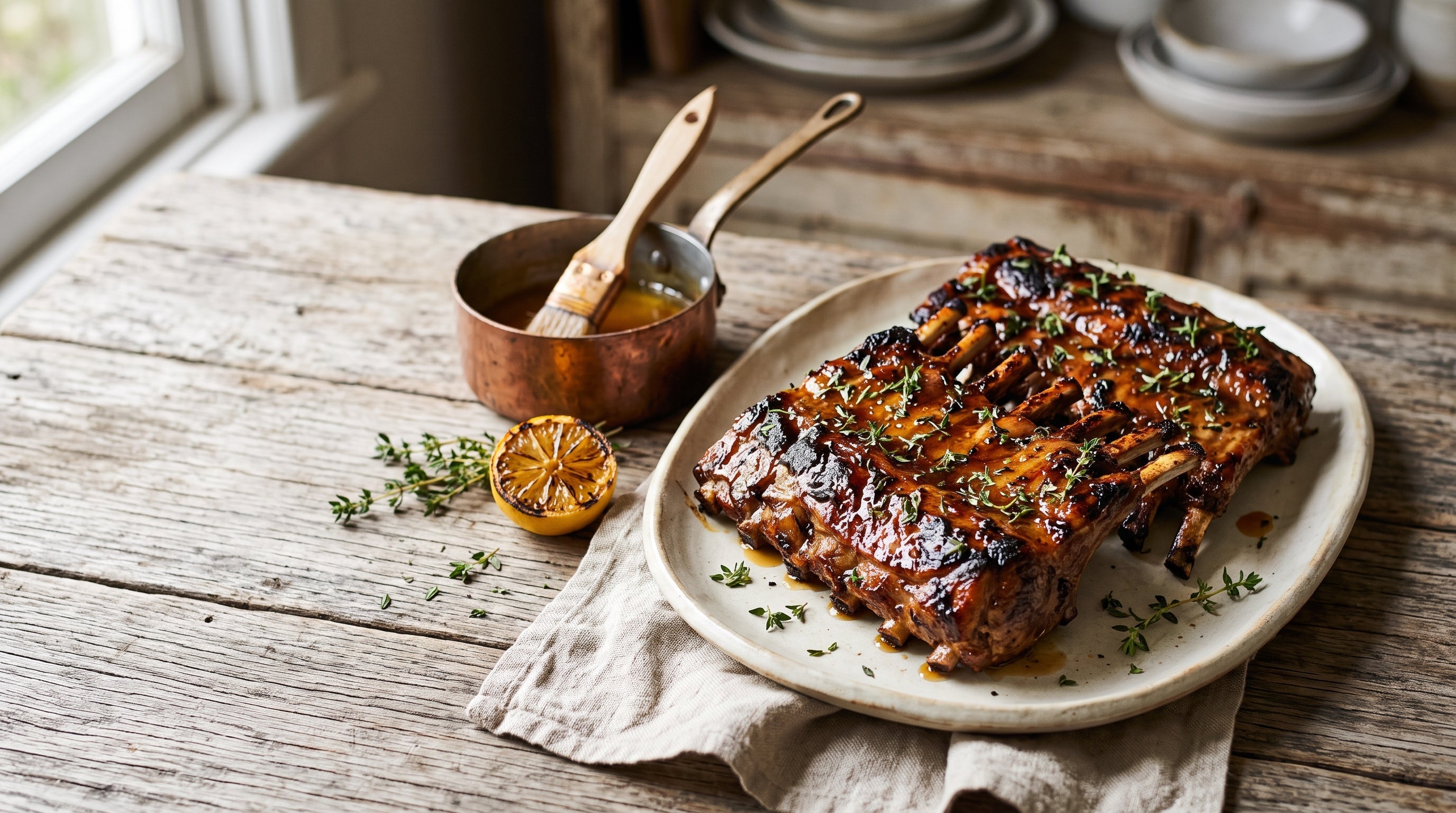
Honey, Fat and Fire — Why This Works
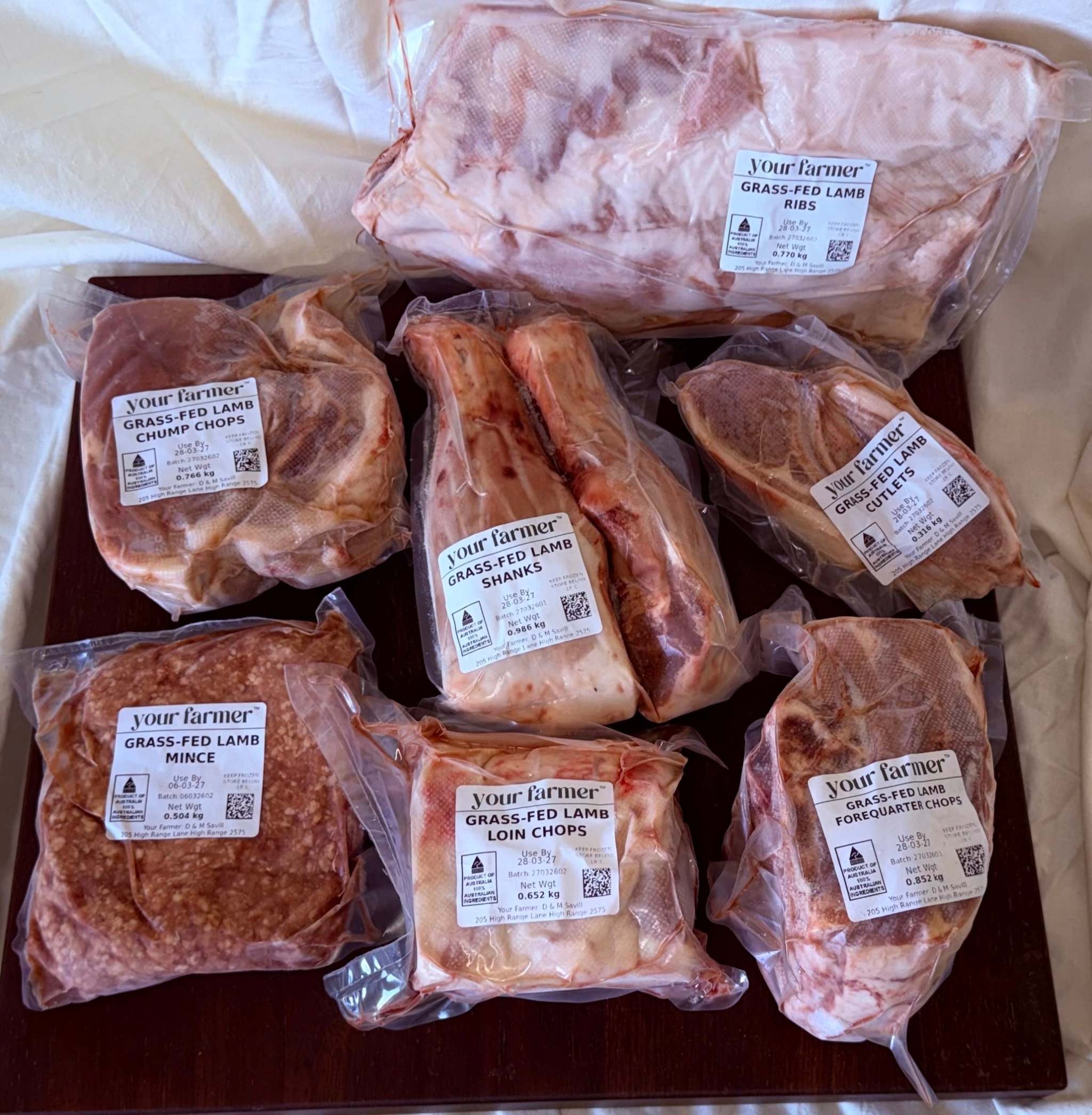
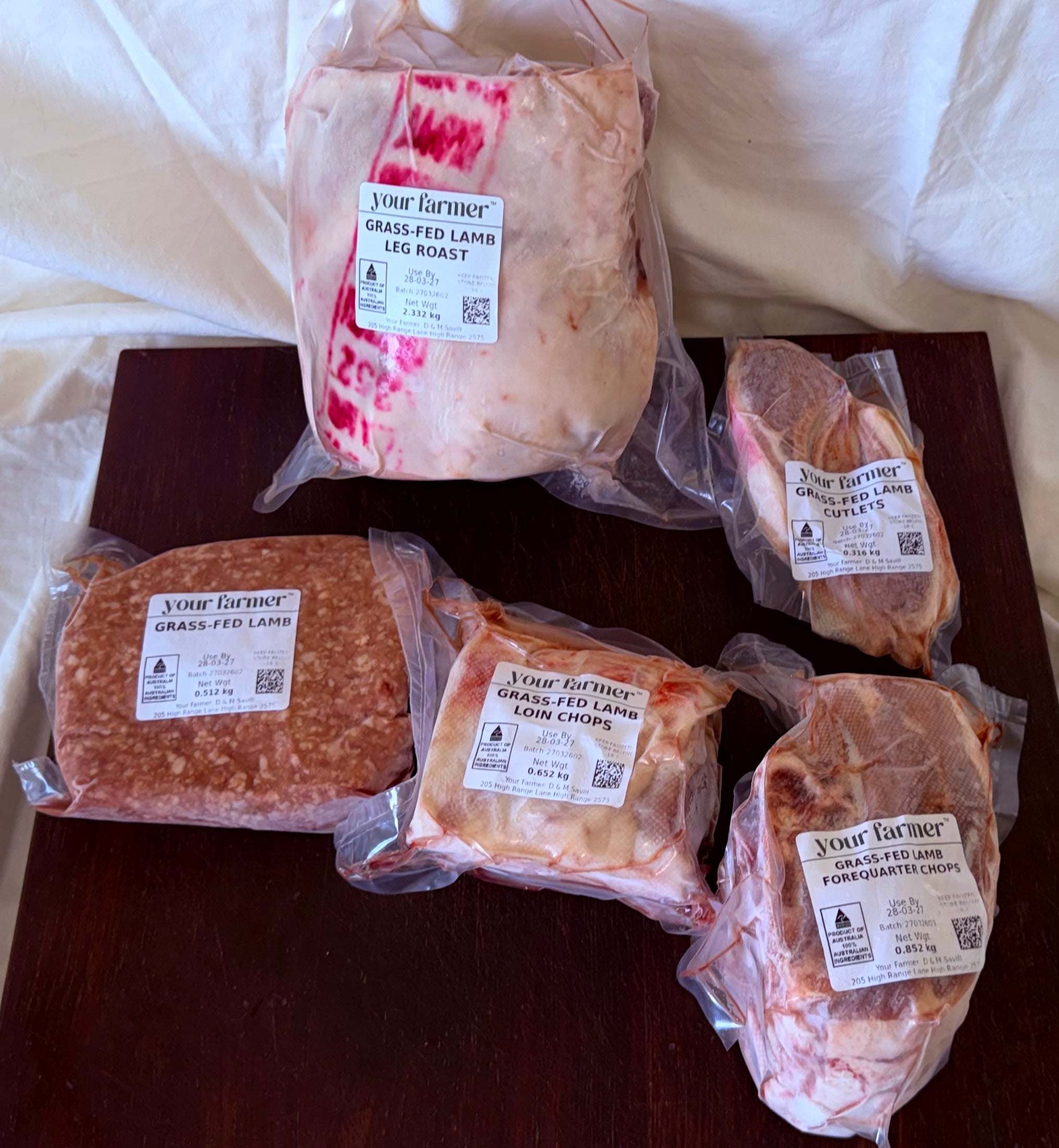
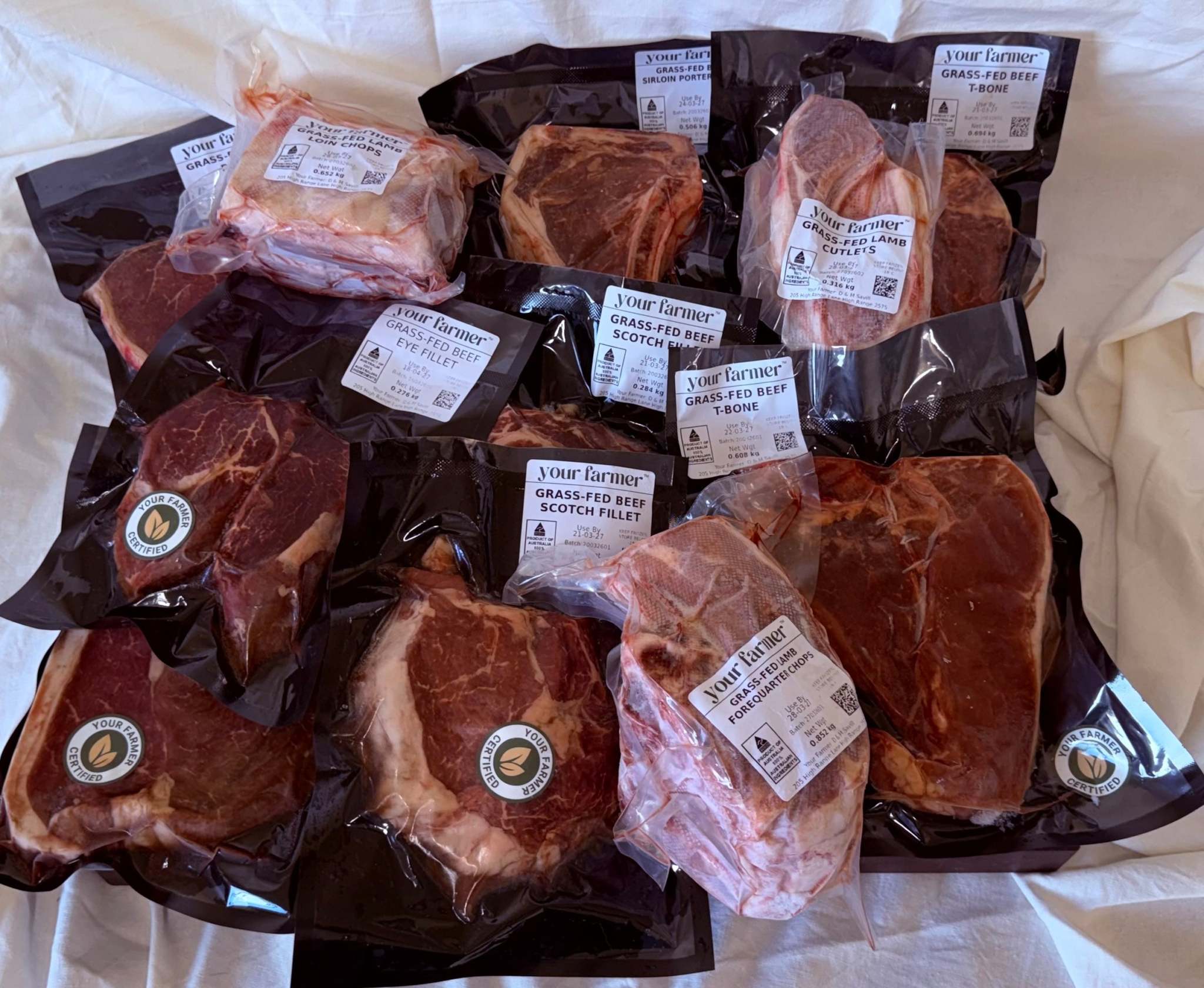
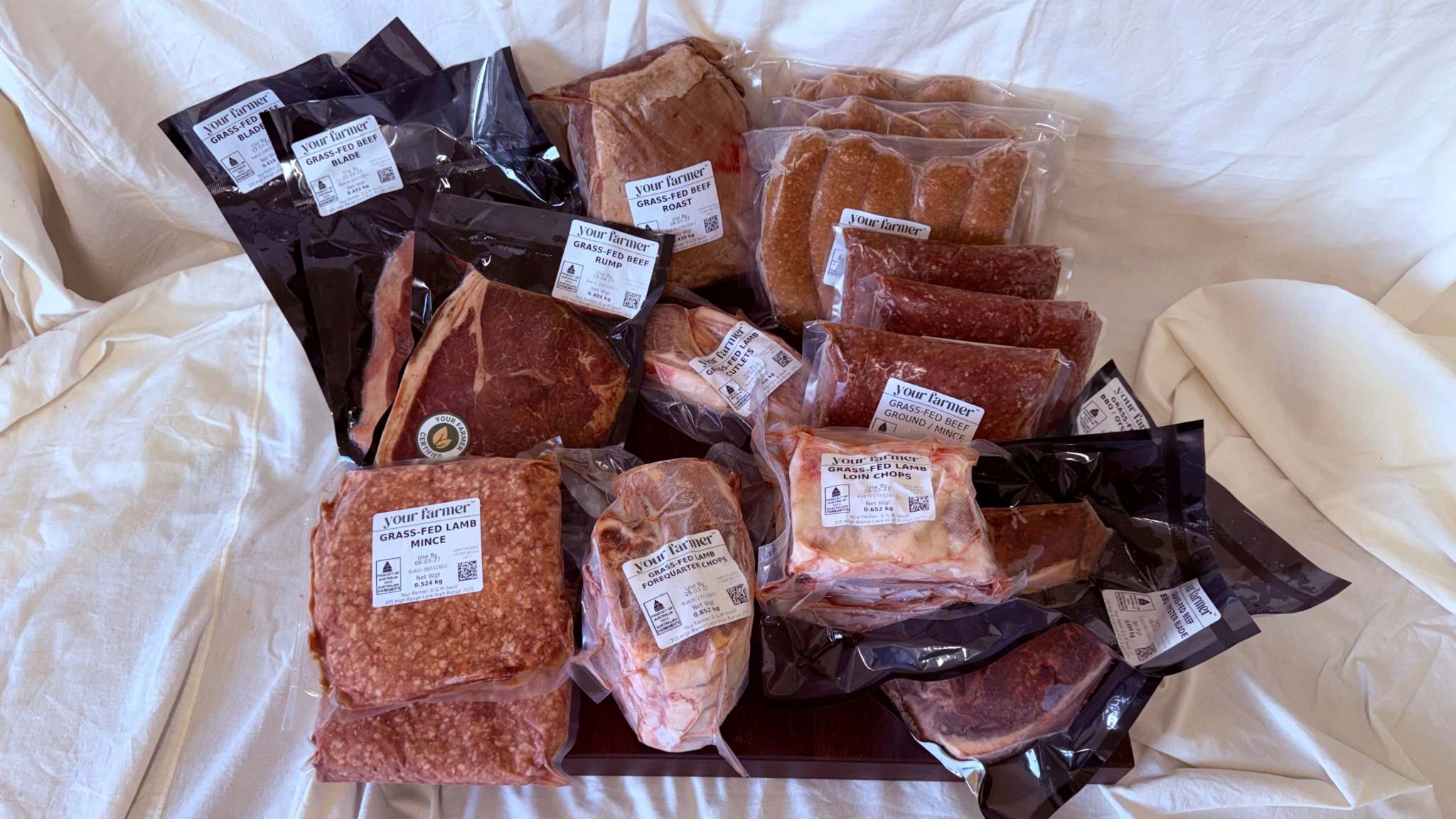
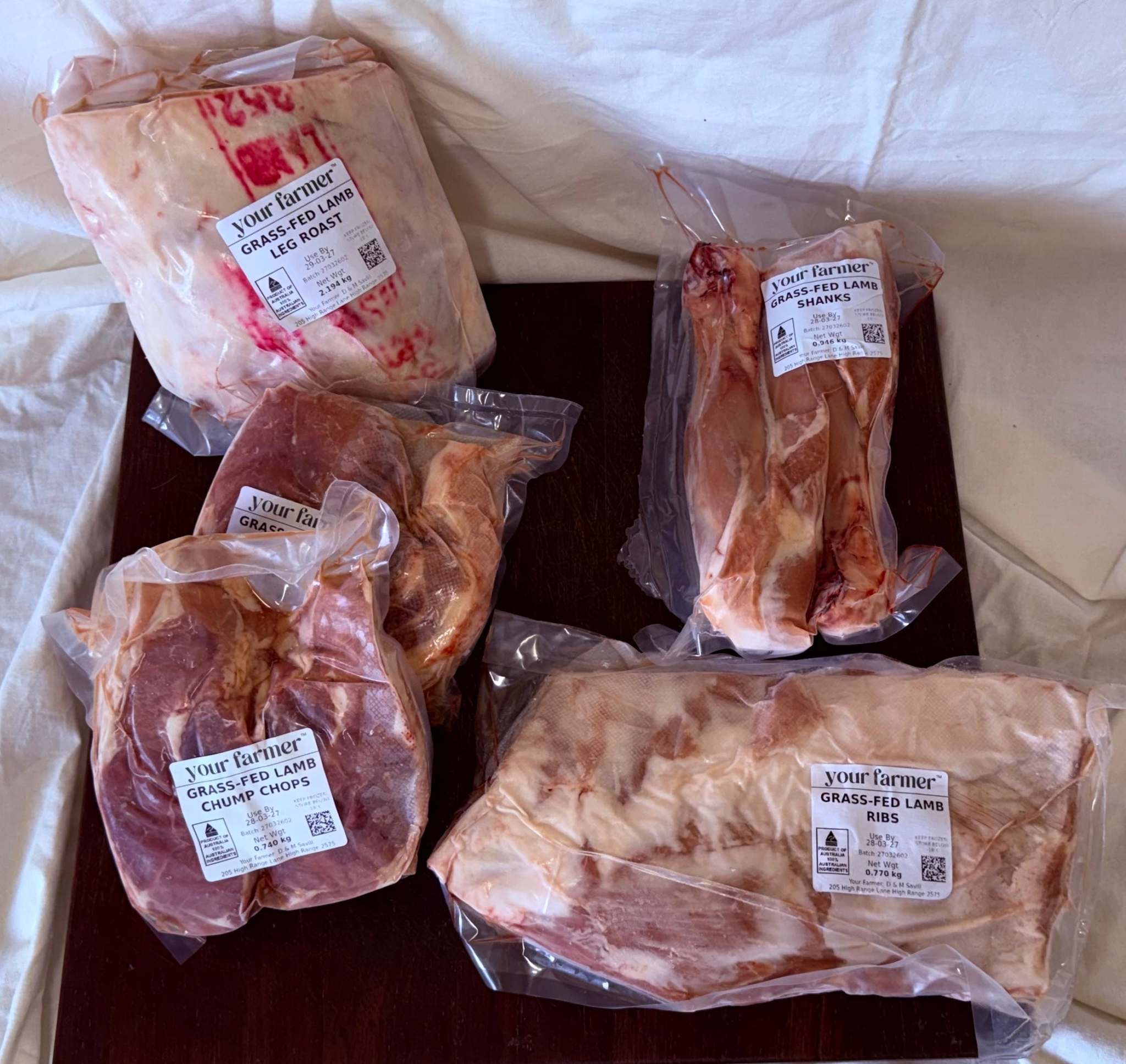
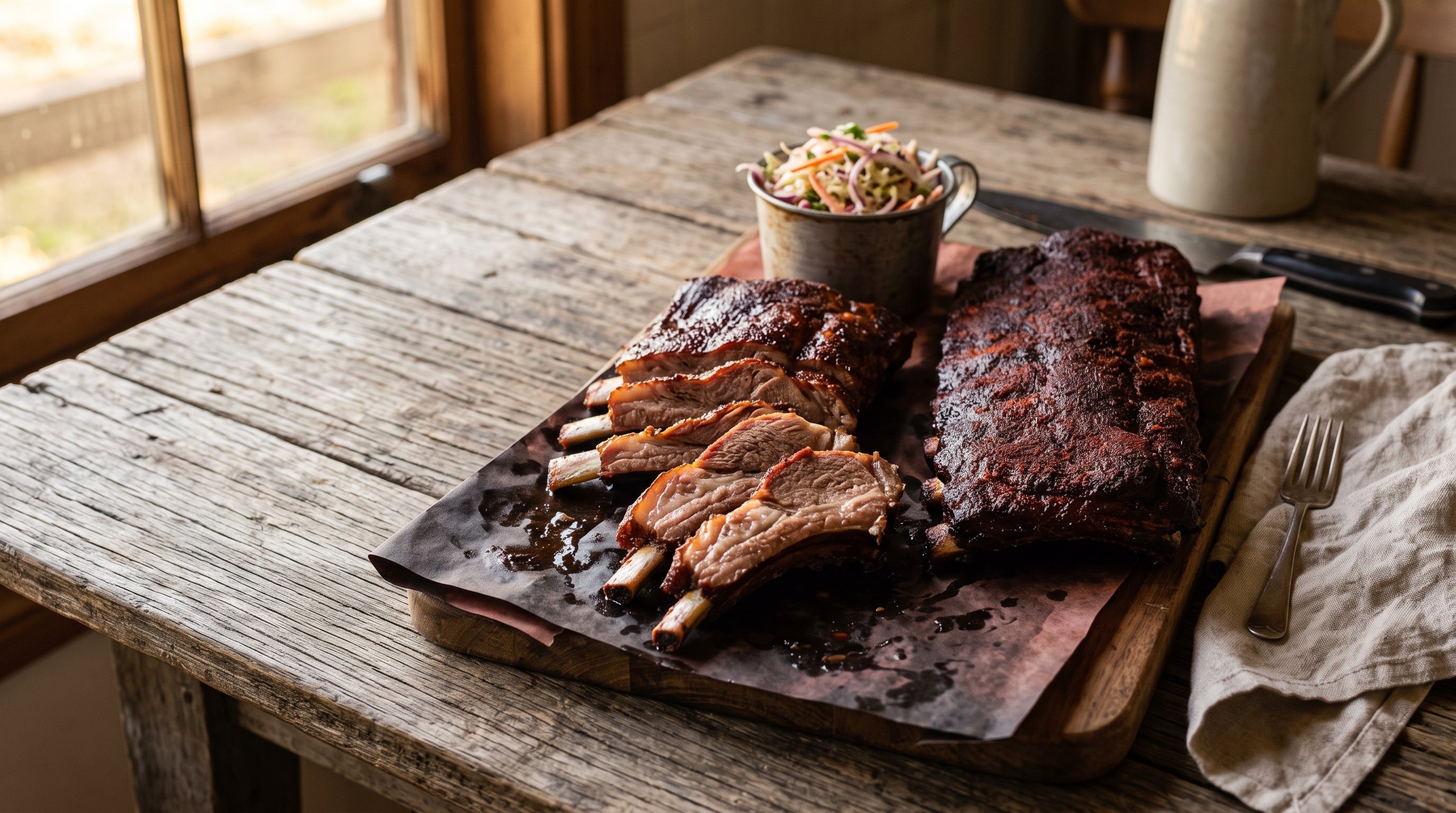
Lamb ribs come from the breast, and they carry the most generous fat cover of any cut in the lamb share. That fat is why the two-stage method isn't optional: fast heat alone leaves it chewy and sends flames up through the grill, but two slow hours under the hood render it down until it's basting the meat from the inside. Then the honey gets involved. Honey caramelises at a lower temperature than most sugars, which is why the glazing happens over medium heat, not roaring heat — you're after deep amber, not black. Rendered lamb fat and caramelised honey is one of the great pairings in barbecue, and the thyme and lemon stop it from tipping into toffee. The Your Farmer® rib two-pack comes in Lamb Share B, and there's an extra rib two-pack for the weekends when one rack per pair of hands isn't enough.
Swaps and Variations
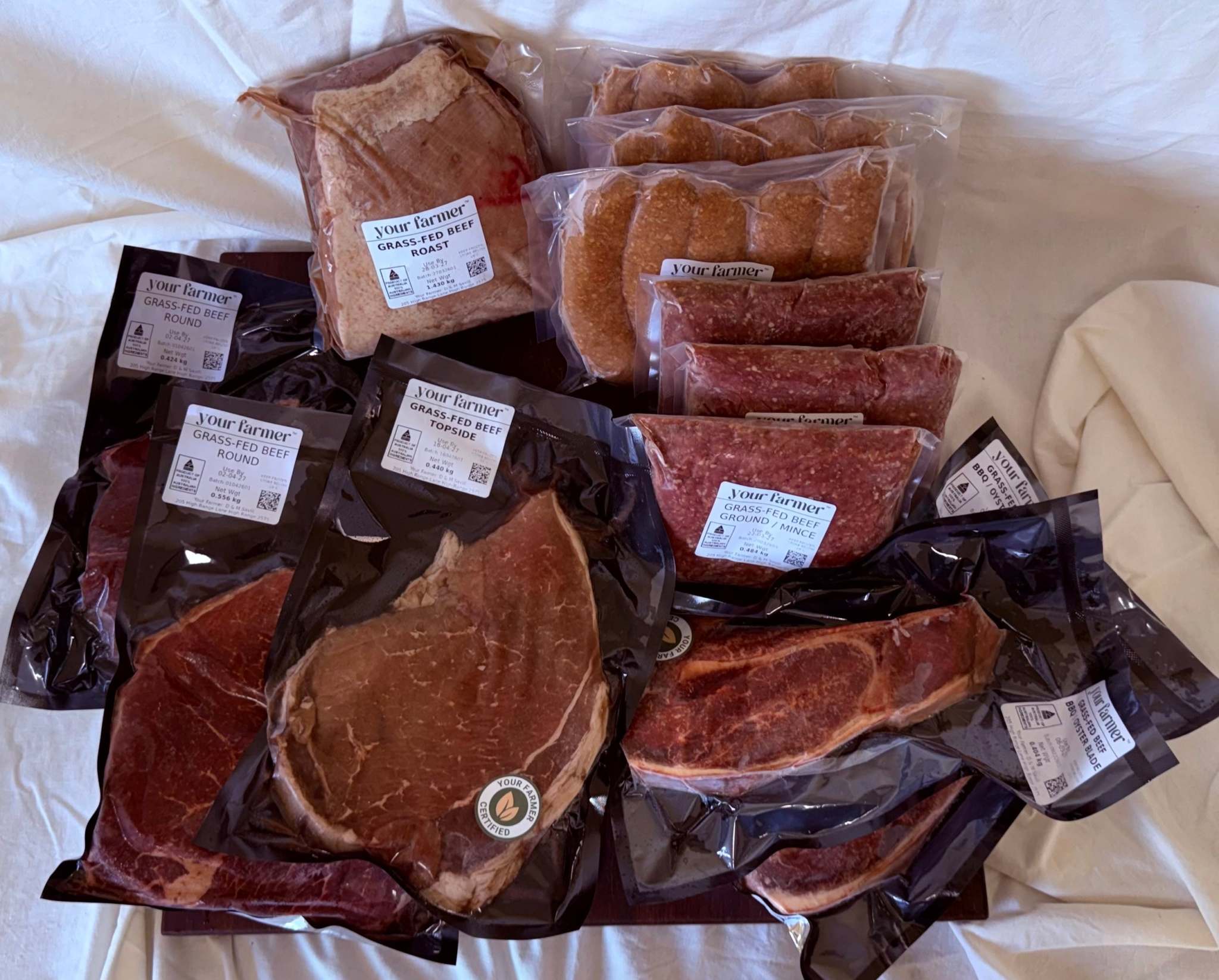
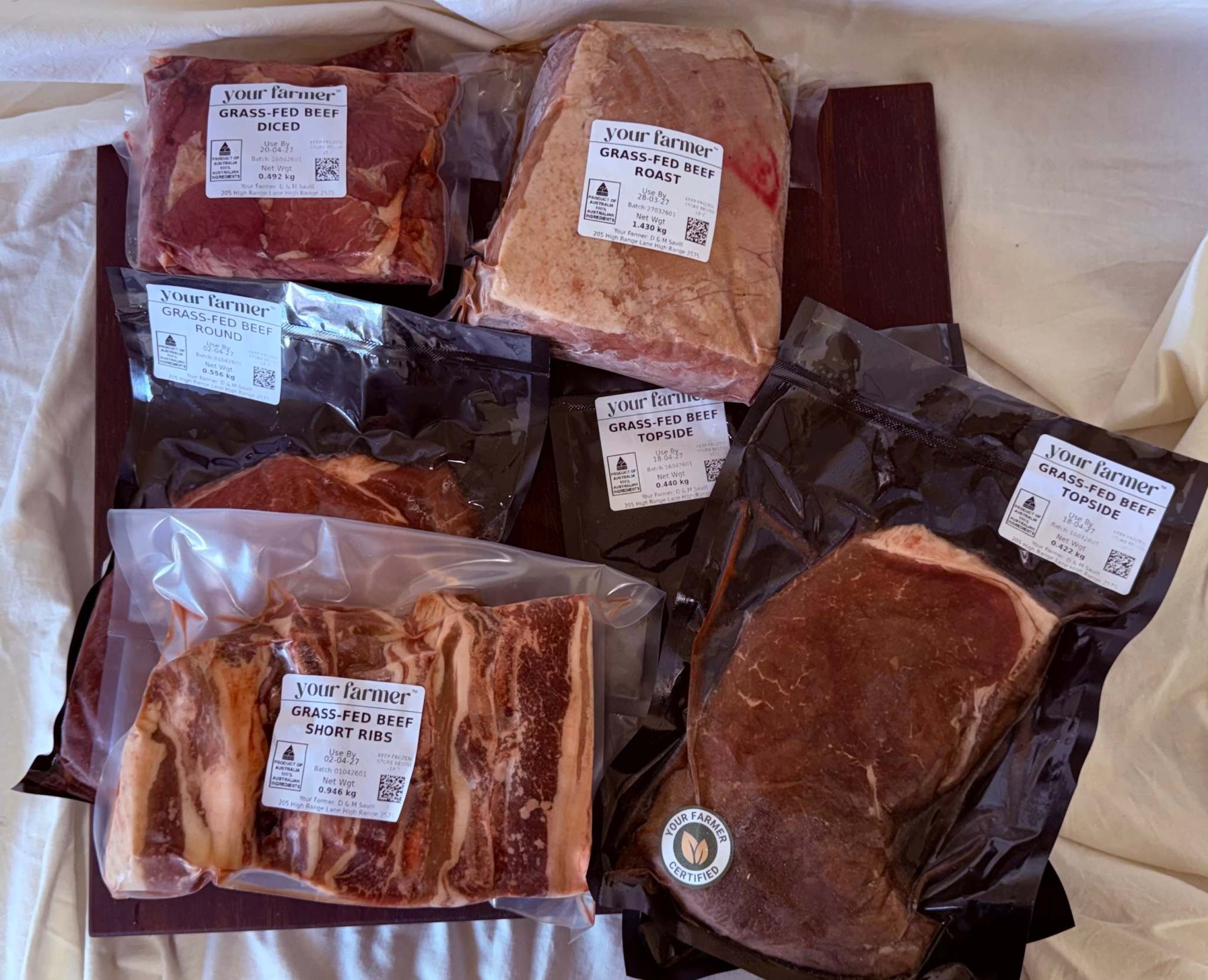
Rosemary swaps in for thyme without missing a beat — chop it finely so it doesn't sit twiggy on the glaze. A teaspoon of Dijon whisked into the honey gives the glaze a savoury backbone the adults will appreciate. If your pantry runs to the good stuff, this is a recipe that rewards raw honey — the flavour survives the flame in a way the squeeze-bottle blend doesn't. And beef short ribs take the identical treatment with about an extra hour in the foil, so one method covers both freezers.
Storage and Leftovers
Cooked ribs keep 3 days in the fridge and freeze for up to 3 months. Reheat covered at 160C for about 15 minutes — the glaze will loosen and re-shine. Leftover rib meat, stripped and warmed, is very good through a couscous salad with whatever herbs are hanging on in the garden.
These are the ribs that make people ask where you buy your lamb. The honest answer is that you don't buy it so much as reserve it — our lamb subscription brings the whole animal's worth of cuts to your door, ribs included.

Share:
Boulangere Lamb: Roasted over Potatoes Baked in Stock
Chump Chops Braised with Leeks and White Wine