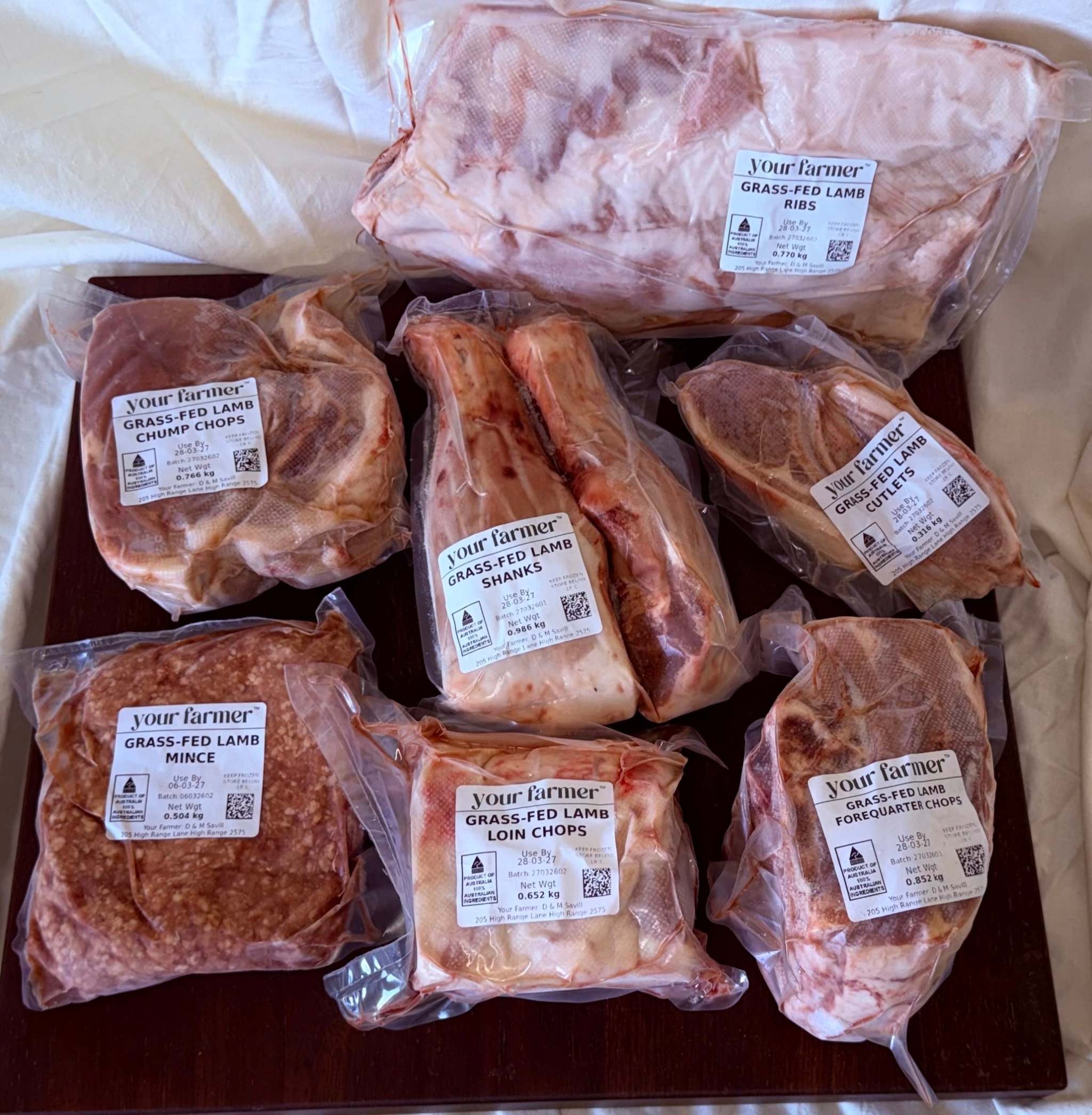
France's cleverest roast — the lamb bastes the potatoes, and nothing is wasted

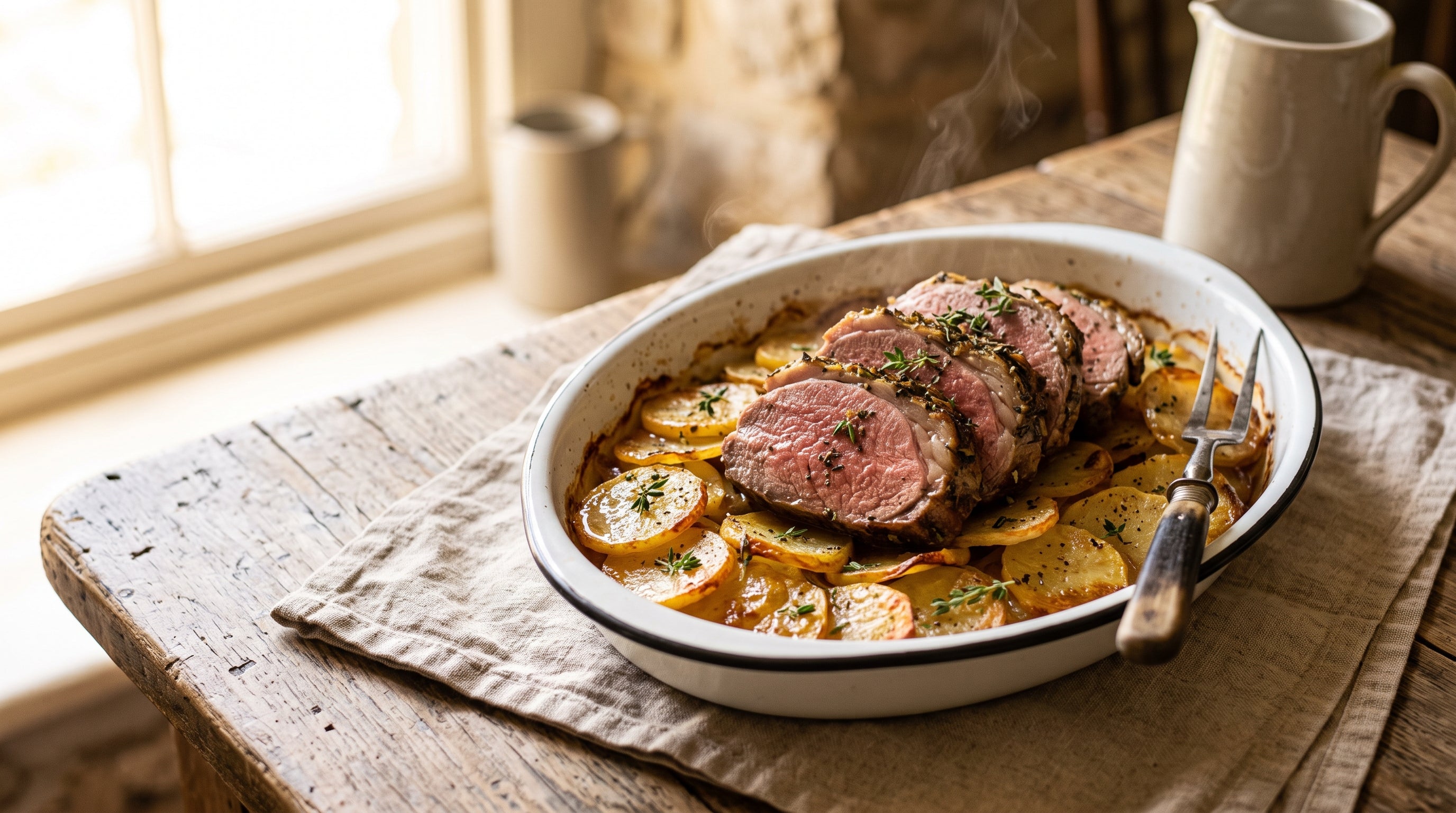
Before home ovens were common, French villages carried their Sunday dish to the baker — the boulanger — and slid it into his cooling bread oven, the lamb sitting right on top of the potatoes. Every drop the roast let go landed exactly where it should. That's the whole trick, and it still works: thin-sliced potatoes and onions drink up stock and lamb drippings from below, while the roast above comes out blushing medium. One dish, one thermometer, and the best roast potatoes you'll never have to make separately.

2 hrs 40 mins 6 servings Prep 30 minsCook 2 hrs 10 minsMain CourseFrench

Ingredients

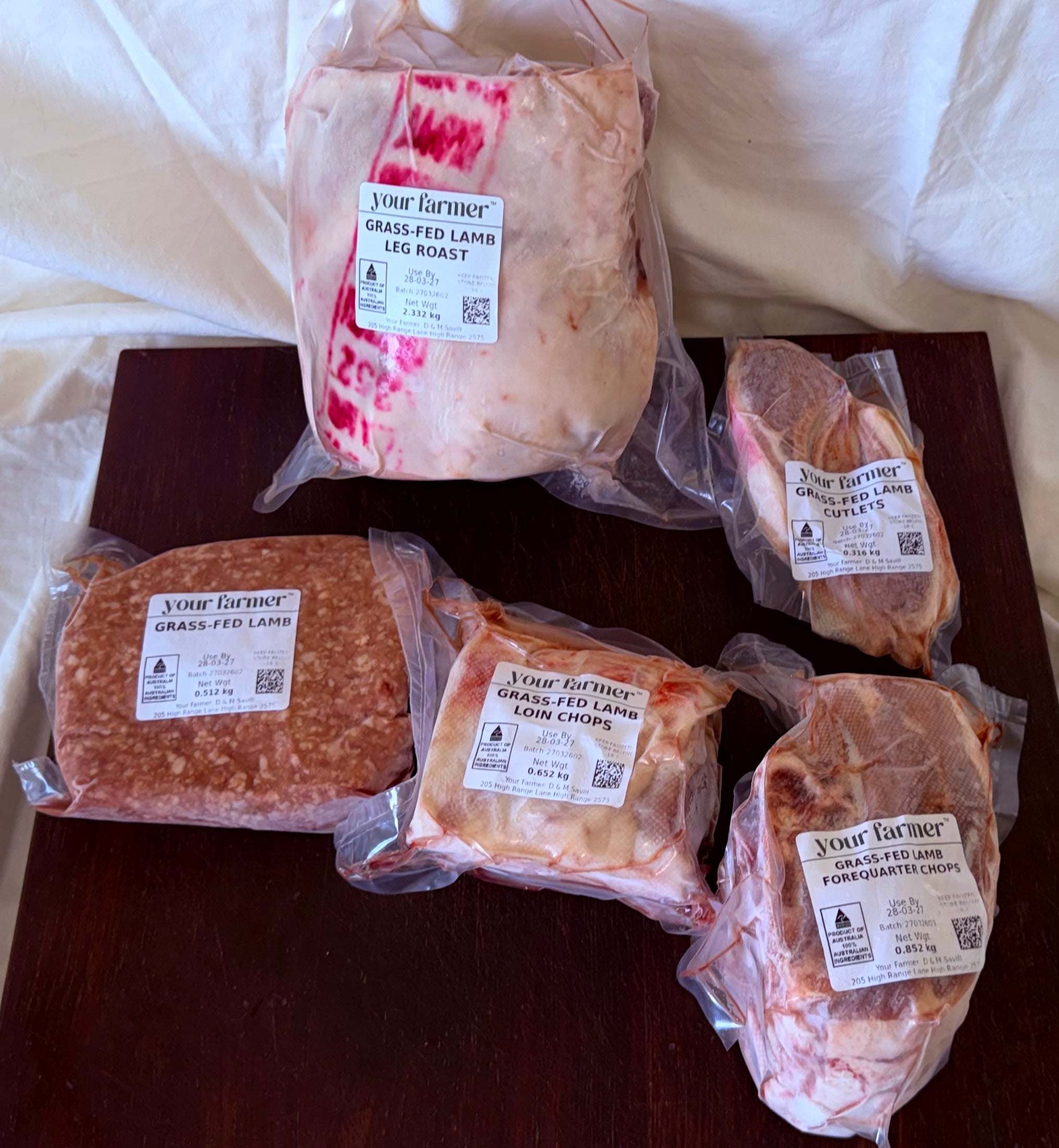
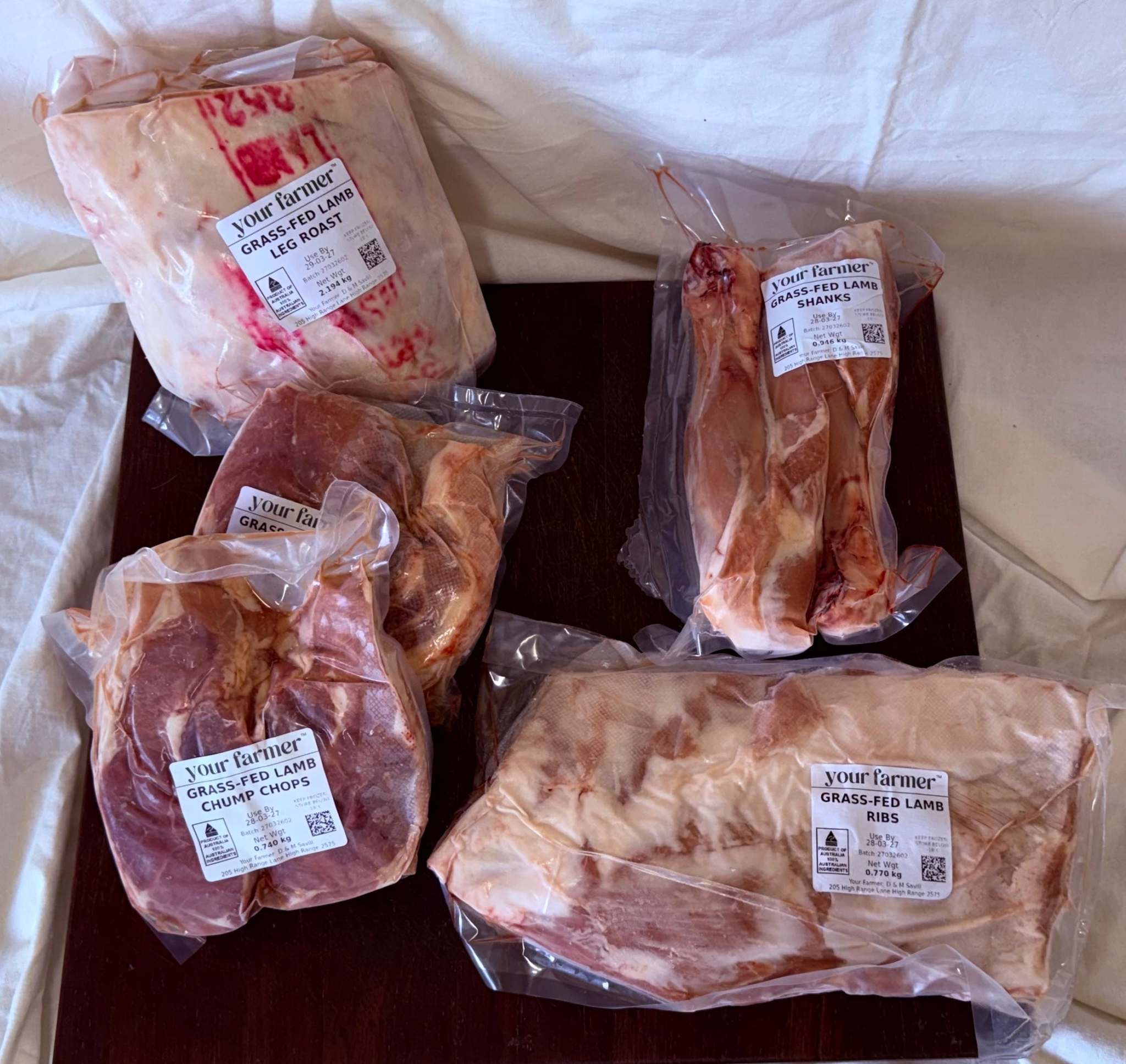
  • 1 Your Farmer grass-fed lamb roast (approx 1.5kg, leg or shoulder)
  • 3 cloves garlic, cut into slivers
  • 2 sprigs rosemary, torn into small tufts
  • 1 tbsp olive oil
  • Salt and pepper to season
  • 1.2kg potatoes, peeled and sliced about 3mm thick
  • 2 brown onions, thinly sliced
  • 4 sprigs fresh thyme, leaves picked
  • 40g butter
  • 500ml hot chicken stock

Instructions

For the lamb

Take the lamb out of the fridge 30 minutes before you start. Pierce deep slits all over it, push a garlic sliver and a tuft of rosemary into each, then rub with the oil and season generously.

1 lamb roast3 cloves garlic2 sprigs rosemary

For the potatoes

Heat the oven to 180°C (160°C fan-forced). Butter a large baking dish, then layer the potatoes and onions with the thyme, seasoning lightly as you go and finishing with a neat, overlapping potato layer.

1.2kg potatoes2 onions4 sprigs thyme

Pour over the hot stock until it just reaches the top layer, dot with the remaining butter and bake, uncovered, for 30 minutes to give the potatoes a head start.

500ml chicken stock40g butter

For the roast

Sit the lamb directly on top of the potatoes and roast for 1 hour to 1 hour 15 minutes, until a thermometer in the thickest part reads 57–58°C for medium.

Move the lamb to a board and rest it loosely under foil for 20–25 minutes — it will climb to 60–63°C as it sits. Meanwhile, turn the oven up to 210°C and let the potato top take on deep golden colour.

Carve the lamb thickly and serve it straight over the potatoes — everything the roast gave up in the oven is already in them.

Appears in

The Village Baker's Roast

Boulangère means "in the style of the baker's wife", and the name remembers a time when the village bread oven did everyone's Sunday roasting. The genius of the dish hasn't aged a day: the potatoes braise in stock from below while the lamb bastes them in drippings from above, so the layers underneath turn silky and savoury while the top crisps like a gratin. The lamb itself gets the gentlest possible ride — sitting on potatoes rather than a rack means no scorched pan base and remarkably even cooking. This is the recipe in the lamb-roast set where a meat thermometer earns its keep: pull the roast from a Your Farmer® lamb subscription at 57–58°C and the rest carries it to a proper rosy medium at 60–63°C. No guesswork, no cutting in to check. And because a leg has a natural taper, the thinner end runs a shade further than the thick end — which conveniently gives everyone at the table the slice they'd have asked for anyway.

Swaps and Variations

The classic French move is a few anchovy fillets dissolved into the hot stock — they vanish completely and leave the potatoes deeply savoury, and lamb and anchovy are old friends. Leeks can take the place of the onions, a splash of white wine can go into the stock, and bay leaves work where thyme doesn't. The method also suits a grass-fed beef roast — same build, same temperatures, a touch longer in the oven for the slightly bigger cut. And if you're buying spuds for it, our seasonal regenerative potatoes were practically grown for the job.

Storage and Leftovers

Lamb and potatoes keep, covered, for 3 days in the fridge. Reheat them together in a 180°C oven so the potato top recovers its edges — the microwave turns the layers to putty. The lamb on its own freezes for up to 3 months; the potatoes don't freeze well, but they rarely survive long enough for it to matter. Best leftover move: chop lamb and potatoes together and fry the lot in a hot pan into a crisp-bottomed hash, with a fried egg on top and no apologies.
Frequently asked questions

Do I need a mandoline to slice the potatoes?

No — a sharp knife and a steady three millimetres is all it takes, about the thickness of a two-dollar coin. What matters is that the slices are even, not that they're machine-perfect, so they all cook at the same rate.

What if my roast is a shoulder cut?

Shoulder is happier past medium, so take the long road: cover the whole dish with foil for the first stage, cook the lamb until it's fork-tender rather than pink — roughly an hour longer — then uncover to brown. The potatoes only get better with the extra time.

Does it have to be chicken stock?

Chicken keeps it light and lets the lamb drippings lead, which is why it's the usual choice. Beef or lamb stock both work and make a deeper, darker dish — just go easier on the salt between the layers, since they're usually saltier.

My potatoes were still firm when the lamb was done — what went wrong?

Usually the slices were too thick or the stock went in cold. Slice at 3mm, heat the stock before pouring, and don't skip the 30-minute head start. If it happens anyway, rest the lamb as normal and give the potatoes that time back in a hotter oven.

Three Simple Steps

A whole table of real food.

Your Farmers grow grass-fed beef and lamb, pastured eggs and the best eco-grown veggies and produce — every item grown to the same ecological standard, every farmer one you can know by name. One subscription, your whole real-food shop.

01

Reserve your share — or try a pack

Subscribe to a share of the harvest, or start with a one-off fixed pack.

02

Make it your own

Pick your delivery rhythm and what's in the box. Skip or cancel anytime — no lock-in.

03

Cook, savour, know your farmer

We deliver in a reusable esky we collect next time. No couriers, no waste.

More Recipes

View all

Osso buco-style braised grass-fed lamb chump chops in tomato sauce over soft polenta, topped with gremolata.

Osso Buco-Style Braised Chump Chops with Gremolata

The Milanese treatment — chops braised low in white wine and tomato, lifted at the end by lemony gremolata

Osso buco is Milan's great braise, and the finishing touch is what makes it: gremolata, a raw scatter of lemon zest, garlic and parsley chopped fine, stirred in right at the end. Against an hour and a half of slow, rich braising, that fresh, sharp hit is a revelation — it stops the whole thing feeling heavy and makes you reach for another spoonful. Lamb chump chops stand in beautifully for the traditional veal shin here, their fat and connective tissue melting into a glossy sauce over soft polenta. It takes time, but almost none of it is yours. This is a dish to be proud of.

Read moreabout Osso Buco-Style Braised Chump Chops with Gremolata

A thick bowl of split pea and lamb bone soup topped with shredded lamb and mint.

Split Pea and Lamb Bone Soup

Pea-and-ham thinking, straight from the lamb paddock

Every Australian family has a pea-and-ham soup story, and every one of those soups leans on the same trick: a bone in the pot doing the heavy lifting. This is that trick with lamb bones instead of a hock. The split peas collapse into a thick, velvety base, the bones give the broth real depth and body, and a pinch of smoked paprika stands in for the smokehouse if you want that familiar edge. It's the thriftiest pot in this whole collection — pantry peas, add-on bones, one lazy afternoon — and it eats like a hug.

Read moreabout Split Pea and Lamb Bone Soup

Grass-fed T-bone steak sliced and served with homemade tarragon bearnaise and chips, bistro style.

T-Bone with Bearnaise from Scratch

The sauce that turns a steak into an occasion

Béarnaise has a reputation as chef's territory — it isn't. It's three egg yolks, a sharp tarragon reduction and a stream of warm butter, whisked over gentle heat until it turns thick, glossy and faintly wobbly. Twenty minutes of honest attention, most of it while the steak rests. And there's no better steak to learn it on than a grass-fed T-bone: the fillet side was born for béarnaise, and the sirloin side isn't far behind. This is occasion cooking you can pull off on an ordinary Saturday.

Read moreabout T-Bone with Bearnaise from Scratch