


The Braising Cut, Full Stop
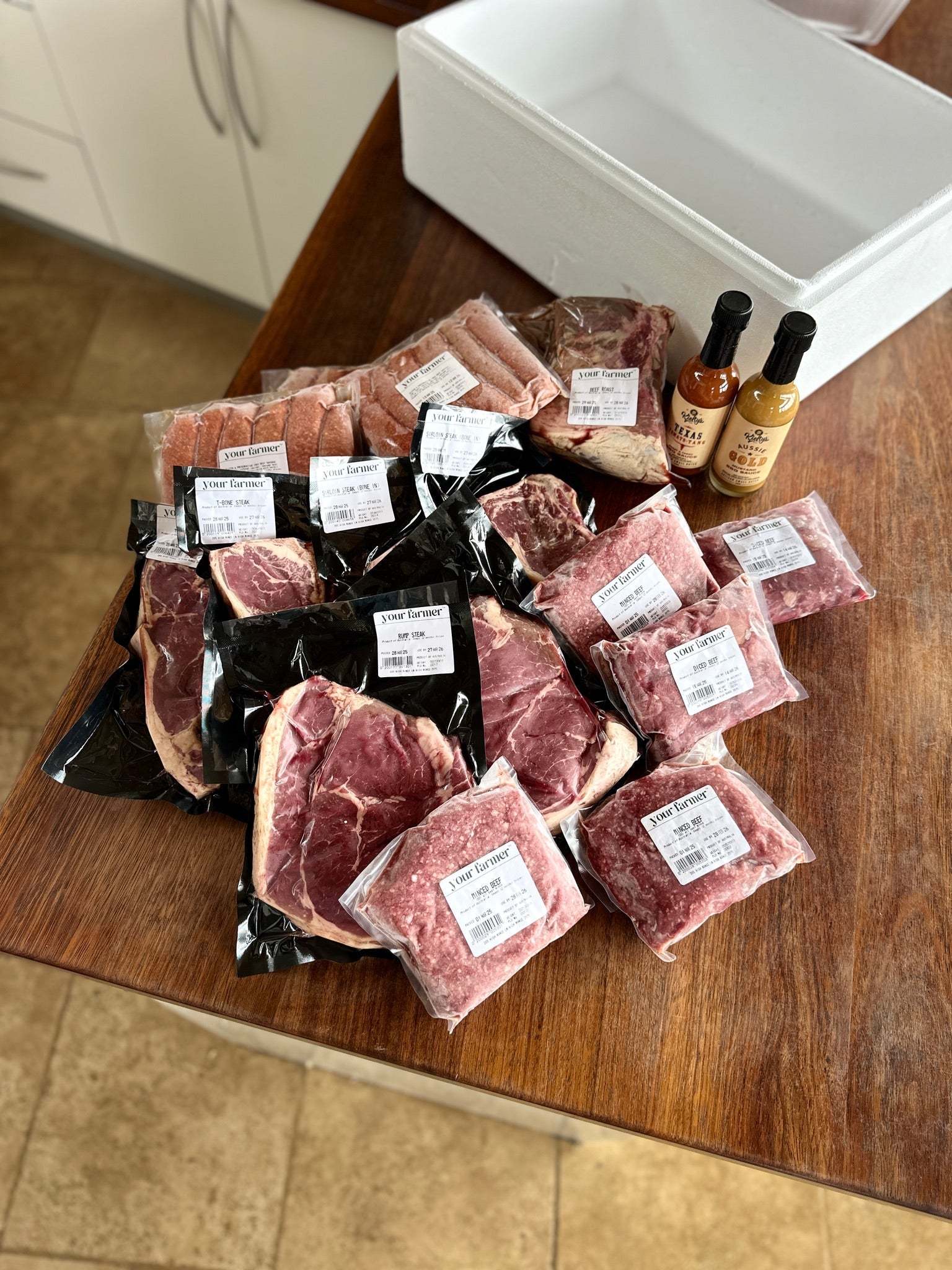
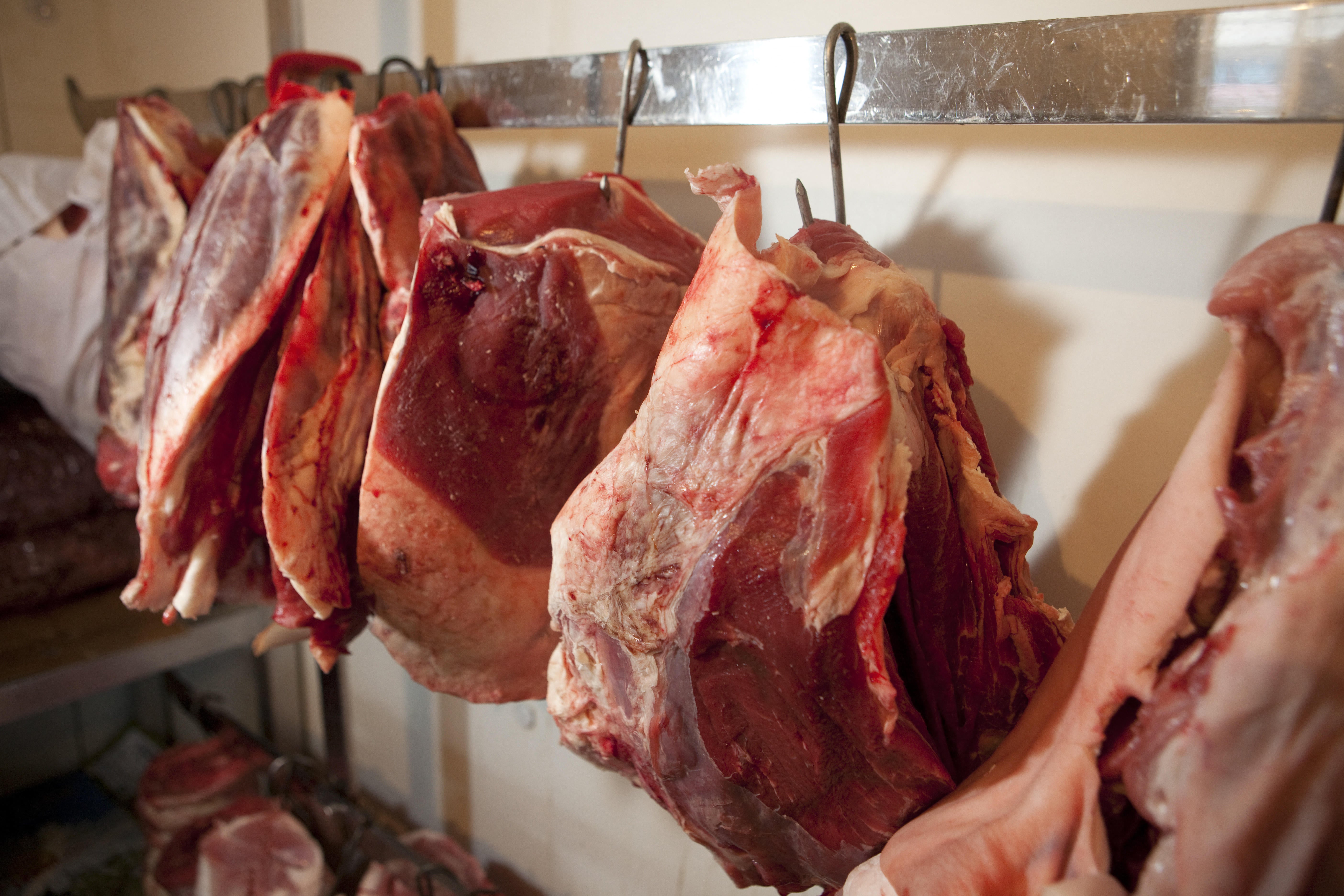
If braising had a mascot, it would be a bone-in beef rib. The cut brings all three things a great braise needs: connective tissue that melts into gelatine and turns the sauce glossy, marbling that keeps the meat lush through hours of cooking, and a bone that quietly feeds flavour into the pot the whole time. Your Farmer® beef ribs arrive as a rack of about 1.2kg in Pack B and Pack D beef shares, and because grass-fed beef has genuine depth of its own, it stands shoulder to shoulder with half a bottle of red instead of getting lost in it. When the pack thaws, have a look — the fine white threads through the meat are the future sauce, not a flaw.
Swaps and Variations
A handful of button mushrooms added for the last hour is classic. A wide strip of orange zest in with the stock nudges the whole pot toward a Provencal daube. No wine in the house? Use extra stock and stir a tablespoon of balsamic vinegar in at the end for the same brightness. Soft polenta or good crusty bread stand in for the mash without complaint. If four ribs won't cover the table, an extra rack of short ribs doubles the pot with no change to the method — and when Sunday calls for the other end of slow cooking, the grass-fed beef roast is its dry-heat cousin.
Storage and Leftovers
Like most braises, this one is famously better on day two — cool it, refrigerate overnight, lift off the set fat and reheat gently. It keeps 4 days in the fridge and freezes for up to 3 months. The leftover move: shred the meat back through the sauce and toss it with pappardelle and a shower of parmesan. That's not leftovers; that's a second dinner party.
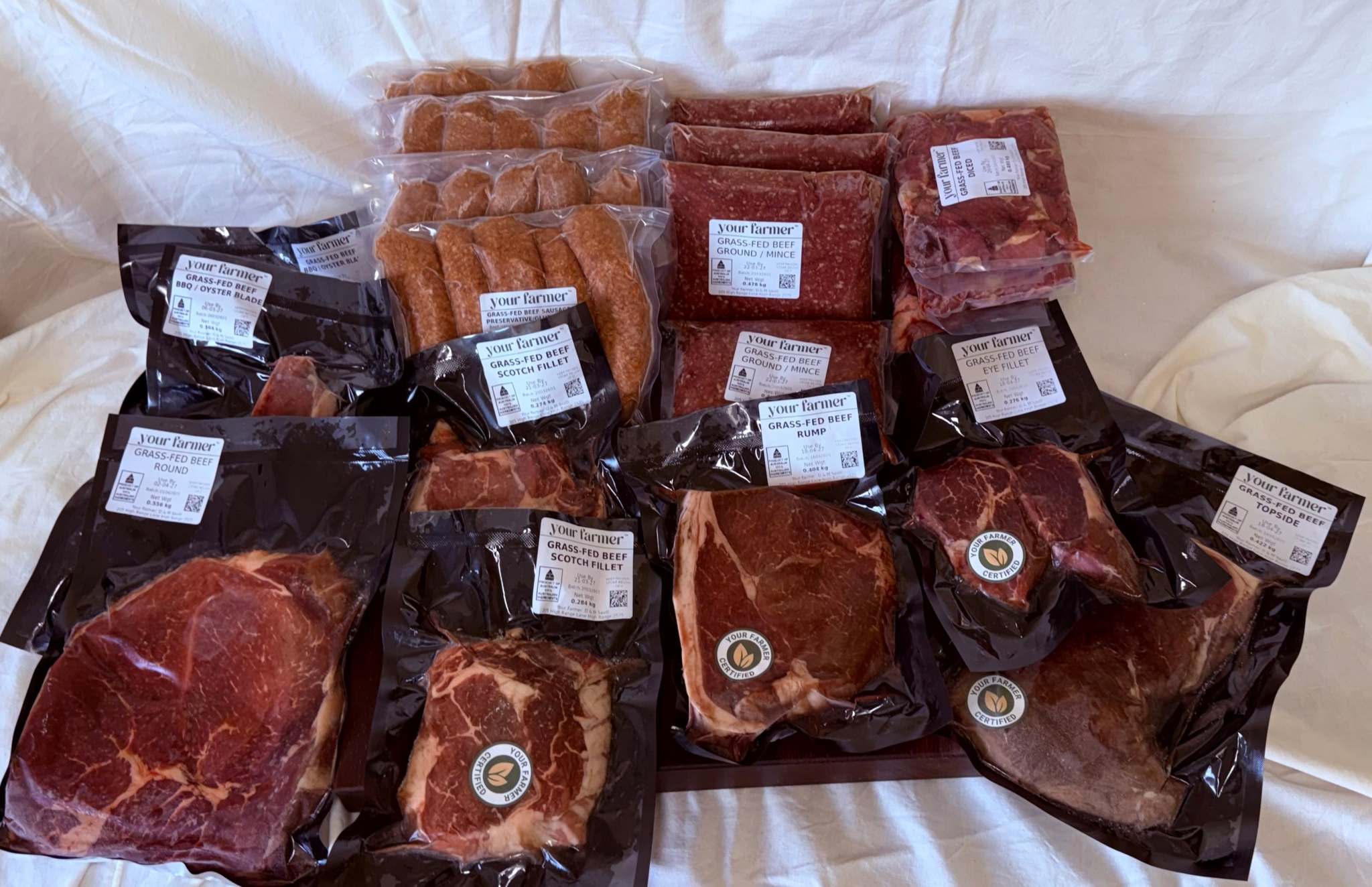
The rack that makes it all possible turns up with Pack B and Pack D deliveries — reserve a grass-fed beef share and let winter Saturdays plan themselves.



Share:
Honey-Soy Marinated BBQ Steak
Butter-Basted T-Bone, Steakhouse Style