The full British Sunday lunch — puddings puffed in the beef's own dripping

There's roast beef, and then there's roast beef with a tray of Yorkshire puddings rising like golden balloons in the dripping the beef just gave you. This is the project version of the 1.4kg roast in your share, and the schedule works itself out beautifully: the batter rests while the beef roasts, and the puddings bake while the beef rests. Nail the three Yorkshire rules — rested batter, smoking-hot fat, and a shut oven door — and you'll earn the kind of table silence usually reserved for grand finals.

2 hrs 15 mins 6 servings Prep 25 minsCook 1 hr 50 minsMain CourseBritish

Ingredients

  • 1.4kg Your Farmer grass-fed beef roast
  • 1 tbsp olive oil
  • Salt and pepper to season
  • 2 brown onions, halved, skin on
  • 140g plain flour (for the Yorkshires)
  • 4 eggs (for the Yorkshires)
  • 200ml milk (for the Yorkshires)
  • 1/2 tsp salt (for the Yorkshires)
  • 3 tbsp beef dripping from the roasting pan, or vegetable oil (for the Yorkshires)
  • 2 tbsp plain flour (for the gravy)
  • 500ml beef stock (for the gravy)
  • Splash of Worcestershire sauce (for the gravy)

Instructions

For the beef

Heat the oven to 190°C. Pat the roast dry, rub it with the oil and season it generously all over.

1.4kg beef roast1 tbsp olive oil

Sit the onion halves cut-side down in a roasting pan as a trivet, rest the beef on top and roast for 1 hour 5 minutes to 1 hour 15 minutes — pull it at 55°C in the centre for medium-rare, 60°C for medium.

2 onions

For the Yorkshire pudding batter

While the beef roasts, whisk the flour, eggs, milk and salt into a smooth batter the thickness of pouring cream, then rest it at room temperature for at least 30 minutes — rested batter is rule one of tall Yorkshires.

140g plain flour4 eggs200ml milk1/2 tsp salt

For the Yorkshires and gravy

Move the beef to a warm plate, cover it loosely with foil and rest it for 30 minutes. Crank the oven to 220°C.

Spoon the dripping from the roasting pan into a 12-hole muffin tin — about a teaspoon per hole — and heat the tin in the oven for 10 minutes until the fat is smoking hot.

3 tbsp beef dripping

Pour the batter quickly into the hot fat, filling each hole two-thirds, and bake for 20 to 22 minutes until puffed and deep golden. Rule three: do not open the oven door, not even once.

While they bake, set the roasting pan over medium heat, mash the onions into the juices, stir in the flour for a minute, then whisk in the stock and Worcestershire and simmer to a proper gravy. Strain and season.

2 tbsp plain flour500ml beef stockWorcestershire sauce

Carve the beef thinly against the grain and serve it with the Yorkshires straight from the oven and the gravy in a jug — puddings wait for no one.

Appears in

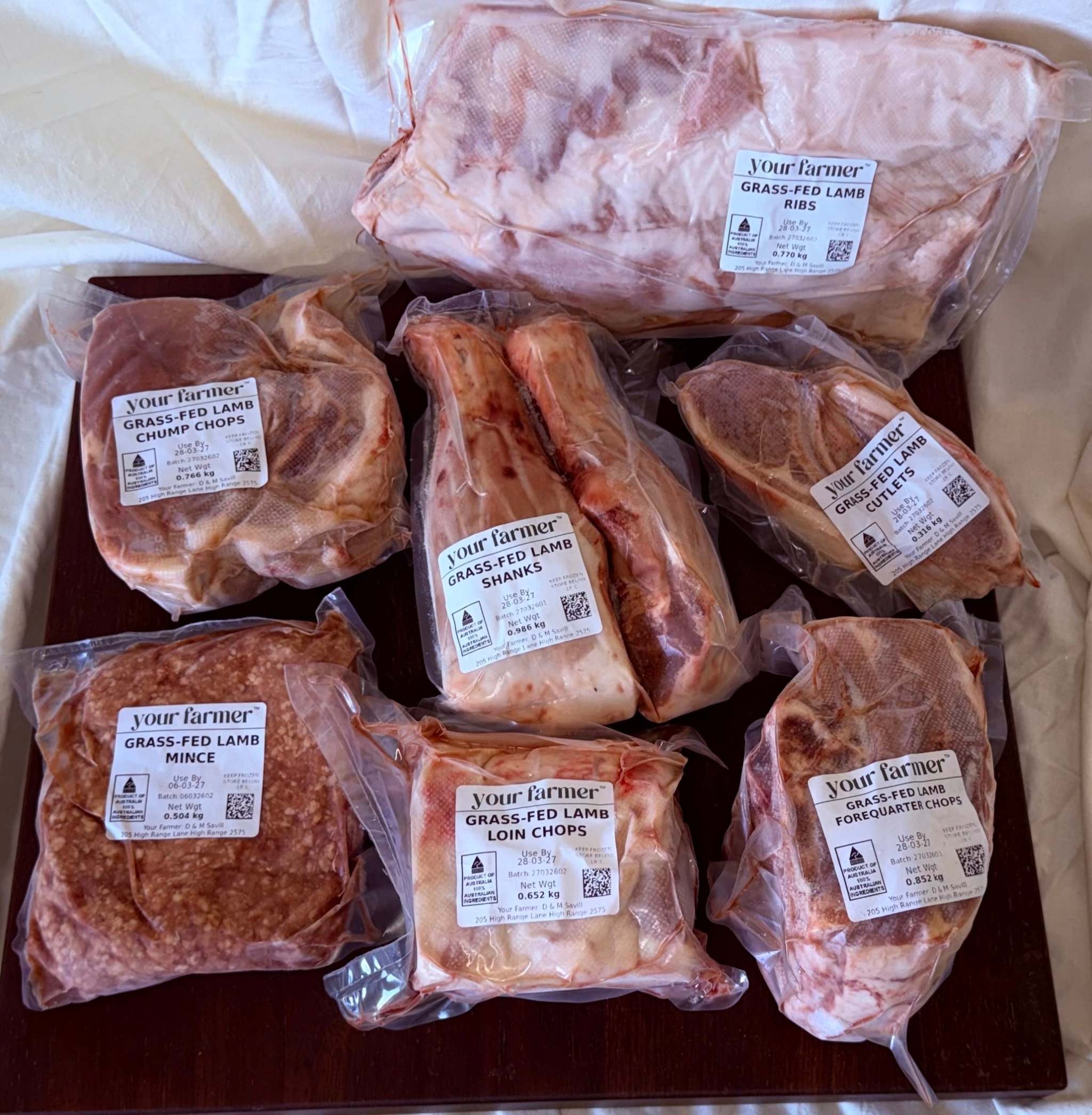
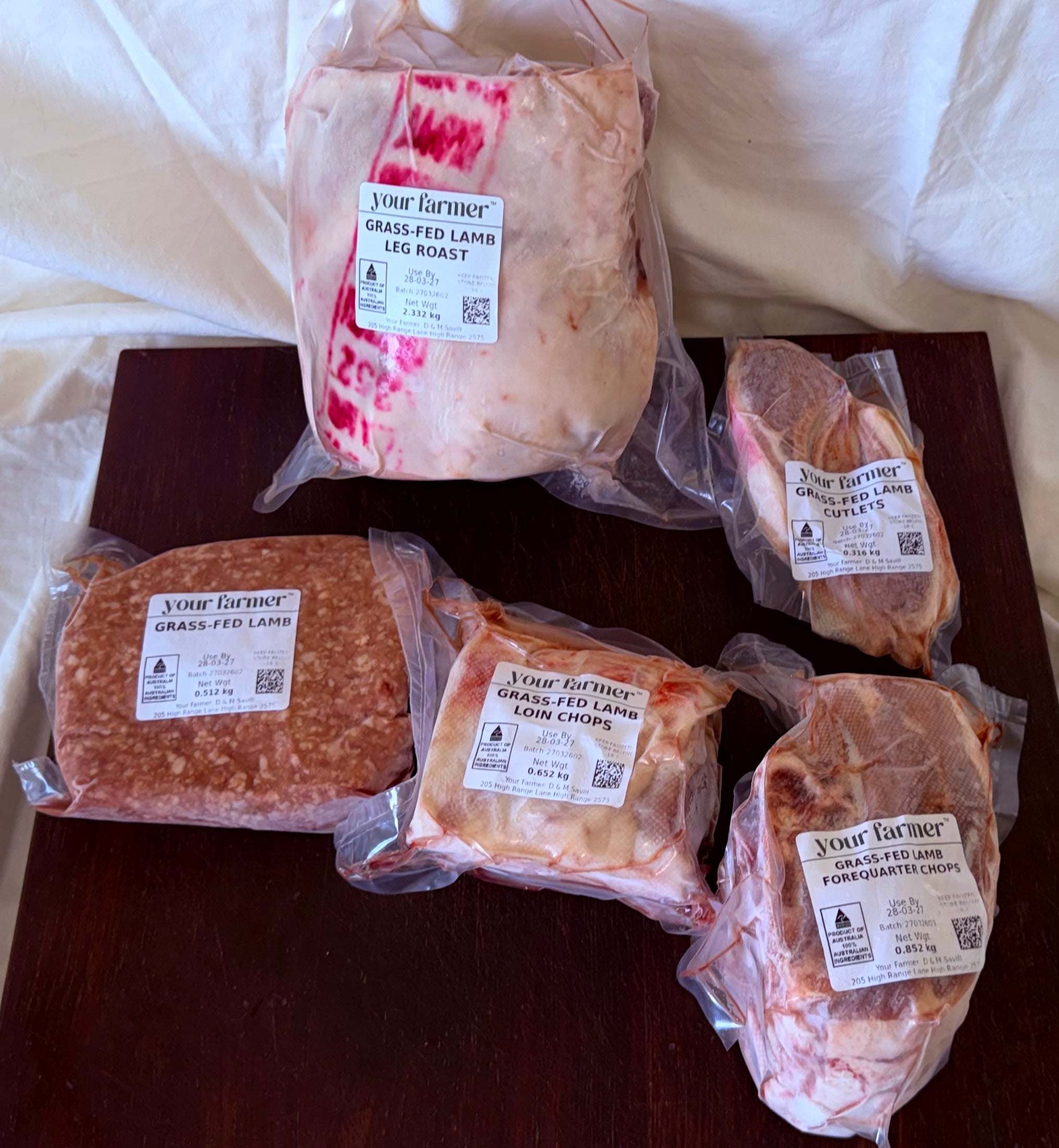
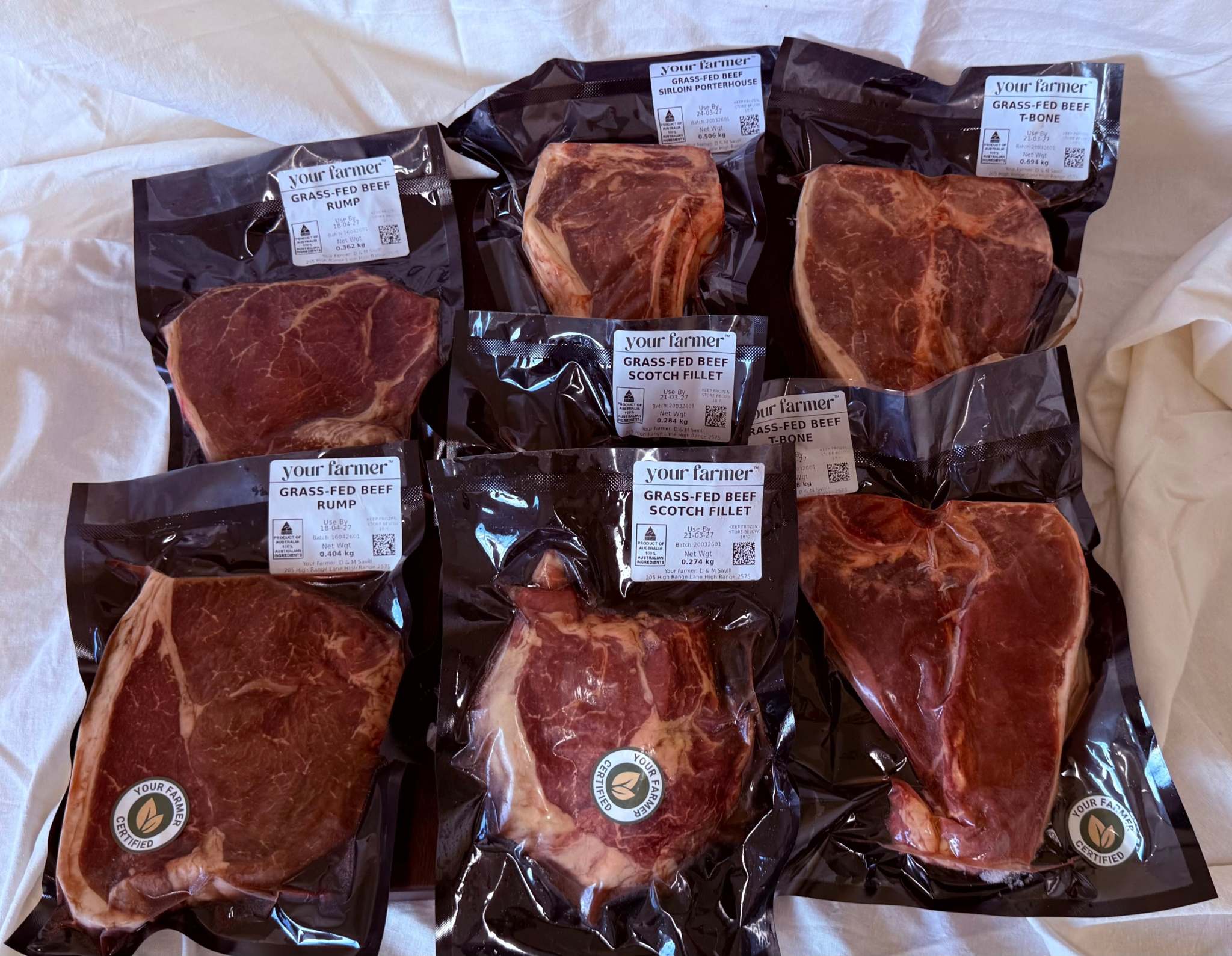
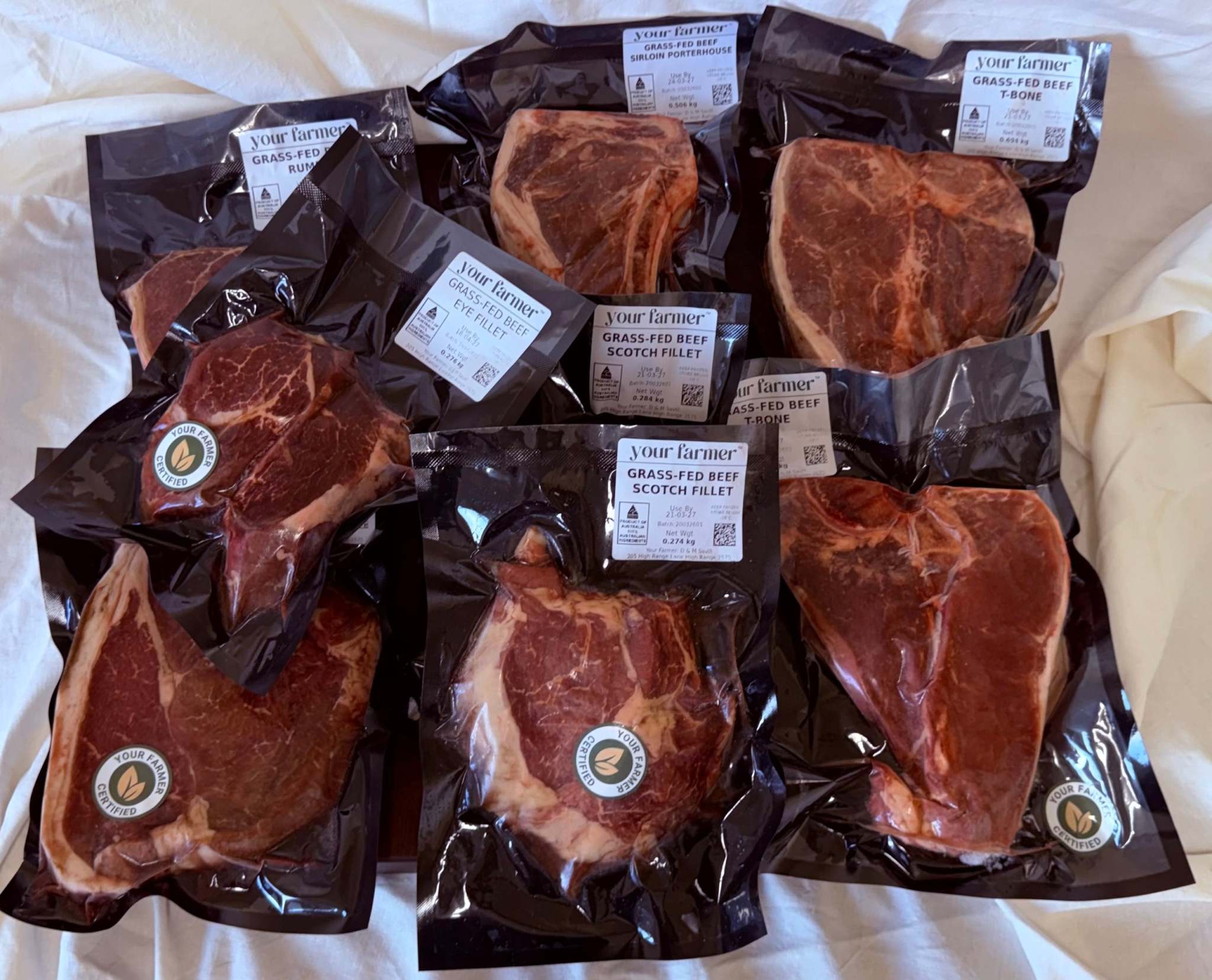
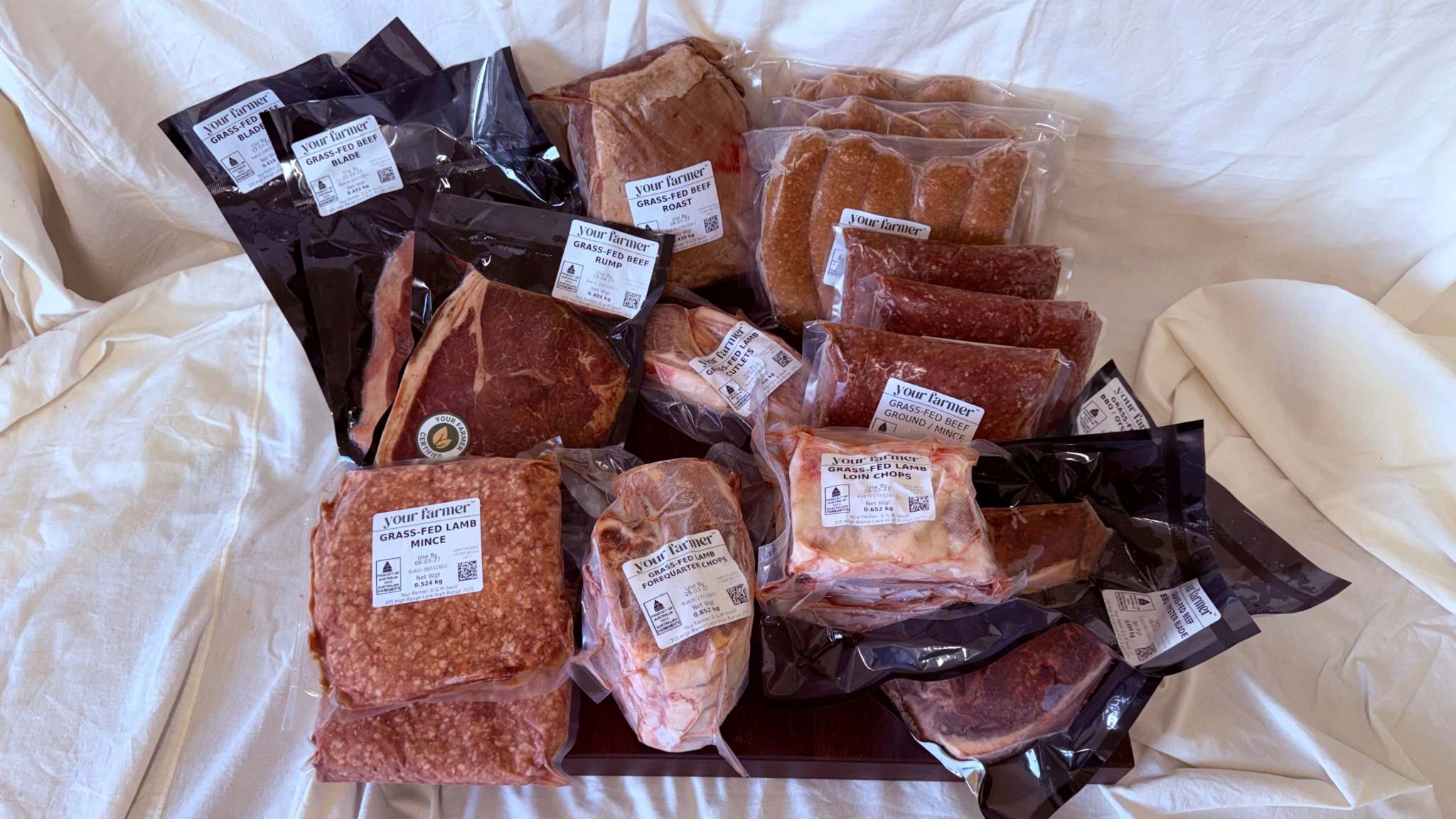
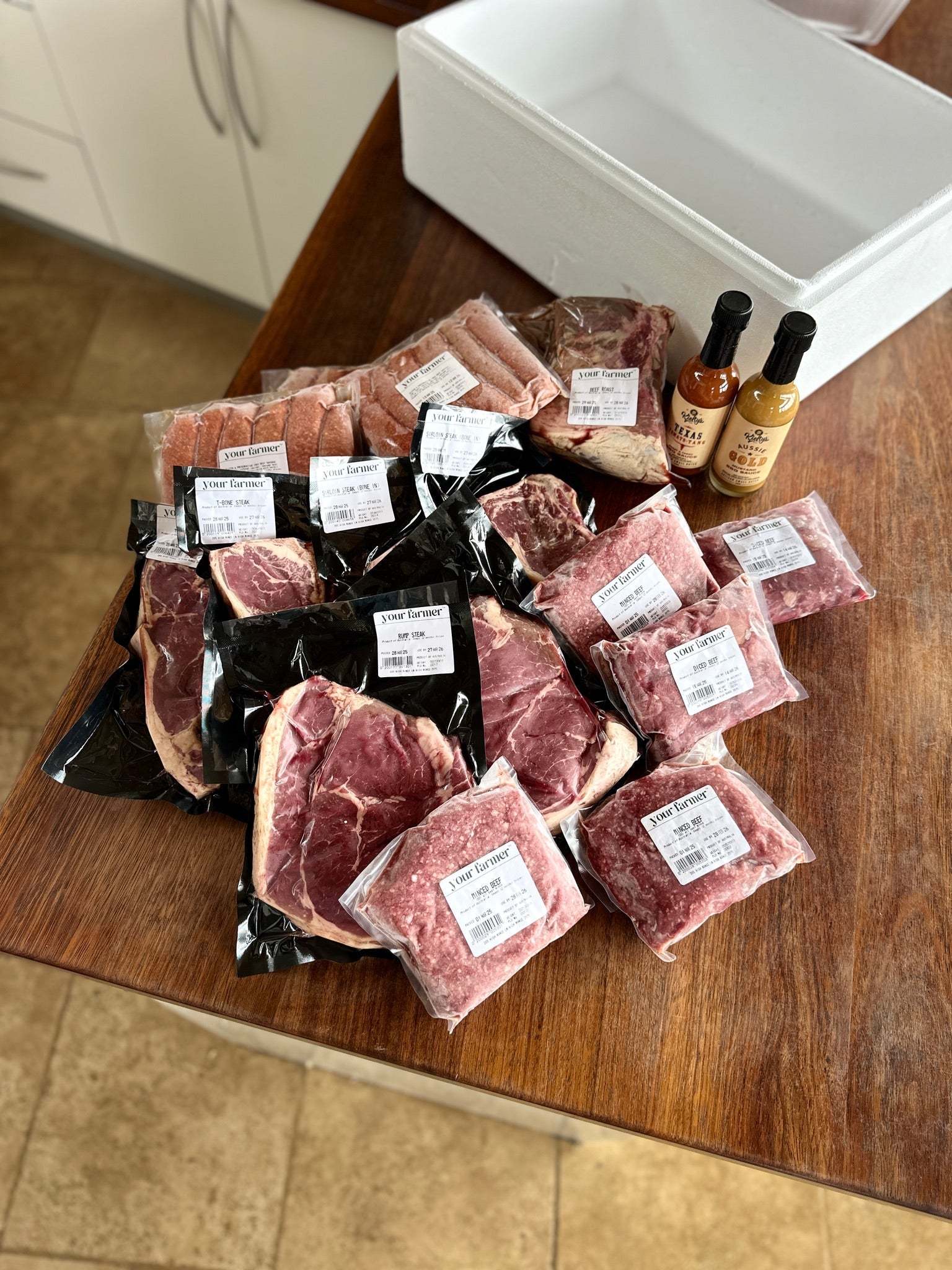
Pack A & Pack C shares — Roast (~1.4kg)

The Physics of a Proper Yorkshire

A Yorkshire pudding is just batter meeting fat that's hot enough to mean it. The rested batter lets the flour fully hydrate, the smoking dripping sets the base instantly, and the steam trapped inside does the lifting — which is why an opened oven door is the great Yorkshire killer, collapsing them mid-rise. Using dripping from the roast itself isn't nostalgia; it carries the beef's flavour into the puddings, which is the whole point of serving them together. Temperature contrast matters more than any secret ratio — batter at room temperature meeting fat that's visibly smoking is what throws the walls upward before the crumb can set. If the fat only shimmers, wait. The roast in a Your Farmer® beef share is a lean, grass-fed cut, so the thermometer matters here too — 55 to 60°C, then a long rest that happens to be exactly one batch of Yorkshires long.

Swaps and Variations

No muffin tin? One large pudding in a small roasting pan takes 25 to 30 minutes and gets torn at the table like bread. A teaspoon of Dijon or horseradish through the gravy suits the beef well. The same roast-and-rest method works with a topside roast in a low oven, and for the philosophy behind why a whole-animal share includes a roast at all, the Sunday table piece is worth the cup of tea it takes.

Storage and Leftovers

Cold roast beef keeps wrapped in the fridge for 3 to 4 days and makes the week's best sandwiches — thin slices, mustard, white bread, no negotiation. Leftover Yorkshires keep 2 days airtight and revive in a 200°C oven for 4 to 5 minutes; the truly committed fill them with leftover beef and gravy for what northern England calls a proper lunch. The gravy freezes for 3 months and is worth banking for midweek bangers. One last habit worth adopting: warm the dinner plates — thin slices of beef cool fast, and a warm plate buys the table ten unhurried minutes.

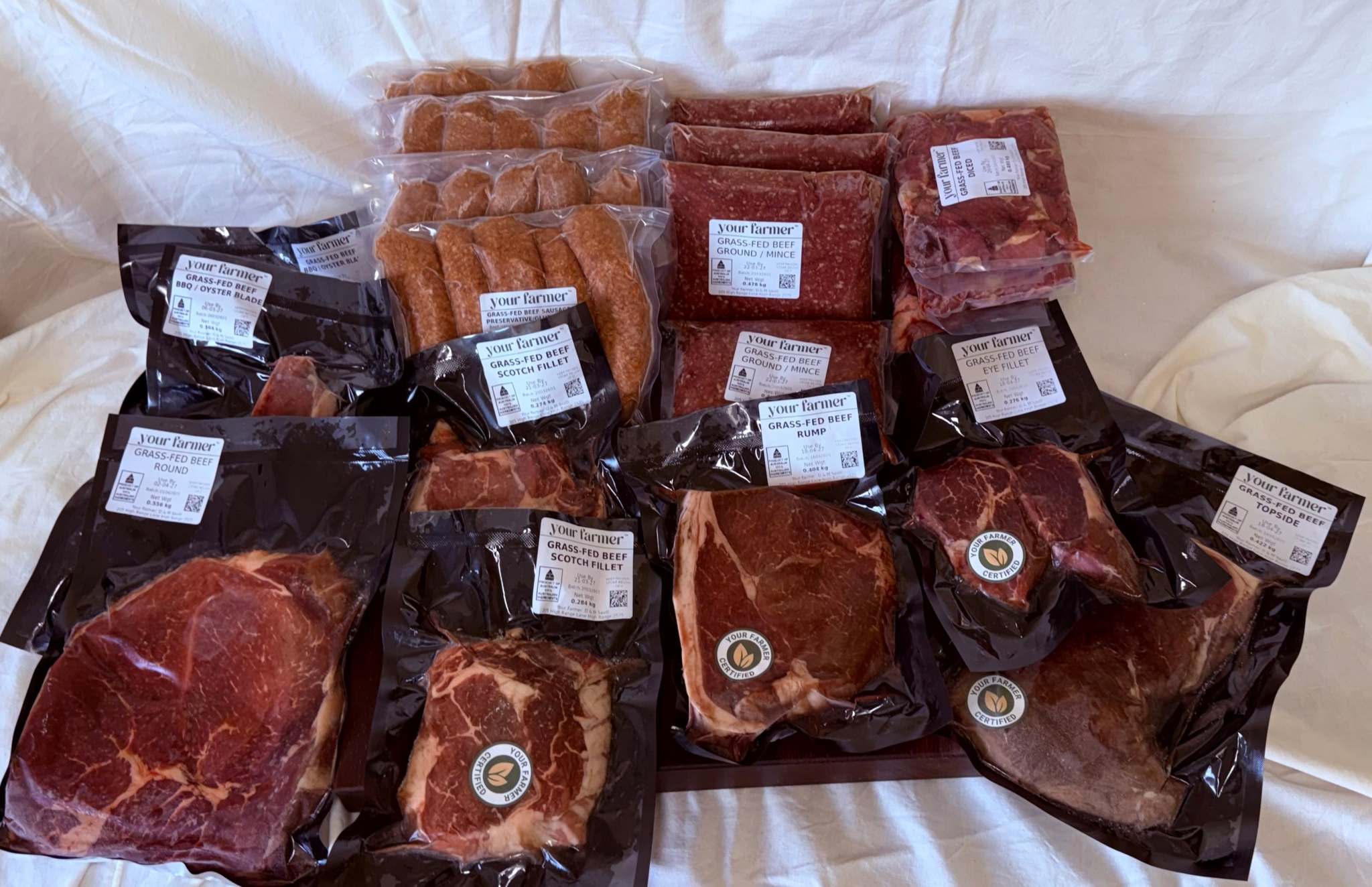
The roast turns up in Pack A and Pack C of our beef subscription — reserve your share and put the full Sunday on the calendar.
Frequently asked questions

Why didn't my Yorkshires rise?

Almost always one of three things: the fat wasn't smoking hot when the batter went in, the batter hadn't rested, or the oven door got opened mid-bake. Fix those and they'll climb.

Can I make the batter ahead?

Yes — overnight in the fridge actually improves it. Bring it back toward room temperature and give it a quick whisk before pouring.

Do I have to use beef dripping?

Vegetable oil rises just as well, so it's a fine substitute. Dripping simply tastes of the roast, which is why it's traditional when there's a pan of it sitting right there.

Can the beef really rest for a full 30 minutes?

Yes — loosely covered in a warm spot it stays plenty hot, and a 1.4kg roast genuinely benefits from the long rest. The Yorkshires need the oven anyway, so nothing is lost.

What doneness should I aim for?

Pull the roast at 55°C for medium-rare or 60°C for medium, measured in the centre. It climbs a few degrees while resting, which those numbers already allow for.

Three Simple Steps

A whole table of real food.

Your Farmers grow grass-fed beef and lamb, pastured eggs and the best eco-grown veggies and produce — every item grown to the same ecological standard, every farmer one you can know by name. One subscription, your whole real-food shop.

01

Reserve your share — or try a pack

Subscribe to a share of the harvest, or start with a one-off fixed pack.

02

Make it your own

Pick your delivery rhythm and what's in the box. Skip or cancel anytime — no lock-in.

03

Cook, savour, know your farmer

We deliver in a reusable esky we collect next time. No couriers, no waste.

More Recipes

View all

Osso buco-style braised grass-fed lamb chump chops in tomato sauce over soft polenta, topped with gremolata.

Osso Buco-Style Braised Chump Chops with Gremolata

The Milanese treatment — chops braised low in white wine and tomato, lifted at the end by lemony gremolata

Osso buco is Milan's great braise, and the finishing touch is what makes it: gremolata, a raw scatter of lemon zest, garlic and parsley chopped fine, stirred in right at the end. Against an hour and a half of slow, rich braising, that fresh, sharp hit is a revelation — it stops the whole thing feeling heavy and makes you reach for another spoonful. Lamb chump chops stand in beautifully for the traditional veal shin here, their fat and connective tissue melting into a glossy sauce over soft polenta. It takes time, but almost none of it is yours. This is a dish to be proud of.

Read moreabout Osso Buco-Style Braised Chump Chops with Gremolata

A thick bowl of split pea and lamb bone soup topped with shredded lamb and mint.

Split Pea and Lamb Bone Soup

Pea-and-ham thinking, straight from the lamb paddock

Every Australian family has a pea-and-ham soup story, and every one of those soups leans on the same trick: a bone in the pot doing the heavy lifting. This is that trick with lamb bones instead of a hock. The split peas collapse into a thick, velvety base, the bones give the broth real depth and body, and a pinch of smoked paprika stands in for the smokehouse if you want that familiar edge. It's the thriftiest pot in this whole collection — pantry peas, add-on bones, one lazy afternoon — and it eats like a hug.

Read moreabout Split Pea and Lamb Bone Soup

Grass-fed T-bone steak sliced and served with homemade tarragon bearnaise and chips, bistro style.

T-Bone with Bearnaise from Scratch

The sauce that turns a steak into an occasion

Béarnaise has a reputation as chef's territory — it isn't. It's three egg yolks, a sharp tarragon reduction and a stream of warm butter, whisked over gentle heat until it turns thick, glossy and faintly wobbly. Twenty minutes of honest attention, most of it while the steak rests. And there's no better steak to learn it on than a grass-fed T-bone: the fillet side was born for béarnaise, and the sirloin side isn't far behind. This is occasion cooking you can pull off on an ordinary Saturday.

Read moreabout T-Bone with Bearnaise from Scratch