One temperature, one timing rule, and the roast you were nervous about is done

Plenty of good cooks have stood in front of a 1.4kg roast and quietly panicked. It's a lot of beef to get wrong. So here's the version with all the decisions already made: one oven temperature, one timing rule, a cheap meat thermometer as the referee, and a pan gravy built from the juices while the beef rests. No searing, no basting, no turning. Follow it once and the Sunday roast stops being an occasion you attempt and becomes a thing you simply do.

2 hrs 6 servings Prep 15 minsCook 1 hr 20 minsMain CourseAustralian

Ingredients

  • 1.4kg Your Farmer grass-fed beef roast
  • 1 tbsp olive oil
  • Salt and pepper to season
  • 2 brown onions, halved, skin on
  • 2 tbsp plain flour
  • 500ml beef stock
  • Splash of Worcestershire sauce

Instructions

Heat the oven to 180°C. If you remember, take the roast out of the fridge 30 minutes ahead (optional — it just helps it cook evenly). Pat it dry, rub it with the oil and season it generously on every side.

1.4kg beef roast1 tbsp olive oil

Sit the onion halves cut-side down in the middle of a roasting pan and rest the beef on top — they're your roasting rack, and they'll flavour the gravy.

2 onions

Roast for about 1 hour 20 minutes for medium. The timing rule: roughly 28 minutes per 500g. The real referee: a thermometer in the centre reading 55°C for medium-rare or 60°C for medium. Start checking at the 1 hour mark.

Move the beef to a warm plate, cover it loosely with foil and rest it for 25 minutes. This step is not optional — it's the difference between juicy slices and a puddle on the board.

While it rests, put the roasting pan over medium heat, mash the soft onions into the juices and stir in the flour for a minute.

2 tbsp plain flour

Gradually whisk in the stock and a splash of Worcestershire, simmer until it's a gravy you'd be proud of, then strain it into a jug and season to taste.

500ml beef stockWorcestershire sauce

Carve the beef thinly against the grain and serve it with the gravy and whatever vegetables your table expects on a Sunday.

Appears in

Getting to Know the Roast in Your Share

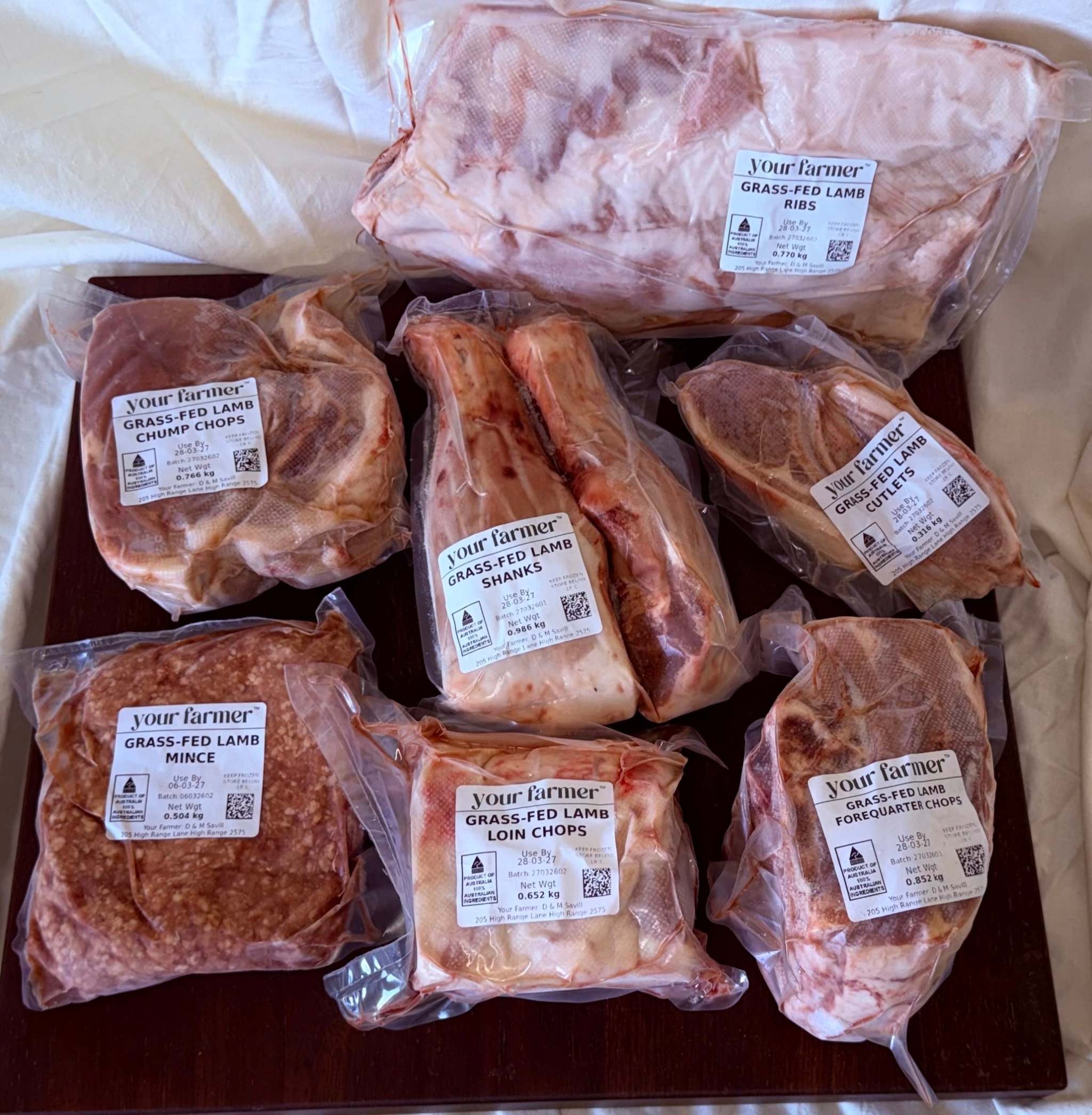
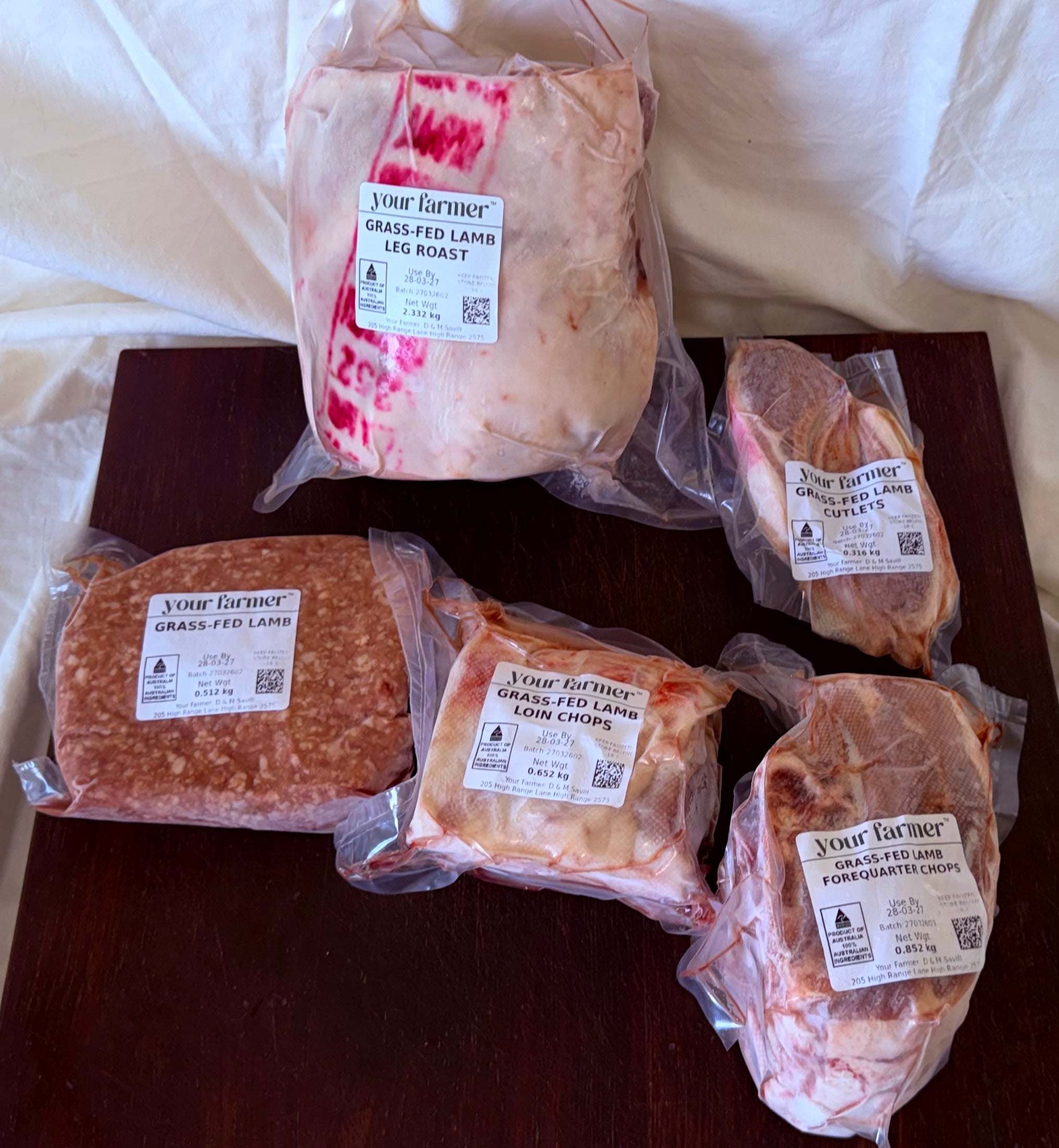
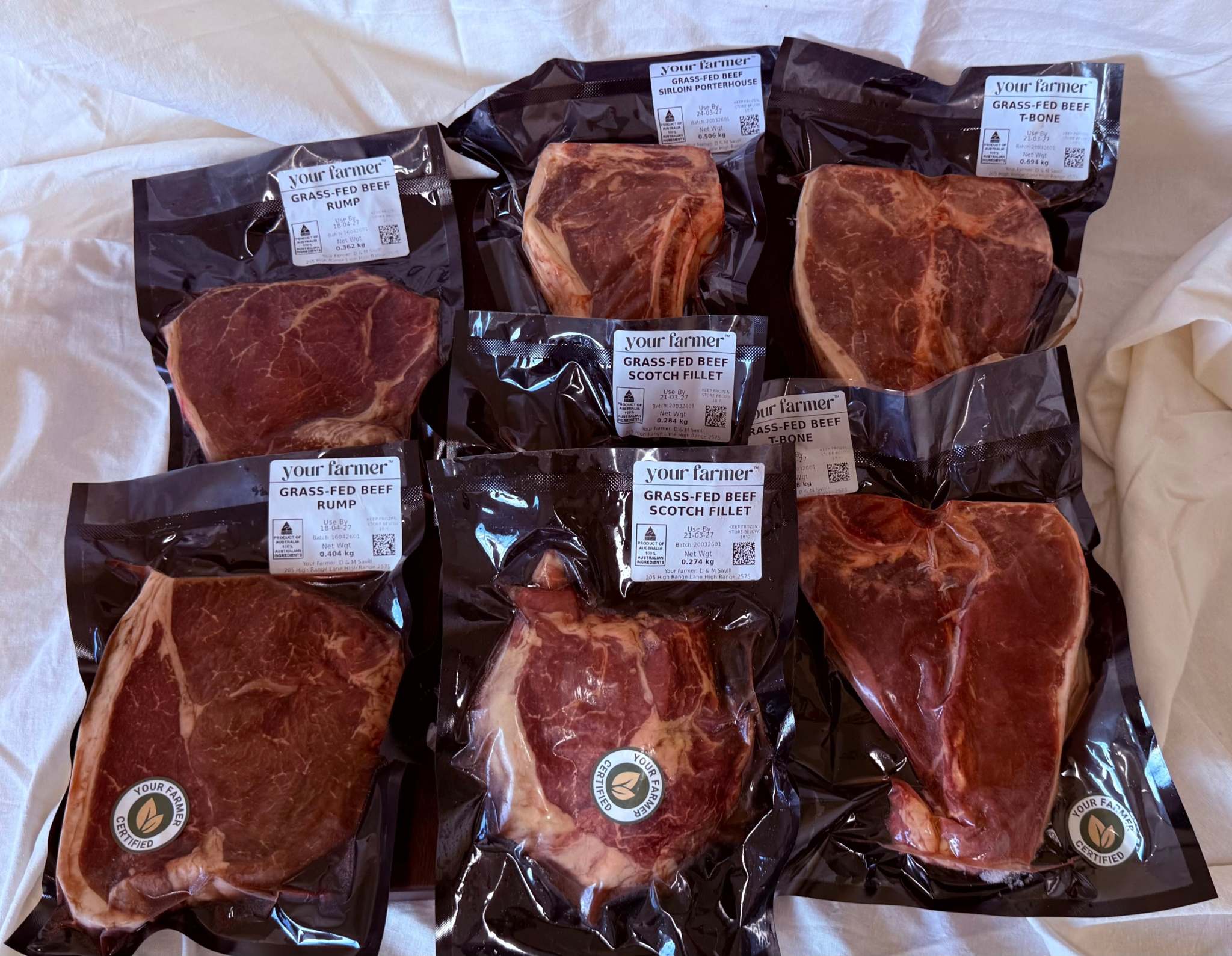
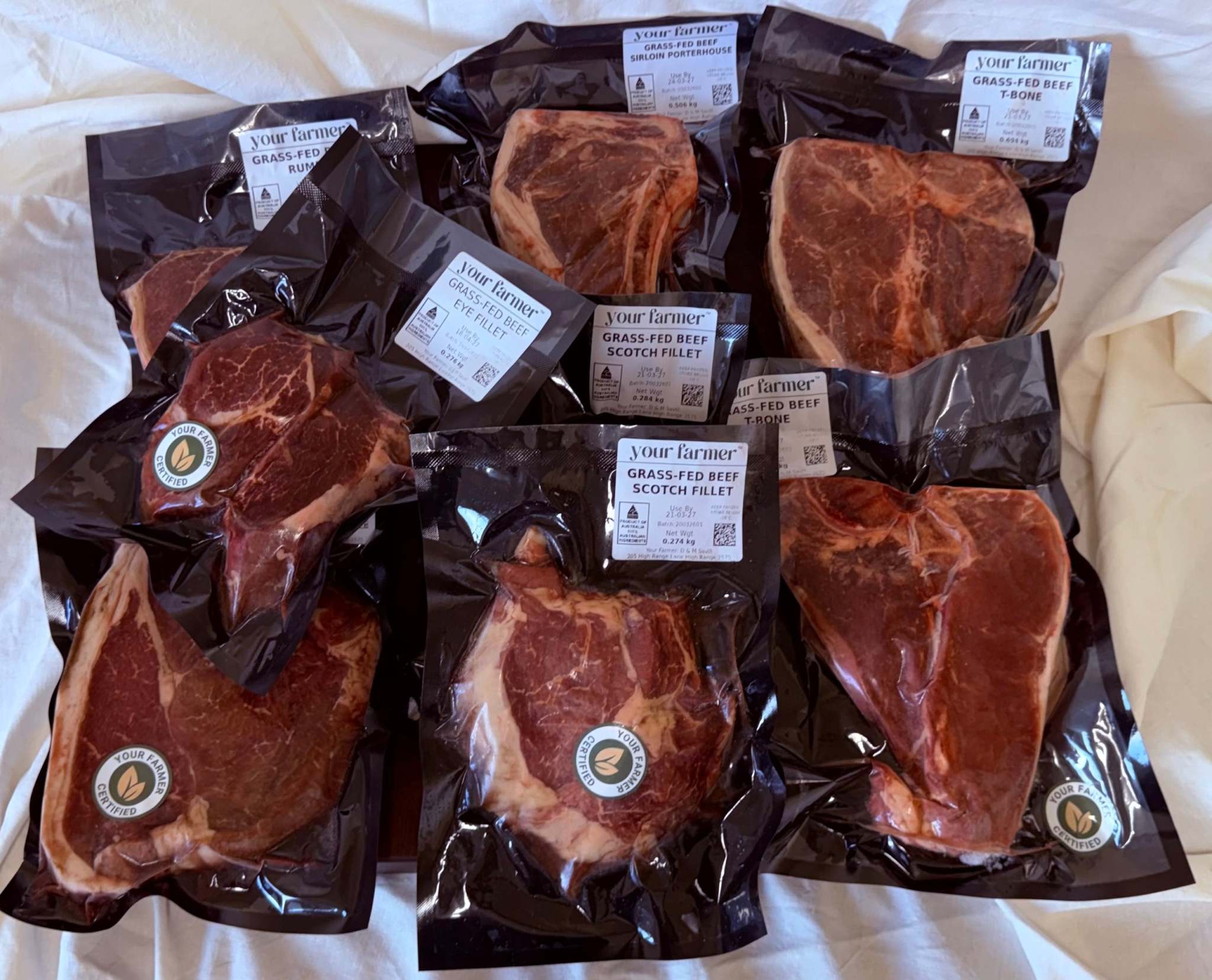
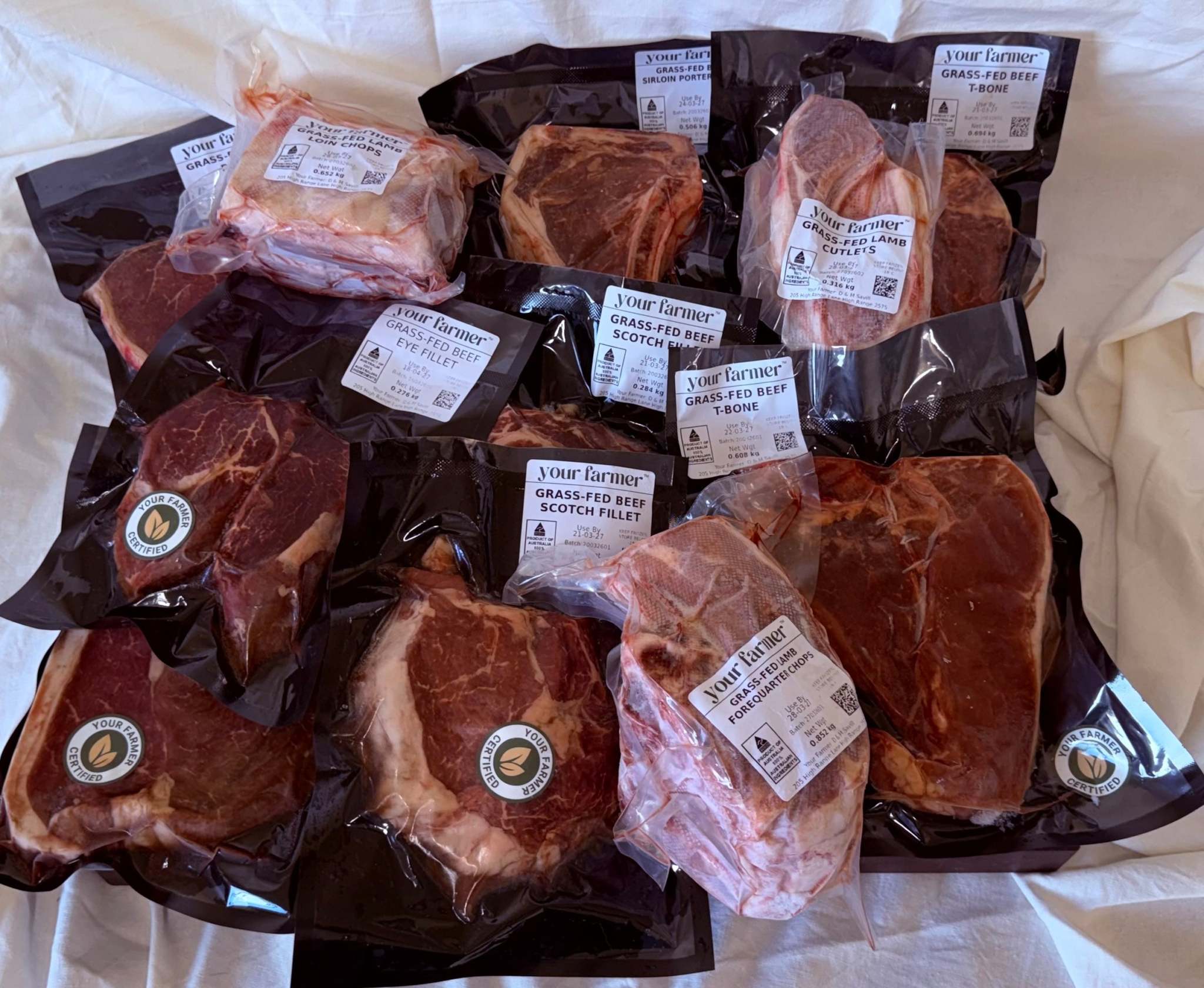
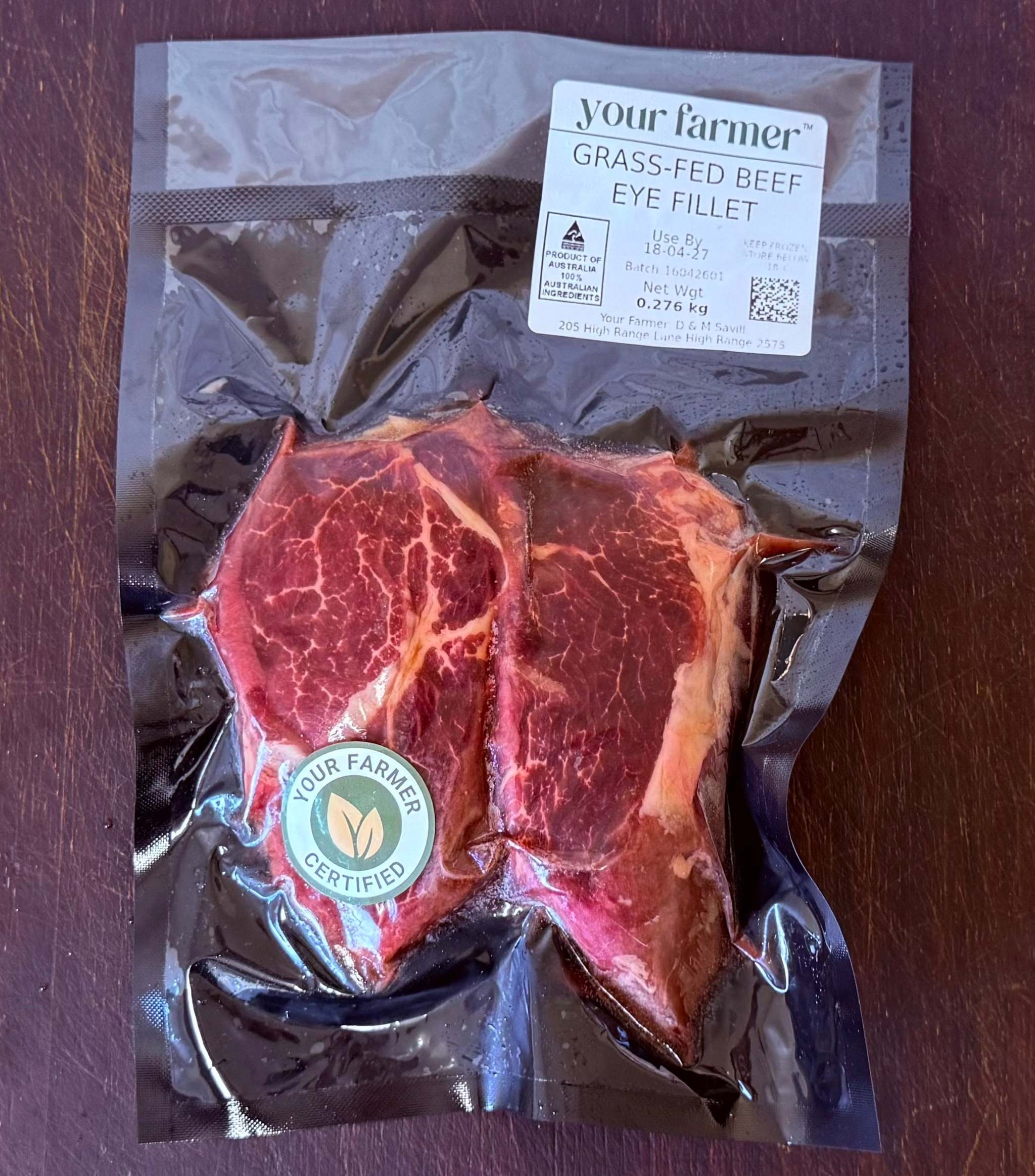
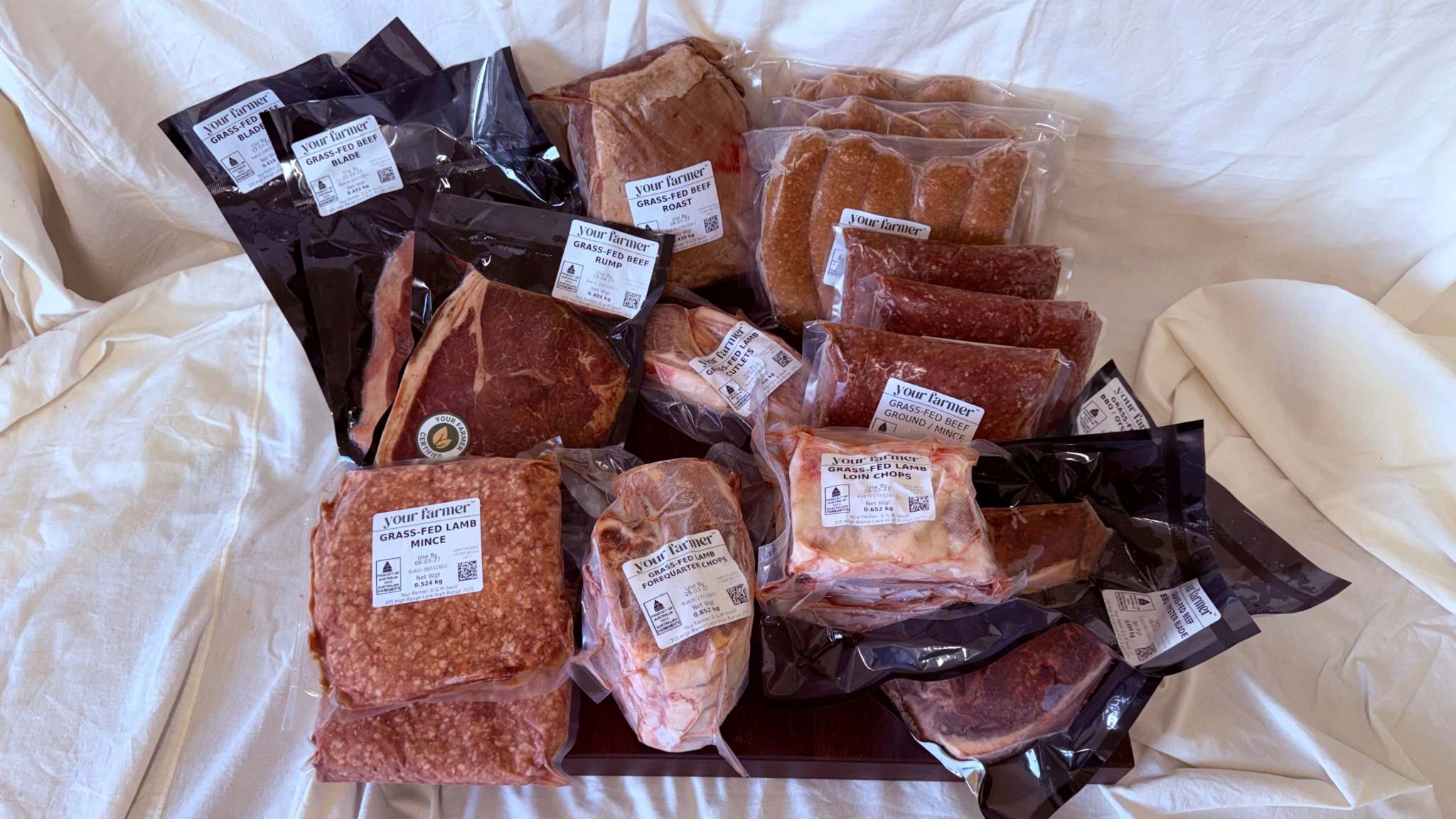
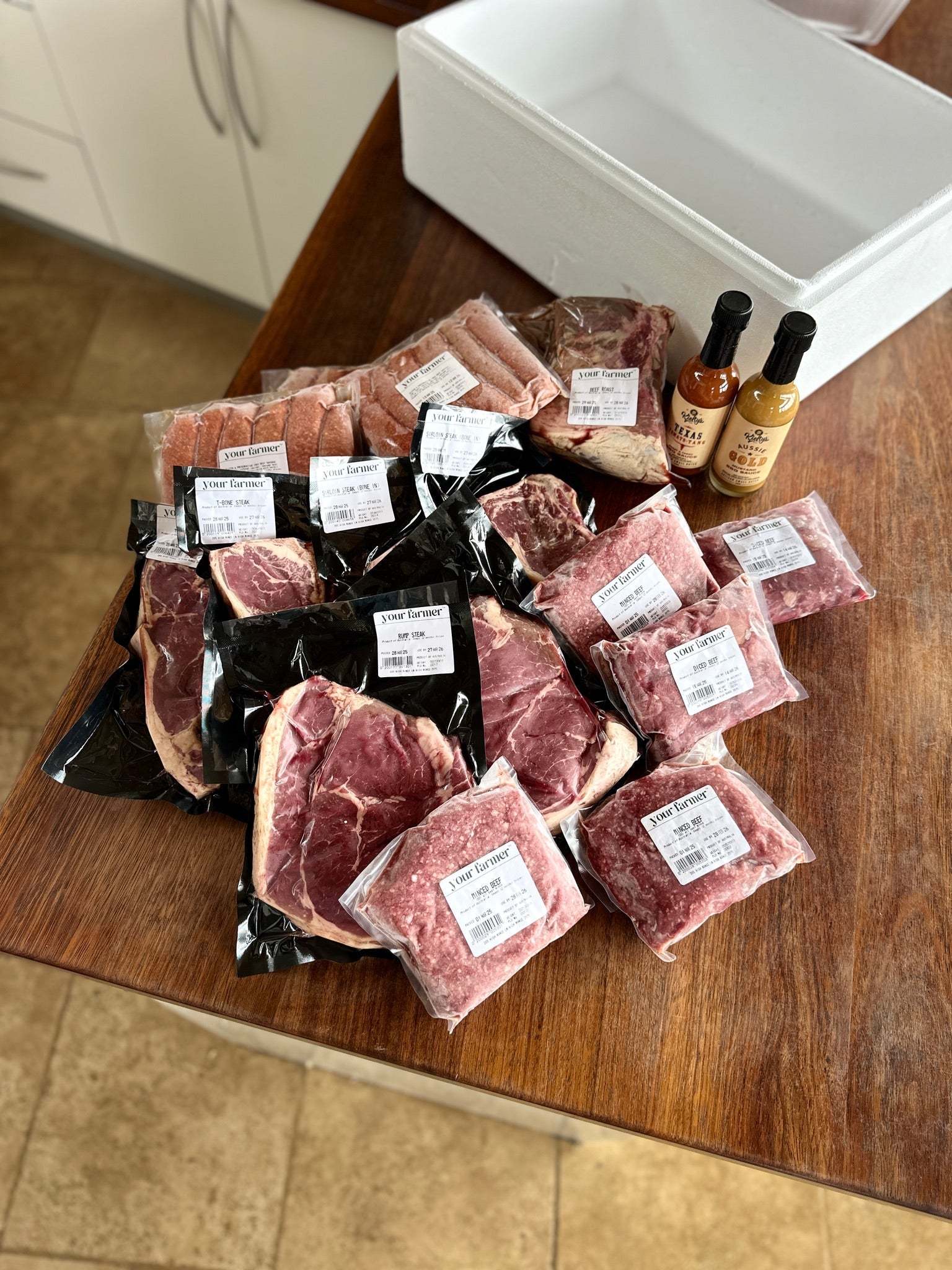
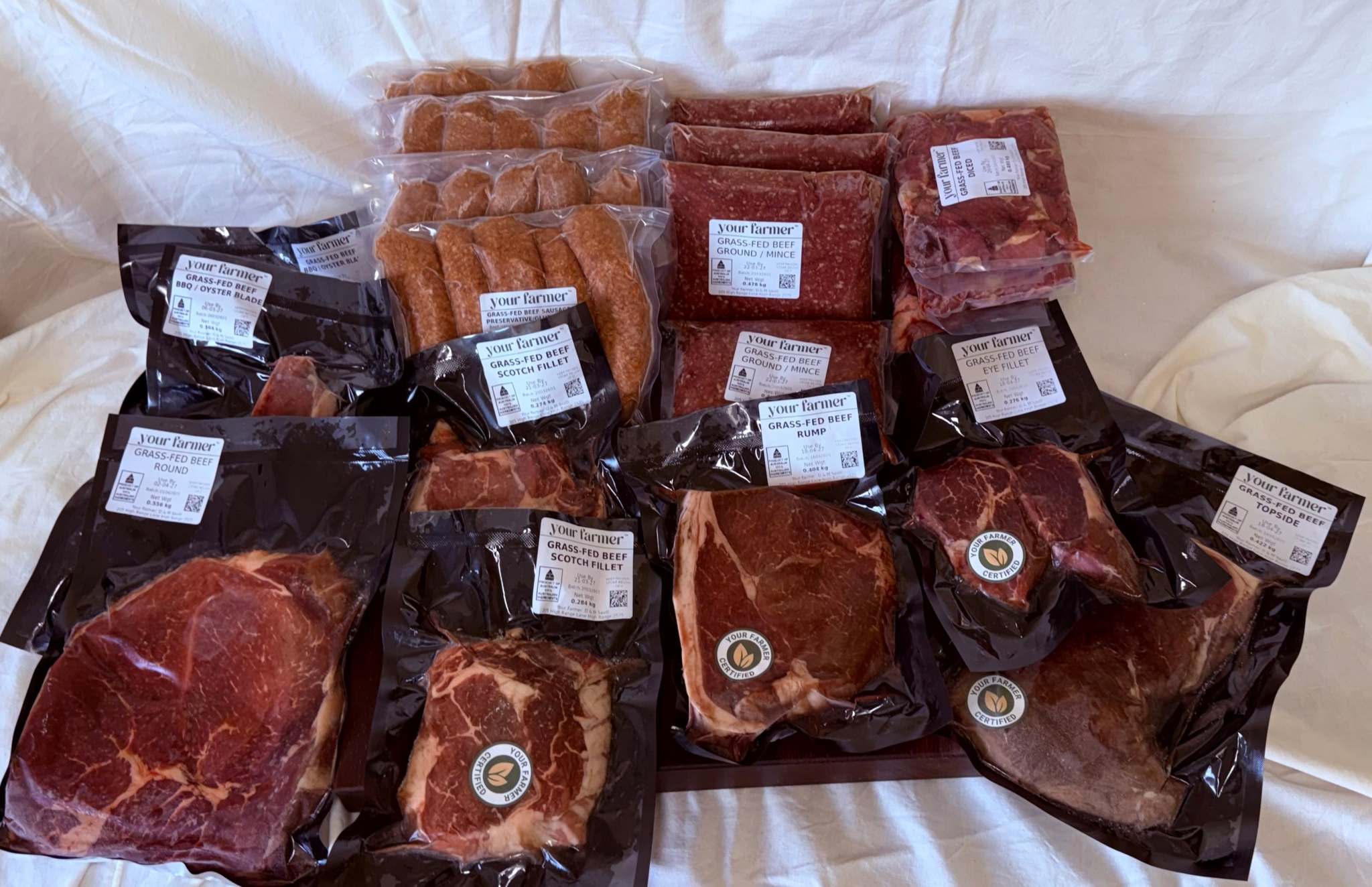
The roast in Pack A and Pack C of a Your Farmer® beef share is a lean, whole-muscle roasting cut of about 1.4kg. Lean is the operative word — grass-fed beef carries its flavour in the muscle rather than in thick seams of fat, which is why the two rules of this recipe matter so much. The thermometer stops you cooking past medium, where a lean roast starts drying out. And carving thinly against the grain shortens the muscle fibres so every slice eats tender. You'll notice there's no searing step, and that's deliberate — at 180°C the outside browns perfectly well on its own over eighty minutes, and one less job means one less thing to time. Most home ovens also run a little hot or cold without telling you; the thermometer quietly corrects for that too. Get the two rules right and everything else is just an oven doing its job.

Swaps and Variations

A teaspoon of mustard powder or a scatter of fresh rosemary in with the seasoning suits it well. Halved carrots and celery sticks can join the onion trivet — they'll collapse into the gravy too. The same one-temperature method works on a topside roast, and when you're ready for the lamb version, a pastured lamb roast follows the same timing rule with a slightly higher finish of 60 to 63°C. For the bigger picture on every cut in the box, our every-cut guide is the map.

Storage and Leftovers

Cold roast beef might quietly be the best part of the whole exercise. Wrap the leftovers well and they'll keep in the fridge for 3 to 4 days; sliced beef also freezes for up to 2 months. Slice it thin and cold for sandwiches with mustard and pickles, or warm slices briefly in leftover gravy — never the microwave on high, which cooks the pink right out of it. One 1.4kg roast is Sunday lunch for six and Monday lunches for the week.

The roast arrives twice a quarter in our beef subscription — reserve a share and let Sunday sort itself out.
Frequently asked questions

What if I don't have a meat thermometer?

Use the timing rule — about 28 minutes per 500g at 180°C for medium — and give it the full 25-minute rest. But a basic probe thermometer costs about the same as a kilo of beef and removes all the guesswork, so it's the first thing worth buying.

What internal temperature should I pull it at?

Take it out at 55°C for medium-rare or 60°C for medium. The temperature keeps rising a few degrees while it rests, which is already accounted for in those numbers.

Why does it have to rest for 25 minutes?

Resting lets the juices settle back into the meat instead of flooding the carving board. The beef stays plenty warm under foil, and the rest is exactly the time you need to make the gravy.

My gravy went lumpy. How do I fix it?

Whisk hard off the heat, and if the lumps won't surrender, pour the gravy through a sieve — you're straining out the onions anyway, so nobody will ever know.

Can I cook the roast from frozen?

No — thaw it in the fridge for 24 to 36 hours first. A frozen centre throws out both the timing rule and the thermometer reading.

Three Simple Steps

A whole table of real food.

Your Farmers grow grass-fed beef and lamb, pastured eggs and the best eco-grown veggies and produce — every item grown to the same ecological standard, every farmer one you can know by name. One subscription, your whole real-food shop.

01

Reserve your share — or try a pack

Subscribe to a share of the harvest, or start with a one-off fixed pack.

02

Make it your own

Pick your delivery rhythm and what's in the box. Skip or cancel anytime — no lock-in.

03

Cook, savour, know your farmer

We deliver in a reusable esky we collect next time. No couriers, no waste.

More Recipes

View all

Osso buco-style braised grass-fed lamb chump chops in tomato sauce over soft polenta, topped with gremolata.

Osso Buco-Style Braised Chump Chops with Gremolata

The Milanese treatment — chops braised low in white wine and tomato, lifted at the end by lemony gremolata

Osso buco is Milan's great braise, and the finishing touch is what makes it: gremolata, a raw scatter of lemon zest, garlic and parsley chopped fine, stirred in right at the end. Against an hour and a half of slow, rich braising, that fresh, sharp hit is a revelation — it stops the whole thing feeling heavy and makes you reach for another spoonful. Lamb chump chops stand in beautifully for the traditional veal shin here, their fat and connective tissue melting into a glossy sauce over soft polenta. It takes time, but almost none of it is yours. This is a dish to be proud of.

Read moreabout Osso Buco-Style Braised Chump Chops with Gremolata

A thick bowl of split pea and lamb bone soup topped with shredded lamb and mint.

Split Pea and Lamb Bone Soup

Pea-and-ham thinking, straight from the lamb paddock

Every Australian family has a pea-and-ham soup story, and every one of those soups leans on the same trick: a bone in the pot doing the heavy lifting. This is that trick with lamb bones instead of a hock. The split peas collapse into a thick, velvety base, the bones give the broth real depth and body, and a pinch of smoked paprika stands in for the smokehouse if you want that familiar edge. It's the thriftiest pot in this whole collection — pantry peas, add-on bones, one lazy afternoon — and it eats like a hug.

Read moreabout Split Pea and Lamb Bone Soup

Grass-fed T-bone steak sliced and served with homemade tarragon bearnaise and chips, bistro style.

T-Bone with Bearnaise from Scratch

The sauce that turns a steak into an occasion

Béarnaise has a reputation as chef's territory — it isn't. It's three egg yolks, a sharp tarragon reduction and a stream of warm butter, whisked over gentle heat until it turns thick, glossy and faintly wobbly. Twenty minutes of honest attention, most of it while the steak rests. And there's no better steak to learn it on than a grass-fed T-bone: the fillet side was born for béarnaise, and the sirloin side isn't far behind. This is occasion cooking you can pull off on an ordinary Saturday.

Read moreabout T-Bone with Bearnaise from Scratch